2026 Best LiFePO4 Battery Manufacturers in China?

Time:2026-10-15 Author:Amelia
0%

Choosing the 2026 best LiFePO4 battery manufacturers in China requires more than comparing price lists or glossy product pages. Buyers must examine cell consistency, thermal management, production traceability, testing equipment, and after-sales support. A battery may look excellent on paper, yet perform poorly when installed in a hot warehouse or a vibrating electric vehicle.

Dr. Jeff Dahn, a widely respected battery researcher, has stated, “Battery life is a system problem, not merely a cell problem.” This principle remains highly relevant when evaluating Lifepo4 Battery Manufacturers China. Strong manufacturers usually provide measurable data, including cycle-life test conditions, capacity tolerance, charge-temperature limits, and safety documentation. Their factories should also demonstrate controlled assembly areas, automated welding, reliable battery management systems, and repeatable end-of-line testing. Small details matter. A loose busbar, uneven cell compression, or unclear firmware update can create expensive problems later.

This guide focuses on practical evidence rather than exaggerated marketing claims. It considers manufacturing experience, engineering capability, certification readiness, export performance, and customer feedback. No ranking is flawless. Supplier capacity can change, product specifications may vary, and a famous name does not guarantee the best fit for every project. Buyers should still request samples, inspect test reports, and confirm warranty terms before placing large orders. The goal is not simply to identify the biggest factory. It is to find a dependable partner that can deliver safe, consistent, and serviceable LiFePO4 batteries throughout 2026.
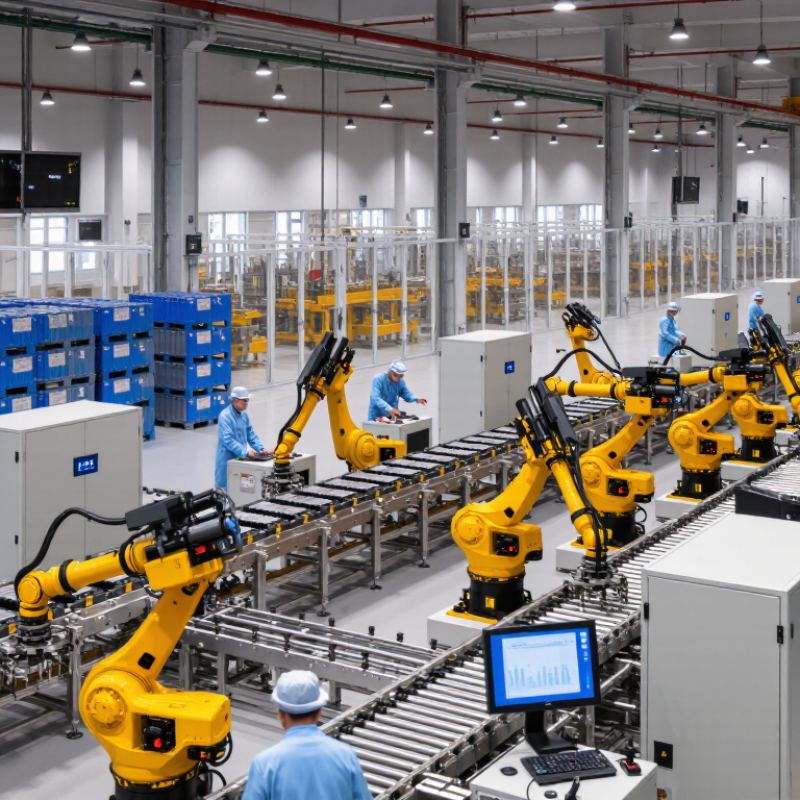
2026 Best LiFePO4 Battery Manufacturers in China?

What Are LiFePO4 Batteries and Why Are They Important in 2026?

LiFePO4 batteries are lithium iron phosphate energy-storage cells designed for safety, durability, and stable daily performance. Their chemistry is less prone to thermal runaway than many other lithium-ion types. They also offer a long cycle life, often exceeding 3,000 cycles under suitable conditions. In 2026, this matters for solar storage, electric transport, backup power, and commercial energy systems. A typical cell provides about 3.2 volts, so battery packs need careful series balancing and reliable battery management systems.

Their main advantage is dependable operation over many years. They can deliver steady power without the rapid voltage drop common in older battery technologies. However, they are not perfect. Charging below freezing can damage the cells unless the system includes temperature protection or heating. Poor balancing, weak wiring, and inaccurate capacity claims still cause real problems. Professional testing should examine cycle data, safety controls, warranty terms, and performance at different temperatures.

Tips: Check the battery management system before comparing prices. Confirm continuous and peak current ratings, not only advertised capacity. Ask for test reports based on recognized standards. Keep batteries away from direct heat and moisture. For home storage, leave suitable ventilation and install protection devices. A cheaper pack may look attractive, but replacing it early can cost more. Even experienced buyers can overlook standby losses and cold-weather performance.

How to Evaluate LiFePO4 Battery Manufacturers in China

Choosing the best LiFePO4 battery manufacturer in China requires more than comparing prices. A practical evaluation should begin with traceable cell sourcing, production experience, and clear quality records. Ask for cell test data, batch numbers, capacity reports, and the battery’s expected cycle life under stated conditions. Vague claims deserve caution.

A reliable manufacturer should explain its battery management system in plain language. Check protection against overcharge, over-discharge, short circuits, overheating, and unbalanced cells. Review welding quality, enclosure materials, connector design, and thermal testing. Request samples from regular production, not specially prepared units. Examine them after repeated charging, vibration, and temperature changes. Small details matter.

Factory verification adds useful evidence. A video call is helpful, but an independent audit is stronger. Confirm whether the manufacturer follows relevant quality systems and can provide current test reports for your target market. Ask how failures are recorded, repaired, and reported. Good suppliers discuss problems without hiding them. No factory is perfect. I would also compare warranty terms with actual service capacity, because a long warranty means little without spare parts and technical support. Some evaluation methods remain imperfect; test conditions rarely match every real installation. That limitation should be written into the purchasing decision.

Leading Chinese LiFePO4 Battery Manufacturers to Consider in 2026

China remains central to the global LiFePO4 supply chain. The International Energy Agency reported that Chinese factories produced about 80% of global battery cells in 2023. BloombergNEF also recorded an average battery-pack price of $115 per kWh in 2024. These figures explain the strong manufacturing depth, but capacity alone does not prove reliability.

Leading Chinese LiFePO4 battery manufacturers should show traceable cell sourcing, stable production records, and independent test results. Buyers should examine cycle-life data at specific temperatures and discharge rates. They should also request evidence for IEC 62619, UN 38.3, and relevant regional safety requirements. A serious factory can explain its battery-management system, thermal protection, and end-of-line testing without hiding behind marketing language. Factory audits matter. Photos are not enough.

The strongest candidates usually provide pilot samples before large orders. Check voltage consistency across cells, weld quality, enclosure strength, and communication protocols. Wood Mackenzie’s energy-storage research continues to highlight safety, integration, and supply-chain resilience as key purchasing concerns. Still, published data can look cleaner than field performance. That is the uncomfortable part. A cheaper quotation may reflect weaker testing, not better efficiency. Buyers should compare warranty terms, replacement procedures, production dates, and after-sales response times. A careful shortlist is more useful than a fashionable ranking.

Which Products and Applications Do These Manufacturers Support?

China’s leading LiFePO4 manufacturers support more than electric vehicles.

Their product ranges commonly include prismatic cells, battery modules, residential storage units, commercial cabinets, and containerized energy storage systems.

Some suppliers also develop packs for telecom backup, data centers, electric boats, recreational vehicles, and low-speed mobility.

Fit matters.

The International Energy Agency reported that LiFePO4 batteries represented about 40% of the global electric car battery market in 2023. Its 2024 Batteries and Secure Energy Transitions report also recorded roughly 42 GW of new battery storage capacity installed worldwide in 2023.

40%

of the global electric car battery market in 2023

42 GW

of new battery storage capacity installed worldwide in 2023

These figures explain the industry’s shift toward safer, lower-cost storage products. For buyers, practical differences remain important: usable capacity, cycle-life testing, battery-management software, thermal control, and replacement support can vary widely.

Reliable manufacturers should provide cell traceability, production test records, and evidence of relevant IEC, UN 38.3, or regional safety compliance. They should also explain performance under heat, cold, partial charging, and frequent cycling.

BloombergNEF reported a 2023 global battery-pack price of about 139 dollars per kWh, with LFP packs generally costing less than nickel-based alternatives.

Yet the lowest quotation may hide weaker monitoring or limited service. No supplier is perfect. A careful evaluation should compare warranty terms, field data, communication protocols, and integration experience instead of relying on factory scale alone.

How to Choose the Right Chinese LiFePO4 Battery Manufacturer

Choosing a Chinese LiFePO4 battery manufacturer in 2026 requires more than comparing quoted prices.

China held over 80% of global battery cell manufacturing capacity in 2023, according to the International Energy Agency. Scale is useful, but it does not prove consistent quality. Request production records, cell traceability, and recent independent test reports. Ask harder questions.

Battery pricing also needs context. BloombergNEF reported an average lithium-ion pack price of 115 USD per kWh in 2024, down 20% from the previous year. A low quotation may hide weaker cells, thinner busbars, limited thermal protection, or unrealistic cycle-life claims.

Compare complete systems, not only cells. Check usable energy, charging temperature, depth-of-discharge limits, and warranty exclusions. Small details matter.

A reliable supplier should provide evidence for IEC 62619, UN 38.3 transport testing, and a documented quality system such as ISO 9001. During a factory audit, inspect incoming-cell testing, welding control, aging racks, and final inspection records.

Request sample units from separate production batches. Test them independently at low and high temperatures. Real projects reveal more.

I have seen specifications look excellent until cold-weather charging exposed weak protection settings. That experience may sound ordinary, but it changes the selection process. Treat cycle-life figures as test results, not promises, and require written conditions for every claimed number.

FAQS

What evidence should a LiFePO4 battery manufacturer provide?

Request cell test data, batch numbers, capacity reports, and stated cycle-life conditions. Vague claims deserve caution.

How can buyers verify cell quality?

Ask for traceable cell sources and production records. Compare samples from separate production batches, not specially prepared units.

What battery management protections should be checked?

Confirm protection against overcharge, over-discharge, short circuits, overheating, and unbalanced cells. Ask for plain-language explanations.

What physical details deserve inspection?

Examine welds, enclosure materials, connectors, busbars, and thermal testing. Small details matter.

How should sample batteries be tested?

Use regular production samples. Check them after repeated charging, vibration, and temperature changes. Test under realistic conditions.

Is a video factory tour enough?

A video call helps, but an independent audit offers stronger evidence. Inspect incoming-cell testing, aging racks, and final records.

Which applications can these batteries support?

Common applications include residential storage, commercial cabinets, backup systems, electric boats, recreational vehicles, and low-speed mobility.

What performance conditions should buyers compare?

Compare usable capacity, charging temperature, depth-of-discharge limits, cycle-life data, software, and replacement support. Fit matters.

Which documents should a supplier provide?

Request current IEC 62619, UN 38.3, and quality-system records when relevant. Requirements vary by market.

Does a long warranty prove reliability?

Not necessarily. Check spare-parts availability, repair procedures, failure reporting, and technical support. A long warranty can mean little.

Conclusion

In 2026, LiFePO4 batteries are becoming increasingly important because they offer strong thermal stability, long cycle life, dependable safety, and lower environmental impact than many traditional battery chemistries. This article explains what makes these batteries valuable for energy storage, electric transportation, backup power, and industrial systems. It also outlines how to evaluate Lifepo4 Battery Manufacturers China by examining cell quality, production capability, safety testing, certifications, customization options, warranty terms, and after-sales support.

The guide presents key factors for comparing Chinese manufacturers without focusing on individual brands. It reviews the product types and applications they may support, including residential storage systems, commercial energy solutions, mobile power equipment, low-speed vehicles, and specialized battery packs. Finally, it offers a practical framework for selecting the right supplier based on technical requirements, capacity, budget, delivery reliability, communication, and long-term cooperation potential.


Amelia

Amelia

Amelia is a seasoned marketing professional with a wealth of expertise in our company’s core offerings. With an unwavering passion for driving growth and innovation, she plays a pivotal role in shaping our marketing strategies and enhancing brand visibility. A key aspect of her responsibilities......