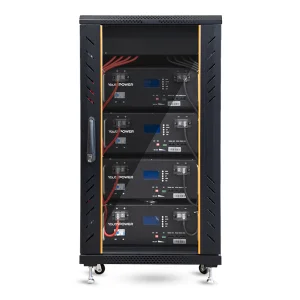
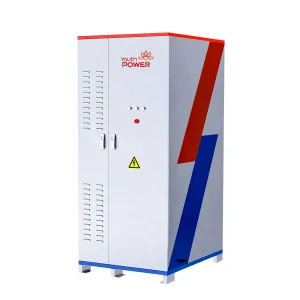
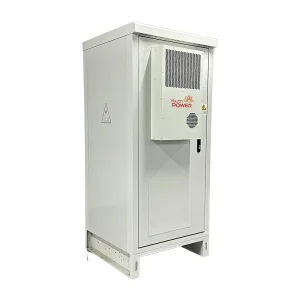
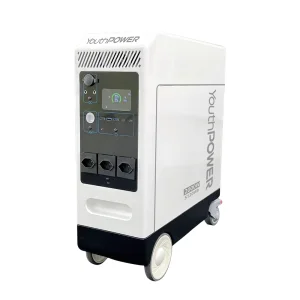
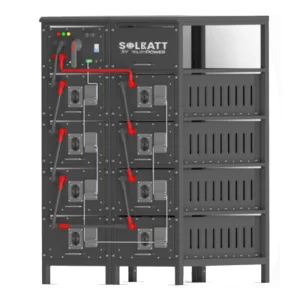
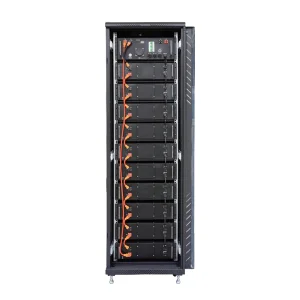
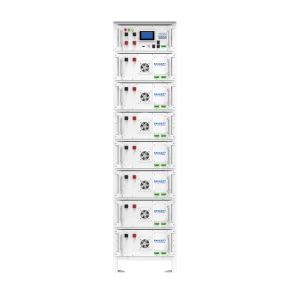
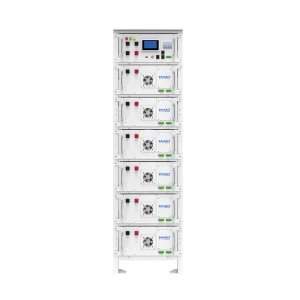
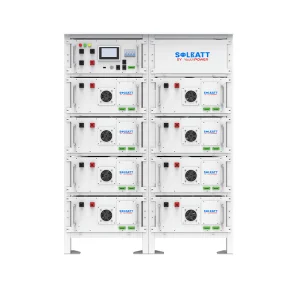
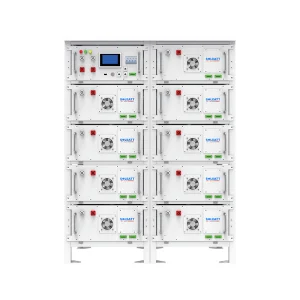
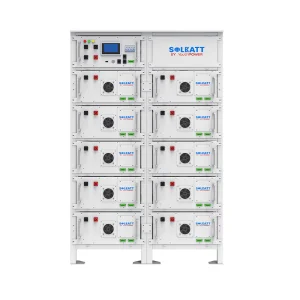
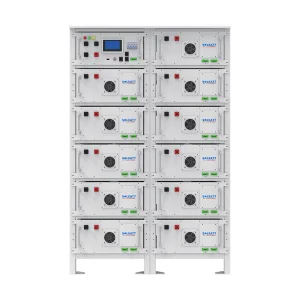
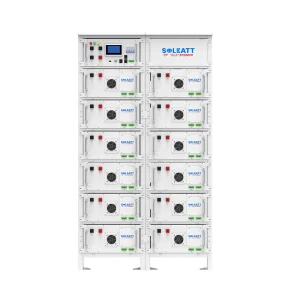
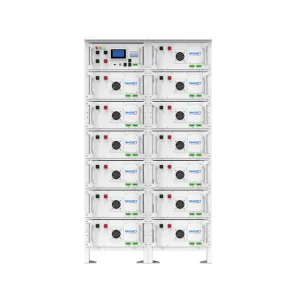
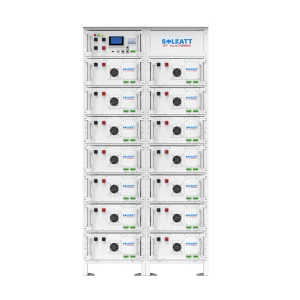
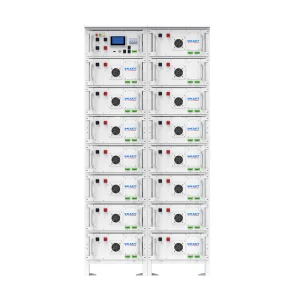
Explore our premium scalable LFP battery architectures engineered for peak performance, high voltage stability, and rapid thermal dispersion.
The global transition toward decentralized clean energy grids has elevated energy storage systems (ESS) from auxiliary reserves to primary network infrastructure assets. High-capacity commercial battery systems act as stabilization nodes, providing microsecond-level frequency control, load leveling, and optimized grid arbitrage.
Under modern Grid Quality Regulations, C&I facilities utilizing high-voltage LiFePO4 (LFP) installations report up to a 35% reduction in peak-demand utility expenditures, while ensuring absolute operations continuity during system disturbances.
Key drivers behind the structural shift from standard grid configurations to dedicated onsite utility storage include:
When assessing the commercial pricing of battery energy storage, focusing purely on initial capital expenditure (CAPEX) presents an incomplete fiscal picture. Procurement metrics must evaluate the Levelized Cost of Storage (LCOS).
LCOS computes the net cost per unit of discharged energy over the battery's active functional lifetime, integrating: initial procurement costs, depth of discharge efficiency, round-trip efficiency (RTE), cycle lifetime degradation indices, and operation and maintenance overheads.
LCOS = (CAPEX + Sum(OPEX_t / (1+r)^t)) / Sum(Energy_t / (1+r)^t)
Understanding structural pricing, technical validation criteria, and international compliance directives is vital for procurement managers engineering energy resiliency networks.
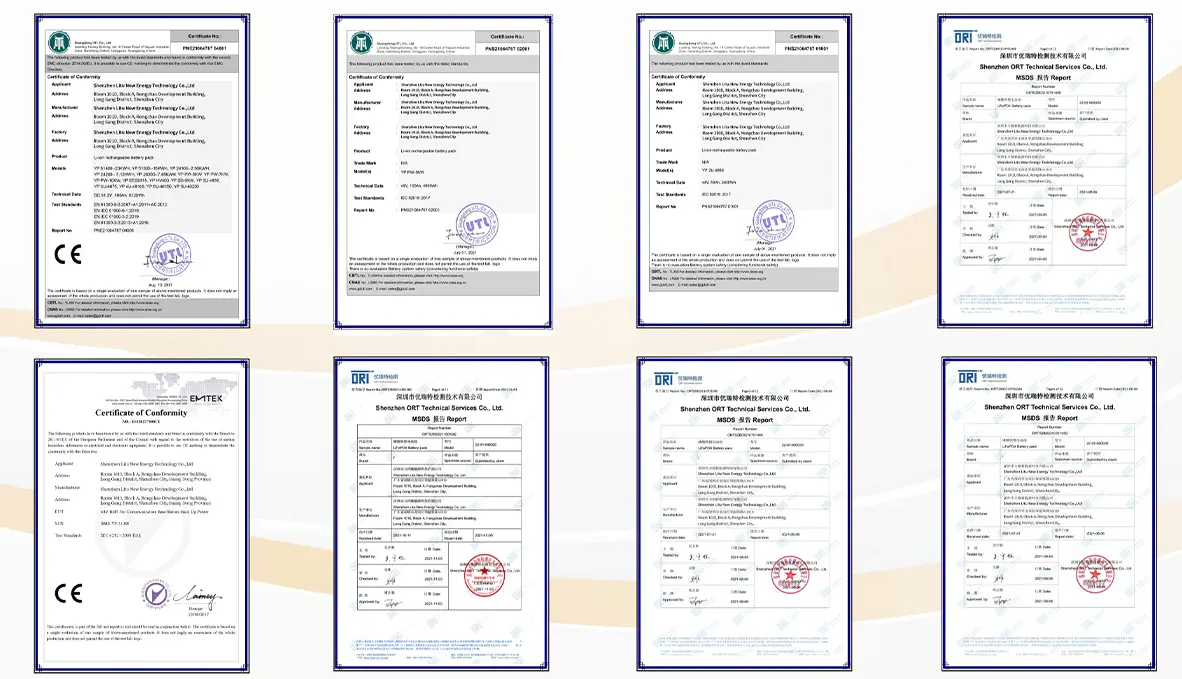
Industrial installations demand absolute adherence to international safety metrics. Systems must satisfy the stringent criteria of UL 1973 (batteries for use in stationary applications), UL 9540A (evaluating thermal runaway fire propagation), and IEC 62619. Procurement of non-certified systems poses massive operational, compliance, and corporate risk liability.
The Battery Management System (BMS) acts as the operational brain of the energy matrix. High-capacity commercial systems require active balancing systems, localized multi-point cell temperature monitors, and real-time state of charge (SoC) / state of health (SoH) diagnostics integrated directly with supervisory control (SCADA) networks.
Evaluating commercial battery companies necessitates analyzing production scalability, structural raw material sourcing safety, and active performance warranties. Tier-1 manufacturers support their installations with comprehensive 10-year degradation assurance agreements guaranteeing at least 70% of original capacity retention over operational lifecycles.
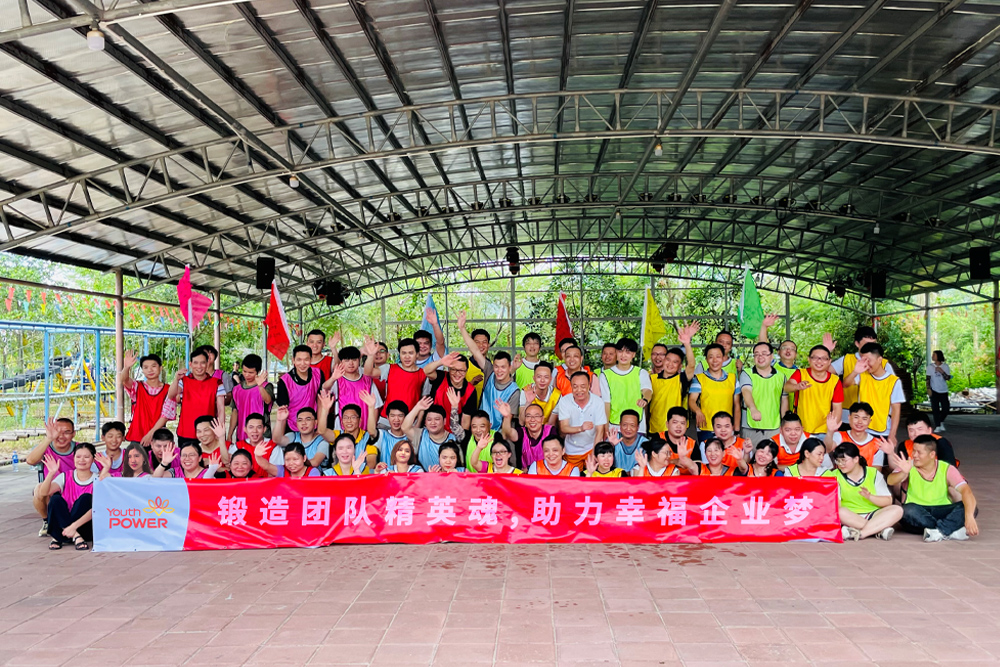
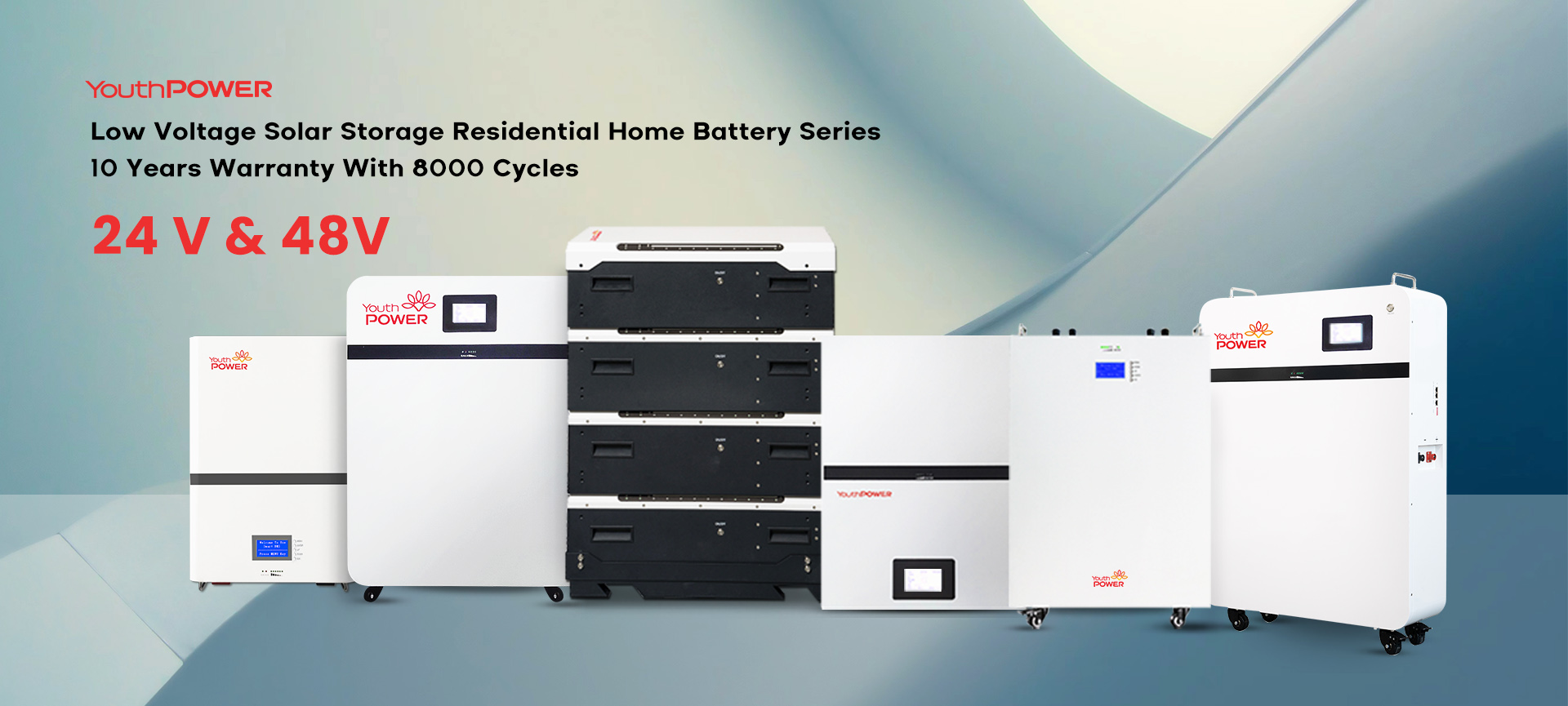
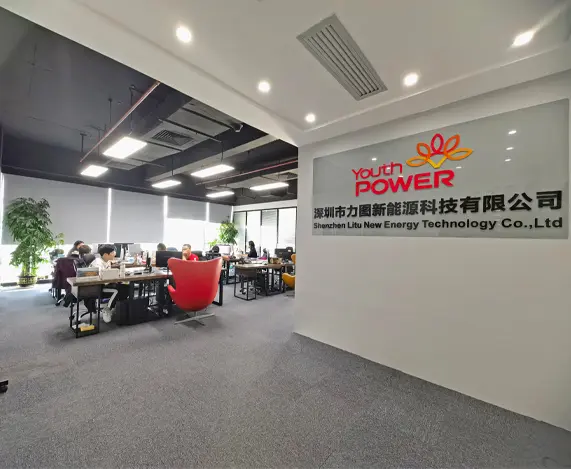
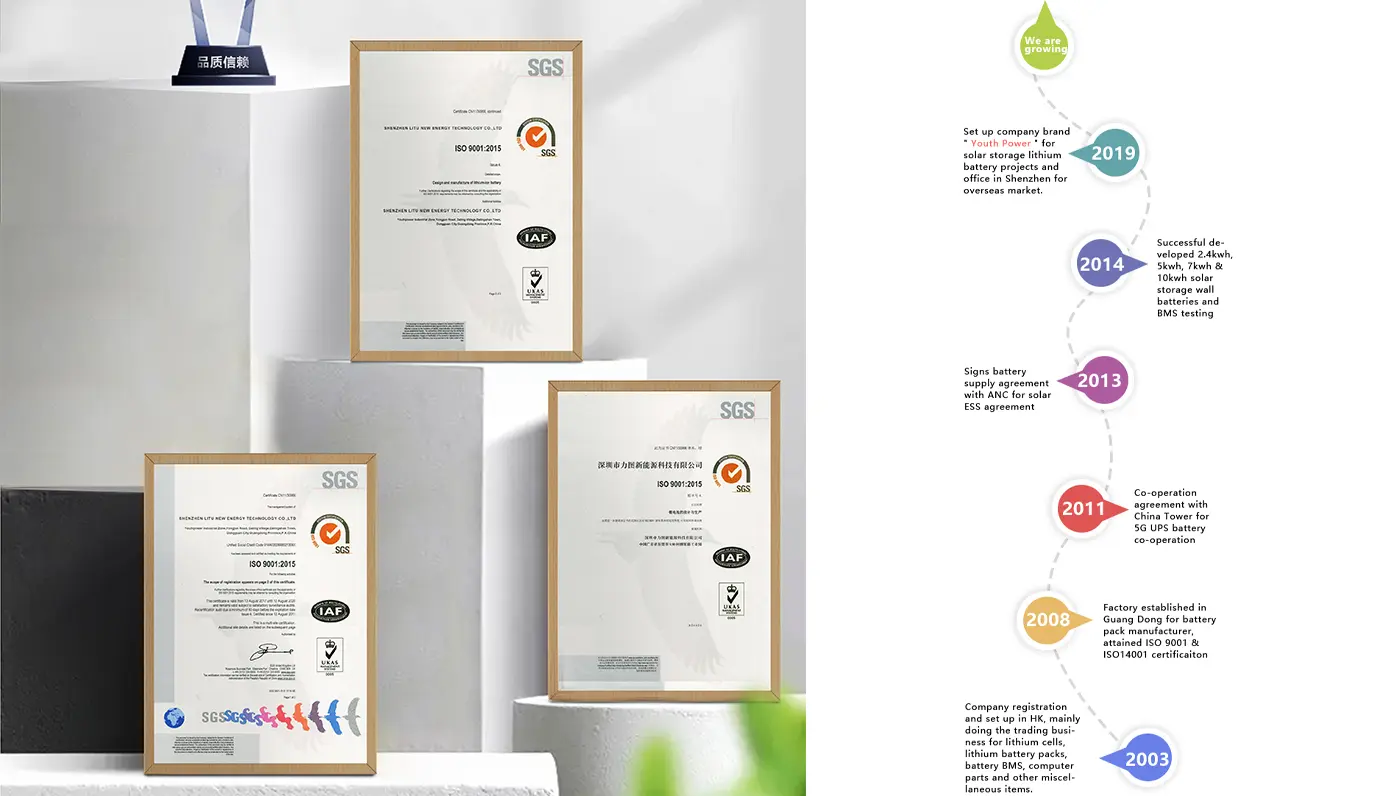
Founded in 2003, YouthPOWER has now become one of the leading suppliers of solar storage lithium batteries in the world. With a broad range of energy storage solutions, it covers a series of 24V, 48V and higher voltage lithium batteries solutions.
YouthPOWER has engaged in the battery technology and production for almost 20 years, with abundant manufacturing experience and strong new product R & D capability. Through many years of hard work and market promotion, we have created our own brand "YouthPOWER" in 2019.
With nearly 20 years’ experience in the battery industry, we have the capability to provide you with both the products you need and the most suitable products you want. We are always ready to supply the first-class products and meet the various needs of the customers.
We have established good business relationships with our customers from all over the world. And we have a good cooperation with all our customers as well for many years running. Supported by our local vendors of raw materials, we can certainly offer you the best prices.
We are so proud that YouthPOWER has offered the reliable solar storage solution for over 1,000,000 families now in the world.
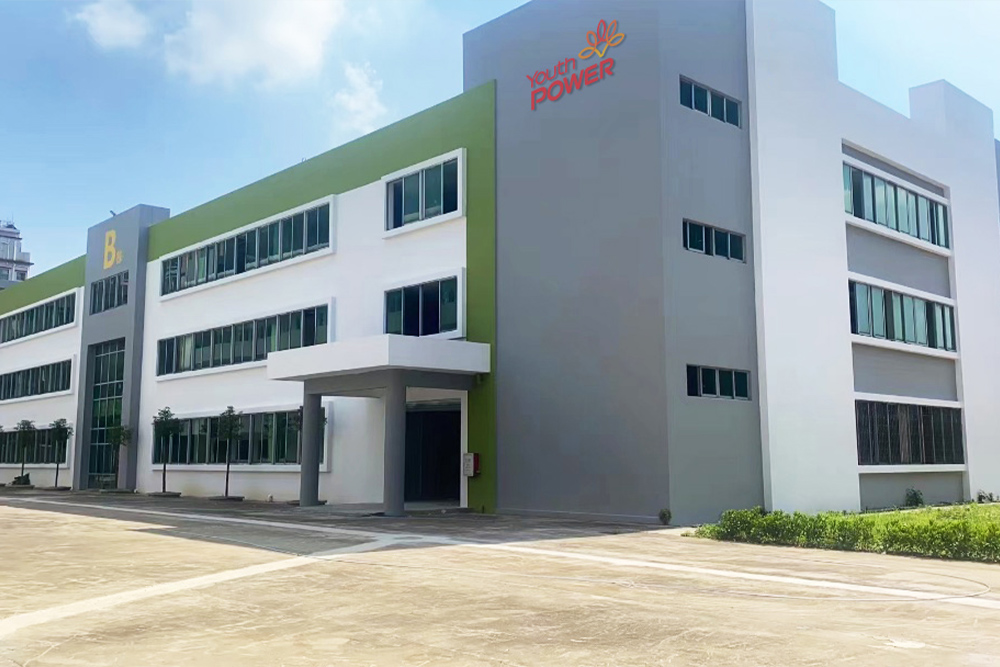
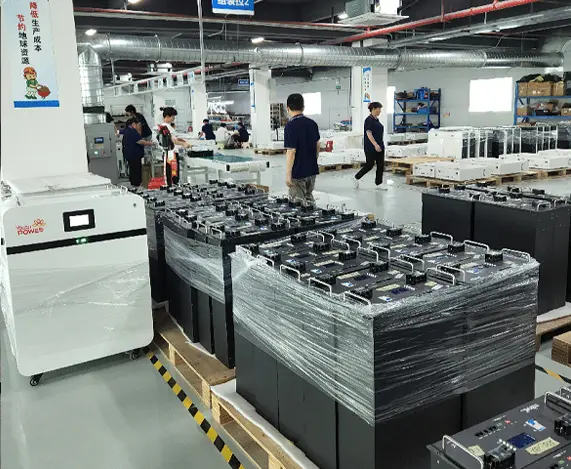
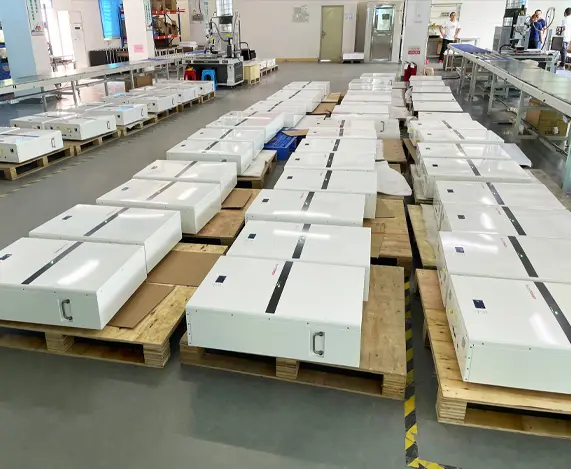
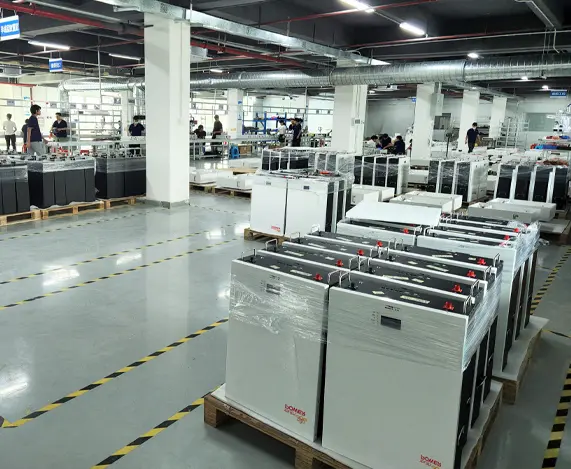
Through automated assembly systems, integrated smart diagnostic algorithms, and robust component procurement networks, our production pipelines deliver high-precision products with cost-optimized structures.
Our domestic manufacturing facilities leverage advanced supply chain networks centered around specialized raw material hubs. This geographical proximity to primary lithium mining refiners, electrode raw materials processors, and advanced semiconductor fabs dramatically reduces intermediate freight transportation overheads.
By deploying Factory 4.0 protocols—including automated automated cell grading, multi-point visual inspection, and high-precision laser array welding—we reduce assembly errors to virtual insignificance. The operational cost savings achieved through minimized rework and maximum throughput efficiencies are directly passed on to our commercial clients in the form of highly competitive unit prices.
Modern industrial installations run on distinct operation configurations. Our technical configurations adapt dynamically across global localized deployments:
In locations separated from primary grids (such as mines, islands, and remote agricultural developments), diesel generators present high cost footprints. Integrating scalable outdoor energy storage (like our 215kWh container systems) optimizes generator runtimes, offsets local pollution, and reduces fuel supply requirements by up to 50%.
Industrial parks with fluctuating loads (from machinery, automated conveyor belts, and thermal control plants) incur severe peak demand penalties. Implementing high-voltage cabinet arrays allows managers to charge systems during low tariff brackets and discharge during peak hours, significantly lowering utility expenses.
Data centers demand zero power loss. High-voltage rack-mounted cabinets interface directly with UPS hardware, providing high-discharge current within milliseconds of primary power disruptions. This guarantees data integrity without relying solely on mechanical generators during transition states.
Over nearly two decades, YouthPOWER has refined its production pipelines, moving from local cell formulation to global smart ESS solutions provider. Here is our growth trajectory:
Foundation of our battery research center. Focus on electrochemical cell performance and thermal dynamics research.
Expanded automated assembly lines to include high-voltage industrial applications, obtaining initial international safety certifications.
Established the global brand "YouthPOWER" to target the utility energy storage and premium smart commercial ESS market directly.
Over 1,000,000 solar storage installations deployed worldwide, supporting critical commercial, agricultural, and industrial infrastructure projects.
Get expert answers to common queries regarding chemistry, sizing calculations, performance metrics, and pricing mechanics.
Commercial battery pricing is determined by several core component costs:
While NMC (Nickel Manganese Cobalt) offers higher energy density (highly suited for weight-critical electric vehicles), LiFePO4 (LFP) is superior for stationary commercial storage due to:
High voltage configurations are standard in modern commercial systems because they reduce structural current requirements. Since Power = Voltage × Current (P=VI), increasing voltage allows you to deliver the same power output at a lower current. This results in:
A premium commercial ESS using high-grade LFP cells can operate for 10 to 15 years under typical daily cycling profiles. Standard performance guarantees secure at least 70% state of health (SoH) at the end of the warranty period, provided the operational guidelines regarding ambient temperatures and depth of discharge are respected.
Explore our high-capacity modular storage units, container setups, and multi-megawatt systems engineered for utility compatibility.
 YouthPOWER