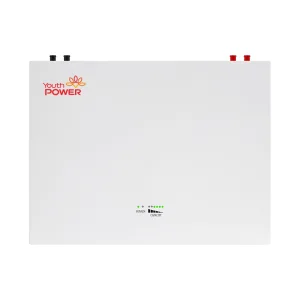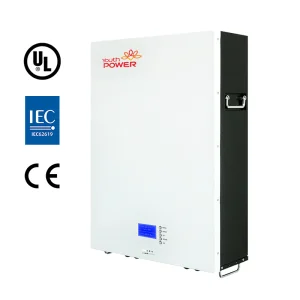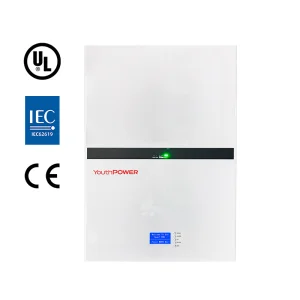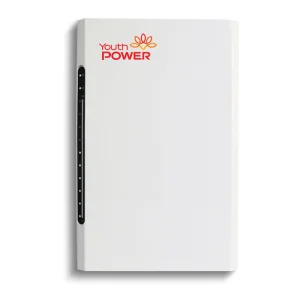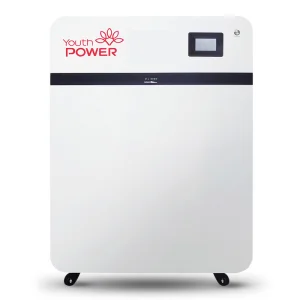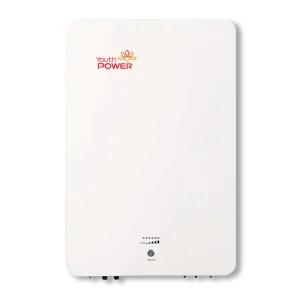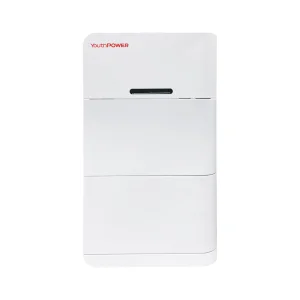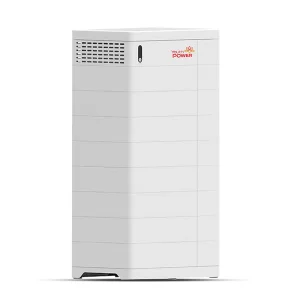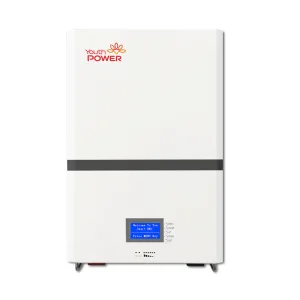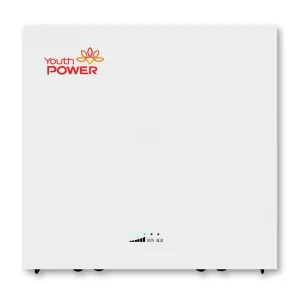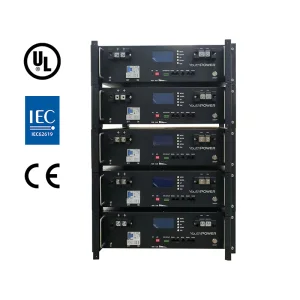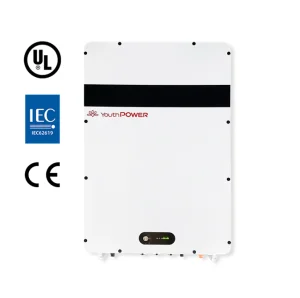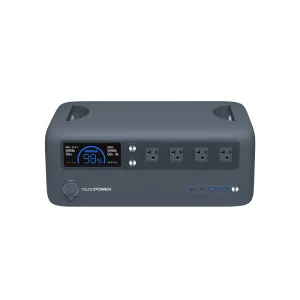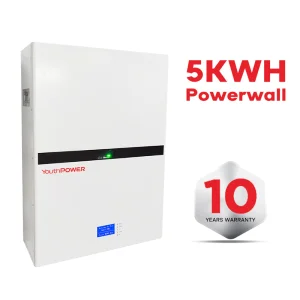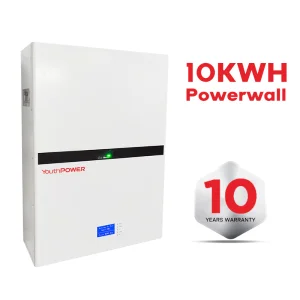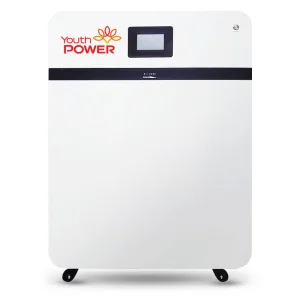
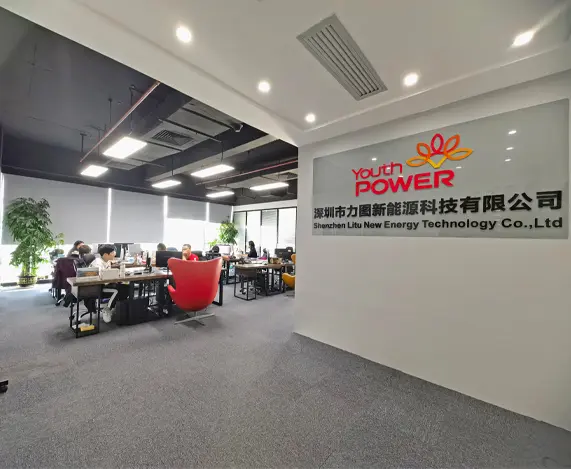
Founded in 2003, YouthPOWER has now become one of the leading suppliers of solar storage lithium batteries in the world. With a broad range of energy storage solutions, it covers a series of 24V, 48V and higher voltage lithium batteries solutions.
YouthPOWER has engaged in the battery technology and production for almost 20 years, with abundant manufacturing experience and strong new product R & D capability. Through many years of hard work and market promotion, we have created our own brand "YouthPOWER" in 2019.
With nearly 20 years’ experience in the battery industry, we have the capability to provide you with both the products you need and the most suitable products you want. We are always ready to supply the first-class products and meet the various needs of the customers.
We have established good business relationships with our customers from all over the world. And we have a good cooperation with all our customers as well for many years running. Supported by our local vendors of raw materials, we can certainly offer you the best prices.
“We are so proud that YouthPOWER has offered the reliable solar storage solution for over 1,000,000 families now in the world.”
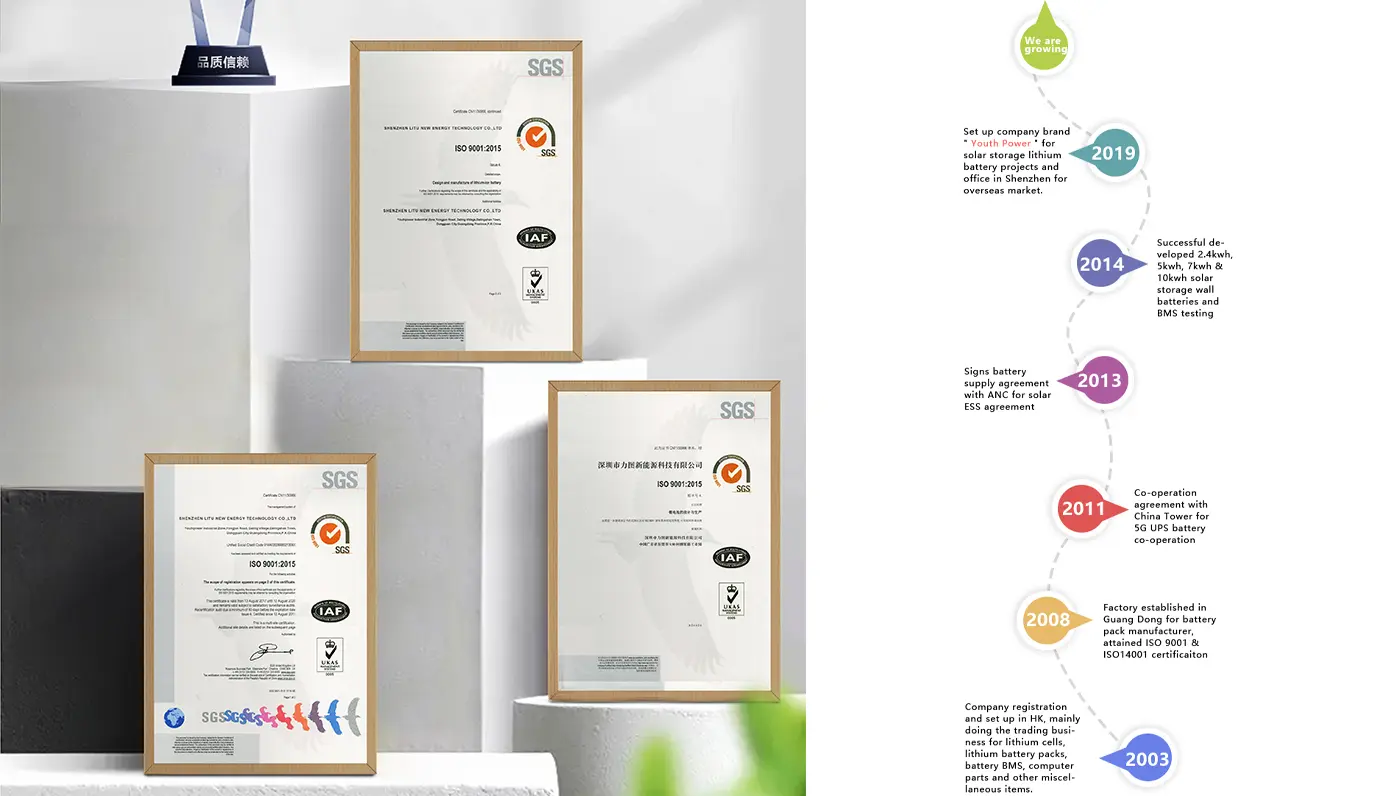
Initiated engineering and R&D protocols for electrochemical cell production, targeting industrial backup applications.
Pioneered the transition from lead-acid topologies to safe, high-density Lithium Iron Phosphate architectures.
Unified engineering divisions under the "YouthPOWER" brand to directly serve the booming global residential ESS sector.
Successfully deployed off-grid and hybrid energy storage systems supporting over 1,000,000 households globally.
When engineering residential energy storage projects, procurement officers and distributors must separate the upfront acquisition cost (CAPEX) from the lifetime Levelized Cost of Storage (LCOE). Residential battery pricing is governed by three primary structural tiers:
| System Type | Average Capacity (kWh) | Nominal Voltage (V) | Estimated Life Cycles | Price Index (USD/Wh) | Key Applications |
|---|---|---|---|---|---|
| Low-Voltage Powerwall | 5 - 10 kWh | 51.2V | > 6,000 @ 80% DoD | $0.12 - $0.18 | Standard home retrofits, hybrid grid-tied backup |
| High-Voltage Stackable Box | 10 - 25 kWh | 204V - 409V | > 6,000 @ 90% DoD | $0.16 - $0.22 | Whole-house backup, high-load HVAC support, VPPs |
| Urban Balcony ESS | 2 - 5 kWh | 25.6V - 51.2V | > 4,000 @ 80% DoD | $0.20 - $0.25 | High-density apartments, basic plug-and-play solar |
| Rack-Mount Server Module | 5 kWh | 51.2V | > 6,000 @ 80% DoD | $0.11 - $0.15 | Scalable C&I cabinets, DIY home expansion |
By 2027, the residential ESS market will begin seeing semi-solid state architectures. This transition promises to increase energy density by up to 40% while completely neutralizing the risk of liquid thermal runaway.
Future BMS cards will interface directly with cloud-based digital twins. Machine learning models predict degradation rates, optimize charging paths relative to localized grid pricing, and prevent internal micro-short circuits days before they manifest.
Bi-directional EV charging integration is converting homes into dynamic power ecosystems. Stationary residential storage works in tandem with EV packs, acting as a high-speed buffer to protect sensitive home electronics.
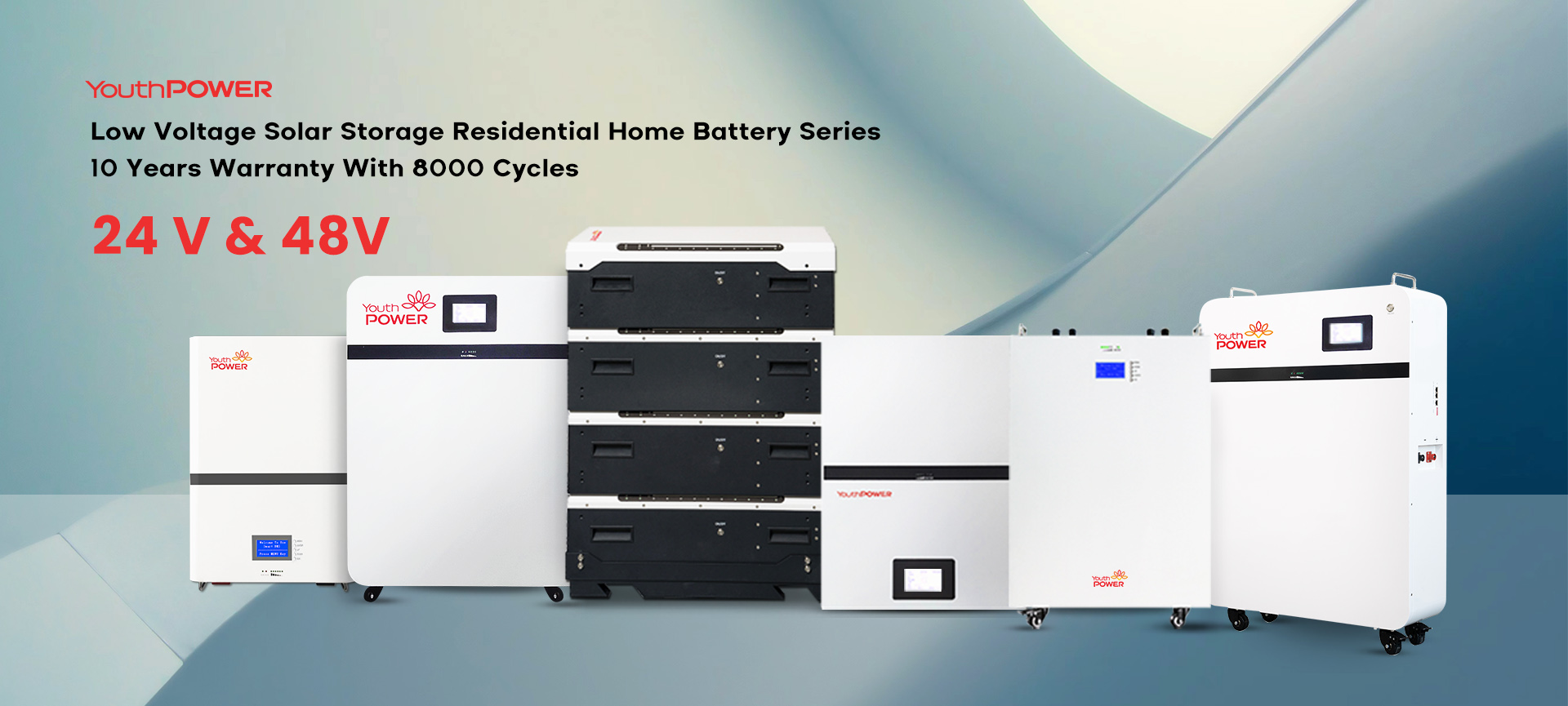
On a macro scale, residential batteries are no longer isolated backup tools. They are the base units of the modern grid. Through Virtual Power Plant (VPP) API integrations, commercial aggregators pool thousands of home systems like the YouthPOWER Stackable Inverter Power Box to inject megawatts of power back into the utility grid during peak loads.
Furthermore, rapid urbanization has spurred demand for compact balcony energy storage systems (ESS). These units mitigate grid congestion in dense metropolitan areas, allowing apartment dwellers to capture solar power during the day and discharge it locally during expensive evening tariff windows.
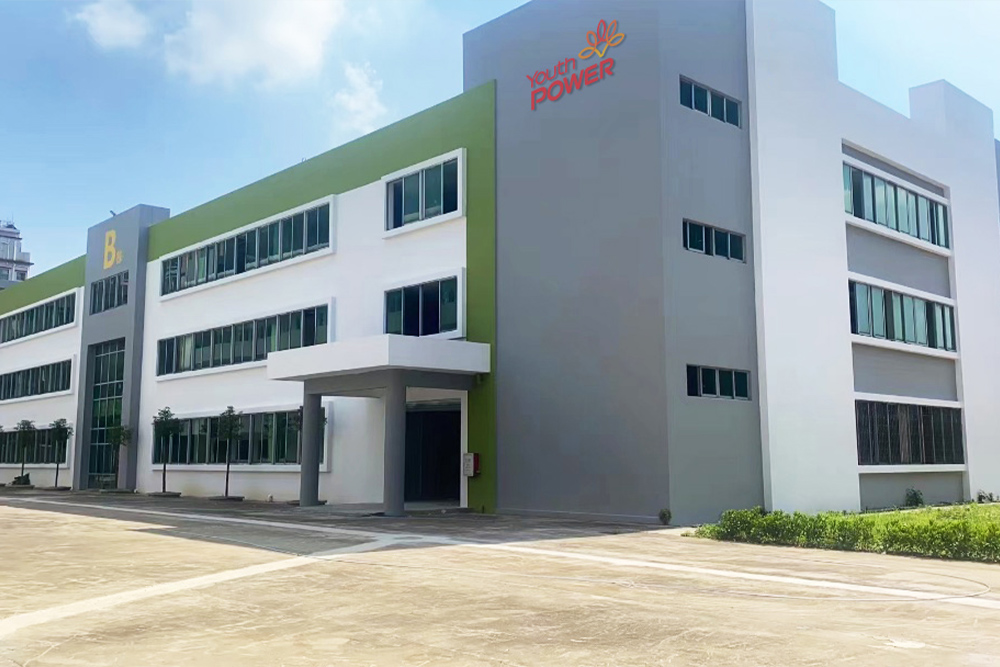
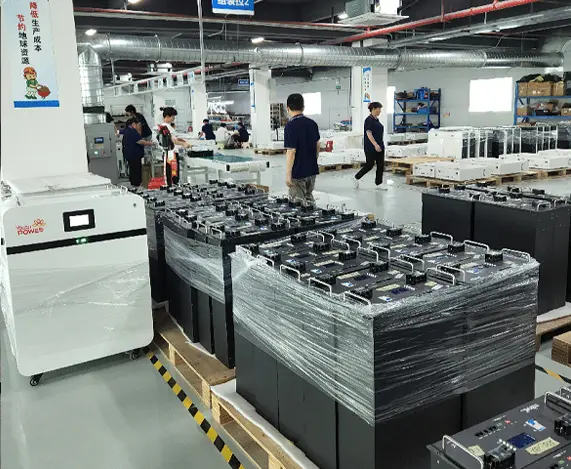
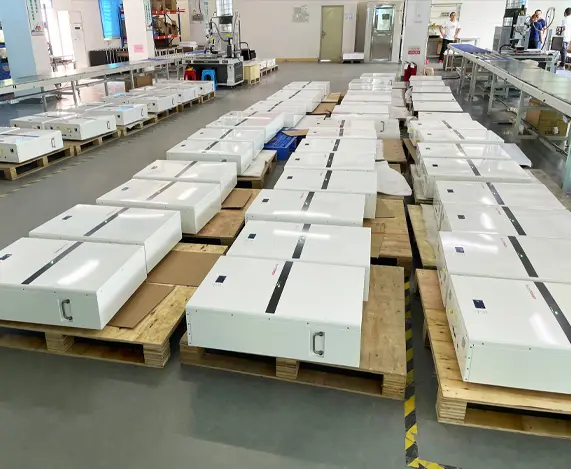
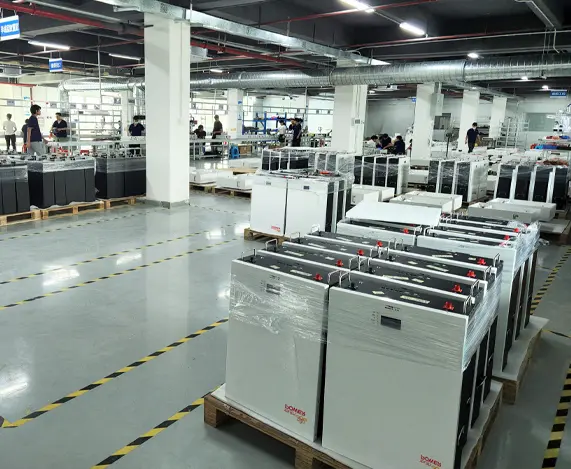
By leveraging an advanced manufacturing hub in China, YouthPOWER delivers Tier 1 quality without the premium Western markup. The factory integrates automated cell sorting systems, robotic laser welding, and automated computerized aging chambers. This ensures that every cell has matching internal resistance and capacity profiles, eliminating early-pack failure syndromes.
Raw material sourcing represents the single largest variable in battery costs. Through strategic local joint ventures with lithium carbonate suppliers, YouthPOWER secures stable raw material pricing, insulating worldwide distributors from the extreme volatility of global lithium market indexes.
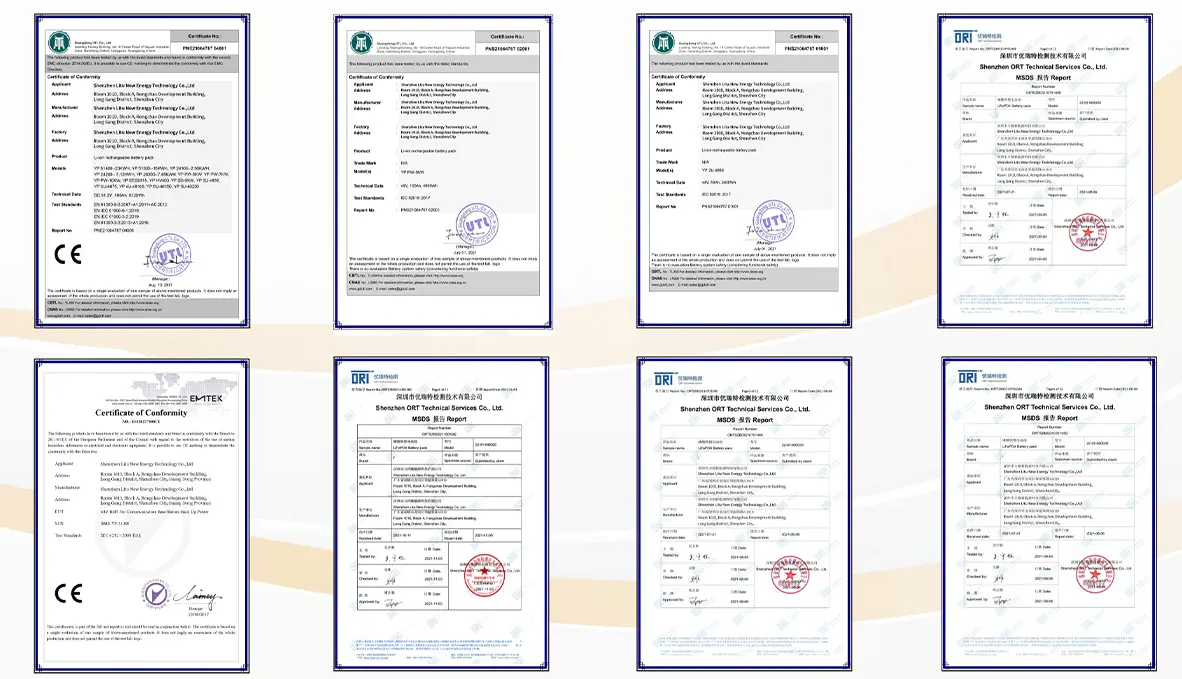
Deploying energy storage internationally requires stringent adherence to dynamic safety standards. YouthPOWER products undergo rigorous laboratory testing to comply with global codes, including:
To support global enterprises, local customer success hubs assist engineering teams during installation, permitting, and grid-interconnection phases. Standard product warranties extend up to 10 years, protected by local reinsurance channels to secure client investments.
Cell grade determines the internal degradation rate. Tier 1 cells utilize ultra-high-purity cathode and anode raw materials, allowing them to withstand micro-expansion during high C-rate cycling. Cheap Tier 2 cells suffer from rapid solid electrolyte interphase (SEI) growth, causing them to drop to 70% capacity in less than half the lifespan. Consequently, while Tier 1 batteries carry a higher initial price index, they reduce long-term levelized costs (LCOE) by over 45%.
Low-voltage (typically 51.2V nominal) configurations require larger cables to safely carry high currents, introducing minor thermal output and structural cable costs. High-voltage solutions (ranging from 100V to 400V+) carry electricity at much lower currents, reducing cable heat losses and increasing round-trip efficiency by up to 5%. High-voltage systems are ideal for high-capacity applications such as HVAC startup or EV charging, while LV systems remain the gold standard for simple off-grid installations.
YouthPOWER integrates a multi-layer safety design. At the chemical level, we use stable LiFePO4 cells that resist oxygen release even under high temperatures. At the module level, mechanical isolation barriers prevent physical shock damage. Finally, at the electrical level, our digital BMS monitors cells in real-time, instantly isolating any modules exhibiting voltage deviations or temperature abnormalities.
China's manufacturing ecosystem hosts over 70% of the world's battery processing assets. This dense concentration allows companies like YouthPOWER to source components directly from local vendors, dramatically reducing transport lead times and shipping costs. Additionally, advanced automated factories enable highly consistent manufacturing tolerances, ensuring optimal product reliability for our global partners.
 YouthPOWER