China Top 10 Best Lithium Batteries for Solar in 2026
Solar power is expanding quickly, and dependable storage matters when the sun drops behind a roofline. IRENA’s Renewable Capacity Statistics 2024 reports that global renewable capacity grew by 473 gigawatts in 2023, with solar providing 346 gigawatts of additions. More solar means more attention to batteries that can store daytime energy for evening use. The International Energy Agency’s Batteries and Secure Energy Transitions report also highlights the growing role of battery storage in a renewable-powered system. The market is moving fast. Product claims can move faster.
This guide compares ten lithium solar batteries available from Chinese manufacturers in 2026. It focuses on practical details: usable capacity, chemistry, cycle-life conditions, inverter compatibility, warranty terms, and monitoring features. BloombergNEF reported an average lithium-ion battery pack price of $115 per kilowatt-hour in 2024, a 20% fall from the previous year. That figure describes a market average, not a ready-to-install home battery price. Installation, controls, and safety equipment still matter. A low price is not the whole story.
Choosing the Best Lithium Battery For Solar depends on your daily load, backup needs, and system voltage. We use published specifications and manufacturer documentation, while noting where comparable independent test data is limited. That caveat matters. A strong brochure cannot replace verified performance, and ratings may change by model or operating conditions. Use this shortlist to ask sharper questions before comparing quotations. A little skepticism helps.
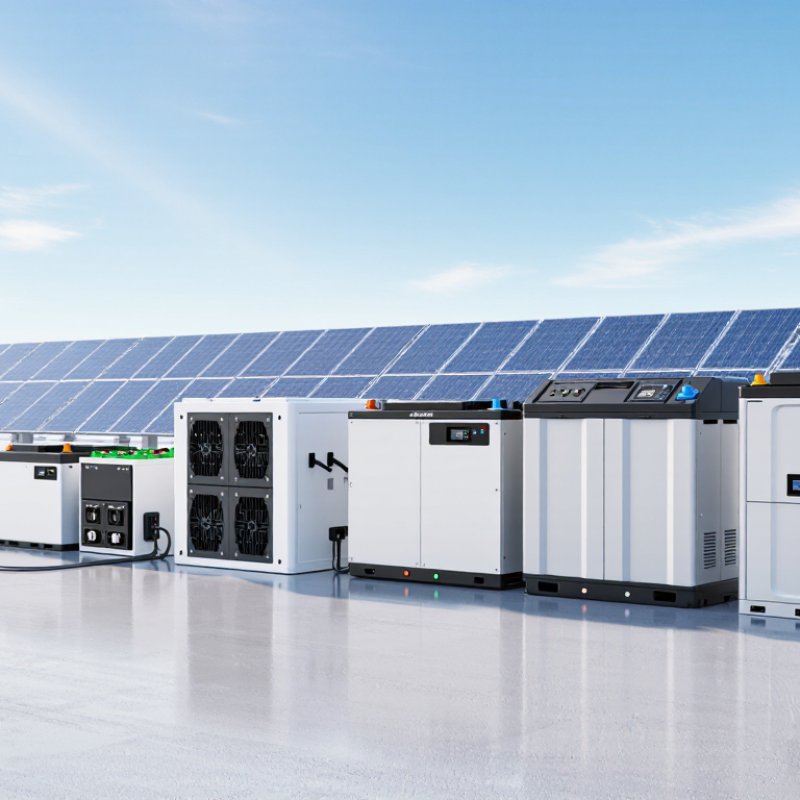
In a solar system, panels produce direct-current electricity. A charge controller regulates its voltage and current before energy enters the battery. Inside a lithium-ion cell, lithium ions move through an electrolyte from the positive electrode to the graphite negative electrode during charging. Electrons travel through the external circuit. On discharge, both flows reverse, and the released electricity can power a home through an inverter. Small movements, useful work.
A battery management system monitors cell voltage, temperature, and current, helping prevent unsafe operation and uneven charging. NREL’s 2024 Annual Technology Baseline uses 85% round-trip efficiency for utility-scale battery storage. In that model, 100 kilowatt-hours put into storage yield about 85 kilowatt-hours later; household results vary with equipment, temperature, and operating conditions.The remaining energy is mostly lost as heat and conversion losses. That number is not a promise. A warm garage, frequent deep discharges, or an oversized battery can change real-world performance, and a clean system diagram rarely shows those trade-offs. A solar battery stores energy chemically, but its useful output depends on the whole system around it.
Choosing a solar battery in China starts with matching usable capacity to the home’s evening load, not the largest headline figure. A 5 kWh usable pack may cover lights, a refrigerator, and brief air-conditioning use, but not overnight heating. Check continuous and peak output against inverter demand, and confirm whether capacity means nominal or usable energy.
Small detail, big consequence. The IEA’s Batteries and Secure Energy Transitions (2024) reports 42 GW of power-sector battery additions in 2023, a 130% year-on-year rise. That growth makes performance claims common; it does not make every rating comparable.
Compare round-trip efficiency, cycle-life test conditions, depth of discharge, warranty throughput, and capacity retention at the warranty endpoint. NREL’s 2024 Annual Technology Baseline uses roughly 85% round-trip efficiency for utility-scale lithium-ion storage; residential results vary with system design and settings.
Ask for the test basis, not just a cycle count. In China’s varied climates, confirm charging-temperature limits and thermal controls for the installation site. Check inverter communication and backup-circuit compatibility before purchase. A tidy datasheet can still leave gaps. Treat unclear warranty exclusions as a real cost, not fine print.
China’s Top 10 Lithium Batteries for Solar in 2026 should be compared by more than advertised capacity. A useful shortlist looks at usable energy, continuous output, cycle-life test conditions, warranty terms, and compatibility with the solar inverter. Numbers need context. A cycle-life figure means little without its stated depth of discharge and operating temperature.
For a home system, match battery capacity to actual evening use, not just the roof’s panel rating. Check whether the unit can support essential loads during an outage, and whether extra modules can be added later. In a garage, ventilation, mounting space, and the manufacturer’s specified temperature range also matter. Small details matter.
Safety documentation and clear installation guidance deserve close attention. Ask for test reports, protection features, and instructions for monitoring faults; do not rely on a sales chart alone. Still, a “top ten” ranking can look tidy while real homes are not. A cloudy winter week, an older inverter, or limited wall space may change which option fits best. I would treat any list as a starting point, then verify the figures against the intended system and local installation conditions.
Comparing the top lithium batteries for solar in 2026 starts with usable capacity, not the largest number on a product label. A 10-kilowatt-hour battery may provide less stored energy in daily use, depending on its recommended discharge limit. Match usable capacity to evening loads, such as a refrigerator, lights, and a few hours of heating or cooling. Leave room for cloudy days, but avoid paying for capacity your system rarely uses.
Numbers can mislead. Check continuous output as well as peak power: a battery might run small appliances yet struggle with a pump or several devices starting together. The battery management system should monitor cell voltage and temperature and provide protective shutdowns. For cold climates, confirm whether charging below freezing is allowed or requires built-in heating. Safety also depends on correct wiring, suitable overcurrent protection, and installation that follows the manufacturer’s instructions.
Lifespan comparisons need context. Cycle-life figures depend on test conditions, discharge depth, temperature, and charging habits; they are not a guaranteed number of years. A battery kept cool and within its operating limits may age differently from one in a hot garage. That matters. Warranty terms, monitoring features, and access to service can be as practical as a high cycle rating. I would still question any comparison that lists lifespan without explaining how it was measured.
A solar battery should match the job, not just the panel rating. For a home used mainly in the evening, compare usable capacity with overnight loads: lighting, refrigeration, and heating or cooling. A battery that is too small may empty before dawn. One that is oversized can leave capacity unused. Check continuous power as well as kilowatt-hours; a kettle and heat pump can demand high power at the same time. Keep the battery near the inverter where practical, and allow clear space for service and ventilation.
Off-grid cabins need a different balance. Several cloudy days can matter more than a high daily solar yield, so consider reserve capacity and how easily the system can accept a generator or extra panels. For farms and small businesses, match discharge time to pumps, refrigeration, or production shifts. Utility-scale projects often require longer discharge windows and grid controls, not simply a larger residential battery. The National Renewable Energy Laboratory’s 2024 Annual Technology Baseline models utility battery systems at defined durations, including four hours, underscoring why duration belongs in the comparison. The International Energy Agency reported 42 gigawatts of battery storage additions in the power sector in 2023, up more than 130% from 2022. That growth does not make every system fit every site. It is a useful reminder to check load data, temperature, warranty conditions, and backup priorities before choosing. A neat spreadsheet can still miss real-life peaks.
Typical lithium battery storage planning ranges by solar application
How to read this chart: Bars show illustrative nominal storage capacity ranges in kilowatt-hours (kWh), not brand or product ratings. Actual battery sizing depends on daily energy use, desired backup duration, system voltage, inverter power, and available solar generation.
Solar panels send direct-current electricity through a charge controller. Inside the battery, lithium ions move between electrodes during charging. On discharge, the movement reverses and releases electricity.
It monitors cell voltage, temperature, and current. This helps reduce uneven charging and unsafe operation. It cannot remove every system risk.
One utility-scale modeling benchmark assumes 85% round-trip efficiency. In that model, 100 kilowatt-hours stored yields about 85 later. Real results vary with equipment and conditions. Not a promise.
Compare usable capacity with overnight loads, such as lights and refrigeration. A small battery may run empty before dawn. An oversized one may sit partly unused.
Kilowatt-hours describe stored energy, while power describes how quickly it can be delivered. A kettle and heat pump running together may create a high demand.
Plan for several cloudy days, not just an average sunny day. Check reserve capacity and whether the system can accept extra panels or a generator.
Match discharge time to the work schedule. A farm may need power for pumps, while a shop may depend on refrigeration during busy hours.
Keep it near the inverter where practical. Leave clear space for service and ventilation. Temperature matters, too, and the tidy diagram may not show that.
This article explains how lithium batteries store electricity generated by solar panels and make it available when sunlight is limited or household demand is higher. It outlines the key factors for evaluating solar batteries in China, including usable capacity, charging and discharging performance, safety features, expected lifespan, and compatibility with a solar system. The guide then presents a practical overview of ten leading battery options for 2026, focusing on how their specifications and capabilities compare rather than relying on brand names.
By comparing capacity, performance, safety, and durability, readers can better understand the trade-offs between different battery types and system sizes. The article also considers how battery needs vary across applications, from compact home systems to larger installations requiring greater energy storage. These insights help readers identify the Best Lithium Battery For Solar based on their energy use, installation requirements, and long-term priorities.

YouthPOWER