As global demand for renewable energy surges, the spotlight is on the Solar Battery Factory industry in China. Experts like Dr. Annie Chen, a leading authority in battery technology, emphasize, "The future of energy storage is rooted in innovation." Her insight underlines the potential contained within these factories.
China's factories are crucial in meeting the world's energy needs. A combination of advanced technology and mass production capability positions them as global leaders. Numbers indicate that they manufacture over 70% of the world's solar batteries. However, there are challenges. Quality control and environmental regulations are critical points for improvement.
Investors must navigate a complex landscape. Prices can fluctuate, often reflecting geopolitical tensions. But with careful research and expert guidance, opportunities abound in this evolving market. The quest for a reliable Solar Battery Factory is an important step towards sustainable energy solutions.
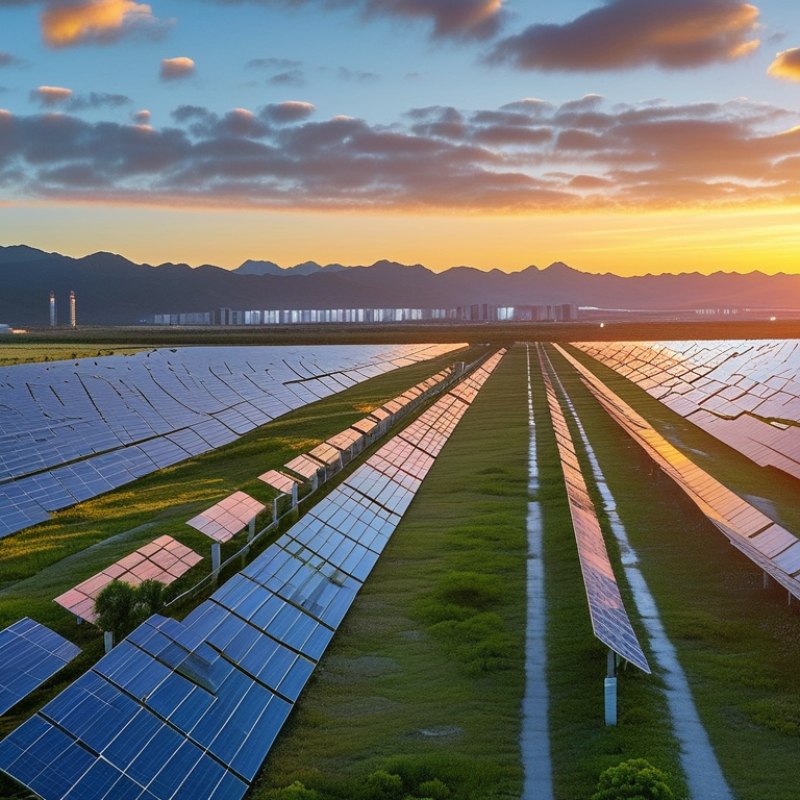
The solar battery industry in China has experienced remarkable growth in recent years. In 2022, the production capacity of lithium-ion batteries alone reached approximately 600 GWh. This significant capacity positions China as a global leader in solar battery manufacturing. However, this rapid expansion has raised concerns about resource sustainability and environmental impacts.
As renewable energy demand rises, companies face a critical challenge. The extraction of raw materials, such as lithium and cobalt, often leads to environmental degradation. Reports indicate that around 40% of global lithium production comes from China, emphasizing the need for responsible sourcing practices. Some manufacturers are exploring alternative materials to alleviate dependency on finite resources.
The market dynamics are continually evolving. In 2023, the solar battery market value in China was reported to exceed 100 billion USD. Despite this impressive figure, the industry is still grappling with issues like production quality and supply chain stability. Manufacturers must focus on innovation and quality control. The future of solar batteries will depend on solving these challenges while maintaining their growth trajectory.
China stands at the forefront of solar battery manufacturing. The sector is diverse, housing many players from established giants to emerging innovators. A few key characteristics define this industry. First, there's a significant focus on sustainability. Manufacturers are increasingly adopting eco-friendly practices, which is essential given global environmental concerns.
The competition is fierce. Many companies aim for cost efficiency while maintaining product quality. However, not all succeed. Some producers struggle with consistency, leading to varied performance in solar batteries. This inconsistency can affect the reputations of both manufacturers and clients alike. It’s crucial for buyers to conduct thorough research before making decisions.
When sourcing solar batteries, buyers should consider durability and energy efficiency. Ensuring compliance with international standards is vital. Additionally, it might be helpful to request performance data from manufacturers. Understanding the technical specifications can also prove beneficial. Delving into customer reviews and case studies may offer additional insights into product reliability.
The solar battery industry in China is undergoing significant technological advancements. Recent reports indicate that production efficiency has improved by 30% over the past five years. This increase stems from the adoption of automated manufacturing processes. Notably, these processes can reduce human error significantly.
Battery capacity and lifespan are also critical factors influenced by innovation. New materials, such as lithium iron phosphate, enhance energy density and safety. This shift is essential, given that battery performance can drop by 20% after just a few years. China’s commitment to R&D is evident, with investment in solar battery technologies reaching $3 billion in 2023 alone.
However, challenges remain. Recycling and sustainability practices in battery production need further development. The industry's carbon footprint is still considerable, although efforts are underway to address this. Many manufacturers seek to create more eco-friendly options, yet the implementation is inconsistent. Continuous innovation and reflection on these challenges are vital for the future of solar battery production.
In the solar battery industry, quality is paramount. Manufacturers in China adhere to strict quality standards. These standards include certifications such as ISO and CE, which ensure reliability and safety. Not every factory achieves these certifications. Buyers should take this into account when sourcing products.
Compliance with international standards is crucial. It reflects the manufacturer's commitment to producing high-quality solar batteries. Factors such as performance, lifespan, and safety are evaluated during certification. Different regions may have varying requirements, adding complexity to the selection process.
Some factories claim compliance without proper certifications. This situation can mislead buyers. It's essential to perform due diligence. Verification of certifications should be part of the purchasing routine. Quality should never be compromised in the search for competitive pricing.
As the global demand for renewable energy sources rises, the solar battery market in China is experiencing significant growth. The shift towards sustainable energy solutions is driven by concerns about climate change and energy security. Solar batteries play a crucial role in storing energy, making them essential for both residential and commercial sectors. Chinese manufacturers are ramping up production to cater to this increasing need.
Analyzing the market trends highlights a growing interest in advanced energy storage systems. Many global buyers seek high-capacity, efficient batteries with long life cycles. However, not all manufacturers meet these demands consistently. Some products may fall short in quality or performance, creating challenges for buyers. Careful selection based on reliability and technological innovation is crucial.
The competitive landscape also encourages innovation. Many Chinese factories focus on research and development to enhance efficiency. They are exploring newer materials and technologies to improve battery performance. Nonetheless, the rapid scaling can lead to discrepancies in product quality. Buyers must navigate these challenges to find trustworthy suppliers, ensuring they invest in the right technology for their needs. The path forward requires vigilance and close evaluation of potential partners to mitigate risks.
| Factory Location | Annual Production Capacity (MWh) | Market Share (%) | Export Destinations | Year Established |
|---|---|---|---|---|
| Shenzhen | 3000 | 18 | USA, Europe, Australia | 2010 |
| Beijing | 2500 | 15 | North America, Asia | 2012 |
| Shanghai | 3500 | 20 | Europe, Africa | 2008 |
| Guangzhou | 2000 | 10 | Asia, Middle East | 2015 |
| Nanjing | 4000 | 25 | USA, Europe, Asia | 2005 |
: Production efficiency has improved by 30% due to automated manufacturing processes.
New materials like lithium iron phosphate increase energy density and enhance safety.
Battery performance can decrease by 20% after just a few years of use.
In 2023, investment reached $3 billion, showcasing China's commitment to innovation.
Yes, recycling practices need improvement and the industry's carbon footprint is still significant.
Certifications like ISO and CE are crucial for ensuring reliability and safety.
No, not every factory achieves necessary certifications, which can mislead buyers.
Some factories may falsely claim compliance, so due diligence is essential when purchasing.
Different regions may have varying safety and performance requirements, complicating the selection process.
Quality should never be compromised, even when pursuing lower prices in the market.
The solar battery industry in China has witnessed significant growth, positioning the country as a key player in global renewable energy solutions. With an array of top-tier solar battery factories, China has become a hub for manufacturing advanced energy storage systems that cater to rising global demand. Major players in the sector are leveraging cutting-edge technological innovations to enhance production efficiency and battery performance, ensuring that their products meet high quality standards and certifications.
As the world increasingly shifts towards sustainable energy sources, the demand for Chinese solar batteries is expected to soar. This trend is driven by the global push for greener alternatives and the need for reliable energy storage solutions. The competitive landscape in China’s solar battery manufacturing sector is rapidly evolving, as manufacturers adapt to market dynamics and strive for excellence in both technology and sustainability initiatives.

YouthPOWER