Choosing among the top solar battery suppliers is no longer just a price comparison. Buyers need dependable storage that matches their panels, inverters, climate, and daily load. The International Energy Agency’s Batteries and Secure Energy Transitions report says global energy storage capacity must grow sixfold by 2030 in its net-zero pathway. Batteries are central to that expansion. The market is moving quickly.
Costs are shifting, too. BloombergNEF reported that average lithium-ion battery pack prices fell 20% in 2024, reaching $115 per kilowatt-hour. Lower prices can improve project economics, but they do not guarantee a sound purchase. A low quote may omit monitoring software, installation support, or long-term service. Details matter.
For global buyers, a capable Solar Battery Supplier should provide clear specifications, traceable product documentation, realistic cycle-life claims, and warranty terms that match the intended application. Ask how the battery performs in high heat, how capacity changes over time, and whether local technical support is available. Compare usable energy, not just the headline capacity. Also examine shipping options and system compatibility before placing an order.
There is no universal winner. A utility-scale project needs different support from a home installation or a small commercial site. Supplier rankings can help narrow the field, but they rarely capture every regional difference. That is worth remembering. This guide focuses on the checks that help buyers compare suppliers carefully, question vague promises, and make a decision based on documented performance rather than marketing alone.
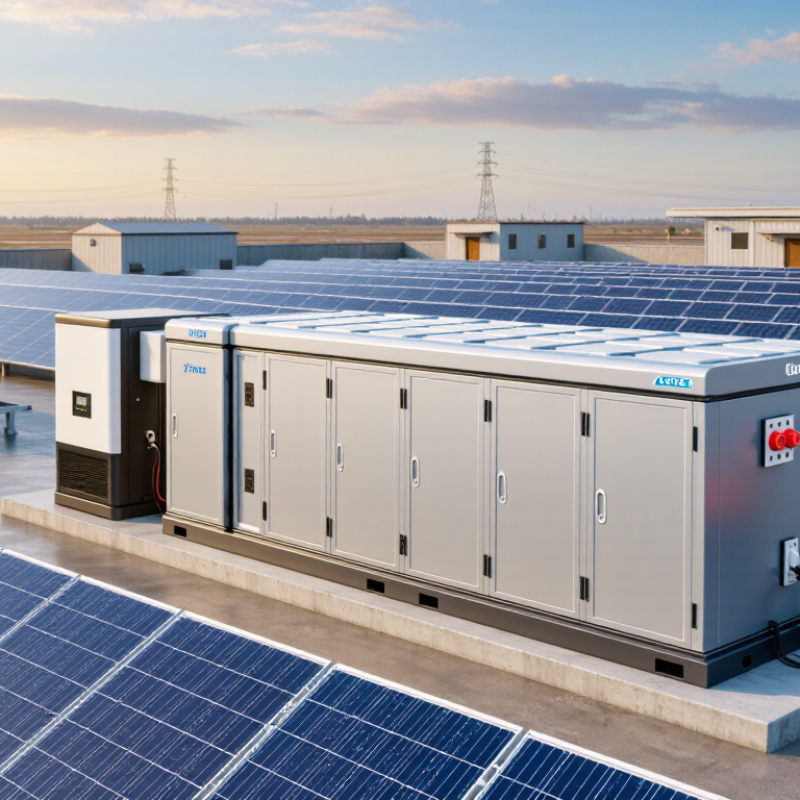
Solar batteries store electricity for use when sunlight fades or demand rises. Chemistry shapes cost, weight, safety, and usable life. Lithium iron phosphate (LFP) cells are widely used in stationary storage because they offer stable operation. Nickel manganese cobalt (NMC) cells can store more energy in less space, but system design still matters. A chemistry label cannot predict service life by itself. Temperature and charging settings matter too.
Capacity, measured in kilowatt-hours, is the energy a battery can hold. Power, measured in kilowatts, is how quickly it can deliver that energy. A 100 kWh battery rated at 25 kW could supply that output for roughly four hours, before losses and operating limits. NREL’s 2024 Annual Technology Baseline models utility-scale battery systems around a four-hour duration. That is a useful reference, not a universal rule. Short bursts of grid support need high power; evening solar shifting needs more stored energy. The IEA reported that global battery storage additions exceeded 40 GW in 2023, up about 130% from 2022. The number signals fast growth, but it does not show whether each project fits local needs. I would compare usable capacity, inverter power, and expected duty cycles—not just the headline size. A small detail, perhaps. It can change the whole design.
Indicative efficiency ranges for electricity stored and later discharged. Actual results vary with system design, temperature, operating conditions, and whether efficiency is measured on the AC or DC side.
How to read this: Round-trip efficiency is the share of energy returned after charging and discharging. Battery capacity, measured in kilowatt-hours (kWh), indicates how much energy can be stored; power, measured in kilowatts (kW), indicates how quickly it can be delivered. These characteristics help determine a battery’s suitability for solar self-consumption, backup, and grid services.
China’s manufacturing scale shapes the solar-storage supply chain. The IEA’s Global EV Outlook 2024 reports that China held nearly 85% of global battery-cell manufacturing capacity in 2023. That figure measures cell capacity, not finished solar batteries, market share, or product quality. The distinction matters. A storage system also depends on its battery-management system, inverter compatibility, safety testing, and warranty support. The IEA’s Batteries and Secure Energy Transitions (2024) highlights the strategic importance of concentrated battery supply chains. For buyers, China’s deep supplier ecosystem can mean broad component access and mature production. But capacity alone cannot verify reliability. Some buyers, admittedly, still treat factory scale as a shortcut for quality; it is not.
Tips: Request cell traceability, test reports, cycle-life conditions, and written warranty terms. Check that quoted cycle life matches the stated depth of discharge and operating temperature. Ask who handles technical support after installation.
Supplier comparisons should also include delivery timelines, replacement-part availability, and the cost of shipping a faulty unit back. A lower quote can look convincing on paper. It may not stay lower after support and logistics are counted.
Solar battery quotes can look similar until usable capacity is checked. A 10 kWh nameplate battery may deliver less energy after reserve limits and conversion losses. Ask each supplier to state usable kWh under specified operating conditions, not just nominal capacity. Compare that figure with actual evening loads, such as a refrigerator, lights, and a heat pump. Small details matter. Check whether capacity means energy at the battery terminals or energy delivered to the home; the distinction can affect your estimate.
Power output, measured in kW, tells you how many appliances can run at once. A battery with ample capacity but modest continuous output may struggle with a pump or several heavy loads. Request both continuous and peak ratings, including how long peak output lasts. Cycle-life claims need context. Compare cycles at the stated depth of discharge, temperature range, and end-of-life capacity. Warranty length alone is not enough. Review throughput limits and exclusions; headline years can hide important conditions. It is tempting to rank offers by warranty term alone, but that shortcut can miss practical limits. Ask for written test conditions and a sample performance report before comparing suppliers.
Global buyers should assess a solar battery supplier beyond its quoted price. Ask how many units its factories produce each month, and whether capacity is reserved for your order. A large facility is not proof of consistent quality. Ask for proof.
Review sample inspection records, production traceability, and documented quality checks. Certifications matter only when they cover the specific battery model and manufacturing site you plan to purchase from. Confirm certificate validity with the issuing body, and compare test reports with the product specification. Details matter. If a supplier hesitates to share basic documentation, treat that as a question to investigate, not automatic evidence of poor performance.
After-sales support becomes real when equipment needs attention. Request written warranty terms, expected response times, and a clear process for technical troubleshooting. Ask whether replacement parts are stocked near your installation region, and who handles commissioning questions. Speak with a recent customer, if possible, about how quickly issues were acknowledged. A supplier’s polished presentation cannot guarantee a smooth experience; even careful scorecards may miss delays caused by changing production schedules. Keep that limitation in mind.
For global buyers, supplier checks should begin with the exact battery model, not a sales brochure. Ask for an IEC 62619 test report and confirm that its model number, cell configuration, and revision match the product offered. IEC 62619 addresses safety requirements for industrial lithium batteries; it does not replace transport testing or local installation approval. Check who performed the testing and whether the supplier can provide traceable documents. Details matter. A polished certificate may still leave questions about a changed cell or enclosure.
UN 38.3 concerns the testing of lithium batteries for transport. Request the test summary for the shipped configuration, and confirm packaging and shipment documents are consistent with it. Then check the destination market’s grid rules: requirements may cover inverter compatibility, anti-islanding protection, electrical wiring, permits, and utility approval. These rules vary by country and sometimes by region. A battery can pass safety tests and still be unsuitable for a particular grid connection. Ask the supplier for market-specific evidence and have a qualified local installer verify the proposed system before purchase. Paperwork helps, but it is not a substitute for checking the actual installation conditions. I have seen checklists miss that last step.
Ask about monthly production, reserved capacity, sample inspections, and documented quality checks. A large factory alone proves little.
Request traceability records and inspection results for the battery model you plan to buy. Details matter.
Match its model, manufacturing site, cell configuration, and revision to the offered product. Confirm validity with the issuing body.
Request written warranty terms, response times, and troubleshooting steps. Ask where replacement parts are stocked and who answers commissioning questions.
If possible, speak with a recent customer. Ask how quickly the supplier acknowledged an issue. Presentations can look reassuring.
It addresses safety requirements for industrial lithium batteries. Check that the test report matches the exact model and configuration.
Ask for a transport test summary for the shipped battery configuration. Compare it with the packaging and shipment documents.
Yes. Local grid rules may cover inverter compatibility, anti-islanding protection, wiring, permits, and utility approval. Have a qualified local installer review the proposed system. Paperwork helps, but it can miss a site-specific detail.
Choosing a Solar Battery Supplier starts with understanding how battery chemistry affects safety, lifespan, and performance, then matching capacity and power output to the needs of the home, business, or grid application. Usable kilowatt-hours indicate how much energy is available, while kilowatt output shows how quickly it can be delivered. Comparing cycle life and warranty terms alongside these figures helps buyers evaluate long-term value rather than relying on headline capacity alone.
The supplier landscape is shaped by manufacturing concentration: according to the IEA, China held nearly 85% of global battery-cell capacity in 2023. Buyers should also assess production scale, relevant certifications, and the availability of responsive after-sales support. Before purchasing, verify that the battery meets applicable safety and transport standards, including IEC 62619 and UN 38.3, and confirm that the system complies with local grid-connection requirements. Together, these checks support a more informed comparison of suppliers and battery offers.

YouthPOWER