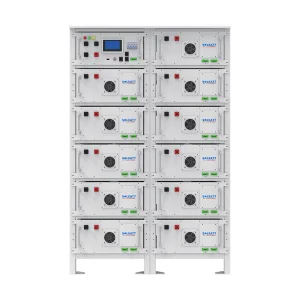
In an era defined by decarbonization, utility-scale battery energy storage systems (BESS) have transitioned from niche pilot projects to the backbone of modern power grids. As renewable energy sources like wind and solar become dominant, the ability to store vast amounts of electricity is no longer a luxury—it is an economic imperative.
Current industrial trends indicate a shift toward high-voltage, high-capacity modular systems. Utility-scale projects are increasingly adopting 280Ah cell technologies integrated into 114KWh or higher racks to maximize power density. Chinese factories, particularly those led by innovators like YouthPOWER, leverage a mature supply chain, vertical integration of battery materials, and sophisticated BMS (Battery Management System) design to maintain global cost leadership.
Efficiency in battery production is driven by three factors: automated precision in cell manufacturing, robust quality control in pack assembly, and economies of scale. By integrating R&D with manufacturing, firms like YouthPOWER reduce latency in product iteration, ensuring that the latest high-voltage storage solutions reach the global market faster and at competitive price points.
A: LiFePO4 (Lithium Iron Phosphate) offers superior thermal stability, a longer cycle life (6000+ cycles), and is significantly safer than traditional NCA/NMC chemistries for large-scale storage.
A: Focus on E-E-A-T credentials: Look for ISO certifications, historical project portfolios, R&D capabilities, and their ability to provide integrated AIO (All-In-One) solutions.
 YouthPOWER