A B2B Strategic Procurement Whitepaper on Sino-South African Supply Chain Ecosystems, Grid Compliance, and Industrial Storage Cost Structures.
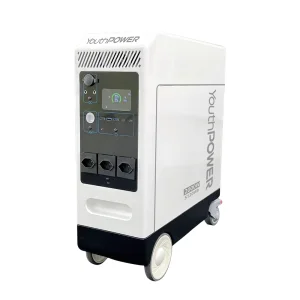
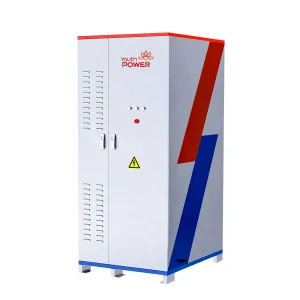
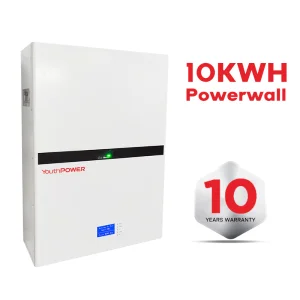
Explore our top industrial-grade and residential energy storage systems, built for high duty-cycles and seamless inverter compatibility.
South Africa is currently navigating one of the most critical structural energy transitions in its history. Driven by persistent grid capacity limitations and load shedding protocols executed by Eskom, the demand for decentralized solar storage has scaled rapidly. Within this paradigm, Lithium Iron Phosphate (LiFePO4) chemistry has emerged as the definitive industrial and residential benchmark. This whitepaper serves as a strategic blueprint for importers, engineering-procurement-construction (EPC) contractors, and commercial developers seeking to navigate the procurement of high-performance lithium batteries directly from Chinese gigafactories, while ensuring rigorous alignment with South African regulatory systems and geographical grid peculiarities.
Unlike the historical reliance on lead-acid batteries, modern lithium storage technologies offer high cyclic stability, deeper depths of discharge (DoD), and sophisticated battery management systems (BMS). For South African enterprises, this technological leap is not merely an upgrade; it is a fundamental requirement for business continuity. The volatile grid conditions, characterized by rapid cycling between grid power, diesel generators, and solar PV systems, place extreme thermal and electrical stress on electrochemical cells. Consequently, procurement strategies must shift from basic unit-price comparisons ($/kWh) to a holistic evaluation of the Levelized Cost of Storage (LCOS).
Deploying commercial or residential energy storage systems in South Africa requires strict adherence to localized safety frameworks and national electrical standards. The primary regulatory benchmark is the SANS 10142-1 (Wiring of Premises - Low Voltage Installations), which governs how battery energy storage systems (BESS) are physically and electrically integrated into residential and industrial distribution boards. Any battery system connected to a hybrid or grid-tied inverter must also align with the NRS 097-2-1 grid code, which mandates safety mechanisms for embedded generation, focusing on anti-islanding parameters and dynamic voltage support.
Furthermore, municipal policies (such as the City of Cape Town’s SSEG rules and Johannesburg's City Power guidelines) dictate that all integrated lithium battery packs must carry international certifications verifying their thermal runaway mitigation and electrical structural integrity. Prominent certifications include:
The global safety standard for industrial lithium batteries. It ensures the battery pack can withstand thermal abuse, dropped loads, and internal short circuits without propagating fire.
Verifies the safety of lithium batteries during transit. Necessary for importing via Durban or Cape Town ports, covering altitude simulation, thermal shock, and vibration testing.
Ensuring factory engineers can remotely access BMS logs via CAN/RS485 interfaces to diagnose field faults in Gauteng, Western Cape, or KwaZulu-Natal.
For enterprise procurement, relying solely on local distributors often inflates margins by 30% to 50%. A growing number of developers now establish direct factory pipelines to China. To offset the geographical gap, leading manufacturers provide remote BMS firmware telemetry support, standardized spare parts kits (including replacement BMS boards and spare cells), and robust warranty agreements backed by liability insurance.
Understanding how to source lithium storage units directly from Chinese gigafactories yields a significant cost advantage. The price of a lithium battery is fundamentally driven by the cost of raw materials (specifically lithium carbonate, precursor materials, and cathode components) and the efficiency of the assembly plant. China represents over 75% of global lithium cell refining and battery manufacturing capacity, driving down the unit cost through unmatched vertical integration.
When evaluating prices, buyers must look beyond the initial FOB (Free on Board) quote. The total Cost of Ownership includes ocean freight, local import duties (typically 15% custom duties plus VAT on luxury or solar storage products, depending on classification), environmental levies, and inland logistics from Durban Port to the destination warehouse. Direct factory procurement allows buyers to customize the battery cells—such as choosing premium Grade-A cells from EVE, CATL, or BYD—and customize the integrated BMS to ensure seamless plug-and-play communication protocols with major South African inverter brands like Sunsynk, Deye, Victron, and Growatt.
| Performance Metric | YouthPOWER LiFePO4 Systems | Standard Lithium-Ion (NMC) | Traditional Lead-Acid (AGM/Gel) |
|---|---|---|---|
| Cycle Life (80% DoD) | 6,000 + Cycles | 2,000 - 3,000 Cycles | 500 - 800 Cycles |
| Operating Temp Range | -10°C to +55°C | 0°C to +45°C | 15°C to +25°C |
| Thermal Runaway Temp | 270°C (High Safety) | 150°C (Moderate Safety) | N/A (Gassing Risk) |
| Recommended DoD | 90% - 95% | 80% | 50% |
| Communication Protocol | CAN, RS485, RS232 | Variable / Proprietary | None |
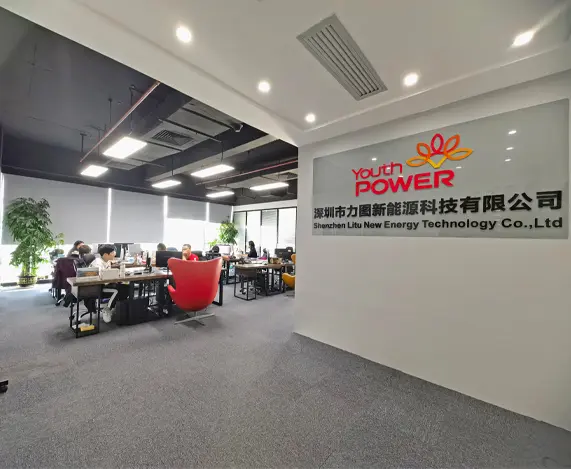
Founded in 2003, YouthPOWER has now become one of the leading suppliers of solar storage lithium batteries in the world. With a broad range of energy storage solutions, it covers a series of 24V, 48V and higher voltage lithium batteries solutions.
YouthPOWER has engaged in the battery technology and production for almost 20 years, with abundant manufacturing experience and strong new product R&D capability. Through many years of hard work and market promotion, we have created our own brand "YouthPOWER" in 2019.
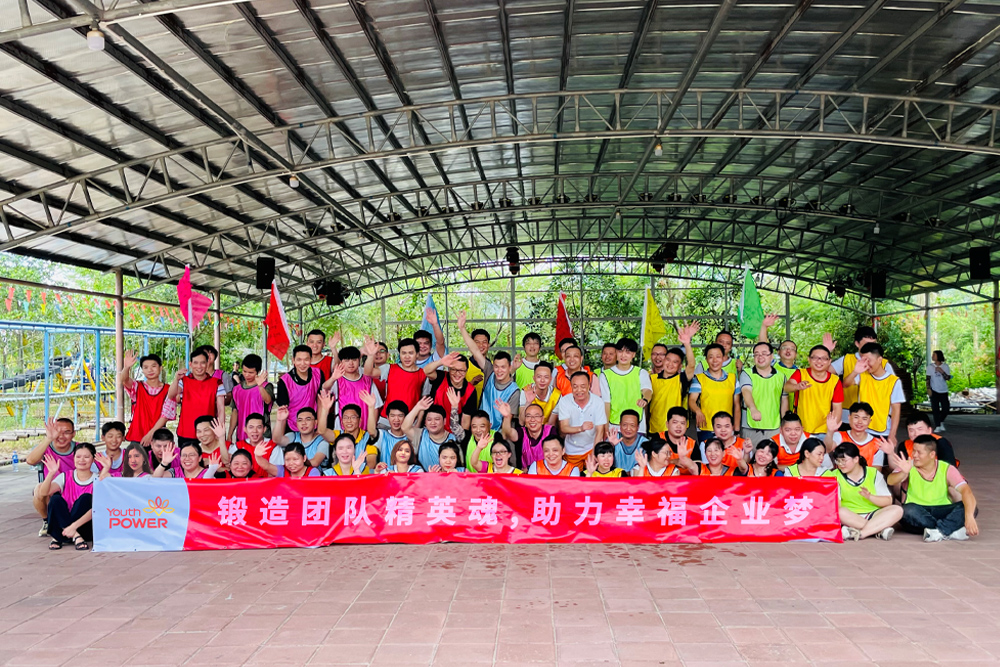
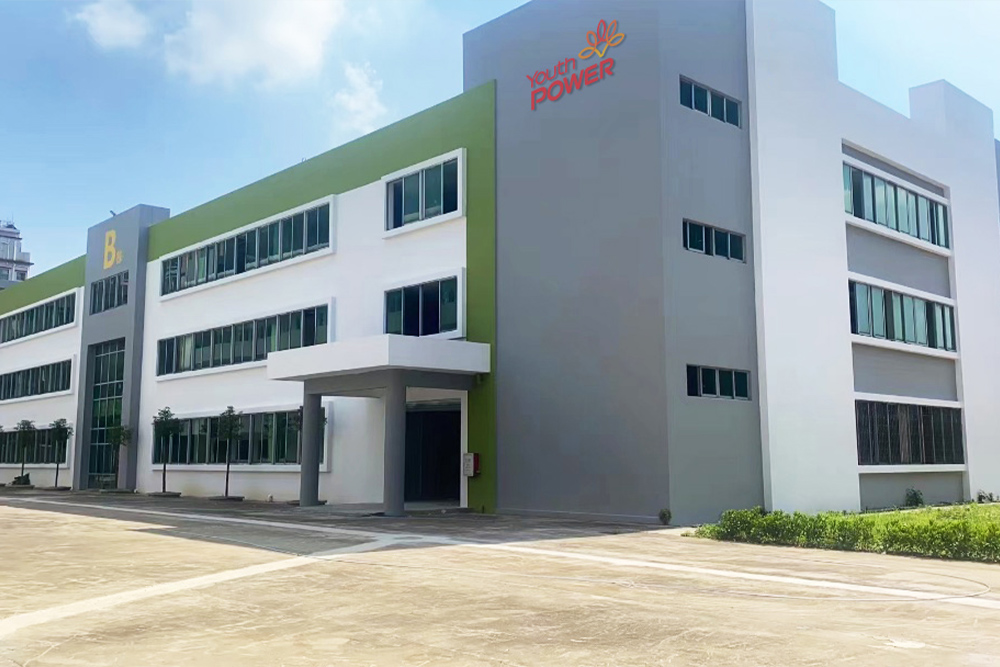
With nearly 20 years' experience in the battery industry, we have the capability to provide you with both the products you need and the most suitable products you want. We are always ready to supply the first-class products and meet the various needs of the customers.
We have established good business relationships with our customers from all over the world. And we have a good cooperation with all our customers as well for many years running. Supported by our local vendors of raw materials, we can certainly offer you the best prices.
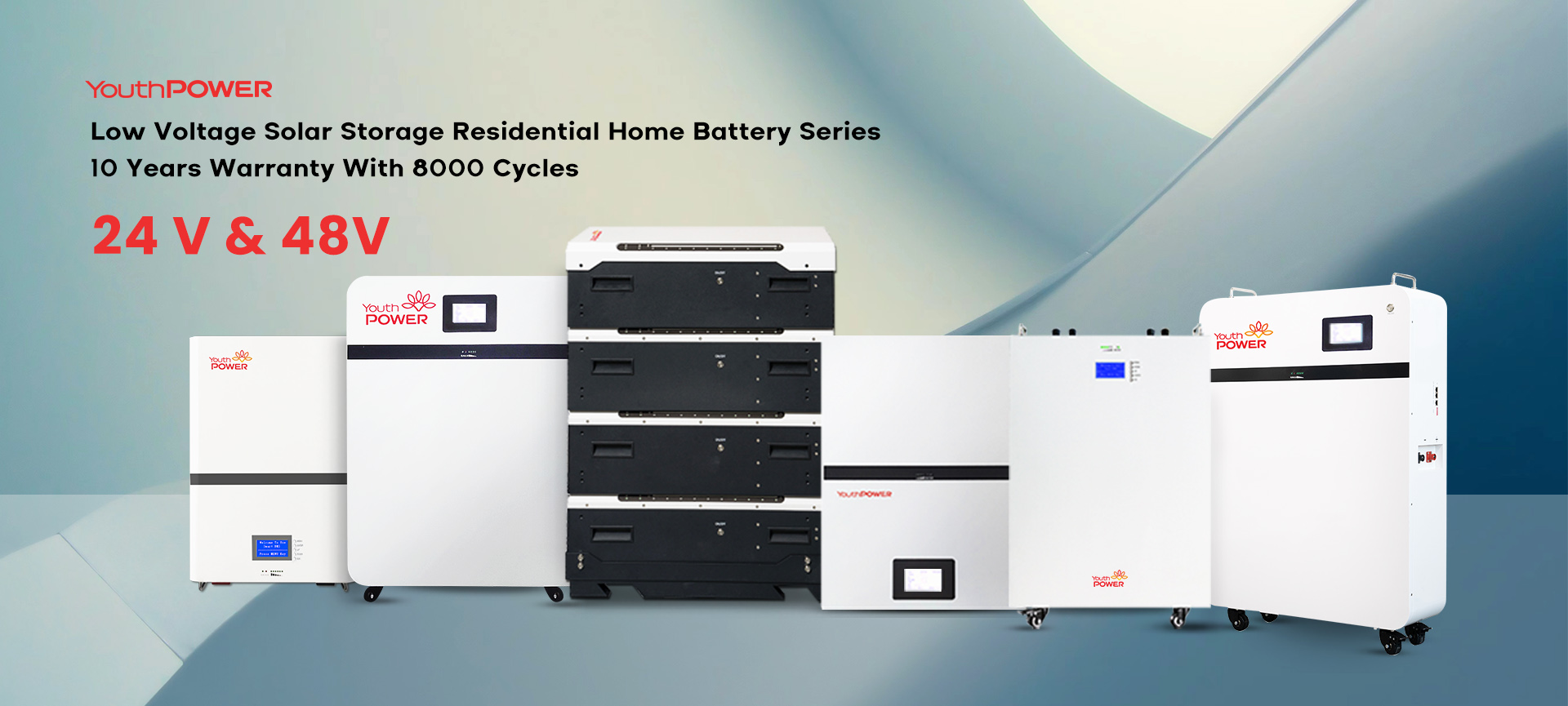
We are so proud that YouthPOWER has offered the reliable solar storage solution for over 1,000,000 families now in the world.
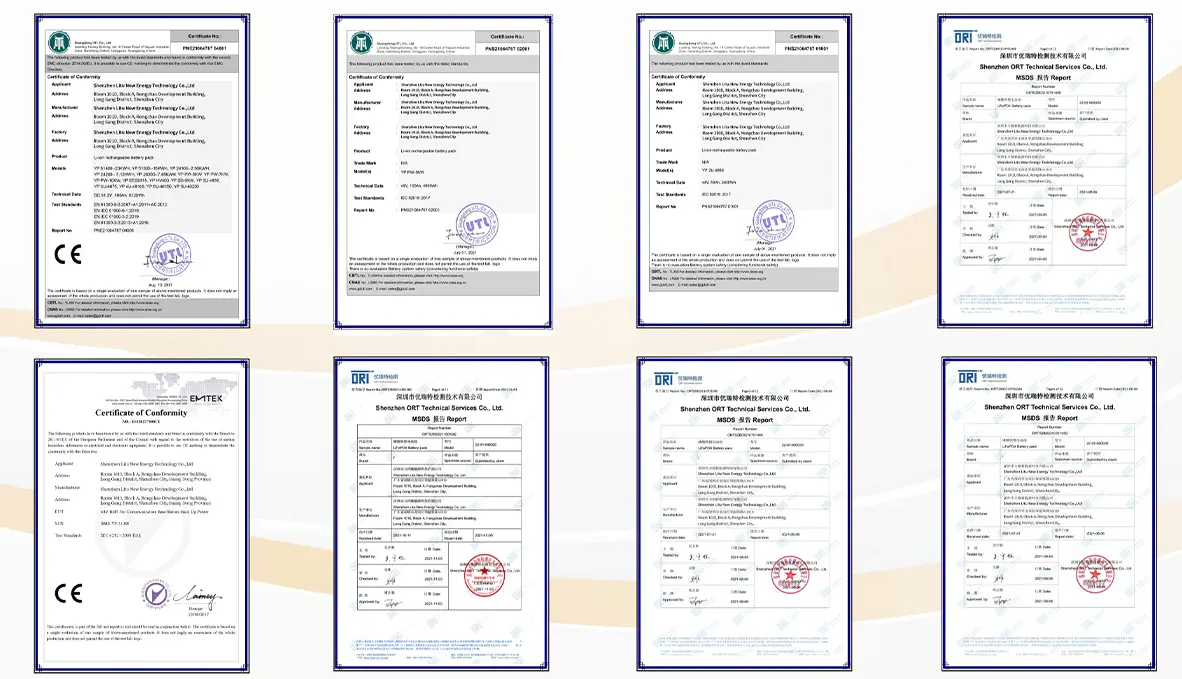
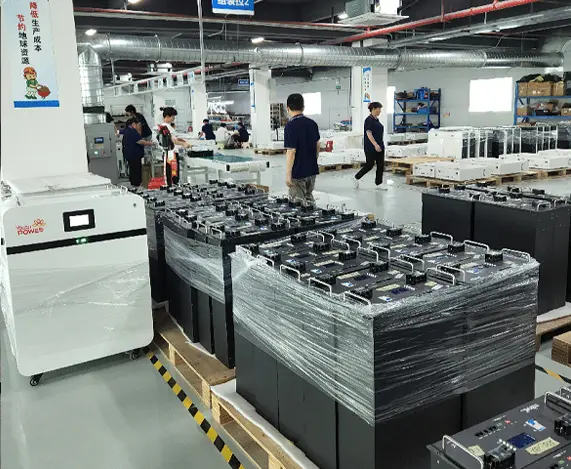
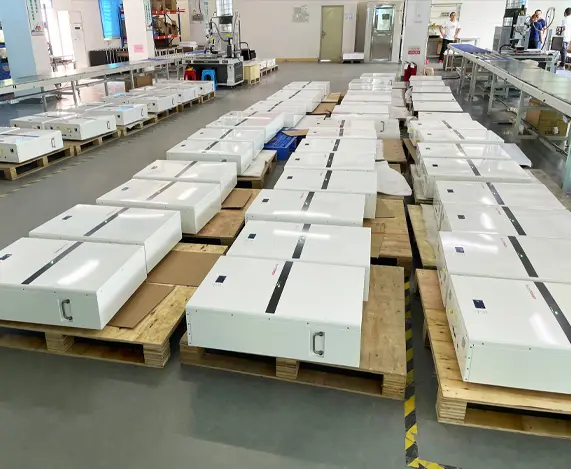
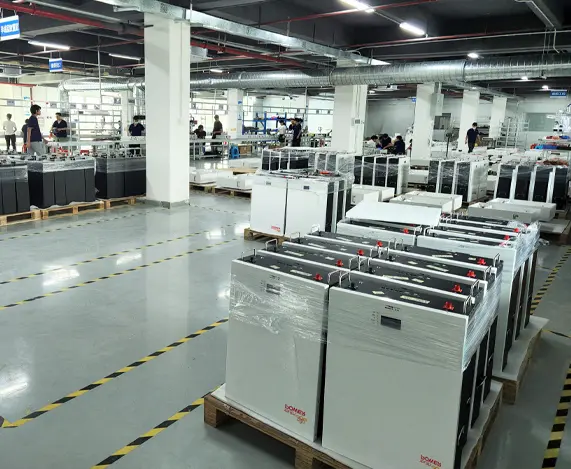
For two decades, YouthPOWER has continually optimized energy density, cell lifespan, and thermal safety systems. The roadmap below showcases the progressive stages of technological maturity that define our current product generation.
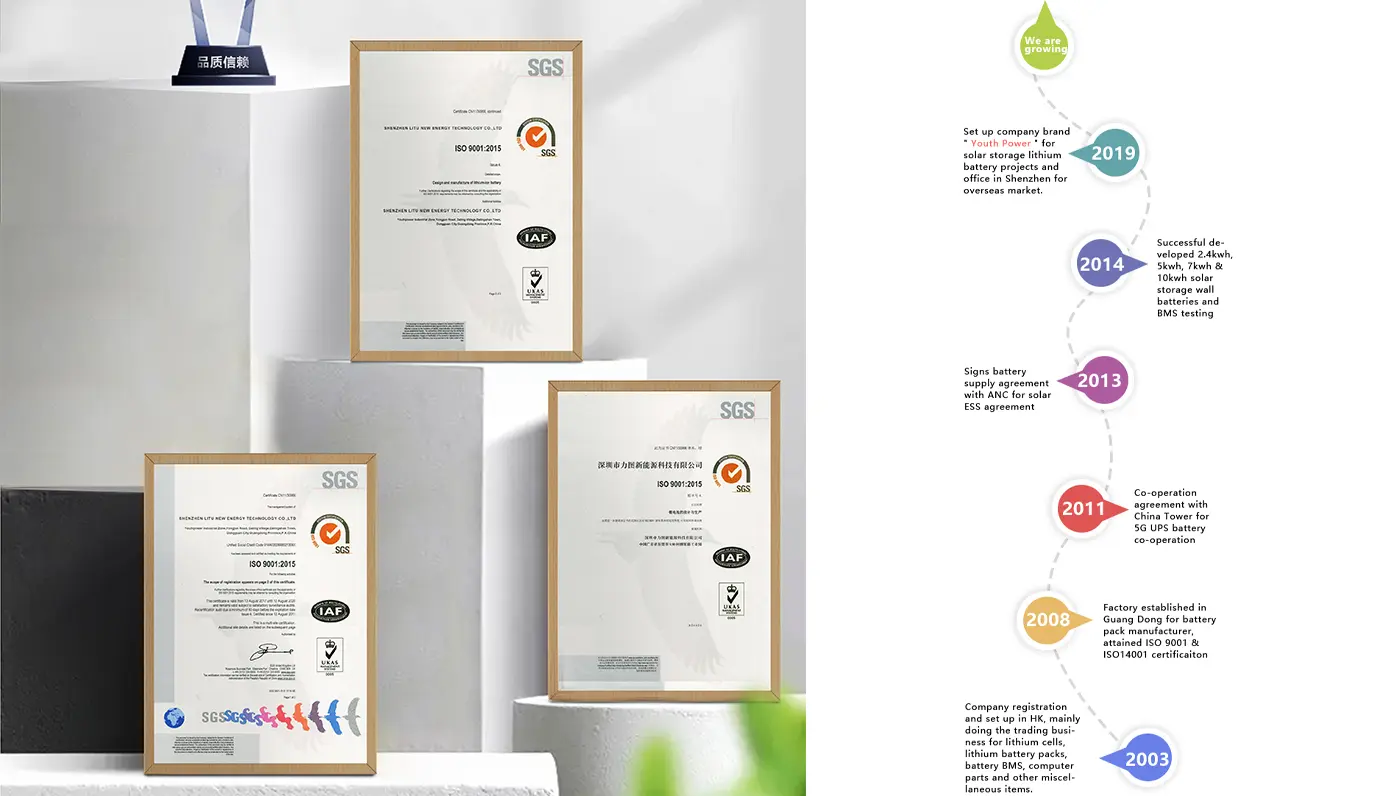
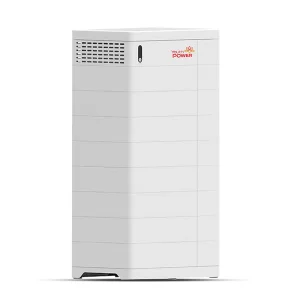
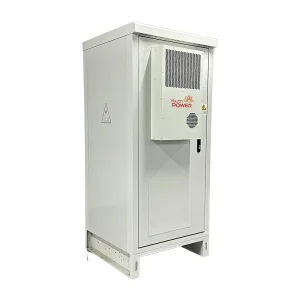
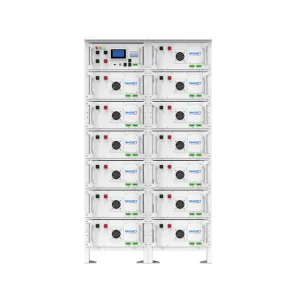
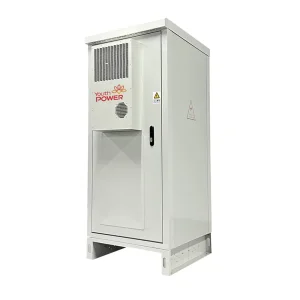
Beginning as an OEM cell packaging plant, our shift toward dedicated intelligent Battery Energy Storage Systems (BESS) was driven by the global requirement for clean, dispatchable energy. By designing and patenting customized hardware solutions (such as stackable high-voltage systems and ruggedized outdoor cabinets), we ensure that the harsh electrical profiles of South African sub-stations do not degrade our battery systems.
The deployment of lithium batteries in South Africa varies across primary sectors:
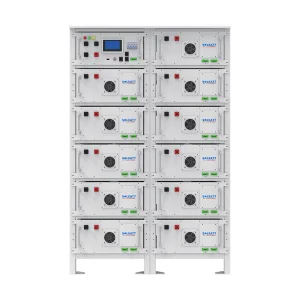
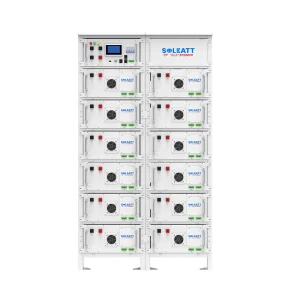
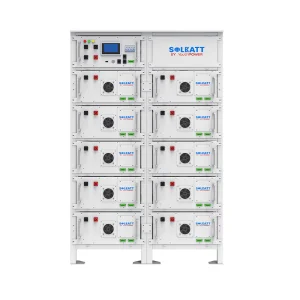
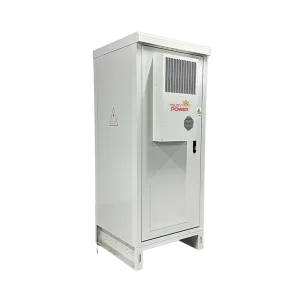
Manufacturing plants, agricultural farms in the Free State, and data centers in Midrand cannot afford operational interruptions due to load shedding. Commercial battery systems, ranging from 100kWh to over 200kWh (such as the 143KWH and 172KWH configurations listed in our catalog), serve as high-capacity energy reservoirs. When coupled with solar arrays, they help businesses manage peak-demand charges and transition seamlessly into island mode during grid failure.
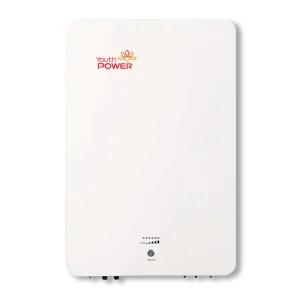
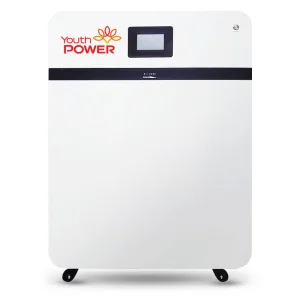
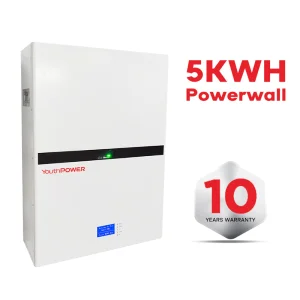
For homes, wall-mounted 48V/51.2V LiFePO4 batteries (such as the 5kWh Powerwall or 10kWh server rack units) are ideal. They easily integrate into existing DB boards via hybrid inverters. They are designed to manage daily cycling, offering a safe, compact, and non-gassing alternative to lead-acid setups inside the home.
As South Africa's grid regulations evolve, we expect the introduction of feed-in tariffs nationwide. Battery storage systems will transition from passive backup systems to active grid-supporting microgrids. Virtual Power Plants (VPPs) will enable clusters of commercial properties to aggregate their battery capacities and supply power back to the grid during peak demand. Sourcing modular, smart-BMS enabled batteries from a dedicated factory ensures your hardware is ready for these future software integrations.
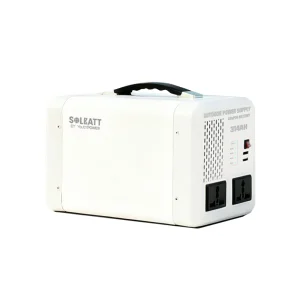
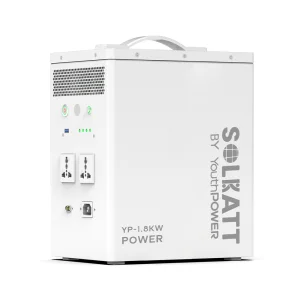
High-voltage stackable cabinets, heavy-duty commercial BESS units, and portable backup options engineered for durability.
Technical answers regarding compliance, importing processes, and inverter compatibility for B2B buyers in South Africa.
 YouthPOWER