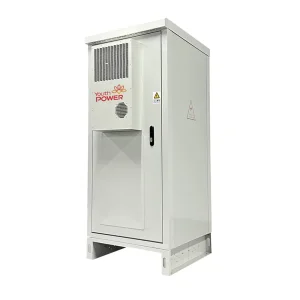
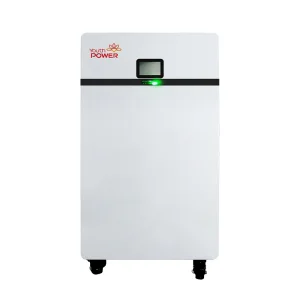
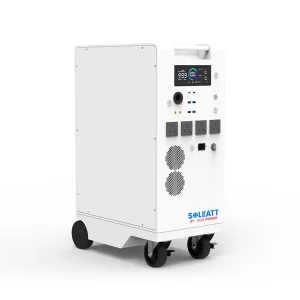
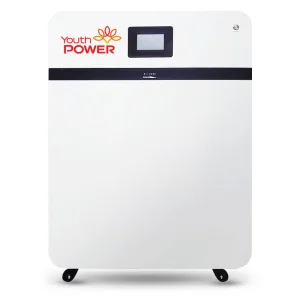
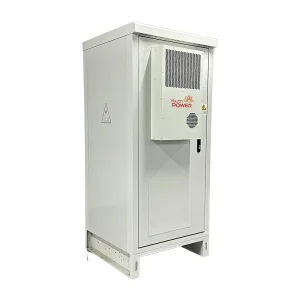
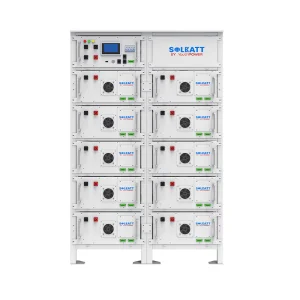
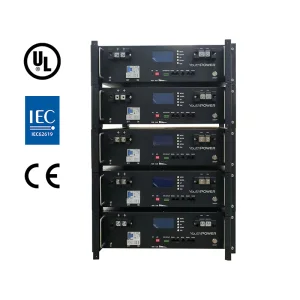
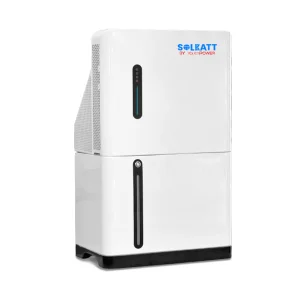
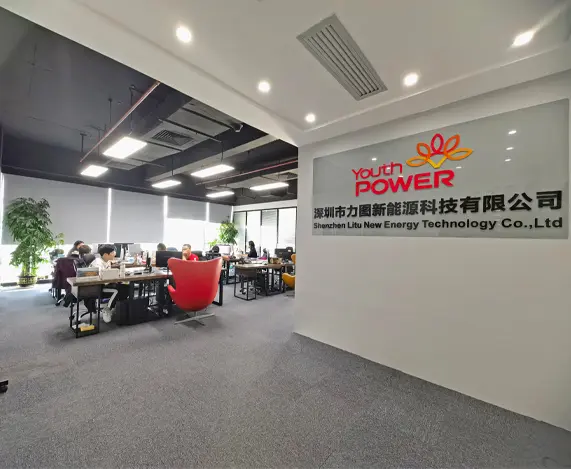
Founded in 2003, YouthPOWER has now become one of the leading suppliers of solar storage lithium batteries in the world. With a broad range of energy storage solutions, we cover a series of 24V, 48V, and higher voltage lithium battery solutions engineered for resilience, efficiency, and grid integration.
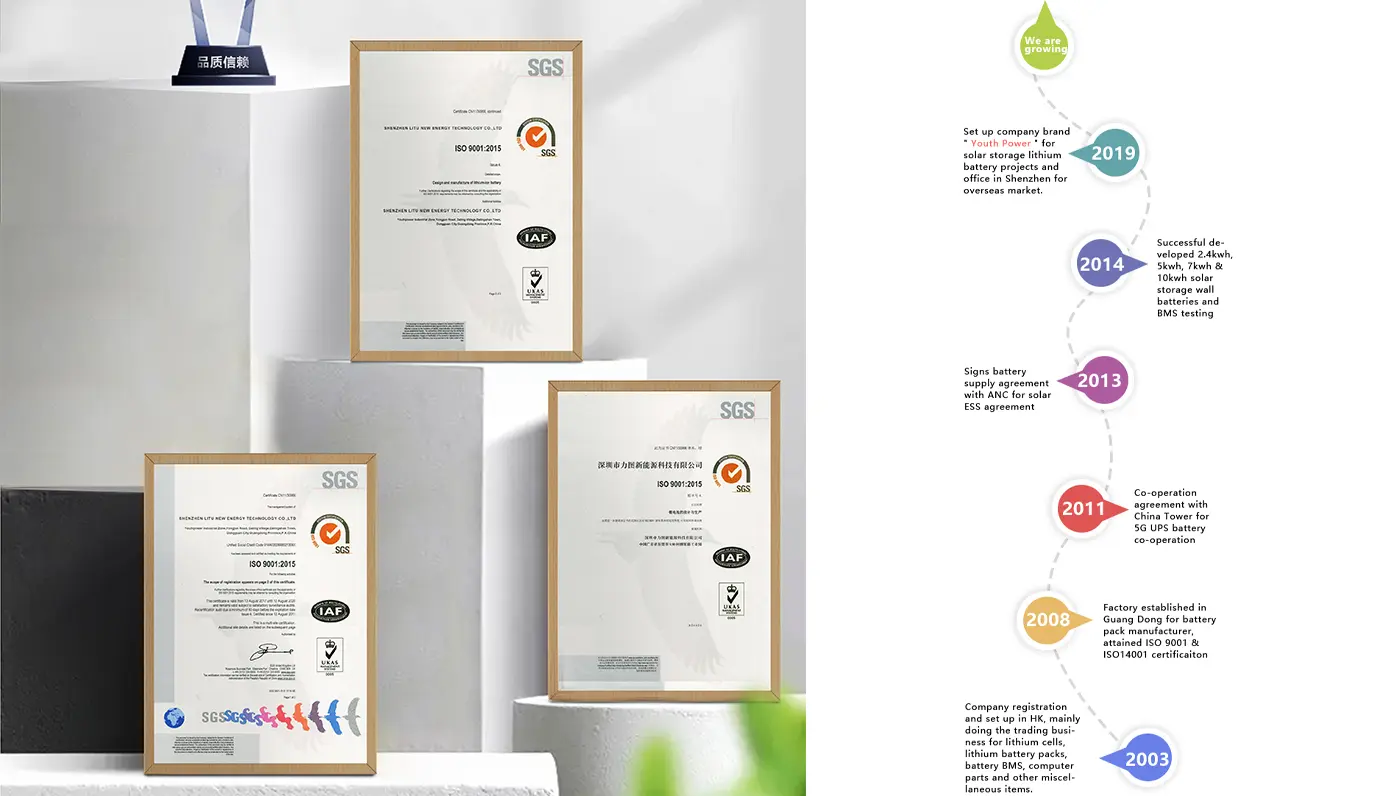
Our organization has actively engaged in advanced battery technology and precision manufacturing for almost 20 years. Armed with abundant manufacturing experience and a robust, forward-looking product research and development (R&D) framework, we have built a resilient path toward carbon neutrality. Through many years of hard work, engineering exploration, and global market promotion, we proudly established our independent brand "YouthPOWER" in 2019.
Supported by our stable local vendors of raw materials, we can offer our customers the best possible prices without sacrificing mechanical or electrical performance. We are immensely proud that YouthPOWER has supplied reliable solar storage and battery inverter solutions for over 1,000,000 families worldwide, building clean energy access block by block.
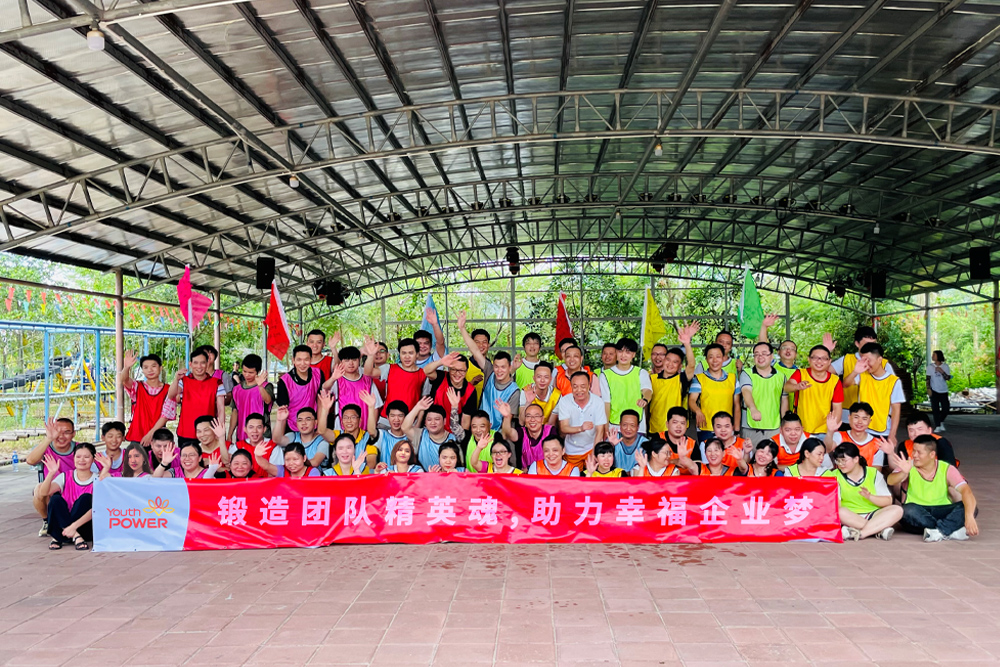
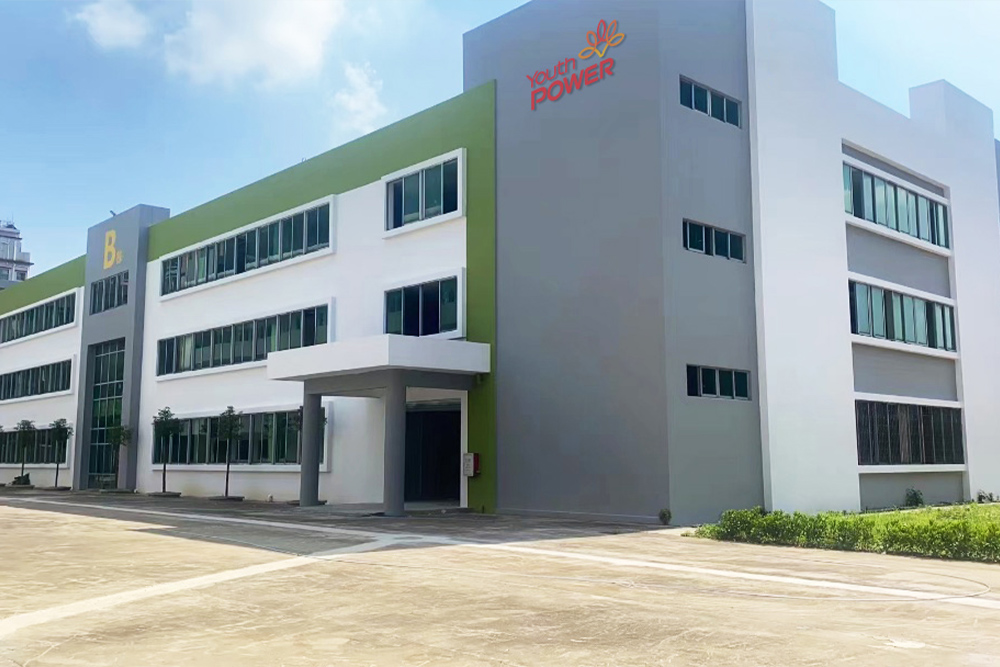
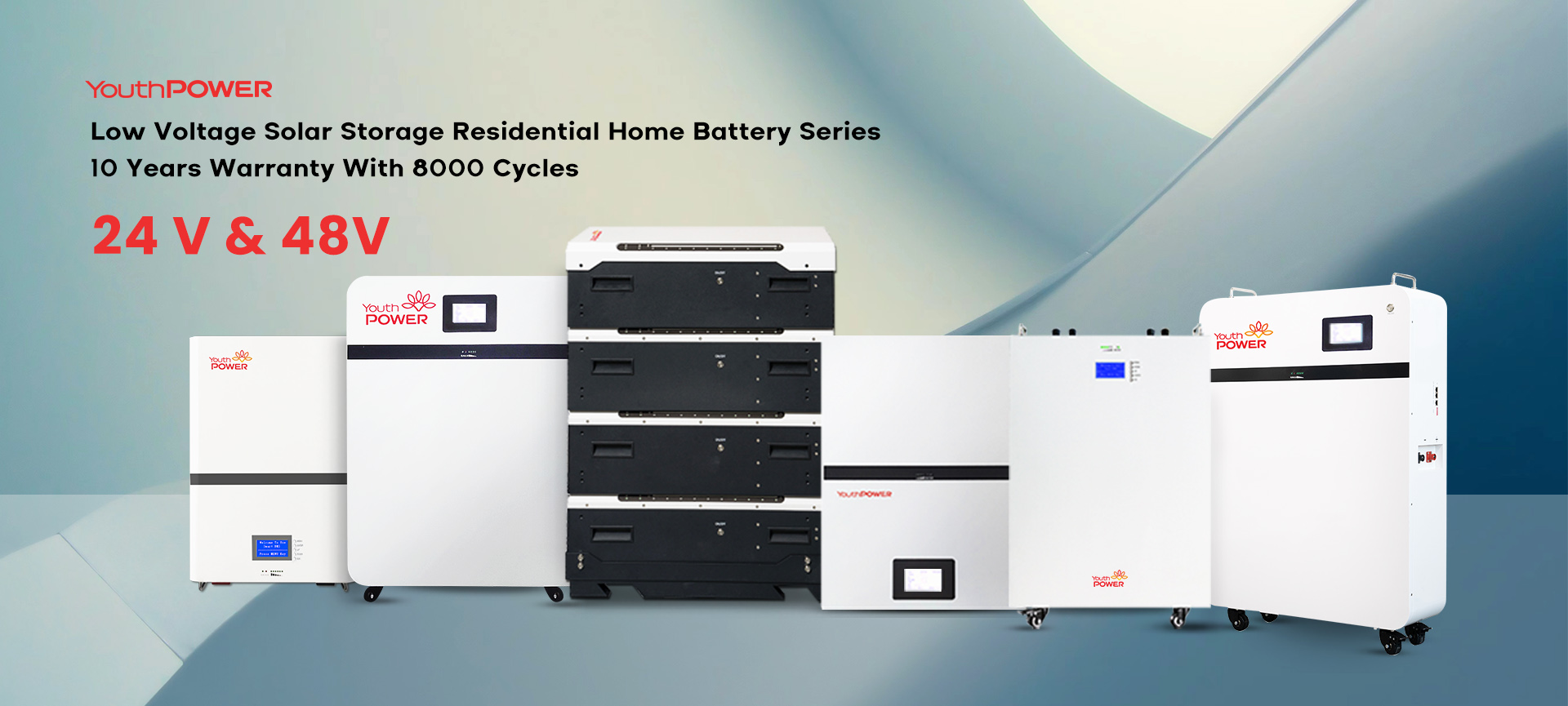
With nearly 20 years' experience in the battery and inverter industry, we possess the comprehensive manufacturing capability to provide you with both the products you need and the most suitable systems you want. We are always ready to supply first-class products, satisfy demanding custom configurations, and address the various needs of commercial, industrial, and residential customers.
Over the past two decades, we have established stable, reciprocal business relationships with partners and system integrators globally. Our long-running cooperation is built upon rigorous engineering standards and continuous field-application engineering support.
Modern battery inverters serve as the brain of decentralized power networks. As we transition from simple grid-tied operations to dynamic grid-forming microgrids, the technical architecture of hybrid and battery inverters is undergoing rapid transformation.
The integration of Silicon Carbide (SiC) and Gallium Nitride (GaN) switching components represents a monumental leap forward from traditional Silicon IGBTs. Wide-bandgap semiconductors allow for higher switching frequencies, lower thermal dissipation, and an overall efficiency index exceeding 98.8%. This reduction in heat loss significantly scales down the physical footprint of modern inverters, making outdoor BESS cabinets more compact and durable.
Traditional inverters rely on the grid to synchronize voltage and frequency (Grid-Following). Next-generation battery inverters feature advanced Grid-Forming algorithms, allowing them to act as independent voltage sources during grid outages. This capability is critical for black-start operations in microgrids and stabilizes weak utility networks with virtual synchronous machine (VSM) dynamics.
To support high-voltage DC coupled battery energy storage systems (BESS), modern topologies utilize Bidirectional Active Bridge DC-DC converters. This allows for high-frequency isolation and seamless step-up conversion from LFP batteries to a high-voltage DC bus (e.g., 600V to 1000V DC). This architecture achieves galvanic isolation while minimizing conversion loss, ensuring absolute system reliability.
| Technology Parameter | Legacy Silicon IGBT Inverters | Next-Gen SiC Bidirectional Inverters | System Level Advantage |
|---|---|---|---|
| Max Peak Efficiency | 95.5% - 96.8% | 98.5% - 99.2% | Reduces auxiliary HVAC cooling loads by 35% |
| Switching Frequency | 8 kHz - 15 kHz | 50 kHz - 150 kHz | Reduces output filter size and THD (< 2%) |
| Response Response Time | < 50 ms | < 4 ms (Seamless backup) | Safeguards sensitive C&I digital loads |
| Thermal Management | Forced Air (High Maintenance) | Liquid Cooled or Natural Heat Sink | Extends outdoor component lifespan to 15+ years |
Deploying battery inverters requires strict adaptation to local environment variables, grid codes, and economic frameworks. Below are the three primary deployment configurations observed globally:
Under many utility rate structures (such as California's SGIP and NEM 3.0), commercial properties face steep demand charges based on their peak consumption. Inverters equipped with intelligent Energy Management Systems (EMS) deploy automated peak-shaving strategies. By discharging localized lithium arrays (e.g., 100KWh - 200KWh cabinets) during peak pricing windows, operators limit grid draw, generating rapid return on investment (ROI) within 3.5 to 5 years.
With volatile pricing structures like Tibber or hourly spot-market tariffs across Germany and Scandinavia, residential and light commercial consumers utilize hybrid inverters to arbitrage power. By charging during negative or low-price periods (typically overnight or mid-day solar peaks) and discharging during peak evening demand, smart storage reduces overall utility bills by up to 75%.
In regions plagued by unstable utility infrastructure or high fuel costs for diesel generation, integrated inverter-battery systems function as primary power hubs. Advanced dynamic load shedding, PV priority tracking, and off-grid generator controller integration ensure that healthcare centers, telecommunication towers, and agricultural processors operate continuously without relying on expensive fuel or unstable grid lines.
The dominance of Chinese manufacturing in the energy storage supply chain is not merely a matter of lower labor costs; it is a product of deep cluster efficiency, component integration, and advanced automation. For battery inverters and high-capacity storage cabinets, this creates structural advantages that ensure cost control and consistency.
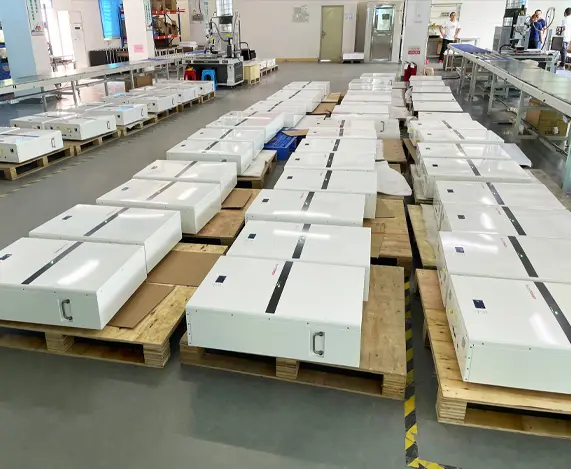
1. Vertical Component Clustering: The manufacturing hubs surrounding YouthPOWER boast immediate physical access to key raw materials and semiconductor assemblies. From lithium iron phosphate (LFP) raw cells and heavy copper busbars to high-power capacitors, microcontrollers, and cabinet shells—every element is sourced within a 50-kilometer radius. This eliminates international transport bottlenecks and drastically reduces assembly cycles.
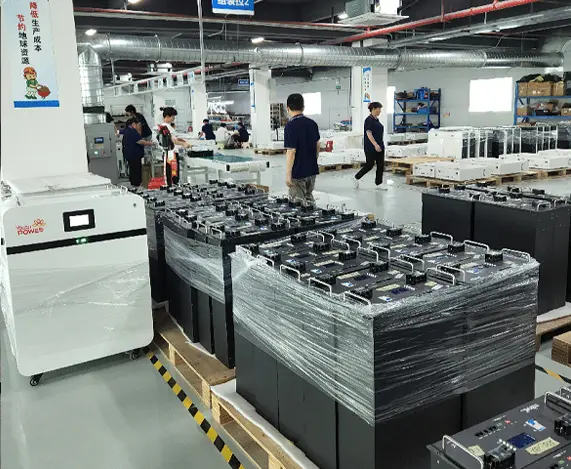
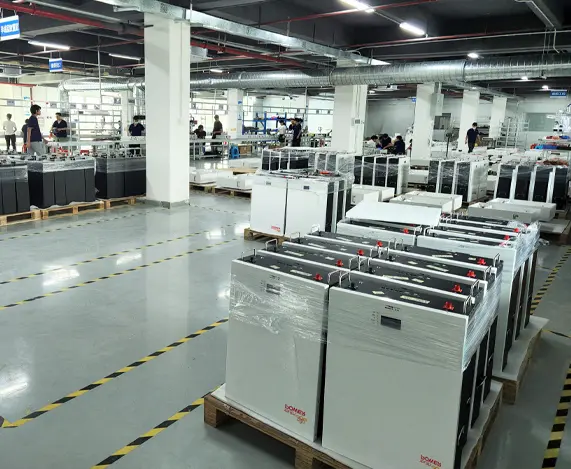
2. Production Scaling and Automation: By operating state-of-the-art automated surface-mount technology (SMT) lines for PCB board manufacturing and automated cell sorting lines for pack configuration, quality deviations are minimized. Robotic laser welding of cell terminals reduces internal resistance, ensuring that battery systems (such as the 85KWH BESS Cabinet or the 157KWH Commercial Backup unit) achieve high life cycles (> 6,000 cycles at 80% DOD).
3. Advanced Testing & Simulation: Every unit leaving our production floor undergoes a series of rigorous testing parameters, including high-temperature burn-in tests, insulation resistance checks under high voltage, simulated vibration testing for transit safety, and charge/discharge cycling under real-load parameters. This comprehensive testing ensures the out-of-box reliability expected of critical infrastructure components.
The utility and C&I storage segments are expanding rapidly. Driven by ESG mandates, strict carbon taxes, grid capacity bottlenecks, and the falling levelized cost of storage (LCOS), businesses are integrating battery inverters with on-site photovoltaic generation to form independent microgrids.
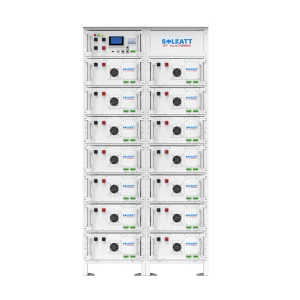
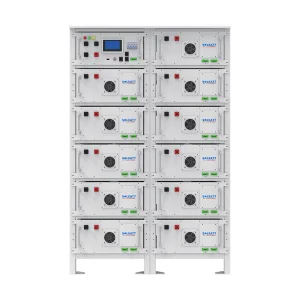
Moving from traditional low-voltage (48V) platforms to high-voltage (HV) platforms (500V to 1000V+) reduces cable cross-section requirements, decreases copper requirements, and drastically cuts down on transmission line losses. Our 85KWH BESS (656.6V) and 200KWH Commercial Solar Storage systems (716V) are engineered specifically to pair with high-efficiency hybrid inverters, optimizing conversion metrics across the board.
Safety is the primary metric in commercial deployments. Modern outdoor cabinets feature integrated liquid cooling loops or multi-stage forced air ventilation, complete with aerosol fire suppression systems (such as Novec 1230 or FM200) and localized venting pathways. Under extreme conditions (thermal runaway simulation), these safeguards isolate affected modules, protecting adjacent assets and building structures.
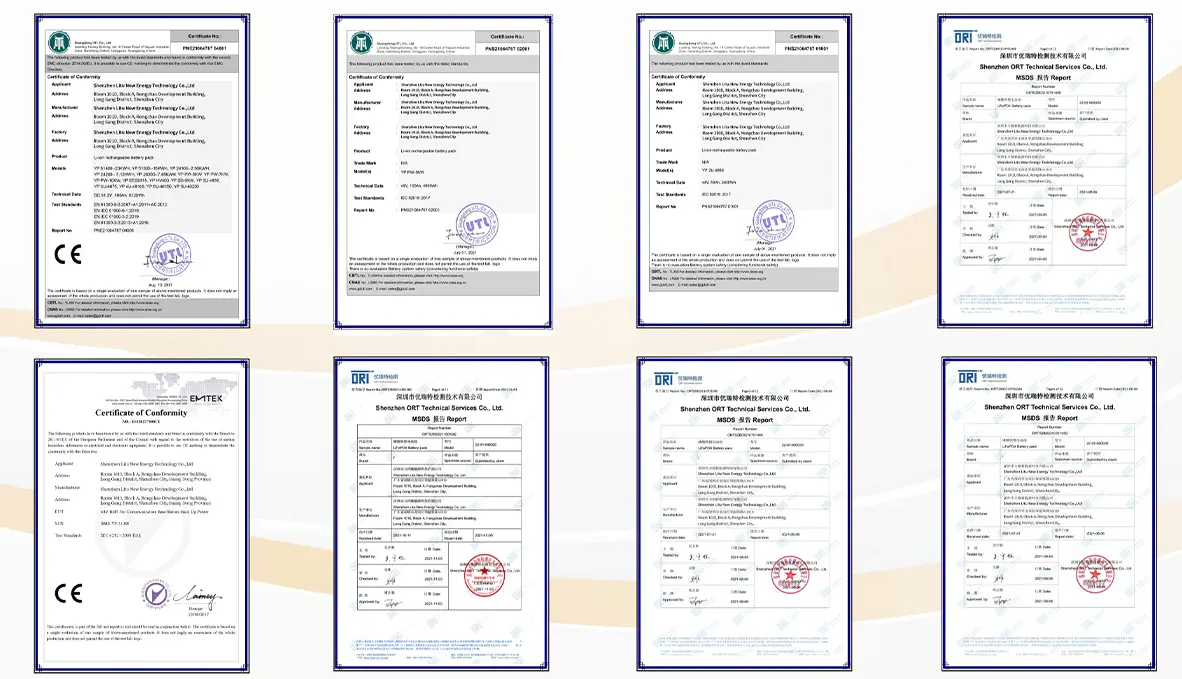
Deploying power systems requires compliance with country-specific regulatory frameworks. The table below outlines the core standards met by YouthPOWER systems:
| Region | Required Compliance & Certifications | Grid Connection Standards | YouthPOWER Engineering Support Coverage |
|---|---|---|---|
| North America | UL 1741 (Inverters), UL 1973 (Battery Packs), UL 9540/9540A | IEEE 1547, Rule 21 (California) | Local FAE (Field Application Engineers) & Remote Commissioning Support |
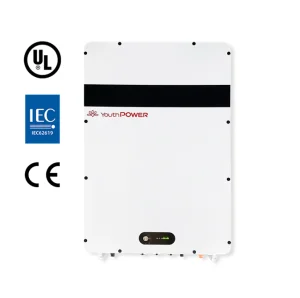
| European Union | CE, IEC 62109-1/-2 (Inverter Safety), IEC 62619 (LFP Safety) | EN 50549-1, VDE-AR-N 4105 (Germany) | Local logistics partners and pre-configured grid-profile software settings |
| Australia | AS/NZS 4777.2 (Inverters), CEC Approved Product List | AS/NZS 3000 Electrical Installations | Warranty support, local service centers, and rapid replacement networks |
| Global / UK / LatAm | UN 38.3 (Transportation), IEC 61000 (EMC Compliance) | G99 / G100 (UK), Local Distribution Grid Codes | Custom firmware development and Modbus map integration support |
When procurement managers search for the *Best Battery Inverter Company & Price*, they must look beyond the initial capital expenditure (CAPEX). A rigorous analysis includes total system integration costs, levelized cost of storage (LCOS), and battery warranty terms.
Initial system pricing is determined by three main elements:
Sourcing directly from vertical manufacturers (such as YouthPOWER in China) bypasses intermediate markup layers. This direct sourcing strategy reduces upfront component acquisition costs by 20% to 35%, allowing installers to offer more competitive bids and secure higher margins.
A: High-voltage systems (typically above 200V to 800V DC) operate at lower currents to deliver the same power compared to 48V low-voltage setups. This reduces cable cross-section needs, lowers copper costs, minimizes thermal losses (I²R losses), and increases overall system round-trip efficiency (RTE). LV setups are popular for small residential systems, while HV configurations are the standard for commercial, industrial, and high-capacity residential systems.
A: Hybrid inverters feature integrated MPPT solar chargers, battery converters, and grid bypass relays. Using real-time monitoring via current transformers (CTs) or smart meters, the inverter dynamically allocates power. It prioritizes self-consumption from solar first, redirects excess solar to charge the battery, and uses grid power only when solar and battery storage are insufficient.
A: Lithium Iron Phosphate (LiFePO4) offers superior thermal stability, has a higher thermal runaway threshold (approx. 270°C vs NCM's 210°C), and contains no toxic cobalt. Furthermore, LFP cells deliver a longer cycle life, typically exceeding 6,000 charge/discharge cycles at 80% Depth of Discharge (DOD), which reduces long-term maintenance costs.
A: For North America, ensure the system complies with UL 1741 SB (for smart inverters), UL 1973 (for battery packs), and UL 9540 (for system integration). For Europe, verify compliance with CE, IEC 62109 (safety), IEC 62619 (industrial battery safety), and local grid-connection standards such as EN 50549 or VDE-AR-N 4105.
A: Extreme temperatures can degrade efficiency. Active cooling (liquid cooling or forced-air systems) maintains optimal internal temperatures (typically between 15°C and 30°C). When temperatures exceed 45°C, inverters automatically derate output to prevent component damage. Modern cabinets also feature internal heating strips to protect lithium cells in freezing climates.
A: Yes. Modern BESS architectures allow parallel configuration of multiple cabinet units. In these setups, a primary master controller manages communication with secondary slave cabinets, balancing state-of-charge (SOC) and preventing circulating currents between parallel packs.
 YouthPOWER