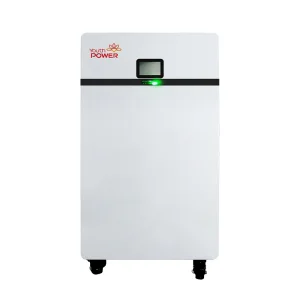
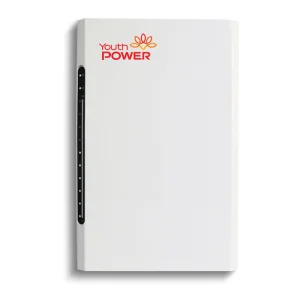
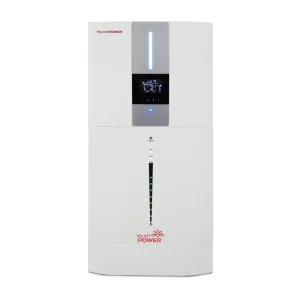
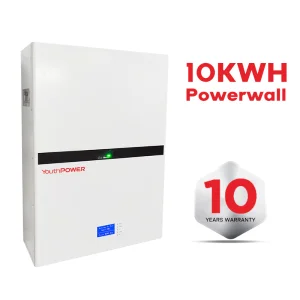
The global transition toward decentralized clean energy grids has elevated energy storage systems (ESS) into critical capital assets. Among the standard capacities, the 10kWh lithium battery storage system has emerged as the definitive tipping-point configuration. It serves as the primary building block for residential self-consumption optimization, micro-grid resiliency, and small to medium enterprise (SME) backup infrastructures.
Global corporate energy procurement is no longer simply about securing power at the lowest cost; it is focused on power resilience, carbon accounting compliance, and grid independence. The 10kWh threshold is particularly vital for distributed telecommunication towers, light industrial peak-shaving nodes, and large-scale residential virtual power plant (VPP) rollouts. Under the Scope 3 emission regulations in Europe and North America, multinational businesses are systematically upgrading utility connections with localized, smart-monitored 10kWh energy storage units to achieve absolute net-zero targets.
Procurement directors face a highly fragmented supply chain. Finding the optimal 10kWh battery price requires balance between upfront capital expenditure (CapEx) and operational lifetime returns (OpEx). Commercial entities must bypass speculative distributors and interface directly with certified Tier 1/Tier 2 factories capable of offering verified warranty structures, robust material bills of lading, and long-term localized engineering support.
As clean energy requirements expand beyond individual structures, standard 10kWh modular architectures are increasingly coupled with multi-megawatt systems to form high-capacity decentralized energy networks. Modern industrial operations utilize modular parallelization, scaling single-pack configurations up to utility-grade systems.
Deploying 10kWh ruggedized battery packs to isolated sensor clusters, remote agricultural arrays, and critical mining facilities. Ensures continuous operation under extreme environments.
Aggregating hundreds of distributed 10kWh residential battery installations into unified smart grid nodes to trade ancillary frequency response services to local grid operators.
Automating charge cycles during low-cost utility windows and discharging dynamically during premium peak hours to directly offset commercial demand charges.
"By implementing standardized modular 10kWh building blocks in parallel configurations, industrial procurers drastically mitigate single-point-of-failure risks while maintaining cost structures that match utility-scale procurements."
Understanding the core bill of materials (BOM) in a 10kWh battery is key to selecting the right technology. Price comparisons must evaluate chemistry, cell type, integration depth, and the inclusion of smart battery management systems (BMS). The table below outlines how these factors influence system parameters and price points.
| Battery Chemistry | Common Form Factor | Cycle Life (80% DoD) | Safety Profile | Est. Factory Price (Per Unit) | Ideal Application |
|---|---|---|---|---|---|
| Lithium Iron Phosphate (LiFePO4) | Prismatic (e.g., 3.2V 100Ah/280Ah) | 6,000+ Cycles | Excellent (Non-explosive, high thermal runaway threshold) | $1,200 - $2,200 USD | Stationary Energy Storage, Residential, High-Cycle Commercial |
| Lithium Nickel Manganese Cobalt (NMC) | Pouch / Cylindrical (e.g., 21700) | 2,500 - 3,500 Cycles | Moderate (Requires active thermal monitoring and venting) | $1,800 - $2,900 USD | Space-constrained environments, High Peak C-Rate Requirements |
| Solid-State Energy Storage (Emerging) | Pouch Solid State Electrolyte | 10,000+ Cycles | Outstanding (No flammable liquid organic solvents) | $4,500+ USD (Pre-scale) | Premium aerospace, niche critical infrastructure back-ups |
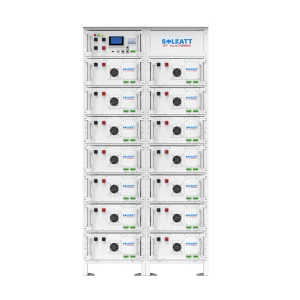
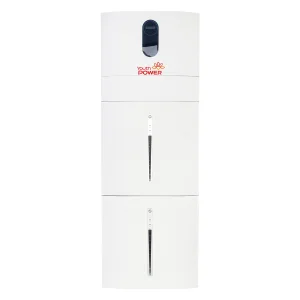
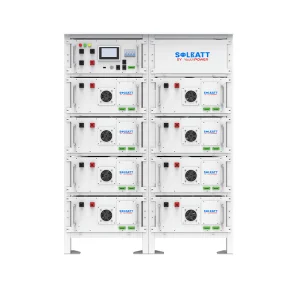
The final cost of a 10kWh battery system depends significantly on its form factor. Raw battery cells represent approximately 50-60% of the overall cost. The remaining portion consists of the structural casing (e.g., IP65-rated wall mounts, server rack chassis), the BMS, dynamic temperature management, and regulatory certification compliance. Direct factory sourcing provides pricing advantages, but quality control and certification testing are critical factors that should not be overlooked.
The performance curve of lithium-ion energy storage systems continues to improve. Industry developments are focused on solid-state architectures, sodium-ion alternatives for low-temperature applications, and high-frequency smart BMS integrations.
Traditional analog battery management systems are transitionary. Modern manufacturers install cloud-linked, edge-AI powered BMS controllers inside 10kWh units. These algorithms monitor cell internal resistance variations, forecast thermal profiles, prevent micro-short circuits, and dynamically optimize balancing protocols to extend the system's operational lifespan by up to 20%.
While 48V (51.2V nominal) systems remain common, there is a clear market shift toward high-voltage architectures (100V-400V+). High-voltage configurations reduce cable transmission current requirements, decrease internal thermal losses, and improve round-trip conversion efficiency. This makes them well-suited for high-power hybrid solar inverter integrations.
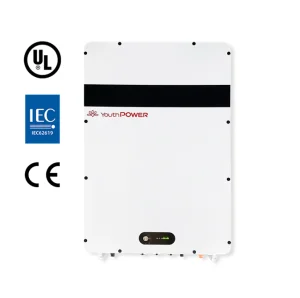
Safety certifications are essential for clean energy investments. Global grid connections require proof of international safety and environmental compliance. A 10kWh battery pack that is not certified under appropriate regional standards can lead to denied interconnection permits, voided insurance policies, and potential safety risks.
Requires strict adherence to UL 1973 (stationary batteries), UL 9540 (system integration safety), and UL 9540A (thermal runaway propagation test protocols).
Mandates CE compliance, compliance with IEC 62619 (safety standards for industrial applications), and the EN 50549-1 connection standard.
UN 38.3 certification is required for the safe air, sea, and land transport of lithium battery chemistries worldwide.
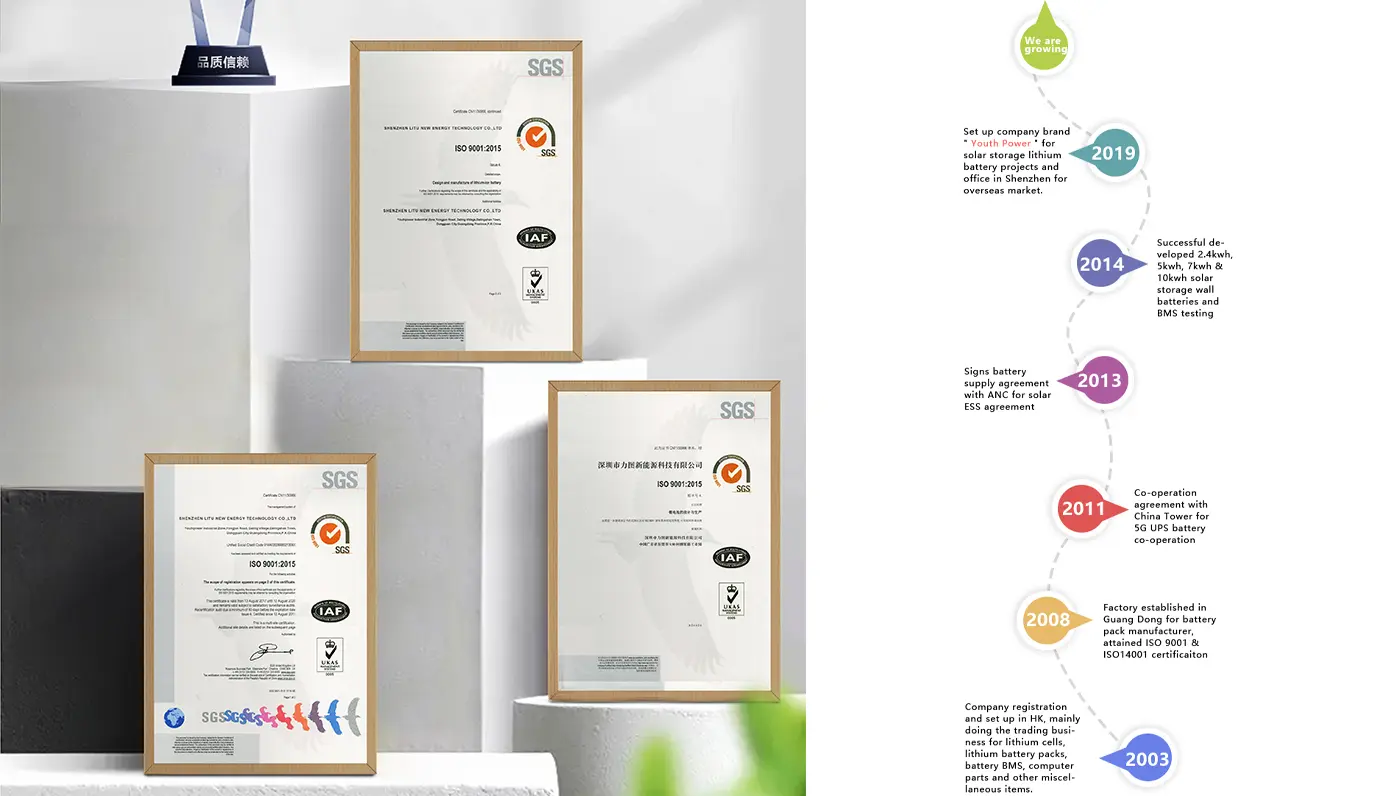
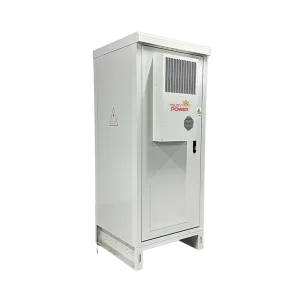
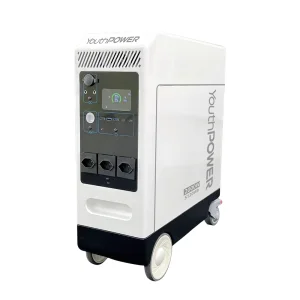
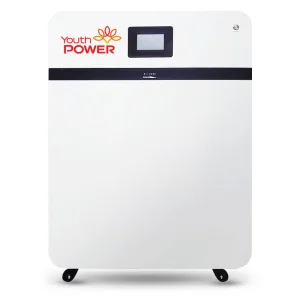
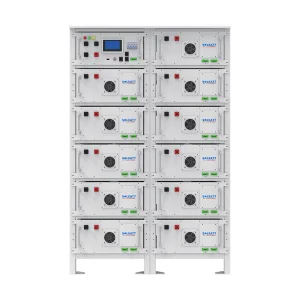
Founded in 2003, YouthPOWER has established itself as one of the leading global suppliers of solar storage lithium batteries. With a broad range of energy storage solutions, the company covers a comprehensive series of 24V, 48V, and high-voltage lithium battery systems designed for varied residential and industrial settings.
YouthPOWER has engaged in battery technology development and manufacturing for nearly 20 years. Supported by rich manufacturing experience and a dedicated product R&D team, the company officially launched its proprietary brand "YouthPOWER" in 2019.
By sourcing raw materials through localized supplier ecosystems, YouthPOWER maintains control over production costs, offering competitive factory-direct pricing to our global partners. The company's solar storage systems currently support over 1,000,000 families worldwide.

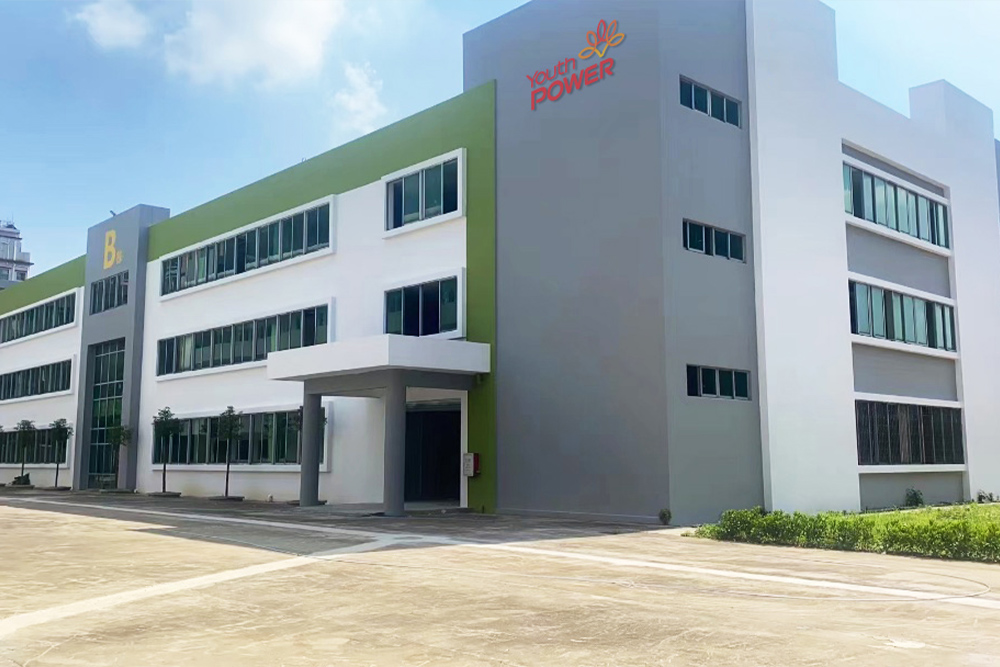
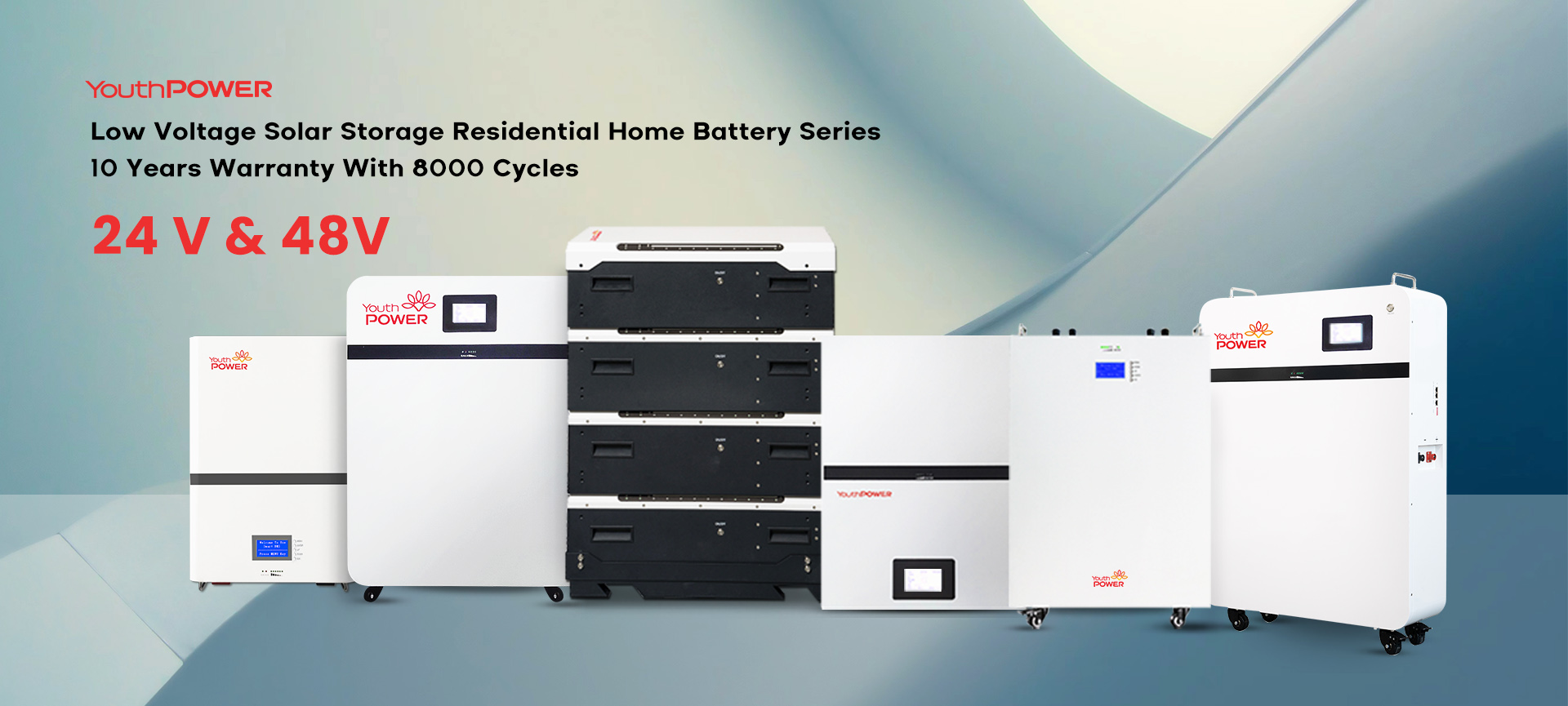
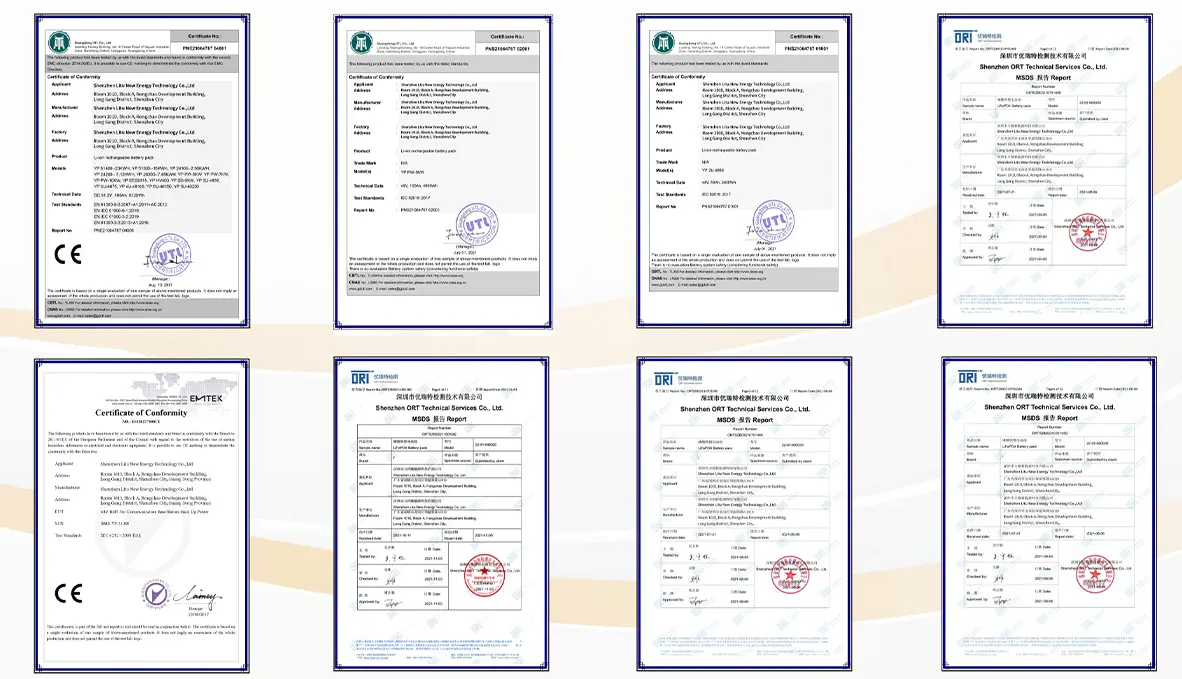
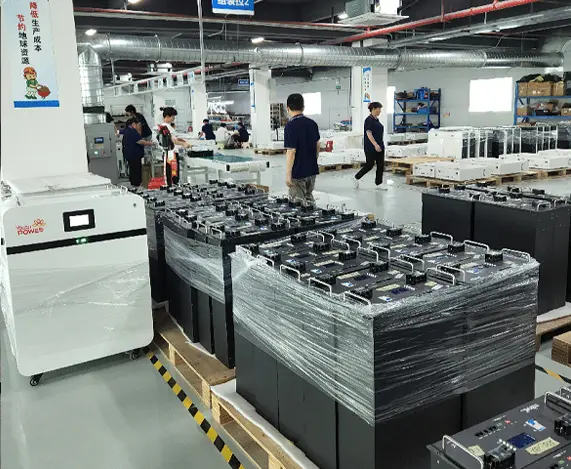
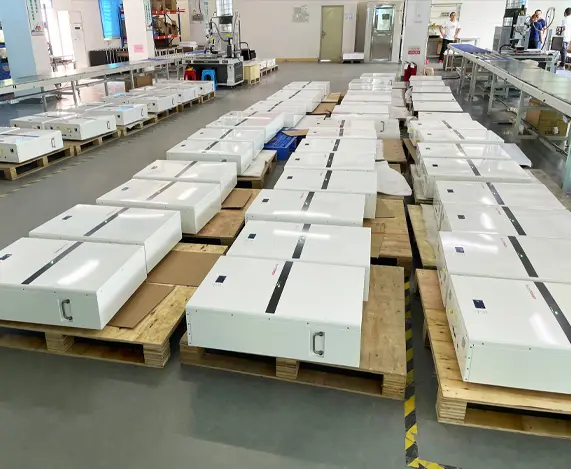
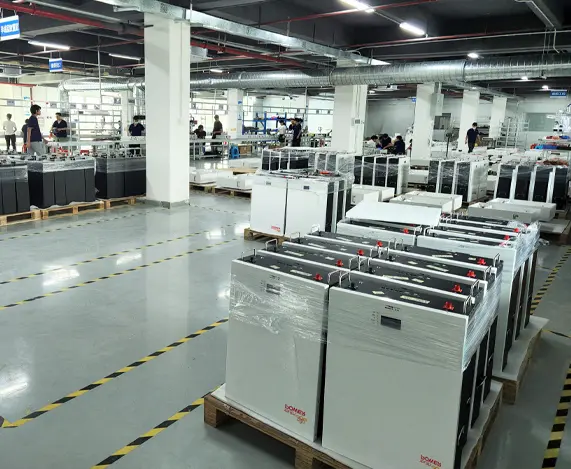
YouthPOWER's clean-room production spaces feature automated cell sorting, high-vacuum electrolyte infusing, and automated laser welding lines. Every 10kWh assembly undergoes multiple cycles of aging tests, computerized capacity grading, and dynamic charge-discharge cycle evaluations. This process ensures cell consistency, capacity alignment, and long-term functional safety.
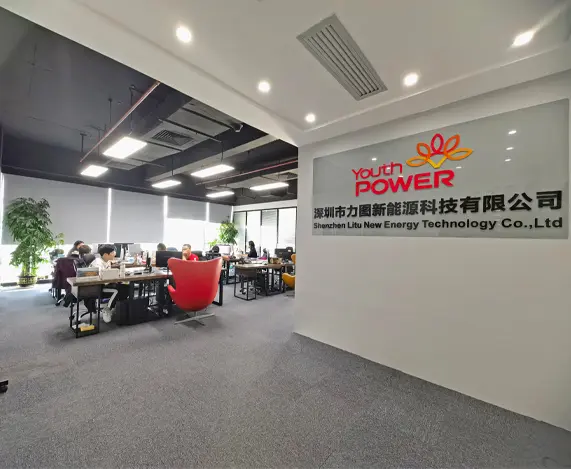
 YouthPOWER