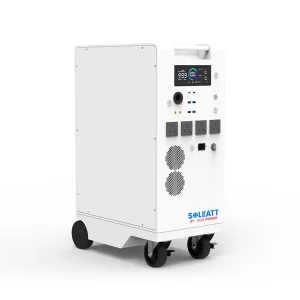
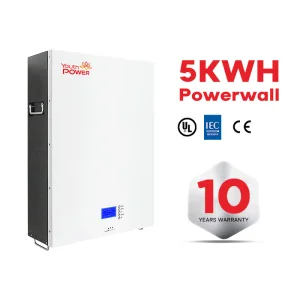
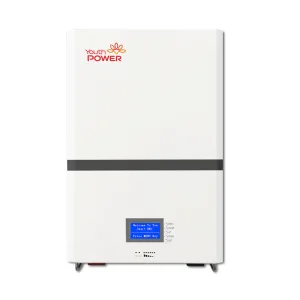
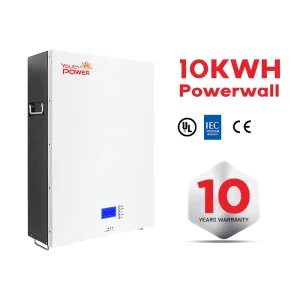
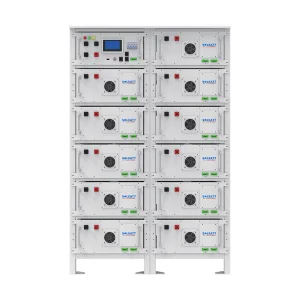
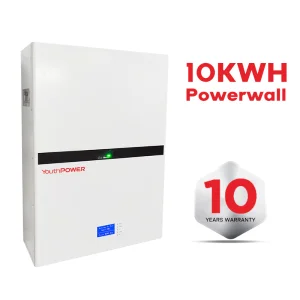
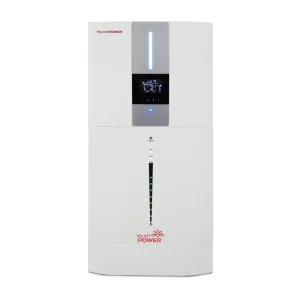
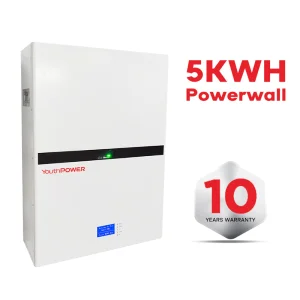
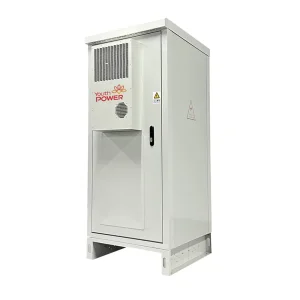
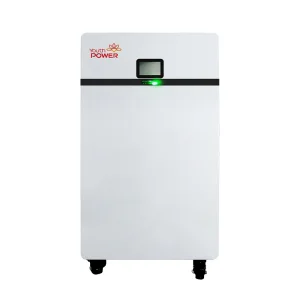
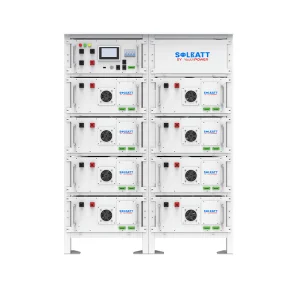
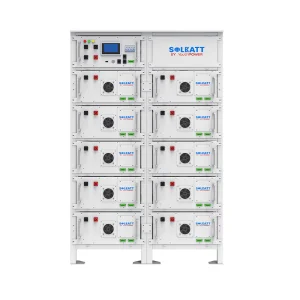
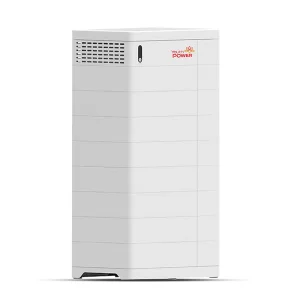
Explore our high-efficiency lithium iron phosphate battery line designed for seamless system integration and maximum cycle lifetime.
Why 20kWh is becoming the global standard for mid-to-high capacity commercial and residential battery systems.
Equipped with A-grade prismatic LiFePO4 cells supporting over 6,000 charge cycles at 80% DOD. Engineered to sustain continuous high discharge rates to power heavy inductive loads.
Dual-microprocessor active cell balancing, advanced thermal management, and over-current prevention protocols ensure failsafe operation, fully compliant with UL9540A requirements.
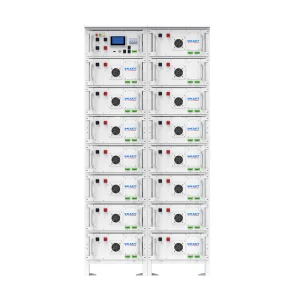
Flexibly transition from a standalone 20kWh tower up to parallel clusters. Connect up to 15 modular units to scale capacity beyond 300kWh for C&I applications.
In the evolving landscape of clean energy, the demand for high-capacity, space-optimized energy storage systems (ESS) has reached unprecedented levels. The 20kWh battery storage configuration has emerged as the definitive "sweet spot" for mid-to-large residential solar applications, commercial offices, decentralized microgrids, and agricultural power operations. This capacity provides sufficient electrical buffer to achieve complete grid independence, support virtual power plants (VPPs), and lower peak demand charges under dynamic Time-of-Use (ToU) tariffs.
Unlike smaller 5kWh or 10kWh modular wall batteries, a dedicated 20kWh capacity system is engineered to handle massive transient currents and complex thermal loads. By using high-density Lithium Iron Phosphate (LiFePO4) chemistry, manufacturers are now designing single-enclosure and stackable 20kWh options that reduce installation costs, minimize footprint, and increase reliable current throughput. For EPC contractors and commercial sourcing agents, understanding the underlying manufacturing standards, chemical stability profiles, and integration flexibilities is paramount when evaluating suppliers.
When specifying a 20kWh battery solution, design engineers must choose between two distinct topology structures: Low Voltage (LV - typically 48V/51.2V) and High Voltage (HV - ranging from 200V to over 800V). Each approach offers specific advantages depending on the efficiency requirements, inverter choices, and deployment configurations of the target project.
| Engineering Attribute | Low Voltage System (48V / 51.2V) | High Voltage System (200V - 800V+) |
|---|---|---|
| Primary Application | Residential retrofits, standard off-grid off-grid setups, modular expandable cabinets. | High-efficiency commercial systems, microgrids, rapid EV fast-charging. |
| Safety & Compliance | Easier domestic installation; lower risk of electric shock under direct contact. | Requires specialized electrical installation and compliance with strict industrial high-voltage safety standards. |
| System Efficiency | Moderate. Higher current leads to increased heat generation and copper cabling losses over distance. | Very High. Minimal thermal loss due to reduced current at higher voltages, maximizing overall round-trip efficiency (RTE). |
| Inverter Compatibility | Compatible with a wide range of low-voltage hybrid inverters (e.g., Deye, Growatt, Victron). | Pairs with high-efficiency 3-phase hybrid commercial inverters (e.g., Sungrow, SMA, Solis). |
| Expansion Vector | Simple parallel connection of modules (up to 15 packs). Balance of charge monitored via standard BMS. | Series connection in towers, requiring precise cell voltage balancing and matching battery string states. |
Low-voltage systems (51.2V) remain the dominant architecture for standard home use due to their accessibility and plug-and-play configuration. However, high-voltage battery racks are rapidly gaining traction in commercial projects. They reduce round-trip conversion losses, often boosting overall efficiency by 3% to 6%, which translates to thousands of dollars in energy savings over the project lifetime.
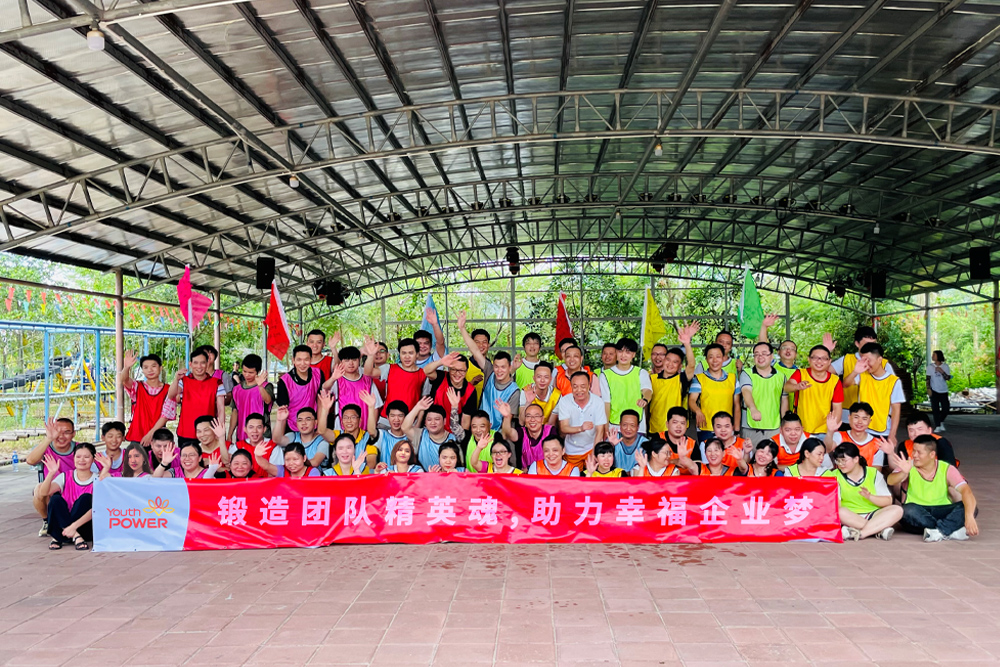
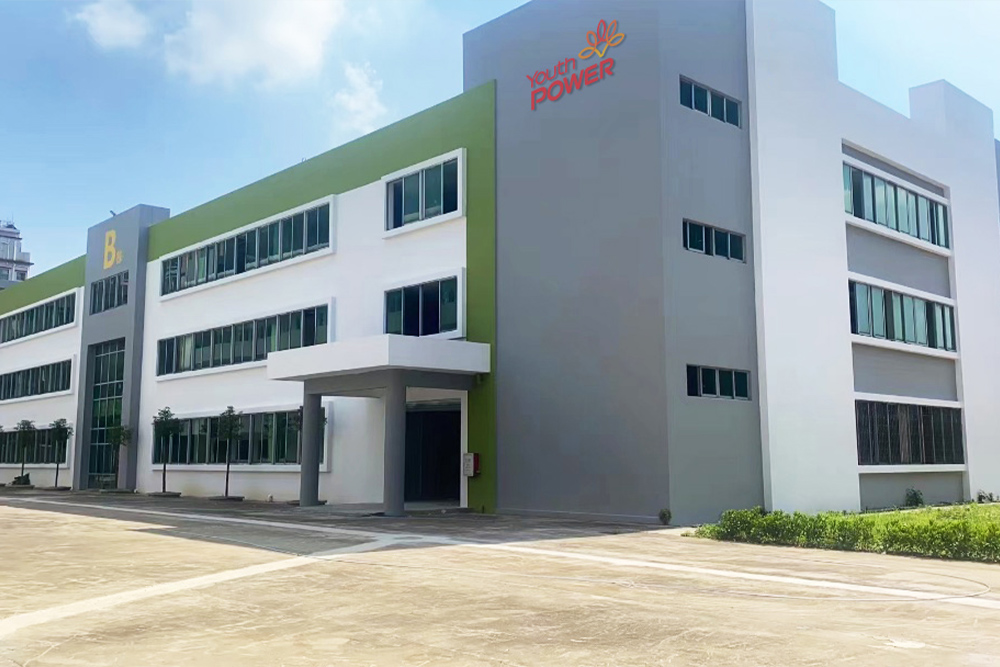
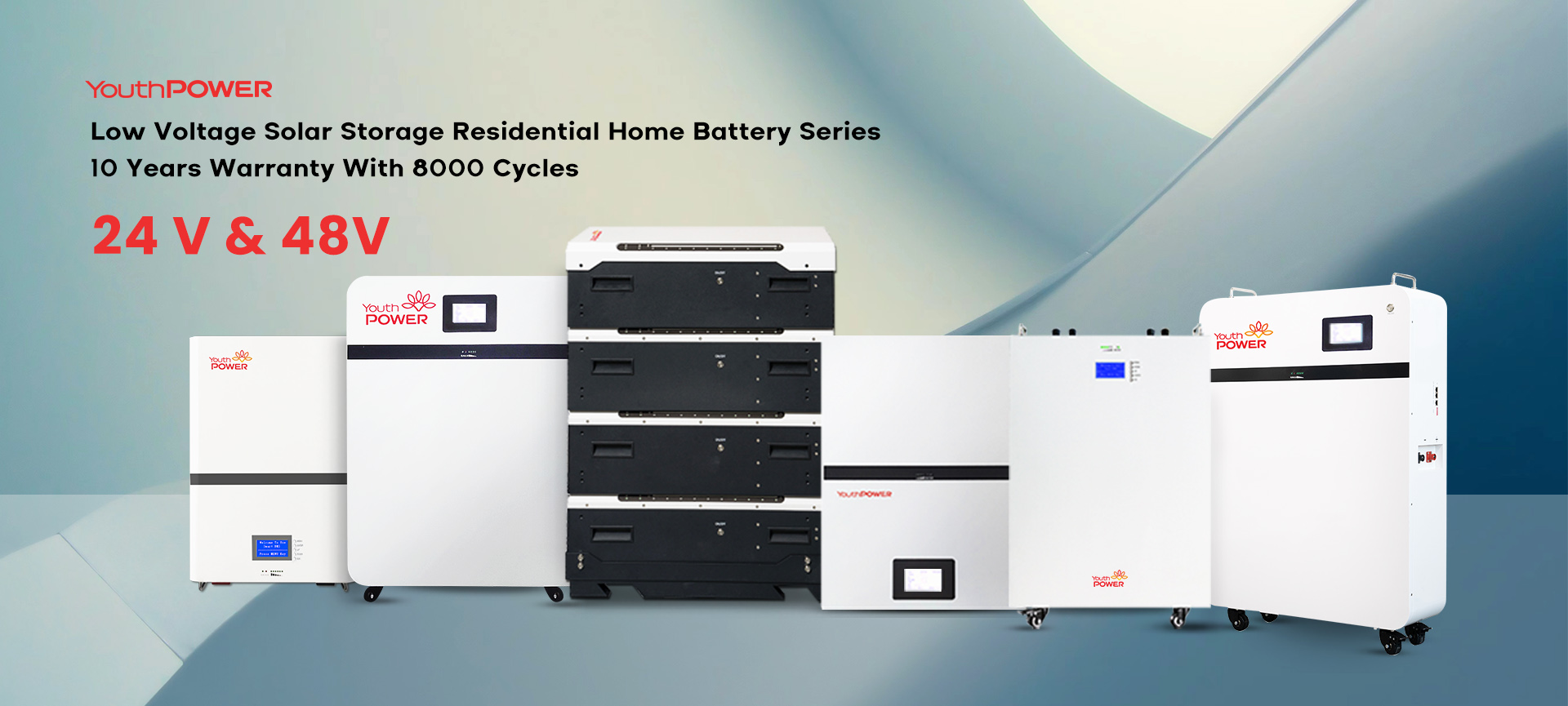
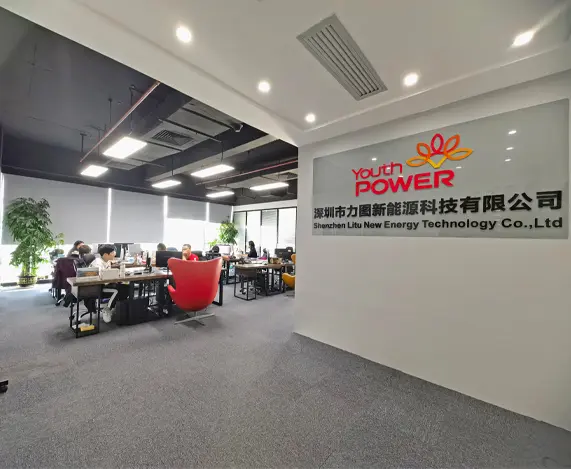
Founded in 2003, YouthPOWER has established itself as one of the world's premier suppliers of solar storage lithium batteries. Offering a diverse range of energy storage solutions, the company manufactures high-performance 24V, 48V, and high-voltage lithium battery systems designed for global applications.
With nearly 20 years of experience in battery technology and production, YouthPOWER combines deep manufacturing expertise with strong R&D capabilities. Following years of rigorous development and market testing, the brand "YouthPOWER" was formally launched in 2019, quickly gaining recognition for reliability and performance.
Today, YouthPOWER is proud to have delivered reliable solar storage solutions to over 1,000,000 families worldwide, supported by a strong supply chain that guarantees competitive pricing and premium build quality.
Purchasing bulk battery storage systems requires evaluating more than just the cost per kilowatt-hour ($/kWh). Industrial buyers and project developers must assess various technical and operational criteria to ensure long-term system reliability:
1. Raw Material Traceability and Cell Grading: The longevity of a 20kWh system depends on cell quality. Premium tier-1 manufacturers use fresh, grade-A prismatic LiFePO4 cells from verified suppliers, avoiding repurposed cells that can compromise performance.
2. BMS Architecture and Communication Protocols: The Battery Management System (BMS) must support standard CANbus and RS485 communication protocols. This ensures compatibility with leading hybrid inverters like Deye, Victron, SMA, and Growatt, allowing for real-time monitoring and control.
3. Thermal Management & Safety Enclosures: High-capacity systems require effective thermal dissipation. Sourcing agents should prioritize IP65-rated enclosures with integrated heat sinks or active ventilation to prevent thermal runaway under demanding conditions.
20kWh energy storage installations do more than provide backup power; they are key components in the transition to decentralized, low-carbon grids. By storing solar power generated during peak hours, these systems prevent grid curtailment and reduce reliance on fossil-fuel peaking plants.
When grouped into Virtual Power Plants (VPPs), distributed 20kWh systems can export power to the grid during high-demand events. This helps stabilize local grids while generating revenue for system owners, turning energy storage into an active financial asset.
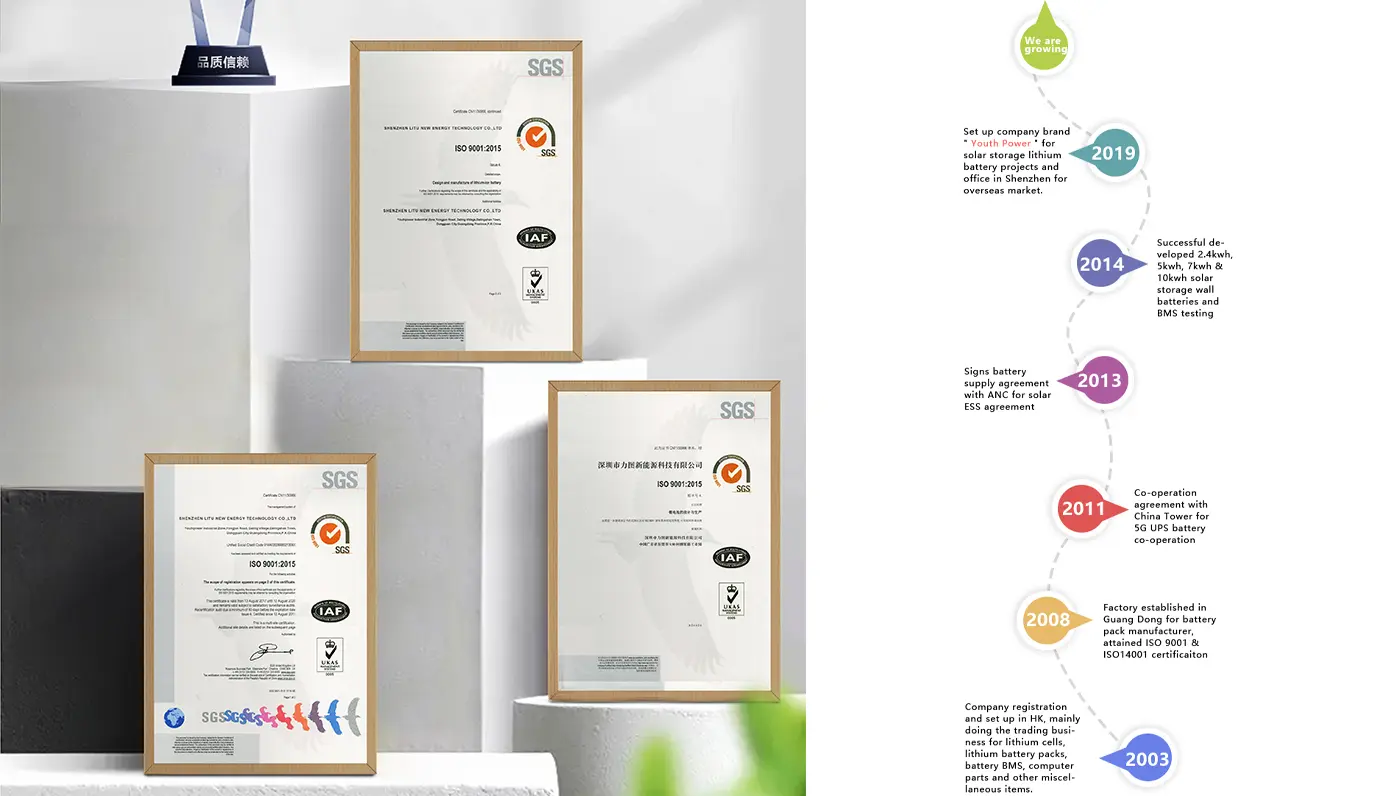
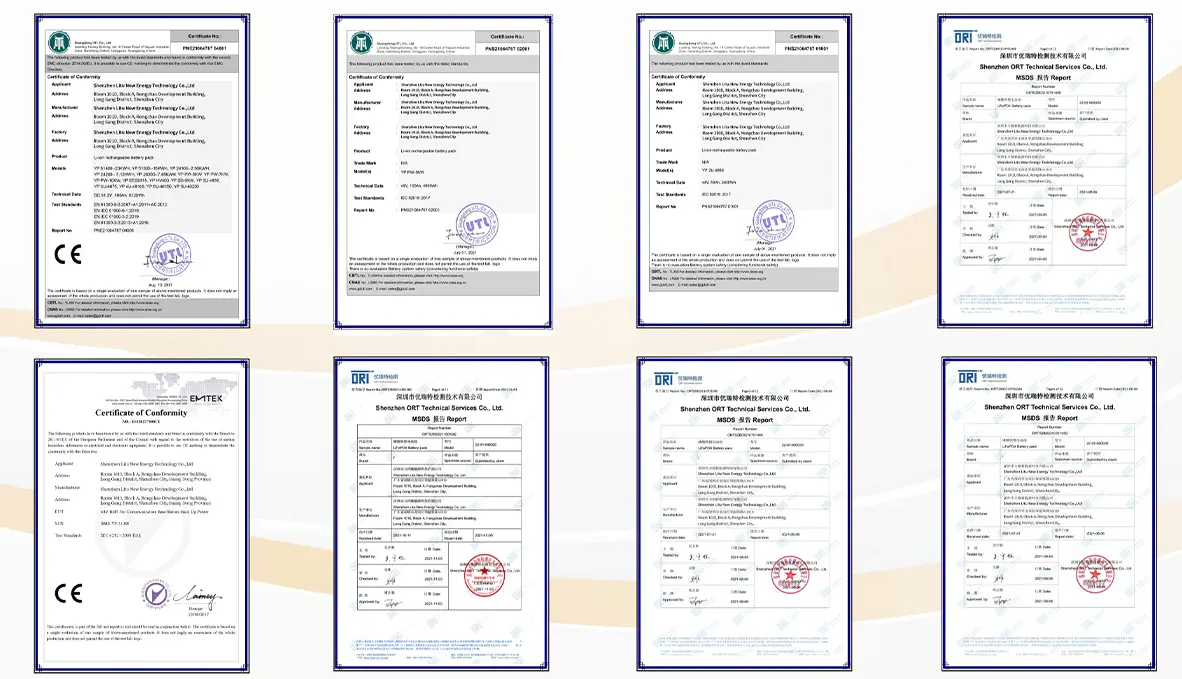
Deploying battery storage systems requires strict adherence to international safety regulations. Sourcing from certified manufacturers ensures compliance with safety codes and simplifies the connection process with local utility networks:
IEC 62619: Evaluates safety protocols for secondary lithium cells and modules in industrial applications.
UL 1973 & UL 9540A: Standard tests for thermal runaway propagation, required for residential and commercial battery installations in North America.
UN38.3: The global standard for safe lithium battery transport, ensuring the cells can withstand shipping conditions.
YouthPOWER ensures all products undergo testing to meet these international standards. This commitment guarantees that every shipped unit meets safety regulations and is ready for integration worldwide.
From localized parts supplier to international tier-1 manufacturing partner, our development roadmap reflects decades of engineering progress.
Integration of IoT modules for real-time, cloud-based monitoring, predictive diagnostics, and remote OTA firmware updates.
Transitioning to next-generation prismatic cells, reducing weight and footprint by 15% while maintaining current energy capacities.
R&D efforts focused on solid-state electrolytes to improve safety and boost energy density for large-scale energy storage systems.
Under the hood of YouthPOWER’s state-of-the-art robotic production, testing, and aging chambers.
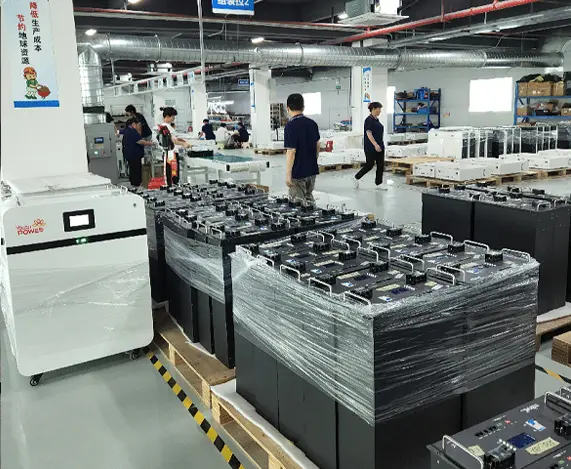
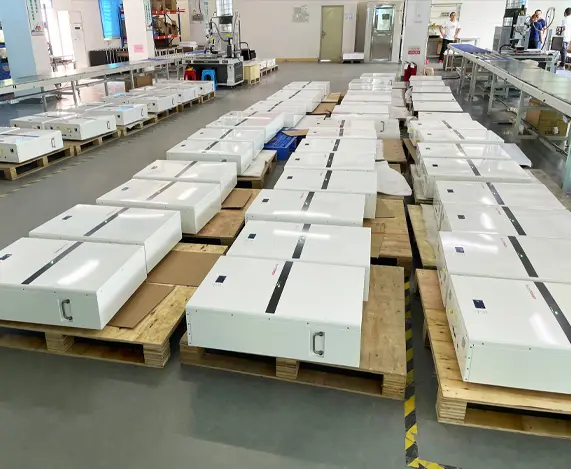
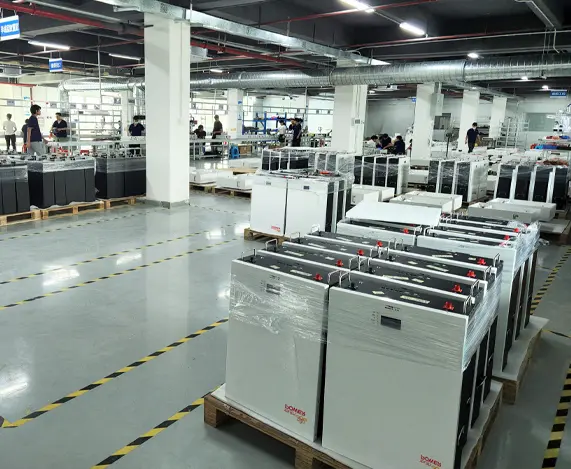
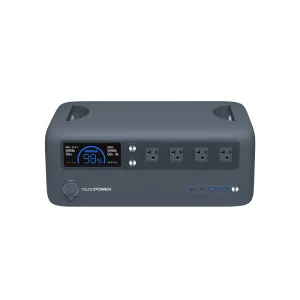
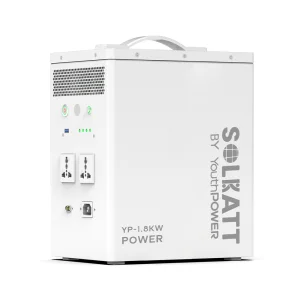
From modular balcony systems to containerized utility backup, review our comprehensive portfolio.
 YouthPOWER