Engineering Whitepaper on Commercial, Industrial & Residential Solar Energy Storage Systems (ESS)
Explore our engineered selection of high-voltage commercial storage cabinets, rack-mounted ESS modules, and integrated solar battery backups optimized for levelized cost of storage (LCOS) efficiency and grid resilience.
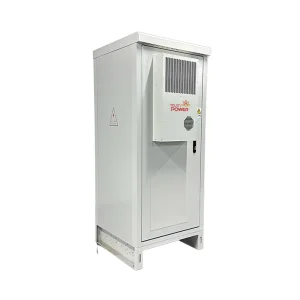
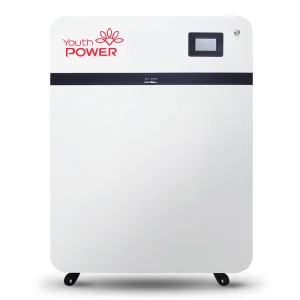
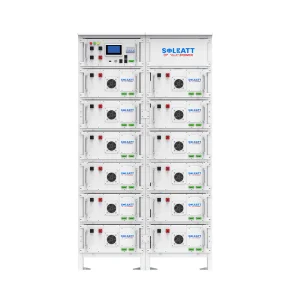
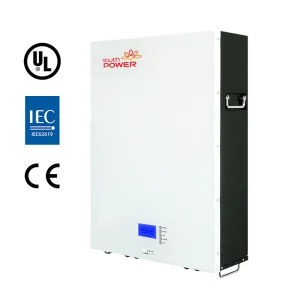
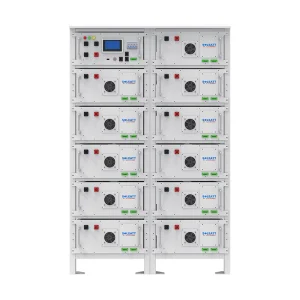
The global transition toward decentralized clean energy networks has elevated Lithium Iron Phosphate (LiFePO4 / LFP) battery backup systems from optional redundancy hardware to mission-critical infrastructure for commercial, industrial (C&I), and utility-scale operations. Driven by volatility in wholesale electricity markets, extreme weather disruptions, and corporate ESG imperatives, energy storage system (ESS) deployment has experienced exponential year-over-year expansion.
When evaluating the best lithium battery backup companies and pricing structures, procurement officers and engineering teams must move beyond simple upfront CAPEX (Cost per kilowatt-hour, $/kWh) and analyze the Levelized Cost of Storage (LCOS) over a 15-to-20-year design life. Modern lithium storage architectures—utilizing high-density 280Ah and 314Ah prismatic LFP cells—offer superior thermal stability, zero cobalt dependency, and extended cycle life (>6,000 cycles at 80% Depth of Discharge), significantly driving down long-term Total Cost of Ownership (TCO).
Battery system pricing is governed by scale, cell quality grade, Battery Management System (BMS) sophistication, high-voltage integration, and thermal management (air cooling vs. liquid cooling). Tier-1 manufacturers delivering fully integrated C&I ESS cabinets currently benchmark within the following price brackets:
| System Type & Capacity | Nominal Voltage Bracket | Target Application | Estimated Turnkey Price Range (USD) |
|---|---|---|---|
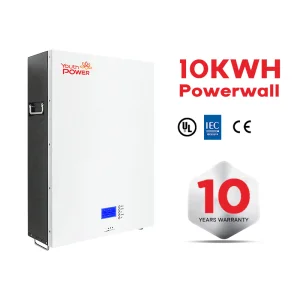
| 5 kWh - 15 kWh Wall/Rack ESS | 48V / 51.2V Low Voltage | Residential Solar Backup / VPP | $1,200 – $3,800 |
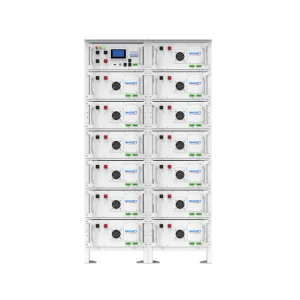
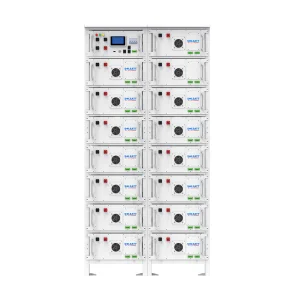
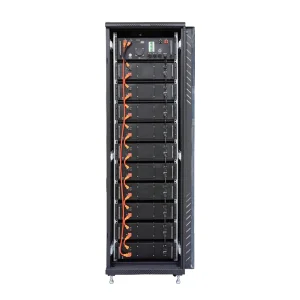
| 20 kWh - 51.2 kWh Modular Rack | 51.2V / 400V Multi-string | Light Commercial / Small Business | $4,500 – $11,000 |
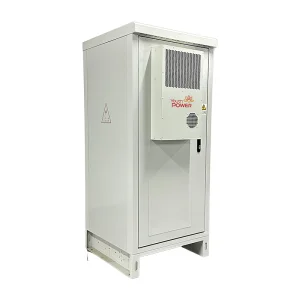
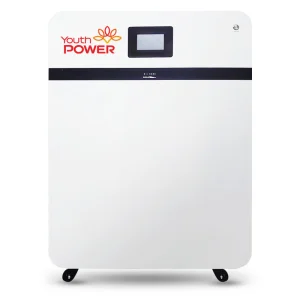
| 100 kWh Outdoor Powerbox | 409V - 512V High Voltage | Commercial Microgrids / EV Charging | $18,000 – $26,000 |
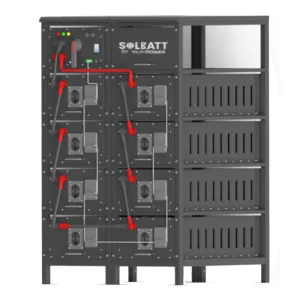
| 133 kWh - 215 kWh C&I Cabinets | 512V - 768V High Voltage | Industrial Peak Shaving & Arbitrage | $28,000 – $48,000 |
Selecting the optimal lithium battery backup system requires an in-depth understanding of system architecture, high-voltage string configurations, thermal management, and smart telemetry integration.
Lithium Iron Phosphate (LFP) chemistry eliminates thermal runaway risks associated with Nickel Manganese Cobalt (NMC) chemistries. With a thermal decomposition threshold exceeding 270°C and inherent chemical resistance to oxygen release during stress, LFP is the default standard for stationary industrial energy backup.
Transitioning from low-voltage (48V) to high-voltage architecture (409V to 768V+) decreases systemic current requirements, reducing line losses, cable gauge requirements, and heat dissipation. High-voltage string systems yield dynamic conversion efficiencies up to 98.2%.
Advanced cloud-connected BMS platforms utilize machine learning algorithms for real-time State-of-Charge (SoC) and State-of-Health (SoH) telemetry. Dynamic active balancing ensures cell-to-cell consistency, prolonging lifetime output by over 20%.
While high-density LFP 280Ah and 314Ah prismatic cells dominate current C&I deployments, the technology roadmap includes semi-solid state lithium batteries and sodium-ion solutions. Semi-solid state chemistry promises energy densities exceeding 300 Wh/kg with near-zero combustibility, while sodium-ion offers unprecedented cold-weather discharge rates (-40°C performance), establishing resilient backup paths for extreme climatic installations.
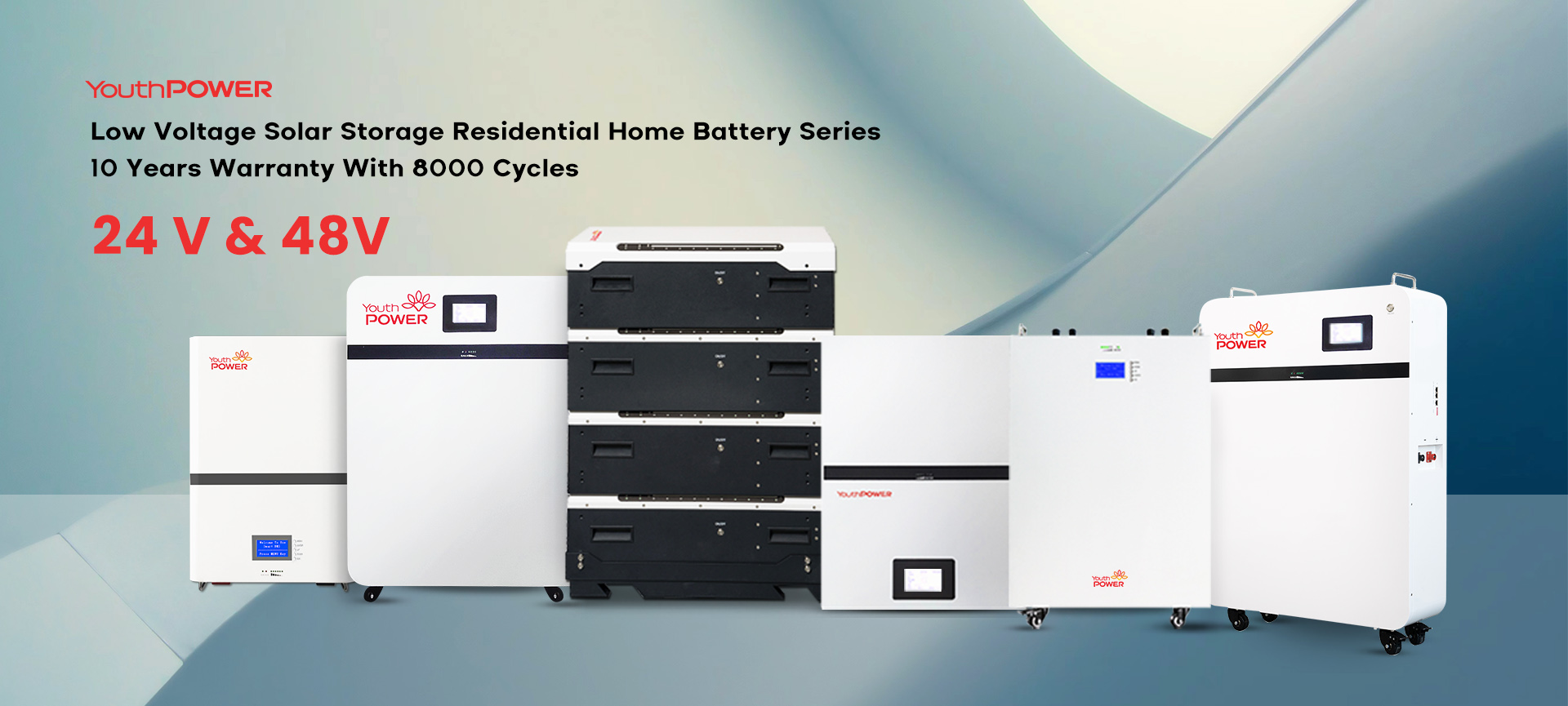
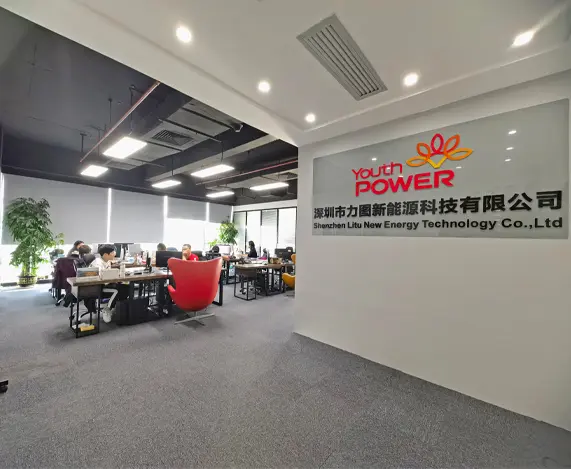
Founded in 2003, YouthPOWER has now become one of the leading suppliers of solar storage lithium batteries in the world. With a broad range of energy storage solutions, it covers a series of 24V, 48V and higher voltage lithium batteries solutions.
YouthPOWER has engaged in battery technology and production for almost 20 years, with abundant manufacturing experience and strong new product R & D capability. Through many years of hard work and market promotion, we have created our own brand "YouthPOWER" in 2019.
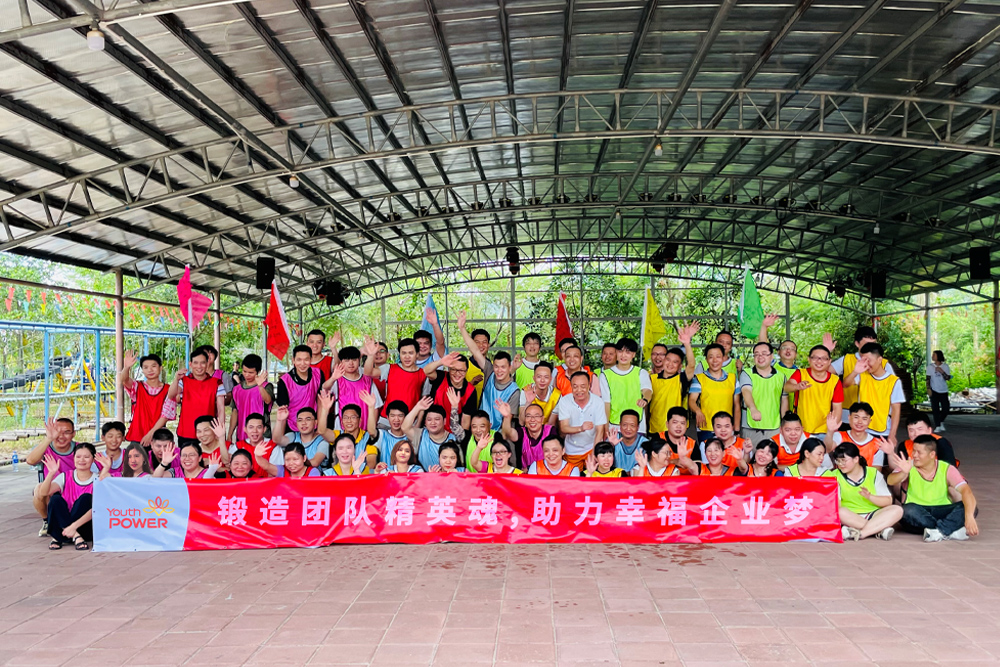
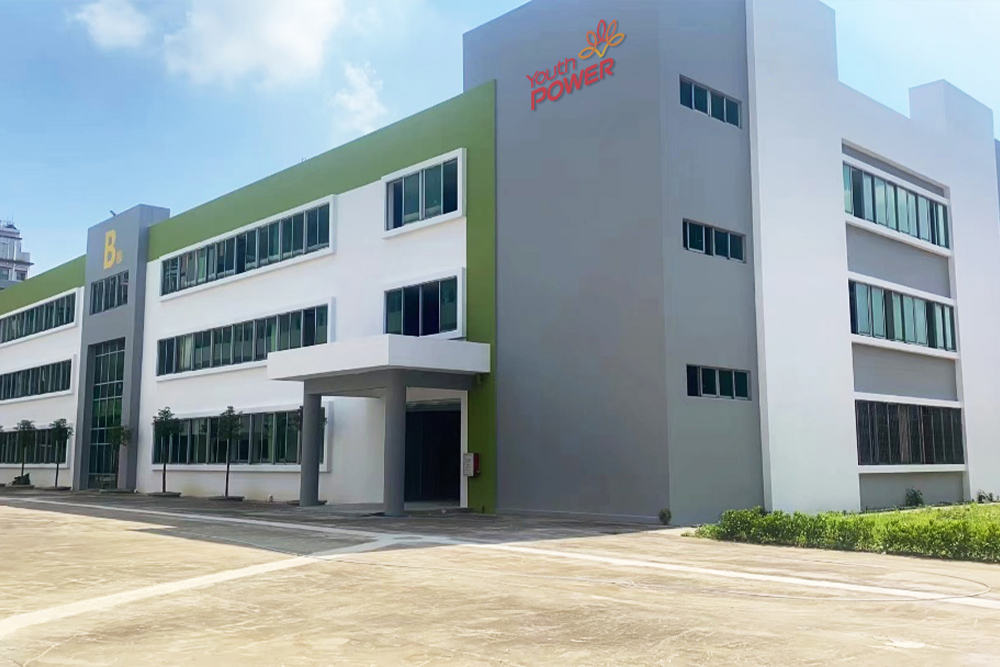
With nearly 20 years’ experience in the battery industry, we have the capability to provide you with both the products you need and the most suitable products you want. We are always ready to supply the first-class products and meet the various needs of the customers.
We have established good business relationships with our customers from all over the world. And we have a good cooperation with all our customers as well for many years running. Supported by our local vendors of raw materials, we can certainly offer you the best prices.
We are so proud that YouthPOWER has offered the reliable solar storage solution for over 1,000,000 families now in the world.
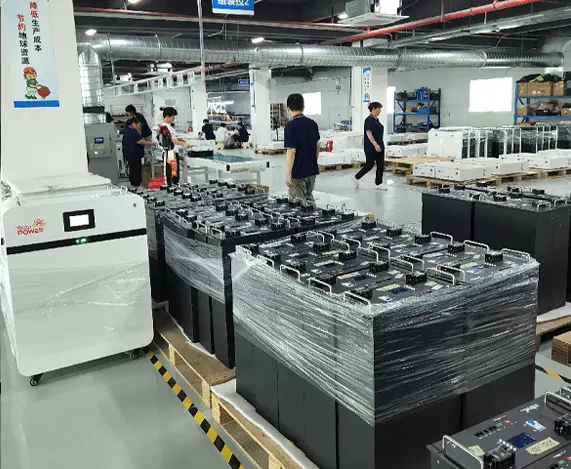
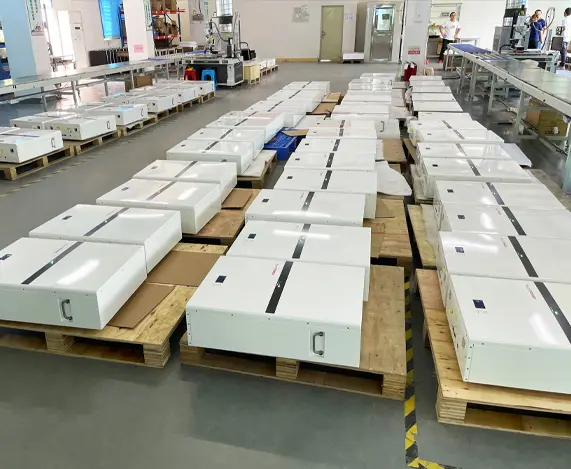
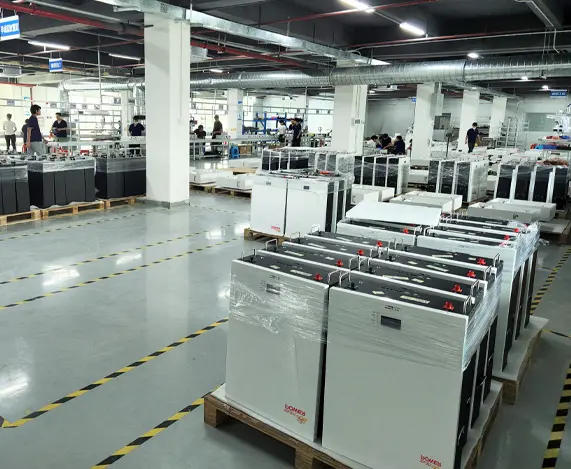
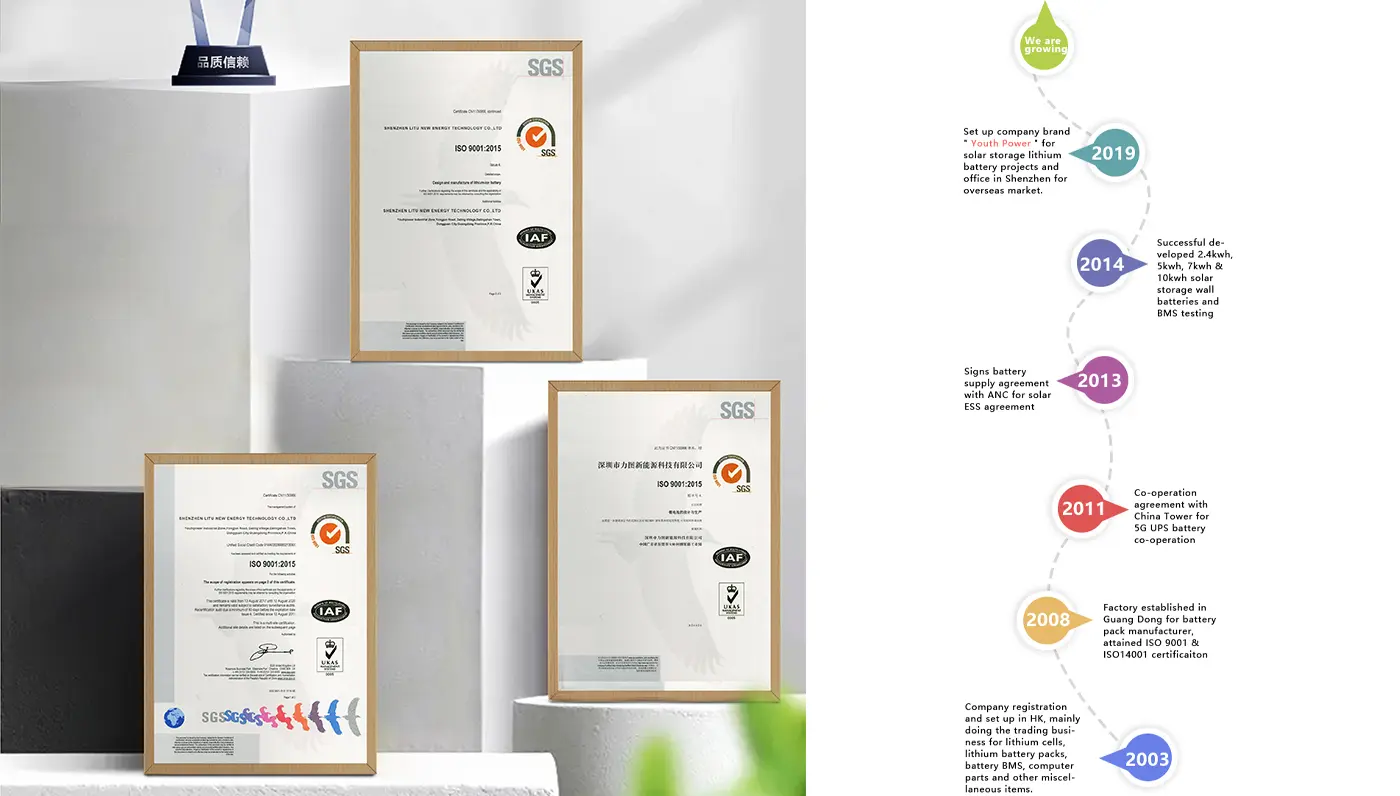
The global energy storage ecosystem relies heavily on China’s vertically integrated battery manufacturing network, which accounts for over 75% of world lithium cell production capacity. YouthPOWER leverages this mature industrial cluster to deliver tier-1 technology at competitive prices.
Through direct procurement partnerships with top-tier cell foundries (such as CATL, EVE, and BYD), YouthPOWER guarantees 100% Grade-A 280Ah and 314Ah LFP prismatic cells, preventing capacity fade and resistance imbalances common in grey-market assemblies.
From Solder Paste Inspection (SPI) during BMS PCB SMT processing to 72-hour full-load thermal chamber aging tests, factory production adheres to ISO9001, ISO14001, and IATF16949 automotive-grade quality standards.
By integrating sheet metal fabrication, harness assembly, liquid cooling manifold assembly, and factory testing under one roof in China, YouthPOWER delivers finished ESS systems at a 30% to 40% CAPEX discount compared to Western system integrators.
Lithium energy storage systems are deployed across diverse operating environments. System sizing and architecture must adapt to localized grid rules, tariff models, and environmental stresses.
Deployment: 186kWh to 215kWh High-Voltage Storage Cabinets.
Application: Factories, supermarkets, and cold storage facilities use time-of-use (TOU) arbitrage—charging battery banks during off-peak hours (low rates) and discharging during peak utility pricing periods to shave demand charges.
Deployment: 100kWh Outdoor Powerbox & Multi-cabinet Clusters.
Application: Critical municipal buildings, remote agricultural operations, and island resorts combine solar PV arrays with high-capacity battery backup to maintain 24/7 continuous operation independent of unstable main grids.
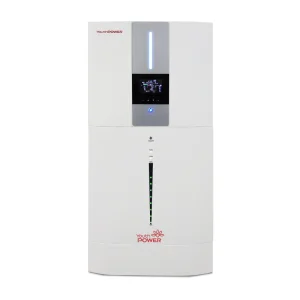
Deployment: YouthPOWER Powerwall 5kWh / 10kWh & 5kW All-in-One Inverters.
Application: Homeowners maximize solar self-consumption, shield against blackout risks, and participate in local Virtual Power Plant (VPP) demand response programs for utility rebates.
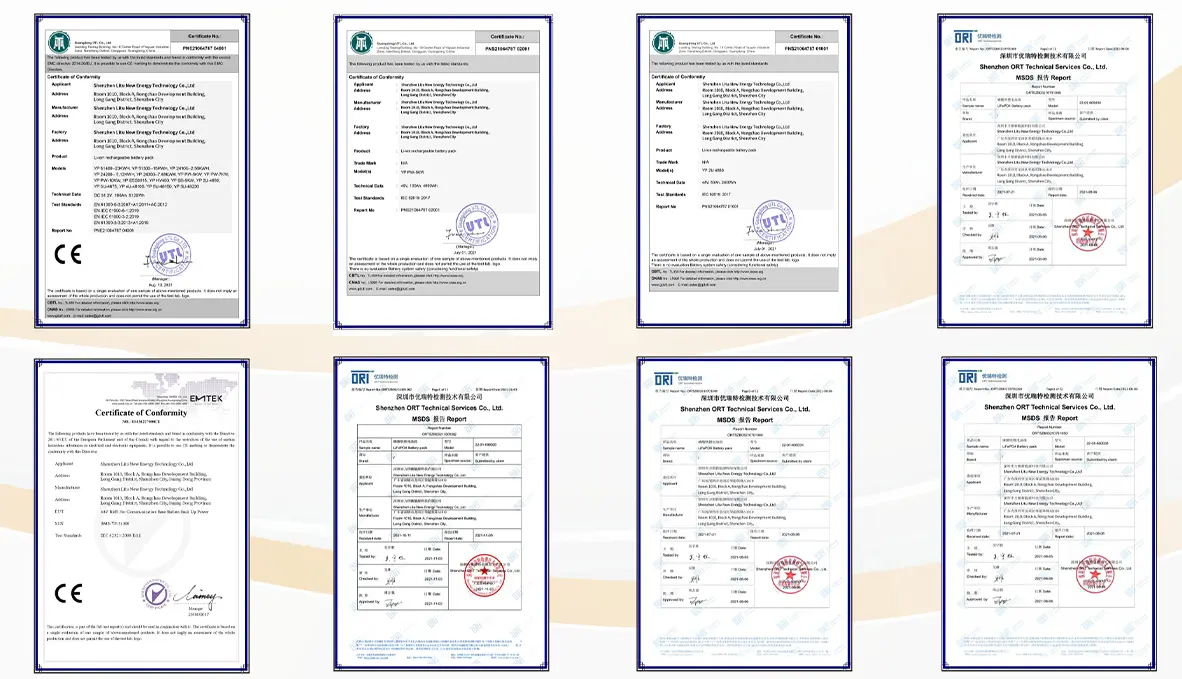
Navigating local grid codes and fire safety regulations is essential for successful commercial and residential project commissionings. YouthPOWER ESS architectures are engineered to meet stringent global certification frameworks:
Rigorous safety validation for stationary energy storage batteries. UL 9540A unit-level thermal runaway flame propagation testing verifies fire containment within individual cabinet enclosures.
European benchmark for secondary lithium cells and industrial batteries. Guarantees safe performance under mechanical shock, electrical overload, and short-circuit conditions.
Mandatory international transport safety standards ensuring battery modules can withstand air, sea, and land logistics without structural or chemical degradation.
Commercial ESS pricing depends on total kWh energy capacity, high-voltage battery management infrastructure (BMS), cell quality grades (Grade-A LFP vs. secondary cells), thermal control mechanisms (air cooling vs. liquid cooling), integrated fire suppression systems (Aerosol/Novec 1230), and turn-key enclosure protection ratings (e.g., NEMA 3R / IP54/IP65 outdoor ratings).
LiFePO4 (Lithium Iron Phosphate) offers chemical stability, longer lifespan (6,000+ cycles compared to ~2,000 cycles for NMC), zero toxic heavy metals (cobalt-free), and higher safety against thermal runaway events. LFP delivers a significantly lower Levelized Cost of Storage (LCOS) over long operating timelines.
High-voltage systems (spanning 400V to 768V+) operate at lower electrical current levels for the same kilowatt power output. Lower current reduces heat dissipation, minimizes copper wiring size, improves system round-trip efficiency (RTE to over 98%), and reduces inverter conversion losses in commercial deployments.
YouthPOWER systems are engineered for a 15-to-20-year operational life when maintained within specified ambient temperature ranges and controlled depth-of-discharge (DoD) protocols, backed by standard multi-year performance warranties.
Yes. YouthPOWER battery storage systems support wide protocol compatibility with major global inverter brands (including SMA, Victron, Deye, Growatt, GoodWe, Solis, and Megarevo) via CAN bus and RS485 communication interfaces.
Review complete specifications and factory pricing details for our full array of energy storage systems, spanning small-scale home units to high-voltage industrial cabinets.
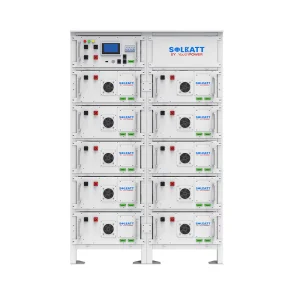
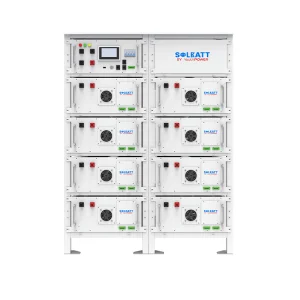
 YouthPOWER