Best Solar Panels Battery Backup Factories & Company

Empowering Global Resiliency with High-Capacity LFP Systems & C&I Energy Storage Innovation

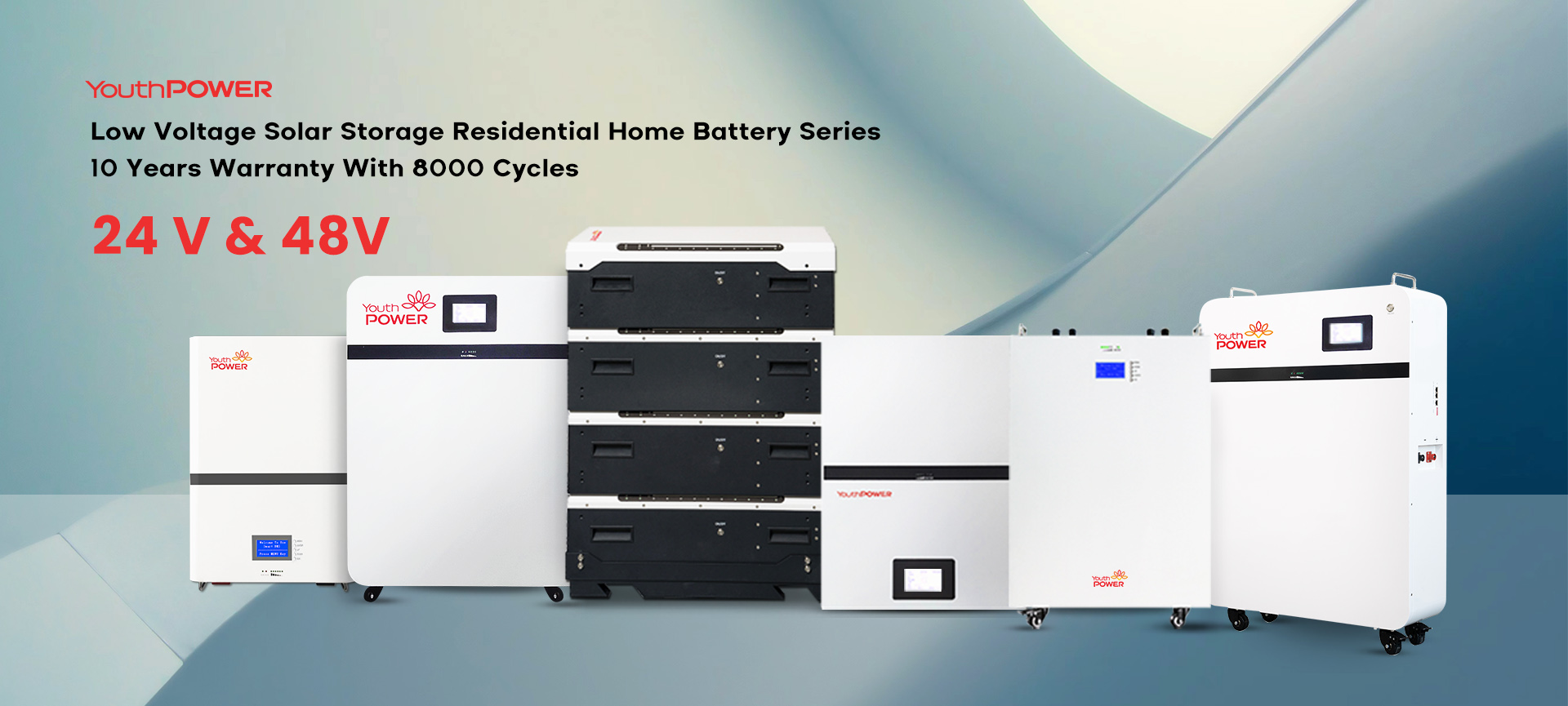
Featured Residential & C&I Battery Systems

Direct-from-factory, certified lithium energy storage solutions engineered for seamless solar integration, peak shifting, and reliable microgrid operation.
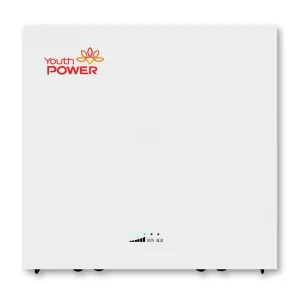
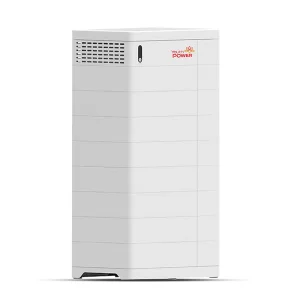
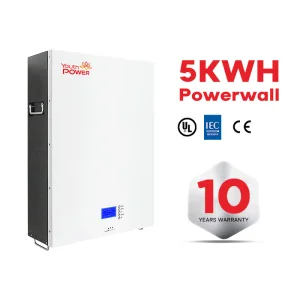
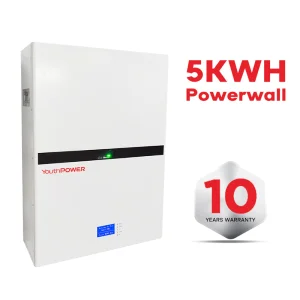
YouthPOWER Mini Wall Battery 2KWH & 5KWH
View Factory Direct
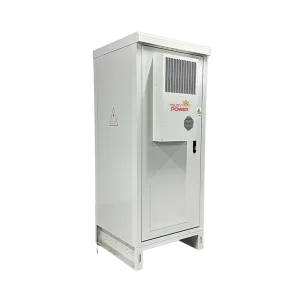
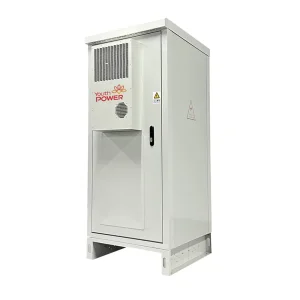
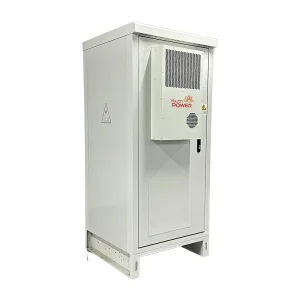
YouthPOWER 100KWH Outdoor Powerbox
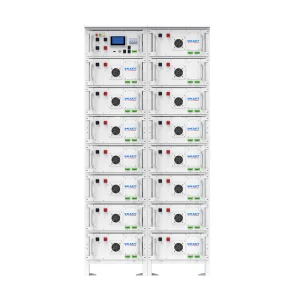
YouthPOWER 100KWH Outdoor Powerbox ESS Cabinet
Get Factory Price
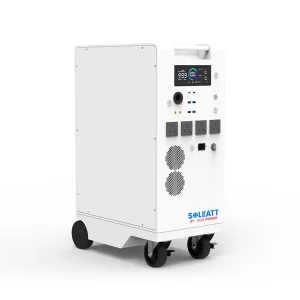
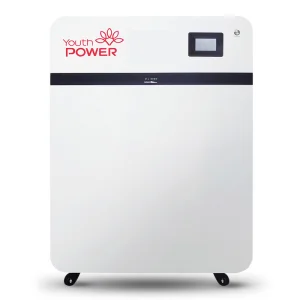
Plug n Play 5KWh UPS LiFePO4 Portable Generator
Plug & Play 5KWh UPS LiFePO4 Portable Power Generator
Inquire Factories
215KWH 768V 280Ah Commercial Energy Storage Battery
215KWH 768V 280Ah Liquid/Air Cooling Commercial BESS
Corporate Sourcing
Split U.S. Inverter Hybrid 8KW with Lifepo4 Solar Battery
Split U.S. Inverter Hybrid 8KW with LiFePO4 Battery
Check Factory Specs
2.5KWH Balcony Solar Lithium Battery System
2.5KWH Balcony Solar Lithium Battery Storage System
Balcony ESS OEM
16KWH 51.2V 314AH Lithium Battery Storage
16KWH 51.2V 314AH High Density Lithium Battery Storage
Direct Inquiry
Lithium Storage 48V 200AH 10KWH Solar Battery
Lithium Storage 48V 200AH 10KWH Classic Solar Battery
Request Quote

Global Macro Shift: Decarbonization & Grid Vulnerability

Unlocking systemic resilience via advanced Battery Energy Storage Systems (BESS) for C&I and microgrid infrastructure.

Modern electrical grids face unprecedented volatility driven by extreme weather patterns, aging regional infrastructure, and the massive grid integration of intermittent renewable energy sources. Across North America, Europe, and the Asia-Pacific region, commercial enterprises and utility operators are transitioning away from centralized grid dependency. The focus is shifting toward local solar panels battery backup systems to mitigate peak demand charges, ensure operational continuity, and meet stringent ESG directives.

From a global procurement standpoint, selecting a tier-1 solar battery factory involves looking beyond nominal capacity. Critical variables such as Levelized Cost of Storage (LCOS), system round-trip efficiency (RTE), thermal runaway containment strategies, and protocol-level integration with leading hybrid smart inverters define the viability of long-term commercial investments.

20+
Years R&D Experience
1M+
Families Empowered
6000+
Battery Cycle Life
100%
Safety Tested (LFP)

As microgrids evolve, standard lead-acid and early-generation ternary lithium chemistries are being phased out in favor of Lithium Iron Phosphate (LiFePO4) technology. LFP cells demonstrate superior thermal stability, structural integrity, and long lifespans (typically exceeding 6,000 cycles at 80% Depth of Discharge), making them the industry benchmark for commercial, industrial, and high-safety residential installations.

Technical Architecture & Chemistry Roadmaps

An inside look at cell topography, multi-tiered BMS protocols, and high-voltage stacking topologies.

LiFePO4 Chemistry

Utilizing premium grade prismatic cells with ultra-stable olivine molecular structures. Designed to avoid thermal runaway and prevent catastrophic oxygen release, even under physical puncture or electrical abuse.

Adaptive BMS Logic

Our proprietary BMS features intelligent CAN/RS485 communication protocols, active cell balancing algorithms, over-current/voltage safety barriers, and real-time state of health (SoH) diagnostics.

HV Stackable Topology

Transitioning from high-loss parallel topologies to high-voltage series stacking. This architecture minimizes DC transmission losses, simplifies conductor sizing, and increases hybrid inverter conversion efficiency.

Optimizing Round-Trip Efficiency & Cycle Life degradation

For large-scale utility and corporate microgrids, energy degradation over time represents a key financial risk. YouthPOWER's engineering teams have optimized cell internal resistance parameters and anode-cathode binder materials to minimize dynamic impedance.

Our industrial battery cabinets, such as the 100KWH Outdoor Powerbox and the 215KWH Commercial liquid-cooled energy storage system, maintain over 80% nominal capacity after 10 years of daily deep cycling. This performance profile is supported by integrated thermal management units that maintain cell temperature deltas within a safe ±2.5°C range.
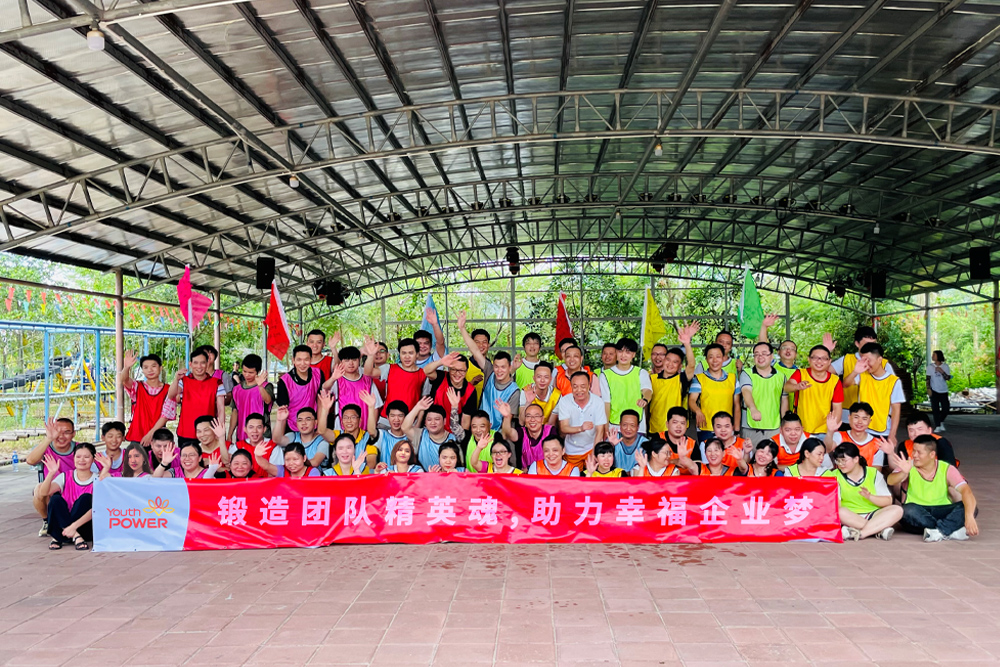
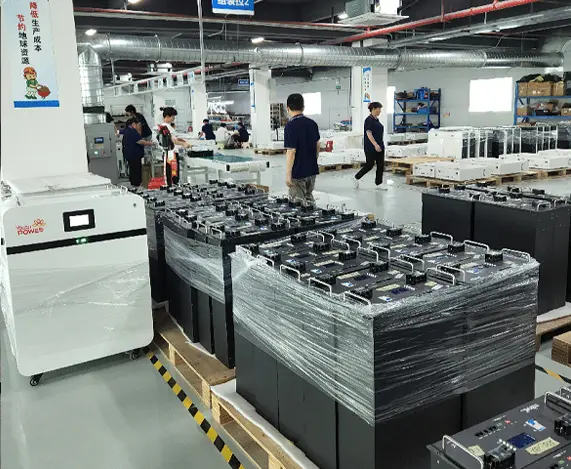
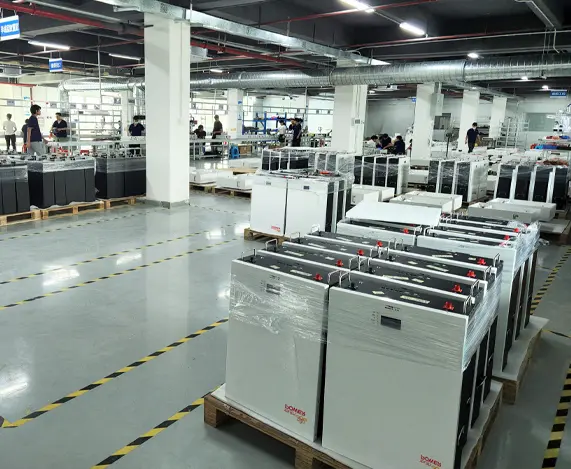
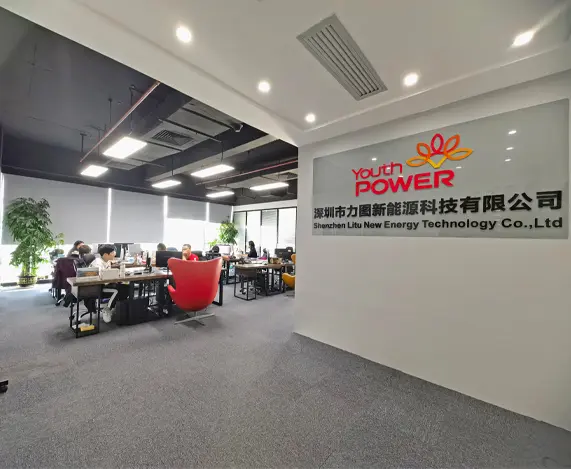
YouthPOWER Advanced Manufacturing Facility and R&D Cell Testing Line

Corporate Profile & Manufacturing Authority

A reliable manufacturing partner with almost two decades of advanced lithium battery production and global deployment experience.
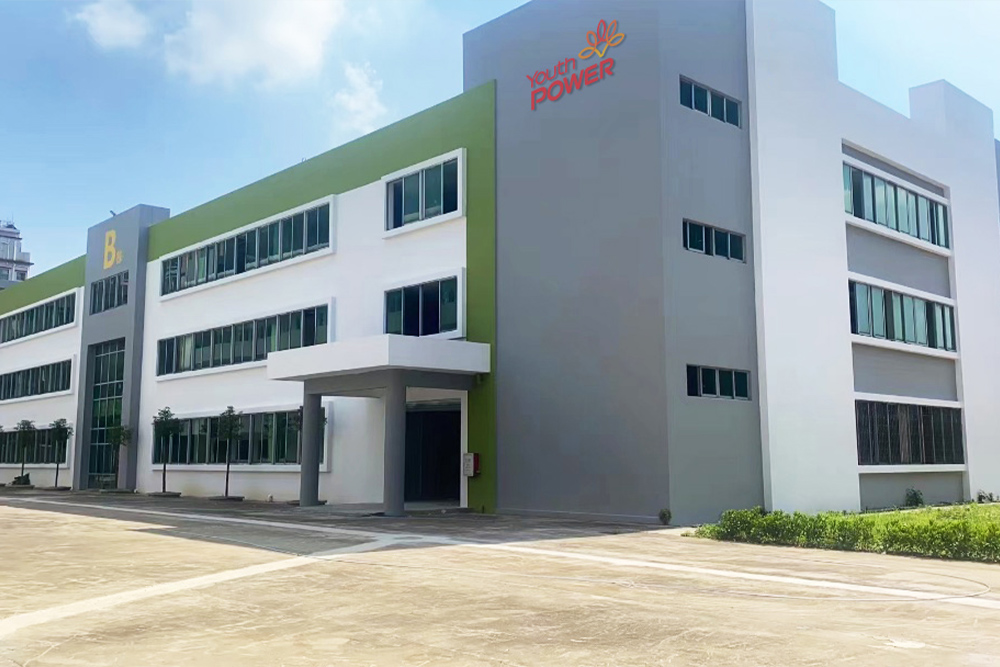
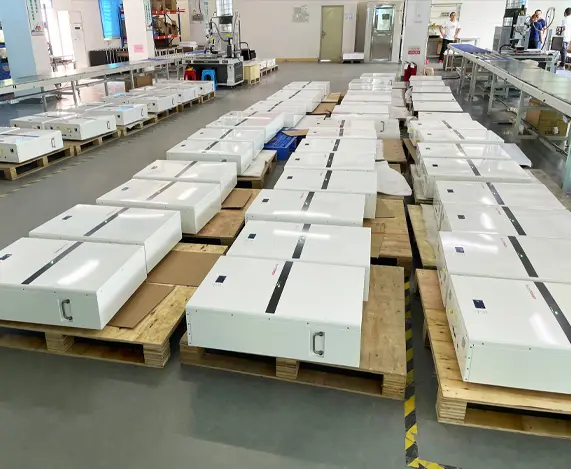
YouthPOWER Automated Assembly and Pack Integration Line

Founded in 2003, YouthPOWER has established itself as one of the leading global suppliers of solar storage lithium batteries. Our comprehensive catalog ranges from low-voltage 24V and 48V residential wall packs to multi-megawatt high-voltage commercial containerized setups.

With nearly 20 years of manufacturing experience, we have developed robust in-house R&D pipelines, testing laboratories, and quality assurance processes. In 2019, we introduced our primary brand, YouthPOWER, to represent our direct-to-market solutions for clients requiring custom-engineered energy storage.

We work closely with local raw material vendors to control input costs and secure key supply chains for premium LFP powders, copper foil, and high-performance BMS chipsets. These supply chain dynamics allow us to offer competitive pricing without compromising reliability.

Today, YouthPOWER solar storage systems deliver clean backup power to over 1,000,000 families and businesses worldwide, reducing utility dependence and providing critical grid-independence during outages.
YouthPOWER Battery Cells Sorting and Precision Quality Control Testing
Global Supply Chain and Export Logistics Container Terminal

Global Delivery Capacity & Reliable Supply Chain

We maintain active trade channels across North America, the European Union, Southern Africa, Latin America, and Oceania. Our logistics framework ensures all high-voltage and high-capacity battery packages are shipped in accordance with international safety regulations, including UN38.3 transport certification.

Whether you require a residential balcony system like the 2.5KWH Balcony Solar Lithium Battery or containerized cabinets for heavy commercial use, our team manages packaging, customs documentation, and logistics to ensure safe delivery to your site.

The Road We Traveled

From early-stage lithium cell development to our modern status as a trusted global energy storage manufacturer.
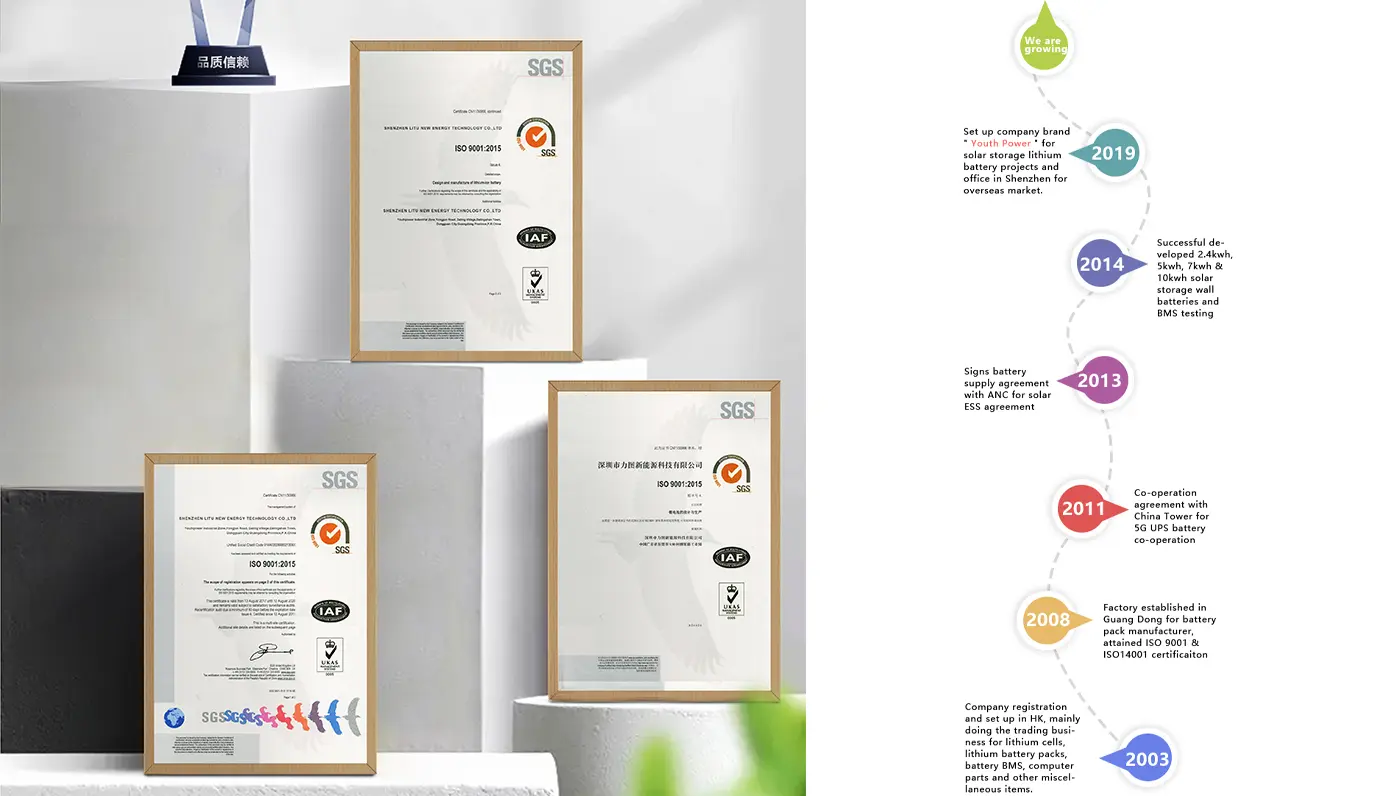
YouthPOWER R&D Evolution and Global Milestone Timeline Chart

Production Capacity & Testing Facilities

Semi-automated packing, wiring, and module integration process
Battery management system parameter configuration and firmware calibration
High voltage testing cabinet and battery aging verification room
Finished battery packs in warehouse waiting for global dispatch

Global Sourcing Requirements, Compliance & Grid Integration

Navigating regional grid rules, safety standards, and global import criteria.

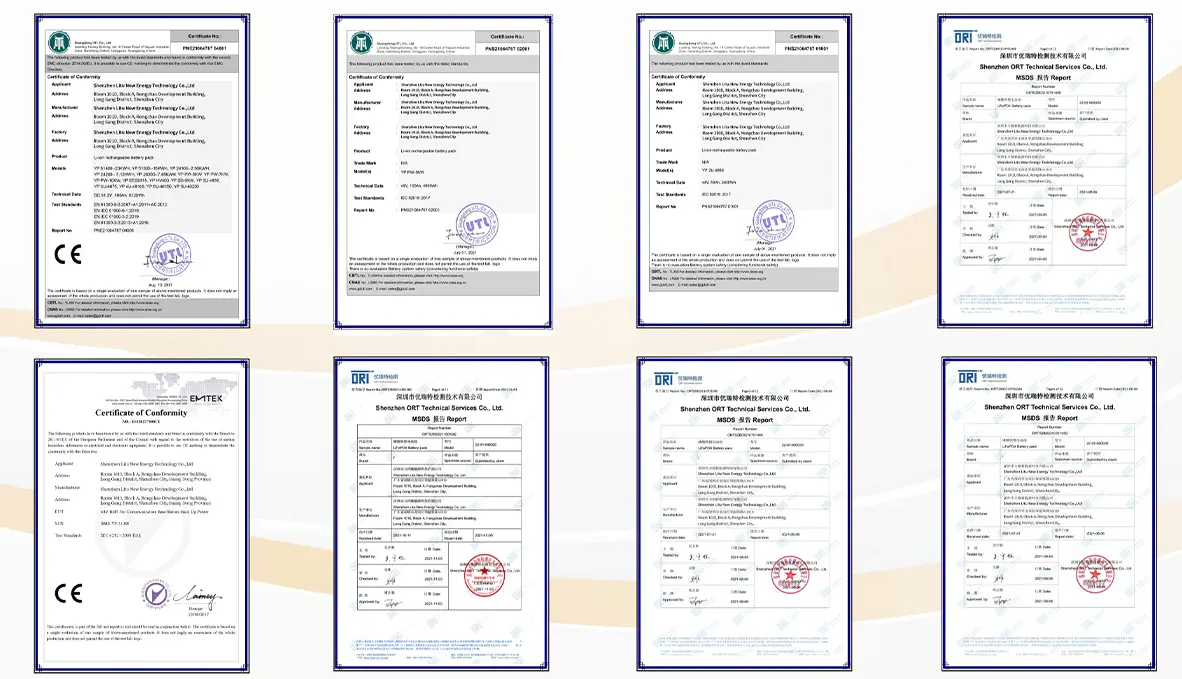
Procuring commercial solar battery storage systems requires alignment with local utility codes and regional safety criteria. A reliable energy storage supplier must hold the necessary certifications to verify safety, performance, and legal compliance at the installation site.

  • North American Market: Compliance with UL 9540 (Standard for Energy Storage Systems and Equipment) and UL 9540A thermal runaway fire testing is essential. Direct-to-inverter communication protocols must also comply with California Rule 21 and IEEE 1547 standards.
  • European Union Market: Systems must meet CE markings, EN 62619 safety standards for industrial lithium batteries, and local grid connection guidelines (such as VDE-AR-N 4105 in Germany).
  • Australia & Southern Cross region: Inclusion on the Clean Energy Council (CEC) approved product list is required, confirming compliance with AS/NZS 5139 installation standards.

YouthPOWER works closely with engineering partners (EPCs), project developers, and distributors to supply the compliance documentation and test reports required for permitting and grid connection. We provide direct access to Modbus registers, CAN IDs, and communication mapping to simplify system integration with modern grid controllers.

Expert Analysis & Sourcing FAQ

Answering technical questions regarding product selection, system safety, and installation variables.

1. Why is LiFePO4 preferred over NMC chemistry for solar battery backups?
Lithium Iron Phosphate (LiFePO4/LFP) offers superior thermal and chemical stability compared to Lithium Nickel Manganese Cobalt (NMC). LFP cells do not experience thermal runaway until reaching approximately 270°C, and they do not release oxygen during structural breakdown, reducing the risk of combustion. Additionally, LFP supports 6,000+ deep charge cycles (at 80% Depth of Discharge) compared to NMC's typical 2,000 cycles, providing a lower Levelized Cost of Storage (LCOS) over the system's operational lifespan.
2. How does high-voltage battery stacking compare to traditional 48V low-voltage systems?
High-voltage (HV) systems connect battery modules in series (typically ranging from 150V to over 700V DC) rather than in parallel. HV configurations reduce current draw for the same power output, which minimizes resistance losses (I²R losses) along the DC lines. This allows for thinner copper cabling, reduces system temperatures, and improves round-trip efficiency when paired with high-voltage hybrid inverters. Low-voltage 48V systems remain practical for residential installations under 15kWh due to simpler installation standards and lower entry costs.
3. What is the role of an active BMS in utility-scale battery cabinets?
An active Battery Management System (BMS) redistributes charge between individual series-connected cells during charging and discharging cycles. Passive balancing simply dissipates excess energy as heat through resistors, whereas active balancing transfers energy from higher-voltage cells to lower-voltage cells. This improves usable system capacity, prevents premature cell degradation, and ensures uniform State of Charge (SoC) profiles across large multi-cabinet installations.
4. How do liquid cooling and air cooling compare in C&I containerized systems?
Air cooling uses high-CFM fans and ducting to manage temperatures. While simple and economical, it can result in larger temperature deltas between the center and edges of the battery pack. Liquid cooling uses cooling plates and glycol-water mixtures to contact cell walls directly. This provides higher thermal conductivity, maintaining internal temperature deltas within ±2°C. Liquid cooling can reduce auxiliary power consumption by up to 30% and extend battery life in high-ambient environments.
5. What parameters should be evaluated to calculate the Levelized Cost of Storage (LCOS)?
LCOS calculation requires: Initial CAPEX (battery pack, inverter, balance of system, installation costs), Round-Trip Efficiency (RTE), Depth of Discharge (DoD), cycle life before reaching end-of-life (typically 80% remaining capacity), operational costs (cooling, periodic maintenance), and degradation rates. The formula divides total lifetime cost by the cumulative energy delivered (MWh), providing a per-MWh metric to compare energy storage investments.

Industrial Cabinets & High-Voltage Systems

High-capacity solutions designed for industrial peak-shaving, commercial backup, and off-grid microgrid integration.
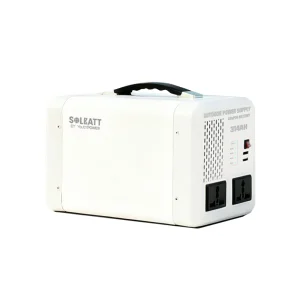
Best 300W LiFePO4 Portable Power Station 1KWH
Sourcing Options
Buy 5KWH 48V 51.2V 100AH LiFePO4 Powerwall Battery
YouthPOWER 5KWH 48V 100AH LiFePO4 Powerwall Battery
Request Pricing
Best YouthPOWER HV Stackable Inverter Power Box
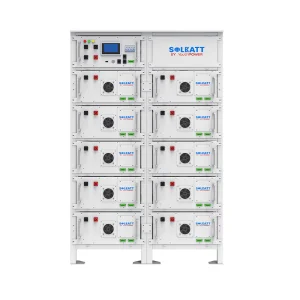
YouthPOWER High-Voltage Stackable Inverter Power Box
HV Pack Configurator
Buy 133KWH 512V 260AH Lithium Battery Storage Cabinet
133KWH 512V 260AH Lithium Battery Storage Cabinet
Get Factory Details
Buy 143KWH 512V 280Ah Commercial Battery Backup System
143KWH 512V 280Ah Commercial Battery Backup System
Request Specifications
Best 300ah lithium battery 15KWH Lifepo4 Solar storage 51.2V ESS
Best 300AH 15KWH LiFePO4 Solar Storage 51.2V ESS
OEM Factory Pricing
Best 85KWH 656.6V 130AH Battery Energy Storage System BESS Cabinet
85KWH 656.6V 130AH BESS Rack Mount Cabinet System
Custom System Quote
Buy 5kWh 51.2V 48V 100Ah Lithium Ion Battery
Buy 5kWh 51.2V 48V 100Ah Lithium Ion Battery Pack
Buy Direct