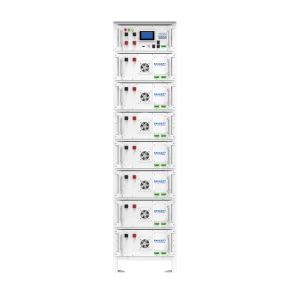
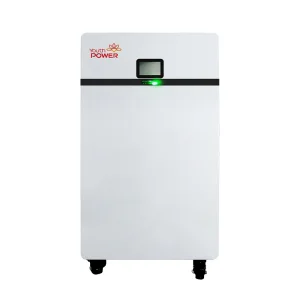
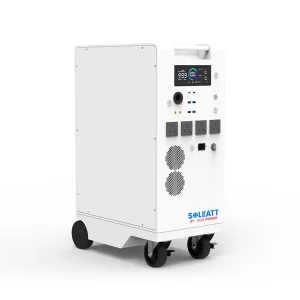
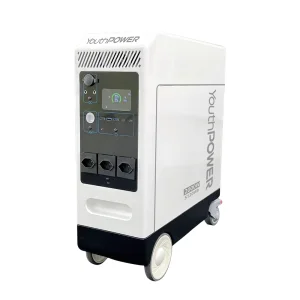
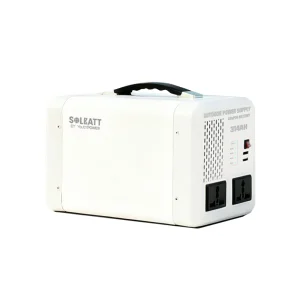
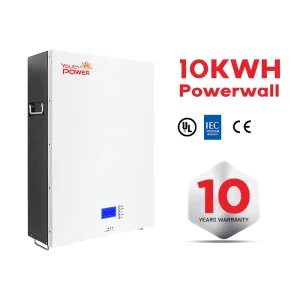
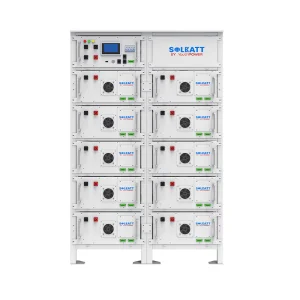
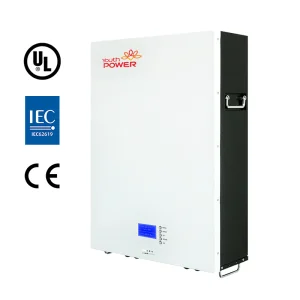
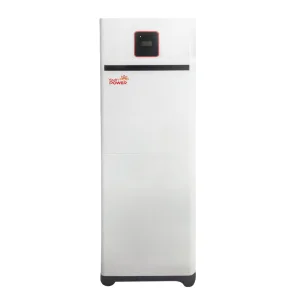
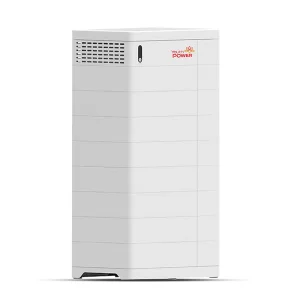
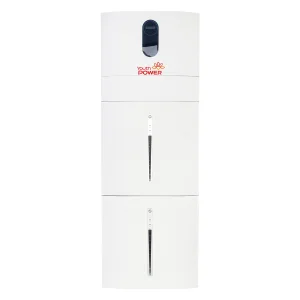
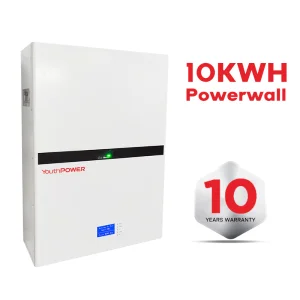
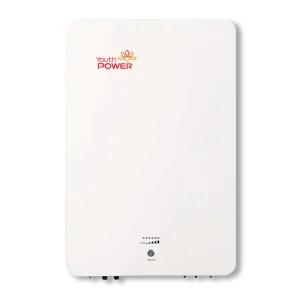
Explore our premium tier of intelligent commercial and smart residential solar batteries engineered for longevity, maximum depth of discharge (DoD), and strict compliance with international standards.
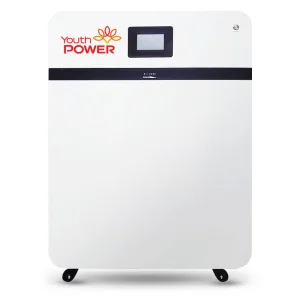
The global shift toward decentralized grid infrastructure is driving exponential demand for integrated residential energy storage systems (ESS). Historically, lead-acid systems managed primary backup duties, but structural developments have designated Lithium Iron Phosphate (LiFePO4) chemistry as the definitive engineering standard. A standard 5kW solar system with battery represents the optimal technical equilibrium for modern households and decentralized commercial terminals, providing sufficient current to sustain critical loads while remaining within cost-effective capital profiles.
By bypassing multiple conversion stages associated with alternating current (AC) coupled systems, direct direct-current (DC) coupling of solar arrays to high-capacity storage banks delivers system efficiencies exceeding 97%. Modern global procurement relies heavily on tier-one manufacturers who integrate advanced Battery Management Systems (BMS) featuring real-time diagnostic telemetrics, thermal sensors, and high-frequency active balancing circuits.
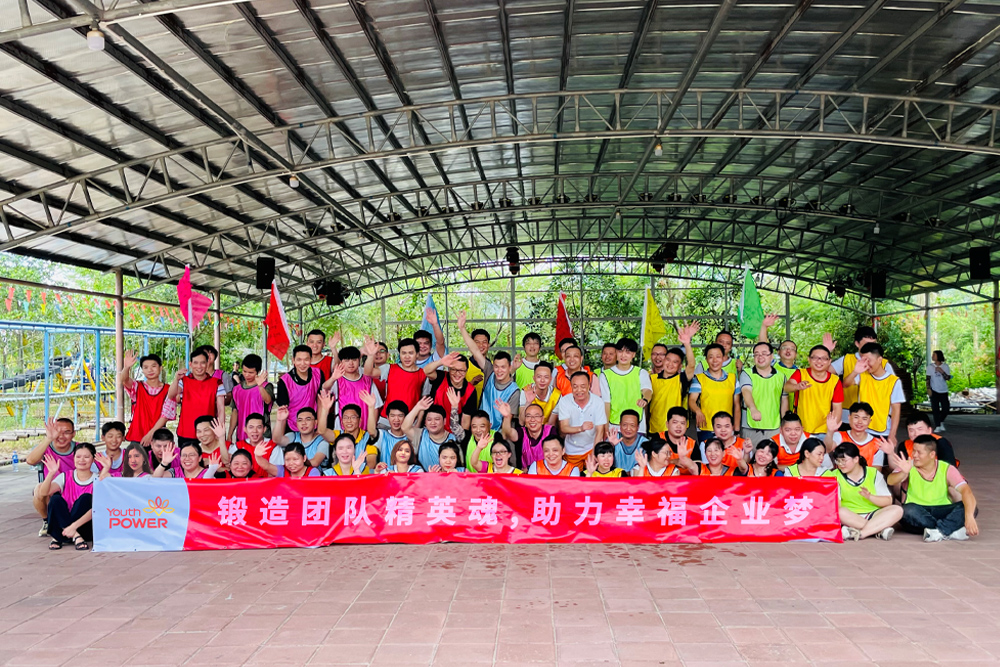
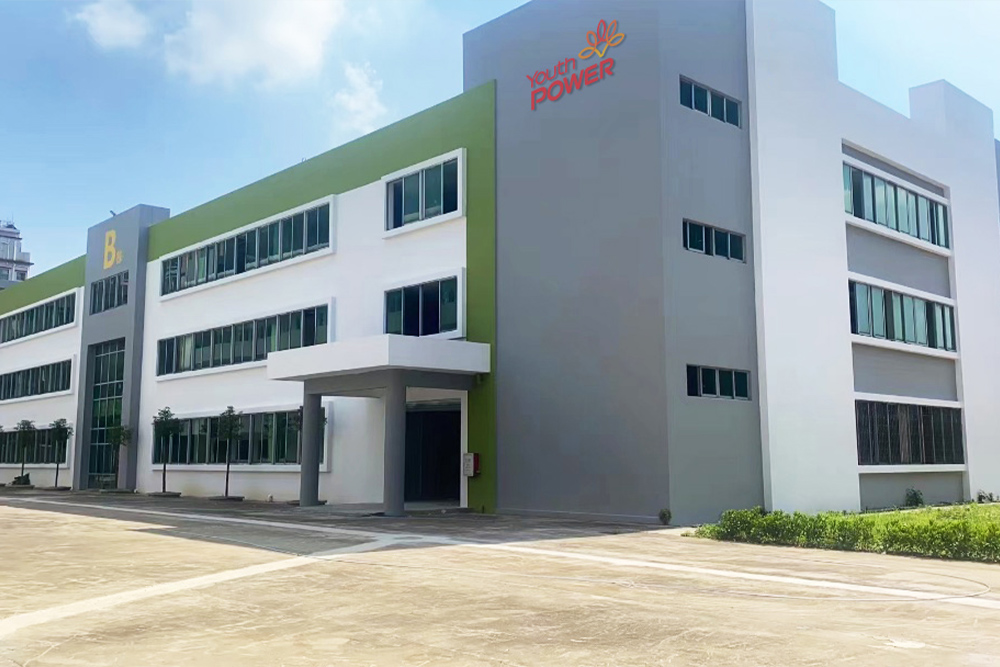
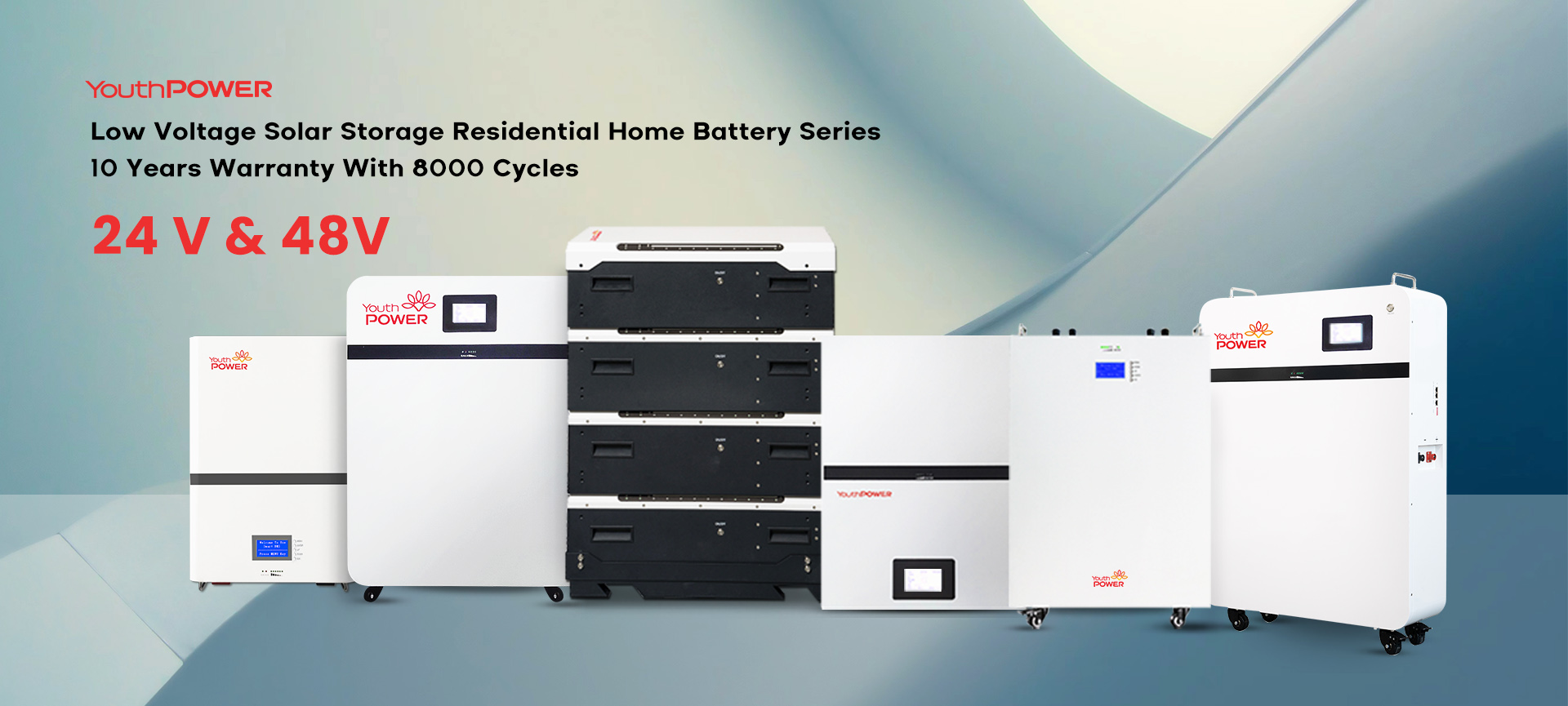
For international supply chain managers, importing solar storage solutions requires a comprehensive assessment of the OEM partner’s manufacturing footprint. Sourcing from specialized companies that maintain end-to-end control over standard cell grading, BMS programming, and thermal management assembly is vital. Quality control remains the absolute differentiator. The distinction between a premium Grade-A LiFePO4 cell and a degraded Grade-B cell represents the difference between a system lasting 15 years versus one failing prematurely within 36 months.
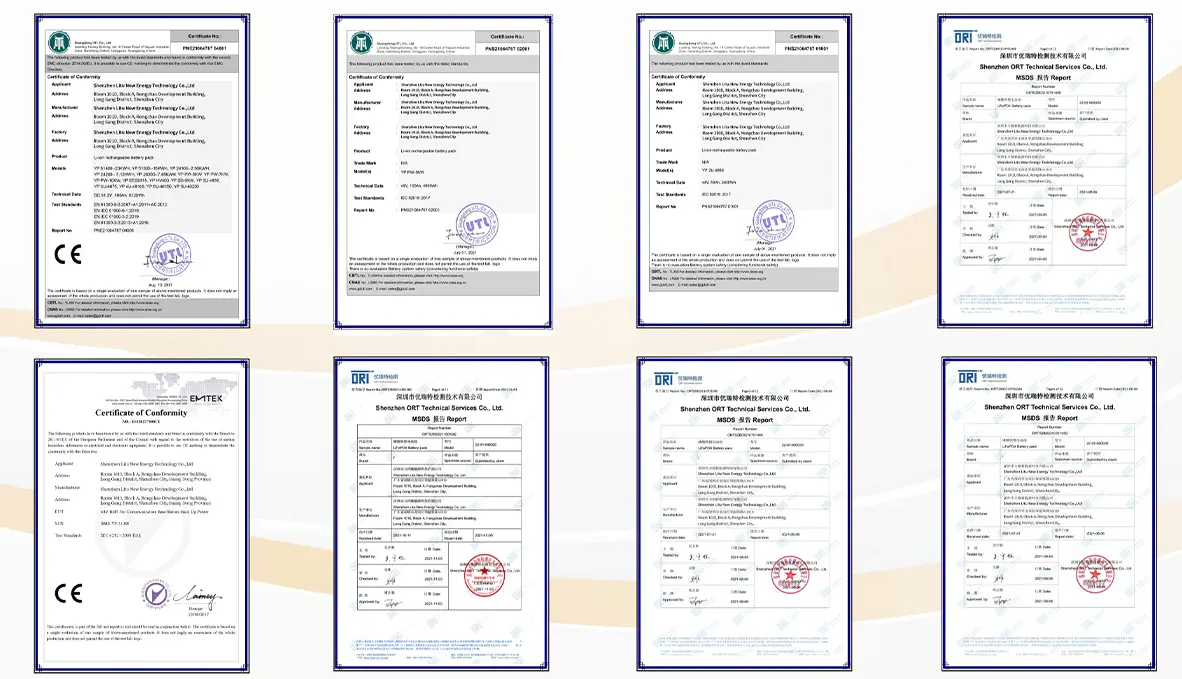
Global procurement teams must prioritize factories that maintain robust global compliance architectures. The integration of 5kW battery systems into local utility grids mandates strict certifications including UL 1973 for battery packs, CE declarations, UN38.3 for transport safety, and IEC 62619 for industrial applications. Securing long-term commercial relationships directly with factories ensures that configuration parameters, firmware updates, and component matches are maintained continuously across high-volume production batches.
Strategic hardware alignment ensures compatibility, efficiency, and safety across residential and commercial microgrid deployments.
Our engineering focuses on lowering the Levelized Cost of Storage (LCOS). By utilizing advanced cell chemistry that consistently achieves 6000 cycles at 80% Depth of Discharge (DoD), we drastically lower the cost-per-kilowatt-hour over the system's operational lifespan.
Seamless communication protocol matching is native to our BMS architectures. Direct plug-and-play synchronization is guaranteed with tier-one global inverter brands including Deye, Growatt, Victron, SMA, and GoodWe via CAN/RS485 interfaces.
Transitioning from low-voltage configurations to stackable high-voltage structures simplifies installation and reduces cross-sectional copper cabling requirements, reducing dynamic heat dissipation profiles and structural losses.
Founded in 2003, YouthPOWER has established itself as one of the leading global suppliers of solar storage lithium batteries. With a broad range of energy storage solutions, it covers a comprehensive series of 24V, 48V, and higher voltage lithium battery systems designed for complex grid infrastructures.
For almost 20 years, YouthPOWER has been deeply engaged in battery technology and production, leveraging abundant manufacturing experience and a highly qualified new product R&D team. Through years of rigorous quality management and international market promotion, we proudly registered our own brand "YouthPOWER" in 2019, securing proprietary designs that meet rigorous utility standards.
Supported by a comprehensive network of local raw material vendors, we are positioned to offer highly competitive pricing structures without compromising component grade, casing thickness, or protective circuit safety margin.
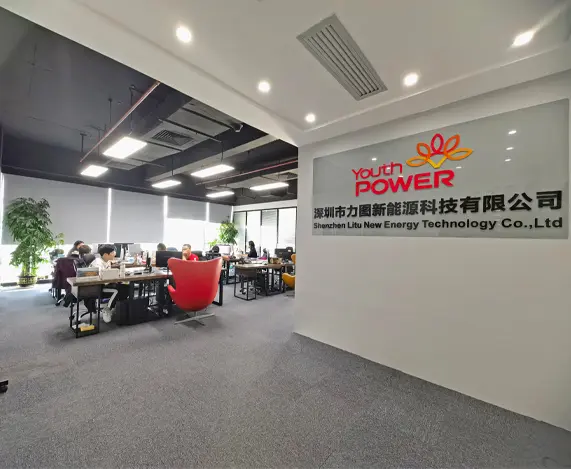
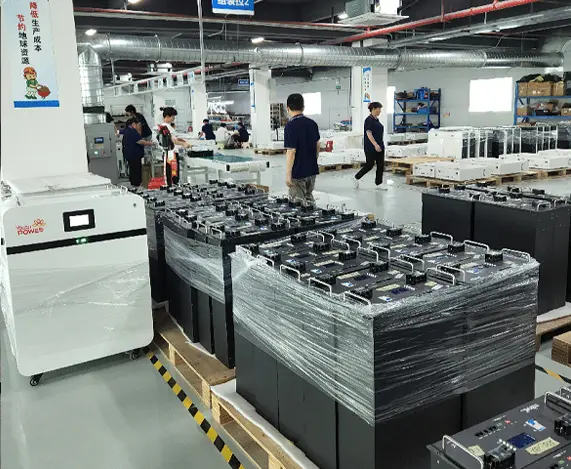
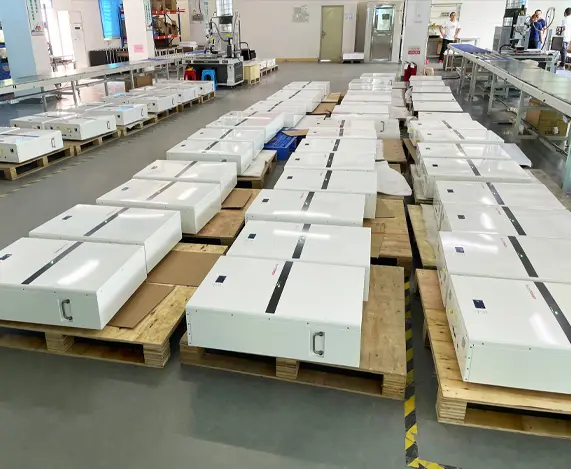
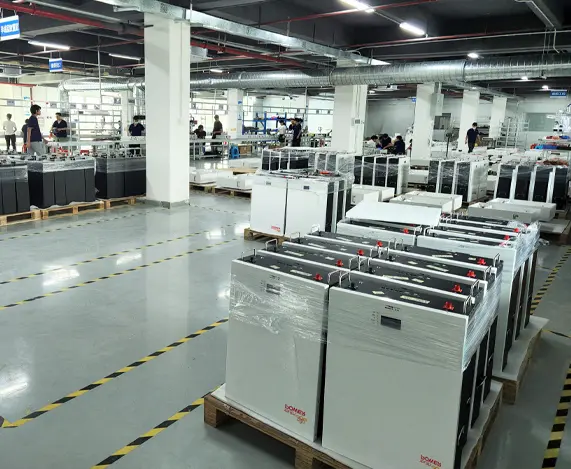
A brief developmental timeline showing how YouthPOWER expanded from a component manufacturer to a multi-megawatt capacity global brand.
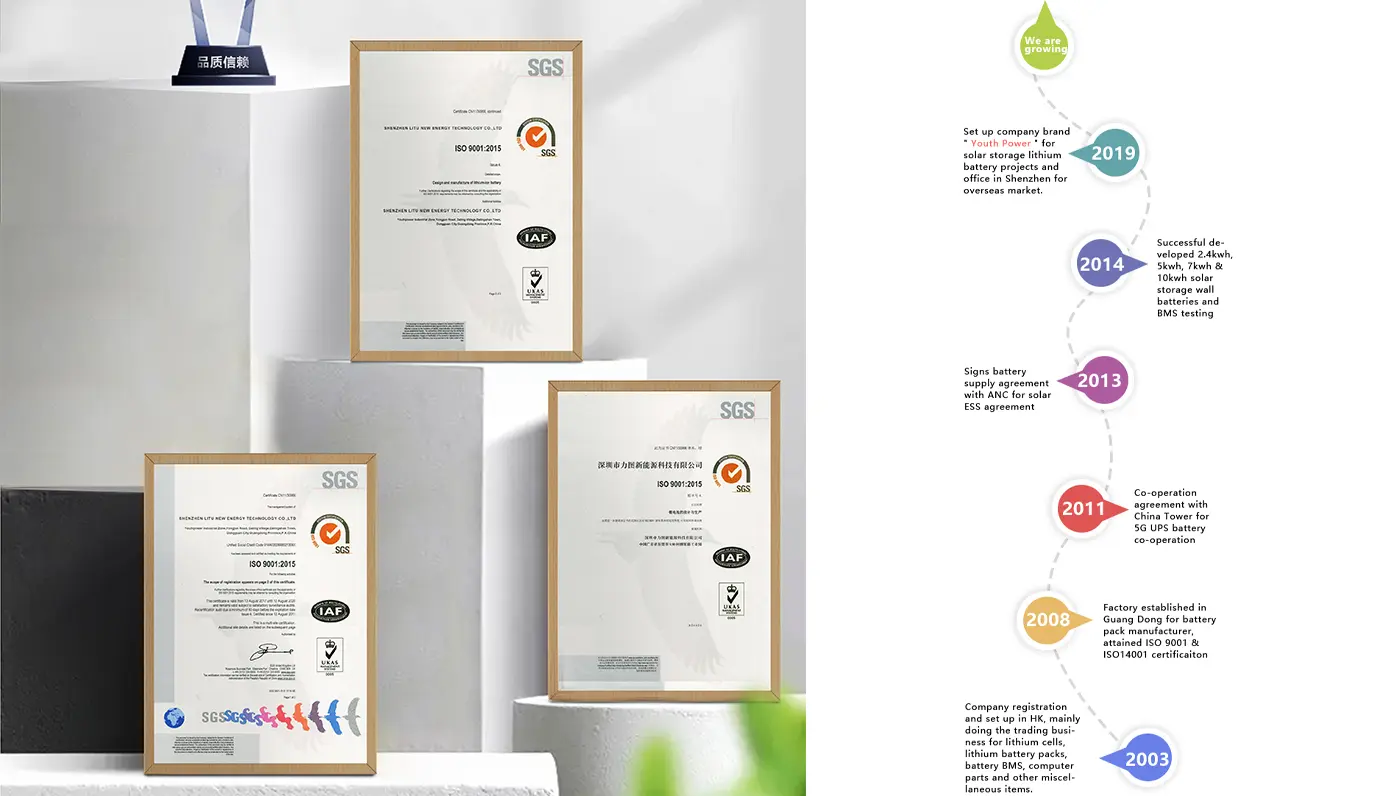
Modern electrical infrastructure demands more than basic storage. Microgrids must dynamically manage peak shaving, load shifting, and reactive power injection. Sourcing from a partner that understands localized compliance is crucial for maintaining seamless installations. For instance, in North America, conforming to the National Electrical Code (NEC) and having UL9540A unit-level thermal runaway testing data is critical for fast permitting. In European markets, VDE-AR-N 4105 grid standards regulate how energy storage systems interact with local low-voltage grids during emergency events.
YouthPOWER engineering addresses these requirements by integrating dynamic safety protection directly into the battery cabinet architectures. Standard physical measures include integrated aerosol fire suppression modules, dual-vent pressure release valves, and isolated chemical chambers. This level of physical security is paired with real-time cloud monitoring systems, enabling operators to analyze cell-level telemetry data and identify potential issues before they impact performance.
Transporting heavy lithium-ion batteries internationally is a complex logistics task. Since large-capacity battery systems are categorized under Class 9 Dangerous Goods, they require strict compliance with IMDG (International Maritime Dangerous Goods) and IATA shipping guidelines. Proper UN-approved packaging, certified hazardous material declaration documents, and specialized logistics handling are essential for avoiding costly delays at customs hubs.
YouthPOWER provides complete export support, ensuring every shipment contains detailed material safety data sheets (MSDS), test verification summaries conforming to UN38.3, and robust packing designs built to withstand mechanical shocks during transit. We coordinate with leading freight forwarders to optimize shipping routes, minimize port fees, and secure container spacing even during peak season demand spikes.
Explore our heavy-duty commercial configurations and stackable battery packs designed for reliable off-grid scalability and robust performance.
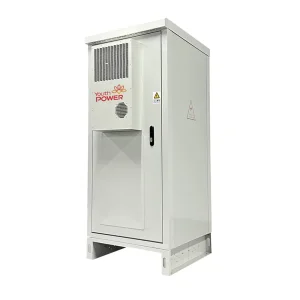
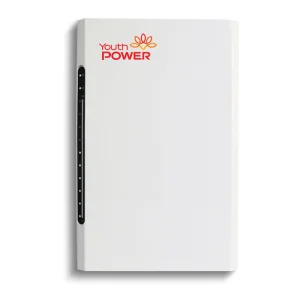
Technical answers to common engineering questions asked by procurement teams and installers when choosing a 5kW solar system with battery storage.
 YouthPOWER