Explore our industrial and commercial energy backup configurations engineered for smart grids and robust local microgrid operations.
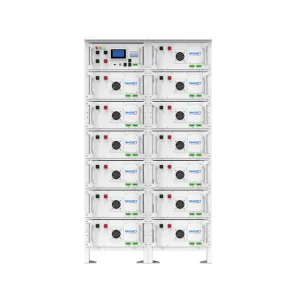
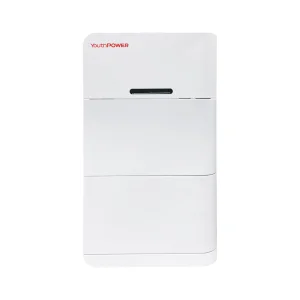
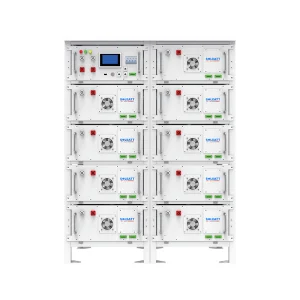
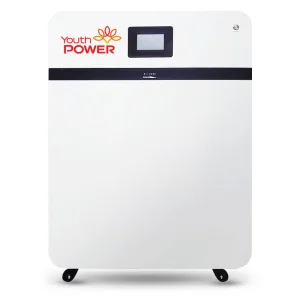
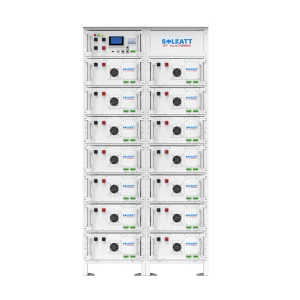
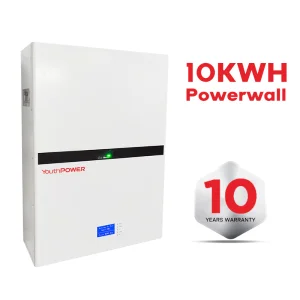
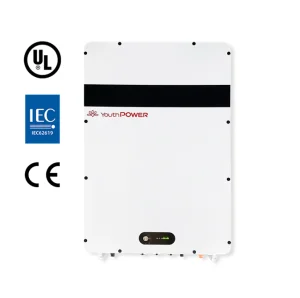
Understanding the transition from passive energy conservation to active, smart-grid integrated energy storage structures.
The global shift toward dynamic renewable integration has highlighted the critical vulnerability of traditional power grids. As distributed solar and wind installations scale, their inherent intermittency compromises grid frequency and power stability. Battery Backup Systems (BESS) are no longer simple emergency reserve units; they are the primary stabilizers of local commercial and industrial infrastructure.
For commercial entities, utility peak-demand charges can represent up to 50% of the total monthly electricity bill. Deploying high-voltage lithium battery systems allows enterprises to engage in active peak shaving, storing energy during low-rate periods and deploying it when commercial tariffs peak. By stabilizing voltage variance, these systems protect heavy-duty industrial machinery, reduce line losses, and guarantee operational continuity without switching delays.
From an engineering perspective, modern lithium-ion backups facilitate the development of local microgrids. These systems communicate directly with grid operators via advanced communication interfaces (Modbus TCP, CAN, RS485), converting passive factories into active assets capable of participating in Virtual Power Plant (VPP) markets. This paradigm shift makes the selection of battery backup suppliers a critical financial decision for procurement executives worldwide.

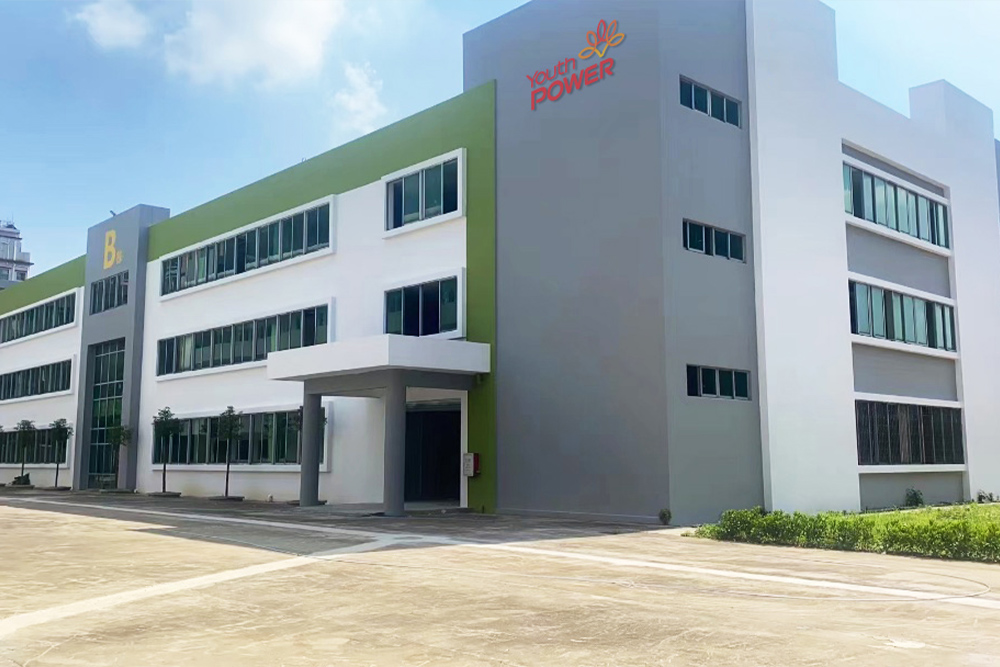
Why China remains the global epicentre for high-performance Lithium Iron Phosphate (LiFePO4) production.
From lithium carbonate refining and precursor synthesis to precision cell manufacturing and system integration, China controls over 70% of the upstream battery supply chain. This minimizes freight costs and shortens development cycles.
Chinese factories integrate advanced Battery Management Systems (BMS) with active balancing capabilities, thermal monitoring, and cloud-connected diagnostics. This helps prevent early cell degradation and thermal runaway.
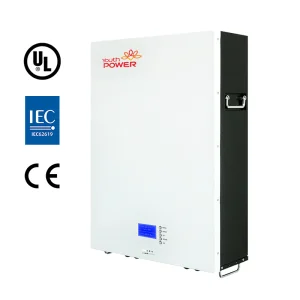
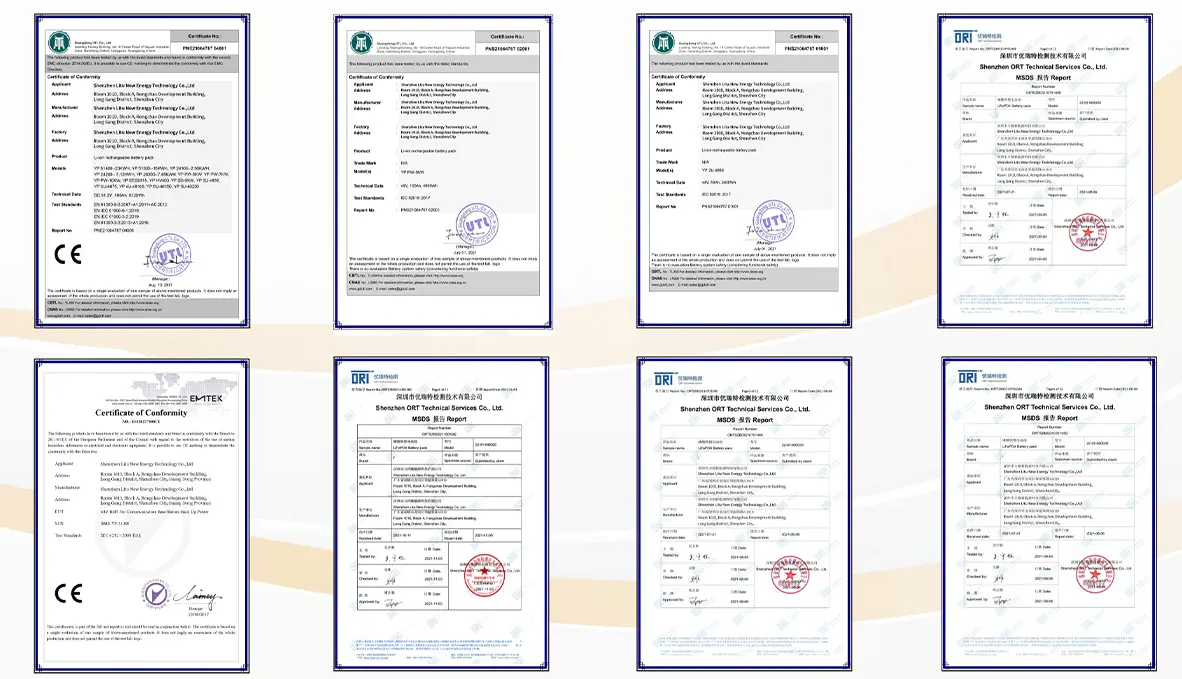
Our Tier-1 manufacturing practices align with global certification standards (UL 1973, UL 9540A, IEC 62619, CE, and UN38.3). This ensures safety, quality control, and compliance for international logistics and installations.
A technical analysis of Capital Expenditures (CAPEX) versus Operational Expenditures (OPEX) in grid-scale energy storage systems.
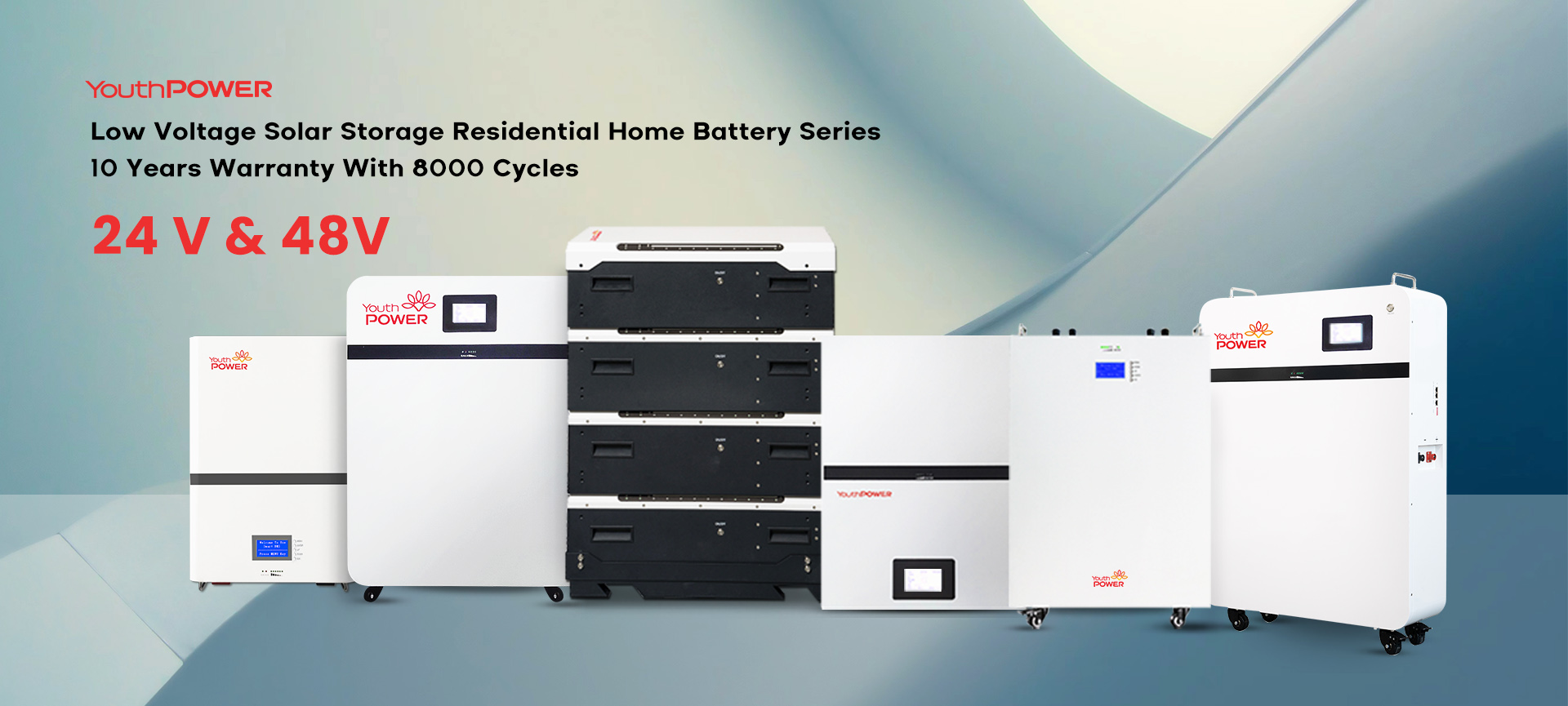
For procurement officers, comparing battery backup systems based on raw capacity ($/kWh) alone can be misleading. To accurately evaluate system value, project planners should focus on the Levelized Cost of Storage (LCOS). This metric measures the cost per MWh of discharged energy over the system's operational lifetime, accounting for efficiency decay, thermal management requirements, and depth of discharge (DoD) limits.
Battery chemistry represents the largest component of CAPEX. While Lithium Iron Phosphate (LiFePO4) requires a higher initial investment compared to Lead-Acid batteries, its 6,000+ cycle life (at 80% DoD) results in a significantly lower LCOS. Additionally, LiFePO4 chemistry offers superior thermal stability and does not suffer from sulfation or high ventilation requirements, lowering maintenance costs.
Our proximity to domestic raw material suppliers allows YouthPOWER to optimize pricing structures. By sourcing battery cells directly from certified automated manufacturing lines, we control material and manufacturing costs. This enables us to provide high-quality energy storage solutions at competitive price points.
How dynamic battery systems serve industrial, commercial, and off-grid projects worldwide.
Continuous operation requires ultra-fast, high-voltage battery cabinets that transition in milliseconds. Our systems feature high C-rate capacities to support critical infrastructure during transient grid failures.
Irrigation systems and remote agricultural processing facilities often face weak utility connection points. Decentralized solar and storage configurations supply stable power, insulating operations from utility rate variations.
For malls, hotels, and manufacturing plants with highly variable loads, battery systems discharge energy during peak usage periods to keep electricity bills within lower billing thresholds.
A history of engineering reliability, long-term partnerships, and high-performance energy storage solutions.
Founded in 2003, YouthPOWER has become a leading global supplier of solar storage lithium batteries. With a broad range of energy storage solutions, our portfolio covers a series of 24V, 48V, and high-voltage lithium battery configurations designed for diverse applications.
YouthPOWER has focused on battery technology and manufacturing for almost 20 years. This long-term industry experience supports our research and development, allowing us to deliver reliable products to global markets. In 2019, we introduced our proprietary brand "YouthPOWER" to better serve the renewable energy sector.
We work closely with customers worldwide to design and deliver tailored backup solutions. Supported by local raw material supply chains, we provide cost-effective options while maintaining strict quality standards. Today, YouthPOWER solutions provide reliable power to over 1,000,000 families globally.
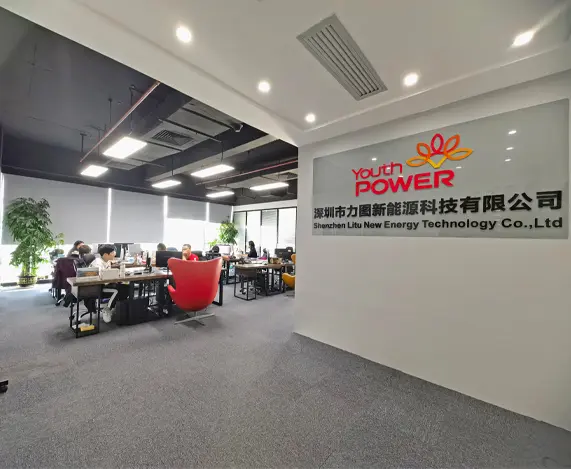
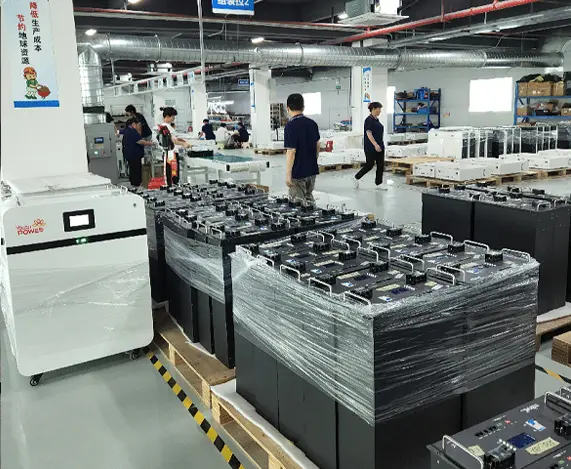
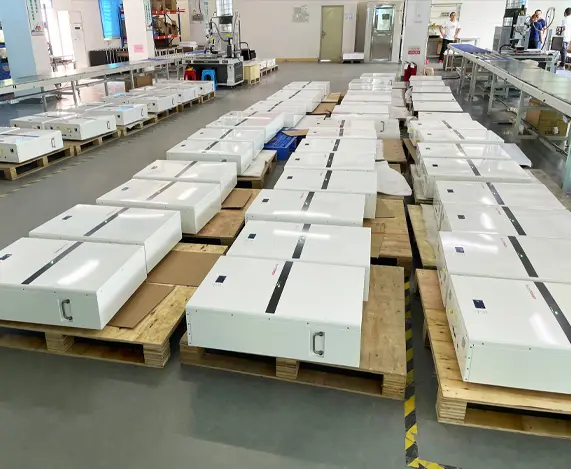
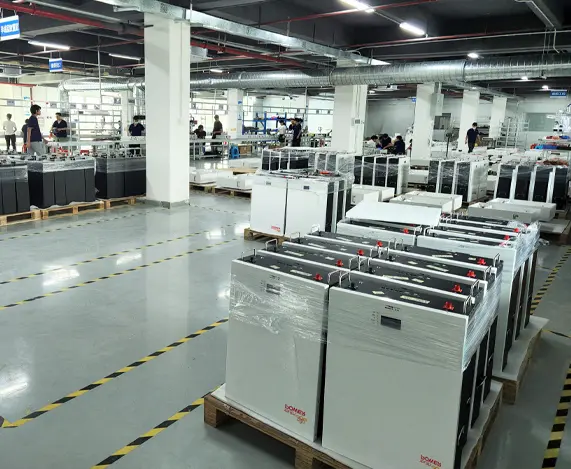
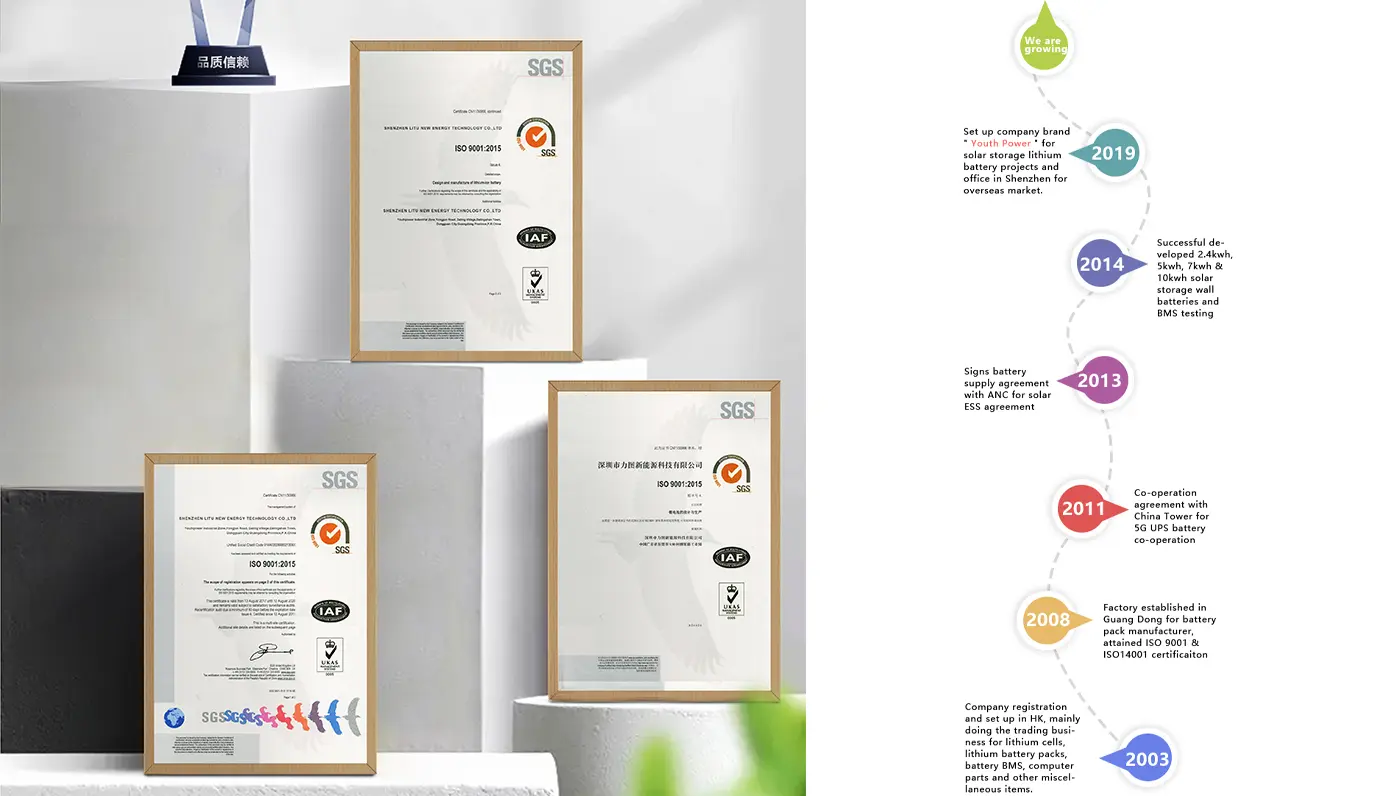
Our progress reflects two decades of research, manufacturing refinement, and expansion of our global supply chains to support sustainable energy initiatives.
Answers to common questions regarding logistics, engineering parameters, and global supply agreements.
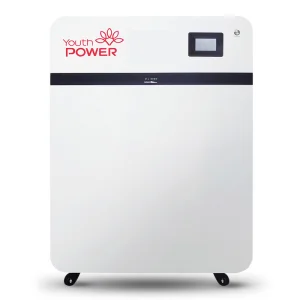
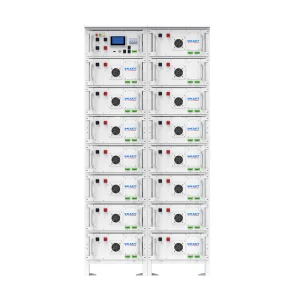
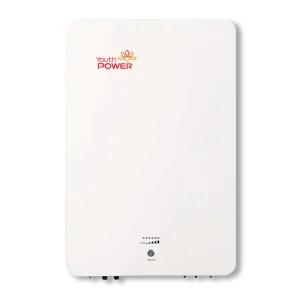
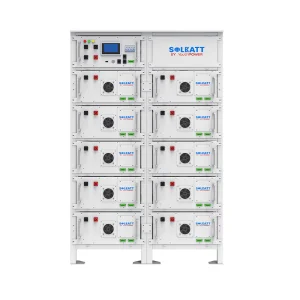
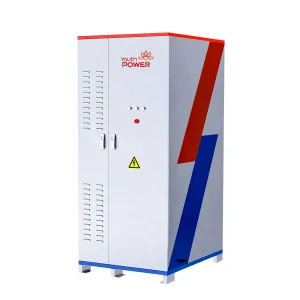
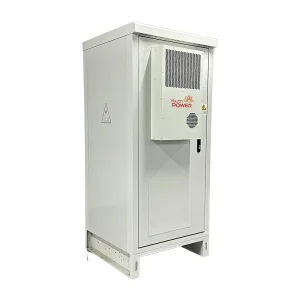
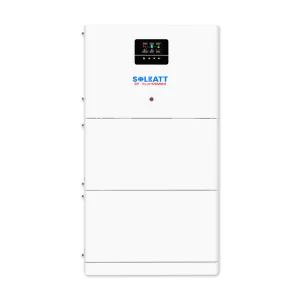
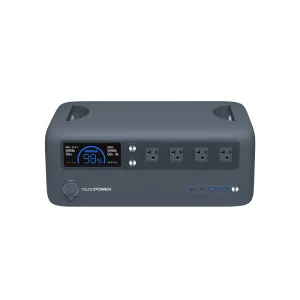
Explore our complete product lineup, designed to meet diverse energy storage and backup needs.
 YouthPOWER