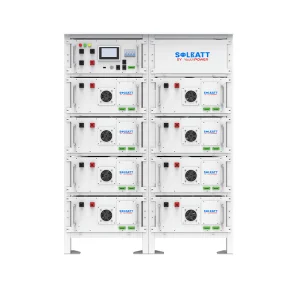
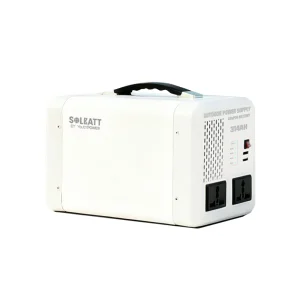
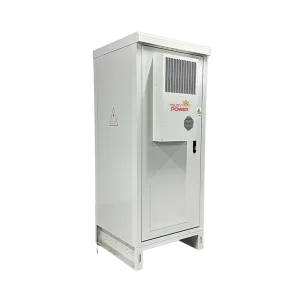
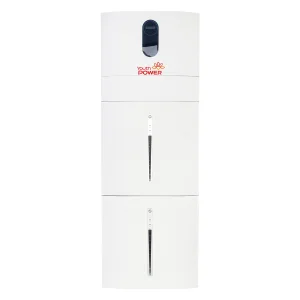
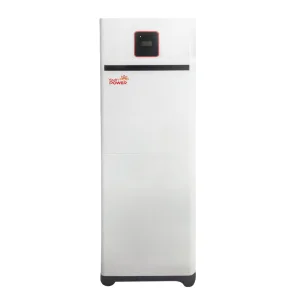
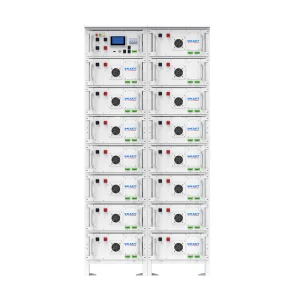
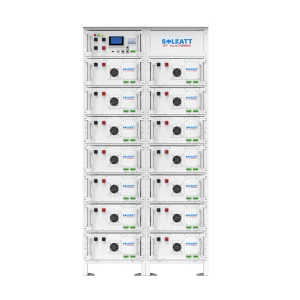
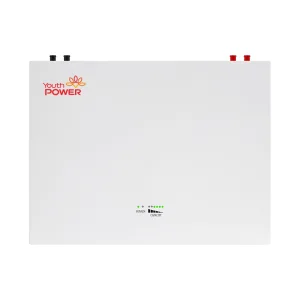
High-voltage commercial storage cabinets, modular ESS towers, and balcony battery systems manufactured to rigorous safety standards.
In the contemporary energy landscape, the integration of solar photovoltaic (PV) systems with high-density battery storage systems is no longer a luxury—it is an operational imperative. As grid tariffs fluctuate and net metering regulations evolve globally, industrial, commercial, and residential clients are seeking ways to optimize their levelized cost of energy (LCOE). Advanced LiFePO4 (Lithium Iron Phosphate) battery packs have emerged as the gold standard for storing fluctuating solar generation, offering exceptional thermal stability, long cycle life, and low maintenance overheads.
For global procurement departments and EPC (Engineering, Procurement, and Construction) contractors, understanding the nuances of cell chemistry, Battery Management System (BMS) integration, and system voltage layouts is crucial. A poorly designed battery system can lead to premature cell degradation, thermal runaway risks, and high capital expenditure losses. Partnering with a dedicated manufacturer with a proven engineering legacy guarantees that safety, compliance, and energy throughput are optimized from the factory floor to terminal integration.
Search queries for *Buy Battery Pack for Solar Panels* are moving away from raw pricing toward system compatibility, certification metrics (UL, IEC), and long-term degradation curves. Procurement officers demand transparency in the supply chain and verifiable field data.
Unlocking unparalleled supply chain vertical integration, strict quality control protocols, and scaling cost-efficiency.
Chinese factories sit at the core of the global lithium processing network. Direct access to refined cathode raw materials, high-purity lithium compounds, and advanced separators translates to reduced base costs and stable production timelines even during global market supply chain shortages.
Modern production lines use automated laser welding, computerized cell matching systems, and robotic thermal management testing. This minimizes human error, ensures voltage parity across all connected cells, and limits individual module performance variance to less than 1.5%.
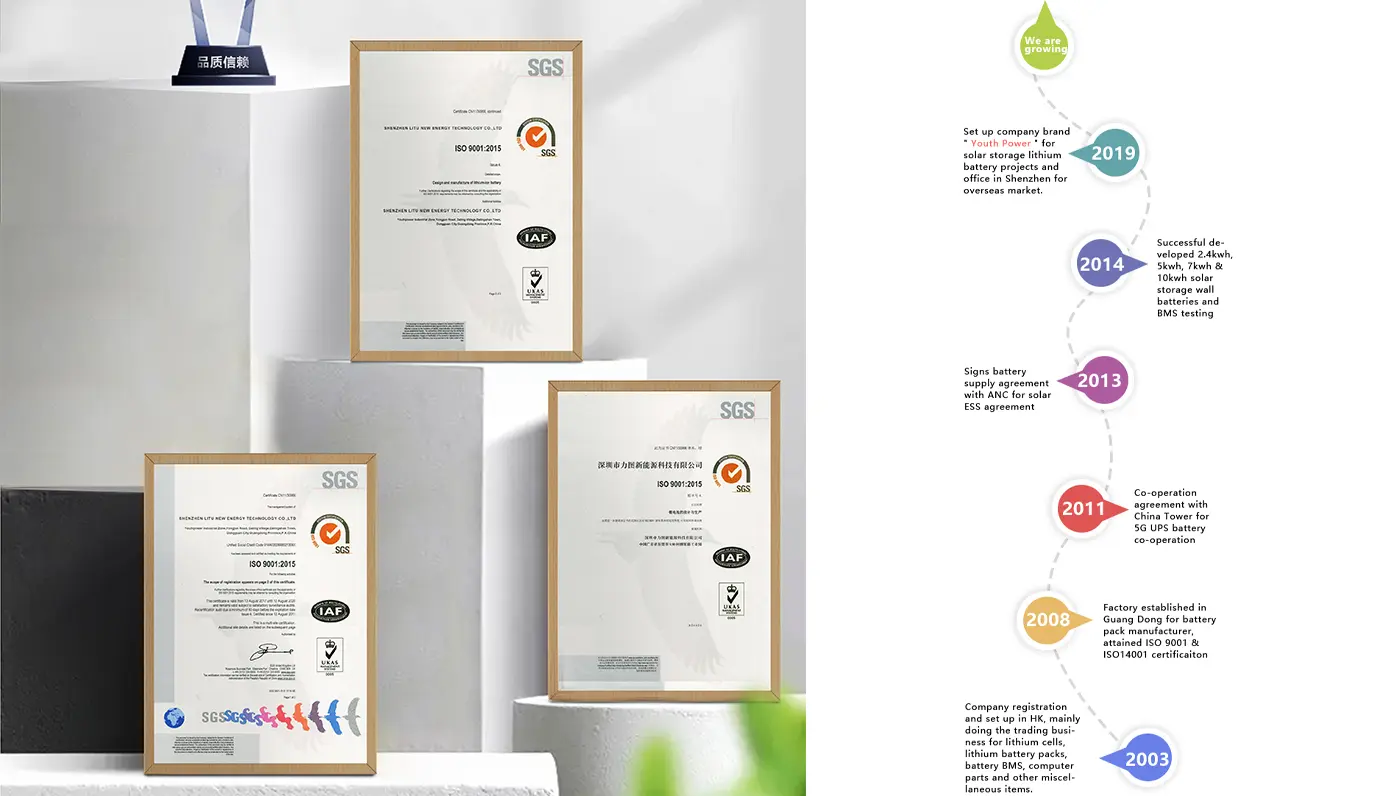
Top-tier factories operate ISO 9001 and ISO 14001 certified facilities. Batteries are subjected to rigorous vibration, impact, short-circuit, and high-temperature testing protocols to secure international export certifications like IEC 62619, UL 1973, CE, and UN 38.3.
Founded in 2003, YouthPOWER has now become one of the leading suppliers of solar storage lithium batteries in the world. With a broad range of energy storage solutions, it covers a series of 24V, 48V and higher voltage lithium batteries solutions.
YouthPOWER has engaged in the battery technology and production for almost 20 years, with abundant manufacturing experience and strong new product R & D capability. Through many years of hard work and market promotion, we have created our own brand "YouthPOWER" in 2019.

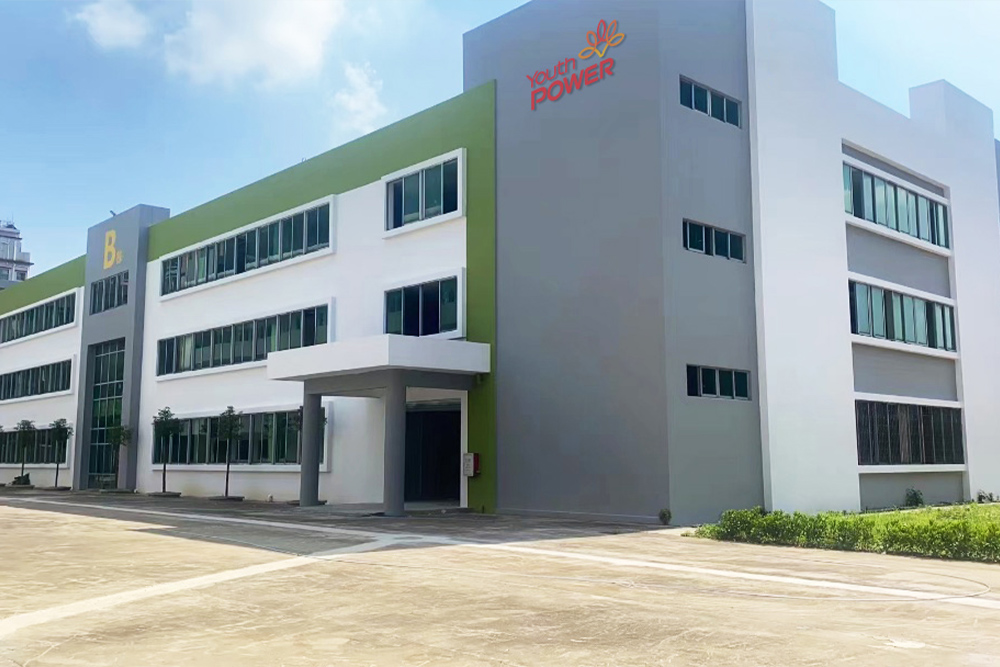
With nearly 20 years’ experience in the battery industry, we have the capability to provide you with both the products you need and the most suitable products you want. We are always ready to supply the first-class products and meet the various needs of the customers.
We have established good business relationships with our customers from all over the world. And we have a good cooperation with all our customers as well for many years running. Supported by our local vendors of raw materials, we can certainly offer you the best prices.
We are so proud that YouthPOWER has offered the reliable solar storage solution for over 1,000,000 families now in the world.
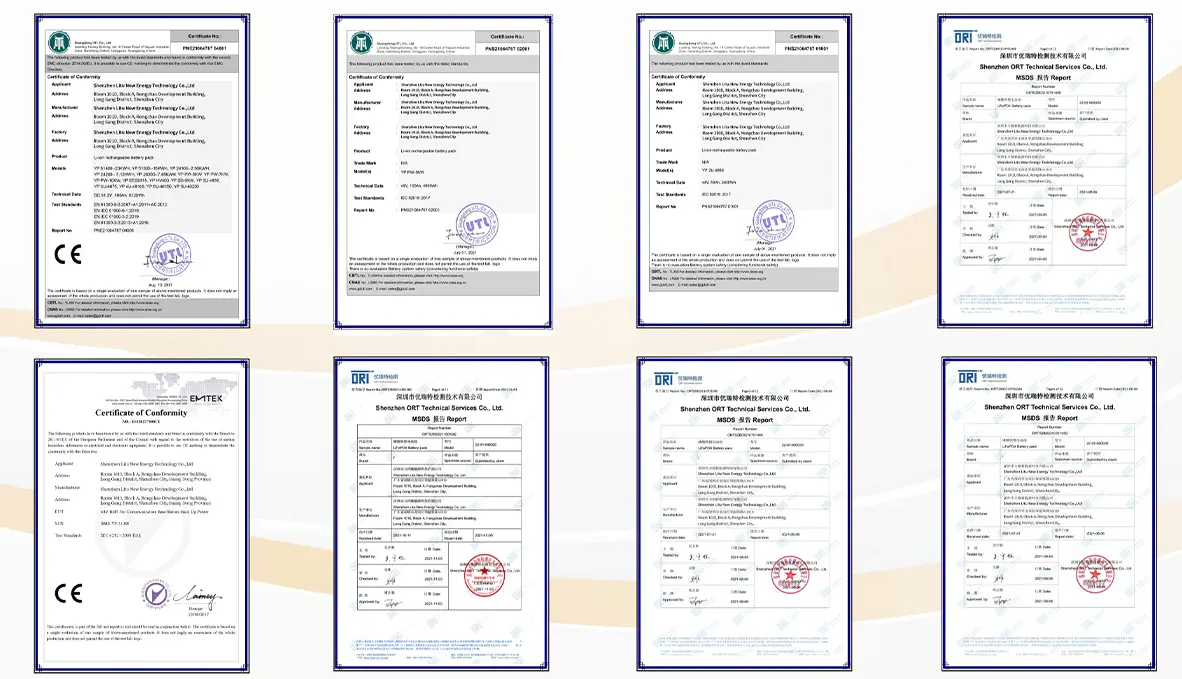
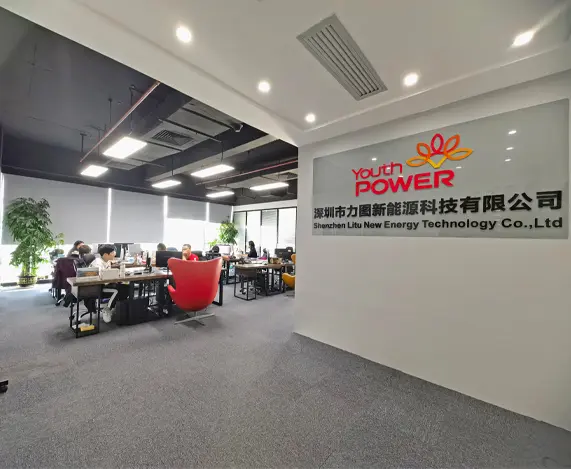
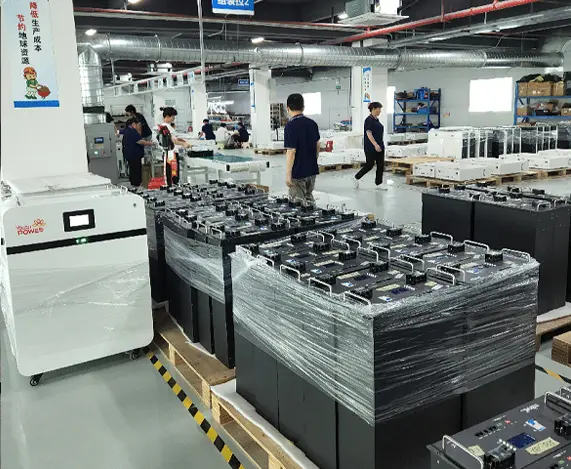
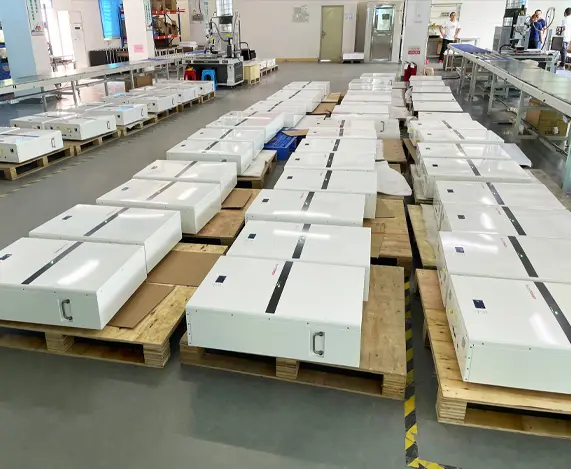
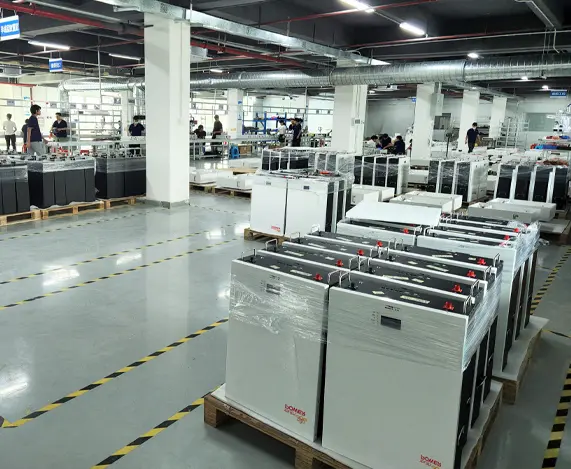
Our development timeline has been marked by rigorous engineering milestones, scaling production processes from early lithium battery cell matching to global supply contracts and sophisticated All-in-One Energy Storage Systems (ESS).
Maximizing operational efficiency and securing system integrity through strategic configuration options.
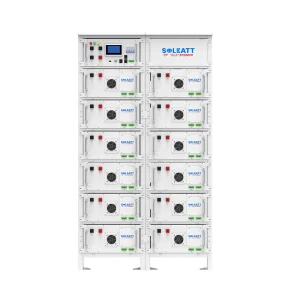
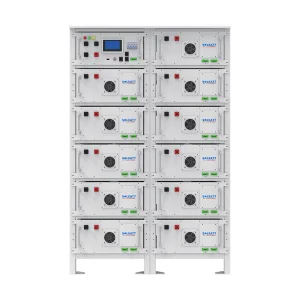
High-power solar systems require robust high-voltage energy storage systems (HV ESS) to effectively manage grid peak demand charges. Our cabinet models, including the 114KWH and 172KWH options, provide the high-voltage capability needed to interface directly with dynamic industrial solar systems. By storing excess solar generation during off-peak hours and discharging it during peak rate brackets, commercial facilities can reduce utility costs by up to 40% while shielding delicate equipment from line voltage drops.
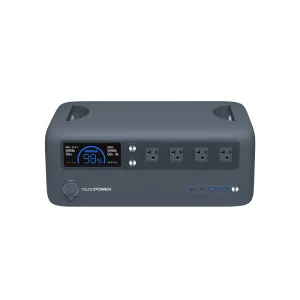
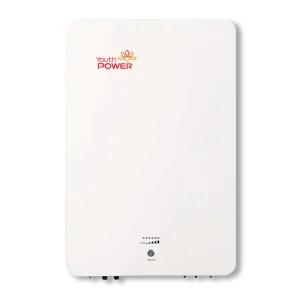
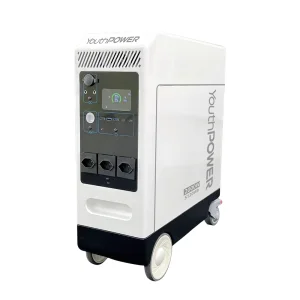
In space-constrained urban environments across Europe and Asia, compact balcony energy storage systems are transforming residential energy capture. These micro-ESS solutions store localized daytime solar generation to power residential loads at night, achieving direct self-consumption rates of over 85%. For rural telecom towers and remote research stations, our high-durability portable power stations and Off-Grid Inverter Battery AIO solutions provide clean, quiet, and vibration-free electricity in place of traditional diesel generators.
From modular powerwalls to heavy-duty off-grid stations with advanced hybrid inverter integrations.
As global energy storage capacity expands, several clear engineering trends are shaping the future of solar battery packs. Project managers and engineers must plan for these structural changes to ensure their projects remain viable and cost-effective over a 15-to-20-year operational life cycle.
Transitioning from low-voltage (48V) to high-voltage (400V - 800V) topologies is a major development in industrial solar energy systems. Higher operating voltages reduce the required current for equivalent power output, allowing for thinner wiring, lower thermal generation, and improved round-trip efficiency. Our 409V (114KWH) and 768V (215KWH) systems reflect this shift, providing commercial applications with significant efficiency gains and lower balance-of-system (BOS) installation costs.
Traditional Battery Management Systems (BMS) monitor passive variables like voltage, temperature, and current. Next-generation systems run predictive cloud-linked algorithms to determine the State of Health (SoH) and remaining cycle life of individual cell groups. These intelligent systems balance cells dynamically in real-time, predict potential cell faults before they happen, and share diagnostic information directly with utility operations.
For high C-rate applications and harsh environments, liquid cooling is replacing traditional forced air. Circulating coolant directly through plates embedded in the module allows for precise temperature regulation, keeping cell gradients within 2°C. This prevents local hot spots, increases cycle life by up to 25%, and ensures safe operation in regions that experience temperatures exceeding 45°C.
With the implementation of the EU Battery Regulation and similar global mandates, manufacturing must consider the end-of-life cycle. Lithium iron phosphate (LiFePO4) chemistry is inherently more sustainable than cobalt-based alternatives. Leading manufacturers are establishing recycling pipelines to recover lithium, iron, and copper, helping operators minimize their Scope 3 emissions.
Technical responses to common procurement, engineering, and compliance inquiries from global buyers.
LiFePO4 (LFP) offers significant advantages in safety, thermal stability, and lifespan compared to NCM (Nickel Cobalt Manganese). LFP batteries do not produce oxygen during thermal runaway events, reducing fire risks. They also support over 6,000 charge cycles at 80% Depth of Discharge (DoD), whereas NCM batteries typically degrade after 1,500 to 2,000 cycles. While NCM has higher energy density, LFP remains the preferred choice for stationary solar storage due to its lower cost per cycle and safety profile.
Higher system voltages (typically 400V to 800V) reduce the operating current needed to achieve a target power output. This reduction in current allows for thinner, less expensive copper cabling, lowers resistive losses, and improves round-trip efficiency. High-voltage configurations also integrate more efficiently with commercial and utility-scale hybrid inverters, reducing overall system balancing costs (BOS).
For North America, key certifications include UL 1973 (for battery packs in stationary applications) and UL 9540A (to evaluate thermal runaway fire propagation). For Europe, compliance with IEC 62619, CE marking, and the RoHS directive is required. Additionally, all global lithium battery shipments must have a UN 38.3 test report to verify safe transport by air, sea, or land.
It is not recommended to mix battery packs of different brands, capacities, chemistries, or ages in parallel. Doing so can cause uneven current distribution, forcing one pack to work harder and degrade prematurely. If expansion is planned, it is best to use modular systems designed to support scaling, and ensure the master BMS is configured to manage the additions safely.
The optimal operating temperature range for lithium batteries is 15°C to 30°C. Operating at high temperatures accelerates chemical degradation, shortening the overall lifespan. Conversely, charging at freezing temperatures (below 0°C) can cause lithium plating on the anode, which permanently reduces capacity and can create internal short circuits. Advanced systems include built-in heating elements or cooling loops to keep cell temperatures within a safe operational range.
Standard product orders typically ship within 30 to 45 days from order confirmation. Custom designs—which may require engineering adjustments to the enclosure, wiring, or BMS protocols—typically take 60 to 90 days. This timeline allows for design verification, prototype assembly, and performance testing before bulk shipping.
 YouthPOWER