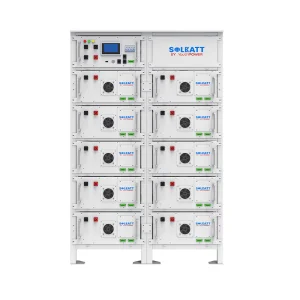
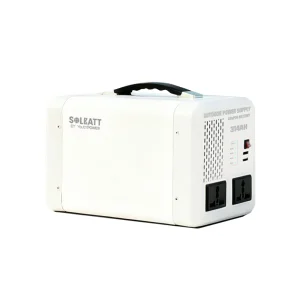
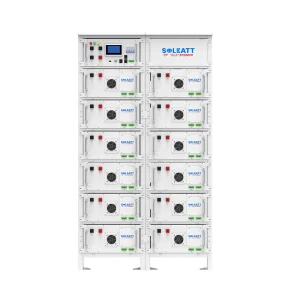
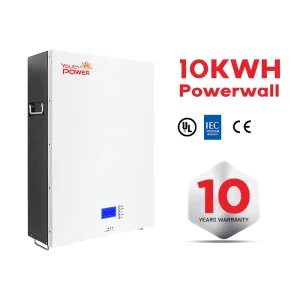
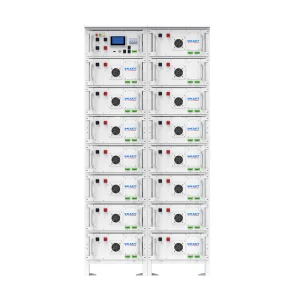
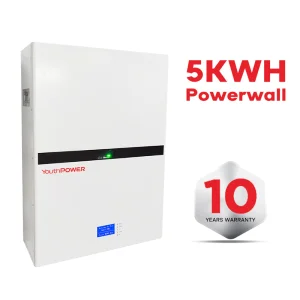
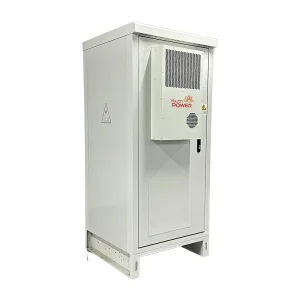
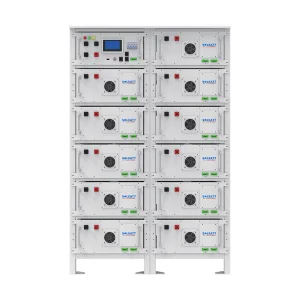
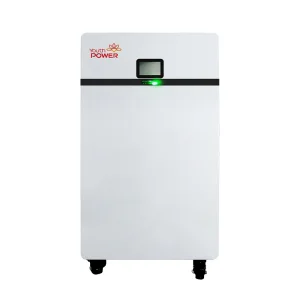
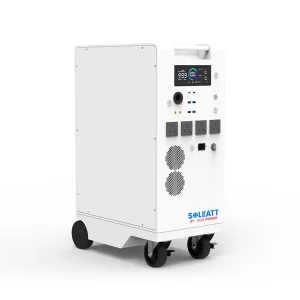
Explore our highly integrated, factory-certified battery packs and modular energy storage systems configuration.
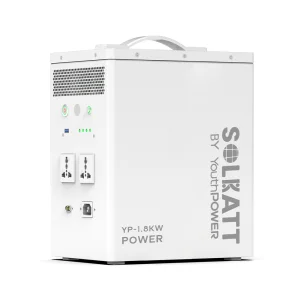
A comprehensive analysis of sourcing challenges, technological migration, and financial viability for multi-megawatt configurations.
Global procurers, spanning engineering, procurement, and construction (EPC) contractors to industrial facility managers, face multi-layered decisions when evaluating Lipo battery storage factories. The industry is currently transitioning. While "Lipo" historically denoted lithium-polymer chemistries common in low-capacity electronics, modern high-capacity system requirements utilize Lithium Iron Phosphate (LiFePO4) as the global industry benchmark for safety, reliability, and lifespan.
Key corporate procurement strategies now prioritize manufacturers that guarantee cell consistency (matching capacity, internal resistance, and voltage variance) over thousands of cycles. A failure to control these variables at the factory floor results in capacity degradation within the first 12 months of deployment.
With critical mineral constraints impacting global manufacturing, smart procurers look for tier-1 integrated factories controlling both raw cathode supply and final battery management system (BMS) integration. By choosing companies with reliable supply arrangements, corporations mitigate the risks of project delays.
Additionally, logistics protocols including UN38.3 certification and specialized dangerous goods shipping expertise are non-negotiable requirements when transporting commercial battery packs across international borders.
Ensure your supplier contract explicitly states the use of Grade A Cells. Many low-cost assemblers buy Grade B cells (which failed to meet the strict self-discharge rate or capacity criteria of EV automotive runs) and repackage them for energy storage systems, leading to thermal mismatching and cell runtime degradation.
Deploying advanced storage architectures to solve energy arbitrage, peak demand penalties, and microgrid instability.
Industrial operations in regions like North America and Europe face dynamic grid structures where demand charges make up over 40% of their monthly utility bill. Commercial Battery Backup Systems (like the 143KWH and 172KWH configurations) enable facilities to store off-peak electricity and discharge it during peak intervals, providing immediate financial relief.
Off-grid operations, military installations, and remote telecom repeaters require uninterrupted power. High-voltage cabinet systems integrated with solar hybrid inverters protect sensitive electronics from voltage sags while ensuring continuous 24/7 runtimes even during localized grid blackouts.
Distributed energy assets can be aggregated to support grid services. Modern LiFePO4 battery storage companies integrate communication protocols (Modbus TCP/IP, CAN, and RS485) that allow grid operators to dispatch distributed battery capacity, transforming an onsite cost center into an active revenue generator.
| Application Scenario | Recommended Capacity Range | Critical Sourcing Parameters | Typical ROI Period |
|---|---|---|---|
| C&I Peak Shaving | 100kWh to 2MWh+ | Dual-layer BMS, Liquid-cooling, High C-rate discharge capability | 3 - 5 Years |
| Telecom Base Stations | 5kWh to 30kWh | Compact form factor, long cycle life (>6000 cycles), wide temp tolerance | 2 - 4 Years |
| Residential Backup & Solar | 5kWh to 20kWh | Aesthetic configuration (Powerwall/Mini-Wall), Plug-and-Play interface | 4 - 7 Years |
| Grid Ancillary Services (VPP) | 500kWh to 10MWh+ | Sub-second response time, telemetry integration, cycle warranty (>10 years) | 3 - 6 Years |
Leading innovations driving higher energy densities, active balancing BMS, and localized compliance standards.
Passive balancing, which dissipates excess energy from high-capacity cells as heat, is no longer sufficient for larger commercial projects. Future roadmaps focus on Active Balancing BMS, which transfers energy dynamically from high to low cells during cycles, reclaiming up to 10% lost usable capacity over the system's lifetime.
Additionally, AI-enabled BMS platforms are deploying algorithms that predict cell failures up to 48 hours in advance by continuously analyzing internal cell resistance variations, significantly reducing onsite fire risks and unplanned maintenance downtime.
Transition from older Lead-Acid and high-risk Lithium-Cobalt formulations to Lithium Iron Phosphate (LiFePO4). Standardizing voltage architectures around 51.2V and high-voltage strings exceeding 700V for commercial applications.
Emergence of semi-solid state and solid-state lithium cells for stationary storage, raising thermal stability ceilings and offering volumetric energy densities exceeding 400 Wh/L.
Self-optimizing batteries communicate directly with energy trading markets to schedule charge/discharge events autonomously, maximizing returns based on localized weather predictions and utility pricing APIs.
A trusted global leader in lithium battery technology and customized solar energy storage systems.
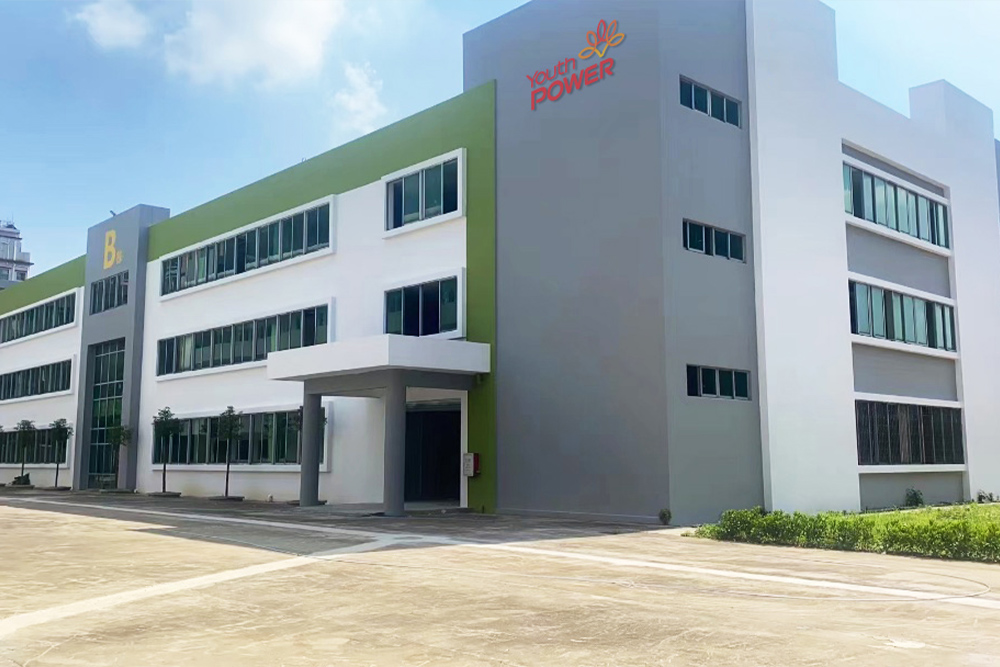
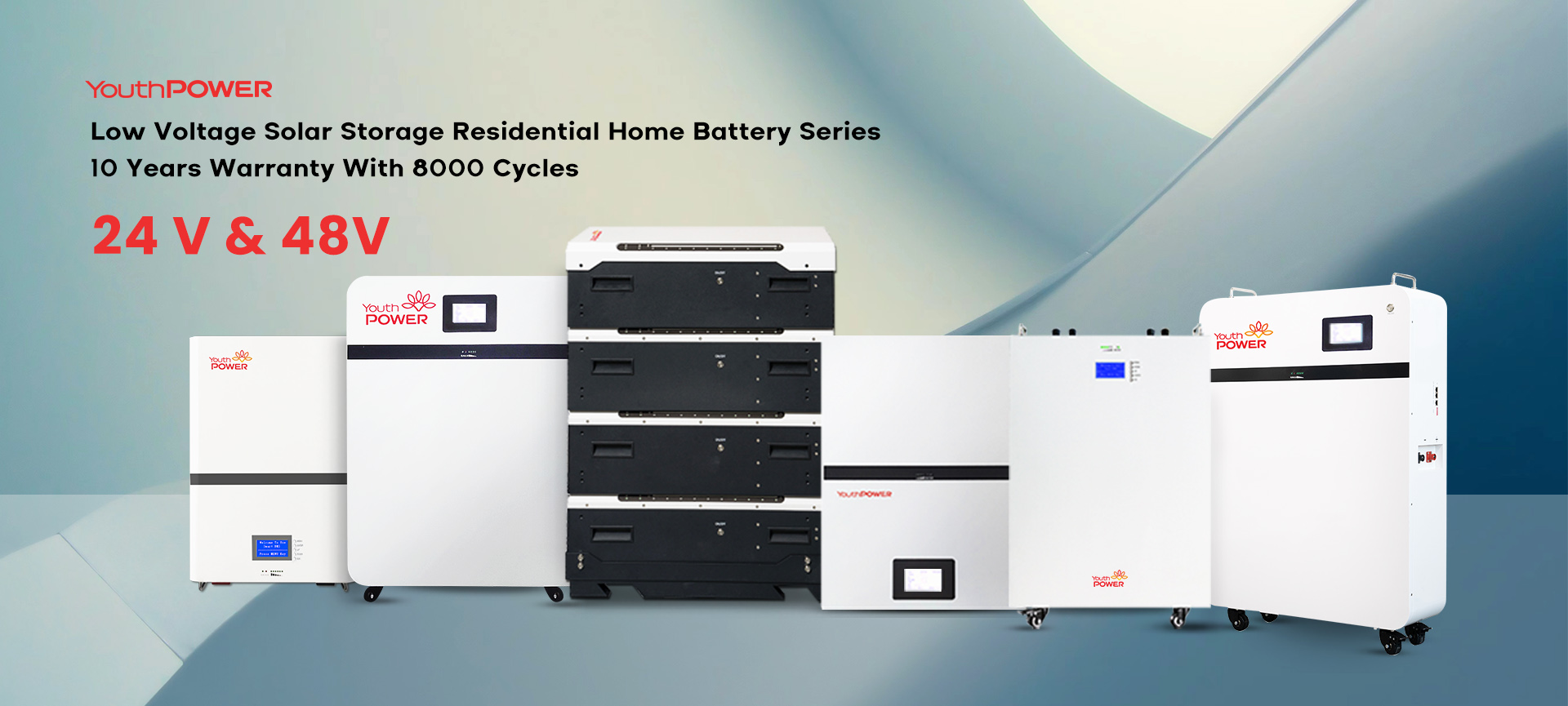
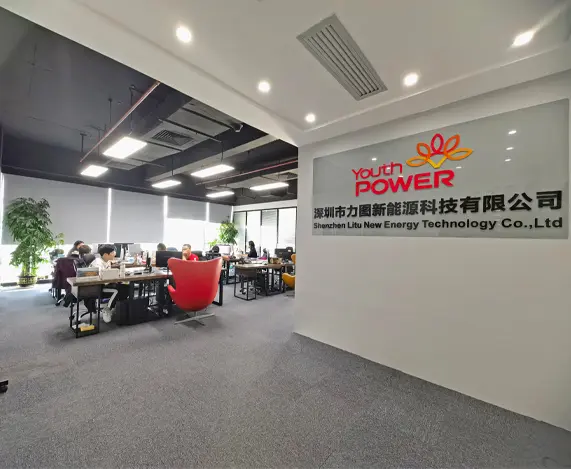
Founded in 2003, YouthPOWER has now become one of the leading suppliers of solar storage lithium batteries in the world. With a broad range of energy storage solutions, it covers a series of 24V, 48V and higher voltage lithium batteries solutions.
YouthPOWER has engaged in the battery technology and production for almost 20 years, with abundant manufacturing experience and strong new product R & D capability. Through many years of hard work and market promotion, we have created our own brand "YouthPOWER" in 2019.
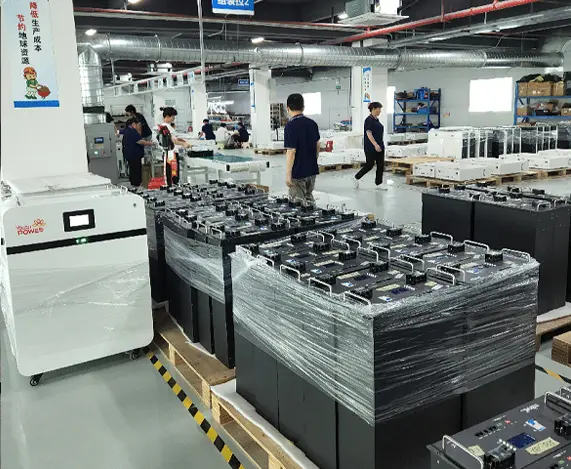
With nearly 20 years’ experience in the battery industry, we have the capability to provide you with both the products you need and the most suitable products you want. We are always ready to supply the first-class products and meet the various needs of the customers.
We have established good business relationships with our customers from all over the world. And we have a good cooperation with all our customers as well for many years running. Supported by our local vendors of raw materials, we can certainly offer you the best prices.
We are so proud that YouthPOWER has offered the reliable solar storage solution for over 1,000,000 families now in the world.

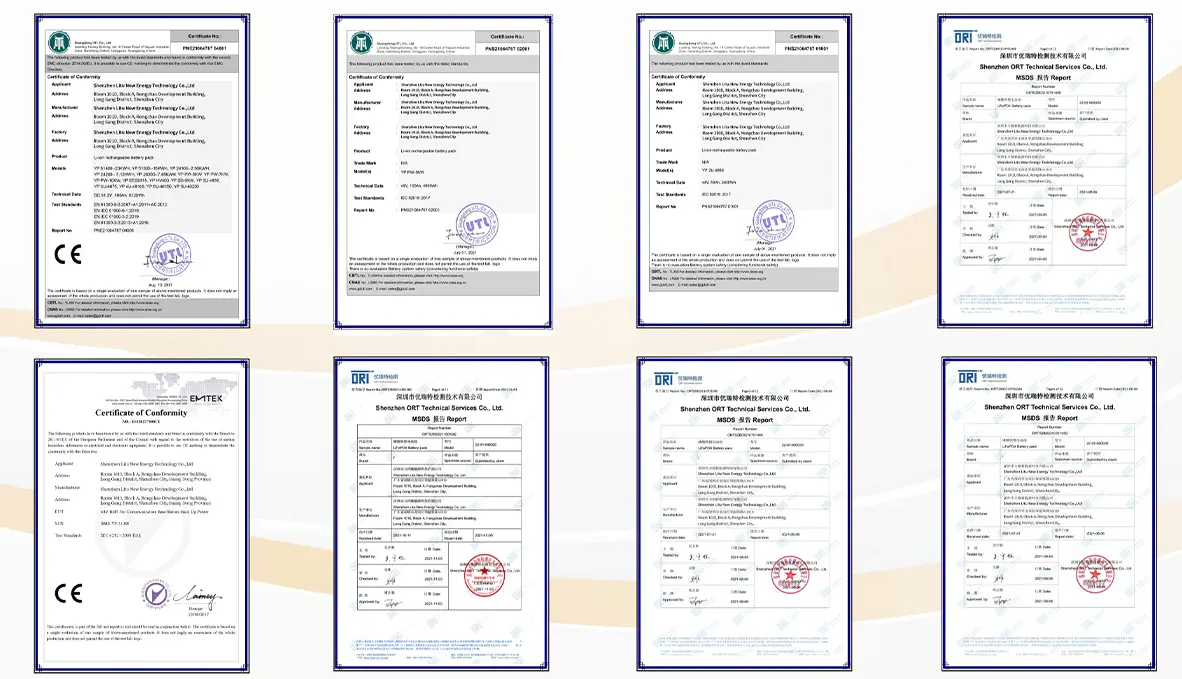
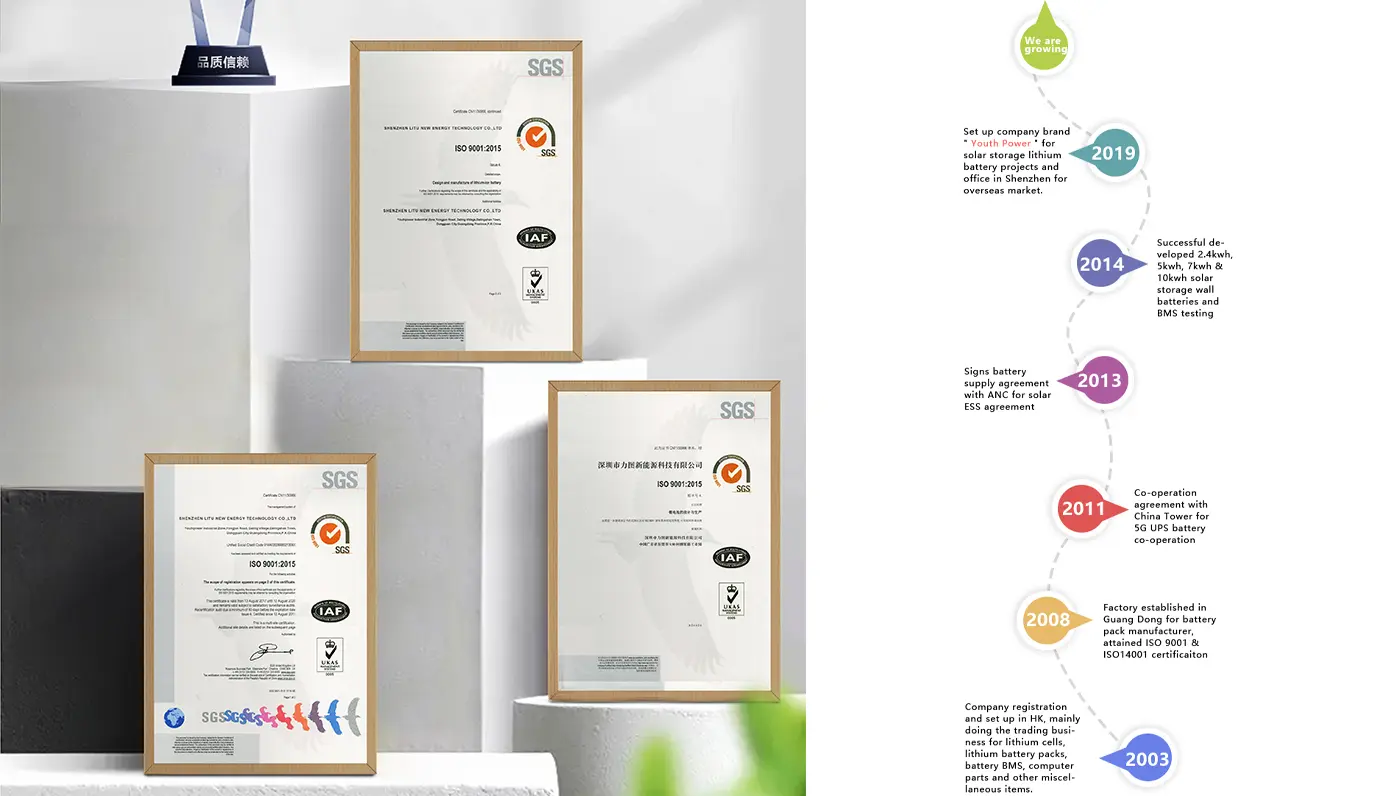
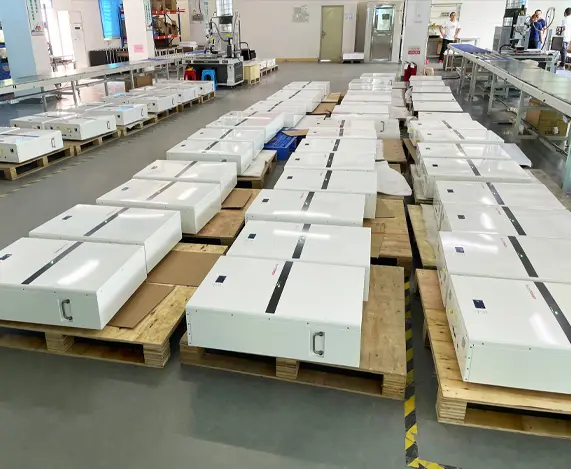
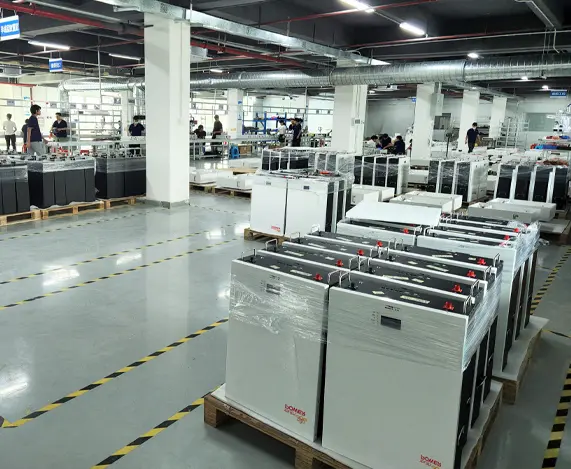
Validating structural safety, thermal management metrics, and grid compatibility parameters for worldwide import.
Sourcing commercial battery backup options requires compliance with safety protocols. UL 9540A testing assesses thermal runaway propagation limits inside high-capacity racks, confirming that cell-level failures will not cascade into larger structures.
Different jurisdictions enforce specific inverter and storage connection codes (e.g., IEEE 1547 in North America, G99 in the UK, CE compliance for the European mainland). Choosing suppliers with integrated hybrid systems that meet these standards helps minimize delays with utility approvals.
Industrial installations require robust service support. Top energy storage companies maintain partnerships with local service organizations to provide 24/7 technical assistance, firmware updates, and spare parts management.
Answers to critical questions asked by commercial procurers, electrical engineers, and project developers.
While "Lipo" (Lithium-Polymer) refers to a broad range of lithium chemistries, typically utilizing cobalt-based cathodes with polymer electrolytes (common in consumer electronics due to high energy density in small packages), LiFePO4 (Lithium Iron Phosphate) is the industry-standard chemistry for commercial, industrial, and residential BESS (Battery Energy Storage Systems). LiFePO4 offers significantly higher thermal stability, chemical safety, and cycle life (often exceeding 6,000 cycles at 80% Depth of Discharge), making it the optimal and safe choice for stationary applications.
Sizing depends on two primary metrics: power requirements (measured in kilowatts, kW) and energy capacity (measured in kilowatt-hours, kWh). A detailed evaluation of 12 months of utility intervals is necessary to analyze peak spikes and runtime requirements during power outages. For peak-shaving applications, sizing focuses on the duration of load peaks. For backup systems, sizing depends on critical loads and the required runtime (e.g., matching the backup needs with modular configurations like 100kwh to 215kwh or larger systems connected in parallel).
To ensure global regulatory compliance and safety, buyers should source from factories that provide certifications such as UL 1973 (for batteries in stationary applications), UL 9540 (for system integration), IEC 62619 (for industrial safety), and UN 38.3 (for transportation safety). These certifications confirm that the battery system has undergone rigorous testing for thermal safety, mechanical stability, and electrical protection.
Complete selection of high-capacity storage racks, cabinet solutions, and portable clean energy systems.
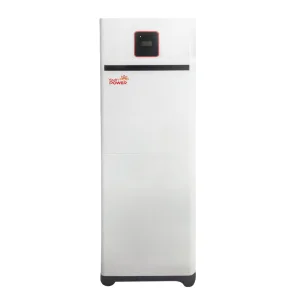
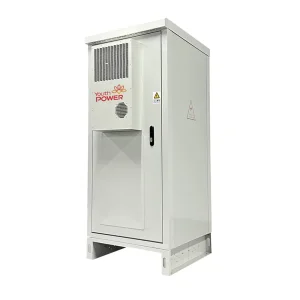
 YouthPOWER