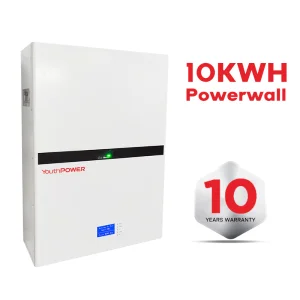
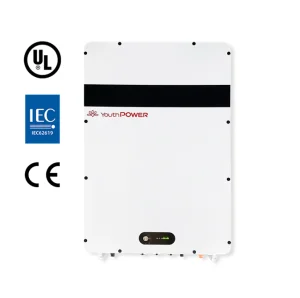
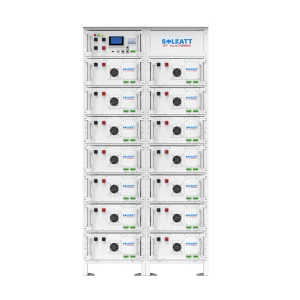
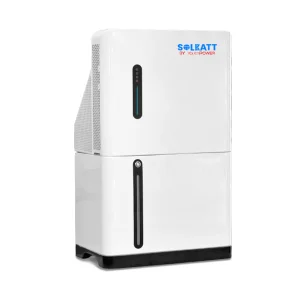
Industrial-grade and residential smart energy solutions designed for scalable backup, commercial microgrids, and off-grid performance.
In the contemporary global clean energy landscape, the 10kW solar system has emerged as the definitive tipping point. It sits precisely at the boundary separating high-demand residential systems from commercial-scale microgrid applications. Across regions such as North America, Europe, Australia, and parts of Sub-Saharan Africa, dynamic economic forces are prompting operators to move away from pure grid-dependence.
A standard 10kW PV array generates approximately 40 to 50 kWh of electricity per day (depending on local solar irradiation levels). This output is highly aligned with the needs of modern green residences, small commercial offices, agricultural water systems, and local telecommunications infrastructure. When integrated with advanced LiFePO4 lithium batteries, these configurations shift from intermittent solar arrays into resilient, dispatchable energy hubs.
Consequently, the demand for 10kW systems is expanding globally. Industries look to minimize peak demand charges, while residential areas seek protection against grid instability. The market has shifted from basic solar arrays to integrated hybrid inverter systems, which optimize charging cycles in real time using local utility rates.
Developing a 10kW solar array requires evaluating several components: solar panels, mounting racking, hybrid smart inverters, and battery storage units. Below is a structured overview of the typical cost allocation for a standard 10kW setup, comparing mid-tier configurations with high-end Tier 1 systems.
| Component / Metric | Standard System (No Storage) | Hybrid LFP Battery Storage System | Premium Smart-Energy System |
|---|---|---|---|
| Price Range (FOB/Wh) | $0.80 – $1.20 per watt | $1.50 – $2.20 per watt | $2.50 – $3.50+ per watt |
| 10kW System Cost (Avg) | $8,000 – $12,000 | $15,000 – $22,000 | $25,000 – $35,000+ |
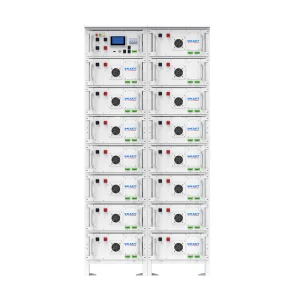
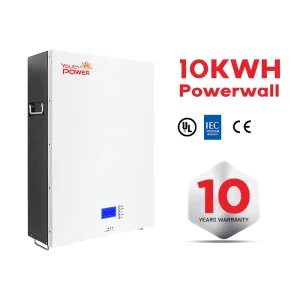
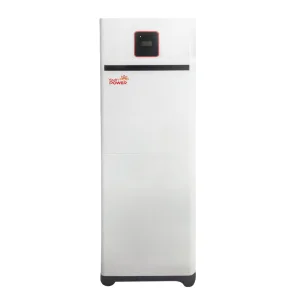
| Battery Storage Tech | N/A | LiFePO4 (10kWh – 20kWh) | High-Voltage LFP (20kWh – 40kWh) |
| Round-Trip Efficiency | 88% - 92% | 95% - 97% | 97.5%+ (with smart EMS) |
| Expected ROI Period | 6 – 8 Years | 4 – 6 Years (Arbitrage-dependent) | 3 – 5 Years (with Peak Shaving) |
In addition to hardware, software integration is defining modern installations. Systems now regularly feature integrated Energy Management Systems (EMS). These systems utilize predictive weather data and machine learning to manage battery discharge rates, optimizing energy use to match utility tariff structures.
Lithium Iron Phosphate (LiFePO4) chemistry offers structural stability and a low risk of thermal runaway, making it a reliable standard for stationary storage installations.
Modern battery designs use high-voltage serial connections to reduce conversion losses, maximizing round-trip efficiency across the system.
IoT-connected systems can communicate directly with utility operators, turning distributed residential storage into Virtual Power Plants (VPP).
Energy needs vary significantly by region. A standard 10kW system is adapted to different regulatory environments, grid characteristics, and geographic demands around the world:
In the United States and Canada, residential systems must meet strict safety standards like UL9540A to mitigate fire risks. Hardware configurations typically require split-phase output (120V/240V). In these markets, 10kW systems are often designed to support high-draw appliances during outages while complying with utility rules for grid interconnection.
European installations generally require three-phase grid integration (230V/400V) to prevent phase imbalances. In countries like Germany and the UK, systems are configured to respond to dynamic hourly energy pricing, charging batteries when utility rates are low and discharging during peak price periods to reduce overall energy costs.
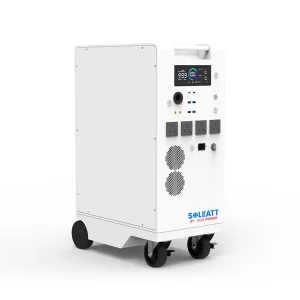
In areas facing grid instability or high fuel costs for diesel backup, 10kW solar systems with battery storage provide a reliable alternative. These systems act as primary power sources during outages, using solar generation during the day and battery storage at night to maintain operation for essential appliances and facilities.
The energy storage industry continues to evolve, driven by advancements in materials science, power electronics, and control software. Here are the key technical developments shaping current and future system designs:
Modern LiFePO4 cells are achieving higher volumetric energy densities, with research into solid-state electrolytes pointing toward future gains in safety and cycle life.
The use of Silicon Carbide (SiC) and Gallium Nitride (GaN) components in hybrid inverters helps reduce thermal losses and improve overall conversion efficiency.
Software integrations utilize local tariff schedules and weather forecasting to manage battery operation, maximizing solar self-consumption.
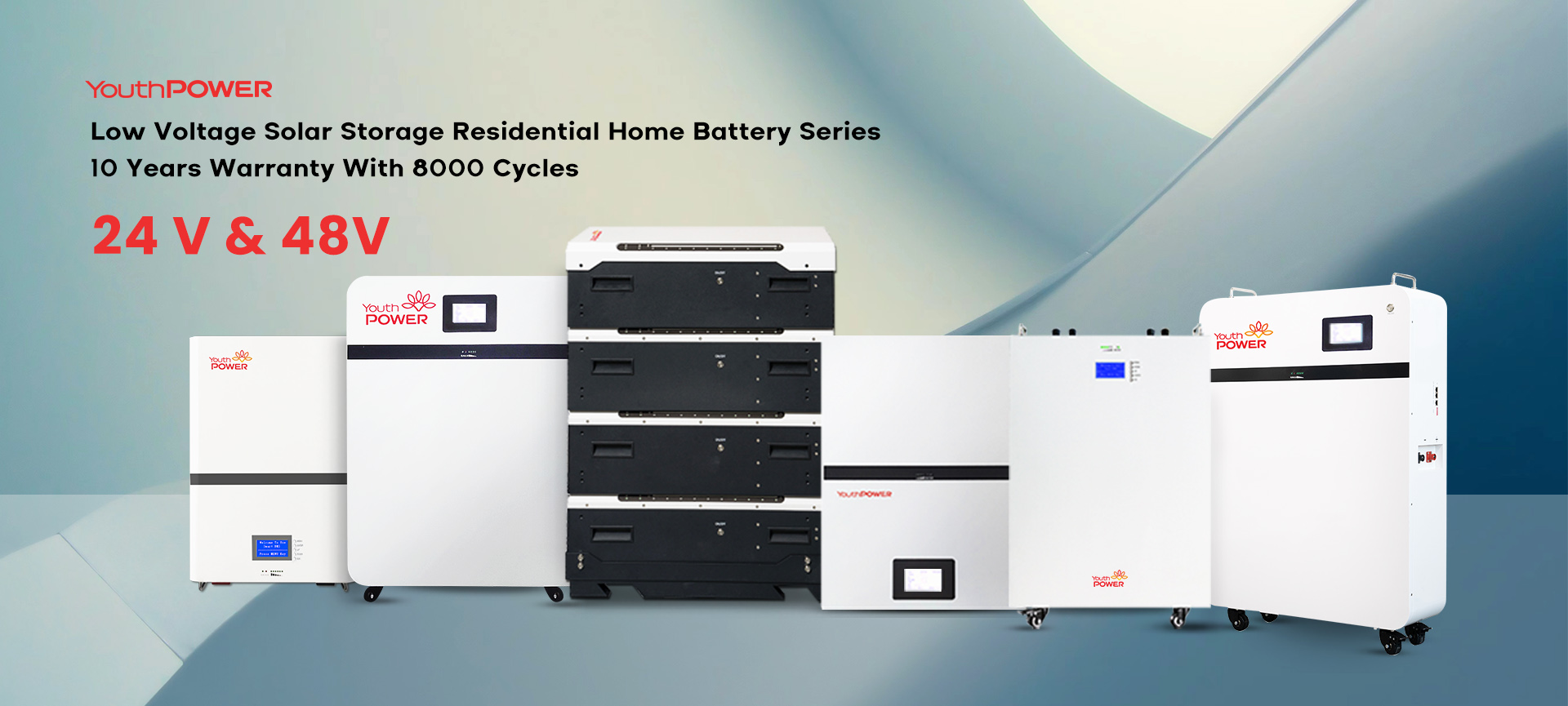
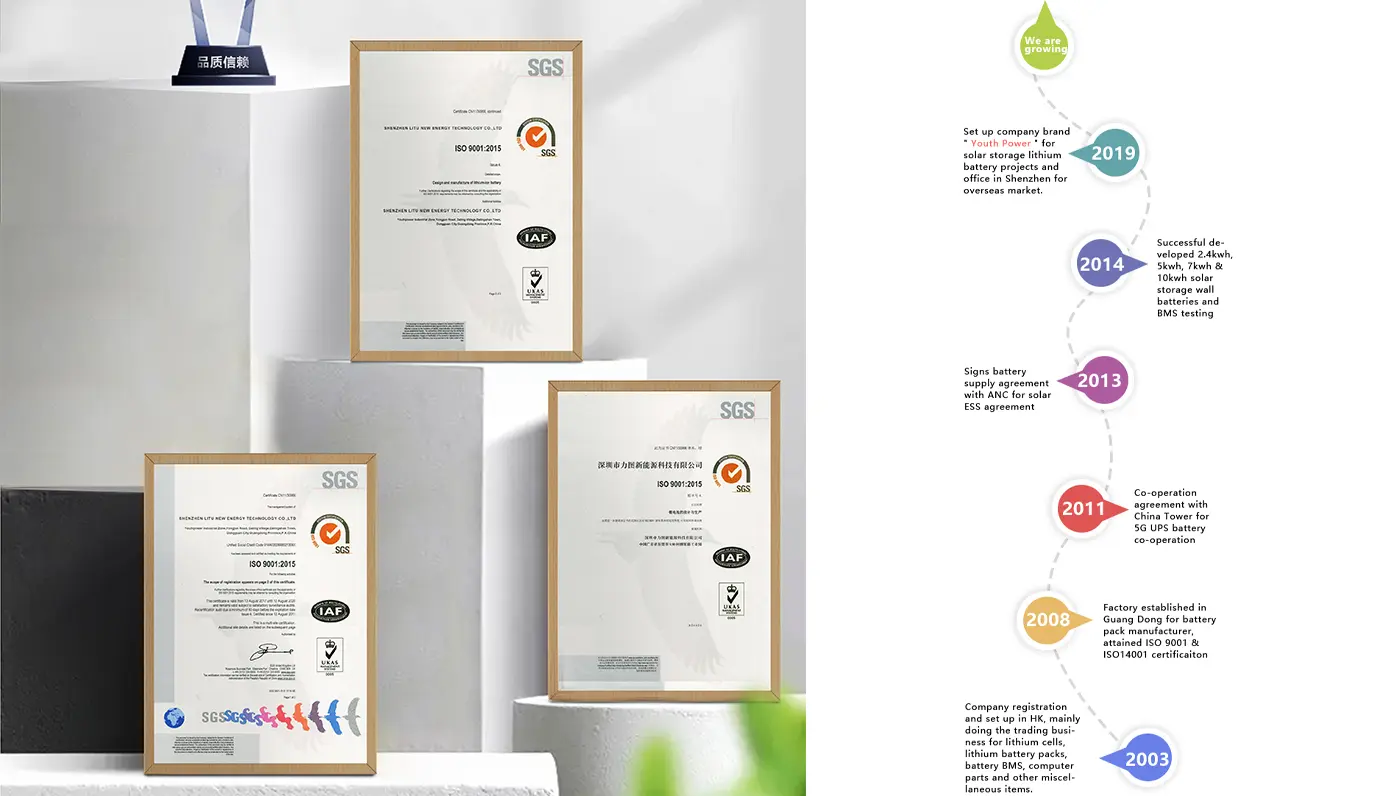
Founded in 2003, YouthPOWER has grown to become one of the leading global suppliers of solar storage lithium batteries. Our energy storage solutions span 24V, 48V, and high-voltage lithium battery systems designed to integrate with residential and commercial solar installations.
With nearly 20 years of experience in battery technology and manufacturing, YouthPOWER leverages strong R&D capabilities and production experience to deliver high-quality storage products. In 2019, we introduced our proprietary brand "YouthPOWER" to the international market, focusing on high-performance energy storage solutions.
Supported by established relationships with regional raw material suppliers, we are positioned to offer competitive pricing and reliable quality. We are proud that YouthPOWER solutions are now installed in over 1,000,000 homes and businesses worldwide, providing reliable backup and energy independence.

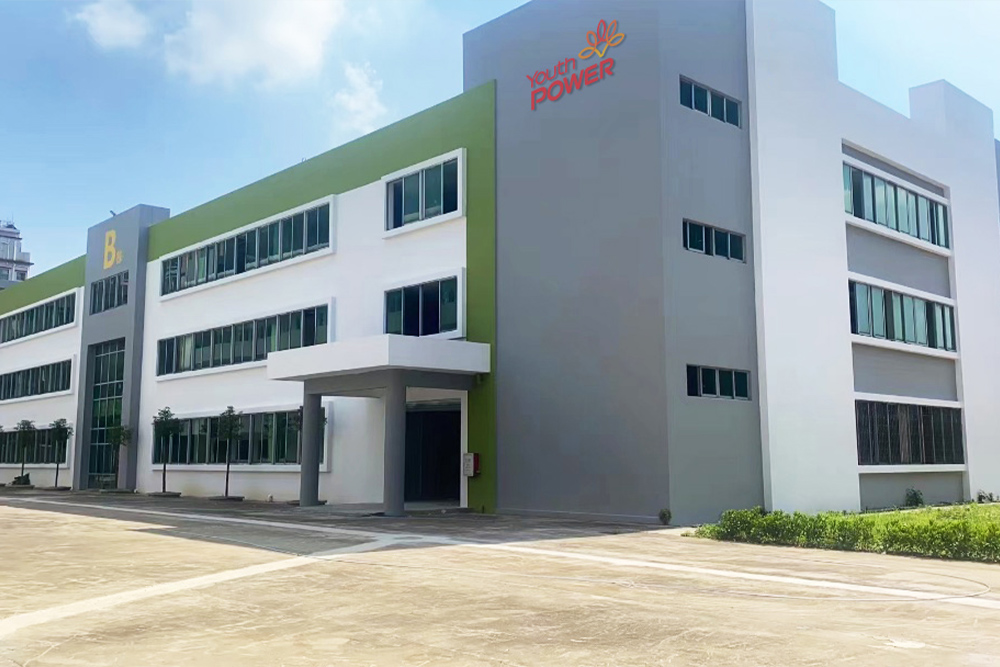
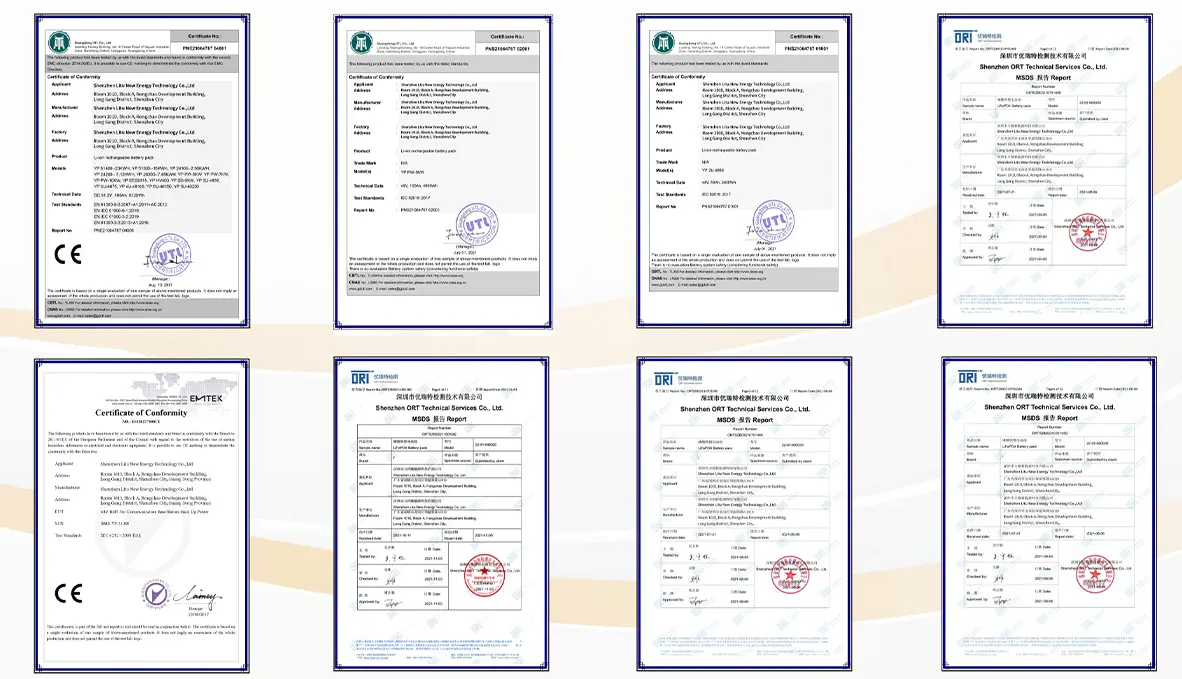
YouthPOWER operations are built around strict quality control standards. Every battery unit undergoes safety testing, including thermal monitoring, charge-discharge cycle verification, and structural evaluations. This focus on engineering quality ensures our batteries provide reliable service over their operating lifespan.
By using A-grade lithium iron phosphate cells and advanced Battery Management Systems (BMS), our storage products offer long cycle lives and consistent performance in demanding environmental conditions.
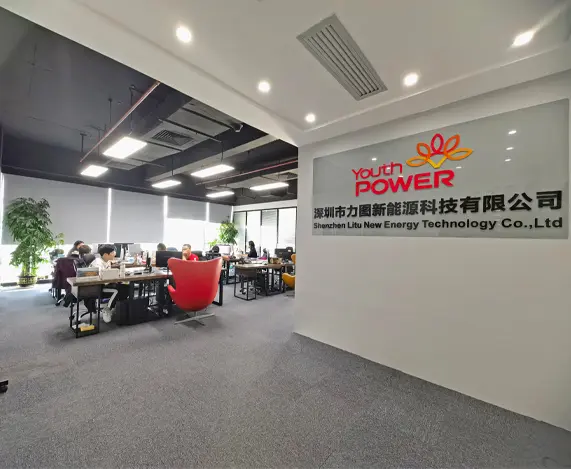
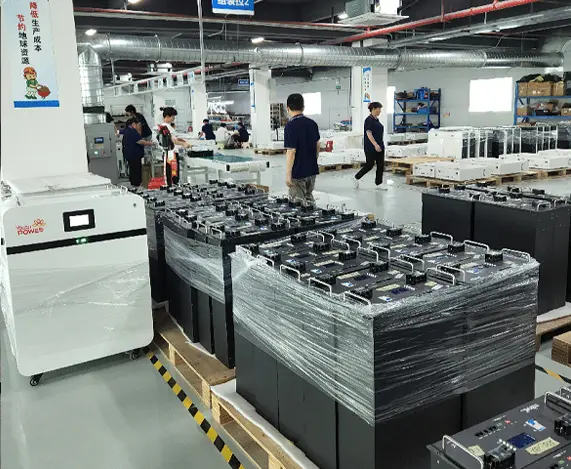
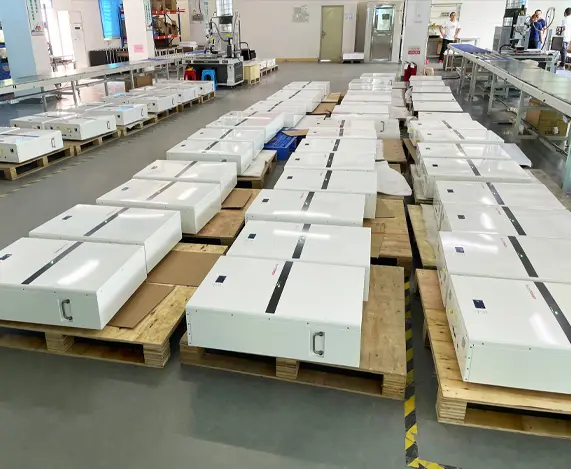
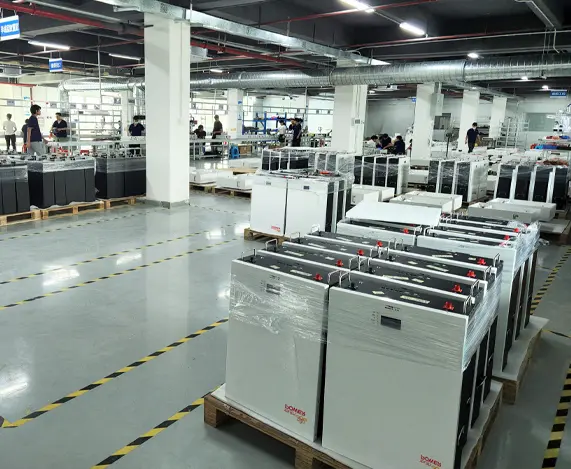
A history of engineering milestones and growth in solar storage development.
Technical answers to common questions about 10kW solar system sizing, batteries, pricing, and installation.
Explore our high-voltage and scalable modular energy storage options for larger commercial operations and off-grid utility systems.
 YouthPOWER