Select high-performance residential, commercial, and industrial battery packs configured for long-term ROI and optimized compatibility.
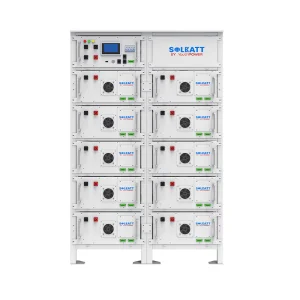
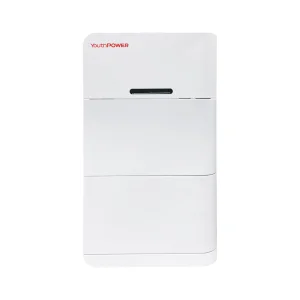
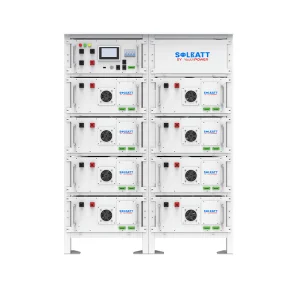
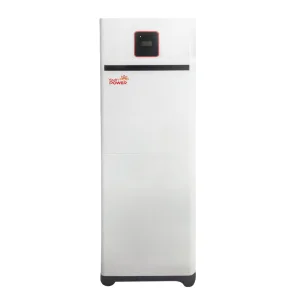
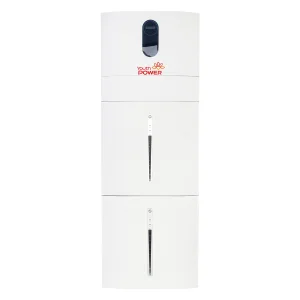
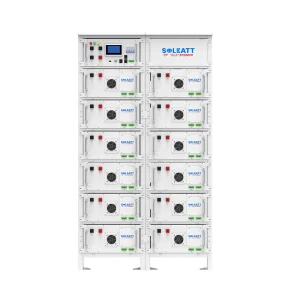
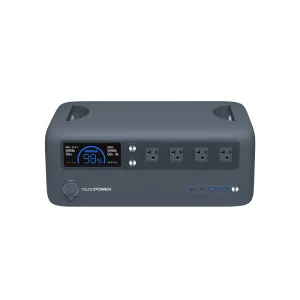
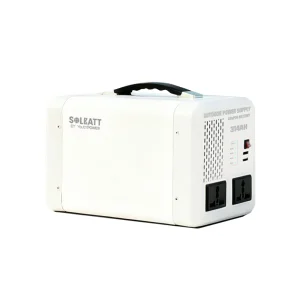
As the global transition to renewable energy accelerates, the 15kWh lithium battery storage capacity has emerged as the definitive sweet spot for mid-to-large scale residential installations and light commercial operations. It represents a capacity capable of running standard household loads, heating and cooling units, or critical server equipment through extended power grid failures without forcing massive structural system upgrades.
When engineering residential microgrids or commercial power architectures, evaluating factories based strictly on cell grade, active BMS reliability, and price per kilowatt-hour ($/kWh) is critical. In this comprehensive whitepaper, we dissect the manufacturing ecosystems, pricing structures, and engineering variables that separate premium tier 15kWh energy storage systems from substandard units.
"A standard 15kWh battery pack utilising advanced Lithium Iron Phosphate (LiFePO4) chemistry ensures over 6000 charge cycles, providing decades of continuous grid support when matched with a robust thermal management design."
By leveraging advanced LFP prismatic cells, leading manufacturing entities can now offer modular 15kWh solutions that drastically lower the Levelized Cost of Storage (LCOS). As solar energy profiles shift toward self-consumption, these batteries represent the front-line asset in power arbitration.
Analyzing the structural advantages that allow Chinese gigafactories to deliver unmatched cost efficiency, scale, and technical refinement.
Chinese battery factories benefit from unparalleled vertical integration. From lithium refining to cathode precursor synthesis and advanced mechanical case design, all key elements of the supply chain reside in industrial clusters such as Guangdong and Jiangsu. This keeps logistics costs exceptionally low and insulates global buyers from sudden supply shocks in key minerals.
Furthermore, local direct relationships with tier-1 prismatic cell makers (like EVE, CATL, and BYD) ensure that manufacturing platforms receive prioritized allocations of grade-A cells. These cells feature ultra-low internal resistance, uniform chemistry composition, and precise thermal properties, which directly translate to less capacity degradation over long-term operations.
Because these facilities scale across both domestic demand and multi-gigawatt export pipelines, overhead costs are heavily distributed. Automation inside modern Chinese assembly lines guarantees repeatable welding, torque accuracy, and BMS programming calibration. This reduces failure rates significantly compared to smaller, decentralized assembly operations in other parts of the world.
Buyers looking for the best price-to-performance ratio consistently find that Chinese factories can supply systems that incorporate comprehensive protection layers, active cell-balancing, and direct inverter communication protocols at a fraction of the cost of localized Western assembly lines.
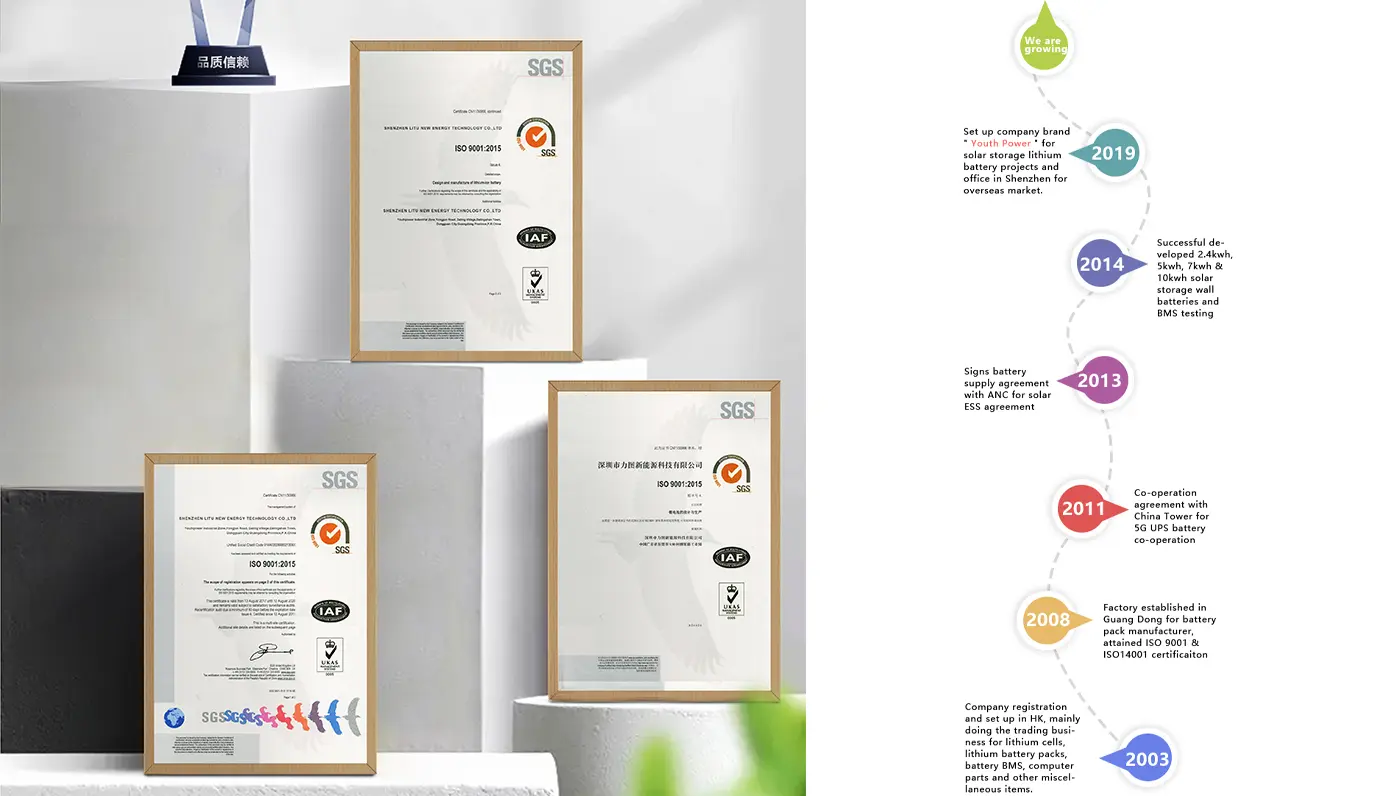
Tracing the evolutionary pathway of YouthPOWER, a pioneer in the global solar storage lithium battery sector.
Founded in 2003, YouthPOWER has now become one of the leading suppliers of solar storage lithium batteries in the world. With a broad range of energy storage solutions, it covers a series of 24V, 48V and higher voltage lithium batteries solutions.
YouthPOWER has engaged in the battery technology and production for almost 20 years, with abundant manufacturing experience and strong new product R & D capability. Through many years of hard work and market promotion, we have created our own brand "YouthPOWER" in 2019.
With nearly 20 years’ experience in the battery industry, we have the capability to provide you with both the products you need and the most suitable products you want. We are always ready to supply the first-class products and meet the various needs of the customers.
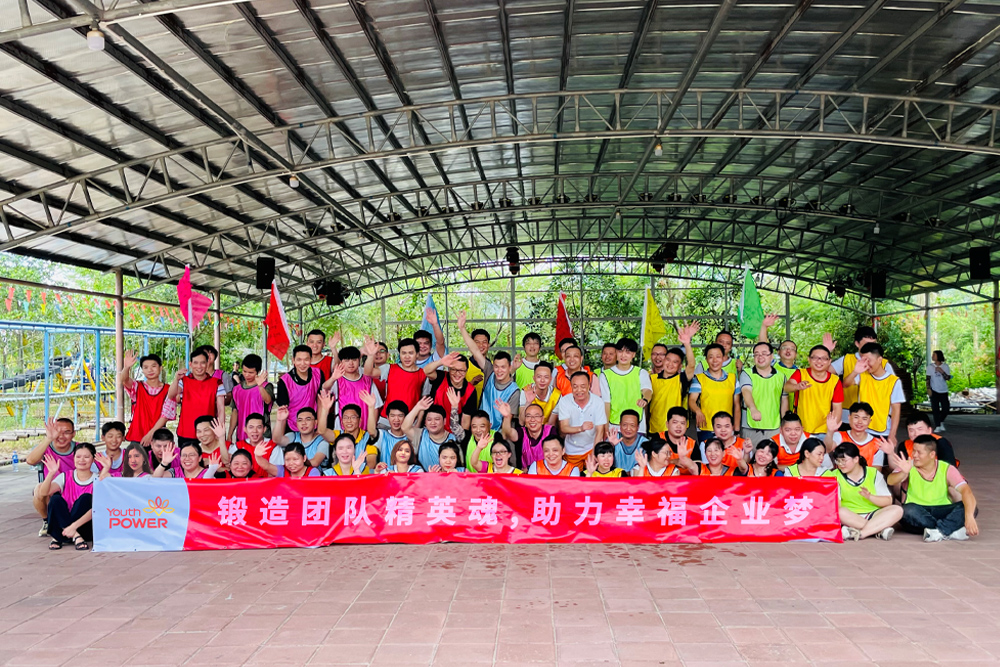
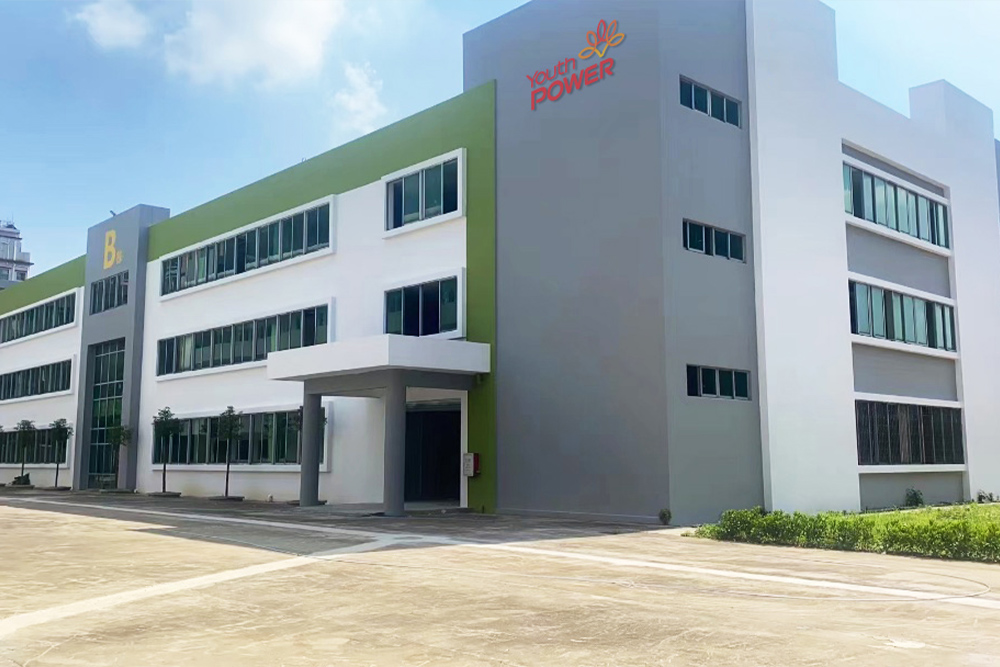
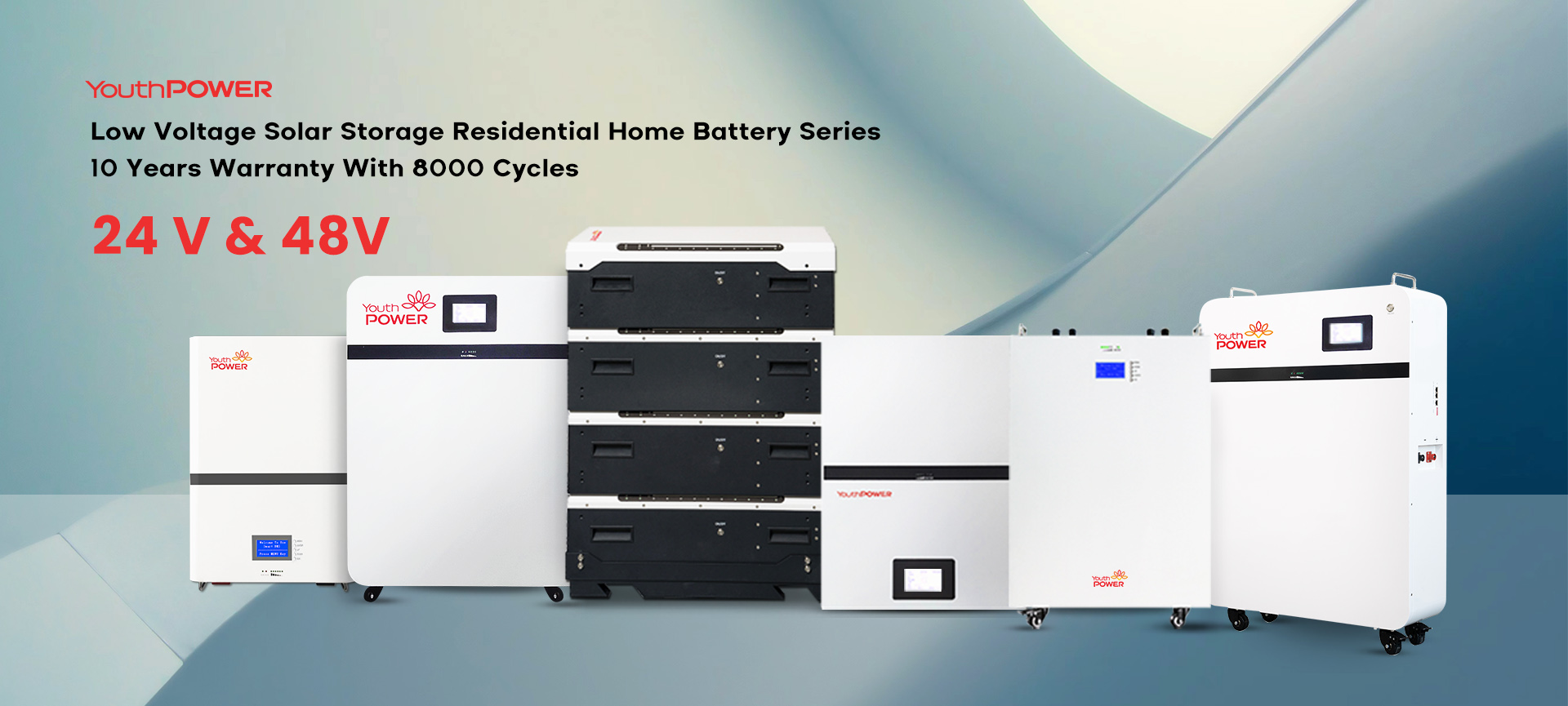
We have established good business relationships with our customers from all over the world. And we have a good cooperation with all our customers as well for many years running. Supported by our local vendors of raw materials, we can certainly offer you the best prices.
We are so proud that YouthPOWER has offered the reliable solar storage solution for over 1,000,000 families now in the world.
A deep dive into chemistry configuration, BMS protocols, and performance metrics defining standard-setting 15kWh setups.
A reliable 15kWh energy storage unit is rarely built as a single monolithic block. Instead, it typically features a low-voltage 51.2V configuration (using 16 prismatic LFP cells in series with a capacity of 300Ah to 314Ah) or a high-voltage stacked format (where multiple smaller voltage blocks are arrayed to drive system efficiencies and lower line losses across long runs to hybrid inverters).
| Technical Parameter | Standard Low-Voltage Config | Premium High-Voltage Stacked |
|---|---|---|
| Nominal Capacity | 15.36 kWh (51.2V @ 300Ah) | 15.36 kWh (307.2V @ 50Ah) |
| Battery Chemistry | LiFePO4 (Lithium Iron Phosphate) | LiFePO4 (Lithium Iron Phosphate) |
| Round Trip Efficiency | ≥ 95% | ≥ 97% |
| Inverter Communications | CAN, RS485, Modbus | Direct High-speed CAN Bus |
| Thermal Protection | Passive heatsinks + Active fan cooling | Advanced thermal barriers + Intelligent fans |
| Standard Cycle Life | 6,000 cycles at 80% DoD, 0.5C rate | 6,500 cycles at 80% DoD, 1C rate |
The core controller of this setup is the Battery Management System (BMS). A standard consumer-grade BMS only prevents direct overcharges and short circuits. High-end industrial-grade BMS frameworks incorporate thermal sensor arrays, state-of-charge (SoC) estimation algorithms, and active cell balancing. Active balancing redistributes charge dynamically between cells during operation, preventing premature pack failure and ensuring the maximum usable capacity is sustained over the system's lifetime.
Meeting safety and localized regulatory certifications to ensure frictionless installation and utility grid interconnection.
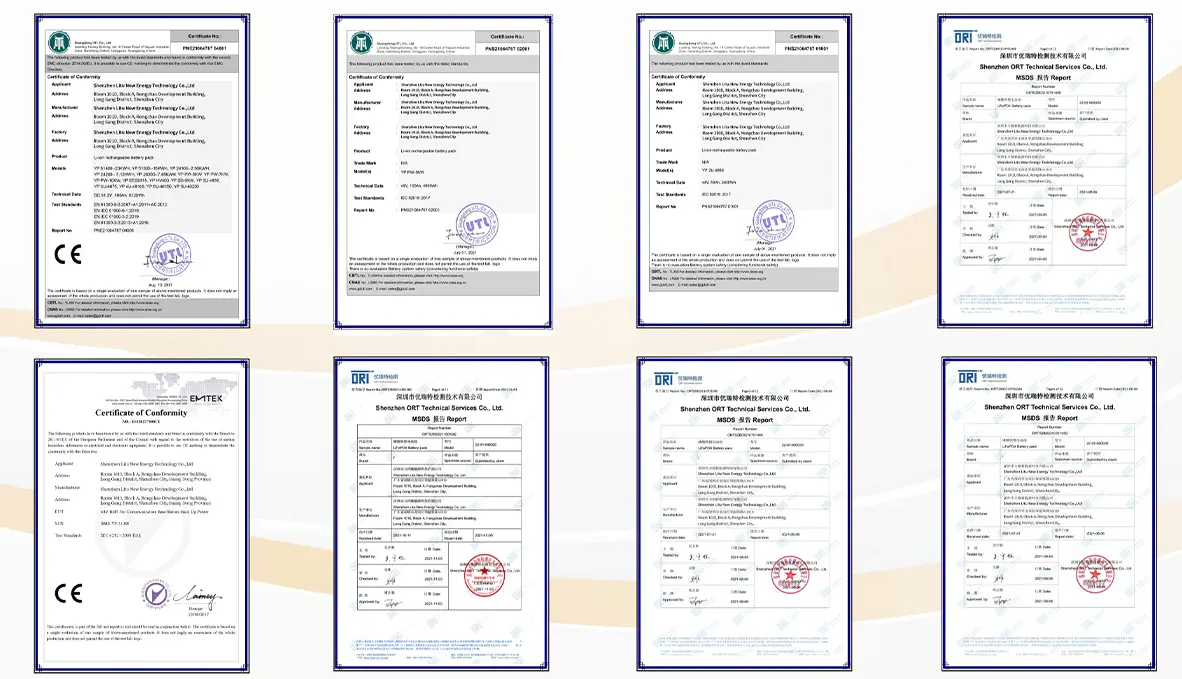
For grid-tied installations globally, structural safety compliance is non-negotiable. Sourcing batteries without global certificates frequently leads to rejected utility interconnection applications, voided property insurance policies, or system failures. Enterprise buyers should mandate compliance with the following standards:
A battery factory is only as reliable as its field engineering support. Leading developers establish regional partnerships, providing localized technical diagnostics, spare parts depots, and training programs for installation crews.
When factory teams provide firmware updates remotely over local Wi-Fi or cellular connections, field engineers can resolve inverter handshaking anomalies quickly, minimizing downtime and maintaining high system availability.
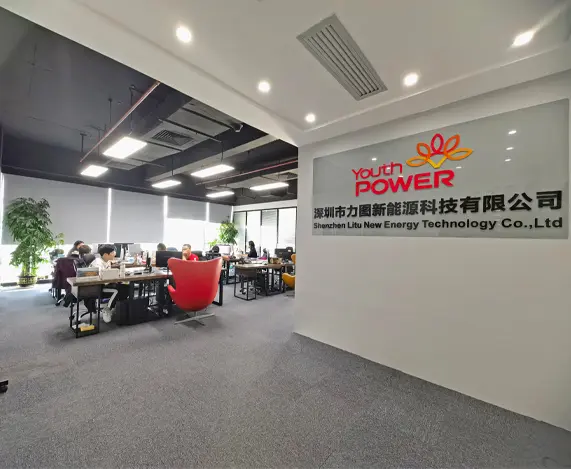
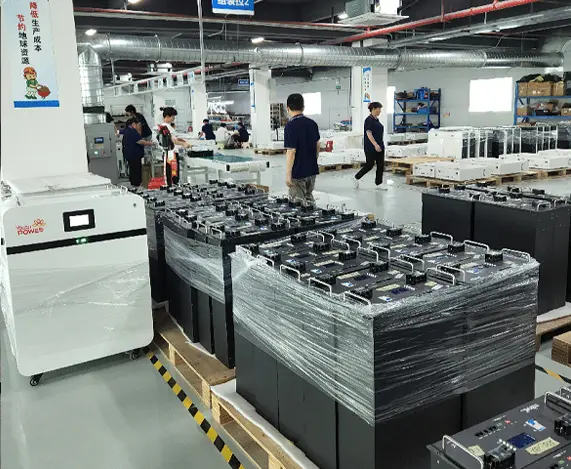
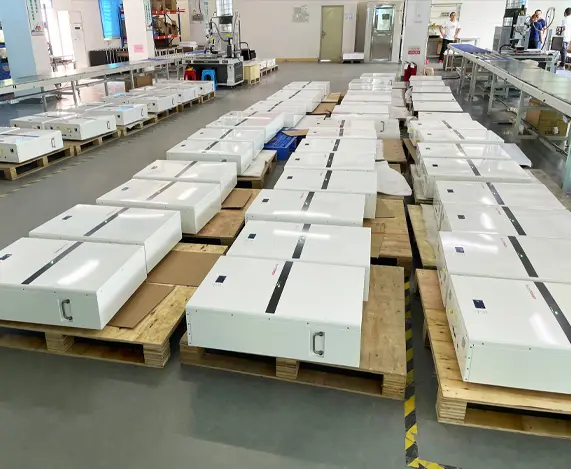
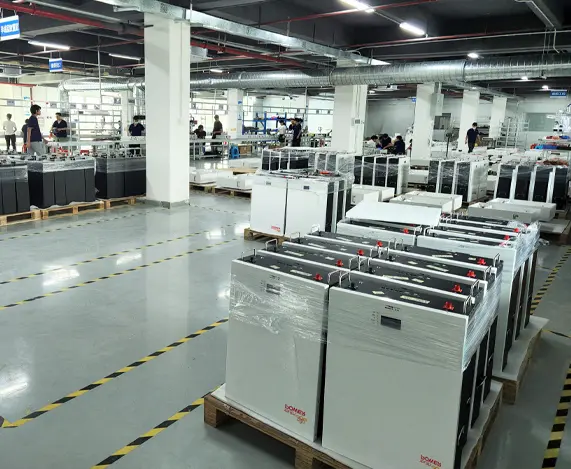
For commercial developers and solar engineering firms, sourcing 15kWh batteries at scale requires balancing unit pricing with import duties, shipping logistics, and compliance overheads. Factory-direct negotiations yield the lowest unit cost, but require high volume commitments and detailed logistical planning.
Sourcing directly from Tier 1 Chinese manufacturers yields substantial advantages in custom design engineering (ODM), enabling you to tailor enclosure colors, brand logos, communication protocols, and stackable dimensions to local market preferences.
“When evaluating factory quotes, request full documentation of raw materials. Insist on verification of the cell manufacturer, BMS chip generation, and certifications from testing laboratories like TÜV Rheinland or Intertek.”
Before issuing purchase orders, a structured factory audit process is essential:
A visual retrospective of the developmental path, innovation milestones, and growth achieved over the years.
A forward-looking analysis of technology shifts that will dictate product lifetimes and cost-efficiency over the coming years.
The global battery industry is rapidly shifting from standard 280Ah cells toward next-generation 314Ah cells within the same physical dimensions. This allows manufacturers to offer 15kWh and 16kWh capacities in smaller, lighter enclosures. This density increase simplifies installation and lowers shipping costs per kilowatt-hour.
Additionally, advanced chemical formulations reduce cell swelling over thousands of charge cycles, extending mechanical structural integrity and overall battery system lifespans.
Modern battery management systems are evolving from simple circuit protection boards into predictive controllers. Using cloud-linked analytics, modern systems monitor cell state-of-health (SoH) and temperature anomalies to optimize charging cycles. This remote oversight enables predictive maintenance alerts before cells can fail.
These smart systems also integrate with local electricity pricing schedules, allowing automated charging during low-tariff off-peak hours and discharging during peak rates to maximize savings.
How homes and small enterprises apply 15kWh batteries to secure energy independence and reduce operational costs.
For homes with solar arrays, a 15kWh battery pack acts as an independent energy hub. It stores excess solar power generated during the day to run the home overnight, minimizing reliance on the utility grid. In regions with unstable power grids or frequent extreme weather events, this capacity keeps essential appliances running during outages, maintaining comfort and security.
Small offices, retail spaces, and workshops face high peak demand charges from utility companies. By discharging a 15kWh battery during peak periods, businesses can lower their maximum demand profile. This operational shift, known as peak shaving, reduces monthly energy bills while relieving stress on the local grid infrastructure.
Answers to key technical and commercial questions to help guide your purchasing decisions.
Factory-direct pricing for a certified 15kWh LiFePO4 battery pack generally ranges from $2,500 to $4,500, depending on cell selection (Grade-A vs Grade-B), production volume, and built-in BMS features. Import duties, shipping costs, and localized certification compliance fees will affect final landed costs.
A 15kWh battery can support a standard home drawing an average load of 1.5kW for approximately 10 hours. Under conservation settings (running only refrigeration, lighting, and basic electronics), it can extend power supply for up to 24 hours or longer.
LiFePO4 (LFP) offers superior thermal stability, safety, and cycle life compared to NMC. LFP batteries typically deliver over 6,000 charge cycles, whereas NMC variants usually fade after 2,000 cycles. Additionally, LFP is free from cobalt, reducing environmental impact and sourcing concerns.
Request direct test reports with matching product names, cell configurations, and factory IDs. These details can be cross-referenced through online databases maintained by certification bodies like TÜV, UL, or Intertek to ensure validity.
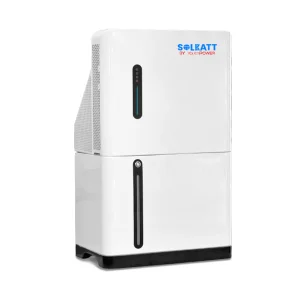
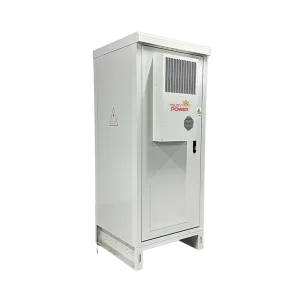
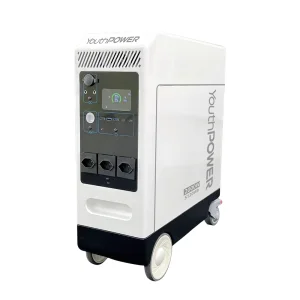
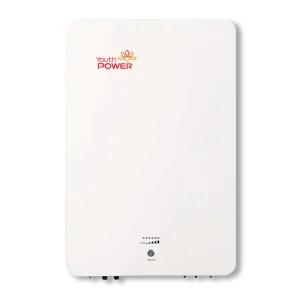
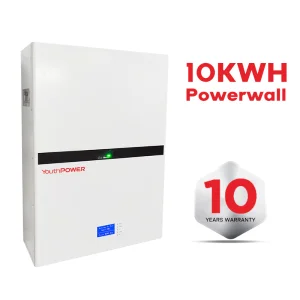
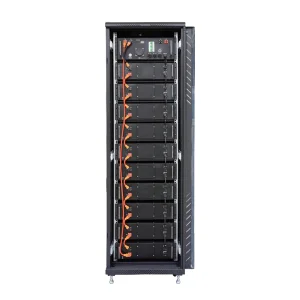
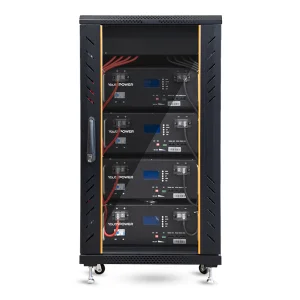
Compare high-voltage cabinets, portable backup designs, and wall-mounted battery systems engineered for commercial and residential integration.
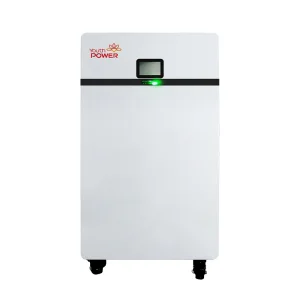
 YouthPOWER