Explore our primary range of commercial, industrial, and residential deep cycle lithium energy storage systems engineered for optimal levelized cost of storage (LCOS).
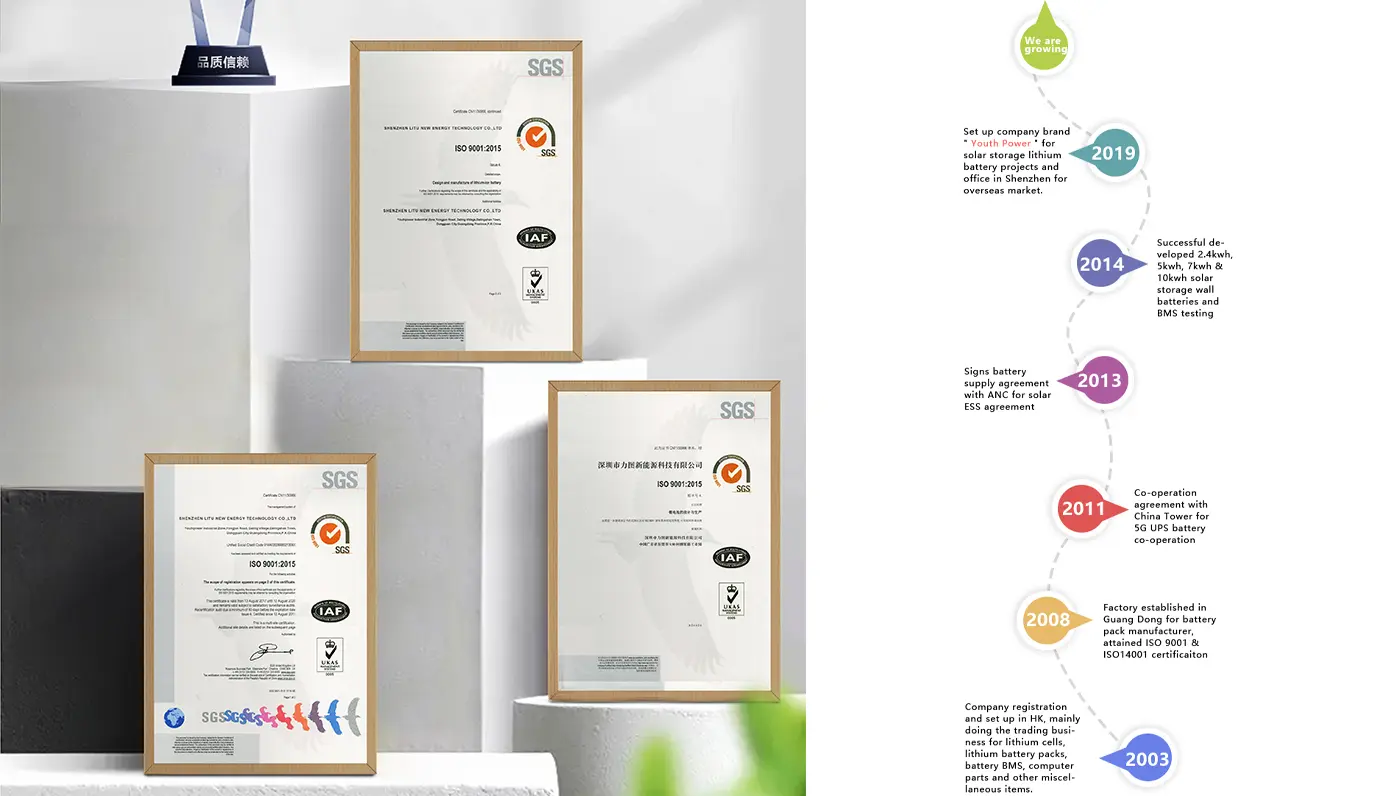
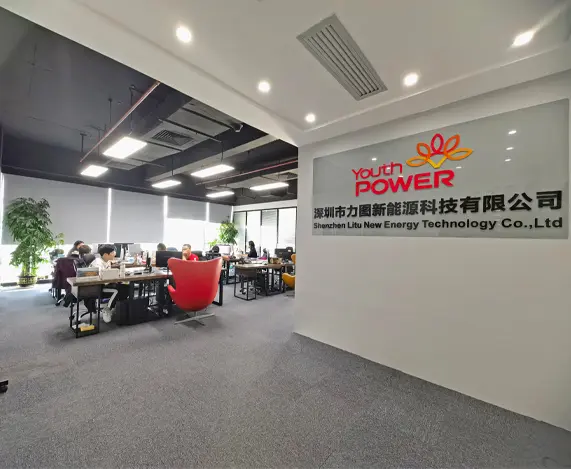
Founded in 2003, YouthPOWER has evolved into one of the world's premier manufacturers and suppliers of deep-cycle solar storage lithium batteries. With nearly two decades of research and production expertise, we design, engineer, and manufacture advanced low-voltage and high-voltage energy storage systems (ESS).
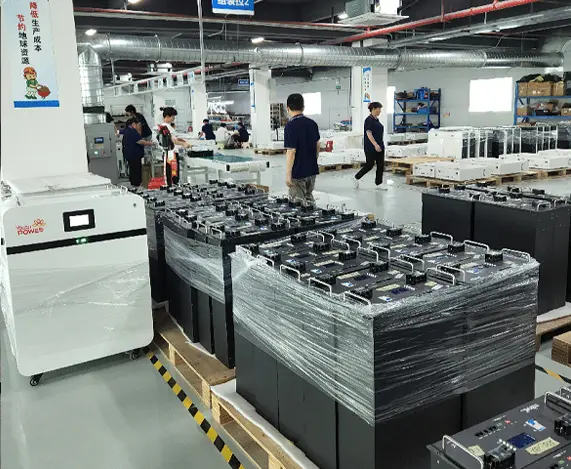
Our commitment to rigorous safety, thermal stability, and maximum energy density has allowed us to deliver tier-1 solutions across various form factors. Supported by key local raw material vendors, we control the entire vertical manufacturing process. This direct supply chain mechanism ensures our customers enjoy the most competitive tier-1 market prices without sacrificing quality.
By 2019, after years of intensive R&D and global market development, we consolidated our engineering innovations under the proprietary brand "YouthPOWER". Today, we are proud to supply reliable solar storage solutions to over 1,000,000 families worldwide.

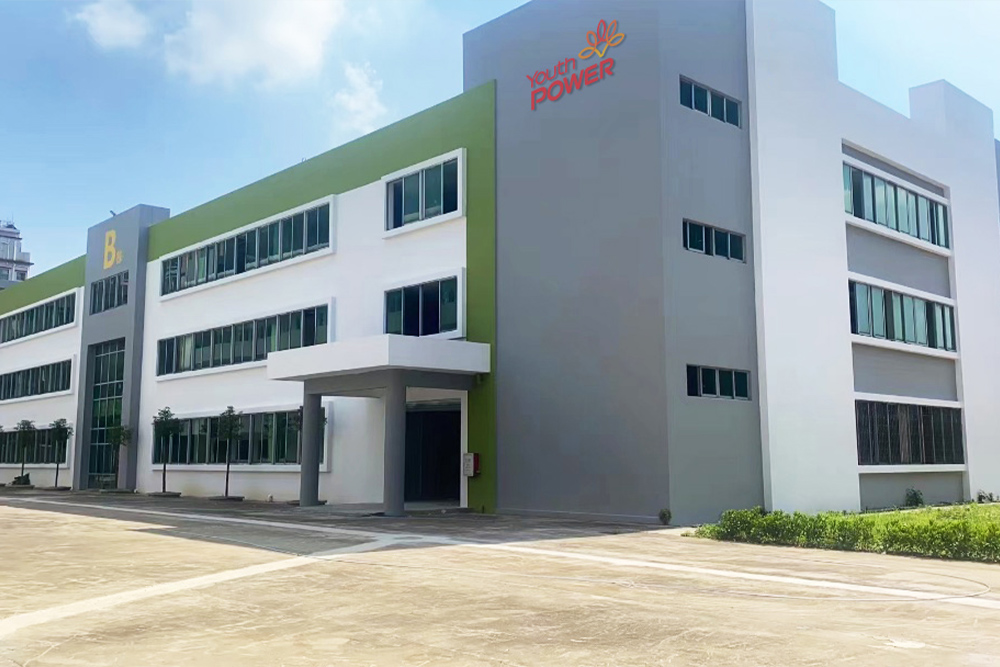
By producing our own structural casing, configuring proprietary Battery Management Systems (BMS), and sourcing high-grade A-class LiFePO4 cells, YouthPOWER maintains an unparalleled pricing advantage. Our vertical integration enables strict quality control standards, ensuring every batch meets international safety requirements.
Our collaborative ecosystems span North America, Europe, Africa, and Asia, offering local logistics coordination, wholesale pricing programs, and custom OEM/ODM solutions to global partners.
Modern power grids require resilient, scalable energy infrastructure. Lithium Iron Phosphate (LiFePO4) deep-cycle technology stands as the cornerstone of clean energy transition strategies globally.
Deep cycle batteries assist power utilities in balancing load demand. By charging during off-peak hours and discharging during peak operational cycles, these commercial systems reduce utility stress, stabilize grid frequency, and lower overall operational expenses.
Remote communities, islands, and industrial zones rely on microgrids integrated with solar arrays and high-capacity battery banks. High-voltage energy storage systems ensure uninterrupted power supply, insulating local networks from mainline grid disruptions.
Enterprises worldwide utilize battery backup configurations to meet ESG (Environmental, Social, and Governance) targets. Large scale energy cabinets storing clean energy drastically reduce Scope 1 and Scope 2 emissions profiles.
Industrial facilities, data centers, and manufacturing plants require rugged, heavy-duty electrical energy storage systems capable of high discharge rates and persistent cycle lives.
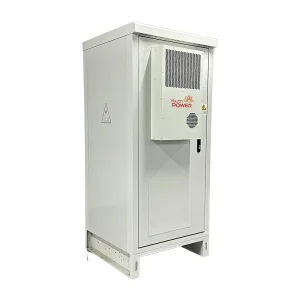
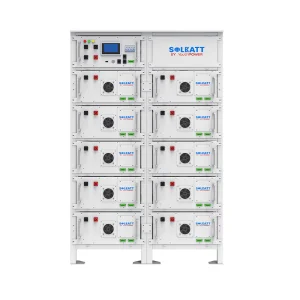
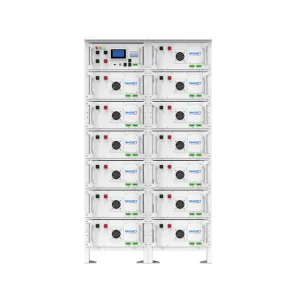
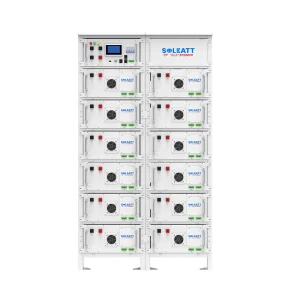
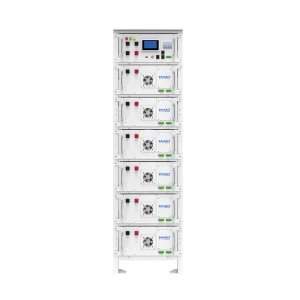
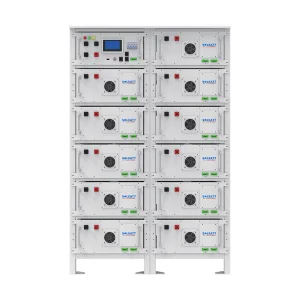
For applications demanding hundreds of kilowatt-hours (kWh) of continuous power, high-voltage battery cabinets represent the optimal architectural choice. These cabinets, such as the 143KWH and 186KWH configurations, reduce I2R transmission losses and lower system currents, allowing for thinner wiring, reduced heat output, and improved efficiency.
Equipped with intelligent, multi-layered BMS controls, these modules supervise cell temperatures, state of charge (SoC), and balance performance in real-time, preventing thermal runway occurrences.
Traditional Lead-Acid technology requires low initial capital outlay but suffers from short life spans (300-500 cycles at 50% DoD) and low energy density. Conversely, LiFePO4 cells sustain over 6,000 deep discharge cycles at 80% DoD, rendering them the far more economical option over the battery lifespan when comparing Levelized Cost of Storage (LCOS).
Raw materials represent the largest share of deep cycle battery costs. Crucial variables include lithium carbonate spot prices, cell grading (Grade A vs. Grade B), structural shell manufacturing, integrated inverter compatibility, and BMS complexity. Direct-to-factory partnerships skip dealer markups, offering substantial cost-savings.
The industry is transitioning toward solid-state electrolytes to further mitigate fire risks and amplify gravimetric energy densities. Cloud-connected BMS technologies utilize artificial intelligence to run predictive health models, prolonging active operational lifespans by up to 25%.
When comparing deep cycle battery prices, the critical metric is price per kilowatt-hour ($/kWh) over the lifespan. While a budget lead-acid setup may cost under $150/kWh, it must be replaced multiple times. A high-quality LiFePO4 battery cabinet, although higher in initial price, delivers a drastically lower operational cost per cycle, achieving a rapid return on investment (ROI) within 3 to 5 years.
Different application scales require distinct designs, form factors, and safety considerations. Explore how our products integrate into various scenarios.
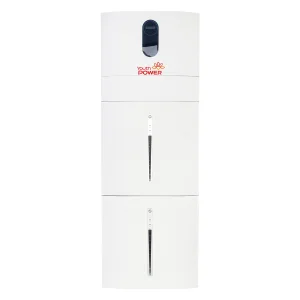
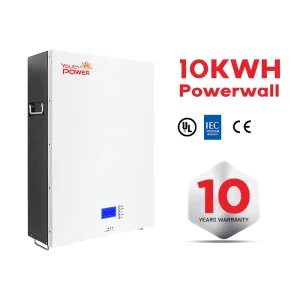
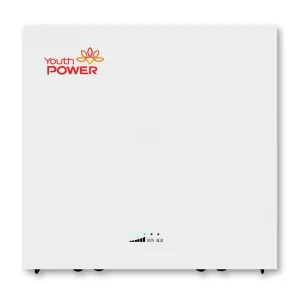
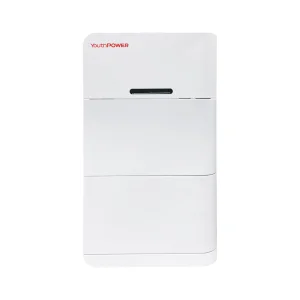
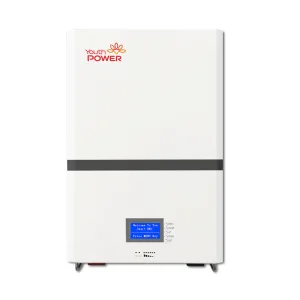
Compact, wall-mounted batteries (like 5kWh/10kWh home systems) provide clean aesthetic integration for residential properties, backup power during storms, and daily solar self-consumption optimization.
Designed for urban apartments, balcony energy storage systems (ESS) allow high-rise residents to harness solar energy and store power directly, reducing high electricity bills with minimal installation space.
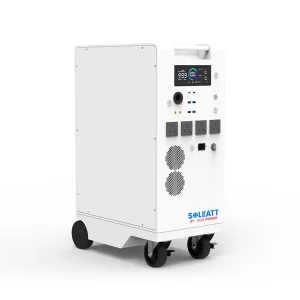
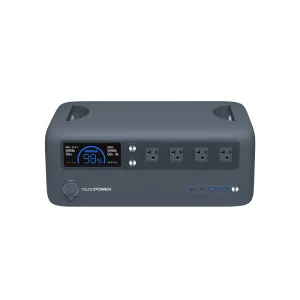
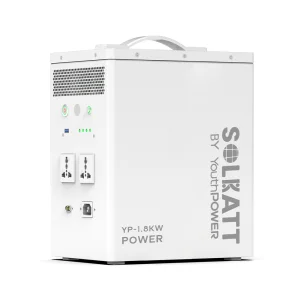
Plug-and-play generators and portable stations provide immediate electricity for medical machinery, off-grid job sites, field activities, and mobile telecommunication gear during grid breakdowns.
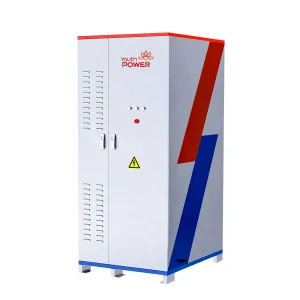
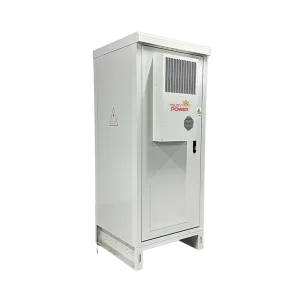
100kWh to 215kWh heavy duty outdoor cabinets power corporate facilities, hospitals, agricultural pumps, and supermarkets, preventing downtime during prolonged power outages.
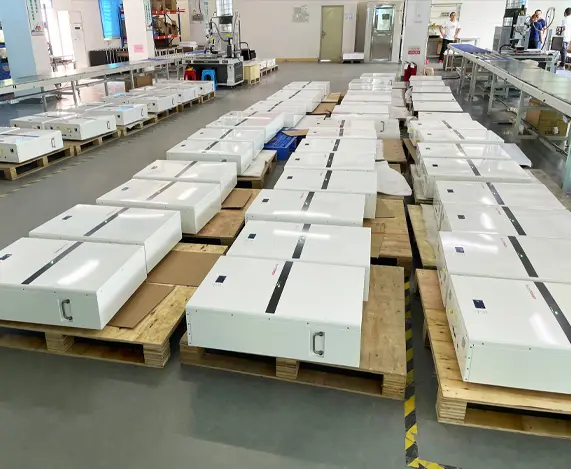
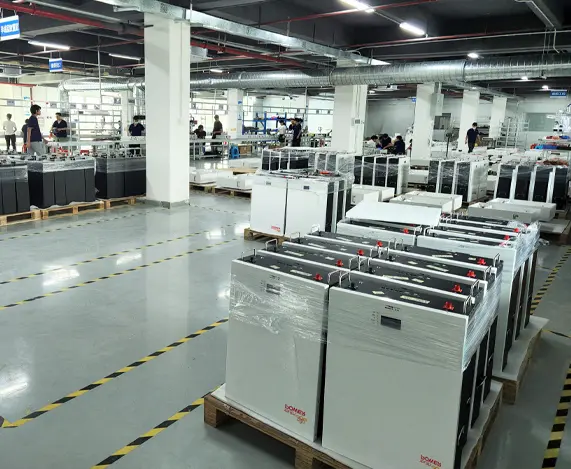
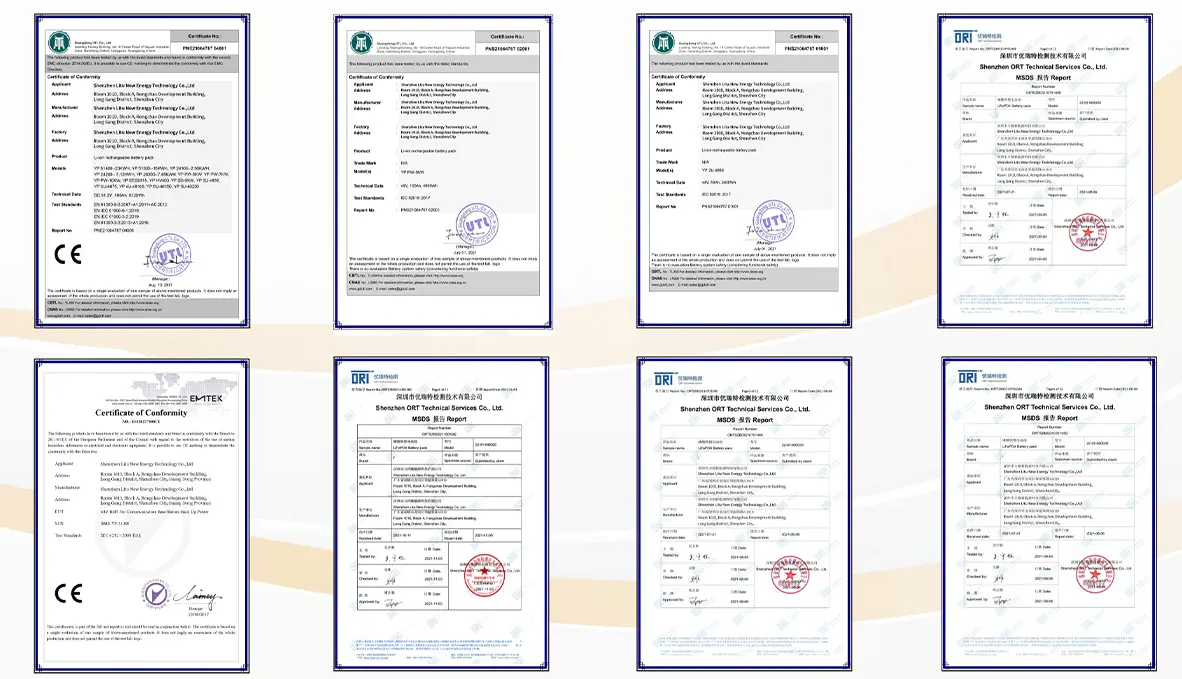
Operating in global energy markets requires adherence to stringent certifications and regulations. Every YouthPOWER deep cycle system undergoes strict testing protocols to guarantee safe maritime transport, chemical stability, and safe building installations.
Furthermore, our established network of international partners and raw material vendors ensures localized technical assistance, rapid spare parts fulfillment, and comprehensive warranty coverage across global markets.
We believe safety is the foundation of quality. Our battery packs feature multiple layers of protection: built-in mechanical safety vents, high-precision thermal sensors at key junctions, and a master BMS controller providing over-current, over-charge, over-discharge, and short-circuit protections.
Essential information to help you select the optimal deep cycle energy storage technology.
A high-quality LiFePO4 (Lithium Iron Phosphate) battery typically yields between 4,000 to 6,000 cycles at 80% Depth of Discharge (DoD). If cycled once daily, this equates to roughly 10 to 15 years of operational life, vastly exceeding lead-acid alternatives that require replacement every 2 to 3 years.
The upfront price of lithium batteries reflects the cost of high-grade raw materials (lithium, cobalt-free phosphates, copper), advanced precision engineering, and the integrated electronic Battery Management System (BMS). However, when calculated on a cost-per-cycle basis, lithium batteries are significantly cheaper due to their efficiency, depth of discharge, and longevity.
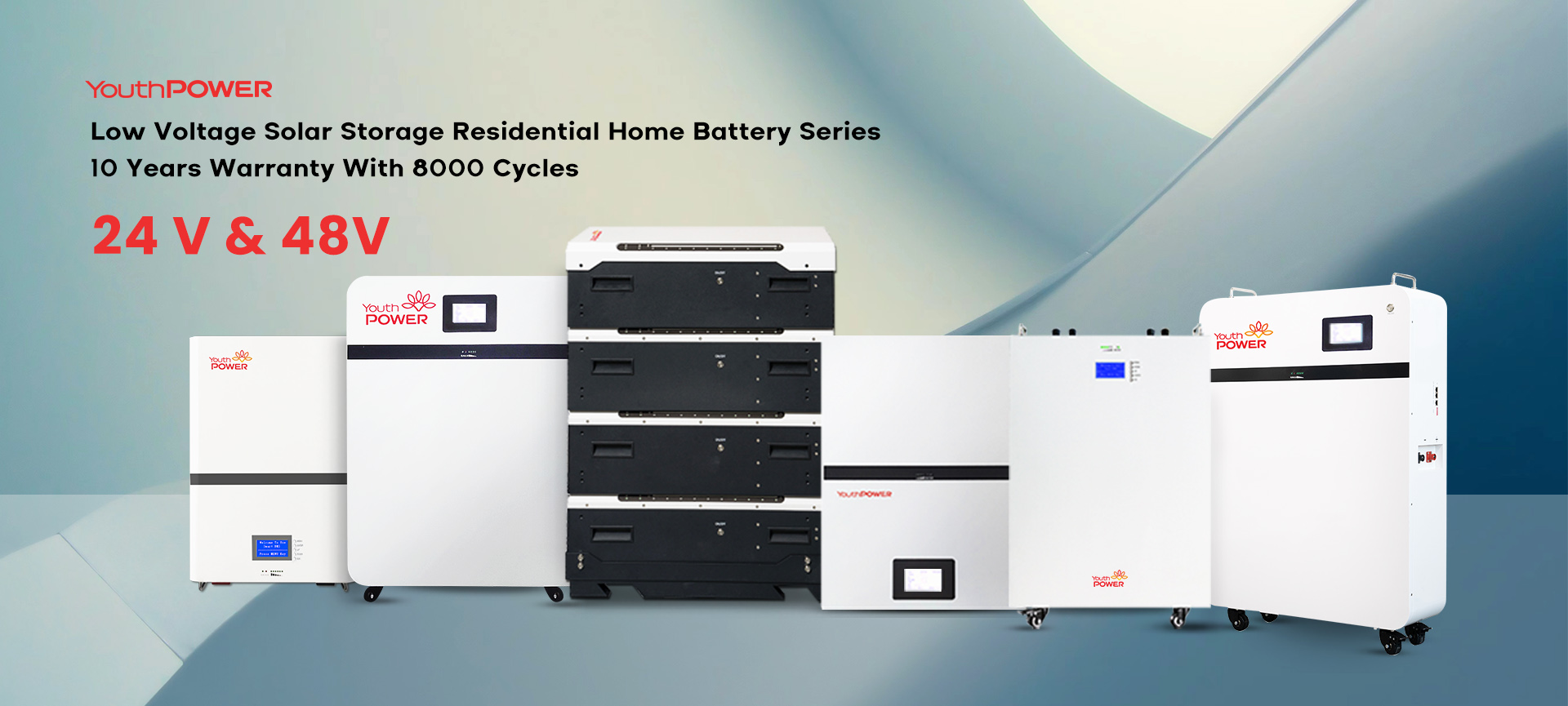
Low-voltage systems (usually 24V or 48V) are commonly used in residential solar setups and small off-grid applications. High-voltage systems (ranging from 100V to 600V+) are designed for commercial and industrial installations. High-voltage configurations reduce overall currents, minimize line power losses, enable smaller wiring gauges, and improve the efficiency of large-scale solar power conversions.
LiFePO4 batteries generally discharge effectively in temperatures ranging from -20°C to 60°C. However, standard lithium cells cannot be safely charged at temperatures below freezing (0°C/32°F) without causing lithium plating. For cold climates, we recommend our specialized low-temperature battery lines equipped with integrated heating elements that warm the cells prior to charging.
To determine size, analyze your historical utility bills to identify peak demand periods and average daily consumption. Additionally, establish which critical loads require backup during grid failures. YouthPOWER's engineering team can calculate the optimal capacity and configuration using your load profile, ensuring maximum efficiency and ROI.
Browse our complete portfolio of high-voltage industrial cabinets, portable backup solutions, and home storage systems.
 YouthPOWER