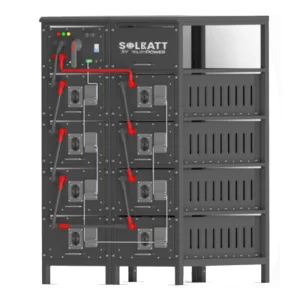
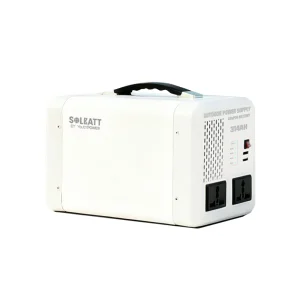
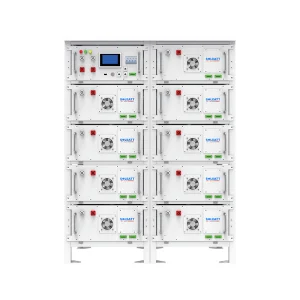
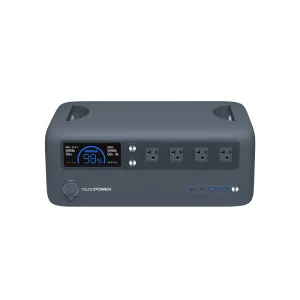
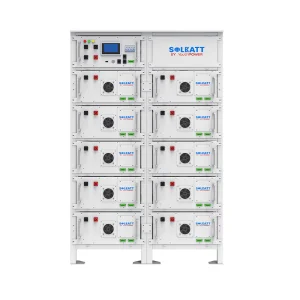
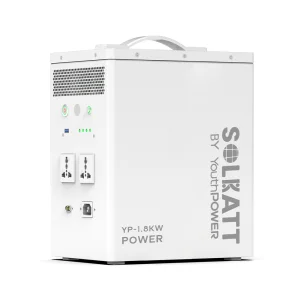
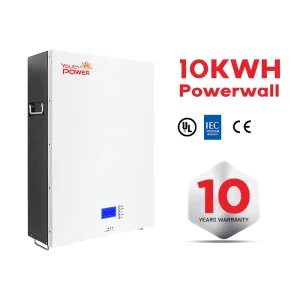
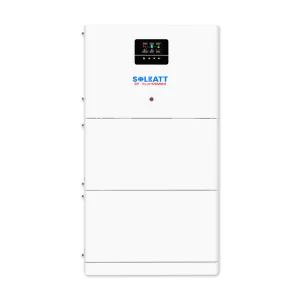
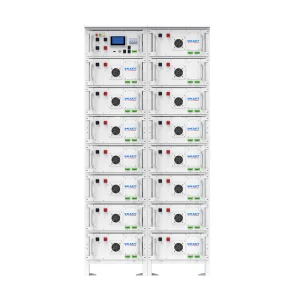
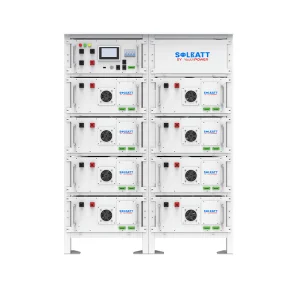
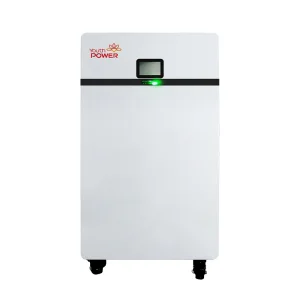
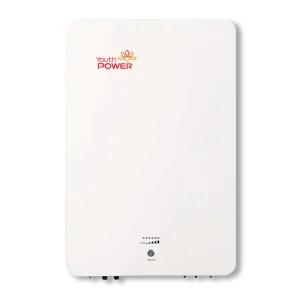
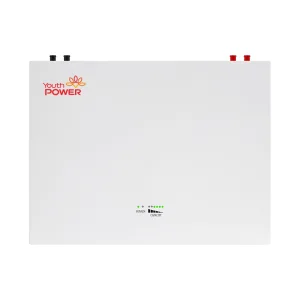
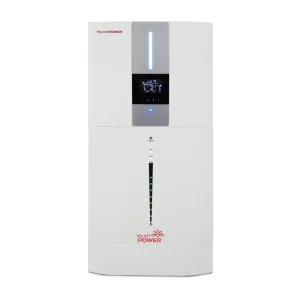
Discover our leading line of high-voltage industrial battery racks, high-capacity energy storage containers, and commercial-grade off-grid power solutions engineered for reliable performance under heavy loads.
Founded in 2003, YouthPOWER has now become one of the leading suppliers of solar storage lithium batteries in the world. With a broad range of energy storage solutions, it covers a series of 24V, 48V and higher voltage lithium batteries solutions.
YouthPOWER has engaged in the battery technology and production for almost 20 years, with abundant manufacturing experience and strong new product R & D capability. Through many years of hard work and market promotion, we have created our own brand "YouthPOWER" in 2019.
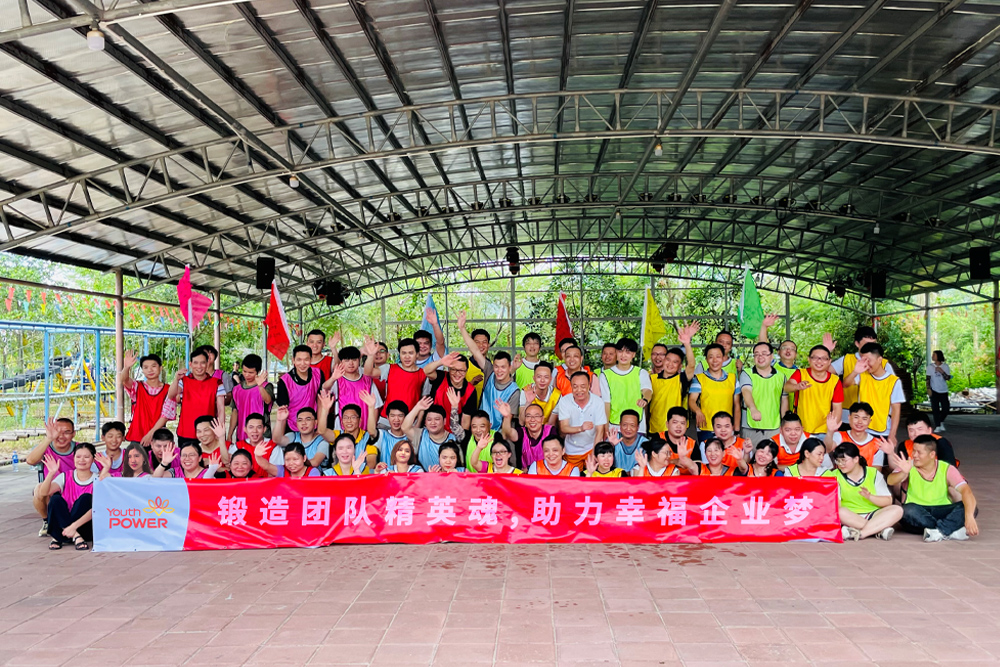
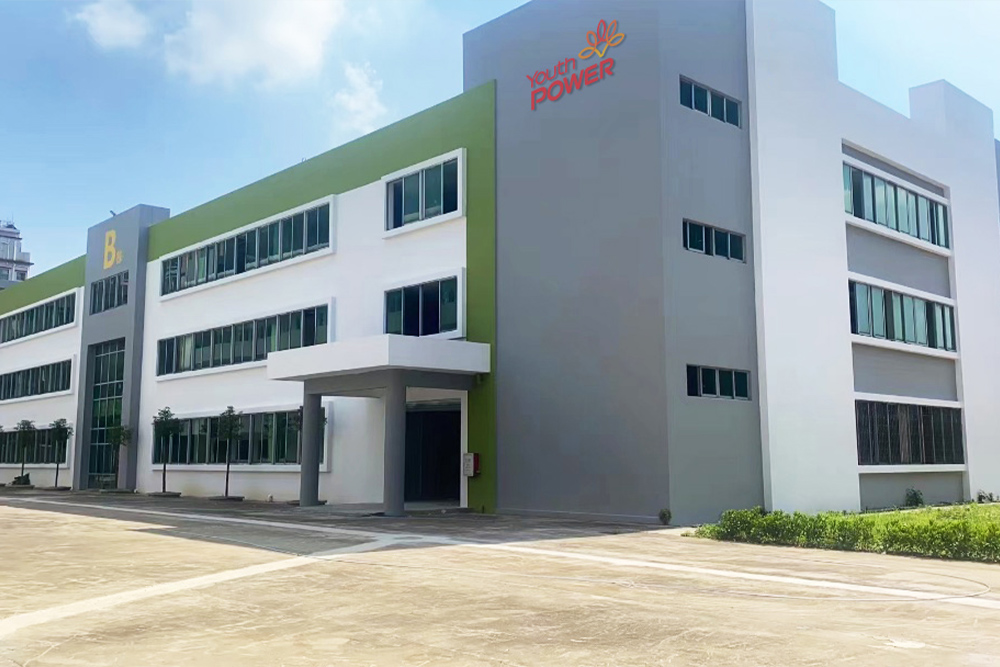
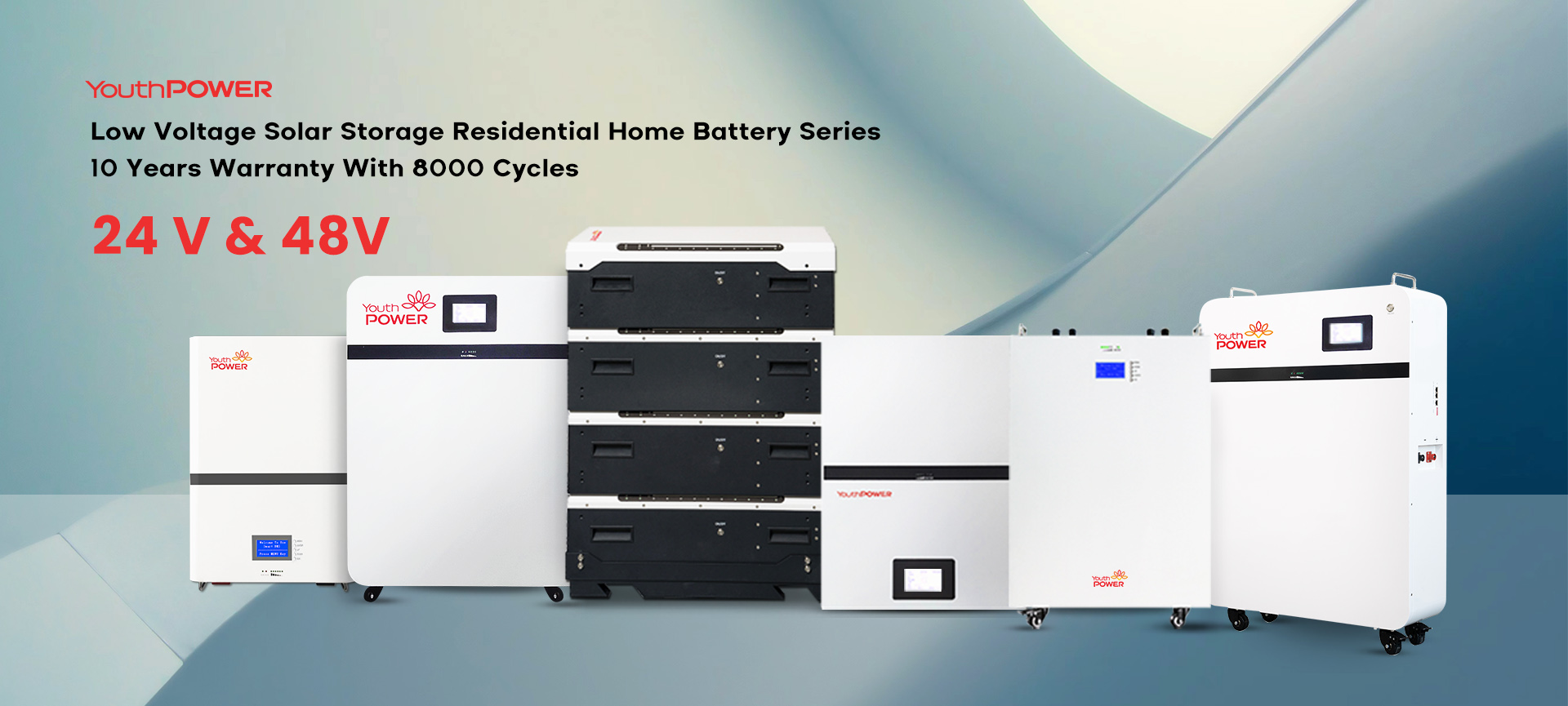
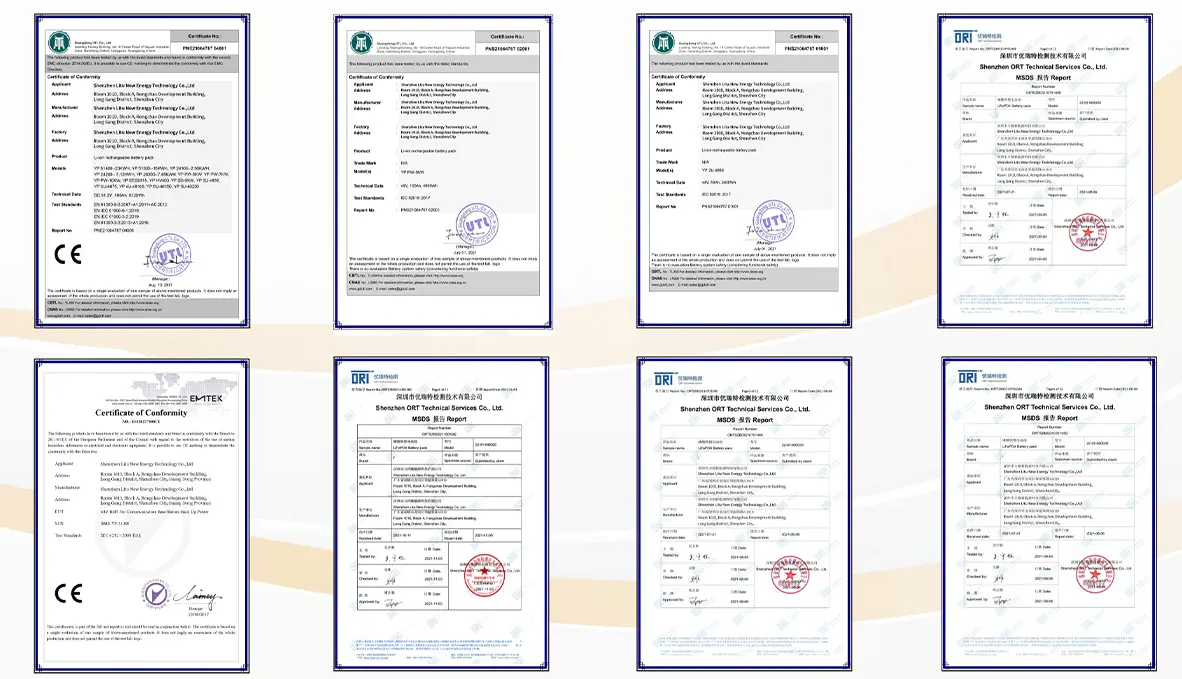
With nearly 20 years’ experience in the battery industry, we have the capability to provide you with both the products you need and the most suitable products you want. We are always ready to supply the first-class products and meet the various needs of the customers.
We have established good business relationships with our customers from all over the world. And we have a good cooperation with all our customers as well for many years running. Supported by our local vendors of raw materials, we can certainly offer you the best prices.
We are so proud that YouthPOWER has offered the reliable solar storage solution for over 1,000,000 families now in the world.
Modern electrical infrastructure is witnessing a historic transition. As global commercial and industrial (C&I) enterprises target high operational resilience alongside reduced greenhouse gas emissions, traditional generator architectures are undergoing dynamic upgrades. Historically, emergency backup diesel generators served as the primary fallback option. However, high fuel consumption, slow response times, carbon heavy footprints, and high maintenance costs have shifted corporate procurement priorities toward integrated hybrid systems: Generator Battery Energy Storage Systems (BESS).
By coupling state-of-the-art Lithium Iron Phosphate (LiFePO4) chemistries with dynamic energy storage systems, corporate buyers can achieve instantaneous load sharing, peak-shaving, and frequency stabilization. Rather than running oversized diesel generators at suboptimal low-load states, a hybrid generator battery storage array steps in to absorb immediate peak transient currents, ensuring smooth sinusoidal wave outputs and maintaining zero-latency power handovers during municipal grid failures.
Procuring heavy industrial battery banks requires deep technical understanding. A reliable generator battery company must guarantee cell consistency, a high thermal runaway threshold, and seamless integration with existing Energy Management Systems (EMS). Key features that purchasing managers should prioritize include:
For data centers, semiconductor manufacturing plants, high-precision laboratories, and continuous chemical refining processes, even a milliseconds-long drop in line voltage can compromise millions of dollars in inventory. Generator batteries serve as the critical dynamic bridge.
With high C-rate performance, our battery packs deliver massive instantaneous power to sustain operations while traditional backup diesel generators spin up to full operational RPMs. Furthermore, the combination of renewable solar arrays, generator batteries, and smart control nodes creates a self-healing microgrid system capable of running independently of utility provider grids indefinitely.
YouthPOWER's multi-decade roadmap focuses on packing higher energy densities, developing smarter active balancing BMS, and integrating next-generation solid-state chemistry structures to maximize lifetime ROI for our global commercial clients.
Perfecting cell matching procedures, active balancing BMS protocols, and achieving global certifications (UN38.3, UL1973) for our containerized C&I products.
Launching liquid-cooled 1500V utility-scale systems to further minimize foot-print, reduce thermal gradients, and lower installation costs for our EPC customers.
Deploying AI-driven EMS integrations, enabling real-time frequency response, demand charge shaving, and peer-to-peer electricity trading functionalities.
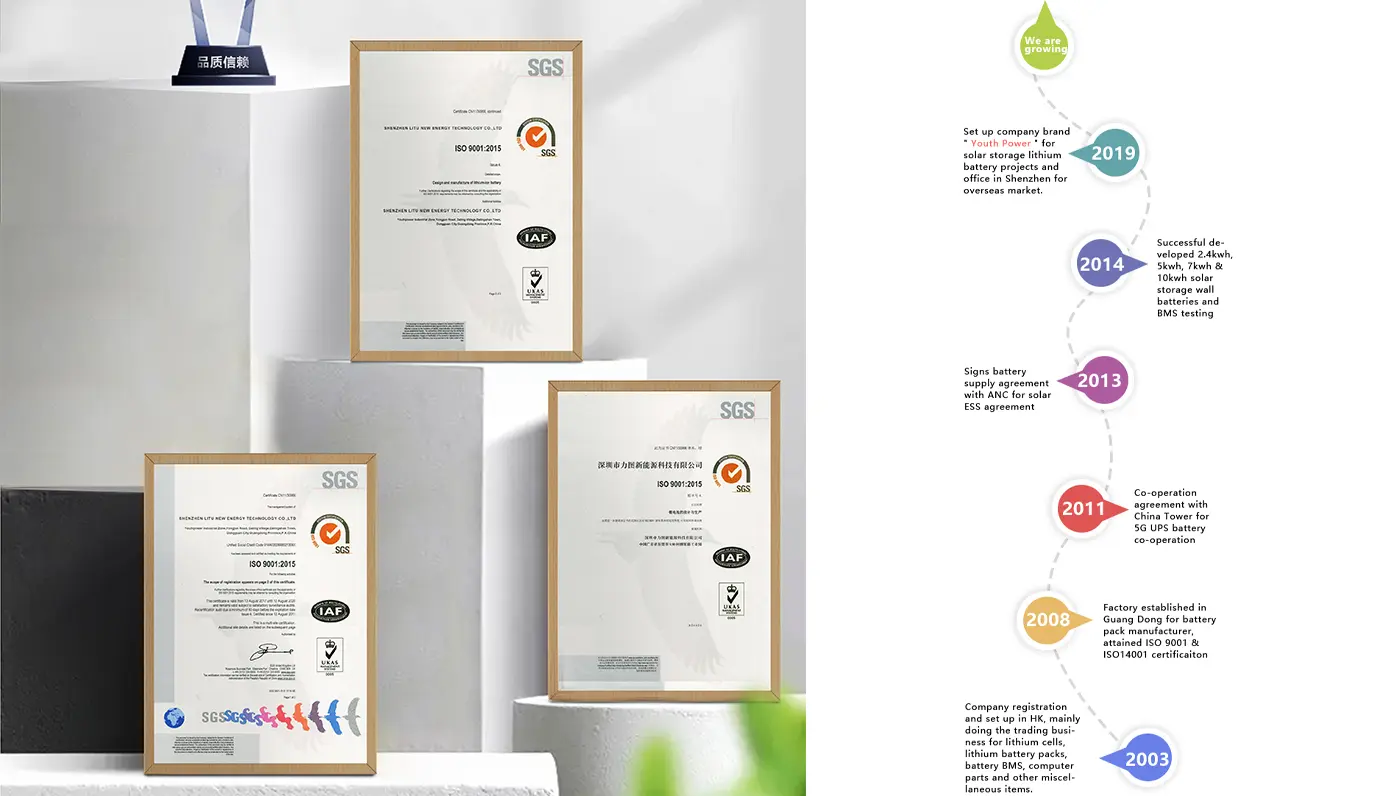
As a leading generator battery developer, YouthPOWER recognizes that global compliance is non-negotiable. Industrial storage assets are subject to stringent regional regulatory barriers, fire protection policies, and dynamic utility grid connection guidelines. Every containerized battery system and high-voltage module leaving our production lines meets and exceeds global safety standards.
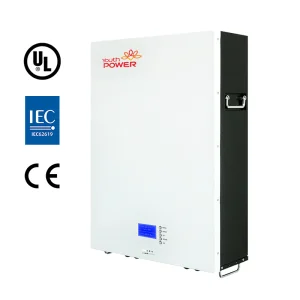
By complying with the standards of IEC 62619, UL 9540A, CE, and UN38.3, we guarantee that our products perform safely under adverse physical and electrical conditions. From dynamic overload protections to integrated aerosol fire suppression systems, safety forms the core of our technical designs.
Our localized networks provide seamless deployment pathways for EPC partners. With support spanning over 1,000,000 families and numerous commercial properties worldwide, we work hand-in-hand with regional engineers to speed up grid integration, simplify approvals, and ensure long-term site reliability.
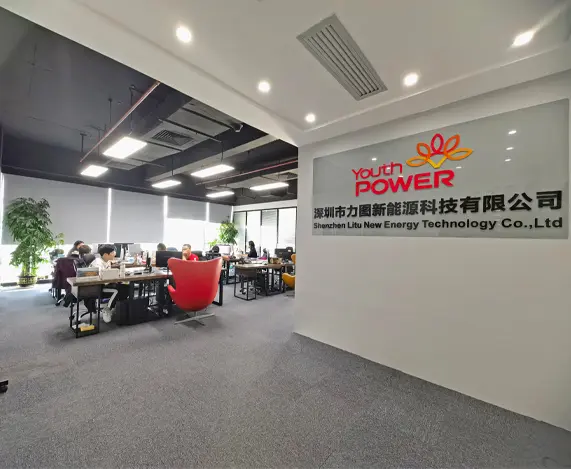
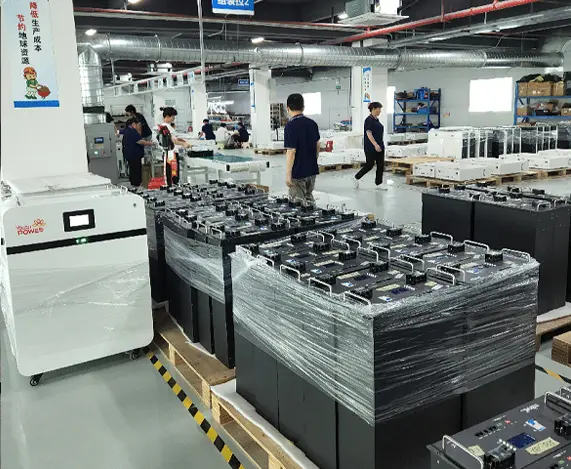
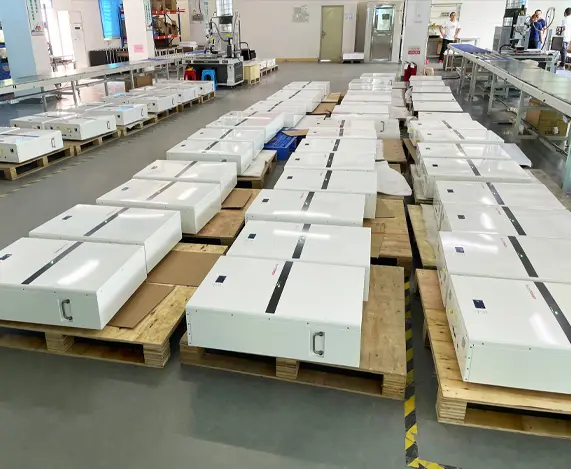
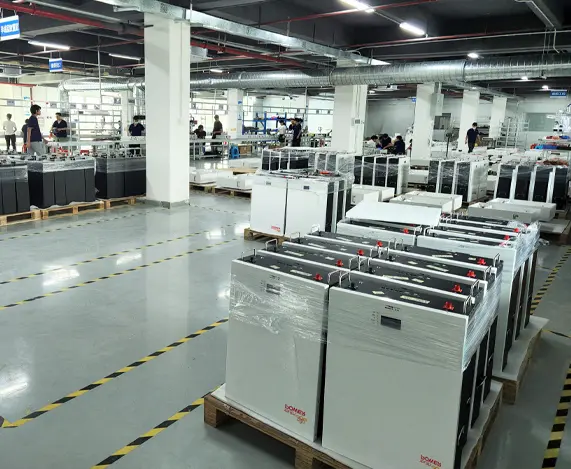
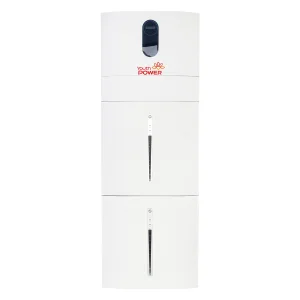
Choose from our global portfolio of all-in-one power walls, dynamic power tower systems, and versatile portable lithium battery storage options designed to optimize your power reliability.
 YouthPOWER