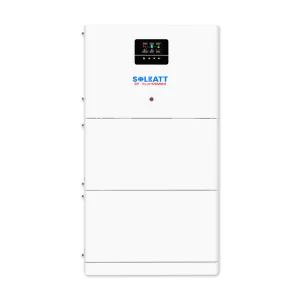
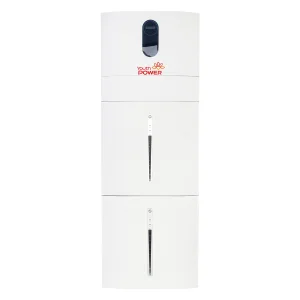
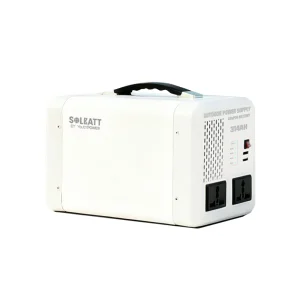
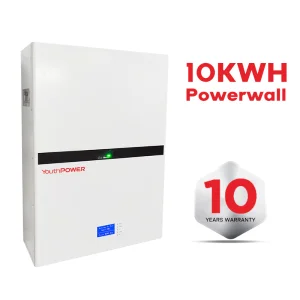
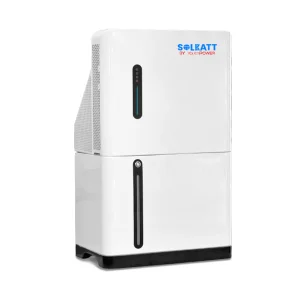
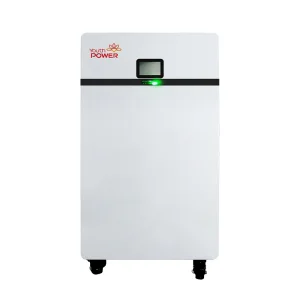
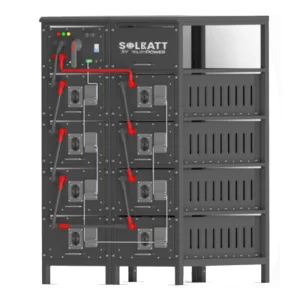
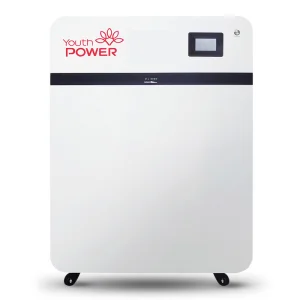
For a long time, residential energy storage was marketed solely as an appendage to photovoltaic (PV) systems. However, a major market transition is underway. Global energy dynamics have revealed a massive demand for home battery storage without solar. Homeowners, municipal grids, energy retailers, and battery suppliers are realizing that storing power directly from the grid during cheap off-peak hours offers substantial investment returns, stabilizes local distribution systems, and protects properties from grid instability.
The operational logic is simple yet technologically advanced: Time-of-Use (TOU) arbitrage. When dynamic tariff structures are active, energy during nighttime or mid-day excess periods is cheap. The smart battery system charges at these times. During peak demand periods, the home pulls electricity from the battery, avoiding high energy bills. Furthermore, it operates as an Uninterruptible Power Supply (UPS), maintaining electrical reliability during blackouts without requiring PV panels.
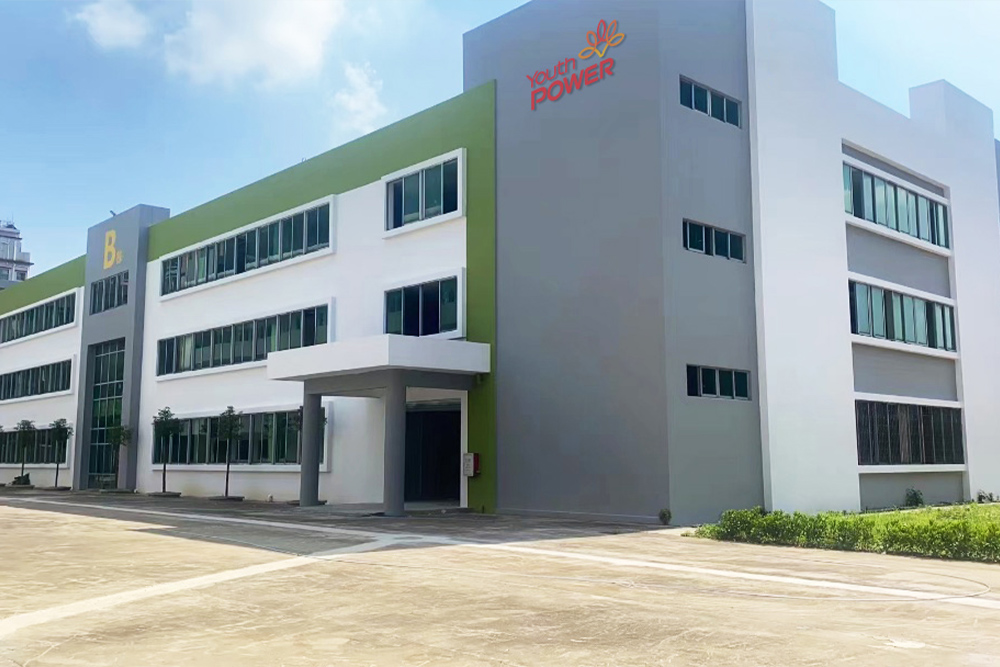
The manufacturing infrastructure of energy storage technologies requires highly specialized production processes. China's industrial clusters for lithium batteries provide unmatched efficiency and quality, making Chinese factories the first choice for global distributors, developers, and brands.
From lithium carbonate extraction and cathode preparation to automated cell stacking and advanced BMS (Battery Management System) design, Chinese battery hubs house the entire supply chain. This minimizes logistics overheads and ensures consistent cell chemistry parameters.
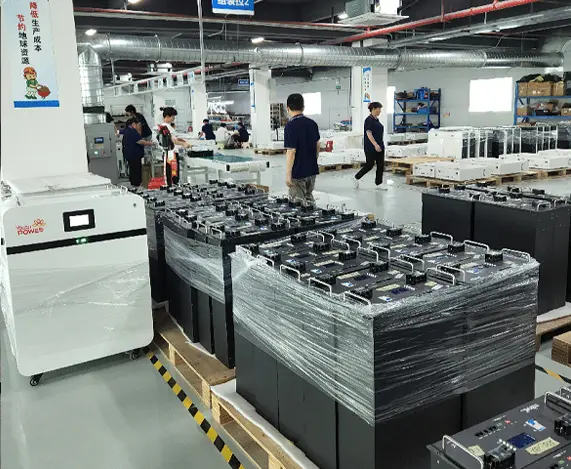
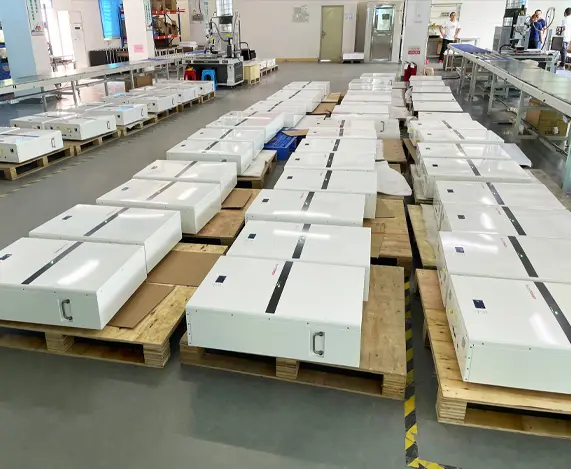
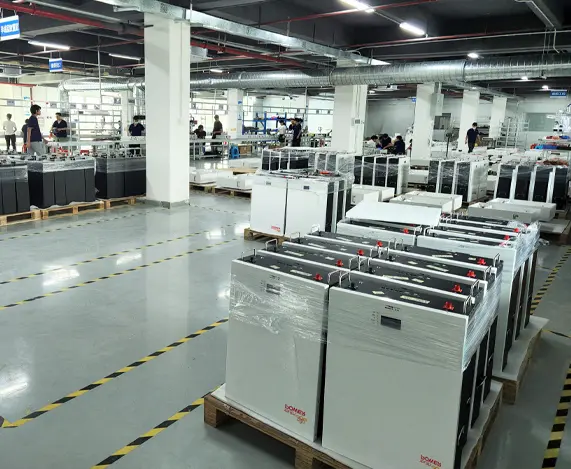
Top factories utilize fully automated production lines with high-speed winding, laser welding, and robotic module assembly. Cell screening systems isolate units by internal resistance, voltage drop, and capacitance to ensure stable balancing and a longer service life.
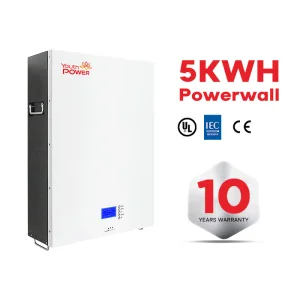
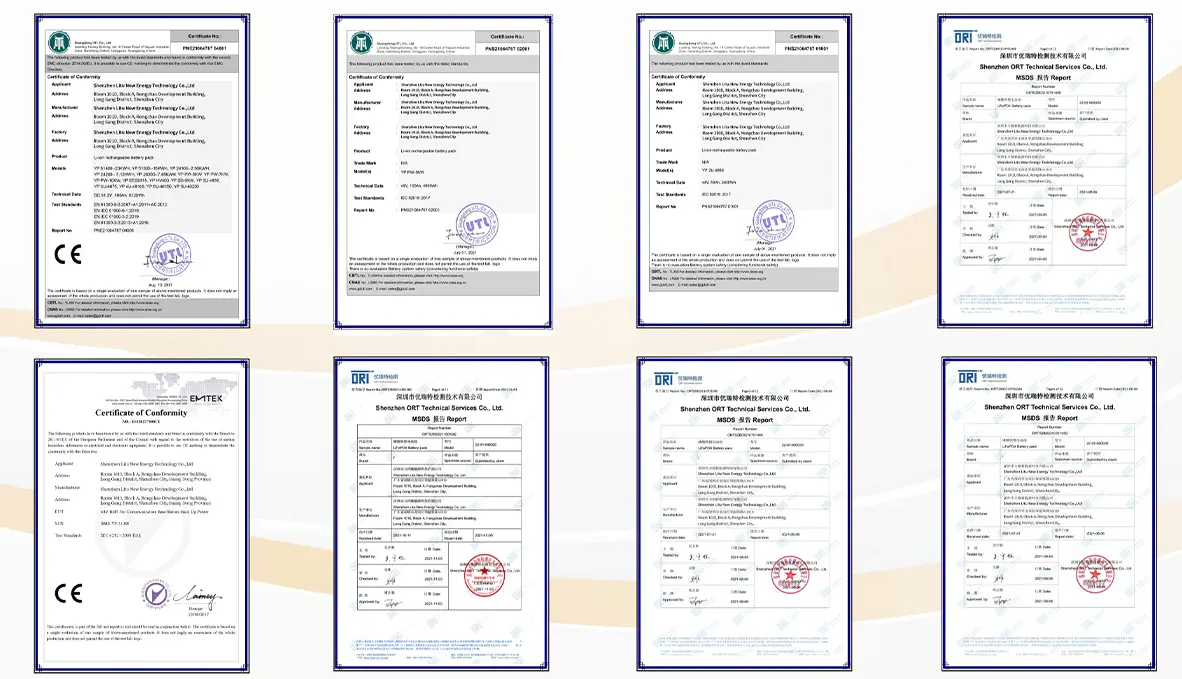
Chinese factories specialize in building systems that comply with global safety standards. Our production facilities maintain compliance with international testing frameworks, including UL 1973, UL 9540A, IEC 62619, CE, UN38.3, and RoHS guidelines.
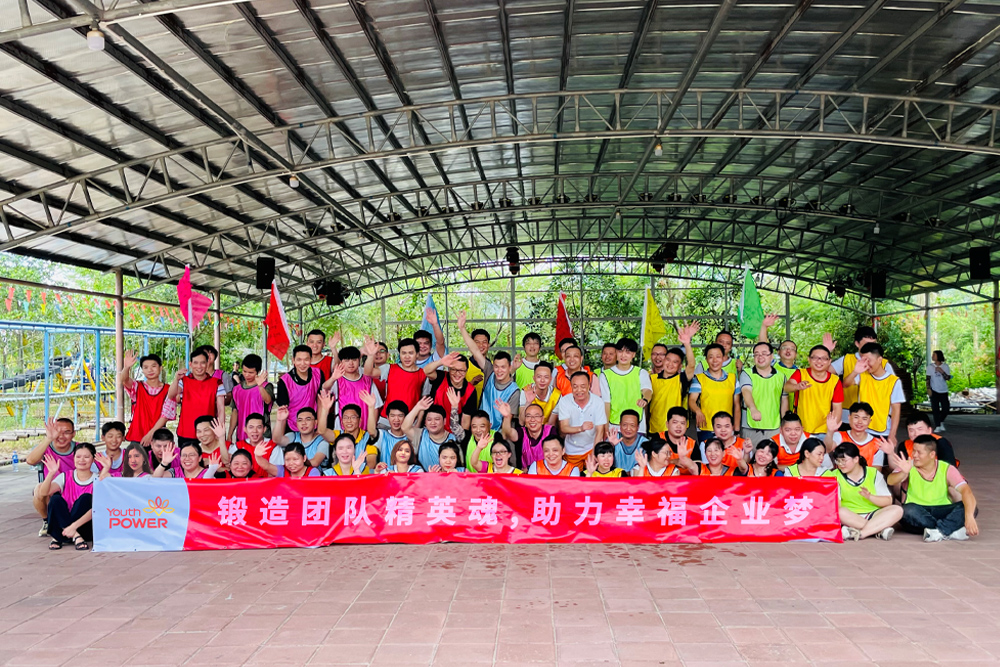
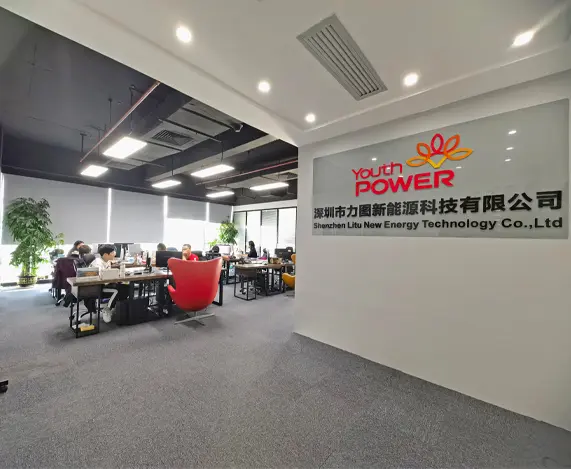
YouthPOWER has operated in battery technology and production for almost 20 years, gathering manufacturing experience and developing strong R&D capabilities. We launched the brand "YouthPOWER" in 2019 to deliver reliable solar and grid-interactive storage solutions directly to global markets, supported by local raw material vendors to guarantee highly competitive pricing.
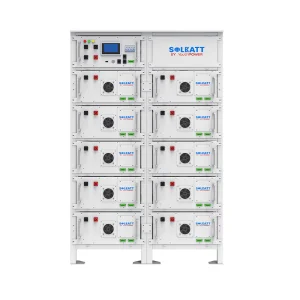
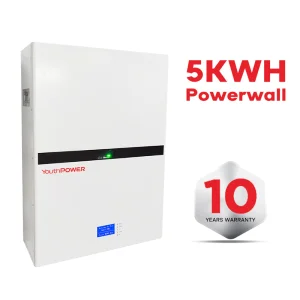
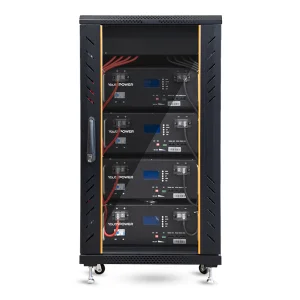
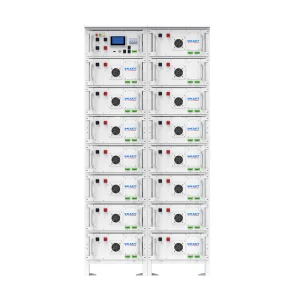
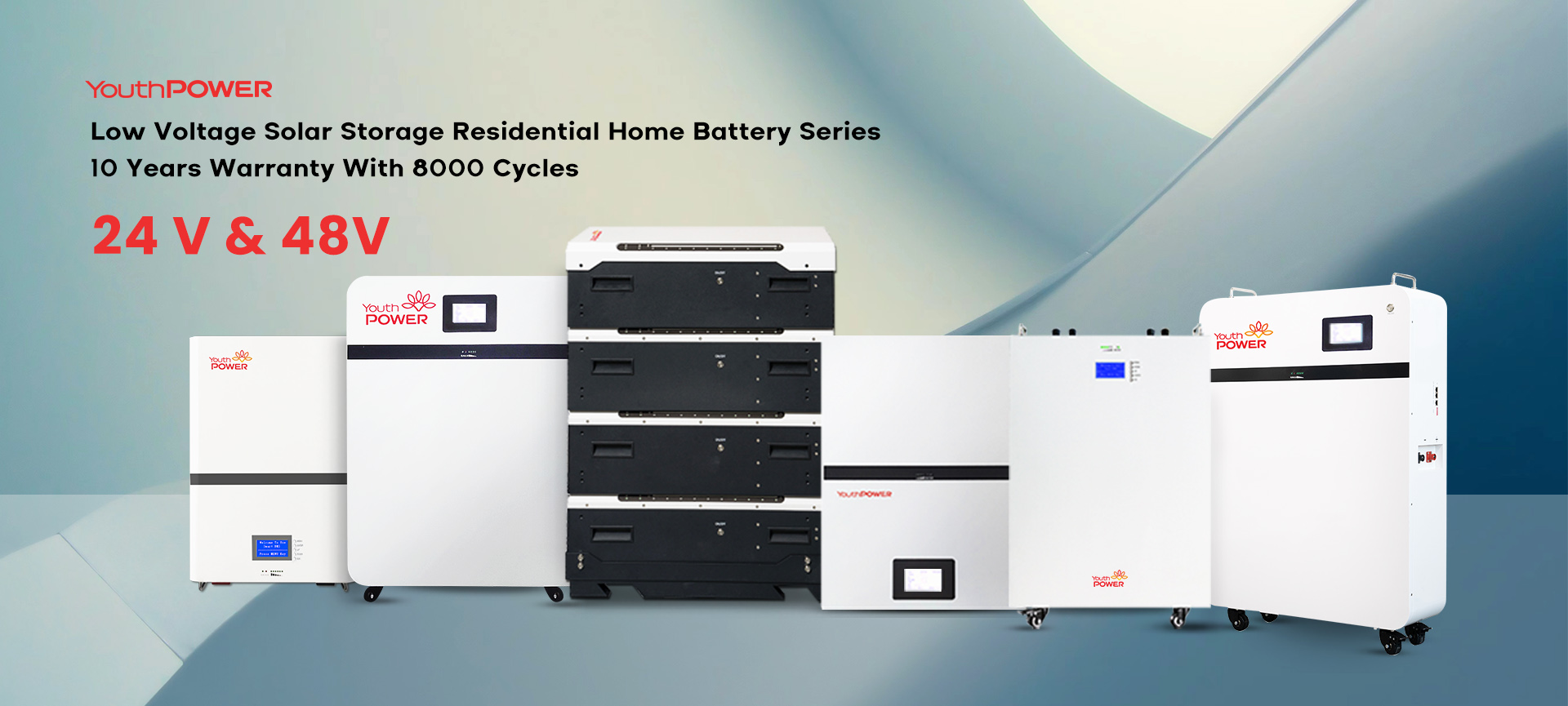
Founded in 2003, YouthPOWER has become one of the leading suppliers of solar storage lithium batteries and grid-connected systems in the world. With a broad range of energy storage solutions, it covers a series of 24V, 48V, and higher voltage lithium battery systems, suitable for wall-mounted, rack-mounted, stackable, and high-capacity industrial configurations.
With nearly 20 years of experience in the battery industry, we provide both standard stock designs and custom engineered solutions. We work closely with our local raw material vendors to offer highly competitive prices while maintaining strict production standards.
We are proud that YouthPOWER has supplied reliable solar and grid-based storage solutions to over 1,000,000 families worldwide, improving grid resilience and reducing energy bills across six continents.
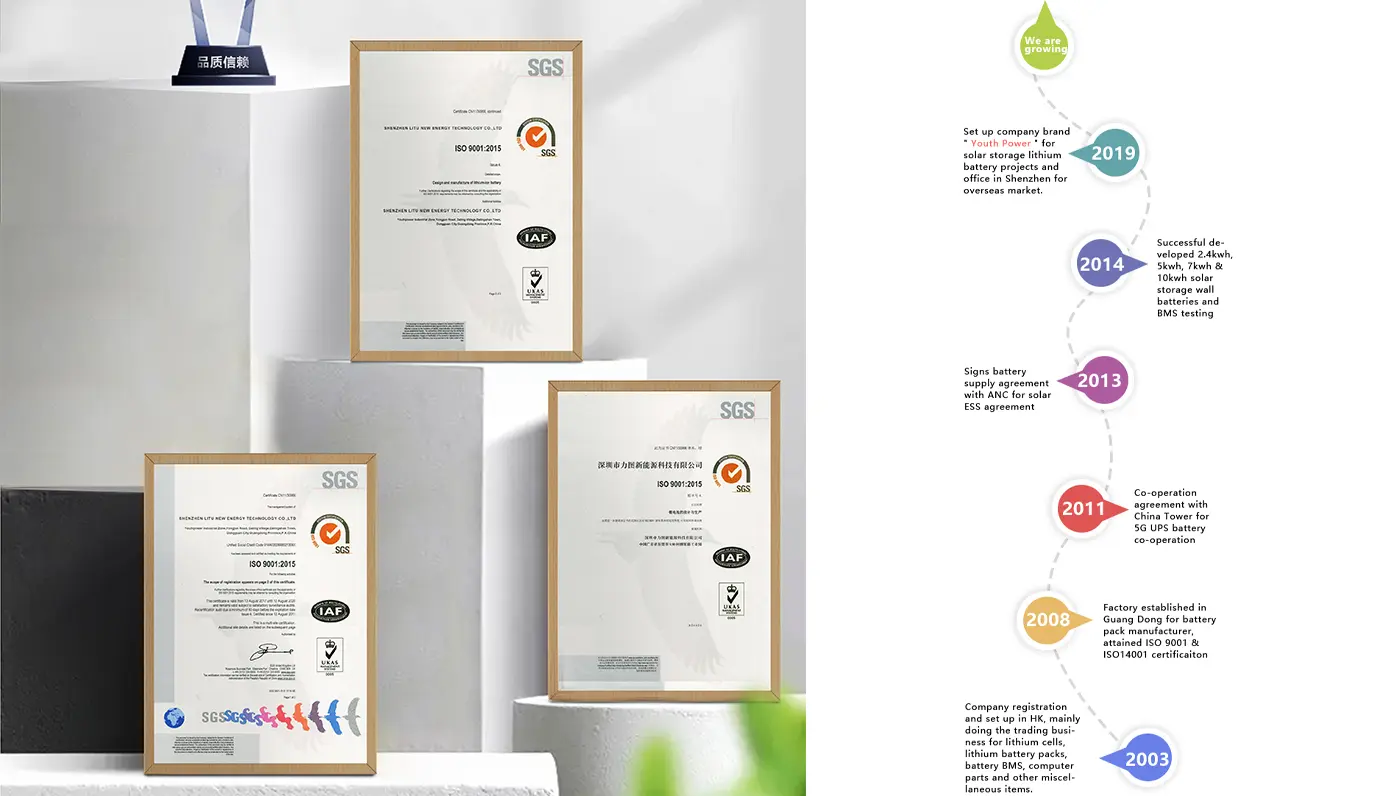
Entered the lithium battery research and electrochemical manufacturing space, supplying specialized industrial batteries.
Integrated automated assembly lines and introduced testing procedures for high-voltage commercial battery packs.
Acquired major certifications (CE, IEC, UN38.3) and expanded export activities to North American, European, and Australian markets.
Established the specialized brand "YouthPOWER" focusing on home solar storage, wall-mounted powerwalls, and grid-interactive home batteries.
Launched AI-compatible smart BMS architectures, supporting real-time virtual power plant (VPP) integration and cloud-managed off-peak charging.
Different markets present unique utility conditions. Home battery storage systems without solar must adapt to local grid environments to maximize efficiency:
With high retail electricity costs and volatile wholesale day-ahead markets (like EPEX Spot), European homes use grid-tied systems like our 10kWh and 15kWh batteries. They integrate with home automation systems to charge during cheap night hours and discharge during high-price peaks.
Extreme weather and aging transmission systems lead to frequent grid issues. High-voltage stackable battery systems (e.g., 400V 12.8kWh configurations) provide emergency backup power. They keep home systems running during outages without requiring rooftop solar arrays.
Unstable grids require robust energy storage. High-capacity commercial systems (like the 143KWh or 215KWh packs) serve as backup power sources. They charge from the grid when utility power is stable and supply critical loads during outages.
For procurement officers, system developers, and distributors, choosing a manufacturer involves examining technical details. YouthPOWER offers specific configurations tailored to residential and commercial needs:
Yes. Many homeowners install battery storage systems without solar. The system connects directly to your home electrical panel and charges from the grid during off-peak hours when rates are low. It then discharges to power your home during peak hours when rates rise, or serves as emergency backup during grid outages.
A standalone battery requires a much lower initial investment because there are no solar panels, racking systems, or complex solar installations. If you live in an area with a high differences between peak and off-peak electric rates, or utilize dynamic hourly pricing, a grid-only battery can deliver a fast return on investment by capitalizing on those rate differences daily.
Key parameters include: cell chemistry (LiFePO4 is preferred for safety and cycle life), nominal cycle life at specific depths of discharge (e.g., 6000 cycles at 80% DOD), BMS communication compatibility (CAN/RS485 protocols matching major inverters), thermal runaway mitigation systems, and compliance certifications like UL 9540A or IEC 62619.
The Battery Management System (BMS) interfaces with smart home energy controllers or grid-tied hybrid inverters. Users define scheduled charge and discharge windows based on utility rate tables. High-end systems automate this process by pulling rate schedules directly from dynamic energy provider APIs.
LiFePO4 offers superior thermal stability, which eliminates the risk of thermal runaway under normal operations. It also supports longer cycle lives (typically over 6,000 cycles) compared to NMC (Nickel Manganese Cobalt) chemistries, which generally achieve 1,500 to 2,000 cycles. Additionally, LiFePO4 is cobalt-free, making it a more environmentally sustainable option.
 YouthPOWER