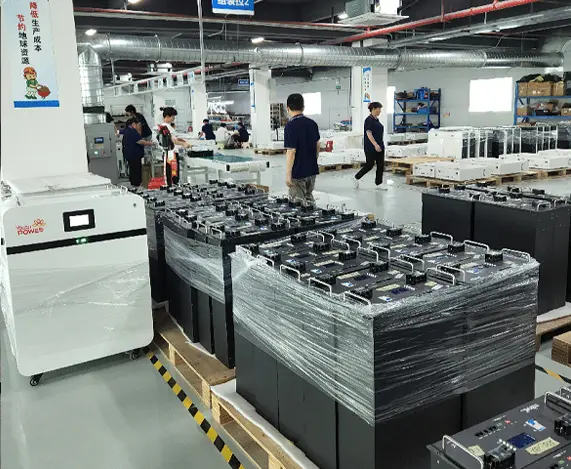
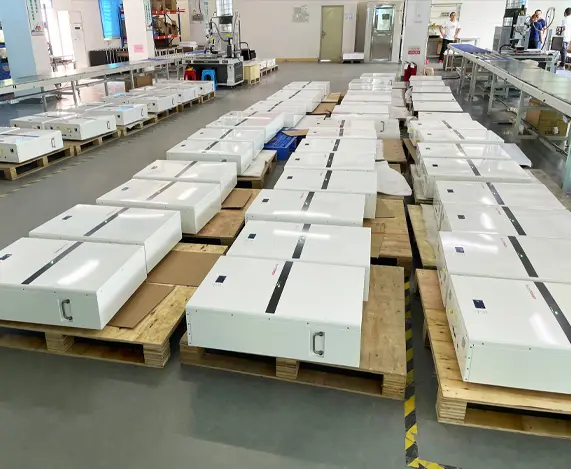
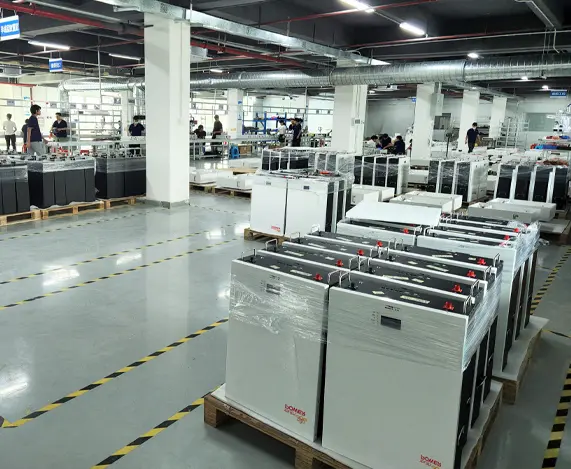
Explore our leading catalog of industrial and residential energy storage units manufactured at our state-of-the-art facility.
Traditional fuel generators are increasingly facing economic and regulatory resistance due to greenhouse gas emissions, high diesel costs, and noise restrictions. Across the globe, energy markets are undergoing a seismic transition. Inverter battery generators have emerged as the primary alternative, utilizing advanced lithium iron phosphate (LiFePO4) chemistries coupled with bi-directional hybrid inverters to deliver dispatchable, grid-tied, or off-grid power on demand.
By integrating smart battery storage systems, developers can maximize Levelized Cost of Storage (LCOS), improve power quality (mitigating voltage sags and surges), and optimize renewable energy integration. From commercial microgrids to localized residential storage, these systems enable businesses and homes to bypass high peak-utility pricing and guarantee 24/7 business continuity.
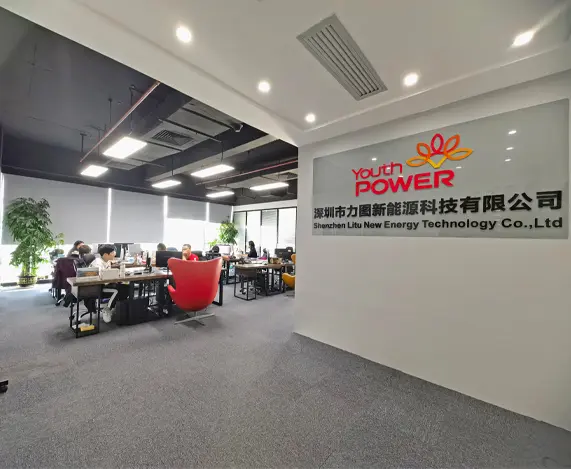
A trusted global supplier of solar storage lithium batteries with nearly 20 years of research, design, and manufacturing experience.
Founded in 2003, YouthPOWER has now become one of the leading suppliers of solar storage lithium batteries in the world. With a broad range of energy storage solutions, it covers a series of 24V, 48V and higher voltage lithium batteries solutions.
YouthPOWER has engaged in the battery technology and production for almost 20 years, with abundant manufacturing experience and strong new product R & D capability. Through many years of hard work and market promotion, we have created our own brand "YouthPOWER" in 2019.
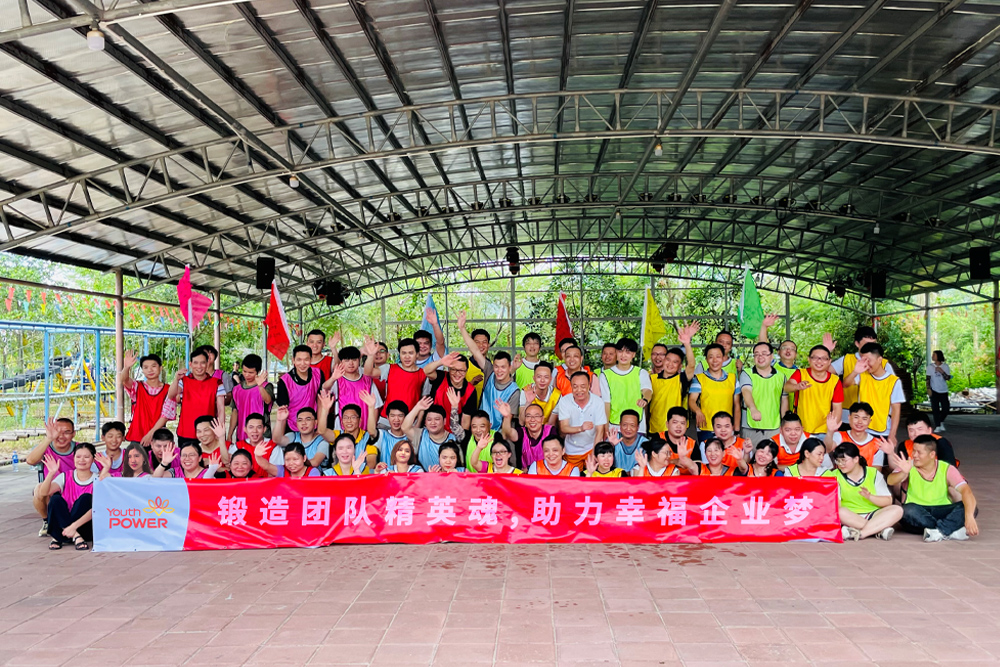
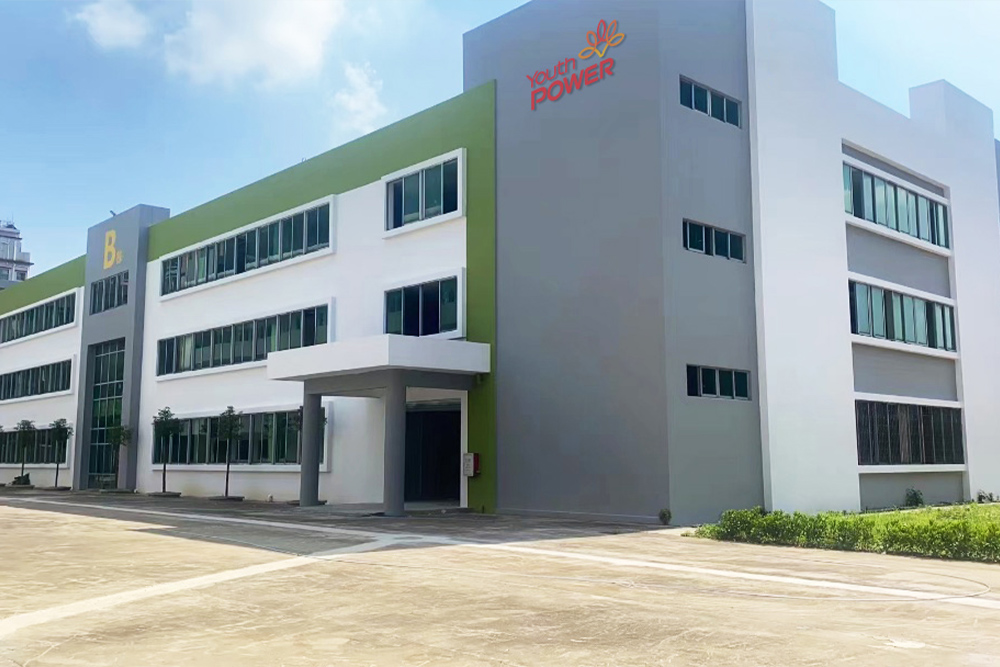
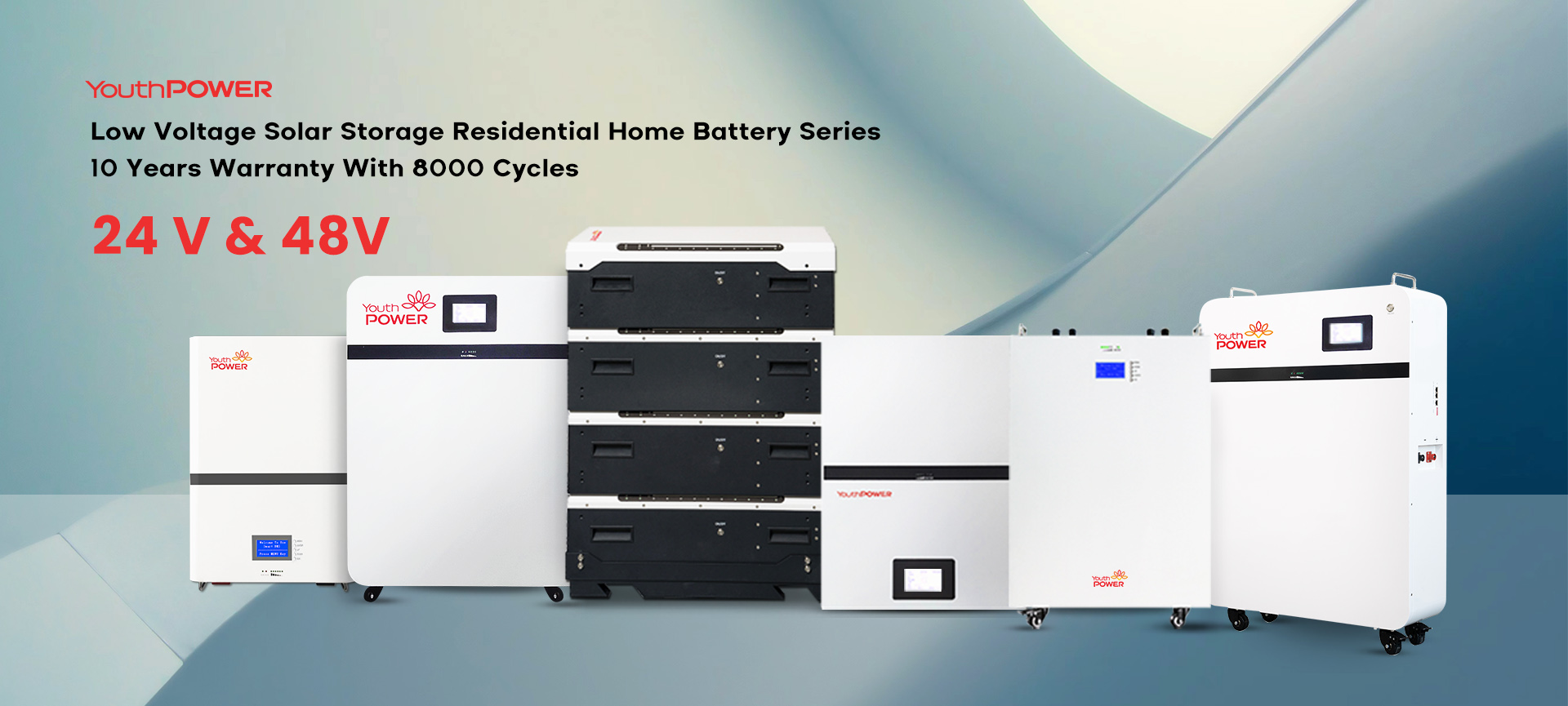
With nearly 20 years’ experience in the battery industry, we have the capability to provide you with both the products you need and the most suitable products you want. We are always ready to supply the first-class products and meet the various needs of the customers.
Our core competence lies in custom BMS (Battery Management System) design, high-voltage battery architecture, thermal simulation, and certified global compatibility testing with Tier-1 inverter brands.
We have established good business relationships with our customers from all over the world. And we have a good cooperation with all our customers as well for many years running. Supported by our local vendors of raw materials, we can certainly offer you the best prices.
We are so proud that YouthPOWER has offered the reliable solar storage solution for over 1,000,000 families now in the world.
A timeline of technology development, innovation breakthroughs, and market expansions.
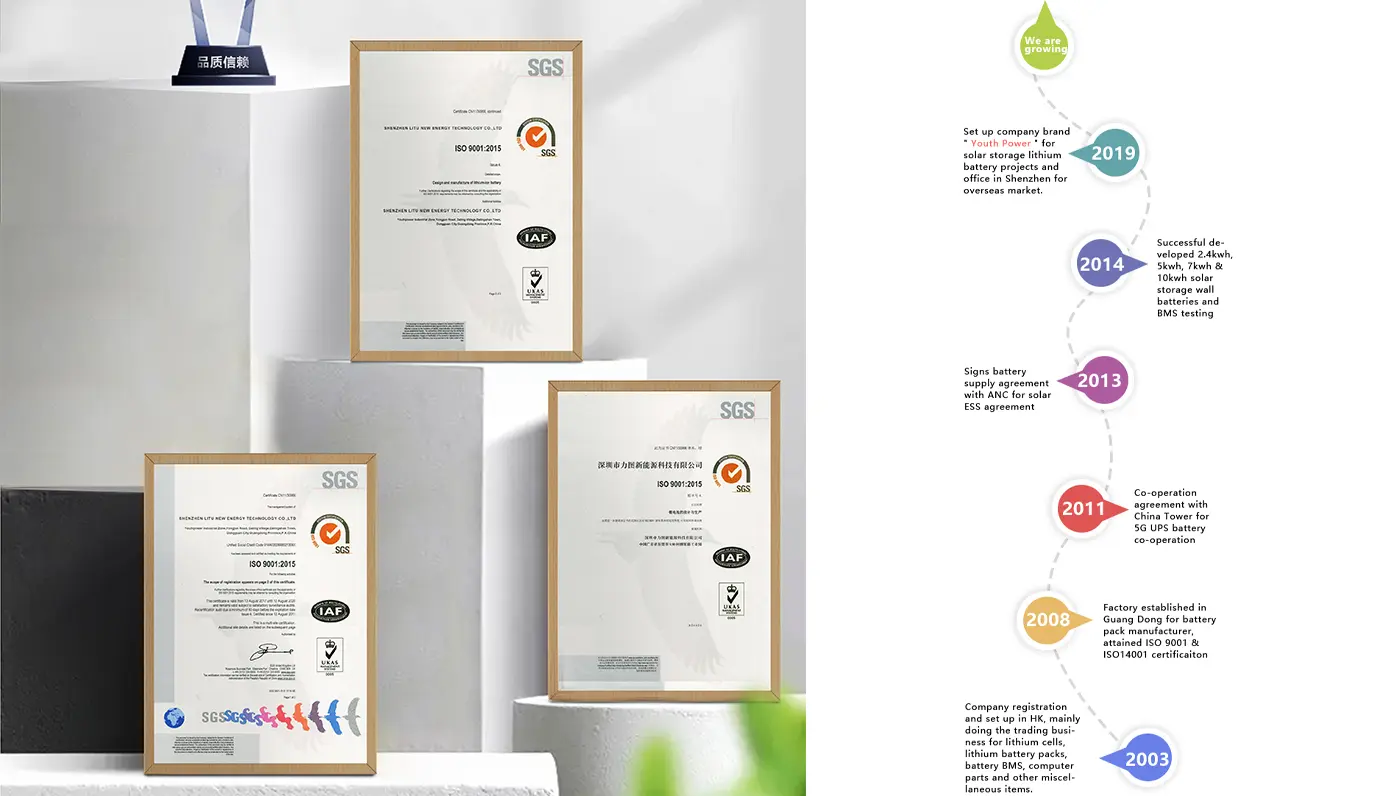
Entered the battery manufacturing and technology research domain, developing foundational chemical cell capabilities.
Invested significantly in LiFePO4 battery storage, building new assembly lines for intelligent solar integration.
Consolidated product lines and launched the global brand, targetting high-efficiency smart storage applications.
Unlocking smart high-voltage commercial ESS, liquid-cooled battery solutions, and smart dynamic cloud-based BMS platforms.
Understanding high-voltage architectures, thermal runaways mitigation, and active cell balancing systems.
A high-performance inverter battery generator must be built upon two absolute pillars: safety and lifespan. The integrated YouthPOWER BMS provides real-time diagnostic telemetry, managing cell balancing (active/passive), state of charge (SoC) estimation, state of health (SoH) diagnostics, and protection against overvoltage, undervoltage, thermal overruns, and short circuits.
Our systems utilize Grade-A automotive cells (primarily prismatic LiFePO4), offering high energy densities and structural safety. Unlike NCM chemistry, lithium iron phosphate provides a thermal runaway temperature above 270°C, virtually eliminating the risks of self-oxygenated fire hazards in closed-door installations.
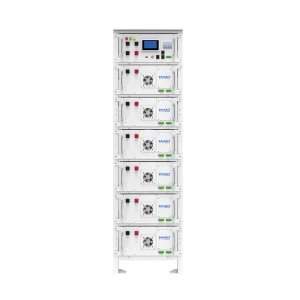
While low-voltage systems (48V/51.2V) are ideal for residential systems up to 20kWh due to simple installation and scalability, high-voltage battery storage systems (400V - 700V+) are the industry standard for commercial backup power.
High-voltage topologies reduce systemic losses by minimizing electrical current levels. Less heat dissipation translates to higher efficiency ratios, cheaper cabling, and direct integration with commercial three-phase hybrid inverters. This technology reduces installation complexity while enhancing overall grid interaction.
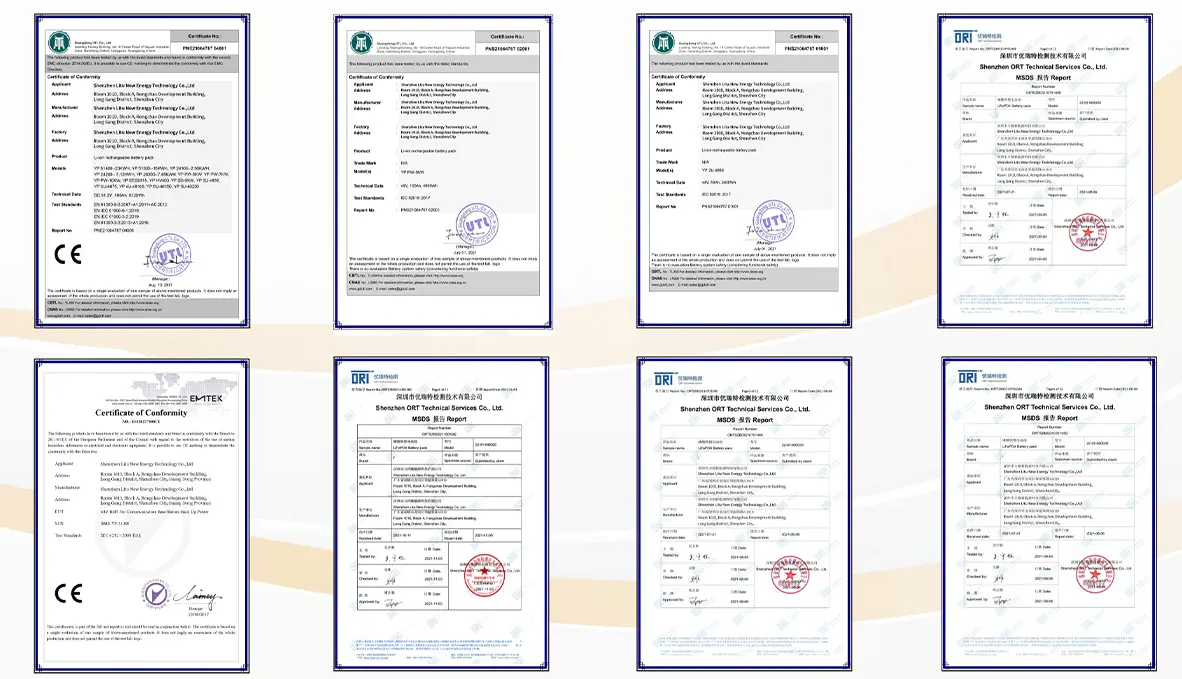
Deploying energy storage products requires aligning with national regulations, grid codes, and product certifications.
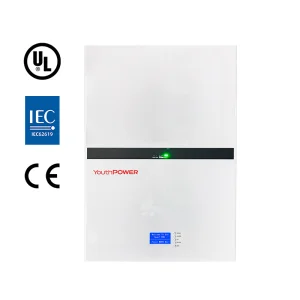
To guarantee smooth customs clearings, grid connectivity approvals, and local installer partnerships, our factory products hold all major worldwide certifications:
We support regional EPCs (Engineering, Procurement, and Construction) and distributors through localized tech-support portals, rapid-response component replacement networks, and integration consultation.
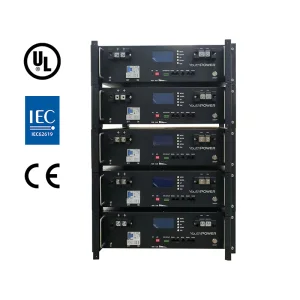
Whether matching our 51.2V rack storage battery to Victron, Growatt, Deye, or SMA inverters, or scaling a 200kWh high-voltage utility system for remote off-grid telecom stations in Africa or South America, our teams provide localized application support.
Our solutions cater to various setups, from residential green initiatives to large-scale industrial operations.
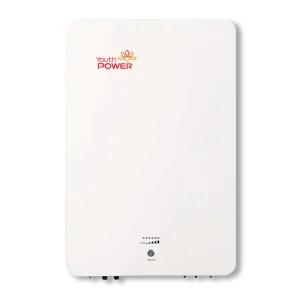
Our 2.5KWH Balcony Solar Lithium Battery System targets modern high-density housing setups. This system connects directly to microinverters, optimizing daytime solar capture for nighttime base loads, bypassing complex regulatory approvals.
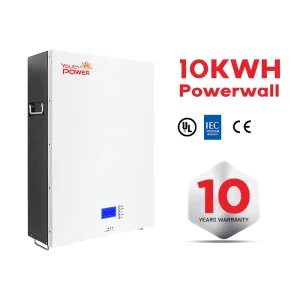
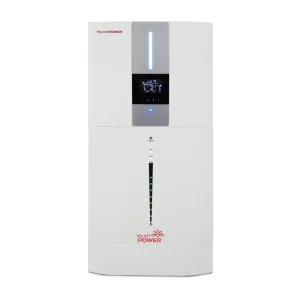
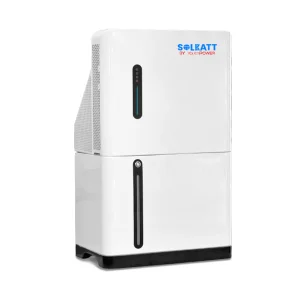
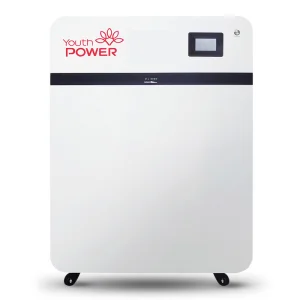
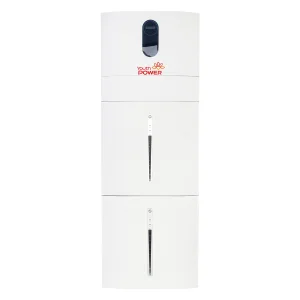
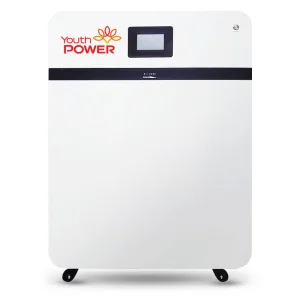
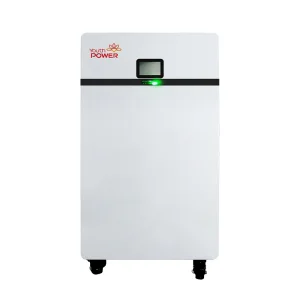
For residential properties, our YouthPOWER Power Tower AIO and 5KW/10KWH cabinets combine charging circuits, solar MPPT control, BMS systems, and bi-directional inverters into a single sleek casing.
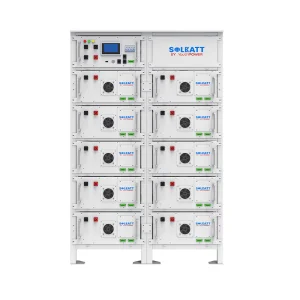
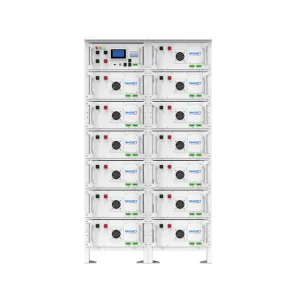
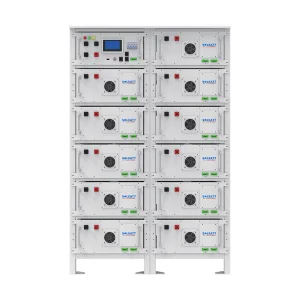
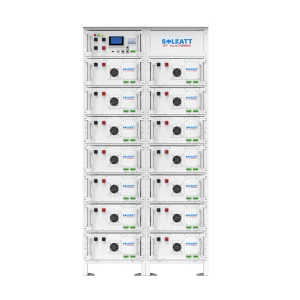
Commercial facilities using our 85KWH, 143KWH, or 200KWH systems can shave grid peaks, bypassing expensive demand charges. By scheduling discharge times during high consumption periods, operating costs drop significantly.
Deploying infrastructure in remote mining, agriculture, or telecom hubs requires resilient storage. High-voltage 400V or 51.2V 400Ah systems replace dirty diesel generators, saving fuel and maintenance costs.
Providing high-value technical answers to common queries for solar project planners, distributors, and buyers.
Typically, high-quality LiFePO4 cells maintain over 80% of their original capacity after 6,000 complete charge/discharge cycles (at 80% Depth of Discharge, 25°C, and 0.5C charging rates). For most residential and commercial systems, this translates to a lifespan of 10 to 15 years, depending on charge parameters, ambient temperatures, and daily system cycling.
Lithium batteries function optimally between 15°C and 35°C. Charging below 0°C can trigger lithium plating on the anodes, permanently degrading the cell chemistry. YouthPOWER BMS systems mitigate this by integrating heater jackets or automatic power de-rating protocols to protect the battery system during extreme sub-zero operation.
High-voltage configurations (typically above 300VDC) run on lower electrical currents compared to 48V setups for the same power output. Lower current minimizes thermal generation ($I^2R$ power loss), enables thinner cabling, and matches the internal DC bus voltage of modern three-phase hybrid inverters. This significantly improves round-trip efficiency.
Yes, our systems feature configurable CAN/RS485 communication protocols compatible with major global inverter brands like SMA, Deye, Victron, Growatt, Solis, and GoodWe. We provide updated firmware profiles to ensure seamless handshake control and diagnostic sharing between the BMS and the inverter.
Every battery pack undergoes rigorous cell classification. Cells are grouped based on strict tolerance ranges for capacity, internal resistance, and voltage stability. This minimizes cell-to-cell divergence during cycling, ensuring balanced performance and preventing premature degradation of the overall system.
Explore our high-voltage and scalable solutions designed for heavy-duty setups and industrial systems.
 YouthPOWER