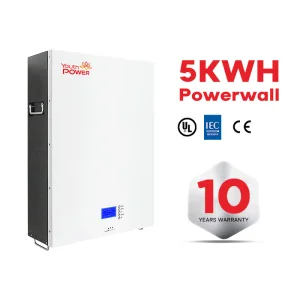
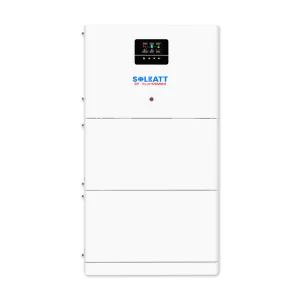
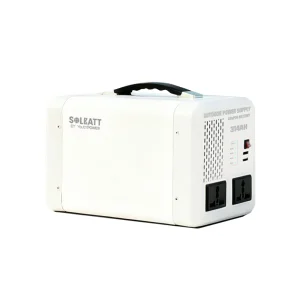
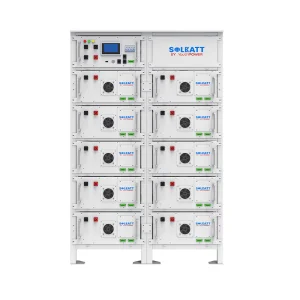
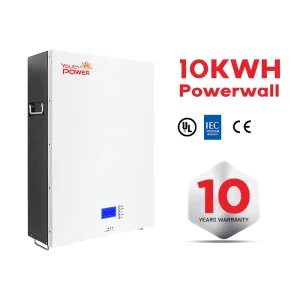
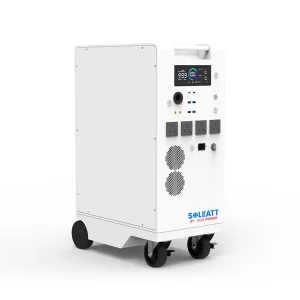
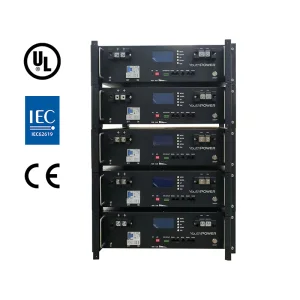
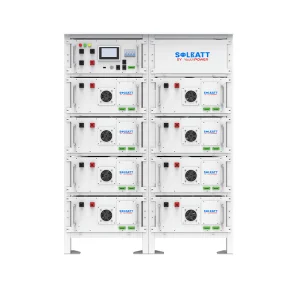
Explore our state-of-the-art battery arrays designed for high-cycle performance, thermal resilience, and seamless inverter system integration.
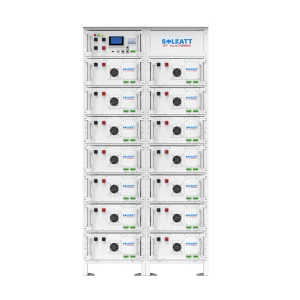
As the global grid moves toward decentralized, carbon-neutral topologies, utility-scale developers and energy procurement specialists are prioritizing safety, cycle longevity, and levelized cost of storage (LCOS). Lithium Iron Phosphate (LiFePO4) has emerged as the premier chemistry for solar energy storage systems (BESS). Unlike Cobalt-based chemistries (NMC/LCO), LiFePO4 possesses structural integrity under thermal and physical stressors, eliminating risks of thermal runaway up to extreme operating conditions.
For large-scale applications, the integration of lithium storage allows grid operators to perform peak shaving, *load leveling*, and *frequency regulation*. To select the ideal solar lithium battery factory or partner, companies must assess three main elements: chemical purity of the cells, the capabilities of the embedded battery management system (BMS), and manufacturing QA/QC procedures. Advanced manufacturers implement dual passive and active balancing mechanisms, ensuring capacity matching and preventing premature cell degradation.
Our solutions feature multi-layered BMS controls monitoring cell voltage, pack temperature, and SOC/SOH indicators, compatible with high-voltage and low-voltage hybrid topologies.
Engineered to support 6,000+ deep charge-discharge cycles at 80% Depth of Discharge (DoD), yielding a operational lifetime exceeding 15 years.
Robust structural insulation and flame-retardant structural materials keep thermal runaways contained, fulfilling strict international safety criteria.
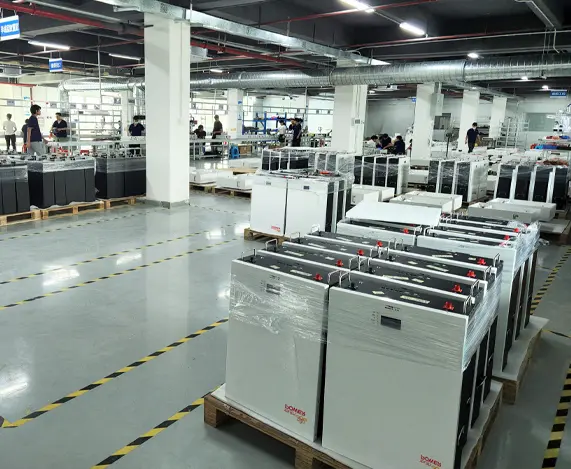
China holds over 75% of the world’s lithium-ion manufacturing capacity. This concentration of raw materials, upstream components, and skilled technicians yields distinct structural advantages for global procurement departments:
Through close partnerships with local raw material suppliers, leading companies like YouthPOWER can offer highly competitive price-to-performance options while maintaining tier-1 quality control standards.
A deep dive into our history, technology framework, and historical milestones.
Founded in 2003, YouthPOWER has now become one of the leading suppliers of solar storage lithium batteries in the world. With a broad range of energy storage solutions, it covers a series of 24V, 48V and higher voltage lithium batteries solutions.
YouthPOWER has engaged in the battery technology and production for almost 20 years, with abundant manufacturing experience and strong new product R & D capability. Through many years of hard work and market promotion, we have created our own brand "YouthPOWER" in 2019.
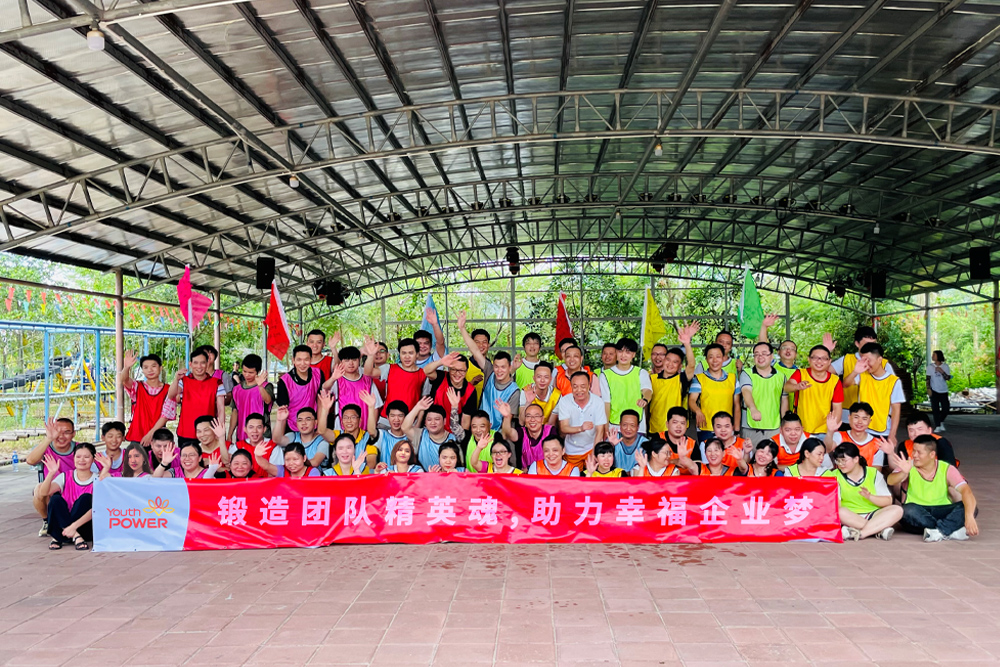
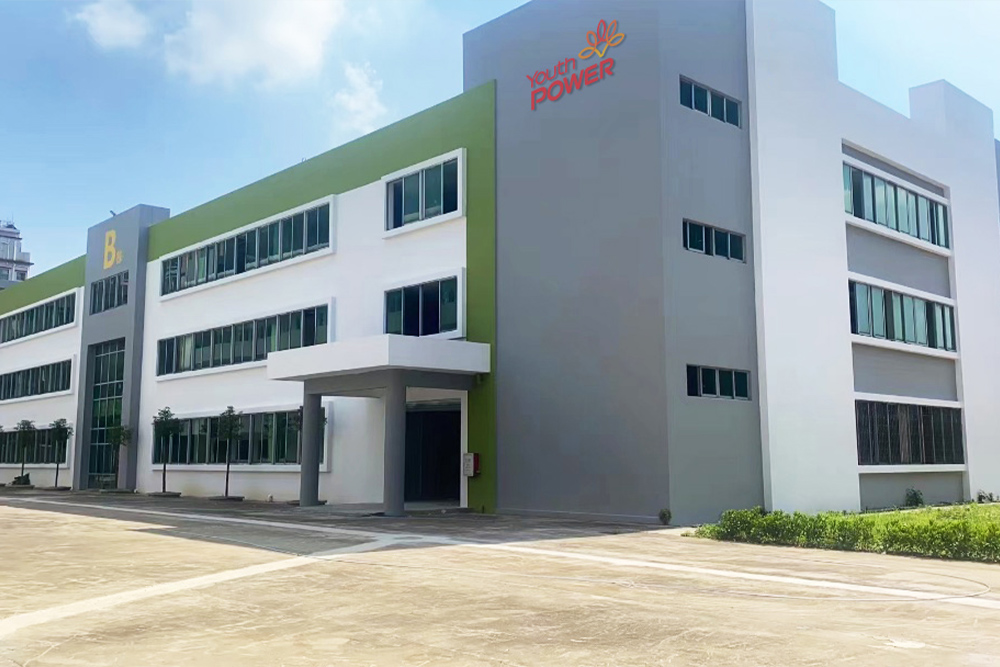
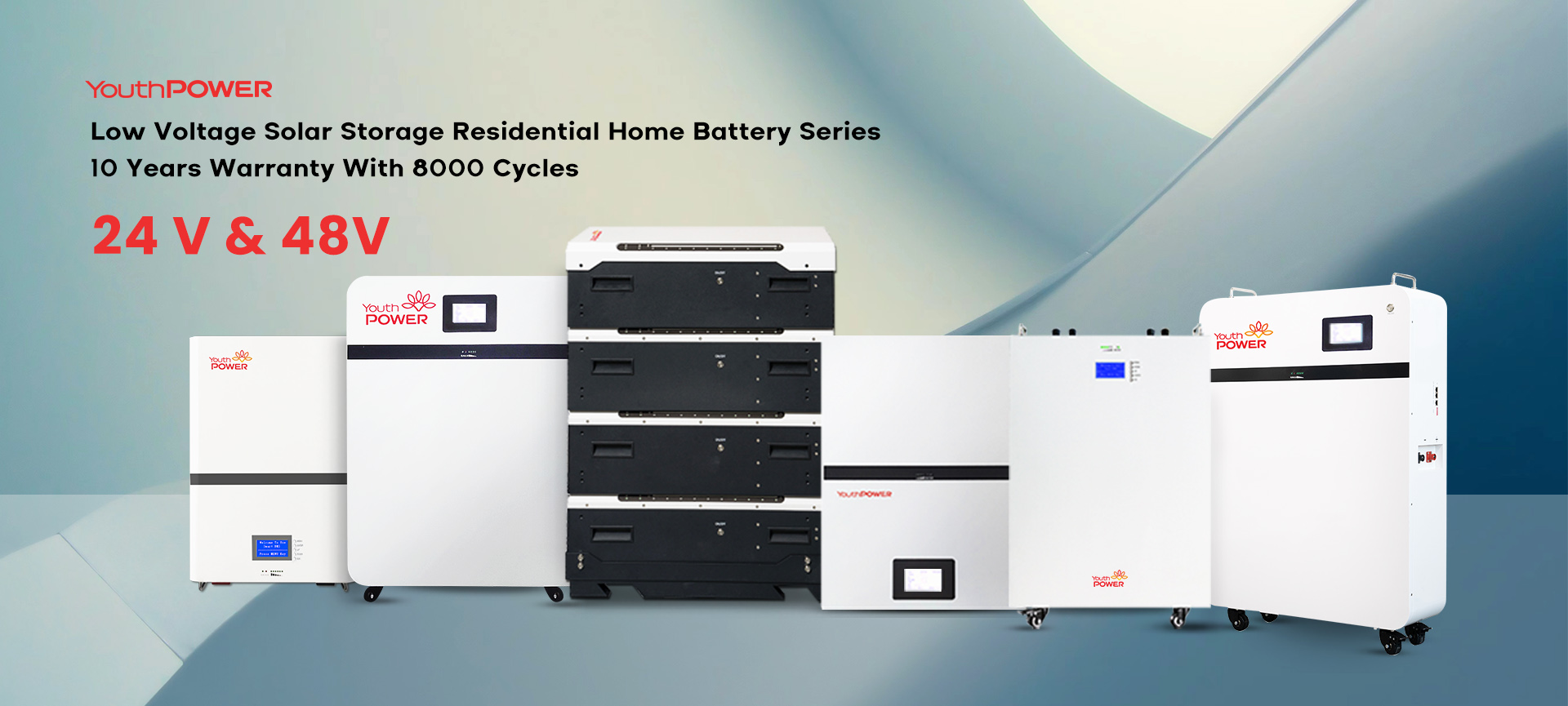
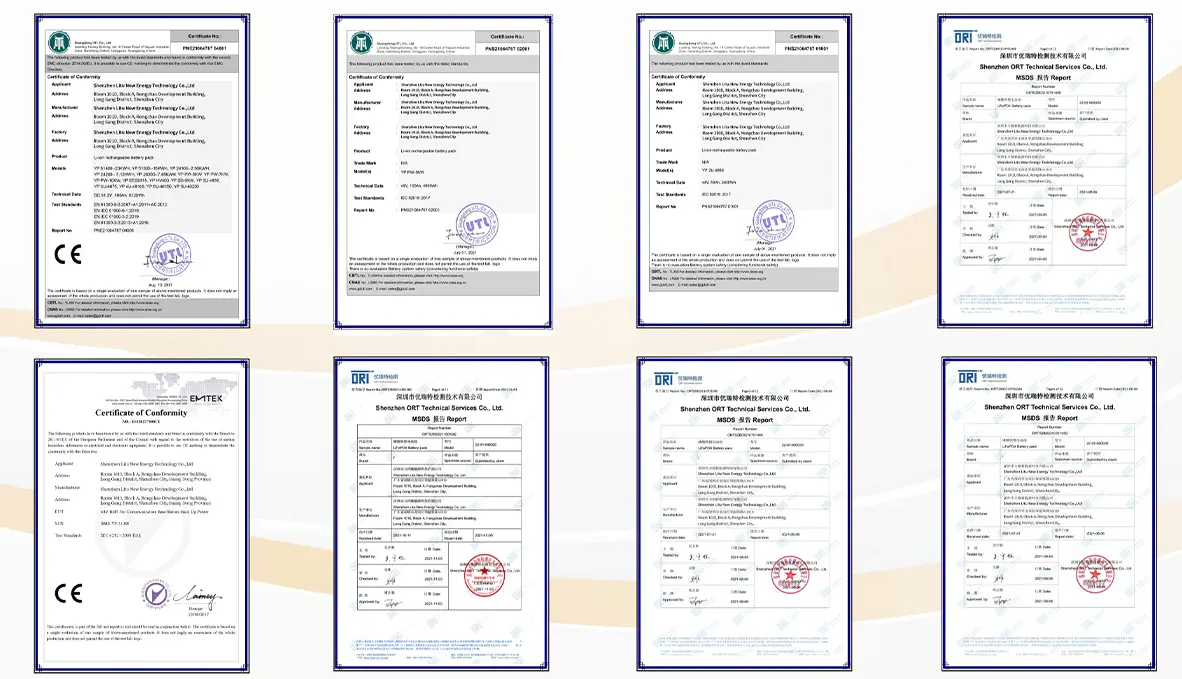
With nearly 20 years’ experience in the battery industry, we have the capability to provide you with both the products you need and the most suitable products you want. We are always ready to supply the first-class products and meet the various needs of the customers.
We have established good business relationships with our customers from all over the world. And we have a good cooperation with all our customers as well for many years running. Supported by our local vendors of raw materials, we can certainly offer you the best prices.
We are so proud that YouthPOWER has offered the reliable solar storage solution for over 1,000,000 families now in the world.
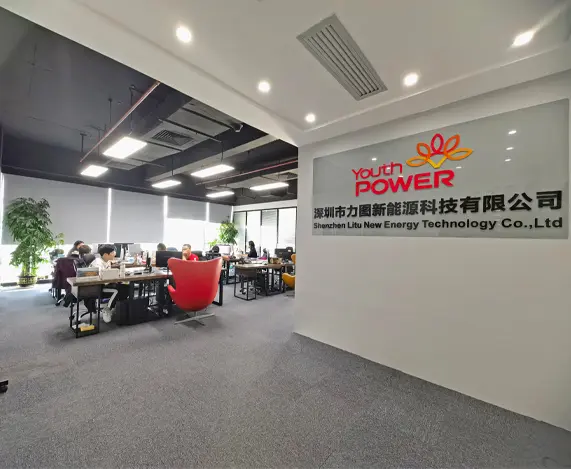
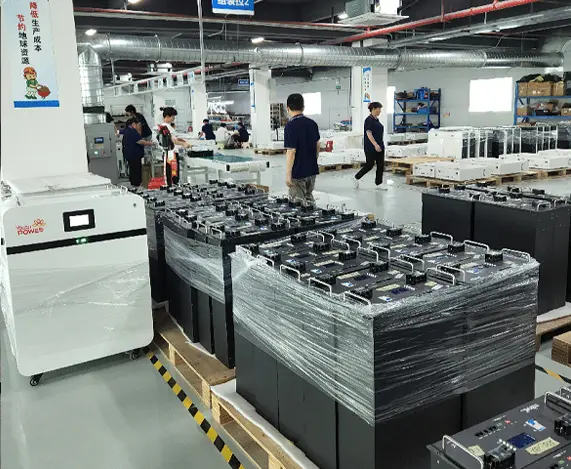
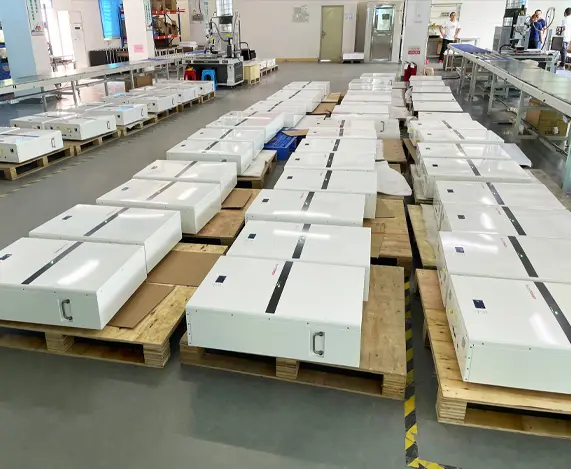
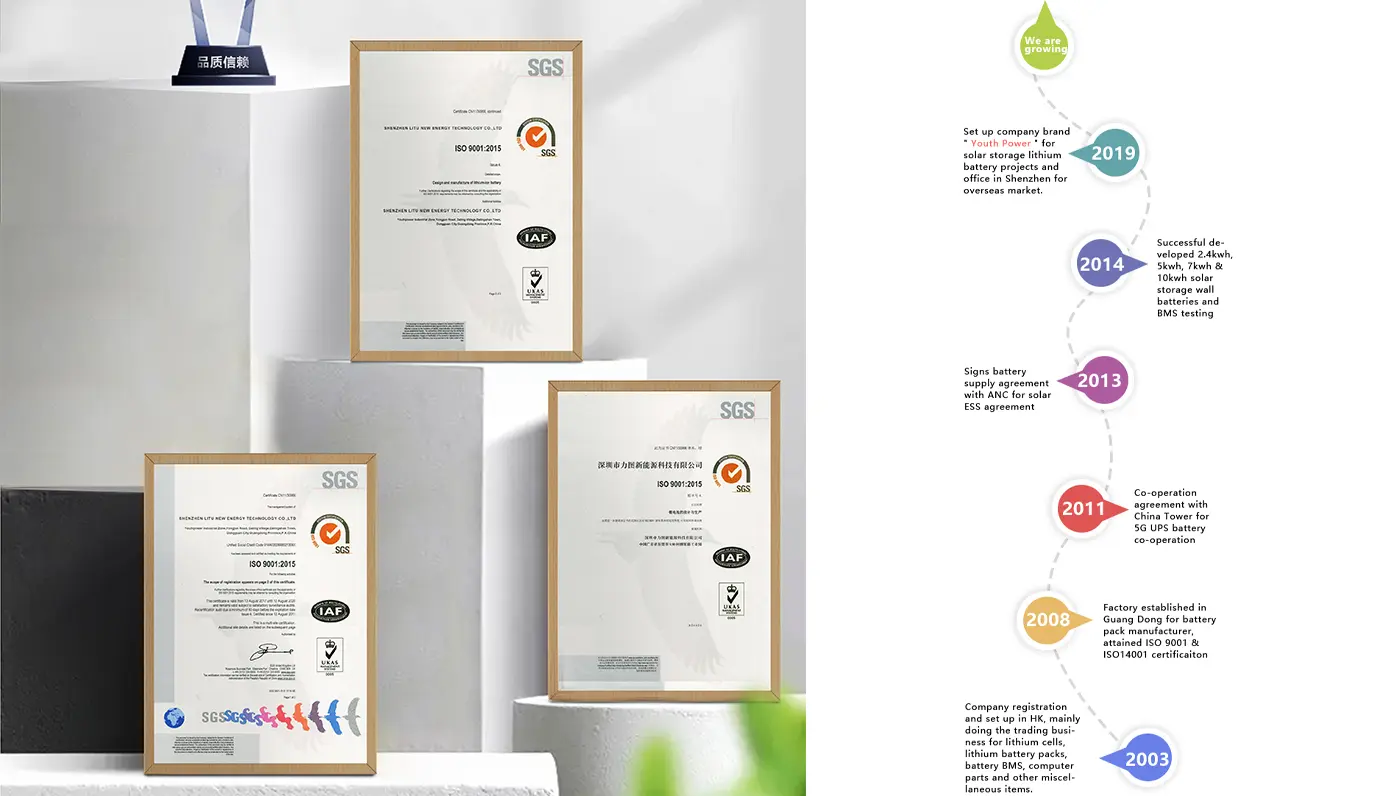
Entered the battery manufacturing and electrochemical development sector, establishing high production standards.
Expanded production lines to manufacture customized lithium-ion storage packs for early-stage solar arrays.
Officially established the "YouthPOWER" brand, standardizing worldwide sales, services, and compliance operations.
Sustaining global energy transformations by supplying safe storage solutions to over 1,000,000 households and businesses worldwide.
Modern commercial enterprises, municipal institutions, and off-grid project developers present varied operational demands. High-quality lithium storage systems must adapt to diverse application criteria:
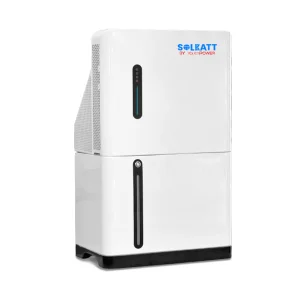
Urban apartments and rental units utilize small balcony storage systems to capture local solar energy. These systems require compact plug-and-play designs, silent convection cooling, and reliable cycle life. Our 2.5kWh systems fit easily into modern residential layouts, providing localized backup energy during outages.
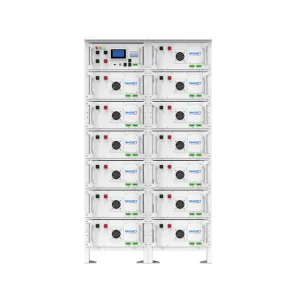
Enterprises face demand charges and high utility tariffs. High-voltage battery systems (such as the 186KWH or 200KWH arrays) allow commercial complexes to perform peak shaving by storing cheap off-peak power and releasing it during high-rate peak hours. This optimizes capital expenditure and lowers operational costs.
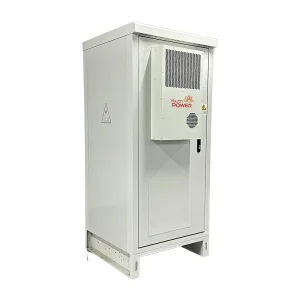
Agricultural operations and remote island communities rely on off-grid systems. The YouthPOWER Outdoor Powerbox (100KWH+) is engineered to withstand dust and moisture, operating continuously within rugged environments without performance degradation.
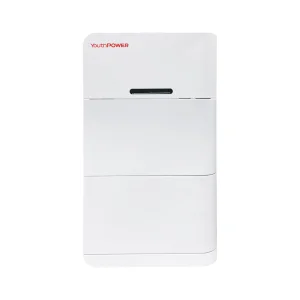
Homeowners seek simple installation processes. All-in-One Energy Storage Systems (ESS) integrate hybrid inverters and modular batteries into a single pre-configured cabinet. This design reduces field installation times, shortens cable lengths, and minimizes phase configuration errors.
The energy storage industry is evolving rapidly, driven by chemistry innovations and digital integration. Key trends to monitor over the next five years include:
High-capacity 280Ah and 314Ah cells are becoming the new industry standard, allowing developers to double rack energy density and simplify cell monitoring layouts.
Modern storage systems use cloud-based diagnostic platforms to predict failure risks and balance cells remotely, optimizing operational lifetimes.
Global markets are introducing stricter lifecycle carbon tracking, driving BESS manufacturers to adopt sustainable raw materials and circular design practices.
Technical and procurement answers from our engineering specialists.
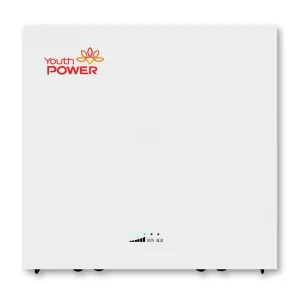
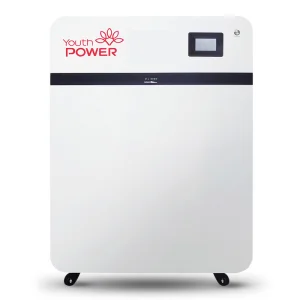
Explore our range of scalable, modular rack systems and compact power solutions built to meet custom specifications.
 YouthPOWER