Explore our high-performance lithium energy solutions engineered for safety, longevity, and optimal ROI.
Pioneering clean energy storage configurations since 2003.
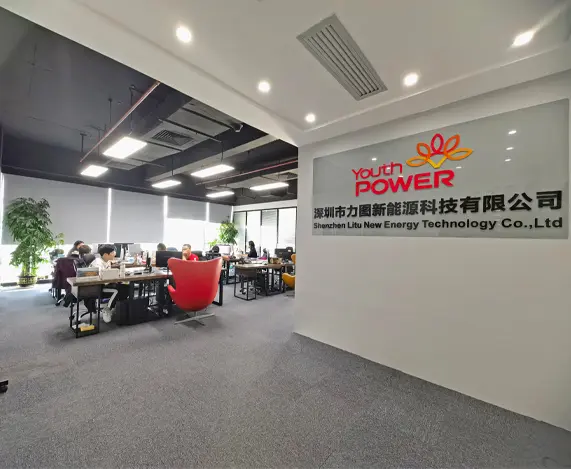
Founded in 2003, YouthPOWER has now become one of the leading suppliers of solar storage lithium batteries in the world. With a broad range of energy storage solutions, it covers a series of 24V, 48V and higher voltage lithium batteries solutions.
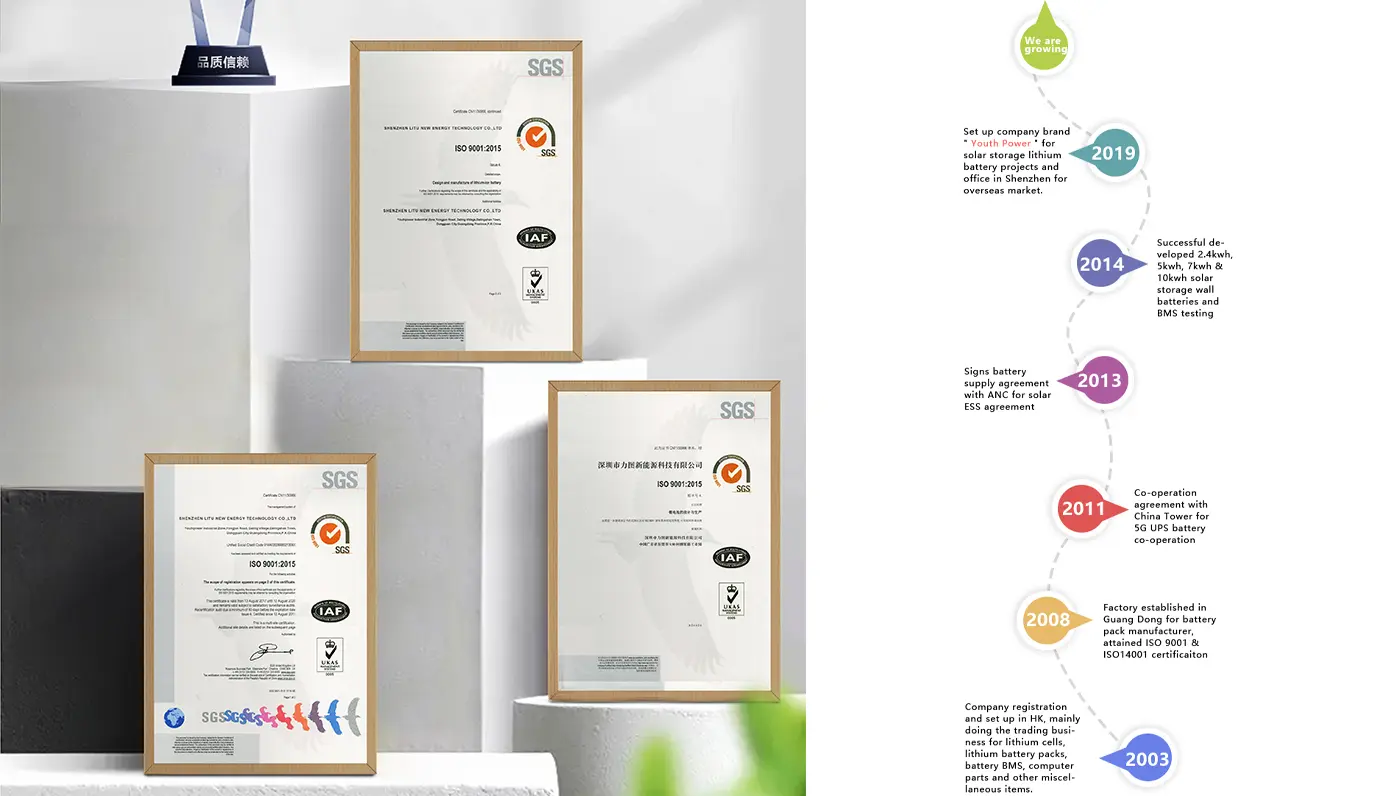
YouthPOWER has engaged in the battery technology and production for almost 20 years, with abundant manufacturing experience and strong new product R & D capability. Through many years of hard work and market promotion, we have created our own brand "YouthPOWER" in 2019.
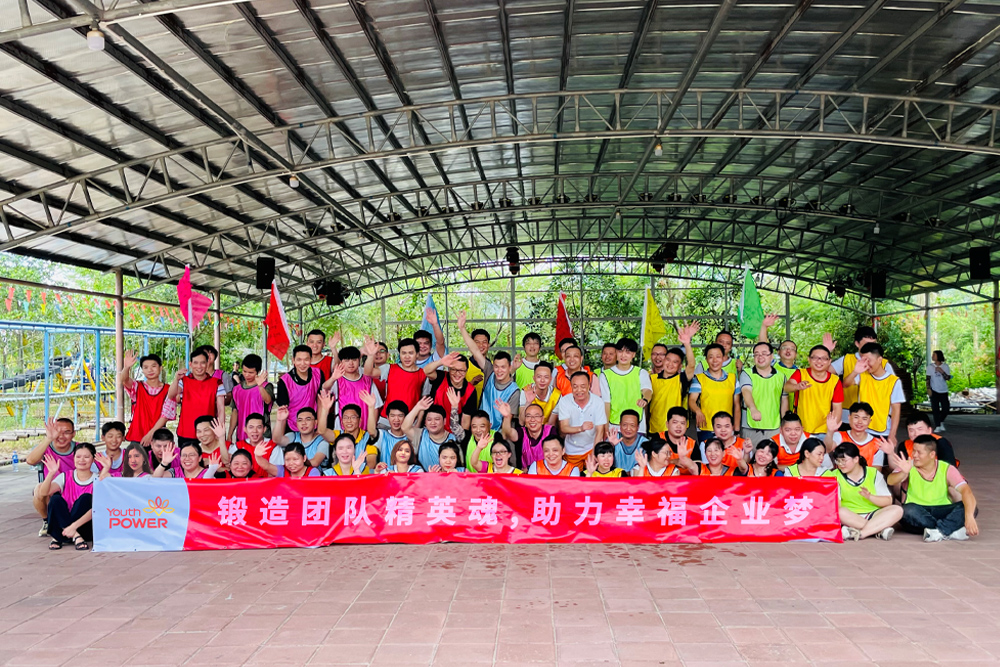
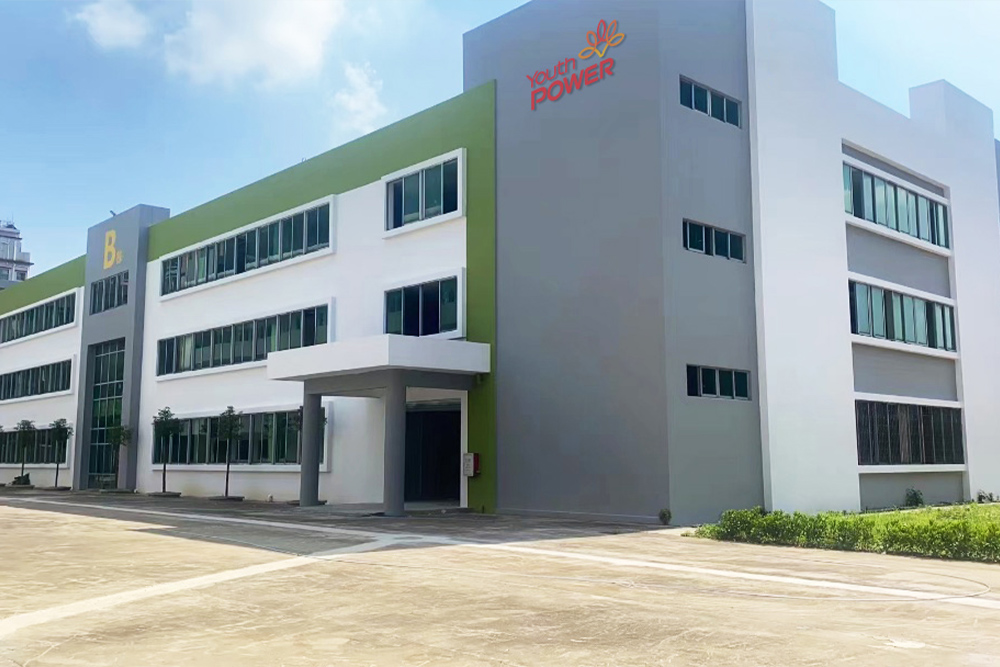
With nearly 20 years’ experience in the battery industry, we have the capability to provide you with both the products you need and the most suitable products you want. We are always ready to supply the first-class products and meet the various needs of the customers.
We have established good business relationships with our customers from all over the world. And we have a good cooperation with all our customers as well for many years running. Supported by our local vendors of raw materials, we can certainly offer you the best prices.
We are so proud that YouthPOWER has offered the reliable solar storage solution for over 1,000,000 families now in the world.
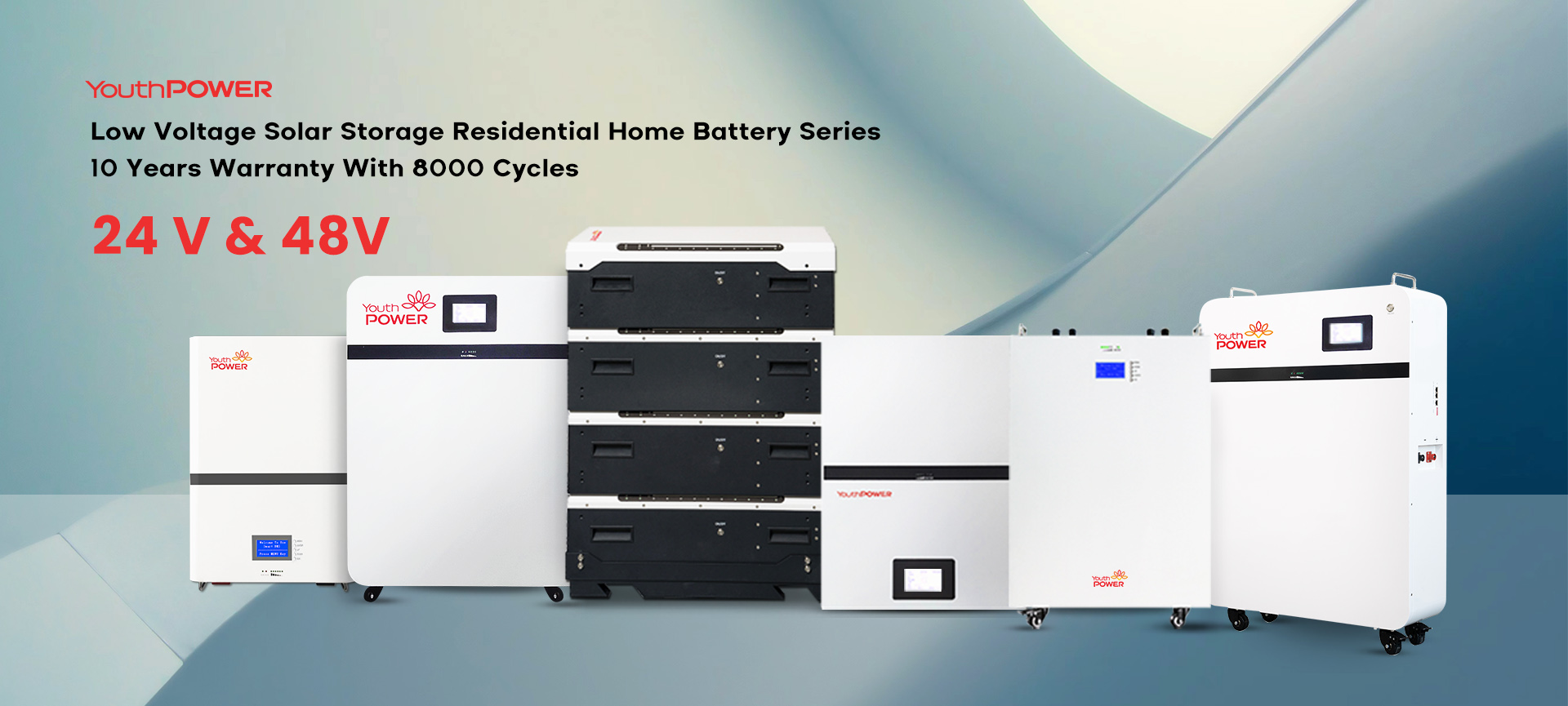
A comprehensive framework mapping chemistry efficiency, lifecycle cost configurations, and structural investments.
When selecting the best solar storage system company, purchasing agents and EPC (Engineering, Procurement, and Construction) companies must shift their evaluation metrics from raw capital expenditure (CAPEX) to Levelized Cost of Storage (LCOS). In 2025, modern Lithium Iron Phosphate (LiFePO4) systems offer superior performance over outdated ternary lithium (NMC) chemistries due to enhanced thermal stability, lower environmental impacts, and significantly prolonged operational lifecycles.
Pricing is not determined solely by the raw capacity of the cell. High-grade systems integrate smart Active Balancing Battery Management Systems (BMS), high-durability thermal management assemblies, and multi-layered enclosure designs (NEMA 3R / IP65 for outdoor installations). Calculating the return on investment requires analyzing cell degradation rates, typical depth of discharge (DoD), round-trip efficiency, and the manufacturer's localized warranty implementation.
Real-time cell status monitoring, automatic cell balancing, thermal runaway mitigation, and remote performance telemetry via advanced digital interfaces.
Utilizing high-grade LiFePO4 cells delivering more than 6,000 complete cycles at 80% Depth of Discharge (DoD), guaranteeing over a decade of stable operations.
Integrated passive and forced-air cooling systems that maintain optimal battery cell temperature, minimizing capacity fade under extreme climate zones.
How high-capacity lithium storage aligns with regional energy demands, policy guidelines, and environment variables.
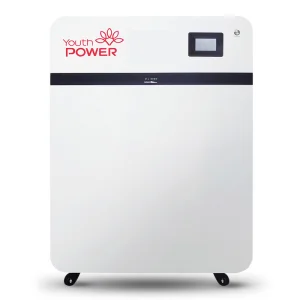
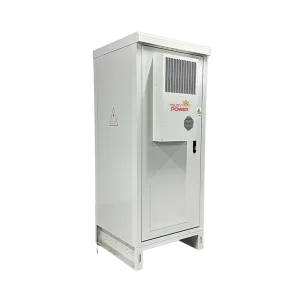
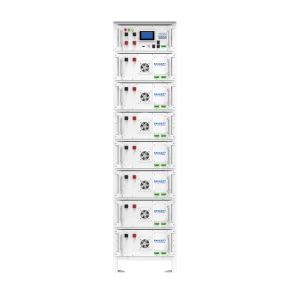
In highly regulated markets like Germany, the UK, California (NEM 3.0), and Texas, energy consumers face volatile Time-of-Use (ToU) electricity tariffs. Localized configurations utilize high-voltage lithium battery systems (such as our 400V 12.8kWh packs or 563V C&I cabinets) to charge during off-peak periods when solar generation is abundant, and discharge during peak evening pricing windows.
Moreover, corporate operations utilize peak-shaving techniques to limit demand charges, lowering energy overheads and protecting grid substations from thermal overloading during heat waves or grid anomalies.
In regions with unreliable central grid infrastructure, energy storage systems act as the primary operational backbone. Off-grid solar hybrid microgrids demand rugged, low-maintenance energy solutions like the YouthPOWER 15kWh 51.2V base configurations or 100kWh commercial battery containers.
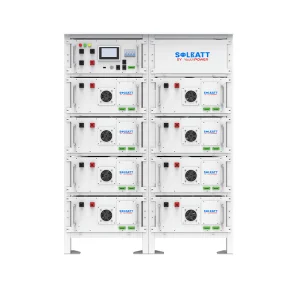
These systems incorporate heavy-duty steel rack protection, advanced dust filtration, and dual-inverter synchronization protocols to maintain consistent, clean sinusoidal power for residential centers, farming projects, and local healthcare clinics.
Developing next-generation energy density architectures, solid-state chemistries, and AI-driven grid optimization.
Universal Adoption of LiFePO4: Transitioned from standard lead-acid and NMC to cobalt-free LiFePO4, boosting battery life to 6000 cycles and enhancing absolute thermal runaway safety levels.
High-Voltage Architectures (HV): Shifted product focus to high-voltage battery cabinets (400V to 768V), shrinking overall cable cross-section requirements, minimizing transmission losses, and scaling overall conversion efficiency to over 97.5%.
AI-Driven Energy Cloud (VPP-Ready): Development of smart API layers allowing YouthPOWER battery modules to interact with Virtual Power Plant (VPP) networks, optimizing load dispatch schedules automatically via machine learning.
Semi-Solid-State Energy Density: Exploring solid polymer electrolytes to double volumetric energy density, enabling longer runtimes in more compact, lightweight cabinets.
Our journey has been defined by technological innovation, rigorous engineering quality, and global grid adaptation. For nearly two decades, YouthPOWER has refined raw manufacturing materials and assembly standards to ensure long-term energy security for our consumers.
From initial R&D trials in lead-acid battery technology to pioneering state-of-the-art modular smart lithium storage boxes, our roadmap represents the evolution of storage technology itself.
How localized production ecosystems translate to cost savings, quality control, and rapid custom deployment.
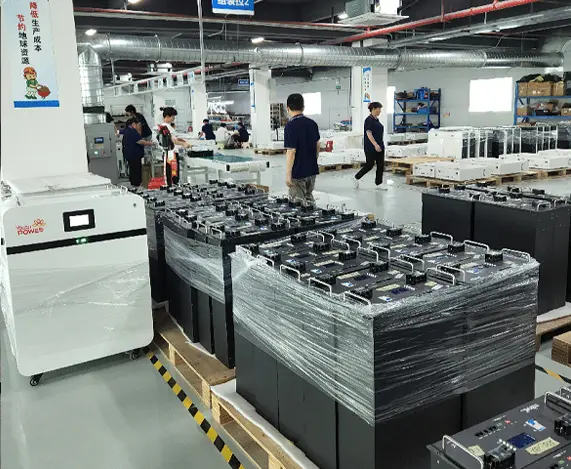
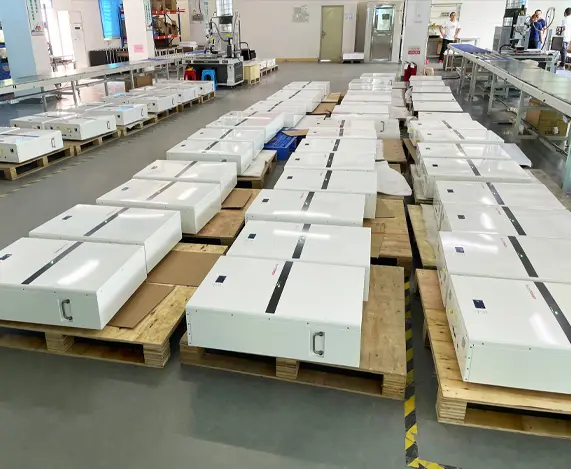
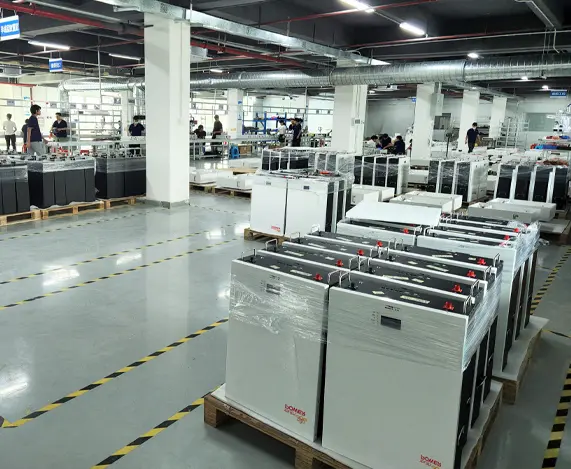
China is the global leader in lithium battery manufacturing, processing over 70% of the world's battery raw materials and producing a vast majority of key electrical system components. By operating our primary production facilities within this optimized supply chain ecosystem, YouthPOWER secures highly stable access to top-tier raw lithium, copper foils, precision casings, and microchips.
Key Advantages Include:
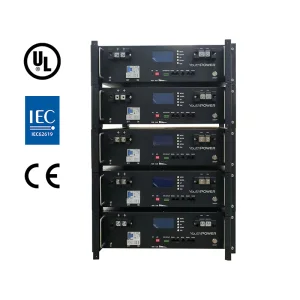
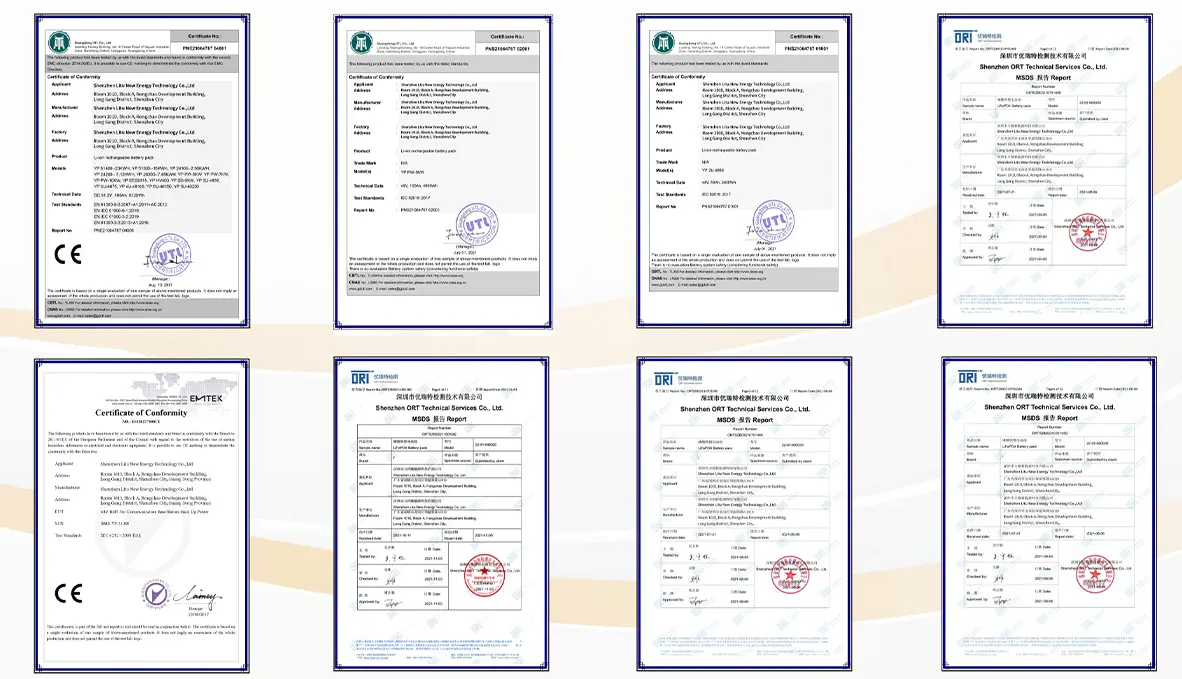
Compliance is essential for high-voltage energy storage deployments. Our manufacturing processes and products are certified to meet critical international regulatory standards:
| System Type & Application | Nominal Voltage | Available Capacity | BMS Features | Target Sector |
|---|---|---|---|---|
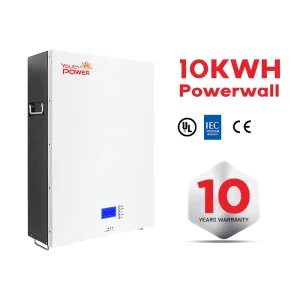
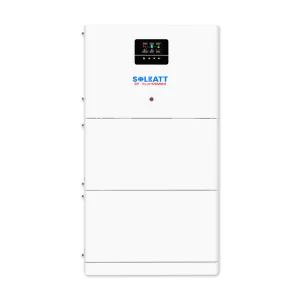
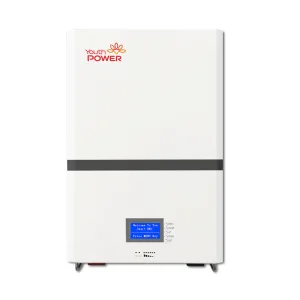
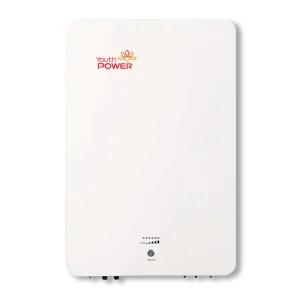
| Standard Wall Powerwall | 51.2V | 5.12 kWh / 10 kWh | Overcharge/Discharge Protection | Residential Homes |
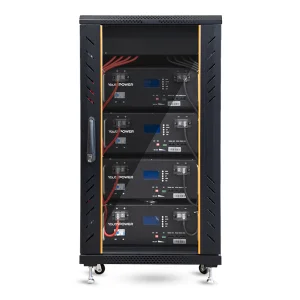
| High Voltage Home System | 400V | 12.8 kWh (Modular) | Thermal Monitoring, Smart Balancing | Large Homes & Light Commercial |
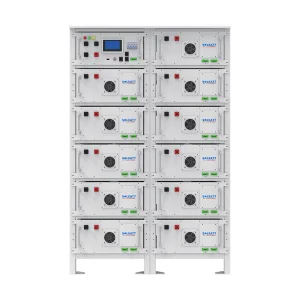
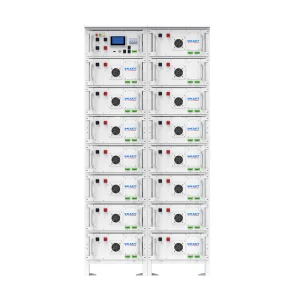
| C&I Battery Cabinets | 409V - 768V | 100 kWh - 215 kWh | External Control Unit, Active Cooling | Factories, Grid Peak Shaving |
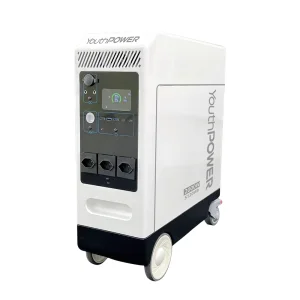
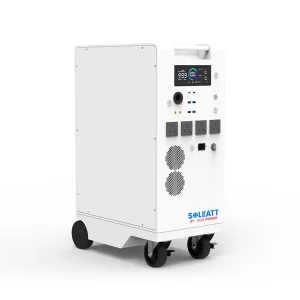
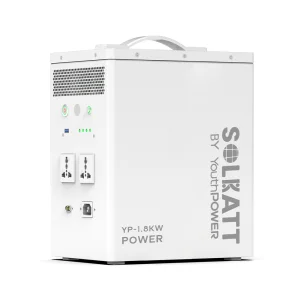
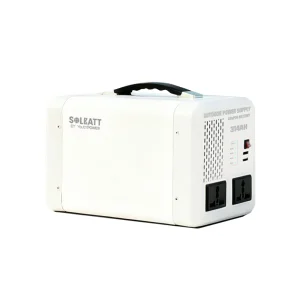
| Movable Stations & UPS | 24V / 48V | 1 kWh - 5 kWh | Plug & Play, Auto-recovery | Emergency Backup, Off-grid Travel |
Resolving common technical and commercial queries concerning battery selection, cost metrics, and longevity.
LiFePO4 (Lithium Iron Phosphate) offers key advantages for stationary storage systems: safety and cycle life. NMC (Nickel Manganese Cobalt) chemistries have higher energy density but are susceptible to thermal runaway at lower temperatures. Additionally, LiFePO4 cells last over 6,000 cycles (at 80% DoD) compared to NMC's typical 1,500 to 2,500 cycles, offering a lower lifetime cost per kWh.
Low voltage systems (typically 48V/51.2V) are ideal for standard residential installations due to simplified wiring and lower component costs. High voltage systems (spanning 200V to over 700V) are optimal for large homes and commercial setups. High voltage configurations minimize current levels, reducing cable size, lowering heat dissipation, and increasing overall inverter round-trip efficiency.
Solar battery pricing is primarily driven by three factors: the quality of the cells (Grade-A vs. B), the sophistication of the built-in Battery Management System (BMS), and the structural thermal management components. Standard residential battery units range from $150 to $300 per kWh, whereas complete commercial systems with advanced grid-synchronization components range from $220 to $450 per kWh, depending on scale and customization.
LiFePO4 chemistry performs well between 0°C and 45°C. Charging at sub-freezing temperatures can cause lithium plating on the anodes, which degrades capacity. YouthPOWER systems use integrated thermal protection and options for internal heaters to warm the cells before charging, preventing degradation in cold climates.
Yes. Our BMS configurations support standard communications protocols (CANbus, RS485) and are designed to integrate with major hybrid inverters like Growatt, Deye, Victron, SMA, and Solis, allowing seamless installation into existing solar power arrays.
Scalable storage architectures designed for industrial integration and portable off-grid power solutions.
 YouthPOWER