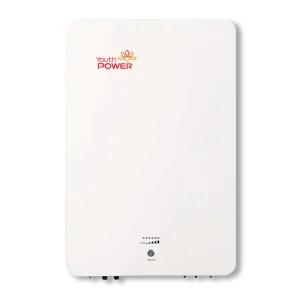
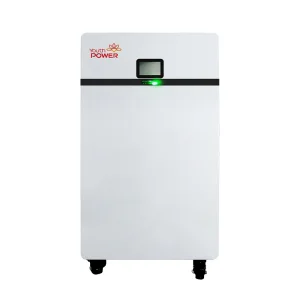
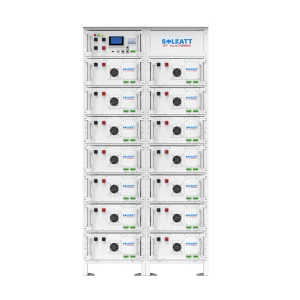
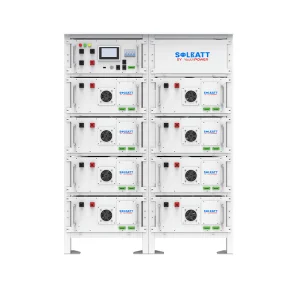
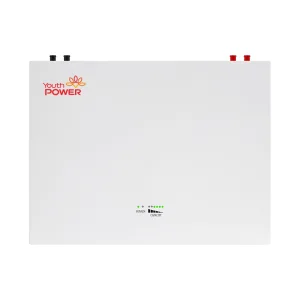
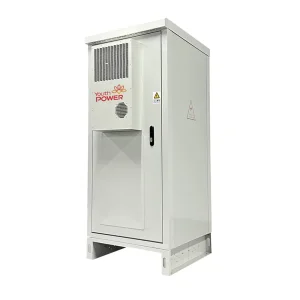
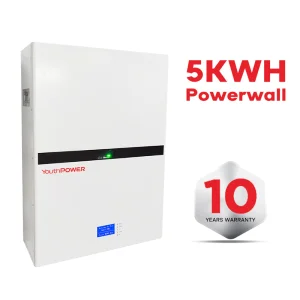
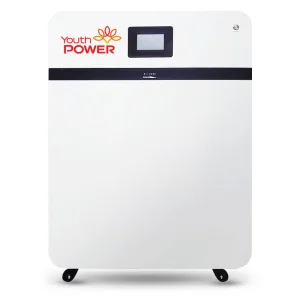
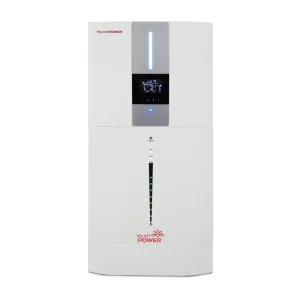
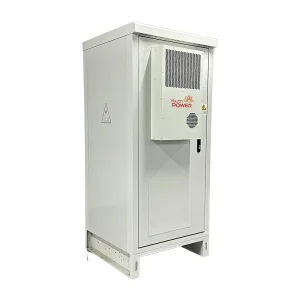
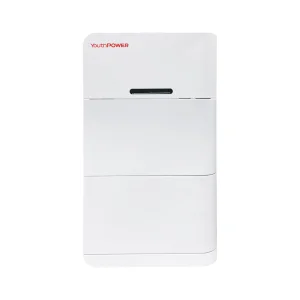
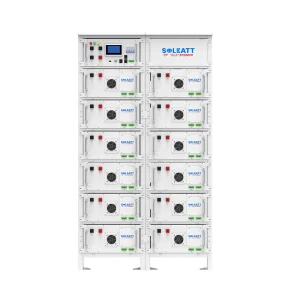
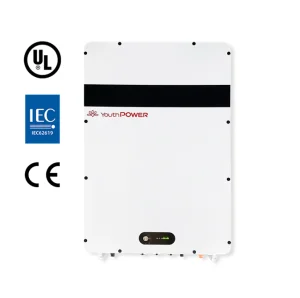
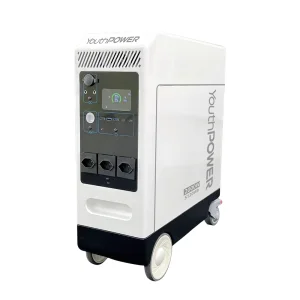
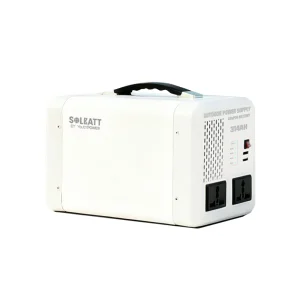
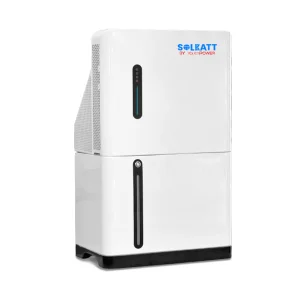
Discover our highly efficient grid-scale and commercial lithium energy storage systems designed for industrial longevity and cost optimization.
An authoritative industrial whitepaper analyzing the structures, manufacturing costs, supply chains, and B2B energy alternatives in the EV and stationary battery market.
For fleet managers and private operators, understanding the real-world Tesla battery replacement cost parameters is crucial. Average replacement expenses vary widely based on module type, geographical location, labor rates, and battery chemistries (LFP vs. NMC/NCA).
Many online guides focus purely on base pricing. True industrial decision-making factors in structural integration, cell degradation curves, state-of-health (SoH) diagnostics, and battery management system (BMS) adaptation challenges.
The core technology driving high-performance EV battery packs is directly applicable to stationary commercial storage. Standardizing on lithium iron phosphate (LiFePO4) has bridged the gap between vehicular performance and grid reliability.
Understanding the variables that dictate the market price of electric vehicle high-voltage batteries.
The manufacturing cost of Lithium-ion cells constitutes roughly 50% to 70% of the total battery pack price. Traditional Tesla packs utilize NCA (Nickel Cobalt Aluminum) or NMC (Nickel Manganese Cobalt) cylindrical cells, which offer high energy density but are susceptible to price volatility in nickel and cobalt markets.
More recently, LFP (Lithium Iron Phosphate) chemistries have gained dominance in standard range vehicles and stationary BESS solutions due to their lower material cost, superior safety profile, and prolonged cycle life.
Tesla employs different structural layouts, from early modular designs (Model S/X) to structural battery packs (Model Y with 4680 cylindrical cells). Replacement costs are heavily dependent on whether the service requires swapping individual modules or replacing the entire structural pack.
For remanufactured alternatives, independent specialized factories break down compromised packs, isolate bad cell groups, and rebuild modules, presenting a cost-effective alternative to OEM swaps.
Replacing a high-voltage powertrain battery requires specialized high-voltage certified technicians, customized diagnostic software, and dedicated battery lifting rigs. Labor times typically range between 5 to 15 hours, depending on the chassis design and thermal coolant integration routing.
How localized manufacturing ecosystems in China drive down global energy storage cost and ensure consistency.
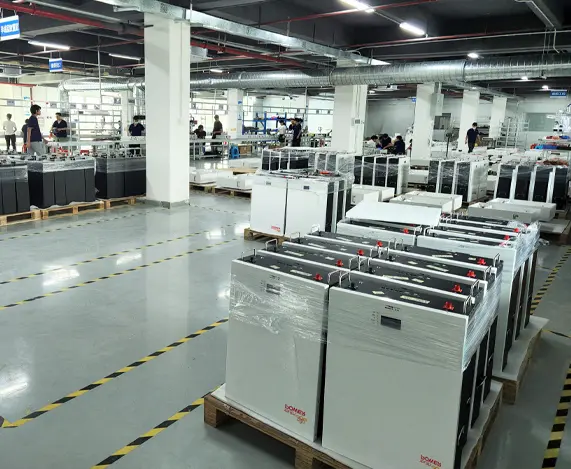
Chinese factories benefit from proximity to major chemical refining hubs that process lithium, synthetic graphite, and high-purity cathode precursors. This geographical aggregation eliminates transit delays and significantly minimizes baseline component costs.
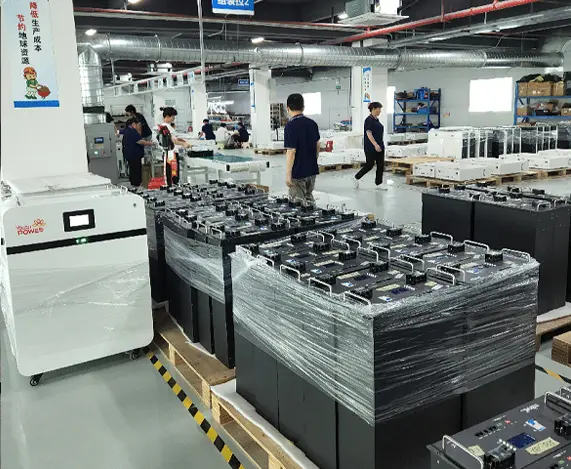
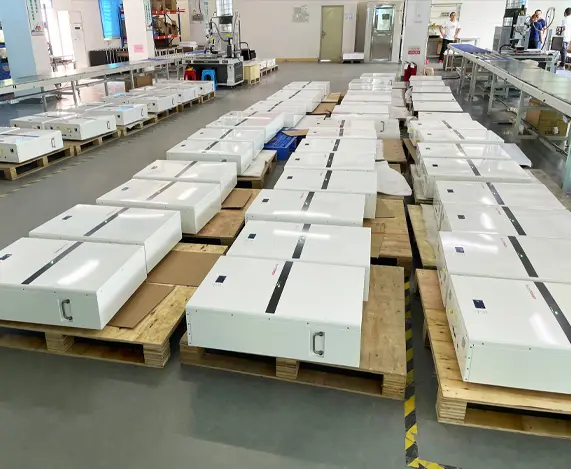
Advanced manufacturing facilities leverage automated line configurations to achieve gigawatt-hour (GWh) capacities. Automated laser-welding, precision coating machines, and robotic cell grading systems ensure that every cell cohort matches strict impedance and capacity tolerances.
From custom Smart BMS boards to thermal structural enclosures, all ancillary components are sourced from specialized regional supply networks, facilitating dynamic product engineering adjustments without long lead times.
Meeting the demands of industrial energy projects, solar contractors, and fleet operators.
Global logistics entities and vehicle fleets transitioning to electric drivetrains require predictive cost modeling. Integrating secondary energy storage (BESS) at depot hubs allows fast charging without straining local utility grids or incurring peak demand penalties.
Industrial procurement departments emphasize parameters such as:
We provide comprehensive design support for custom rack integration, matching voltage outputs from 48V telecom back-up banks to massive 700V+ high-voltage microgrid configurations.
Ensuring local regulatory compliance and safety criteria are strictly observed across international jurisdictions.
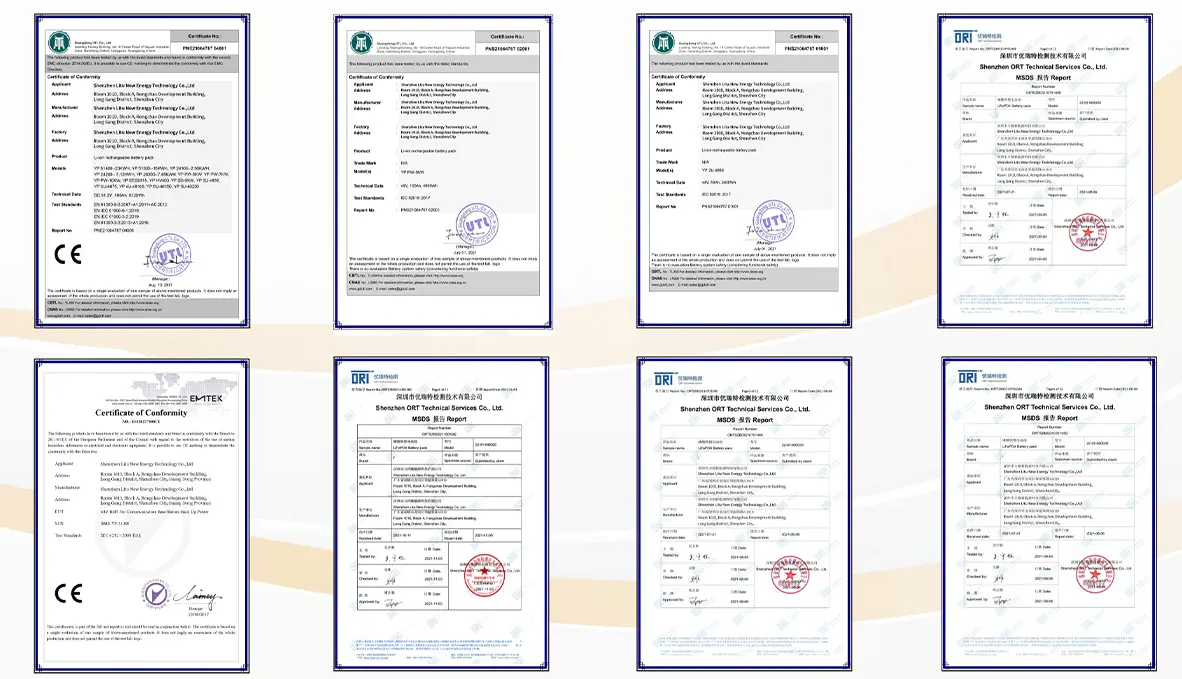
Deploying advanced storage and battery modules internationally requires adherence to regional fire and electrical safety regulations. Our compliance pathways include:
In grid-connected solar battery systems, localized inverter compatibility is paramount. Our power systems are configured to interface seamlessly with popular global inverter brands, satisfying local utility connection standards (e.g., IEEE 1547, G99, AS4777).
Providing local engineering resources, quick-ship replacement parts, and dedicated field services establishes the confidence that B2B enterprises expect from long-term battery equipment partners.
An evaluation of the upcoming developments shaping vehicular battery lifecycles and energy grid transitions.
When an EV battery's capacity drops to 70-80% of its original state, it is no longer optimal for driving range. However, these batteries find a highly viable second life in stationary energy storage applications (BESS), where weight and energy density constraints are less critical.
Converting retired EV cells into industrial grid assets represents a sustainable circular economy model, significantly reducing total lifecycle costs.
Solid-state electrolyte technologies promise to double volumetric energy densities while virtually eliminating risk of thermal runaway. Development teams worldwide are preparing automated production facilities to adapt to solid-state assembly protocols over the next decade.
Closed-loop battery manufacturing is transitioning from a niche objective to an industrial standard. Direct recycling techniques isolate valuable nickel, cobalt, and lithium from black mass, returning them directly into active cathode synthesis lines.
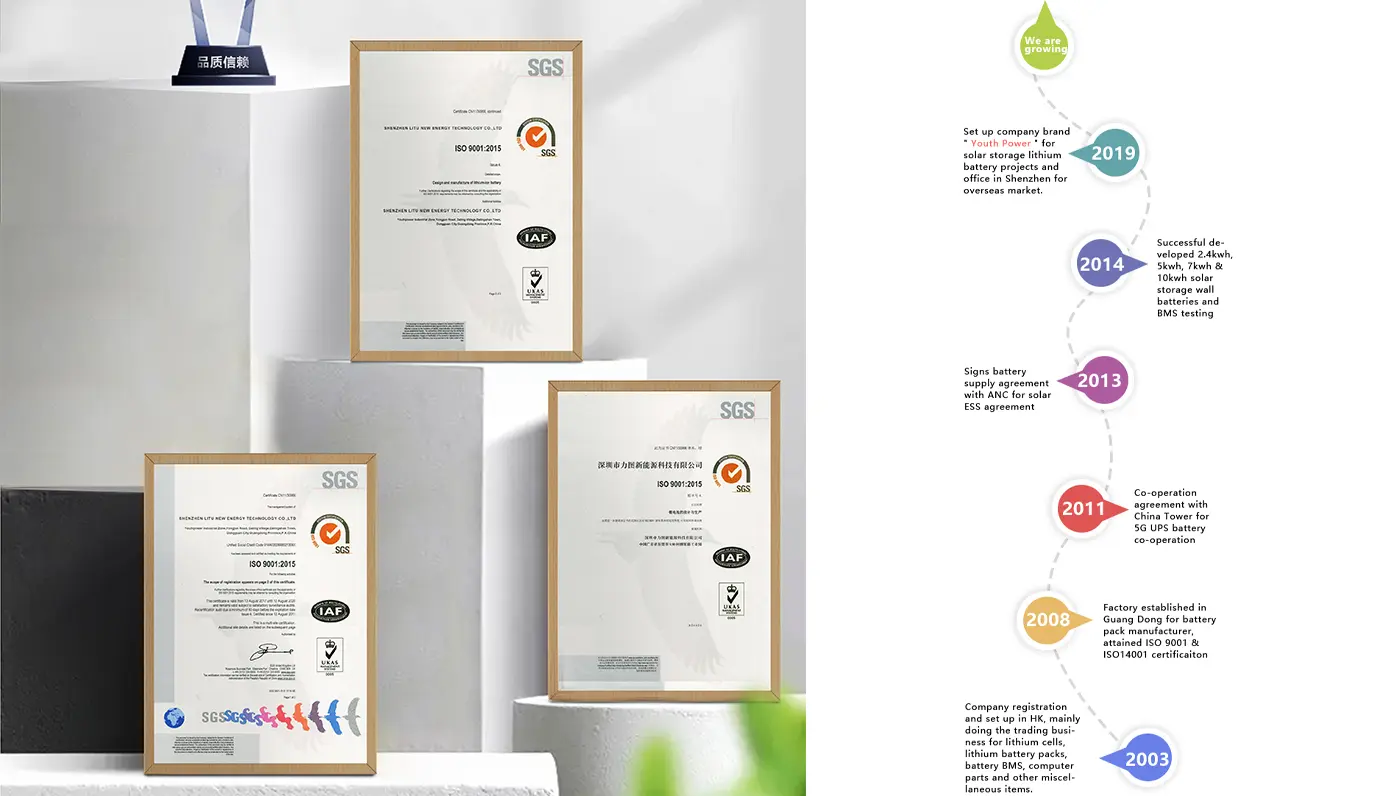
Twenty years of dedication to engineering global lithium storage technology.
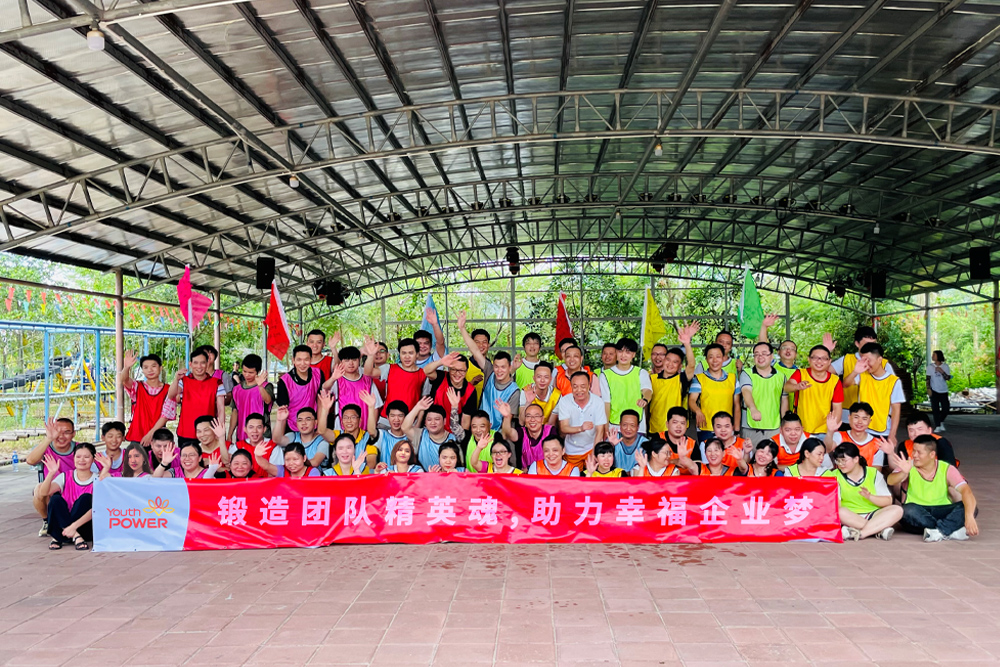
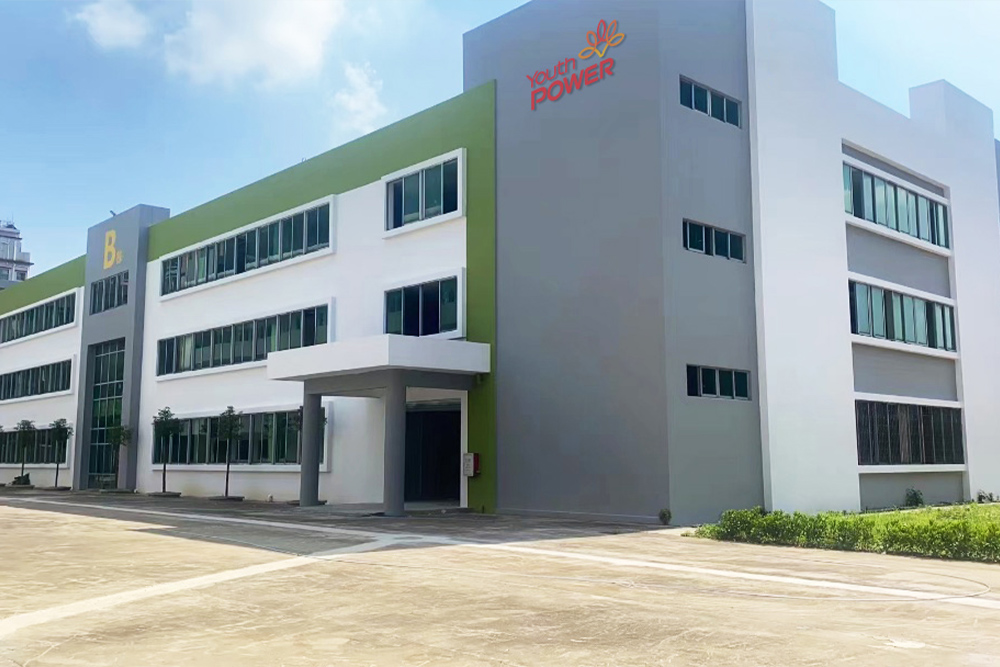
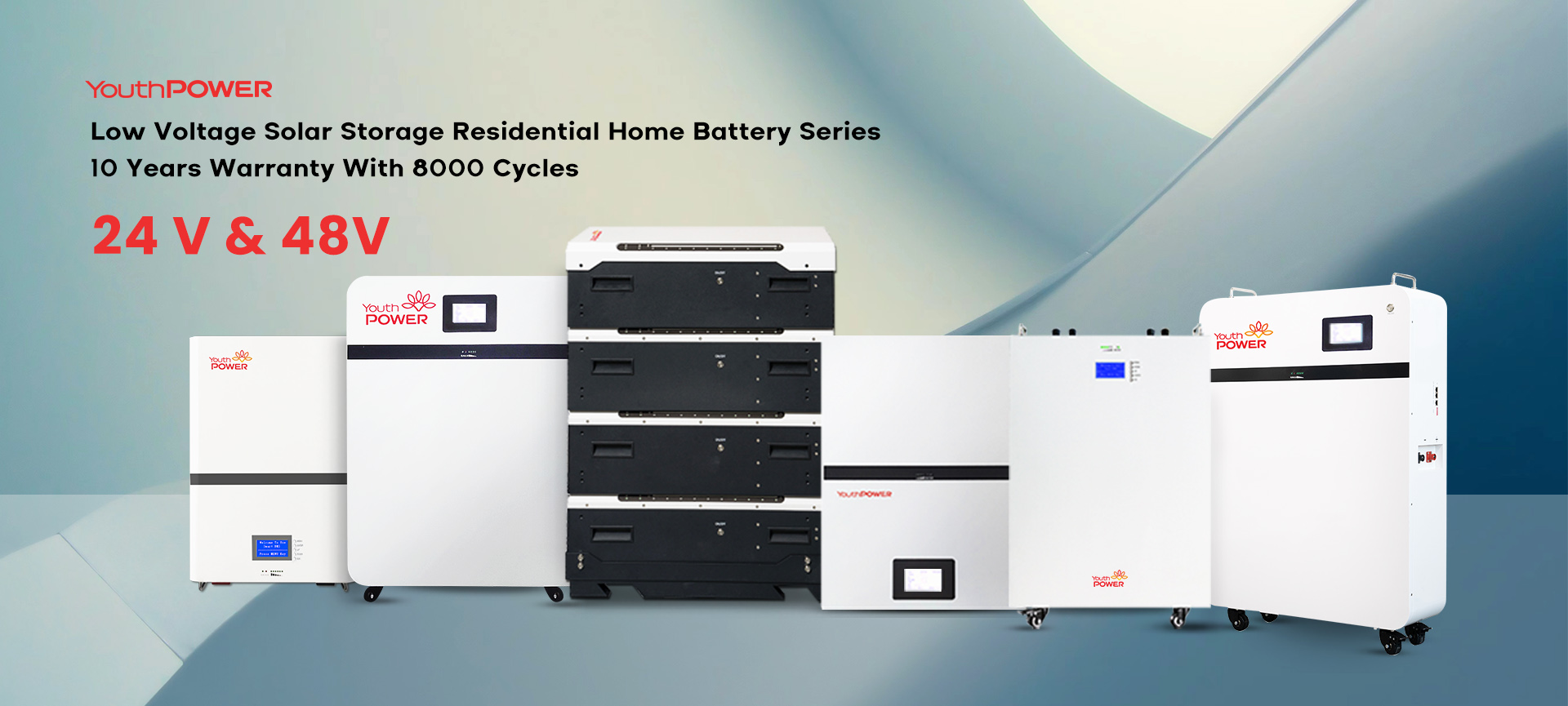
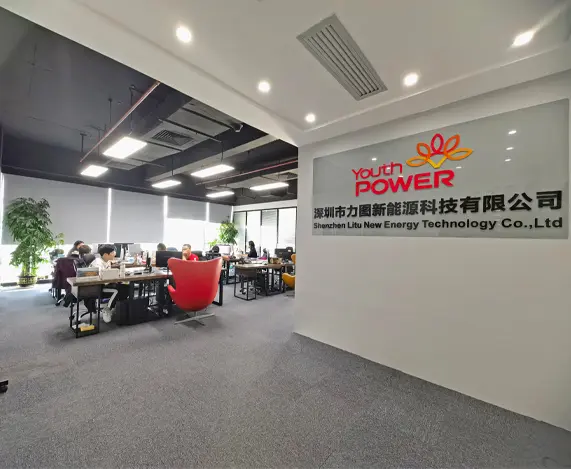
Founded in 2003, YouthPOWER has now become one of the leading suppliers of solar storage lithium batteries in the world. With a broad range of energy storage solutions, it covers a series of 24V, 48V and higher voltage lithium batteries solutions.
YouthPOWER has engaged in the battery technology and production for almost 20 years, with abundant manufacturing experience and strong new product R & D capability. Through many years of hard work and market promotion, we have created our own brand "YouthPOWER" in 2019.
With nearly 20 years’ experience in the battery industry, we have the capability to provide you with both the products you need and the most suitable products you want. We are always ready to supply the first-class products and meet the various needs of the customers.
We are so proud that YouthPOWER has offered the reliable solar storage solution for over 1,000,000 families now in the world.
We have established good business relationships with our customers from all over the world. And we have a good cooperation with all our customers as well for many years running. Supported by our local vendors of raw materials, we can certainly offer you the best prices.
Addressing top-searched technical questions concerning vehicle battery replacement costs, BESS solutions, and sourcing standards.
Explore our low-voltage powerwalls, outdoor powerboxes, and mobile storage systems designed for industrial resilience.
 YouthPOWER