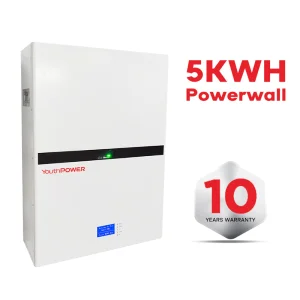
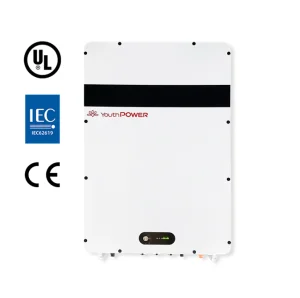
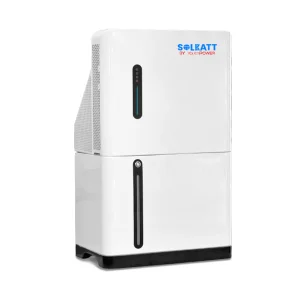
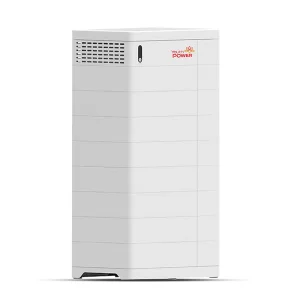
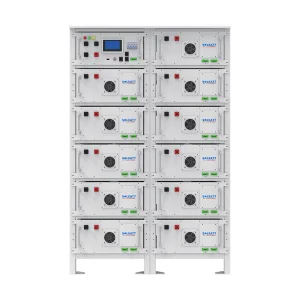
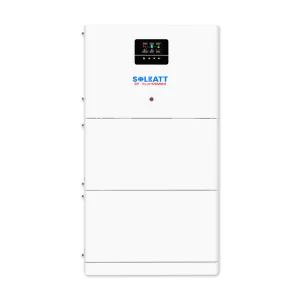
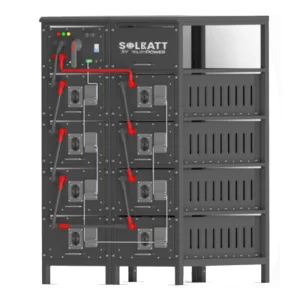
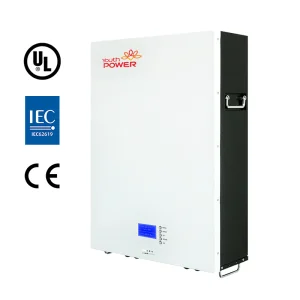
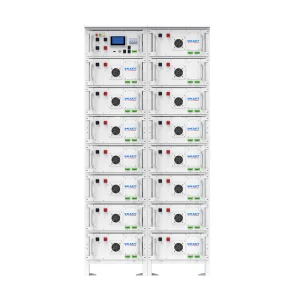
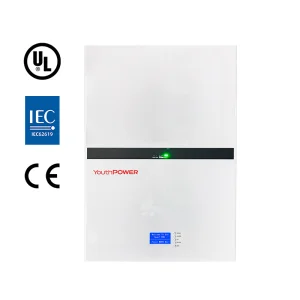
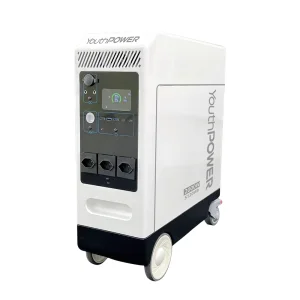
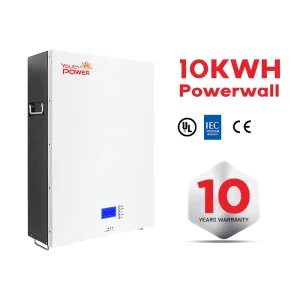
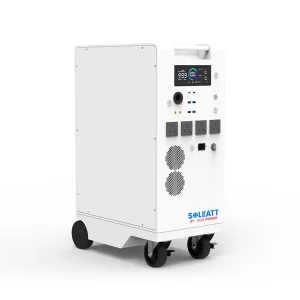
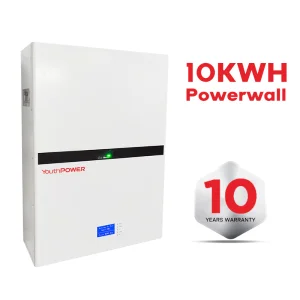
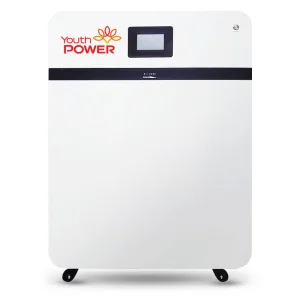
Select from our globally certified industrial and residential lithium battery storage configurations engineered for high-durability 20kW solar integration.
Technological shifts pushing commercial facilities and large estates toward 20kW PV + Battery ecosystems.
Unstable grids and escalating peak demand tariffs are forcing businesses worldwide to deploy 20kW solar power systems integrated with large energy storage blocks. Modern intelligent inverters and LiFePO4 cells allow companies to offset maximum pricing spikes via peak-shaving mechanisms, optimizing financial returns.
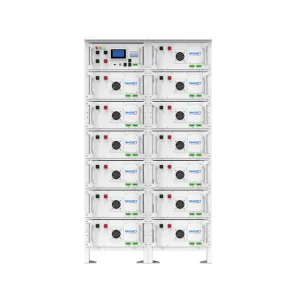
Traditional low-voltage battery lines are yielding ground to high-voltage (HV) stacked configurations (typically 300V to 600V+). HV systems elevate total system round-trip efficiency by cutting thermal losses during high-current discharges, streamlining the total footprint, and simplifying complex warehouse installations.
Integration with AI-driven Energy Management Systems (EMS) enables 20kW power stations to act as node participants in Virtual Power Plants (VPP). Systems automatically predict local consumption profiles using machine learning, scheduling energy dispatch based on dynamic spot market electricity prices.
Evaluating the core parameters of commercial and industrial investment in localized power reserves.
For procurement directors, EPC contractors, and solar distributors, choosing a 20kW solar architecture with battery backups goes far beyond nominal pricing. Quality control audits focus closely on cell design parameters, manufacturing standards, and regulatory compatibility.
| Procurement Spec Category | Key Parameters Required | Target Metric |
|---|---|---|
| Battery Chemistry | Lithium Iron Phosphate (LiFePO4) | > 6000 Cycles @ 80% DOD |
| Nominal Stack Voltage | Low Voltage / High Voltage Optional | 51.2V up to 768V configurations |
| Inverter Compatibility | Multi-Protocol CAN/RS485 Communication | Plug-and-play with 15+ Brands |
| Safety Systems | Automated BMS with thermal cutoff | Over-voltage / Over-temp protection |
How direct-from-factory partnerships yield superior pricing, unmatched scalability, and uncompromising quality.
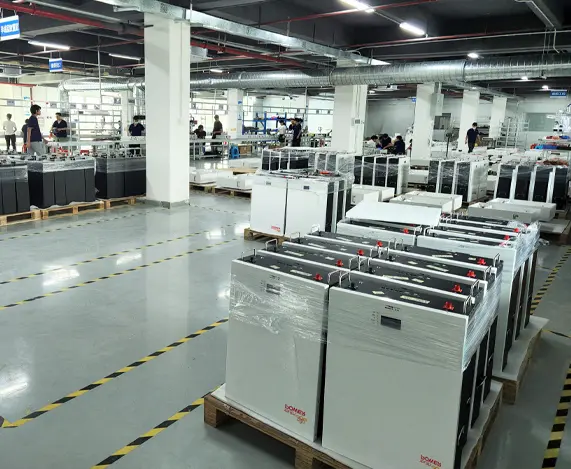
The global energy storage marketplace is highly dynamic, making supply chain resilience critical. Procurement from China-based Factory 4.0 setups provides a distinct advantage through vertical raw material integration. From processed lithium chemicals to engineered BMS PCBs and automated battery modules, China’s industrial ecosystem eliminates multiple logistics links. This integrated path ensures direct price-performance ratios that traditional localized importers simply cannot match.
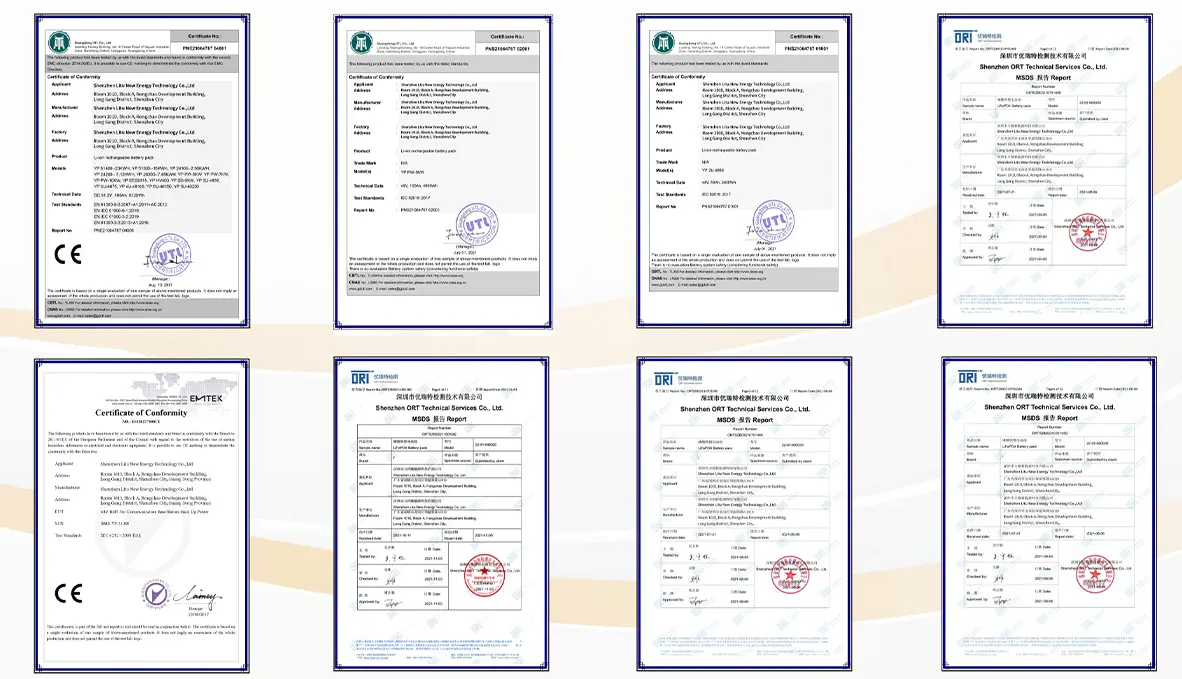
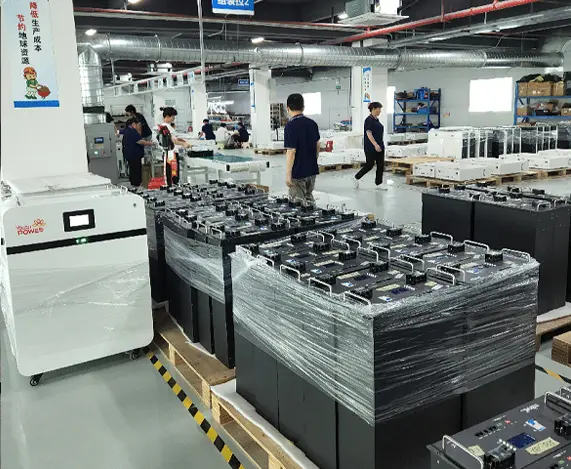
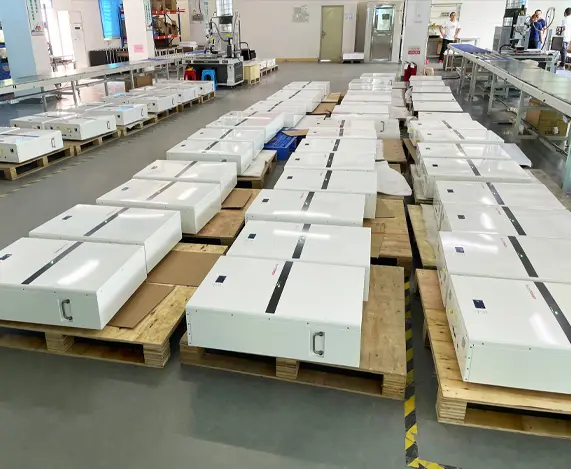
By leveraging automated robotic assembly lines and end-to-end quality assurance routines (including dynamic ageing tests, thermal chamber testing, and cycle validation), manufacturers like YouthPOWER deliver advanced technologies that scale with the rapid changes of the renewable energy sector. Direct factory channels also facilitate deep OEM and ODM customization services, tailoring system footprints, cable placement, and high-voltage parameters to specific commercial projects.
Years Technical Experience
Families Energized Globally
Tier 1 Cell Inspection
Cycle Lifespans
Over two decades of proven experience in advanced lithium battery technology and global energy storage systems.
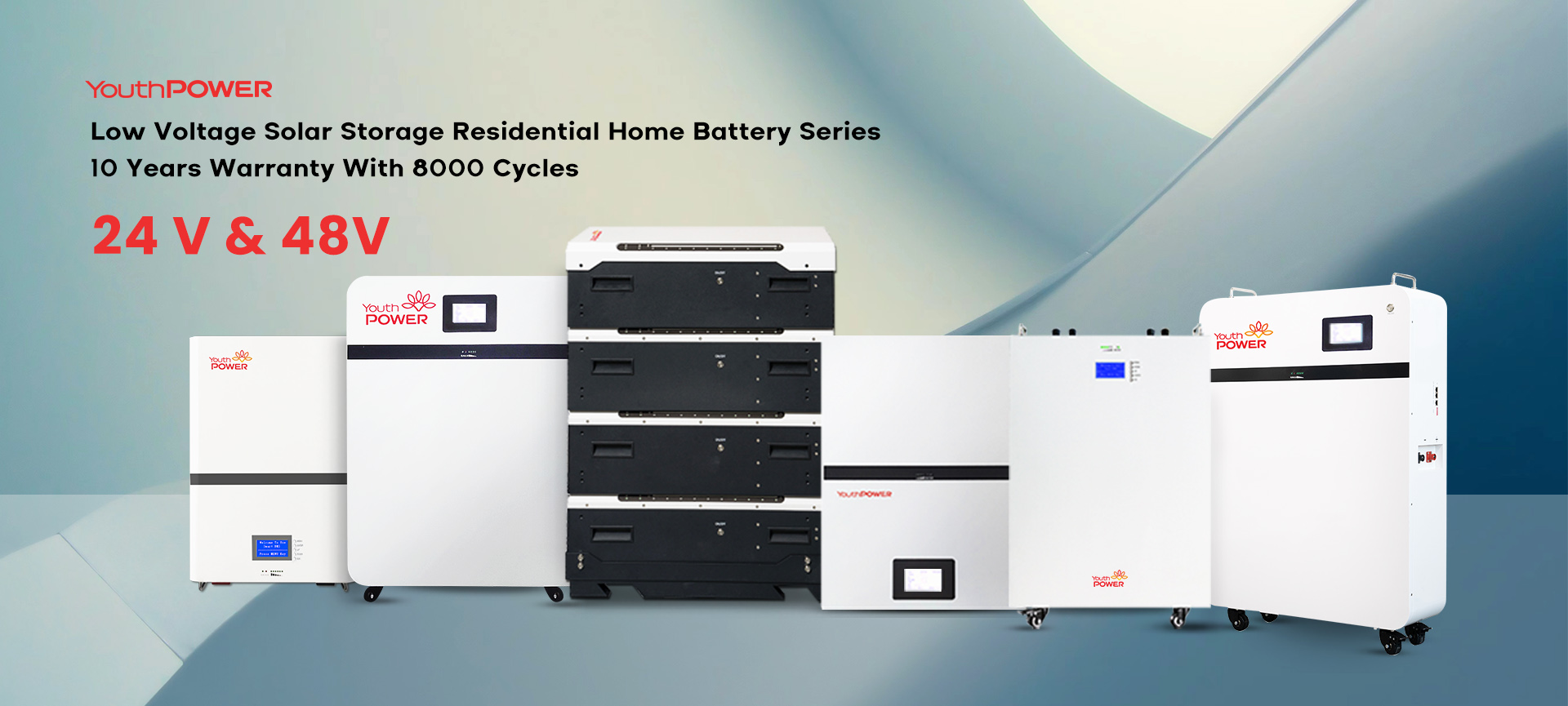
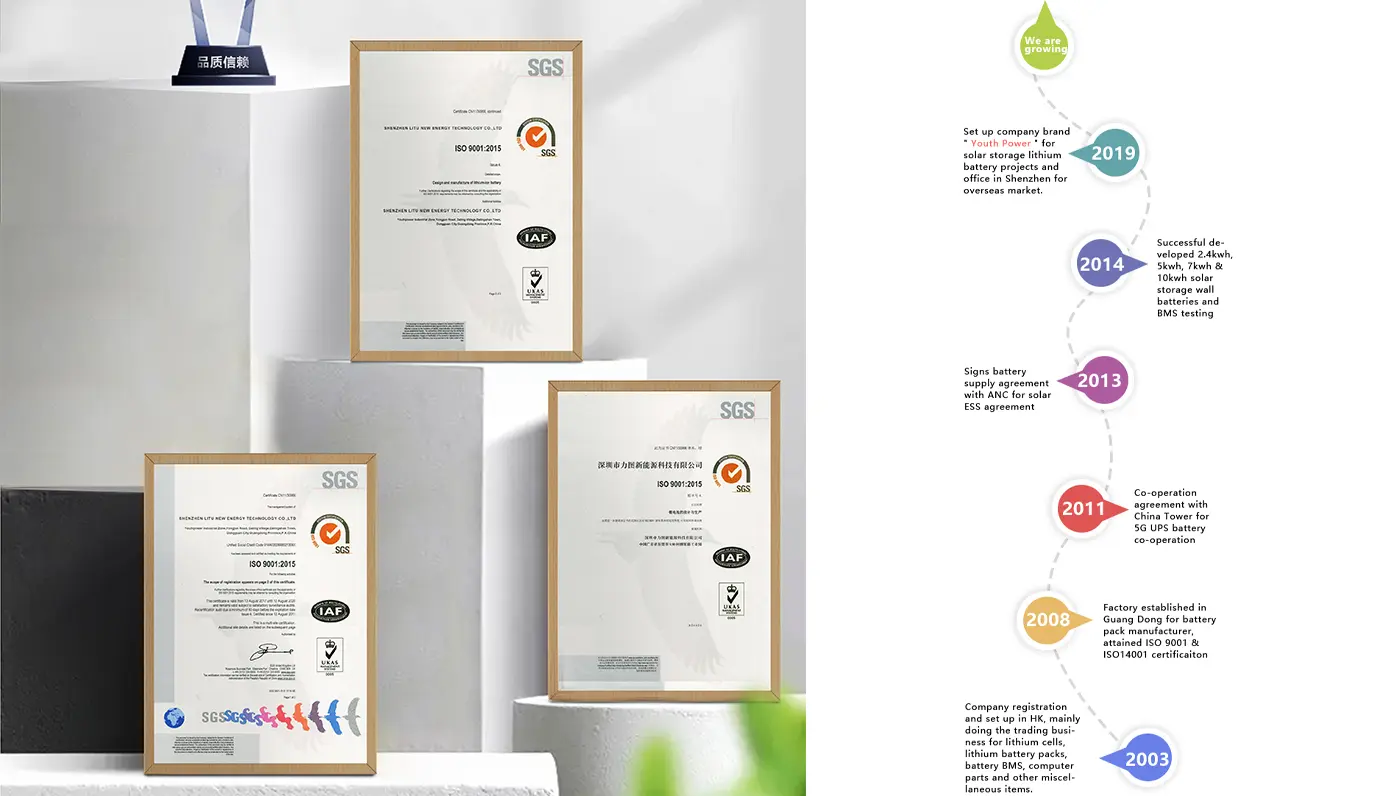
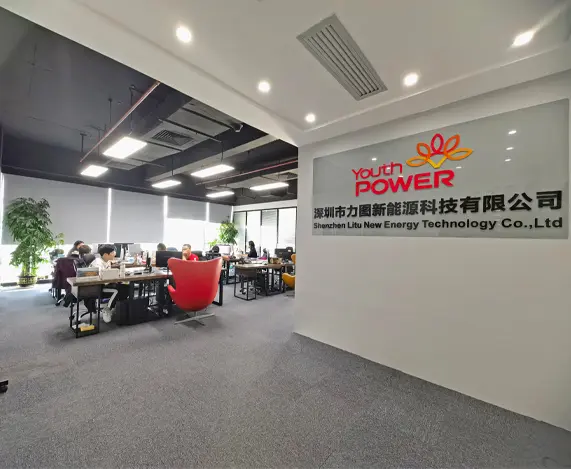
Founded in 2003, YouthPOWER has now become one of the leading suppliers of solar storage lithium batteries in the world. With a broad range of energy storage solutions, it covers a series of 24V, 48V and higher voltage lithium batteries solutions.
YouthPOWER has engaged in the battery technology and production for almost 20 years, with abundant manufacturing experience and strong new product R & D capability. Through many years of hard work and market promotion, we have created our own brand "YouthPOWER" in 2019.
With nearly 20 years’ experience in the battery industry, we have the capability to provide you with both the products you need and the most suitable products you want. We are always ready to supply the first-class products and meet the various needs of the customers.
We have established good business relationships with our customers from all over the world. And we have a good cooperation with all our customers as well for many years running. Supported by our local vendors of raw materials, we can certainly offer you the best prices.
We are so proud that YouthPOWER has offered the reliable solar storage solution for over 1,000,000 families now in the world.
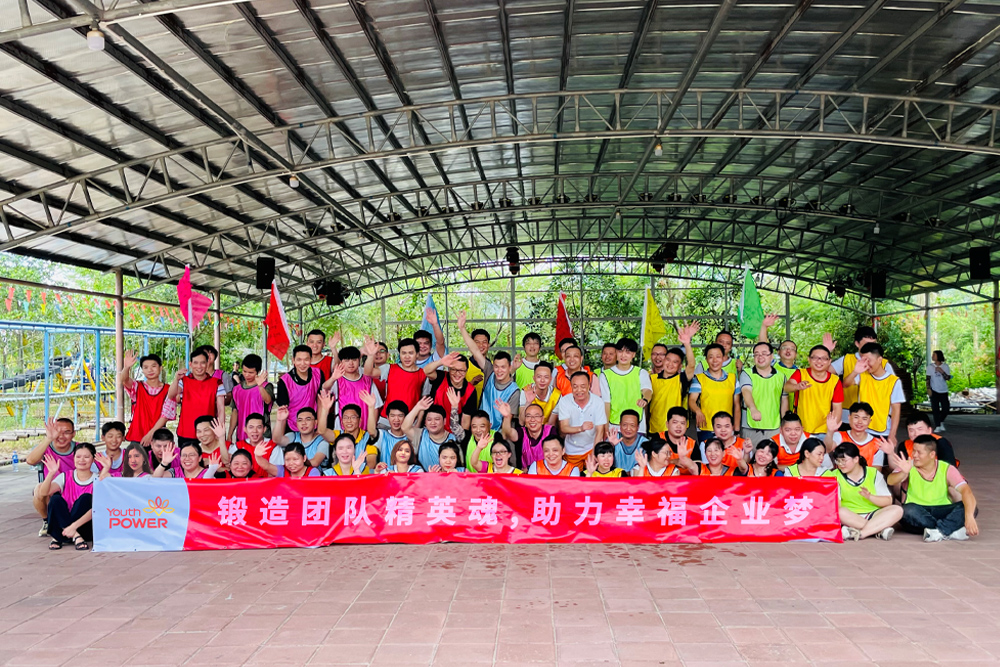
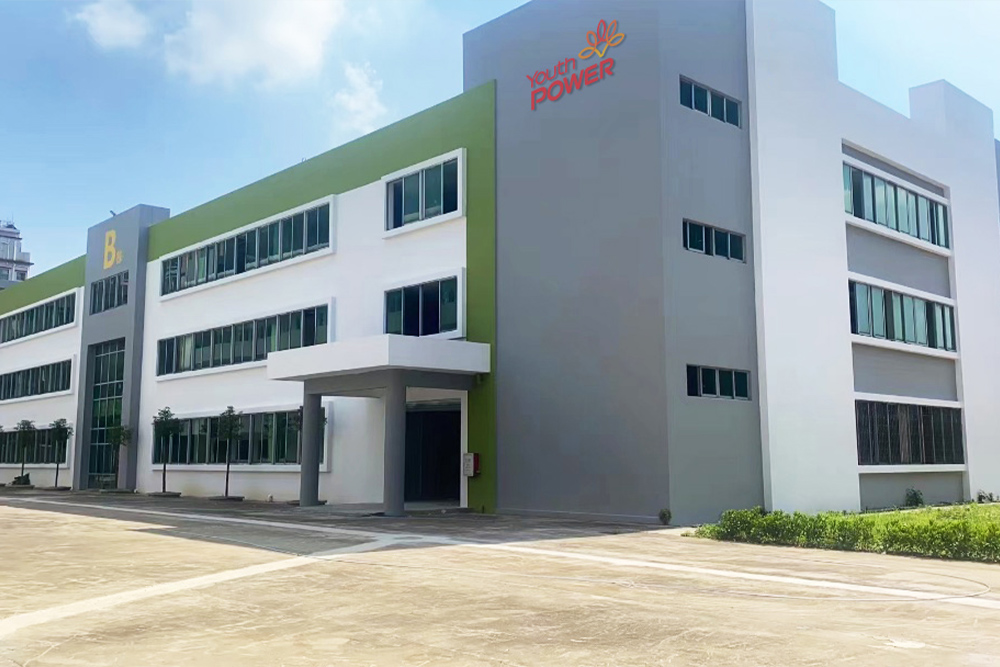
Chronological evolution of YouthPOWER from a local battery engineering hub to a global leader in high-performance solar ESS.
Real-world system layouts addressing diverse climate needs, regional grids, and operational demands.
Locations: Europe, North America, Oceania.
In modern off-grid or hybrid high-end estates, a 20kW PV array paired with 30-50kWh high-voltage stackable battery units operates as a domestic microgrid. The system ensures continuous operation of heat pumps, pool filtration systems, HVAC configurations, and EV superchargers, eliminating dependency on vulnerable rural grids.
Locations: Industrial zones with dynamic demand tariffs.
Commercial properties leverage 20kW solar setups to manage peak demand charges. The automated BMS monitors power draws from CNC machinery, refrigeration, or office lighting, discharging the storage system when rates peak and recharging it at off-peak rates or during solar peak hours.
Locations: Remote farming areas, arid regions.
Water irrigation systems consume massive energy during daylight hours. Utilizing high-capacity 20kW PV installations with waterproof outdoor battery enclosures, agricultural producers sustain automated drip systems and pump pipelines throughout the evening, independent of diesel generator fuel supply networks.
Browse our advanced high-voltage stacked modules and transportable solar battery storage options.
Expert technical insights addressing key commercial purchasing decisions.
 YouthPOWER