Explore our premium configurations engineered for high cycle life, robust safety standards, and seamless inverter compatibility.
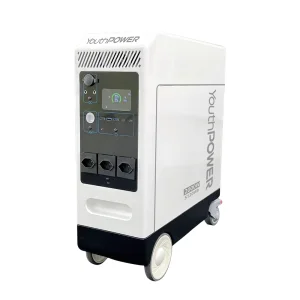
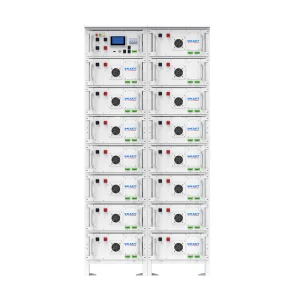
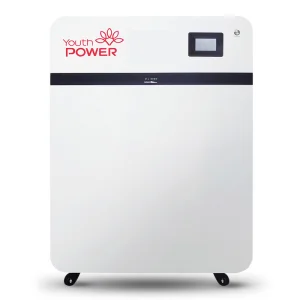
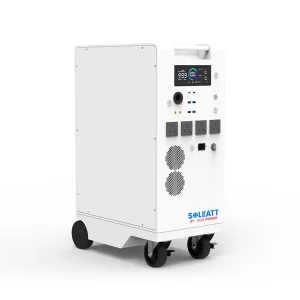
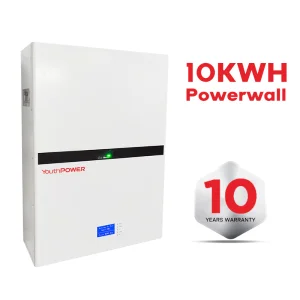
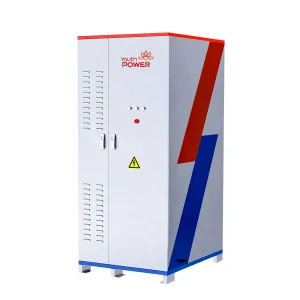
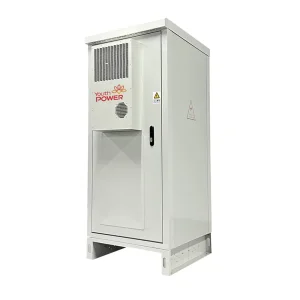
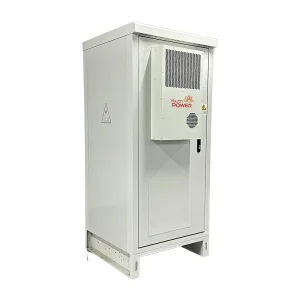
In the rapidly transforming landscape of global energy transition, the 48V lithium battery pack has emerged as the definitive benchmark for residential, telecommunications, and light commercial application segments. Operating at a nominal voltage of 48V (or 51.2V in standard 16S LiFePO4 configurations) strikes the perfect technical balance between high-efficiency power delivery and safety-driven system simplicity. By remaining within the Extra-Low Voltage (ELV) threshold—which is legally defined as under 60V DC by major international safety boards—installers and system architects bypass costly specialized high-voltage conduits, dedicated isolation systems, and complex regulatory certifications that govern high-voltage (HV) systems.
Choosing to buy from an optimized 48V lithium battery factory is not merely a transaction; it represents a strategic supply-chain decision. Industrial buyers must understand that the manufacturing efficiency, automation capabilities, cell chemistry standardization, and quality control systems of the chosen factory directly dictate the levelized cost of storage (LCOS) of their final applications. In this whitepaper, we dissect the parameters that define next-generation 48V manufacturing, offering insights into procurement dynamics, cell technology evolution, and China's Factory 4.0 infrastructure.
A standard 48V system built with Lithium Iron Phosphate (LiFePO4) chemistry generally features a 15S (48V nominal) or 16S (51.2V nominal) cell configuration. The 16S setup has become the industry benchmark for high-performance solar energy storage systems (ESS). It provides a operational voltage spectrum ranging from a low discharge cutoff at 40V to a peak charge limit of 58.4V. This aligns optimally with standard hybrid inverters, avoiding excessive current draw at low-state-of-charge (SoC) periods, thereby minimizing thermal degradation and electrical stress on components.
The roadmap of 48V energy storage systems is shaped by two distinct vectors: electrochemistry development and digital integration. As global regulatory bodies prioritize cycle longevity, fire safety, and resource recyclability, Tier-1 factories are shifting from generic production paradigms toward advanced materials and automated software-defined battery management systems.
Next-generation 48V factories utilize cobalt-free Lithium Iron Phosphate (LiFePO4) doped with manganese (LMFP) or silicon-carbon anode composites. This boosts energy density by 15-20% while maintaining the intrinsic chemical stability and resistance to thermal runaway that defines LFP.
Modern BMS technology has evolved from simple analog voltage balancing to IoT-connected digital twins. Integrated microprocessors run predictive algorithms that calculate State of Charge (SoC) and State of Health (SoH) based on real-time internal resistance monitoring and thermal anomalies.
Cell-to-Pack (CTP) manufacturing bypasses traditional module housings, placing prismatic cells directly into the structural 48V metal casing. This design eliminates excess harness weight, maximizes volumetric efficiency, and reduces passive thermal resistance.
| Technology Matrix | Standard LiFePO4 (LFP) | Lithium Manganese Iron Phosphate (LMFP) | Solid-State LFP (Emerging) |
|---|---|---|---|
| Energy Density | 140 - 160 Wh/kg | 170 - 190 Wh/kg | 220+ Wh/kg |
| Cycle Life (0.5C, 80% DoD) | 6,000 - 8,000 Cycles | 4,500 - 6,000 Cycles | 10,000+ Cycles (Projected) |
| Thermal Runaway Temp | 270°C | 290°C | > 400°C |
| Cost Profile (Relative) | Baseline Cost Model | 1.1x Baseline | 2.5x - 3.0x Baseline |
As microgrids and smart distributed networks expand globally, 48V systems are moving beyond simple household applications. They now serve as localized stabilization nodes for complex energy grids, industrial manufacturing, and critical infrastructure networks.
5G base stations require up to three times more power than legacy 4G systems. 48V telecom-grade battery systems offer scalable, high-density backup power in a compact rackmount format. Integrated smart BMS protocols communicate directly with remote network operation centers (NOC), allowing for predictive maintenance scheduling, automated dynamic peak shaving, and real-time operational status updates.
For small and medium enterprises, utility demand charges can make up a large portion of electricity costs. By deploying high-capacity 48V modular banks, businesses can store cheap off-peak energy and discharge it when demand peaks. The low-voltage design minimizes building safety compliance barriers, simplifying installation in urban zones and commercial basements.
In rural communities, islands, and remote regions, hybrid microgrids combine diesel generators, solar PV arrays, and battery banks. High-capacity 48V battery systems serve as the core frequency stabilizer. They smooth out solar power fluctuations and help diesel generators run at their most efficient load points, significantly lowering fuel use and operational costs.
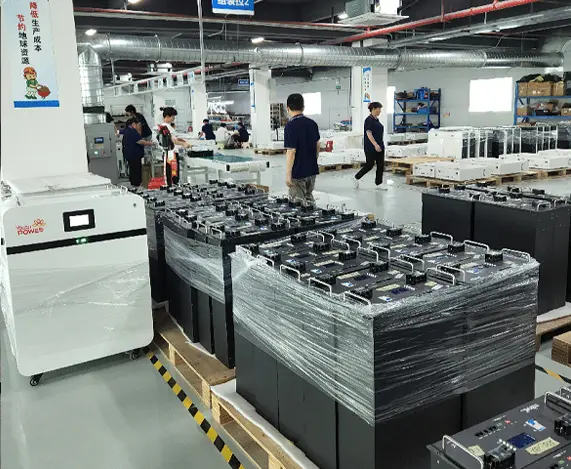
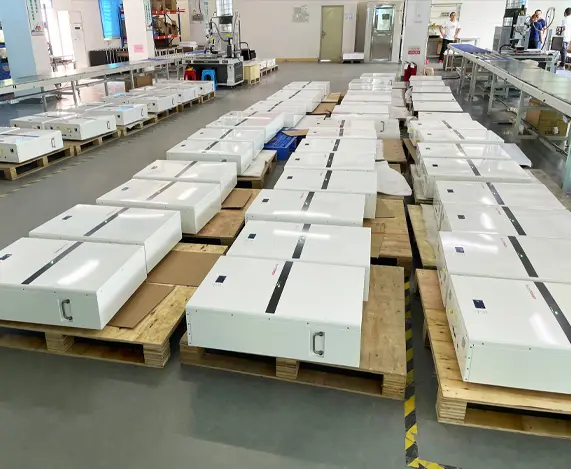
Procuring from a Chinese battery factory that has transitioned to Factory 4.0 operational standards provides major advantages in cost, consistency, and scalability. The combination of local material supply and smart manufacturing automation creates a reliable production line for 48V lithium battery systems.
From the moment raw lithium carbonate and cathode powders enter the factory, every batch receives a unique tracking ID. This ID links to cell testing, laser welding settings, and final aging cycle metrics, ensuring complete traceability for every battery pack.
Cell lifespan issues are often caused by slight differences in individual cells. Modern Factory 4.0 facilities use robotic cell sorting lines that screen for capacity, internal resistance (IR), and open-circuit voltage (OCV). Only cells that match within close margins are grouped into a pack.
Leading Chinese battery manufacturers maintain strong partnerships with major raw material producers, cell makers, and component suppliers. This integration helps protect production from market fluctuations, ensuring stable pricing and consistent supply schedules.
Legacy production lines used mechanical bolting or basic spot welding, which could loosen from shipping vibrations and thermal expansion. Factory 4.0 relies on automated fiber laser welding to attach copper busbars to cell terminals. This creates low-resistance connections that prevent hotspot formation and ensure long-term mechanical reliability.
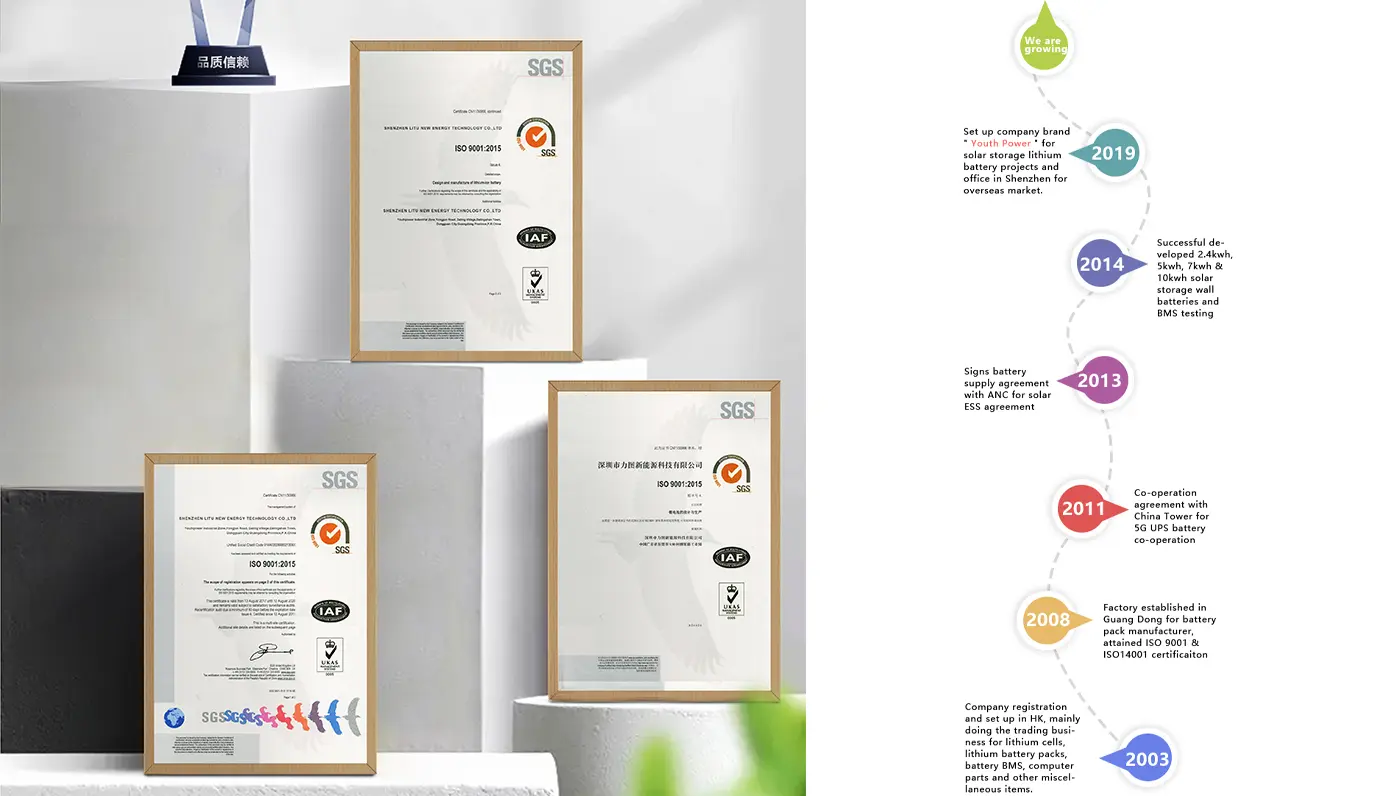
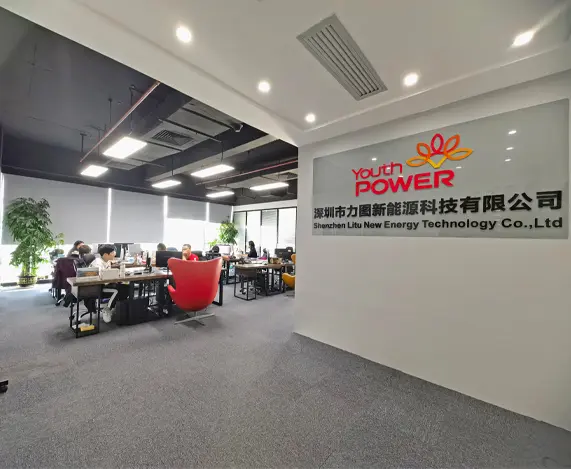
YouthPOWER's history, technological development, and global manufacturing reach.
Founded in 2003, YouthPOWER has now become one of the leading suppliers of solar storage lithium batteries in the world. With a broad range of energy storage solutions, it covers a series of 24V, 48V and higher voltage lithium batteries solutions.
YouthPOWER has engaged in the battery technology and production for almost 20 years, with abundant manufacturing experience and strong new product R&D capability. Through many years of hard work and market promotion, we have created our own brand "YouthPOWER" in 2019.
With nearly 20 years’ experience in the battery industry, we have the capability to provide you with both the products you need and the most suitable products you want. We are always ready to supply the first-class products and meet the various needs of the customers.
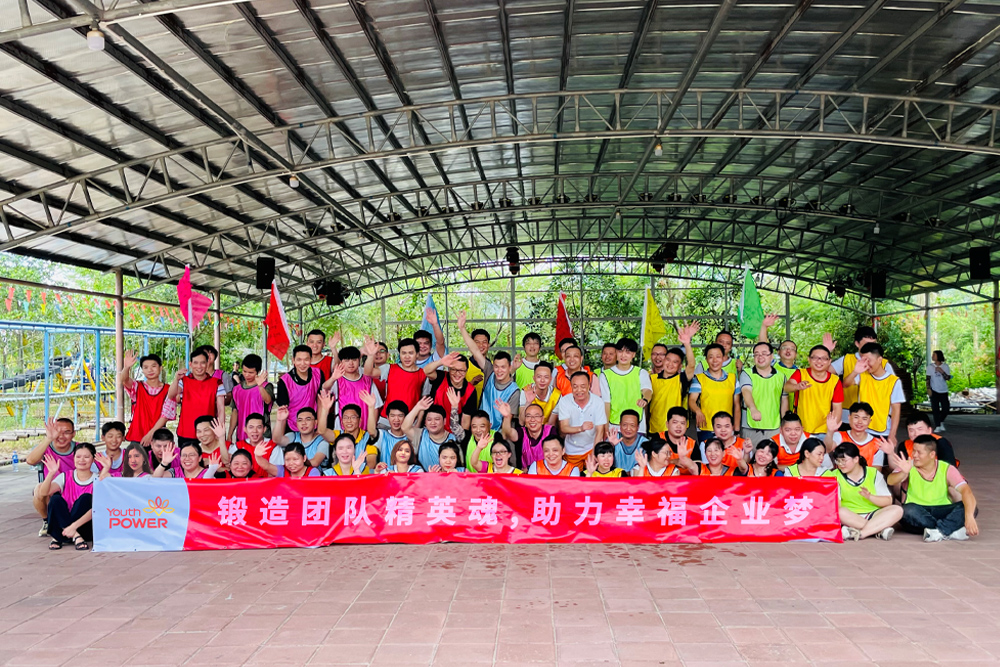
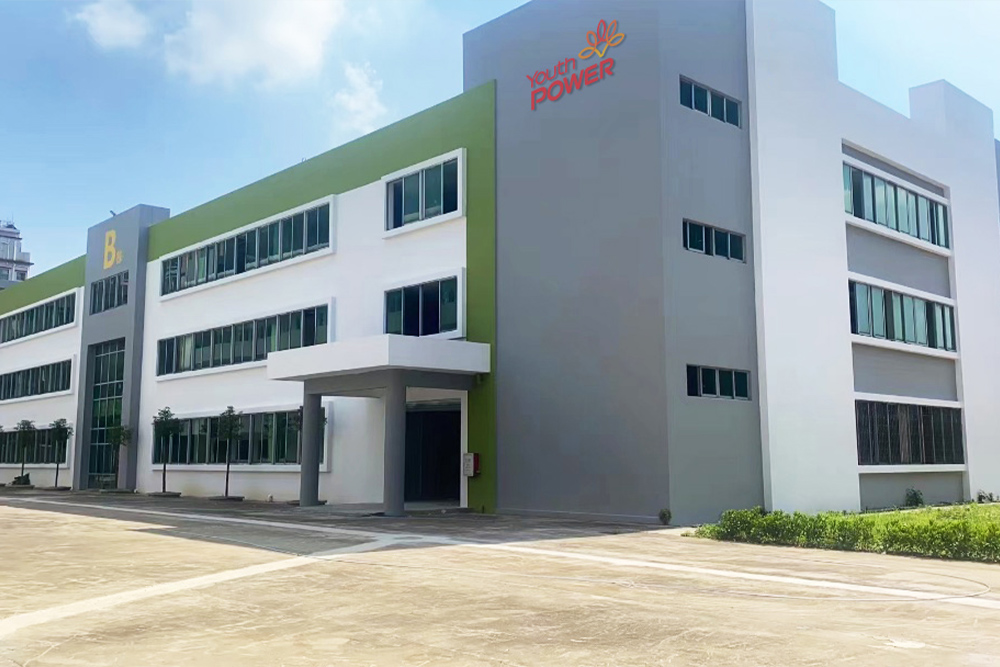
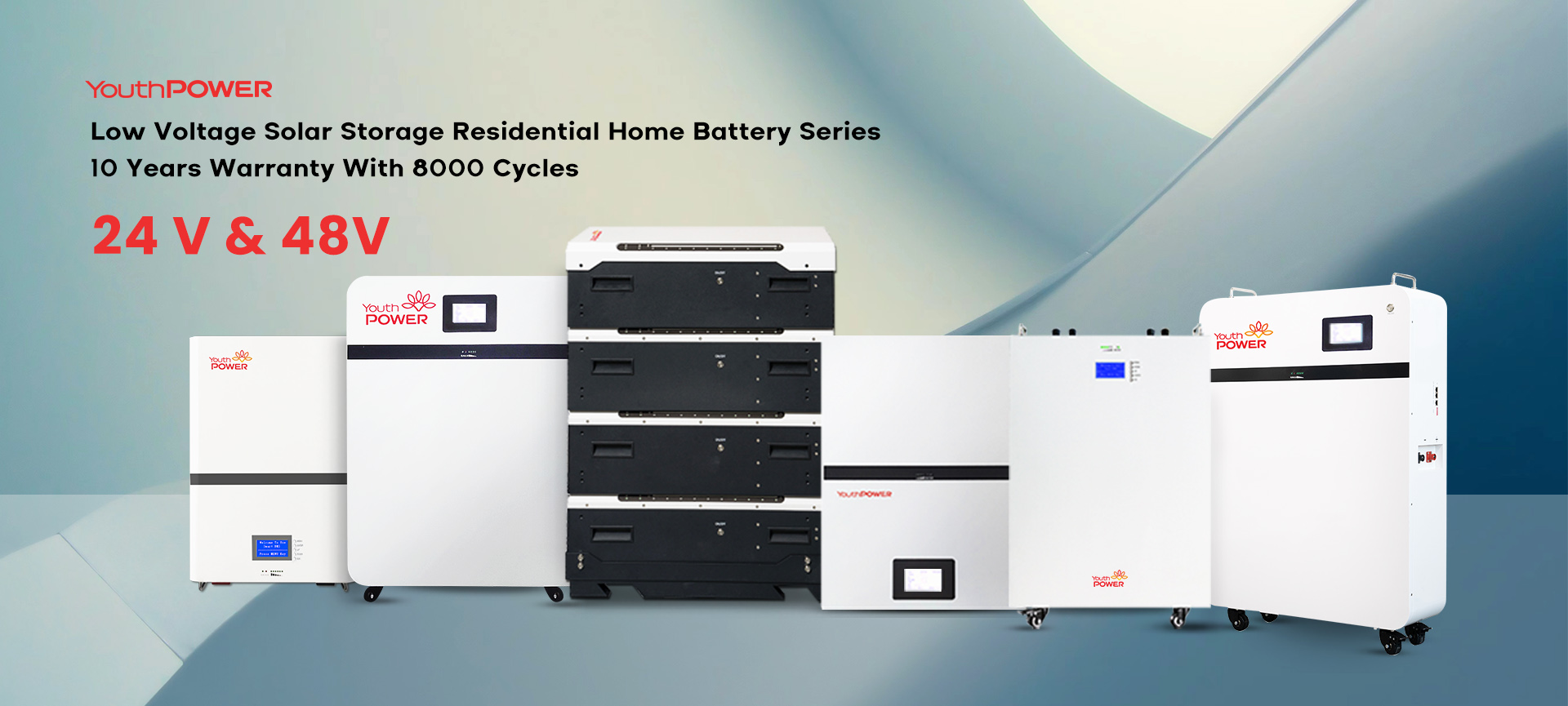
We have established good business relationships with our customers from all over the world. And we have a good cooperation with all our customers as well for many years running. Supported by our local vendors of raw materials, we can certainly offer you the best prices.
We are so proud that YouthPOWER has offered the reliable solar storage solution for over 1,000,000 families now in the world.
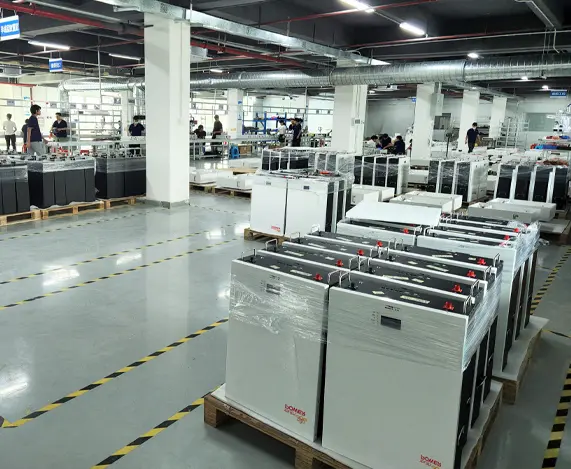
Purchasing batteries internationally requires strict attention to regional safety regulations, logistics requirements, and localized support systems. A professional battery factory must design products to meet strict safety codes and maintain an active global support network.
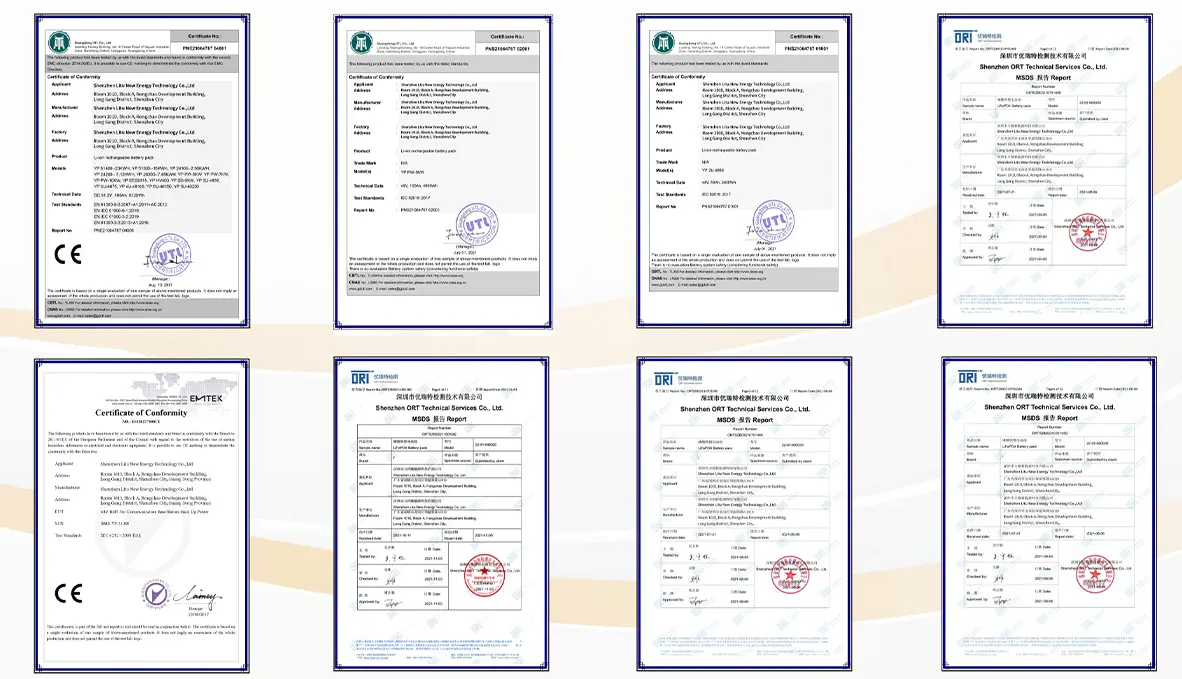
Every 48V battery design must hold valid certifications, including UL 1973 (safety standard for stationary energy storage), IEC 62619 (safety for industrial lithium batteries), CE, and FCC. These certifications are essential for passing municipal electrical inspections and obtaining commercial insurance.
Lithium batteries are classified as Class 9 Dangerous Goods. Factories must supply complete UN38.3 test reports, Material Safety Data Sheets (MSDS), and drop-test packaging reports to ensure compliant customs clearance and safe shipping.
To reduce downtime, reliable manufacturers partner with local distributors and authorized service centers. This network provides on-site engineering support, quick warranty processing, and local replacement parts delivery.
When selecting a factory partner for long-term supply, buyers should evaluate key operational practices. Below is a checklist designed for procurement managers and project engineers:
Expert answers to common technical, logistics, and manufacturing questions.
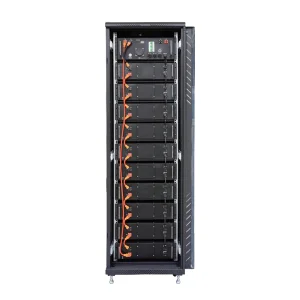
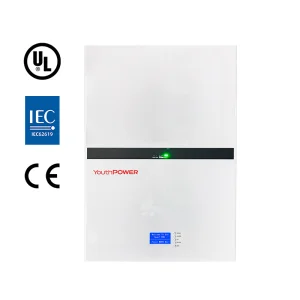
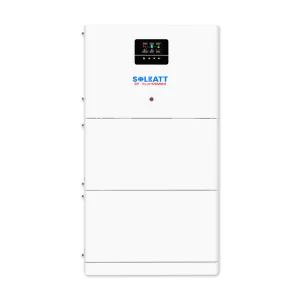
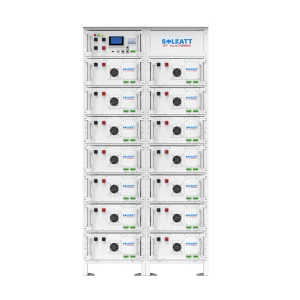
Browse our scalable battery packs, high-voltage commercial cabinets, and integrated balcony energy systems.
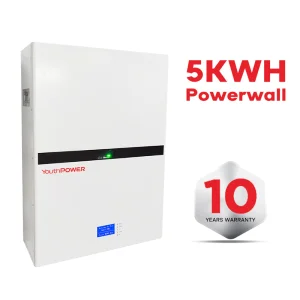
 YouthPOWER