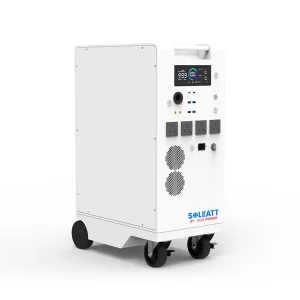
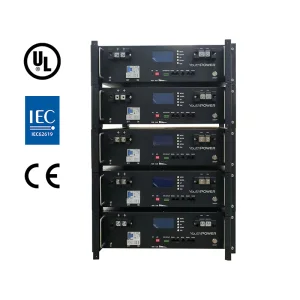
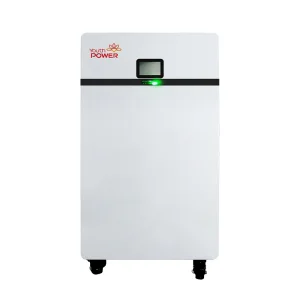
Explore our tier-one certified residential, commercial, and industrial energy storage systems manufactured to meet stringent international standards.
The global transition toward decentralized, decarbonized energy systems has propelled industrial and commercial battery banks into mission-critical infrastructure components. When assessing corporate power systems, the choice of a battery bank partner extends beyond mere capacity numbers. Strategic decision-makers must evaluate cell safety standards, thermal management performance, control systems (BMS), and total cost of ownership (TCO) across a 10-to-15-year operational lifecycle.
Currently, the energy storage landscape is dominated by Lithium Iron Phosphate (LiFePO4/LFP) technology, which represents the benchmark for safety, cycle life, and thermal stability. In contrast to Nickel Manganese Cobalt (NMC) chemistries, LFP exhibits superior resistance to thermal runaway—with a decomposition threshold of roughly 600°C. This chemical behavior, combined with advanced structural designs, makes LiFePO4 the preferred choice for major installations where regulatory clearance, site security, and continuous runtime are non-negotiable requirements.
Procuring commercial energy storage systems requires navigating a highly complex global supply chain. As battery manufacturing capacity expands, direct factory-level sourcing has emerged as the most reliable pathway to secure volume pricing, customization capabilities, and long-term technical support. Tier-one factories manage the complete vertical stack—from cell classification and testing to system-level integration and factory acceptance testing (FAT). This direct integration minimizes compliance issues, stabilizes delivery lead times, and ensures consistent quality.
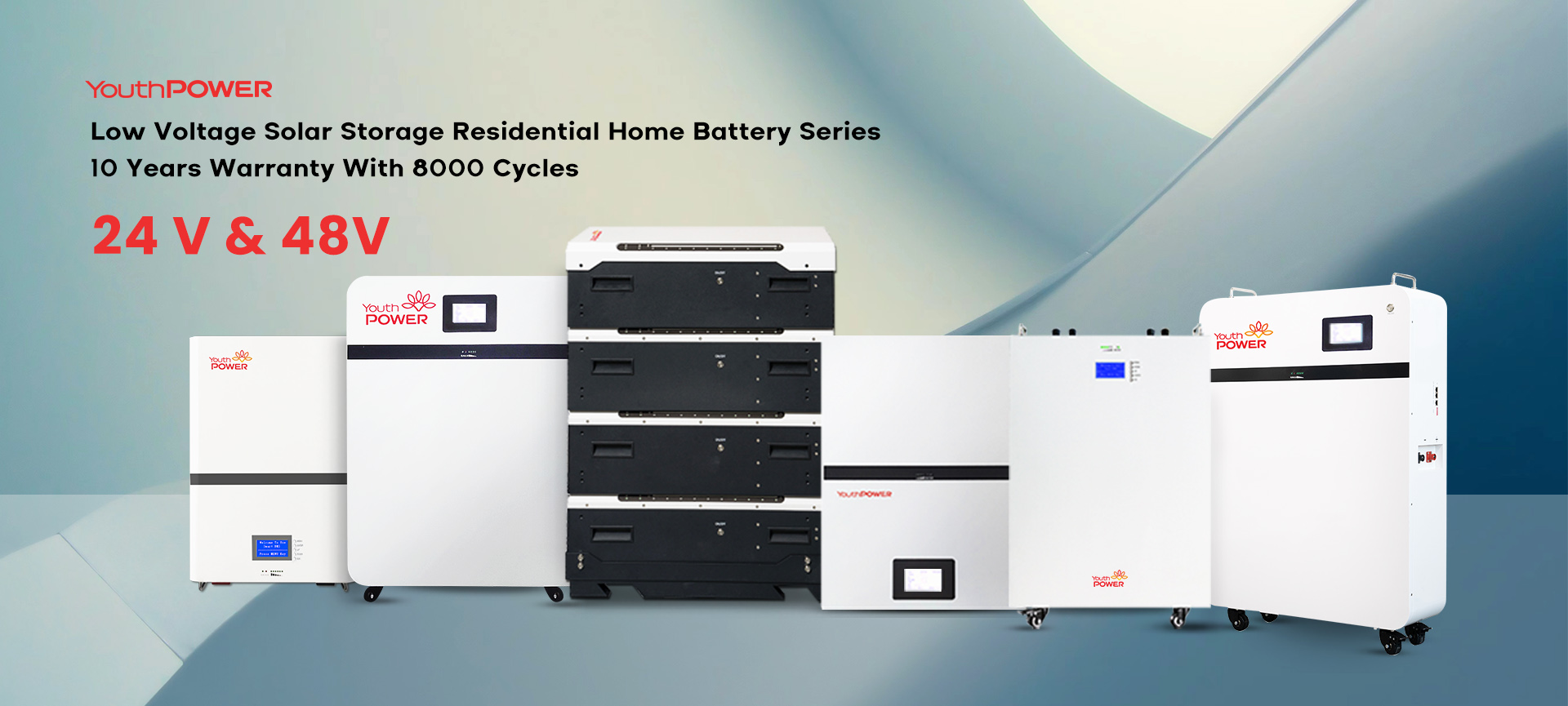
Founded in 2003, YouthPOWER has evolved into one of the world's premier suppliers of solar storage lithium batteries. With nearly two decades of deep industry experience, we specialize in high-capacity energy storage solutions ranging from 24V and 48V residential battery packs to ultra-high-voltage containerized industrial solutions.
Our core mission is to design and manufacture reliable, high-performance battery banks that support global decarbonization. By utilizing advanced manufacturing processes and maintaining relationships with local raw material suppliers, we deliver premium products with stable lead times and highly competitive pricing. In 2019, we introduced our proprietary brand "YouthPOWER" to consolidate our engineering, production, and support capabilities under a single global brand.
We are proud that YouthPOWER has supplied reliable solar storage solutions to more than 1,000,000 families worldwide. We work closely with developers, distributors, and engineering contractors to deliver systems optimized for local grid profiles and local operating conditions.

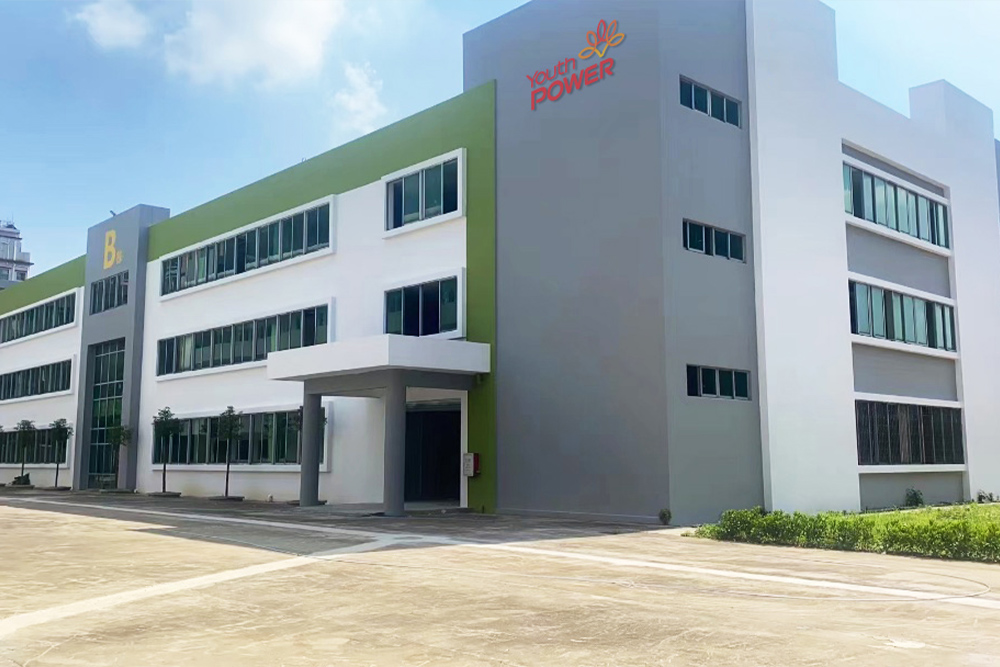
Over 15% of our annual revenue is reinvested in electrochemical research, software engineering (BMS), and mechanical safety testing to keep our systems at the leading edge of technology.
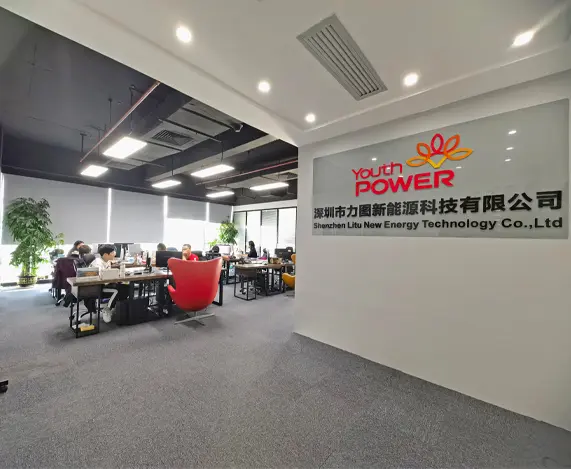
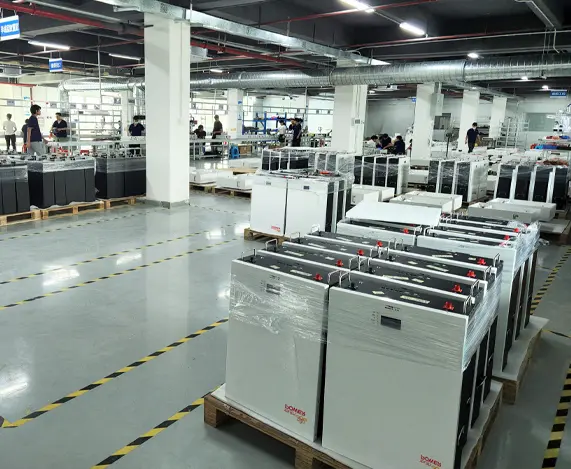
By managing cell qualification, structural assembly, BMS programming, and system verification under one roof, we guarantee quality and reliability across all production runs.
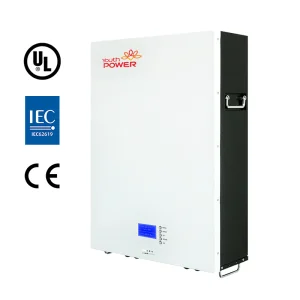
Our manufacturing facility and products are fully certified to international standards, including UL 1973, UL 9540A, CE, UN38.3, and IEC 62619, ensuring smooth local deployment.
Modern battery banks serve as the core technology for a wide range of industrial, commercial, and residential applications. Selecting the right hardware depends on matching system characteristics with the specific operational demands of the application.
| Application Scenario | Key Challenges | Recommended Technology | System Benefit |
|---|---|---|---|
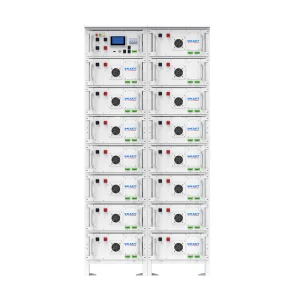
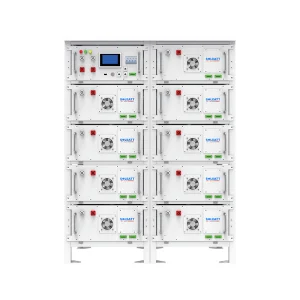
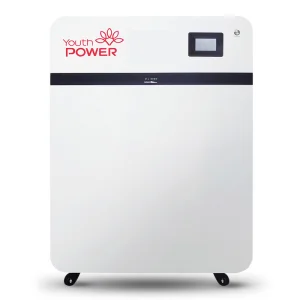
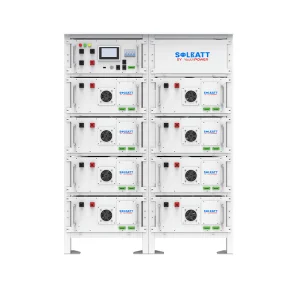
| Commercial & Industrial (C&I) Peak Shaving | High peak demand charges, grid instability, variable loads. | High-Voltage Cabinets (129KWH to 215KWH LFP) | Reduces demand charges by shifting energy draw to off-peak hours. |
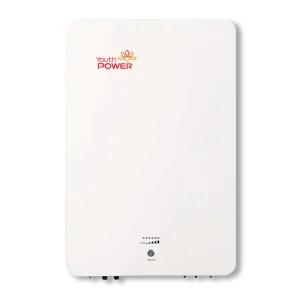
| Remote Microgrids & Telecommunication | No grid access, extreme temperatures, high maintenance costs. | Modular Rack Batteries (51.2V 100AH / 300AH) | Provides highly reliable power with low maintenance requirements. |
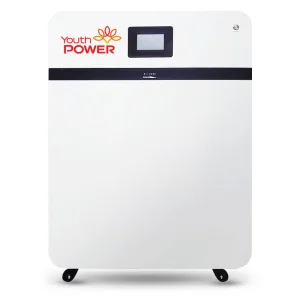
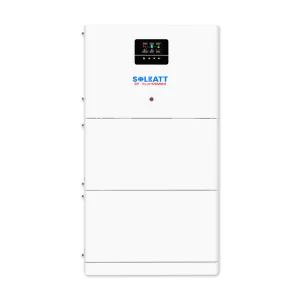
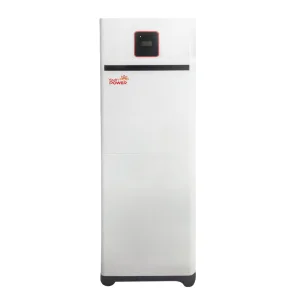
| Residential Solar & Self-Consumption | Rising utility rates, grid backup needs, space limits. | AIO Home ESS (Powerwall / Brick Systems) | Maximizes solar self-consumption and provides seamless backup power. |
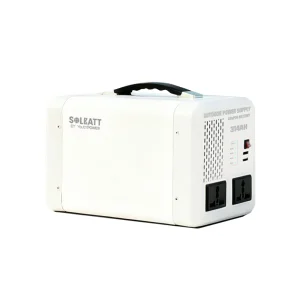
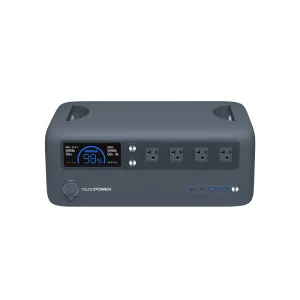
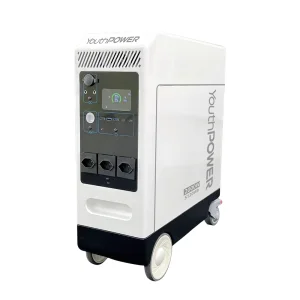
| Emergency Support & Mobile Utility | Unpredictable grid outages, need for quiet, emissions-free power. | Portable Power Stations (1KWH - 5KWH with Wheels) | Provides plug-and-play mobile power for field work and backup. |
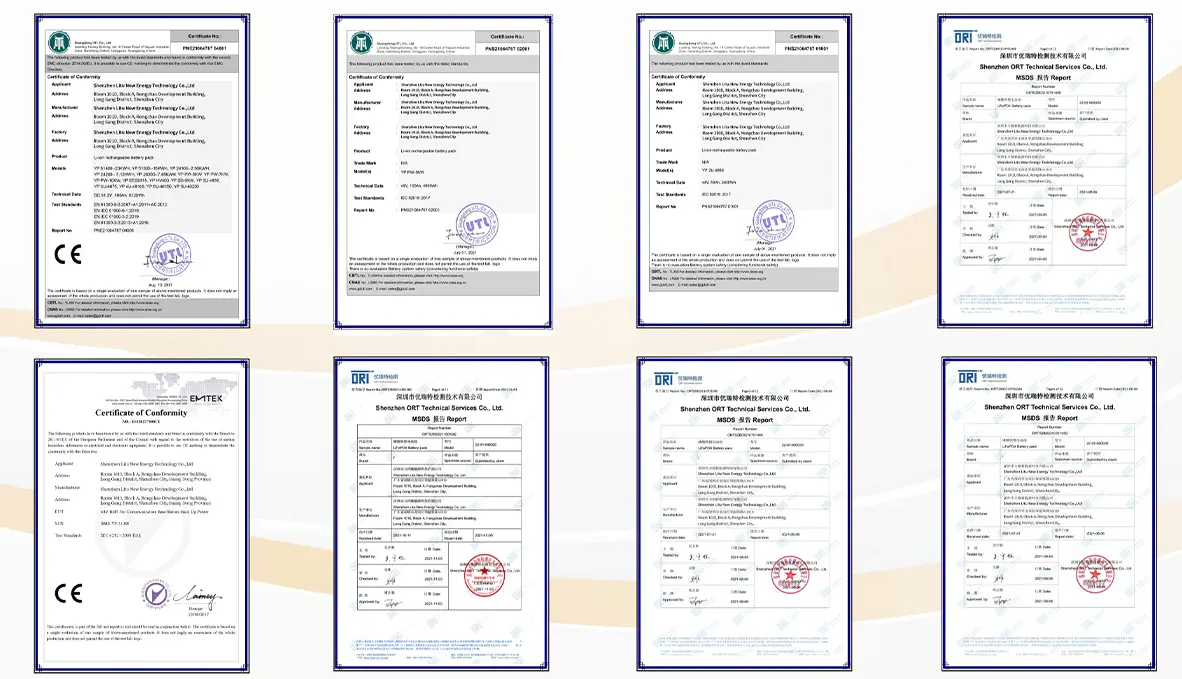
Deploying larger battery systems requires strict adherence to local utility rules, fire safety codes, and building regulations. Our engineering team ensures every battery system complies with local grid codes (such as IEEE 1547 and UL 1741 in North America, and EN 50549 across Europe).
Our batteries utilize high-speed, isolated CAN/RS485 communications to integrate with leading inverter brands. This plug-and-play compatibility allows our systems to work seamlessly with different inverter topologies, simplifying installation and validation on-site.
Since our inception in 2003, our technical roadmap has been guided by improvements in safety, density, and ease of installation. Our development history shows our long-term commitment to advancing battery technology.
Beginning with primary battery technologies in the early 2000s, YouthPOWER transitioned to advanced lithium chemistries as the global market for clean energy storage expanded. Our engineering team developed proprietary BMS technologies to handle high-voltage and high-current demands.
By designing our own structural enclosures, thermal management systems, and control systems, we ensure all components are fully integrated and optimized for long life.
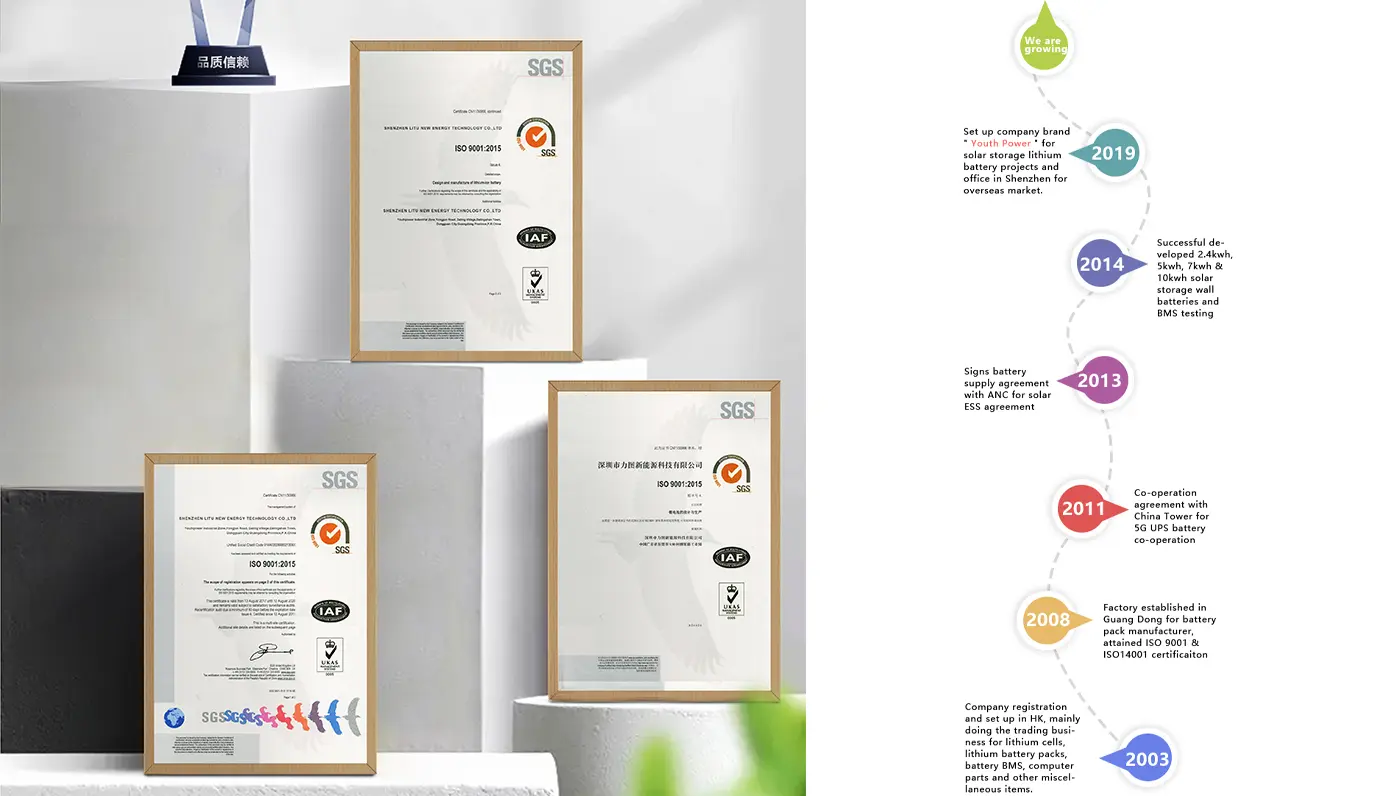
Focused on industrial nickel and initial lithium chemistry development, establishing a foundation in electrochemistry and battery safety.
Scaled production of lithium battery packs for industrial clients. Developed our proprietary hardware-software BMS for multi-pack configurations.
Established the YouthPOWER brand to supply direct-to-market solutions. Achieved UL, CE, and IEC compliance across our residential and commercial product lines.
Expanding into liquid-cooled C&I systems, next-generation high-density prismatic cells, and smart cloud-based BMS platforms.
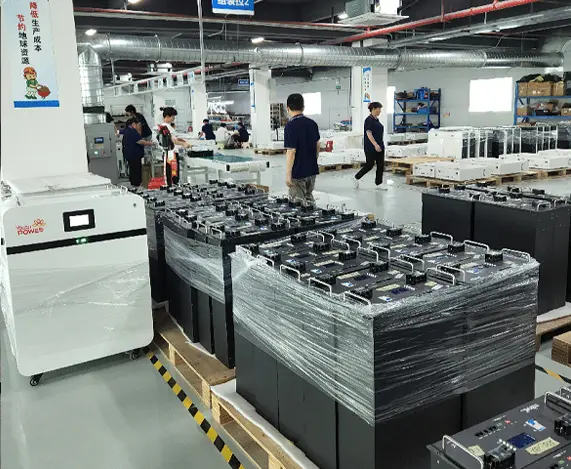
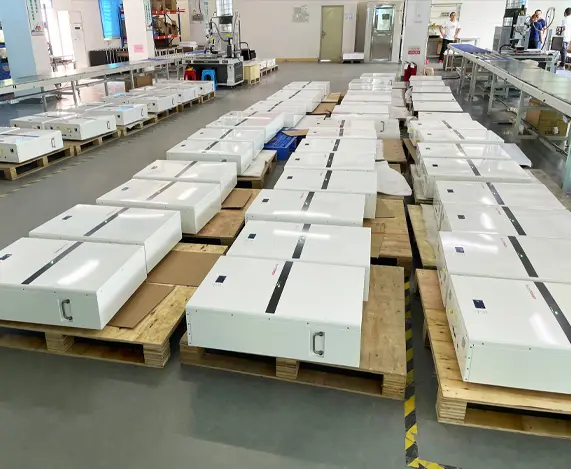
Our newer product lines feature modular, stackable designs that make installation simple. By removing complex external wiring and utilizing blind-mating connectors, our residential and commercial systems reduce installation time on-site.
Additionally, our high-voltage architectures minimize conversion losses, improving overall round-trip efficiency. When paired with smart, cloud-based monitoring, users can track battery health, SOC, and cell-level balancing in real time.
Specifying the correct size for a commercial or industrial battery system requires analyzing several key parameters. System design begins with understanding your load profile, peak power requirements, and solar integration capacity.
Nominal capacity represents the total chemical energy in the battery, while usable capacity represents the actual energy available for use based on your Depth of Discharge (DoD) limits.
To protect cell health and maximize lifespan, we recommend running our systems at 80% to 90% DoD. For example, a nominal 200 kWh battery bank operating at 90% DoD provides 180 kWh of usable energy.
The C-Rate defines how quickly a battery charges or discharges relative to its total capacity. A 1C rate charges or discharges the battery fully in one hour, while a 0.5C rate takes two hours.
For commercial peak shaving, a 0.5C system is typically ideal, balancing peak output with long cycle life. For backup applications, a 1C system may be required to handle large transient start-up loads.
RTE measures the energy lost as heat during the charge and discharge cycle. Our LiFePO4 systems deliver an RTE of over 92% at the DC level.
When calculating system-level losses, it is important to include inverter conversion losses and auxiliary power consumption (such as cooling fans and BMS controllers).
When comparing factory prices, evaluating the TCO provides a more accurate view of value than simply comparing the initial price per kilowatt-hour ($/kWh). To calculate TCO, use the following formula:
Our systems use high-grade A cells certified for 6000 cycles at 80% DoD. This long service life reduces system degradation costs, lowering your overall TCO and improving the return on investment (ROI) for energy storage projects.
Answers to common technical, commercial, and engineering questions about our battery bank solutions.
We use only brand-new, Grade A prismatic Lithium Iron Phosphate (LiFePO4) cells sourced from top manufacturers. Every cell is tested, graded, and matched for capacity, internal resistance, and voltage before system assembly.
Our BMS actively monitors temperature across multiple points in each module. If it detects abnormal temperature increases, the BMS will scale back charge or discharge rates, or isolate the module if safety thresholds are exceeded, preventing thermal runaway.
Yes. Our modular low-voltage systems (51.2V) support parallel expansion up to 15 or more units to increase capacity. Our high-voltage commercial lines are configured in series strings to achieve system voltages up to 768V, optimized for commercial-scale inverters.
We offer a standard 5-to-10-year warranty, depending on the model and application scenario. Under normal operating conditions (25°C, 80% DoD, 0.5C charge/discharge), our systems are designed to deliver a service life exceeding 10 years.
Sourcing directly from our factory removes middleman markups, reducing procurement costs by 20% to 35% compared to local distributors. It also gives you direct access to our engineering team for customization and technical support.
From modular, space-saving wall mounts to high-capacity commercial storage and portable power systems.
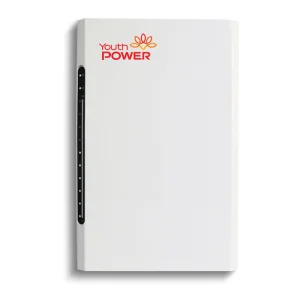
 YouthPOWER