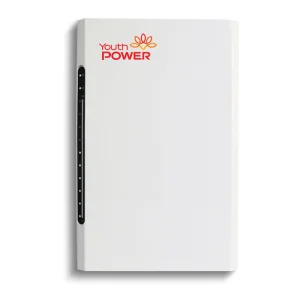
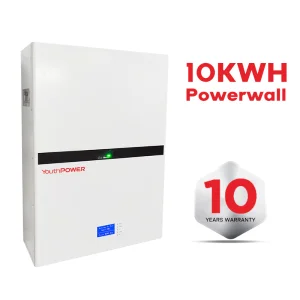
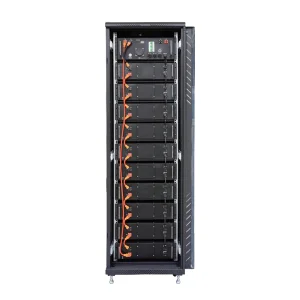
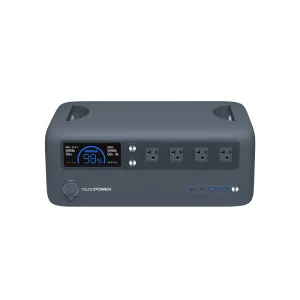
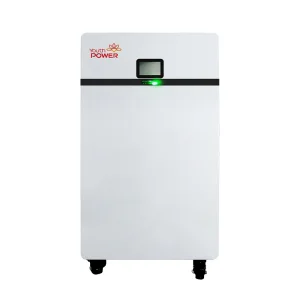
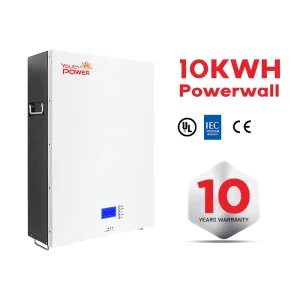
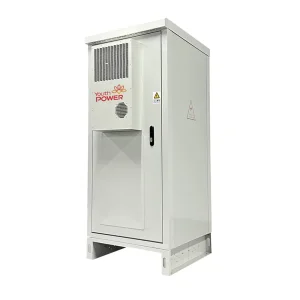
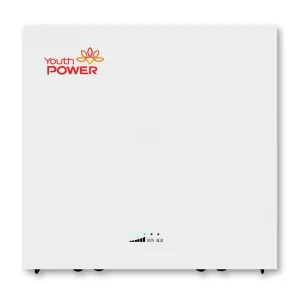
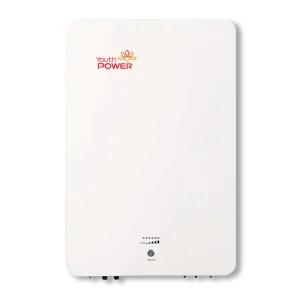
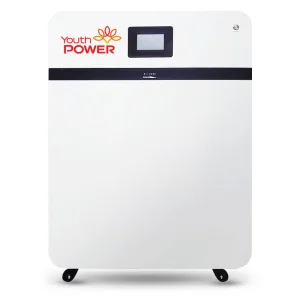
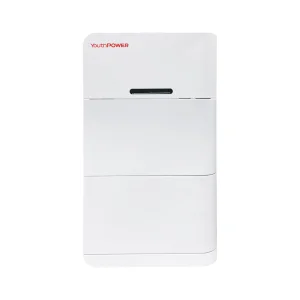
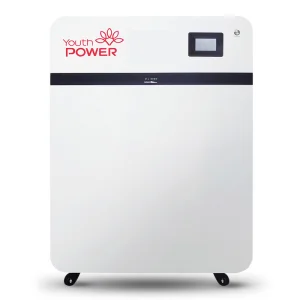
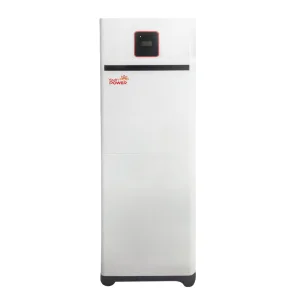
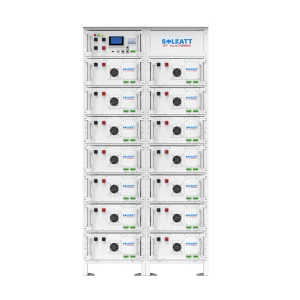
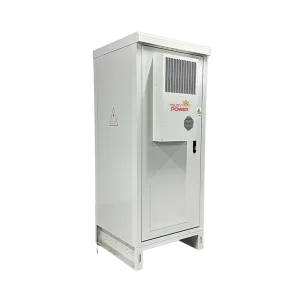
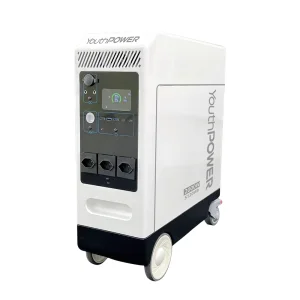
Engineered for resilience, high cycle life, and ultimate thermal safety. Review our premium range of custom LFP storage modules.
Understanding the structural and chemical superiorities that make Lithium Iron Phosphate the gold standard for global infrastructure deployment.
Unlike NCM/NCA chemistries, the olivine crystal structure of LiFePO4 (LFP) exhibits structural integrity under elevated temperatures. Its thermal runaway threshold exceeds 270°C, providing an inherent defense against localized short-circuits and structural oxygen release.
Premium LFP cells from China's top tier suppliers regularly deliver over 6,000 charge-discharge cycles at 80% Depth of Discharge (DoD) before capacities reach 80% of their original rating. This maximizes Levelized Cost of Storage (LCOS) for corporate assets.
LFP batteries eliminate hazardous cobalt and nickel, mitigating geo-political supply chain bottlenecks and ethical procurement hurdles. Iron and phosphate are abundant materials, ensuring stable pricing and sustainable end-of-life recycling pathways.
The covalent bonding of phosphorus and oxygen atoms (P-O bond) within the iron phosphate cathode is far stronger than the metal-oxygen bonds in conventional lithium-ion batteries. In practice, this means LFP batteries can tolerate extreme electrical stress, rapid overcharging, and physical impact without releasing oxygen gas, which is the primary fuel source for thermal runaway events.
Tailored energy architectures for commercial, utility, and modern residential operations facing unstable electricity markets.
For factories, data centers, and agricultural hubs, power continuity is a financial imperative. High-voltage LFP container systems (such as the 200KWH 716V units) act as instantaneous backup, peak-shaving mechanisms, and local consumption optimizers.
Our modular stackable systems (e.g., Brick ESS and YP Box units) interface with residential solar arrays to capture day-time production surplus, shielding homeowners from dynamic time-of-use tariffs and grid failures.
Utility operations implement Chinese LFP battery banks to buffer grid fluctuations. Using smart active-balancing BMS, utilities can dispatch accumulated clean energy during peak grid strain, preventing infrastructure degradation.
Inside the production ecosystems driving global cost competitiveness and advanced product quality controls.
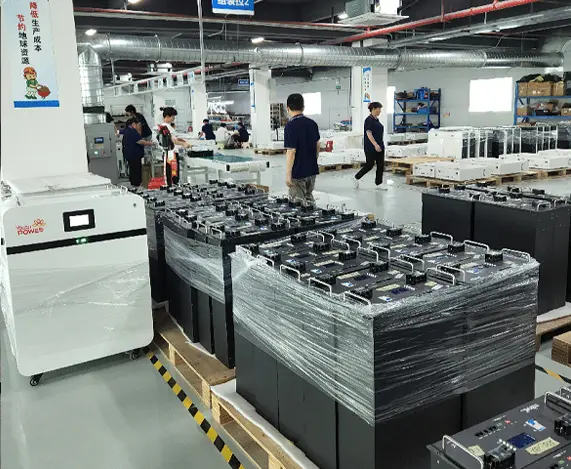
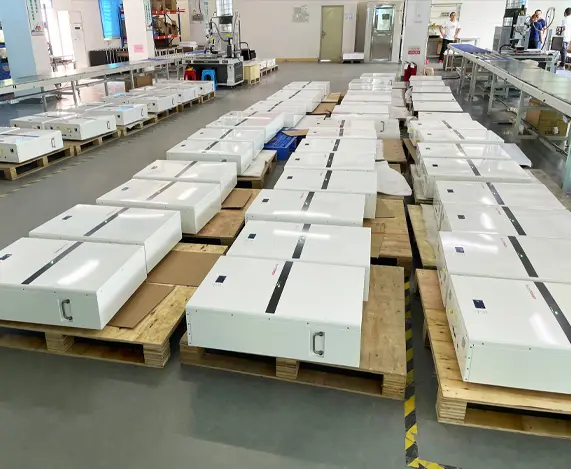
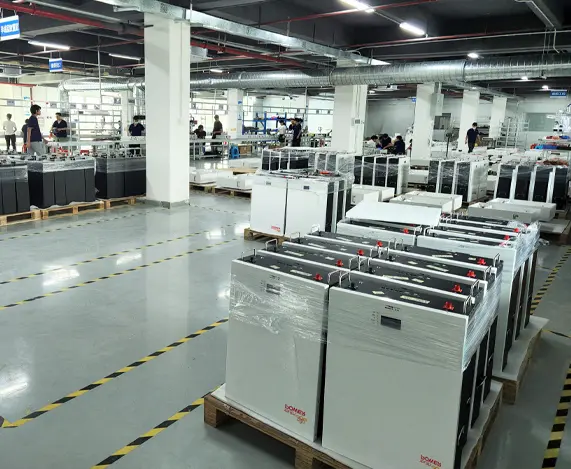
Chinese Lithium Iron Phosphate battery manufacturers have achieved unprecedented scaling by integrating Industry 4.0 paradigms. Through fully automated electrode coating, laser welding, and automated cell grading systems, variance in cell internal resistance is kept below 0.5mΩ.
This precision manufacturing translates to highly balanced modules that resist premature aging. Additionally, proximity to cathode processing facilities and specialized electrolyte chemical corridors in China minimizes transit logistics. These optimized domestic channels result in raw material costs that are 20-30% lower than those of western battery manufacturing centers, passing significant capital savings on to global developers.
Every factory batch undergoes rigorous testing, including:
Our strategic vision for next-generation lithium battery design, targeting superior performance thresholds.
By incorporating manganese into the crystal structure, we are actively raising cell voltage profiles from 3.2V to 3.7V. This leap increases theoretical energy density by 15-20% without compromising the safety qualities that characterize classic phosphate chemistries.
Deploying advanced nano-carbon and ultra-thin copper/aluminum collectors to reduce overall cell weight, enhancing gravimetric density for compact, weight-sensitive commercial deployments.
Integrating cloud-based machine learning models within our Battery Management Systems to dynamically analyze degradation rates, predict cell balancing actions, and proactively address system failures before they occur.
Ensuring seamless integration across multi-jurisdictional utility grids and residential frameworks.
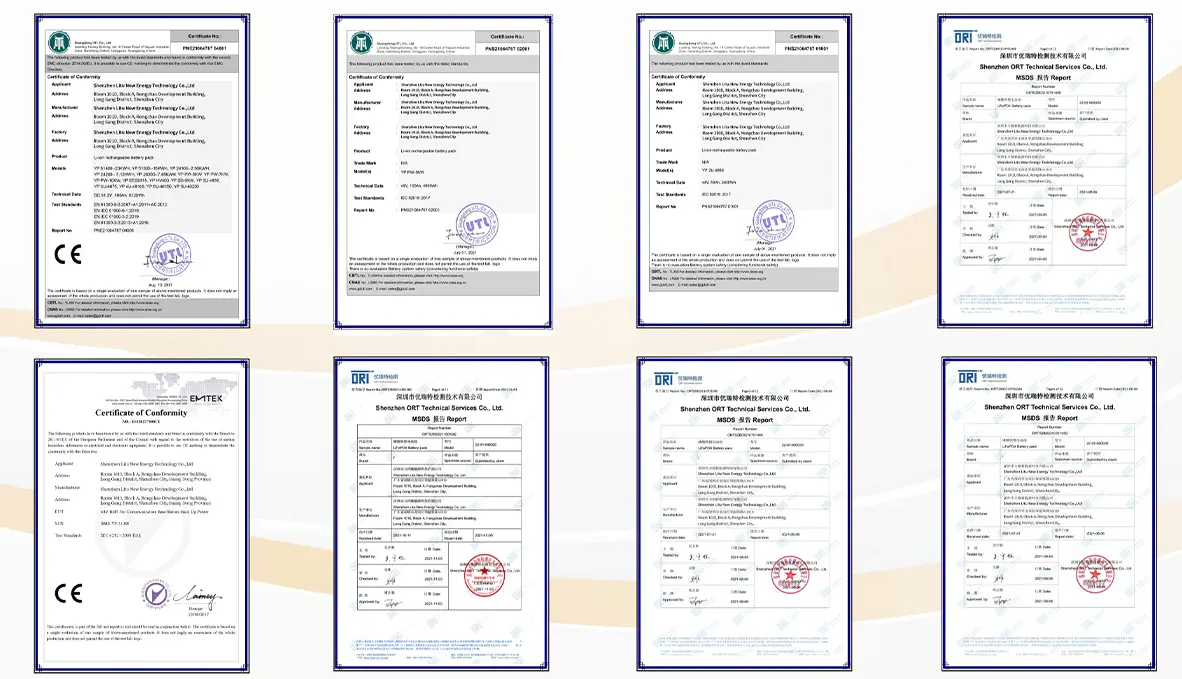
All battery systems conform to standard compliance thresholds including UL 1973, UL 9540A, CE, IEC 62619, and UN38.3. This ensures hassle-free permitting and approval processes with local grid authorities.
Our BMS protocols are native-coded to interface seamlessly with major global hybrid inverters including Victron, Deye, Growatt, SMA, and GoodWe, eliminating communication mismatch problems.
Through our vast network of localized technical vendors and warehouses, clients receive prompt troubleshooting, rapid spare parts fulfillment, and deployment engineering consultations.
For almost two decades, establishing reliability, innovation, and direct accessibility in the global energy market.
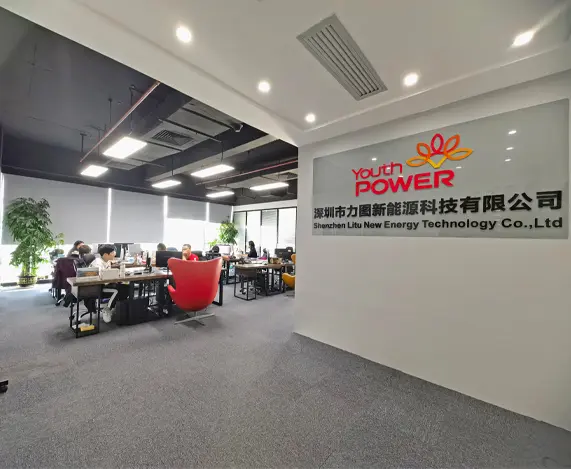
Founded in 2003, YouthPOWER has now become one of the leading suppliers of solar storage lithium batteries in the world. With a broad range of energy storage solutions, it covers a series of 24V, 48V and higher voltage lithium batteries solutions.
YouthPOWER has engaged in the battery technology and production for almost 20 years, with abundant manufacturing experience and strong new product R & D capability. Through many years of hard work and market promotion, we have created our own brand "YouthPOWER" in 2019.
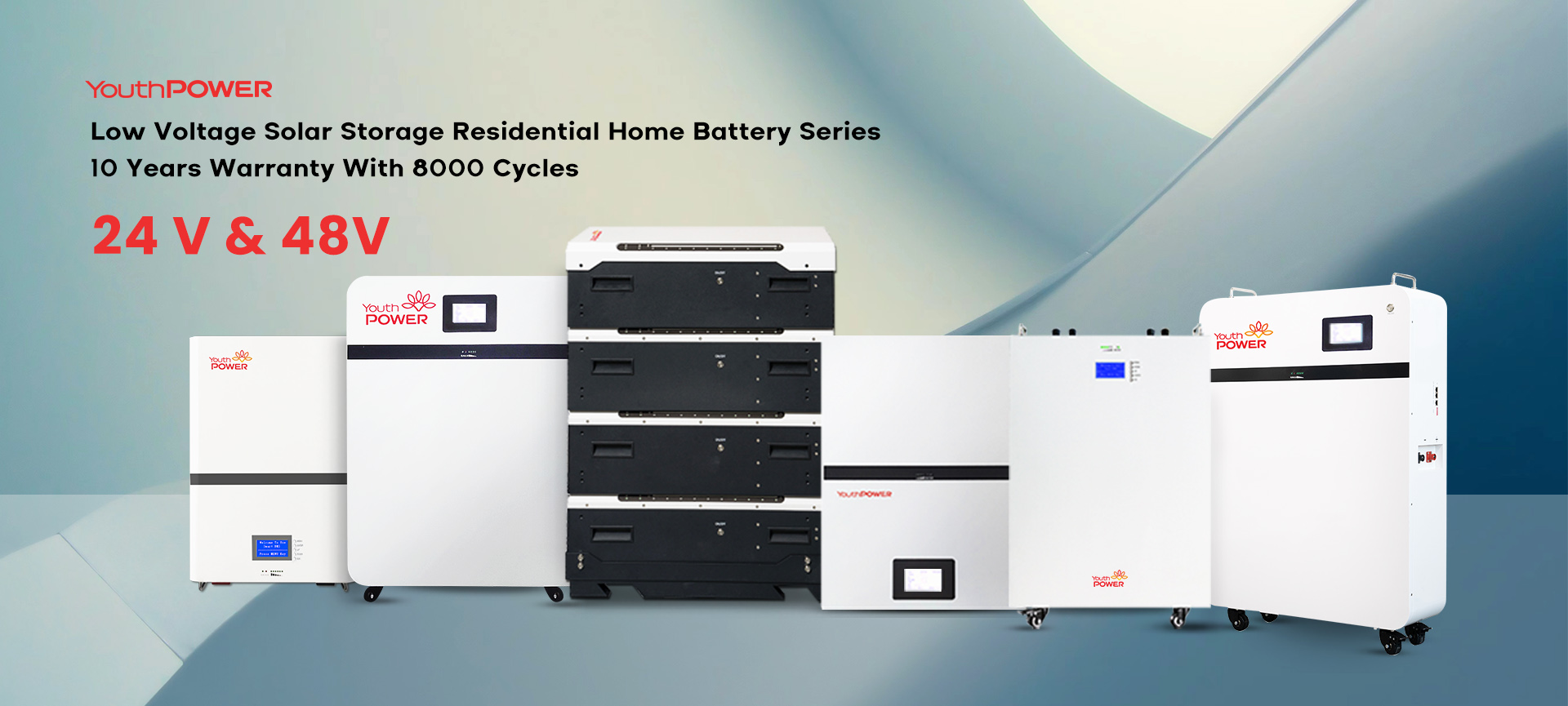
With nearly 20 years’ experience in the battery industry, we have the capability to provide you with both the products you need and the most suitable products you want. We are always ready to supply the first-class products and meet the various needs of the customers.
We have established good business relationships with our customers from all over the world. And we have a good cooperation with all our customers as well for many years running. Supported by our local vendors of raw materials, we can certainly offer you the best prices.
We are so proud that YouthPOWER has offered the reliable solar storage solution for over 1,000,000 families now in the world.
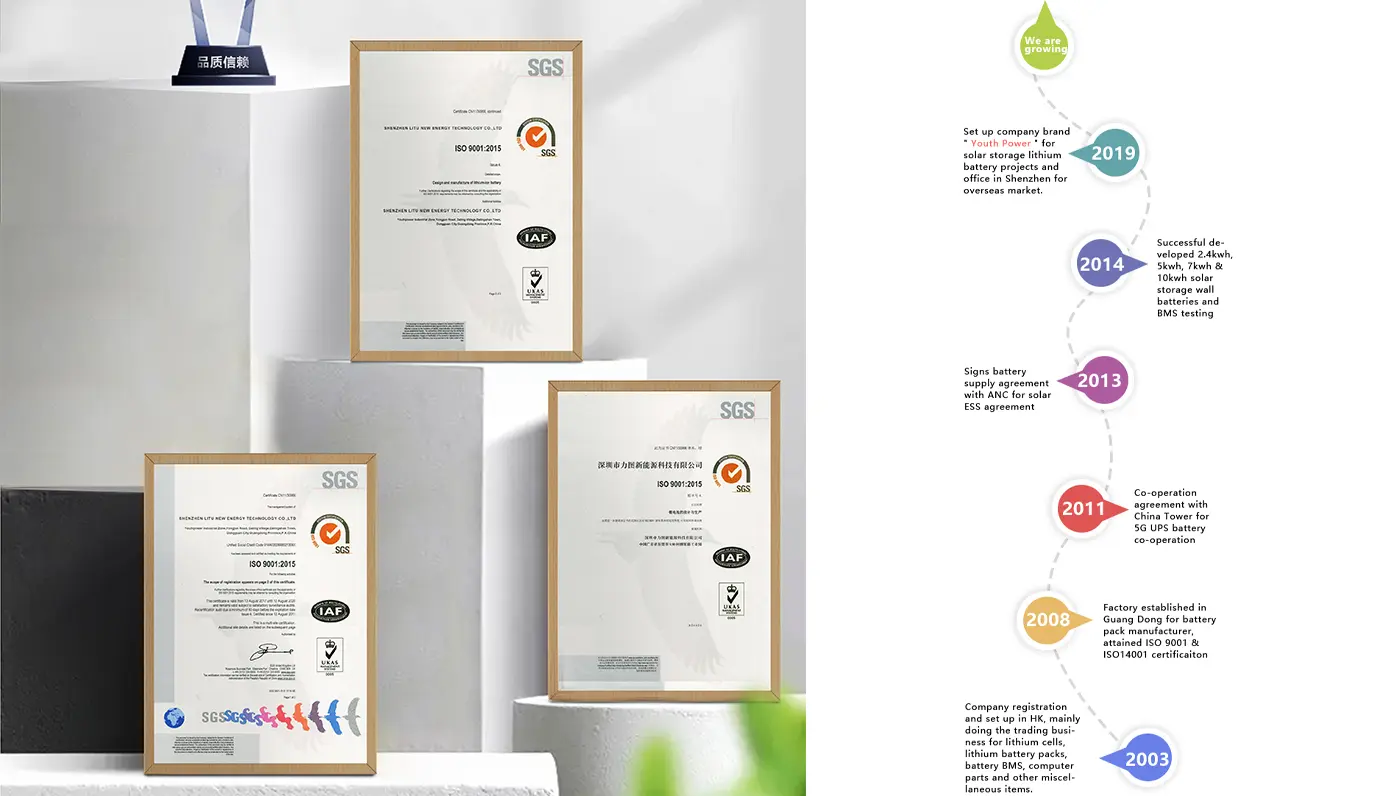
How to evaluate manufacturers in China beyond face-value pricing metrics.
Ensure your supplier uses strictly Grade A cells with matching production batch numbers. Many lower-tier vendors utilize second-use or Grade B surplus cells, which leads to early capacity imbalance within multi-cell systems.
Passive balancing dissipates excess energy as heat, while high-efficiency Active Balancing transfers energy from stronger cells to weaker ones. Ensure active balancing systems are utilized in high-voltage series setups.
A true manufacturer warranty must explicitly detail performance drop curves. Verify that your contractual agreement defines cell degradation limits (e.g., retaining at least 70% capacity after 10 years or 6,000 cycles).
Crucial insights on technical, commercial, and logistic aspects of large-scale battery sourcing.
Engineered to drive heavy C&I machinery, grid substations, and utility reserves globally.
 YouthPOWER