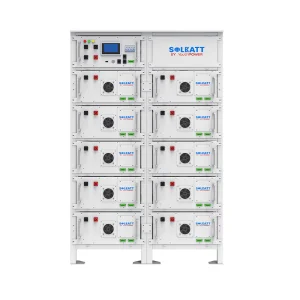
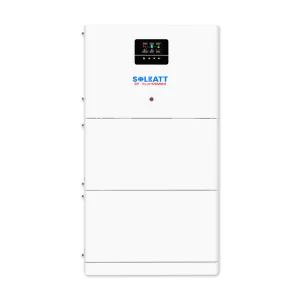
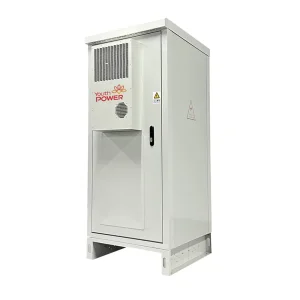
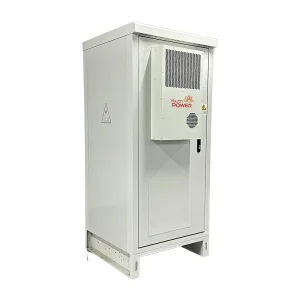
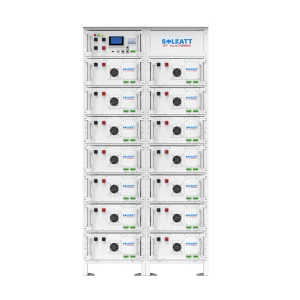
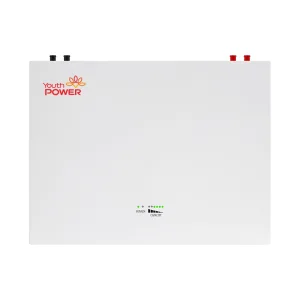
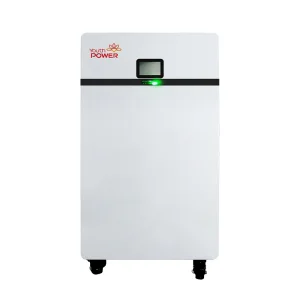
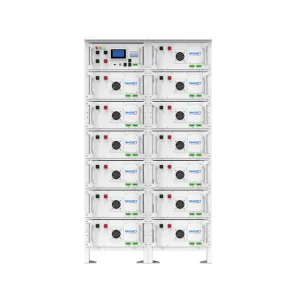
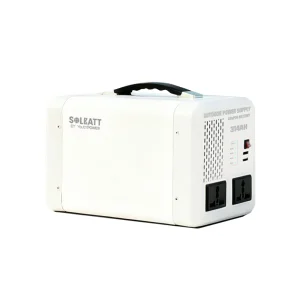
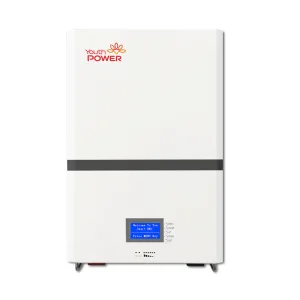
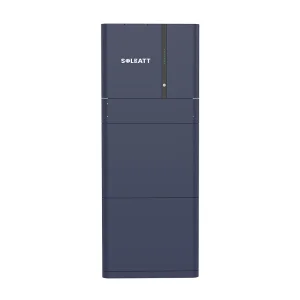
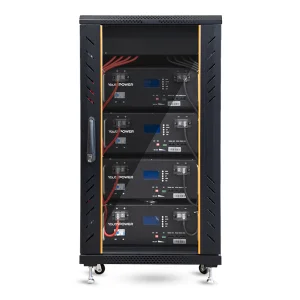
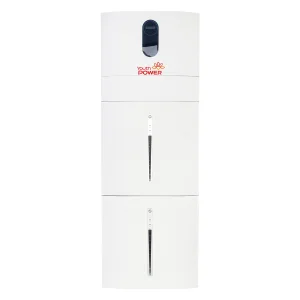
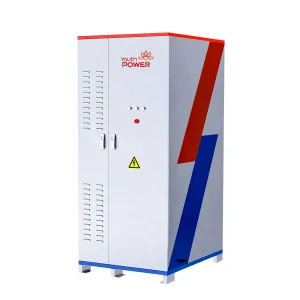
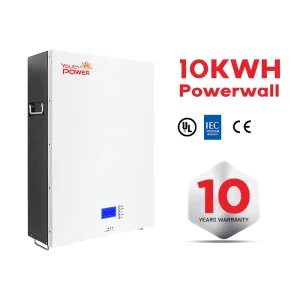
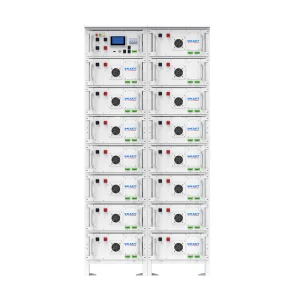
Compare our highly requested commercial energy storage units, outdoor power cabinets, and household ESS options, engineered for global microgrid applications.
Commercial and Industrial (C&I) clients are implementing large-scale storage systems to combat rising demand charges. By storing solar energy during peak production and releasing it during peak grid demand tariffs, enterprises can reduce energy costs by up to 40%.
The pricing profile of industrial battery energy storage is shifting from an initial capital expense constraint toward long-term operational efficiency. Our systems deliver a low Levelized Cost of Storage (LCOS) over 6,000 continuous operating cycles.
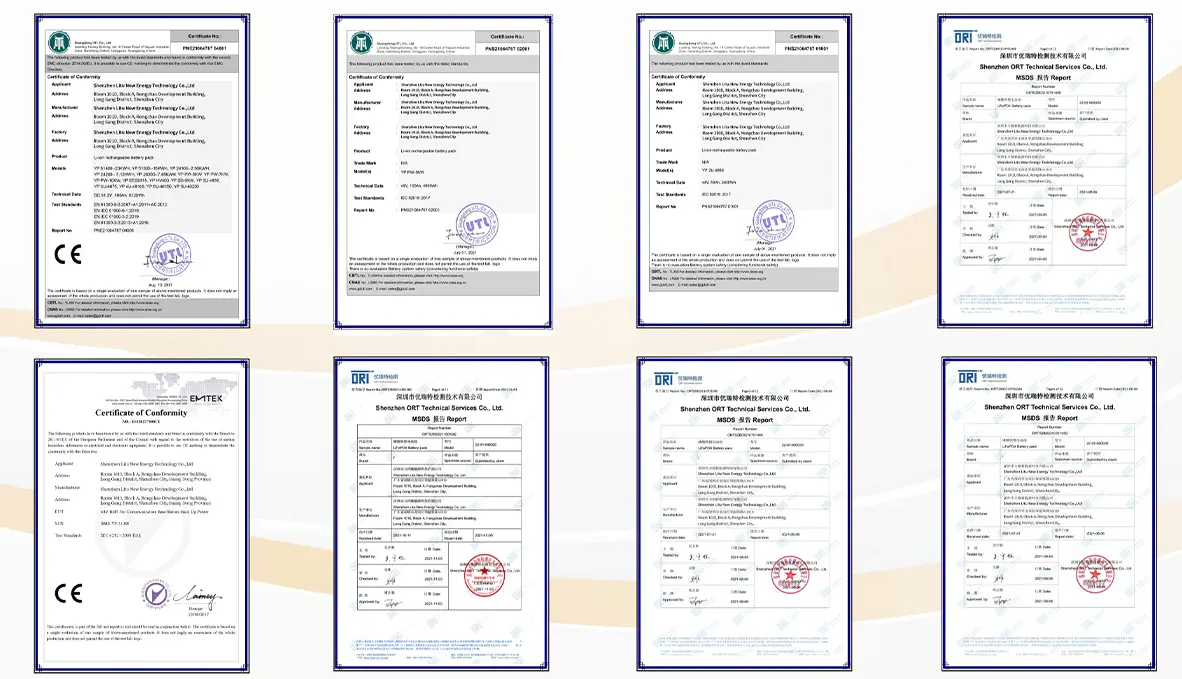
Understanding regional grids and local safety directives is critical. Our battery systems are certified to meet international safety criteria, including UL9540A, UL1973, CE, and IEC 62619, helping you clear regional zoning and compliance reviews.
Our systems deliver reliable green energy to industrial grids and residential microgrids worldwide.
As grid operators integrate higher shares of intermittent renewables, energy storage systems must evolve. Our technical roadmap focuses on optimization across three pillars: cell chemistry refinement, active thermal management, and advanced Battery Management Systems (BMS).
Lithium Iron Phosphate (LFP) remains the industry choice for stationary storage due to its thermal stability and cycle life. We are refining our anode structures and introducing manganese-doped LFP chemistry to increase energy density by up to 15% without sacrificing safety.
For systems above 100 kWh, keeping cells at their optimal temperature is critical. Our thermal engineering transitions commercial systems from forced-air setups to liquid cooling plates. This stabilizes internal cell temperatures to within ±2°C, extending system lifespan.
Modern battery racks need to predict, not just react. Our BMS platforms integrate cloud-based algorithms to monitor parameters like state of health (SOH) and cell internal resistance, preventing thermal runaway and maximizing system efficiency.
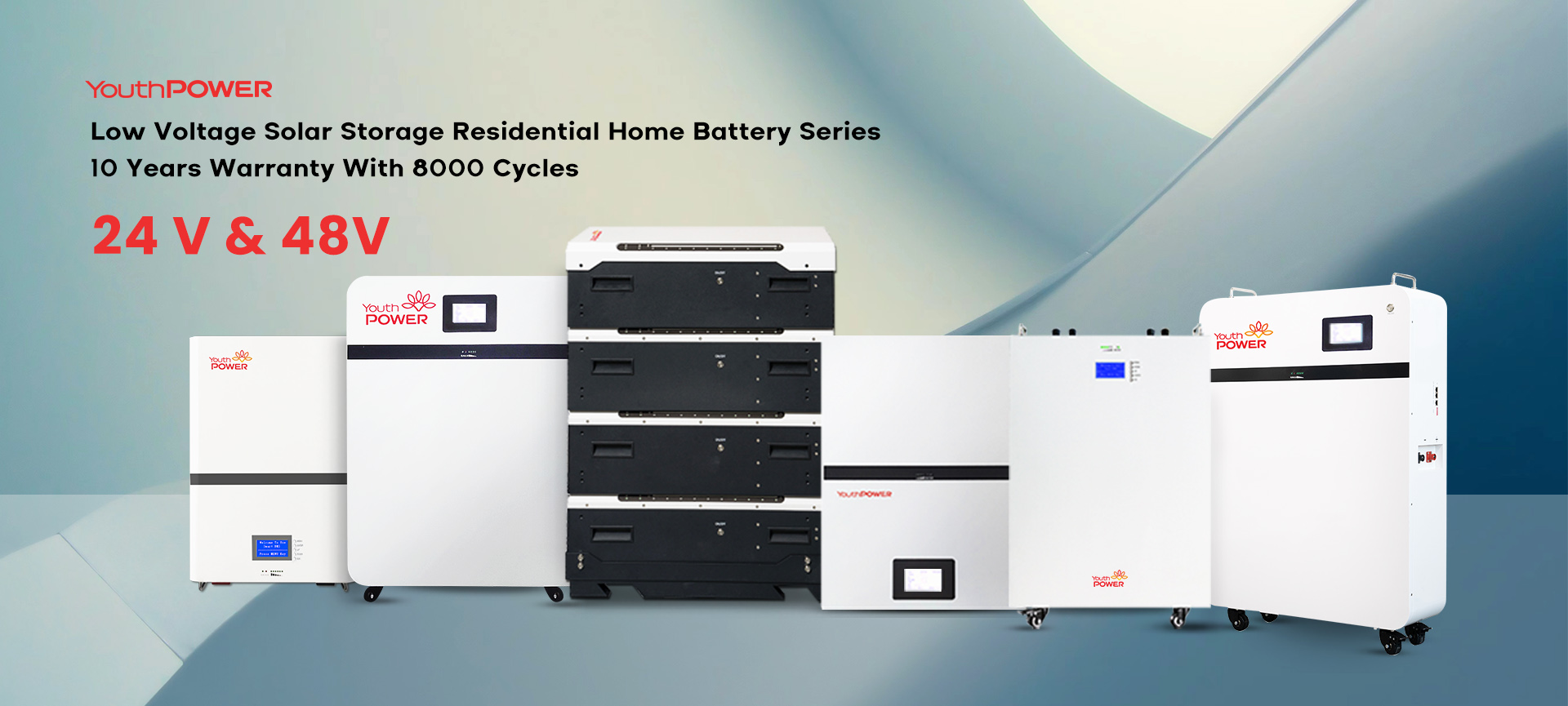
Founded in 2003, YouthPOWER has now become one of the leading suppliers of solar storage lithium batteries in the world. With a broad range of energy storage solutions, it covers a series of 24V, 48V and higher voltage lithium batteries solutions.
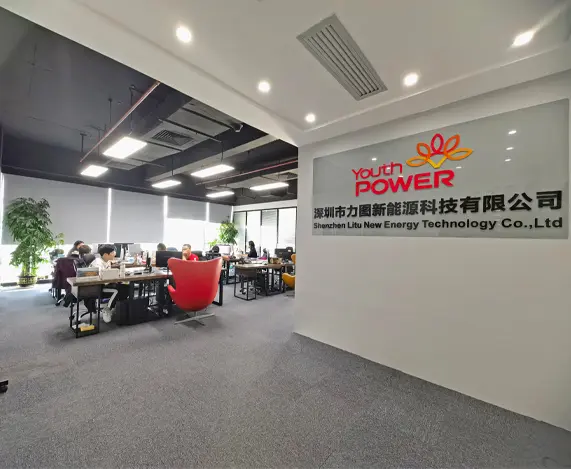
YouthPOWER has engaged in the battery technology and production for almost 20 years, with abundant manufacturing experience and strong new product R & D capability. Through many years of hard work and market promotion, we have created our own brand "YouthPOWER" in 2019.

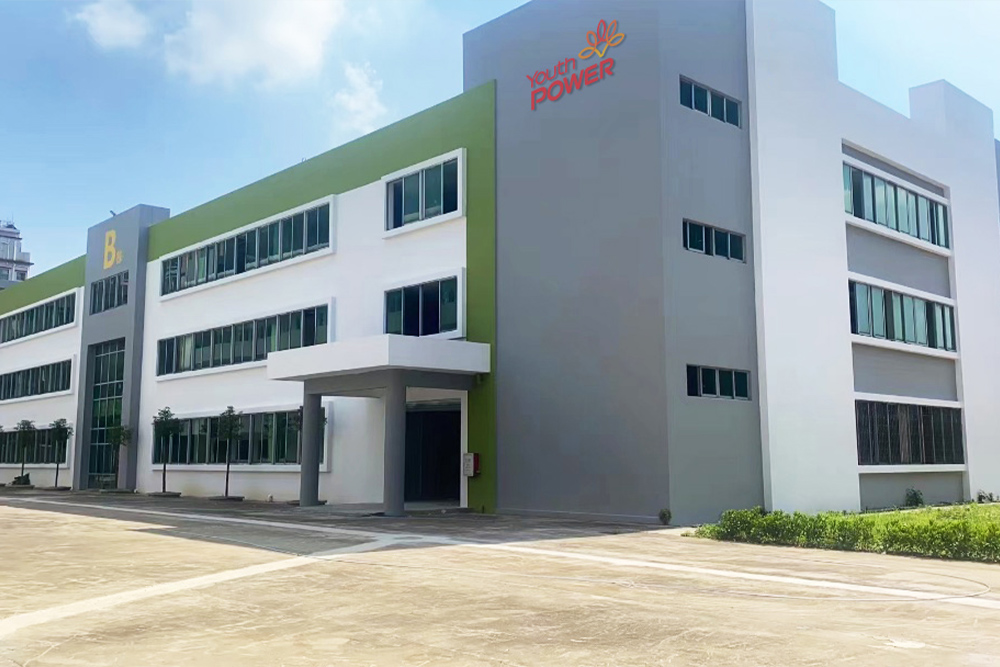
With nearly 20 years' experience in the battery industry, we have the capability to provide you with both the products you need and the most suitable products you want. We are always ready to supply the first-class products and meet the various needs of the customers.
We have established good business relationships with our customers from all over the world. And we have a good cooperation with all our customers as well for many years running. Supported by our local vendors of raw materials, we can certainly offer you the best prices.
We are so proud that YouthPOWER has offered the reliable solar storage solution for over 1,000,000 families now in the world.
Step inside our automated production lines and battery system assembly facilities.
High-precision battery sorting lines optimize pack capacity matching.
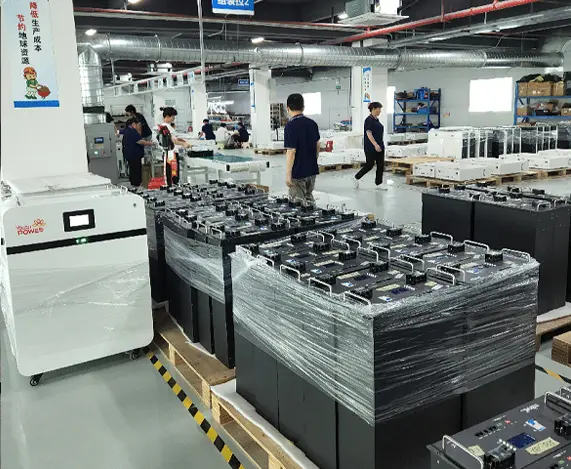
Automated laser welding ensures strong cell connections.
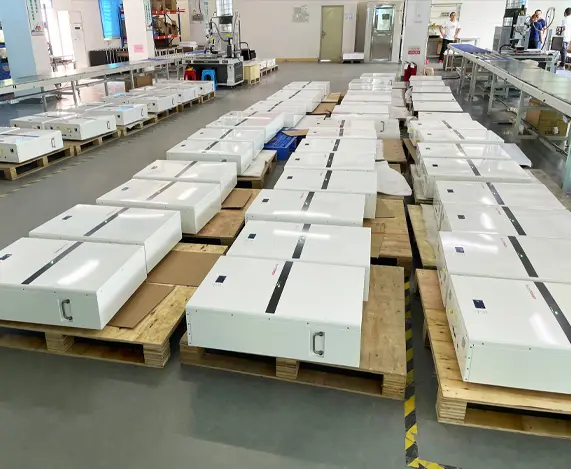
Smart BMS calibration and environmental chamber verification.
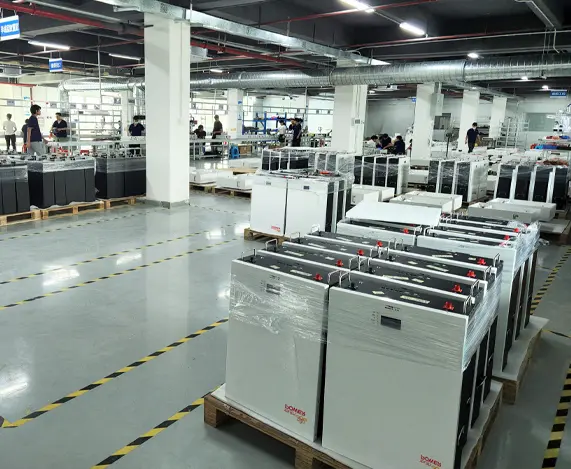
Rigorous cycle testing ensures every system meets safety specifications.
China continues to lead the global lithium-ion battery supply chain, accounting for over 70% of global cell manufacturing capacity. Our production facility utilizes these local integration advantages to lower battery storage costs while maintaining high quality standards.
By establishing long-term agreements with local lithium refining, cathode precursor, and graphite anode suppliers, we avoid material bottlenecks and secure stable component pricing for our clients.
Our automated production facilities run continuous cell assembly and packing processes. This high volume reduces overhead costs, letting us pass the savings on to utility and C&I projects through lower per-kWh pricing.
Co-locating design, BMS software engineering, and assembly facilities helps us quickly implement hardware updates and shorten lead times for custom cabinet designs.
Industrial battery energy storage is highly customized for local grids and specific regulatory landscapes. Here is how our BESS platforms support key application profiles:
Commercial users pay peak demand surcharges based on their highest usage window. Our systems monitor real-time load levels and discharge during peak spikes, flattening the demand profile and lowering bills.
In regions with unstable grids, agriculture, mining, and telecom sites use our batteries alongside diesel generators and PV arrays to form self-sufficient microgrids that run 24/7.
Adding high-speed chargers to local grids can trigger expensive upgrades. Charging a BESS buffer during low-demand periods allows charging stations to supply peak power to EVs without overloading local grid transformers.
Our milestones in battery technology development, system certifications, and global footprint extension.
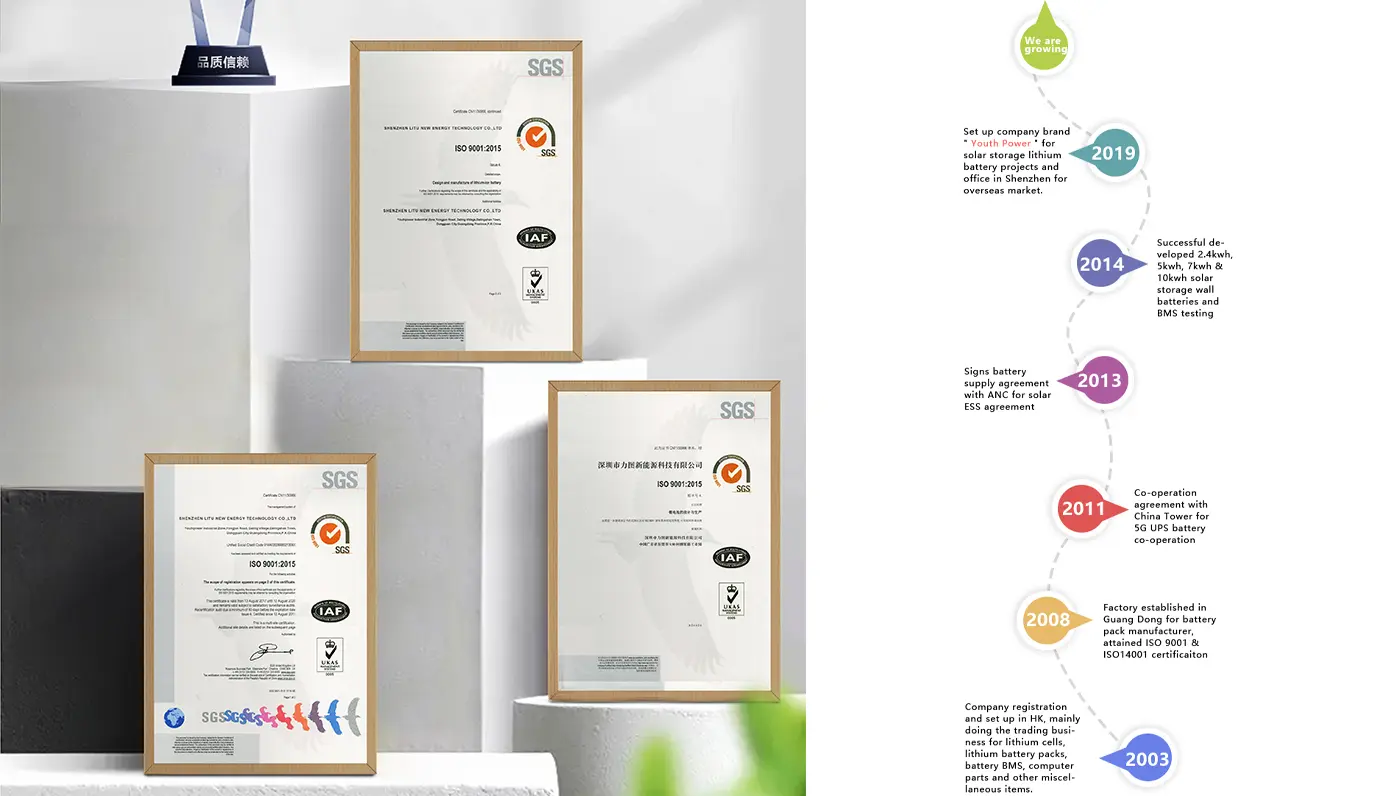
A BESS installation represents a decade-long investment. We ensure safety and performance through compliance certifications, smart monitoring tools, and local support teams.
Our battery cabinets feature multi-stage fire suppression systems, including aerosol units, integrated smoke/gas detectors, and localized pressure release vents that meet NFPA 855 safety standards.
We back our commercial and residential storage lines with performance-guaranteed warranties. If capacity drops below 70% within the warranty window under standard operation, we provide replacement modules.
We work with certified local installers, EPC firms, and distributors worldwide to provide prompt technical support, on-site commissioning, and spare parts management.
Get detailed technical answers on commercial battery safety, pricing structures, and system sizing.
Explore our high-voltage rack enclosures, residential backup solutions, and scalable outdoor installations.
 YouthPOWER