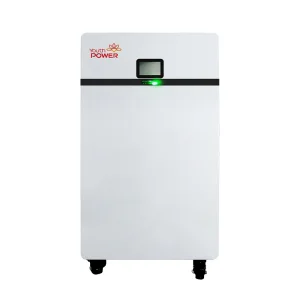
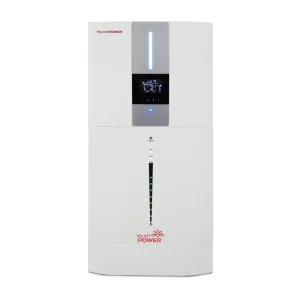
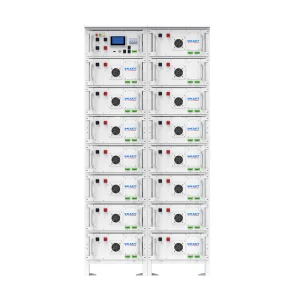
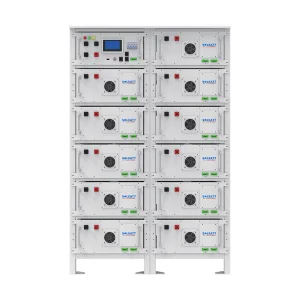
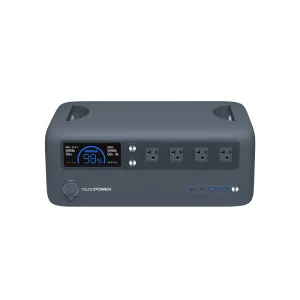
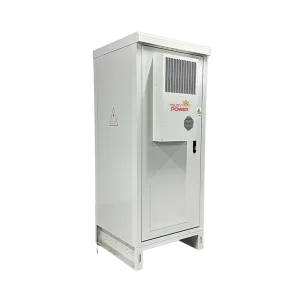
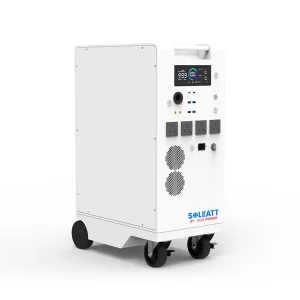
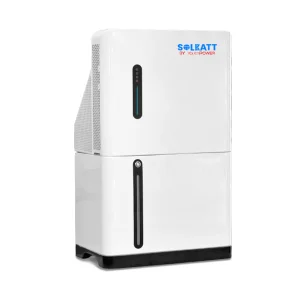
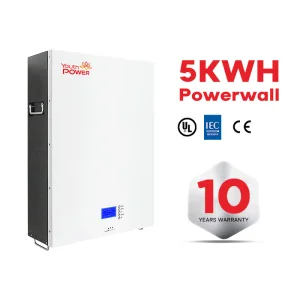
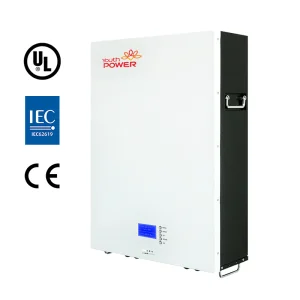
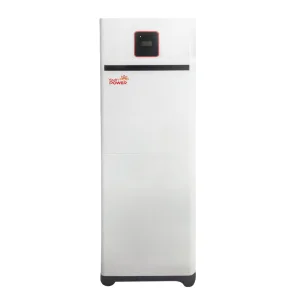
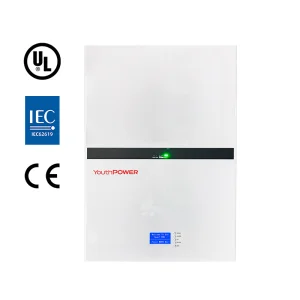
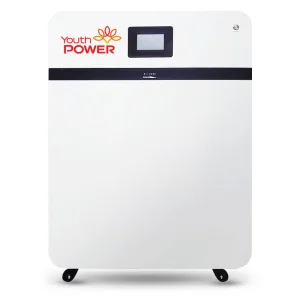
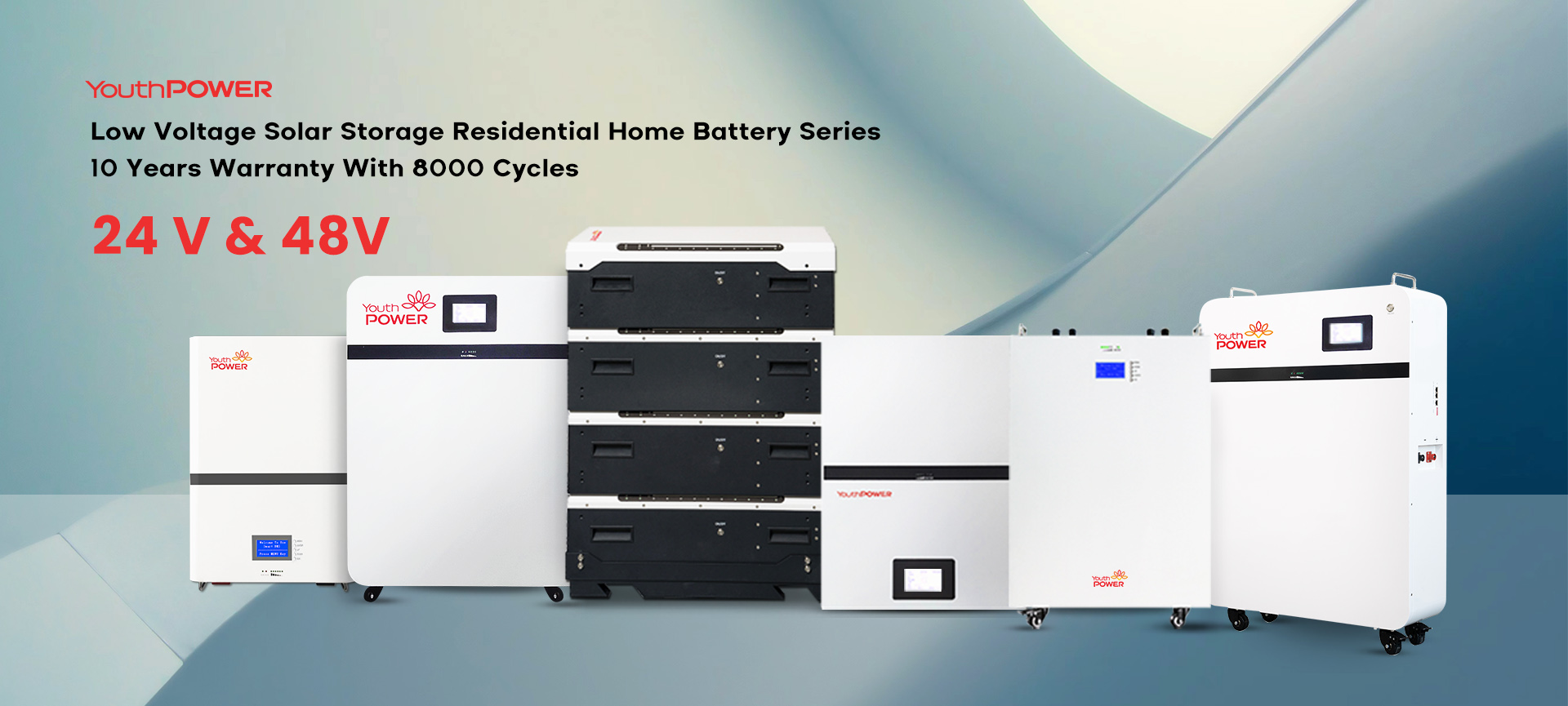
Select from our premium, high-efficiency lithium battery models optimized for integration with hybrid inverters and off-grid configurations.
Modern electrical grids face unprecedented volatility caused by the rapid expansion of clean energy integration and extreme climate challenges. As electricity rates escalate and feed-in tariffs drop, home and factory owners are shifting from simple power consumption to active grid participation. Storing self-generated solar energy has evolved from an environmental initiative to a core operational strategy.
Recent technological advancements have established lithium iron phosphate (LiFePO4) chemistry as the global standard for stationary systems. Compared to older lead-acid designs and nickel-rich chemistries (NMC), LiFePO4 offers outstanding thermal stability, zero off-gassing, and long cycle lives. These attributes are crucial for high-voltage industrial setups and compact residential applications alike.
Furthermore, local utility grids are transitioning towards supporting Virtual Power Plants (VPPs). By pooling hundreds of residential and commercial storage batteries, smart EMS platforms can coordinate power release during peak demand hours, generating new revenue streams for system owners.
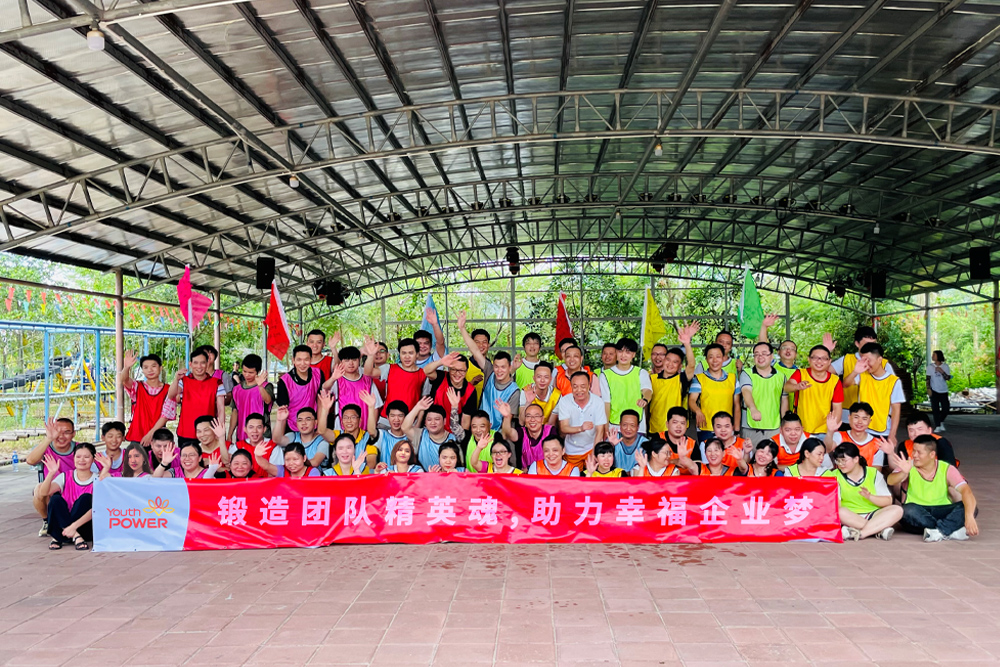
Pioneering safe, high-cycle lithium iron phosphate chemistry and advanced storage designs since 2003.
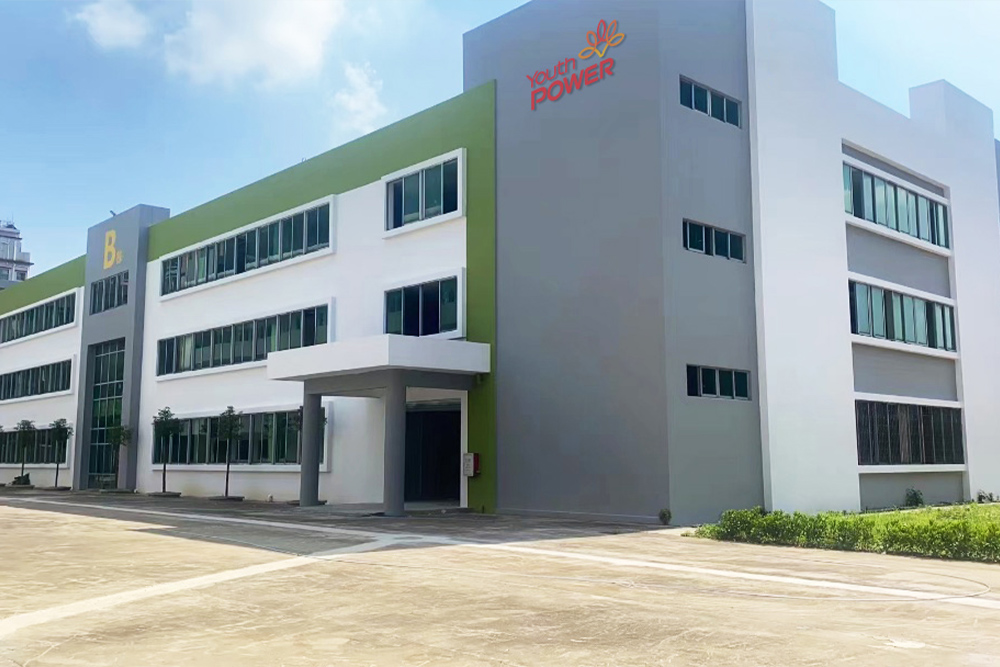
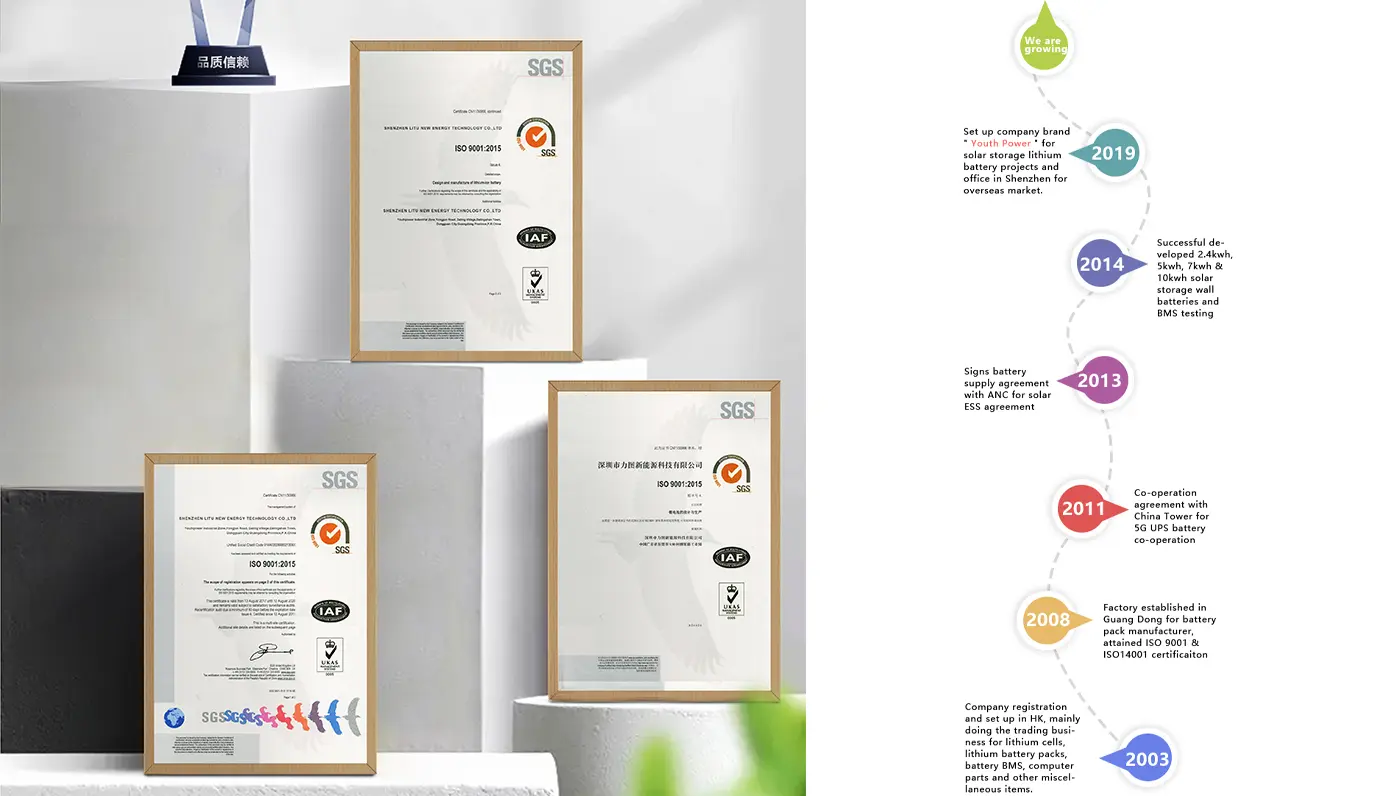
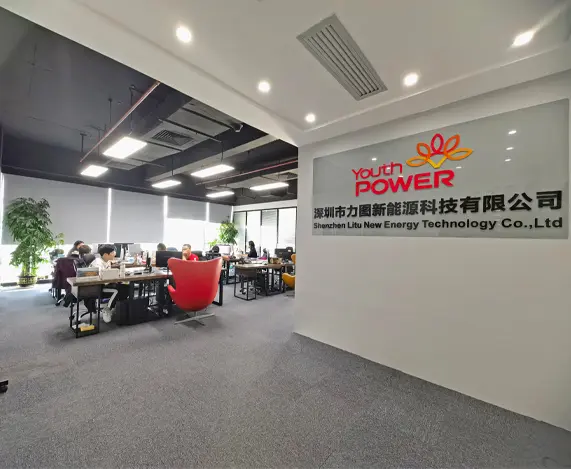
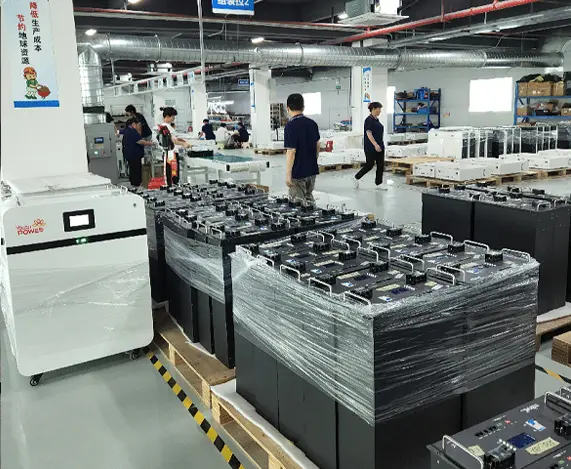
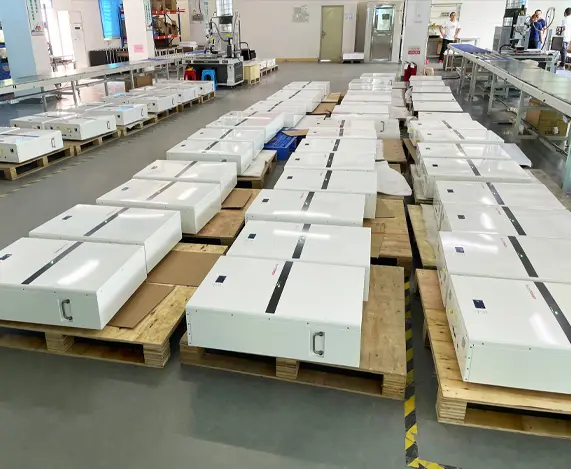
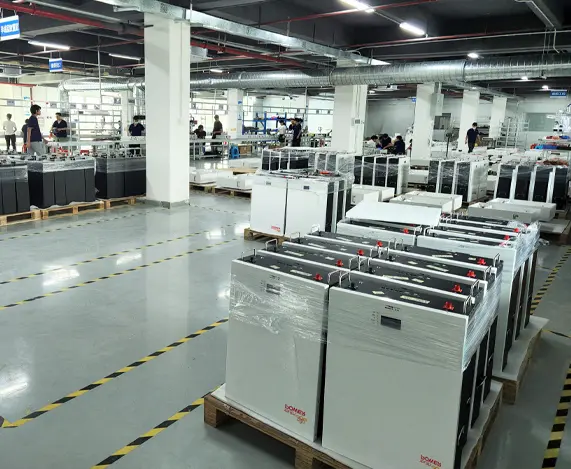
Founded in 2003, YouthPOWER has grown to become one of the leading global suppliers of solar storage lithium batteries. Our integrated solutions cover a wide range of battery chemistries, specializing in 24V, 48V, and high-voltage commercial modules. Backed by nearly 20 years of manufacturing experience, our team focuses on design, performance testing, and system safety. In 2019, we introduced our proprietary brand "YouthPOWER" to serve global markets directly.
By establishing long-term partnerships with raw material suppliers, we are able to manage production costs while ensuring cell quality. Today, our energy storage solutions provide clean power to more than 1,000,000 families worldwide, supporting grid independence and lowering operational energy costs.
Understanding the differences in electrical configuration and capacity planning between residential and industrial setups.
| Feature Parameter | Residential Applications (Home) | Industrial Applications (Factory / C&I) |
|---|---|---|
| Typical Capacity Range | 5 kWh – 30 kWh (Modular expansion) | 50 kWh – 2 MWh+ (Containerized configurations) |
| System Voltage | Low Voltage (48V / 51.2V) or High Voltage (200V - 500V) | High Voltage (512V / 768V / 1000V+) |
| Target Applications | Self-consumption, peak-tariff avoidance, backup power | Peak shaving, load shifting, power quality support |
| Inverter Interconnection | Single-phase or split-phase hybrid inverters | Three-phase grid-tied bi-directional converters (PCS) |
| Cooling Design | Passive natural cooling / heat sinks | Active liquid cooling or forced-air HVAC systems |
| Cycle Life Expectancy | 6,000+ cycles @ 80% DOD | 6,000 – 8,000 cycles (under structured thermal management) |
For factory peak-shaving applications, system sizing is based on historical interval meter demand data. The required energy storage capacity ($E$) can be determined using the peak load power ($P_{peak}$), the target peak threshold ($P_{target}$), and the duration of peak loads ($t_{peak}$):
E (kWh) = (P_peak - P_target) * t_peak / (DoD * Efficiency_PCS * Efficiency_Battery)
Using a target depth of discharge (DoD) of 80% and a round-trip efficiency of 92%, this ensures the battery bank maintains long-term reliability while lowering peak-demand utility charges.
An analysis of initial capital cost, operational longevity, and raw material supply chain impacts.
Evaluating solar storage investments requires comparing initial capital expenditures (CAPEX) against operating lifetime benefits. The cost of a battery module depends on several key elements: cell chemistry grade, battery management system (BMS) sophistication, shell design, and compliance testing.
YouthPOWER uses a direct-to-factory model that leverages vertical manufacturing integrations. Operating our own assembly lines and working closely with chemical suppliers helps protect against price swings in raw materials like lithium carbonate and iron phosphate. By minimizing logistics overhead, our production model delivers competitive pricing to system integrators, project developers, and distributors.
For B2B buyers, evaluating the Levelized Cost of Storage (LCOS) is critical. It calculates the overall cost per kilowatt-hour of energy stored and discharged over the system's lifespan, which is determined as follows:
LCOS = (Initial Equipment CAPEX + Lifespan OPEX) / Total Lifecycle Energy Throughput
Selecting systems with 6,000+ cycle lives and high round-trip efficiencies lowers the LCOS, accelerating payback times for commercial and industrial users.
A preview of the next-generation battery architectures and management features currently in development.
Our upcoming BMS releases will transition from passive dissipation balancing to active energy transfer balancing. This dynamic redistribution of charge between cells extends overall module capacity and limits localized degradation.
As systems scale, high-voltage battery links help minimize copper losses and inverter conversion costs. Our upcoming HV series will allow series connections up to 1000V, streamlining installation for commercial projects.
Integrating internal pressure-relief valves, flame-retardant barriers, and aerosol-based fire suppression inside the cabinets provides reliable multi-level safety protection.
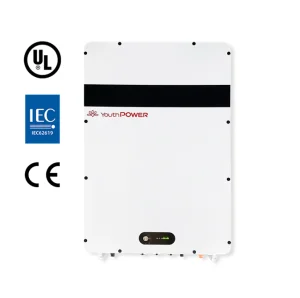
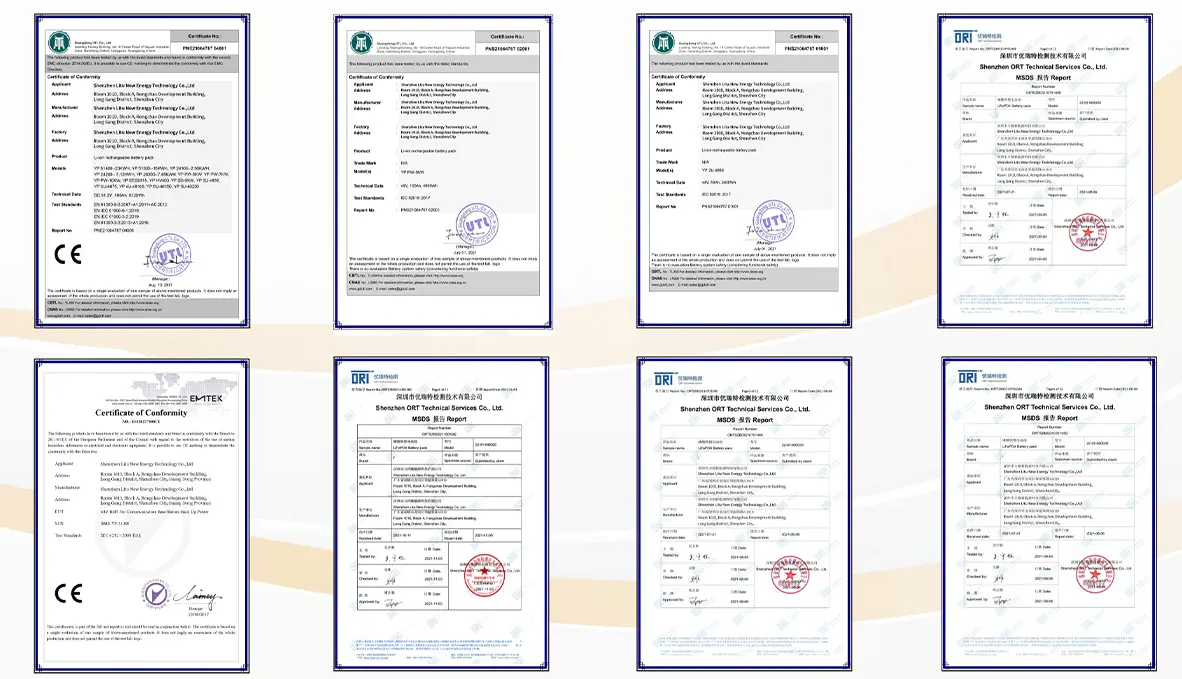
Deploying storage systems requires compliance with electrical safety regulations and utility grid codes. Standard off-the-shelf lithium cells cannot guarantee the thermal and electrical safety needed for permitting without official verification.
YouthPOWER configurations are engineered to meet key international safety certifications:
Our units include integrated modbus communication layouts, allowing operators to monitor cell health data. This information is valuable when seeking approvals from local utility grids during system commissioning.
Technical answers to common questions about system installation, safety parameters, and wholesale pricing structures.
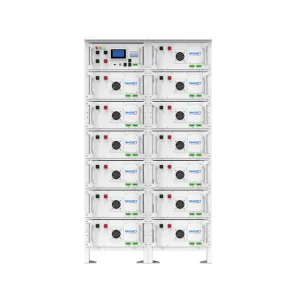
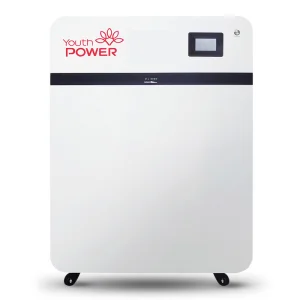
Explore our range of balcony power systems, portable generators, and high-capacity storage cabinets designed for diverse installation requirements.
 YouthPOWER