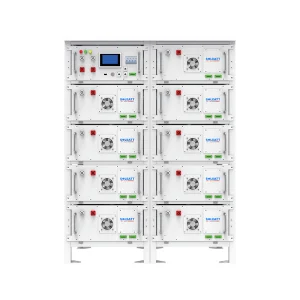
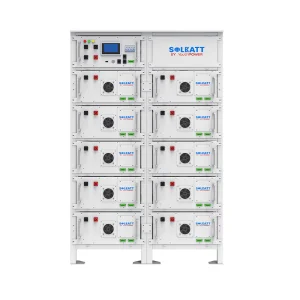
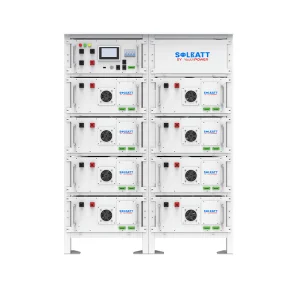
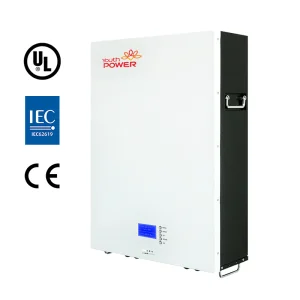
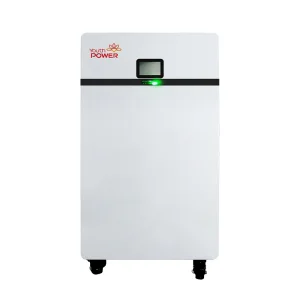
Direct wholesale pricing on tier-one engineering grade commercial and industrial battery systems configured for global deployments.
An authoritative analysis of Uninterruptible Power Supply (UPS) market dynamics, energy transition, and lithium infrastructure integration.
Traditional Valve Regulated Lead-Acid (VRLA) batteries are rapidly phasing out in favor of Lithium Iron Phosphate (LiFePO4) chemistries. LiFePO4 offers 10x the cycle life, higher thermal safety thresholds, and a 60% reduction in total footprint weight, substantially lowering structural load demands in multi-story data centers.
Modern commercial UPS systems are no longer passive emergency reserves. Empowered by bi-directional inverter topologies, factories utilize UPS batteries for peak shaving, load shifting, and dynamic response interactions, transforming a cost-center asset into a revenue-generating virtual power plant (VPP).
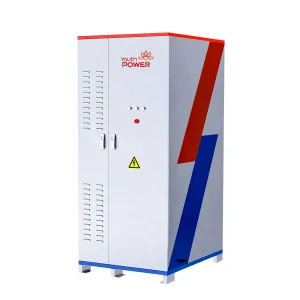
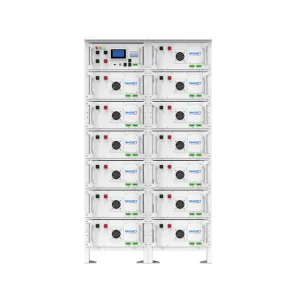
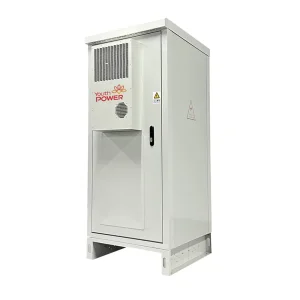
As centralized grids face instability due to extreme weather and rapid EV charging expansion, industrial facilities deploy containerized high-voltage battery storage cabinets. This decentralized scheme isolates local failures and facilitates seamless transitions to 100% off-grid autonomy.
In the digital economy, power instability translates directly to operational downtime, mechanical asset degradation, and catastrophic data loss. Traditional emergency backup architectures relied on diesel generation paired with lead-acid backup grids. However, the sluggish start-up transition times of diesel generators (typically 10 to 15 seconds) fail to protect precision robotics, automated assembly lines, and high-frequency computing systems from micro-interruptions and voltage sags.
To bridge this critical gap, advanced lithium-based UPS platforms equipped with ultra-fast solid-state transfer switches (less than 2 milliseconds detection and transition time) have become the default engineering standard. The integration of high-voltage (HV) lithium battery storage arrays operating between 400V and 800V DC maximizes system efficiency, minimizes line losses, and enables direct pairing with commercial photovoltaic (PV) generation facilities. This integration delivers not only backup security but also optimized levelized cost of energy (LCOE).
Strategic purchasing benchmarks utilized by chief engineering officers and procurement leads to mitigate long-term systemic risks.
Safety is the primary metric. Enterprises require cells tested under strict UL 9540A protocols to eliminate runaway risks. Integration of multi-tier Battery Management Systems (BMS) with real-time temperature, voltage, and internal resistance monitoring is standard for risk mitigation.
While initial capital expenditures (CAPEX) for lithium storage systems exceed lead-acid solutions, the extended operational lifecycle (6000+ cycles at 80% Depth of Discharge) reduces total operational expenses (OPEX) by up to 50% over a 10-year facility cycle.
Industrial loads exhibit high inrush currents. Selecting batteries capable of discharging at higher C-rates (e.g., 1C continuous, 2C peak) ensures the UPS handles heavy motor startup currents without tripping circuit protection systems.
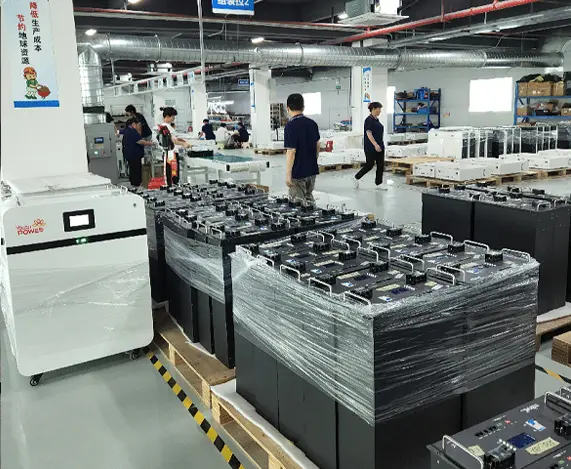
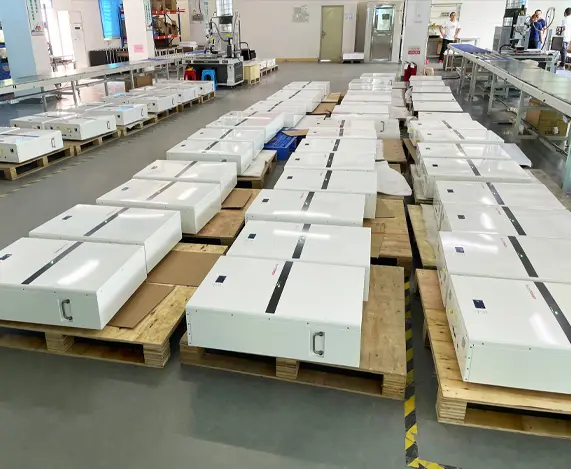
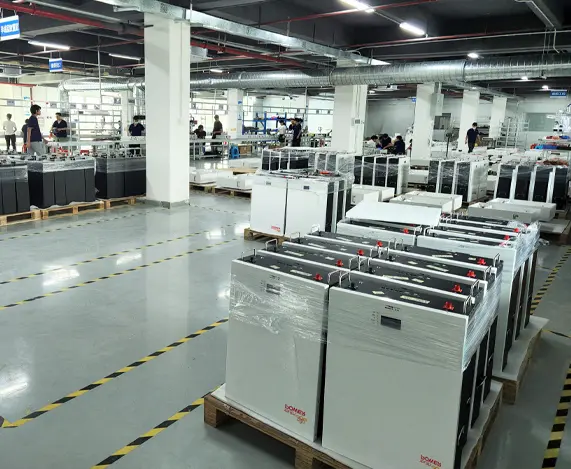
Sourcing UPS systems from advanced manufacturing clusters in China offers profound logistical and technical benefits. Guided by Industry 4.0 guidelines, Chinese battery factories leverage fully automated assembly lines to perform automated cell sorting, high-precision laser welding, and automated aging tests. This ensures uniformity across thousands of individual cells.
Moreover, the complete vertical integration of China's domestic battery supply chain—spanning raw lithium processing, cathode material fabrication, BMS development, and complete chassis structural engineering—insulates overseas buyers from localized material shortages and provides competitive pricing benchmarks.
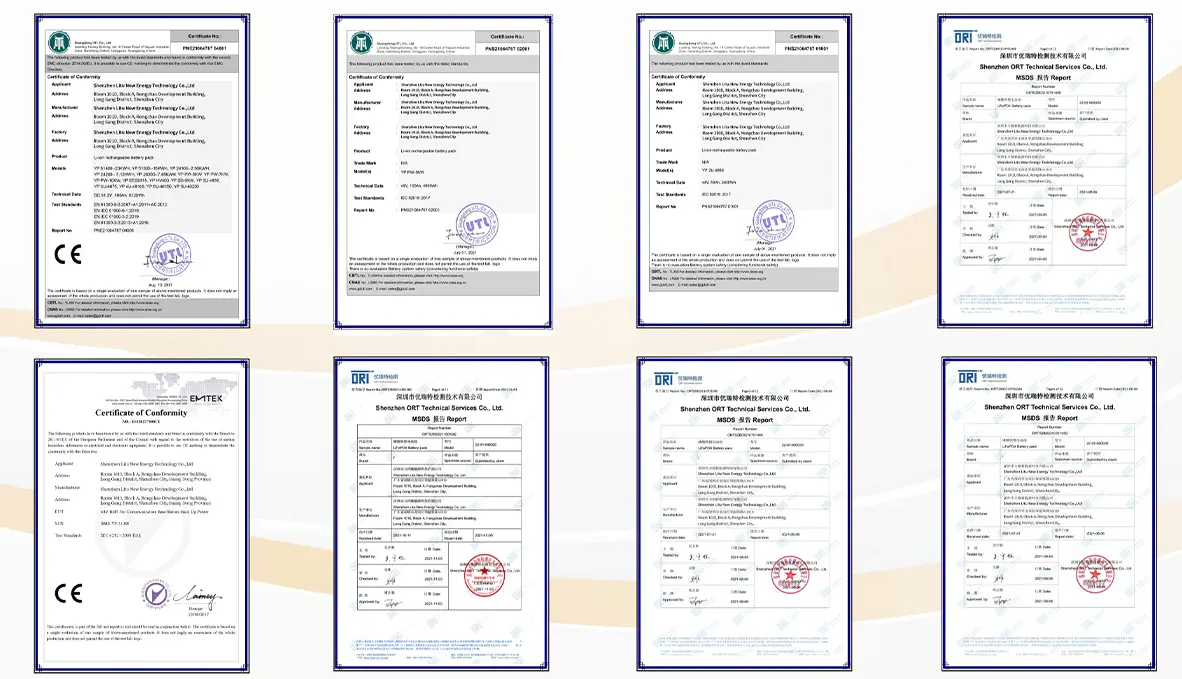
Through robust logistics networks, Chinese manufacturers support fast-tracked transit and international certifications (UN38.3, MSDS, CE, IEC), enabling direct deployment upon arrival at destination ports.
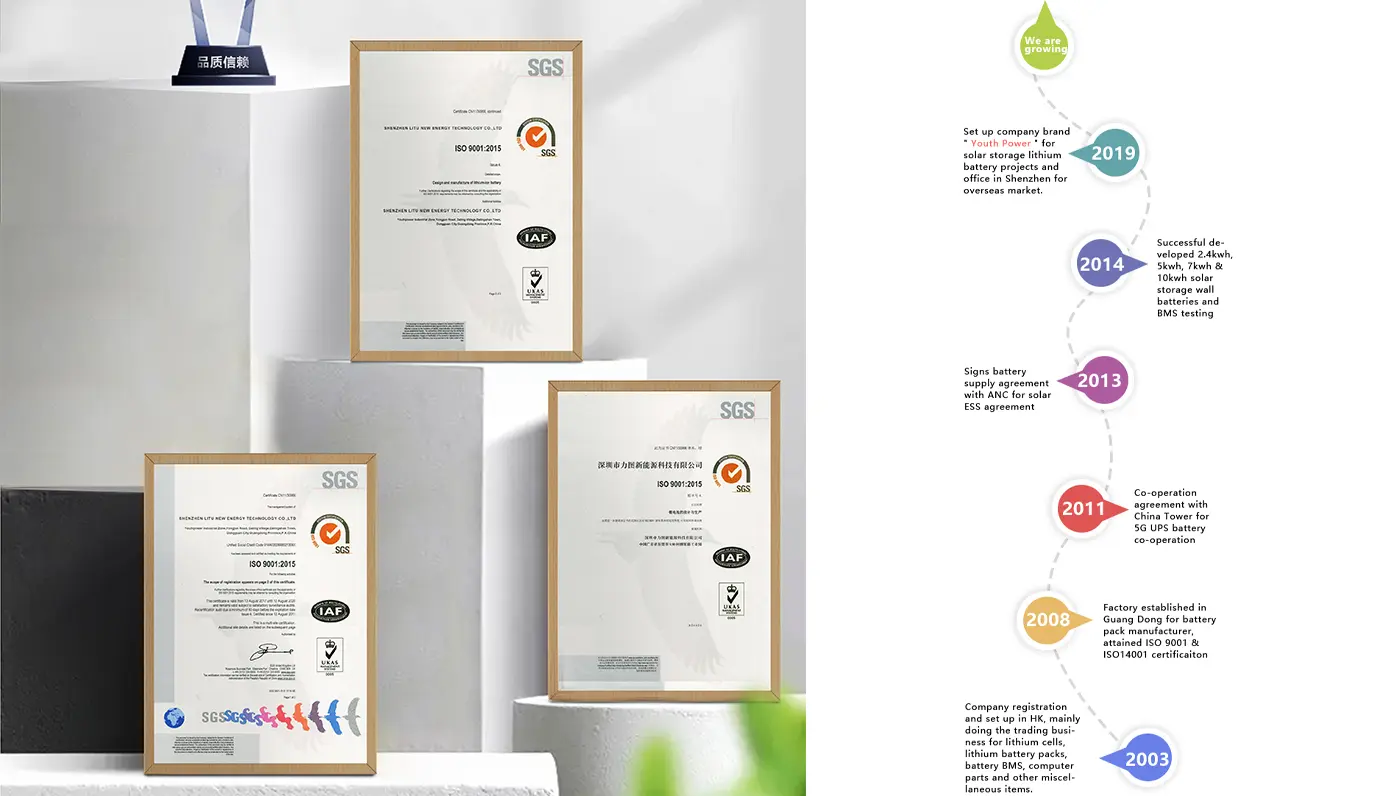
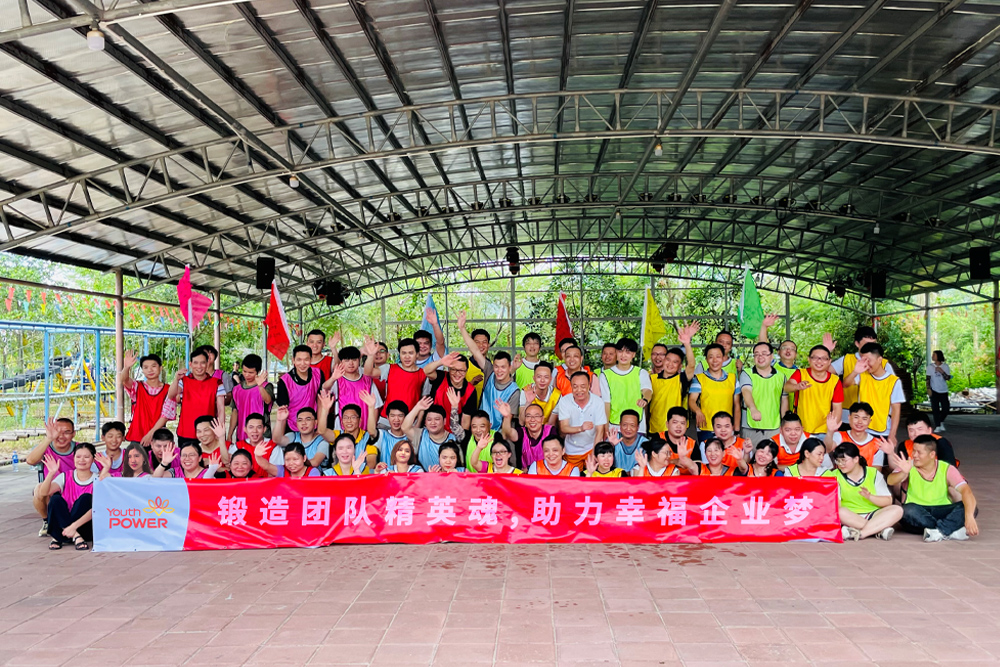
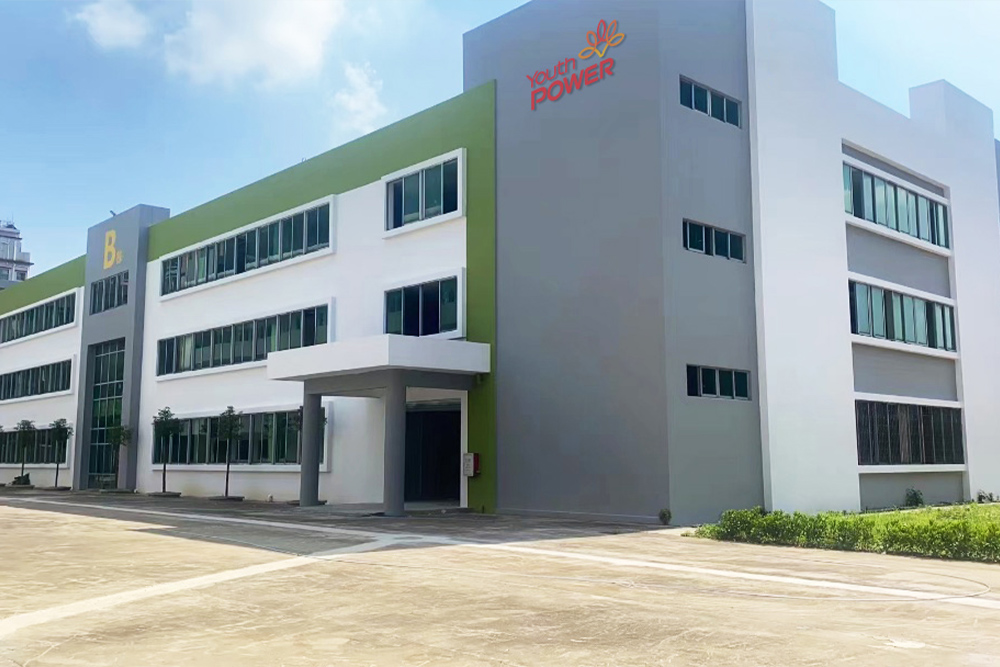
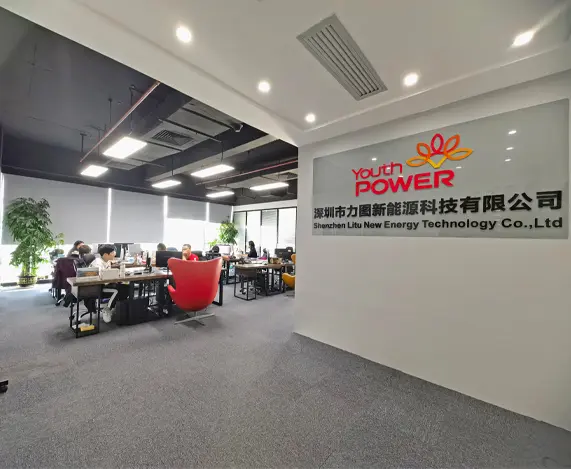
Founded in 2003, YouthPOWER has now become one of the leading suppliers of solar storage lithium batteries in the world. With a broad range of energy storage solutions, it covers a series of 24V, 48V and higher voltage lithium batteries solutions.
YouthPOWER has engaged in the battery technology and production for almost 20 years, with abundant manufacturing experience and strong new product R & D capability. Through many years of hard work and market promotion, we have created our own brand "YouthPOWER" in 2019.
With nearly 20 years’ experience in the battery industry, we have the capability to provide you with both the products you need and the most suitable products you want. We are always ready to supply the first-class products and meet the various needs of the customers.
We have established good business relationships with our customers from all over the world. And we have a good cooperation with all our customers as well for many years running. Supported by our local vendors of raw materials, we can certainly offer you the best prices.
We are proud that YouthPOWER has offered the reliable solar storage solution for over 1,000,000 families now in the world.
Year Established
Years Battery R&D Experience
Global Families Powered
Factory Testing & Quality Checked
Engineered configuration profiles for key sectors requiring continuous power and energy optimization.
Ensuring constant power quality during load variations. Seamless integration with active BMS prevents thermal runaway, securing critical server environments.
Eliminating voltage dips and micro-cuts that halt automated tooling, packaging lines, and CNC operations, avoiding costly production restarts.
Delivering remote, weather-resilient battery systems for base transceiver stations (BTS), offering long-duration backup where grid reliability is low.
Providing rapid energy backup to critical life-support networks, operating theatres, and imaging clinics, ensuring safety compliant systems.
Smoothing fluctuations from commercial solar arrays, storing excess generation during the day, and feeding it back during peak tariff periods.
Supplying modular containerized battery storage cabinets designed to survive extreme dust, thermal variation, and mechanical shock.
Engineering facts, battery physics explanation, and practical implementation tips from our veteran research team.
Engineered scalable solutions tailored for global commercial enterprises seeking off-grid stability and grid resilience.
 YouthPOWER