High-capacity energy storage systems engineered for uninterrupted business continuity
Modern electrical infrastructure demands zero-tolerance protection against power dropouts, voltage sags, and grid instability. Historically, critical facilities relied upon lead-acid uninterruptible power supply (UPS) batteries. However, today's commercial enterprise seeks more than just a brief bridge to generator power; they demand active microgrid integration, longer operational cycles, and exceptional thermal safety. This is where high-voltage Lithium Iron Phosphate (LiFePO4) systems redefine the landscape.
By transitioning from outdated lead-acid blocks to integrated smart BESS (Battery Energy Storage Systems) and high-density LFP units, global operators secure a lifetime energy profile that is significantly cheaper on a Total Cost of Ownership (TCO) basis. Whether sourcing for hyperscale datacenters, remote telecommunication hubs, or precision manufacturing assemblies, selecting the appropriate UPS power supply company requires understanding the intersection of chemistry, manufacturing scale, and grid compliance.
Decarbonization, rising energy costs, and grid instability are reshaping industrial power strategies.
Extreme weather events and overstressed electrical grids lead to frequent localized blackouts. Enterprises must buy UPS power systems that provide immediate sub-millisecond response rates to maintain operational continuity without expensive factory reboots.
Industrial rates feature peak demand charges that represent up to 40% of the total monthly energy bill. Integrated UPS battery cabinets store cheap off-peak power and deploy it during high-tariff windows, transforming a static capital expense into an active revenue generator.
Replacing standard carbon-heavy back-up diesel generation with zero-emission battery backup satisfies stringent environmental guidelines. Pairing your solar array with a high-capacity commercial solar battery storage system maximizes clean energy utilization.
Decades of battery engineering leadership and relentless innovation in global power systems
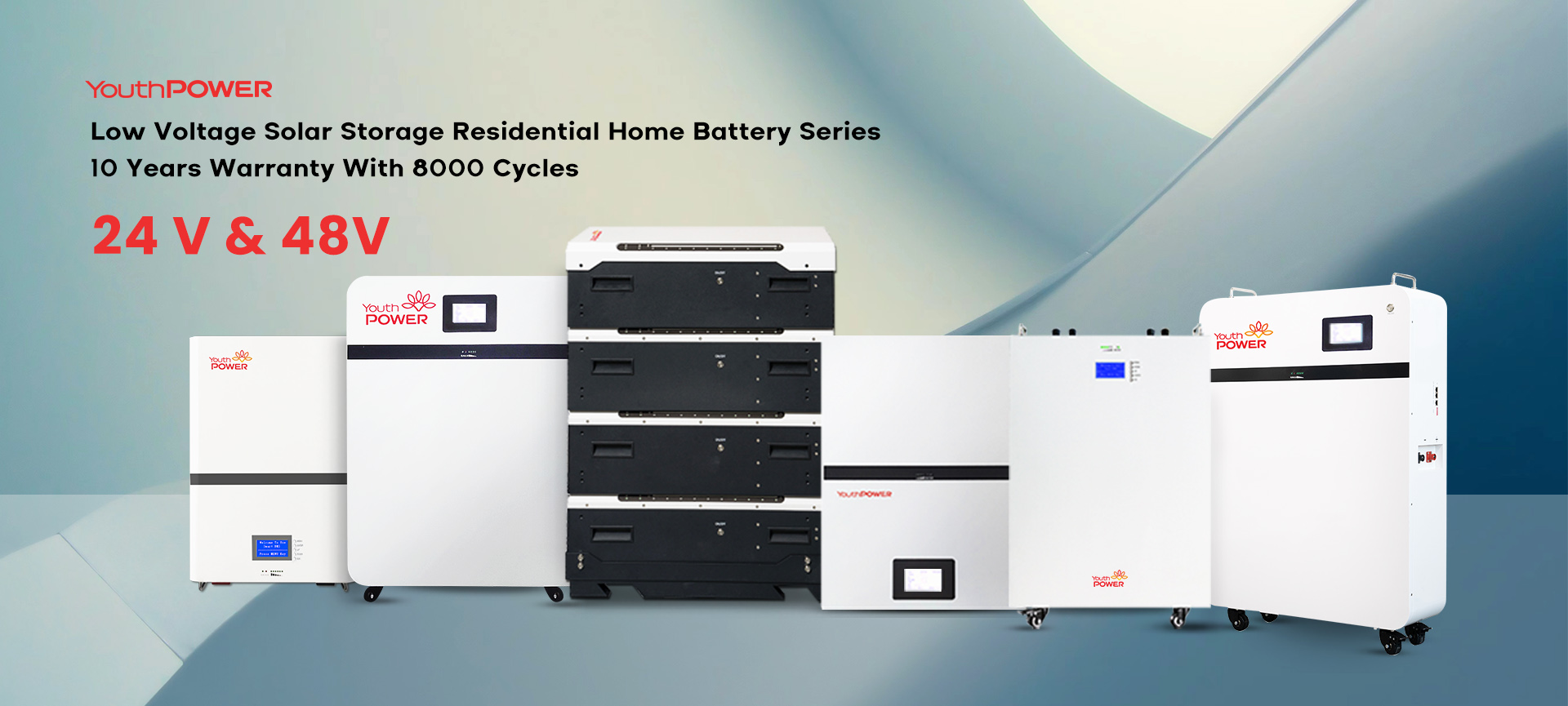
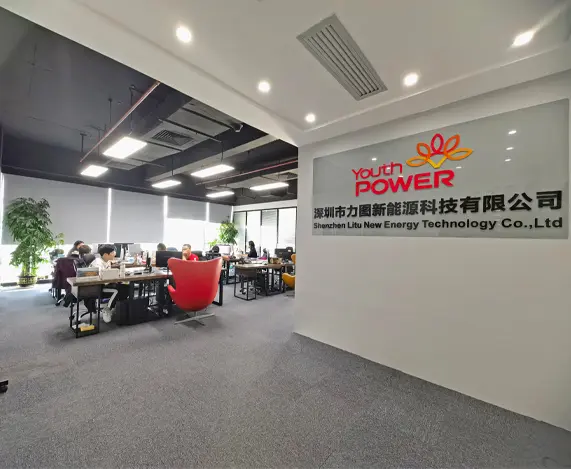
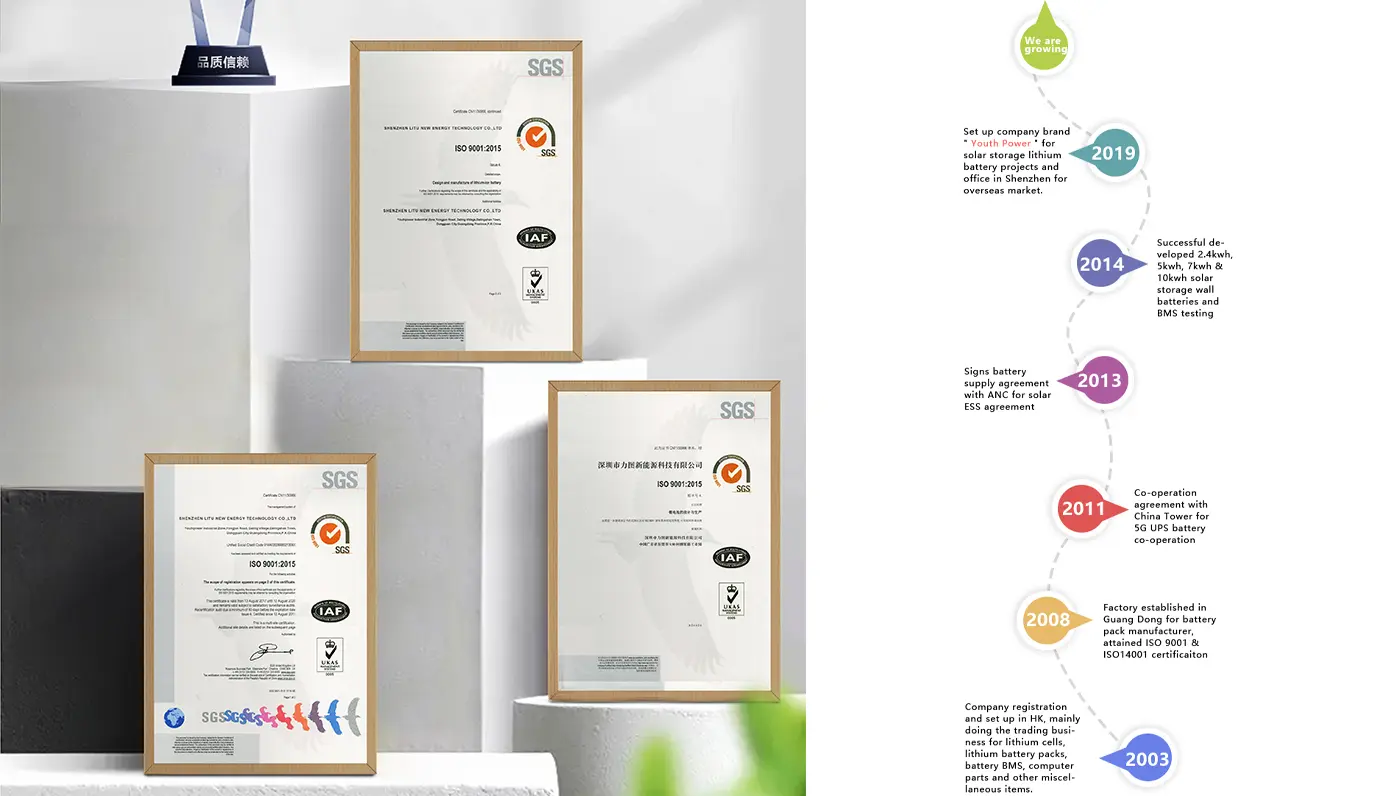
Founded in 2003, YouthPOWER has now become one of the leading suppliers of solar storage lithium batteries in the world. With a broad range of energy storage solutions, it covers a series of 24V, 48V and higher voltage lithium batteries solutions.
YouthPOWER has engaged in the battery technology and production for almost 20 years, with abundant manufacturing experience and strong new product R & D capability. Through many years of hard work and market promotion, we have created our own brand "YouthPOWER" in 2019.
With nearly 20 years’ experience in the battery industry, we have the capability to provide you with both the products you need and the most suitable products you want. We are always ready to supply the first-class products and meet the various needs of the customers.
We have established good business relationships with our customers from all over the world. And we have a good cooperation with all our customers as well for many years running. Supported by our local vendors of raw materials, we can certainly offer you the best prices.
We are so proud that YouthPOWER has offered the reliable solar storage solution for over 1,000,000 families now in the world.
Engineered performance tailored to diverse environments and regional infrastructure profiles
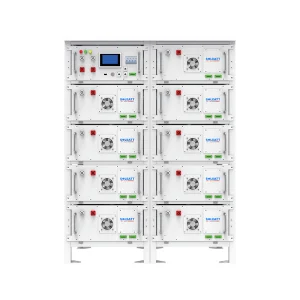
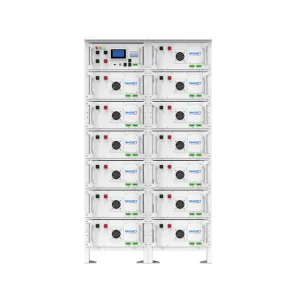
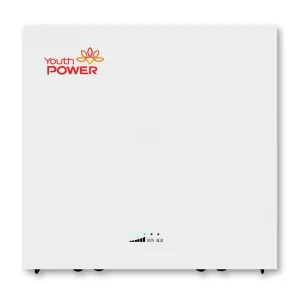
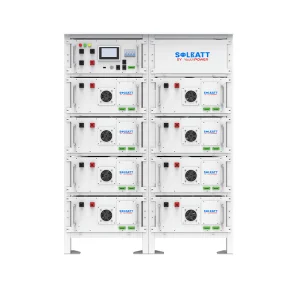
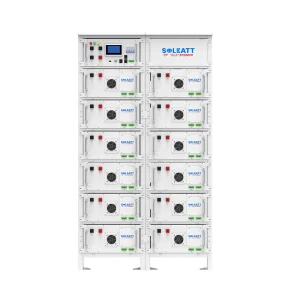
High-voltage battery cabinets (460V, 512V, 716V) eliminate structural power conversions. Sizing configurations like our 186KWH system enable direct, high-efficiency coupling to large double-conversion UPS systems, ensuring steady, non-stop service.
Continuous industrial processes cannot sustain even minor voltage deviations without ruining raw materials. Our 114KWH and 200KWH commercial containers provide seamless dynamic voltage restoration and short-term backup until diesel start-up cycles complete.
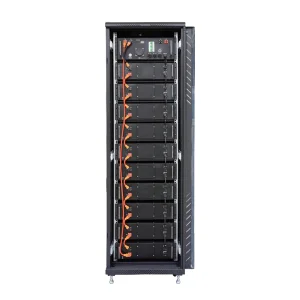
For remote operations like mining, luxury resorts, and scientific outposts, pairing solar arrays with a heavy-duty battery cabinet (such as our 129KWH or 172KWH models) stabilizes high-surge localized grids, lowering diesel dependence by over 80%.
In the global UPS battery supply chain, China stands as the global hub for raw material processing, cell manufacturing, and power electronics integration. Sourcing directly from a mature Chinese manufacturer like YouthPOWER provides critical cost and performance advantages:
The technological trajectory defining the future of critical energy infrastructure
Developing battery systems exceeding 800V to minimize copper losses, lower current draw, and boost round-trip efficiency above 95% in commercial back-up architectures.
Implementing machine learning models on the Battery Management System (BMS) to forecast cell degradation, identify thermal anomalies ahead of time, and optimize dynamic load distribution.
Gradually transitioning to solid-state electrolytes to eliminate thermal runaway risks entirely and double the volumetric energy density of large industrial energy storage systems.
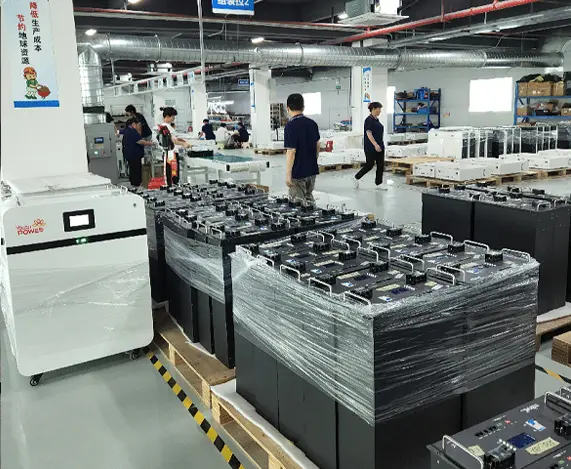
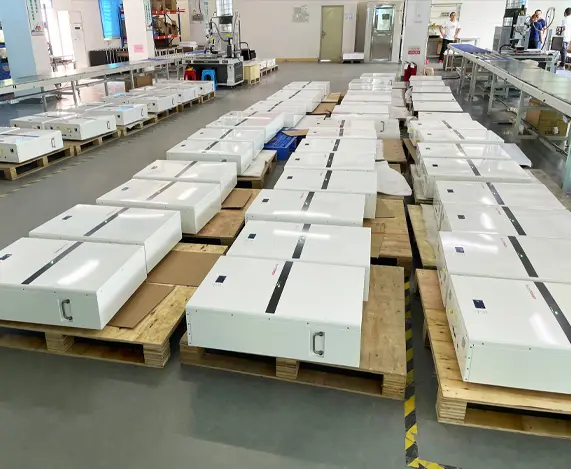
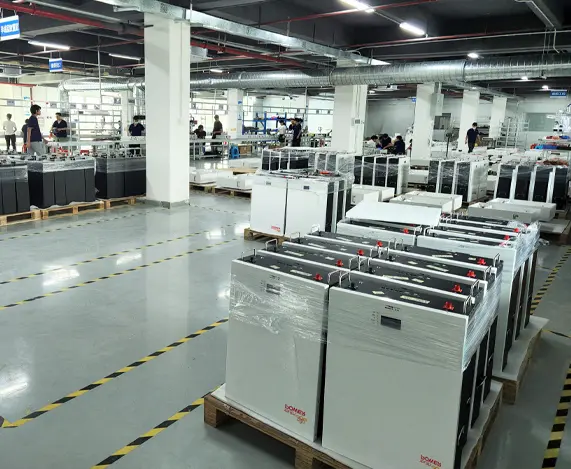
To deliver reliable backup power, we continuously invest in state-of-the-art testing equipment. Our production lines feature automated sorting machines, high-precision charge-discharge chambers, and environmental chambers simulating extreme high and low temperatures.
By executing testing at every level of assembly, we ensure that every system leaving our factory is optimized for decades of dependable operation.
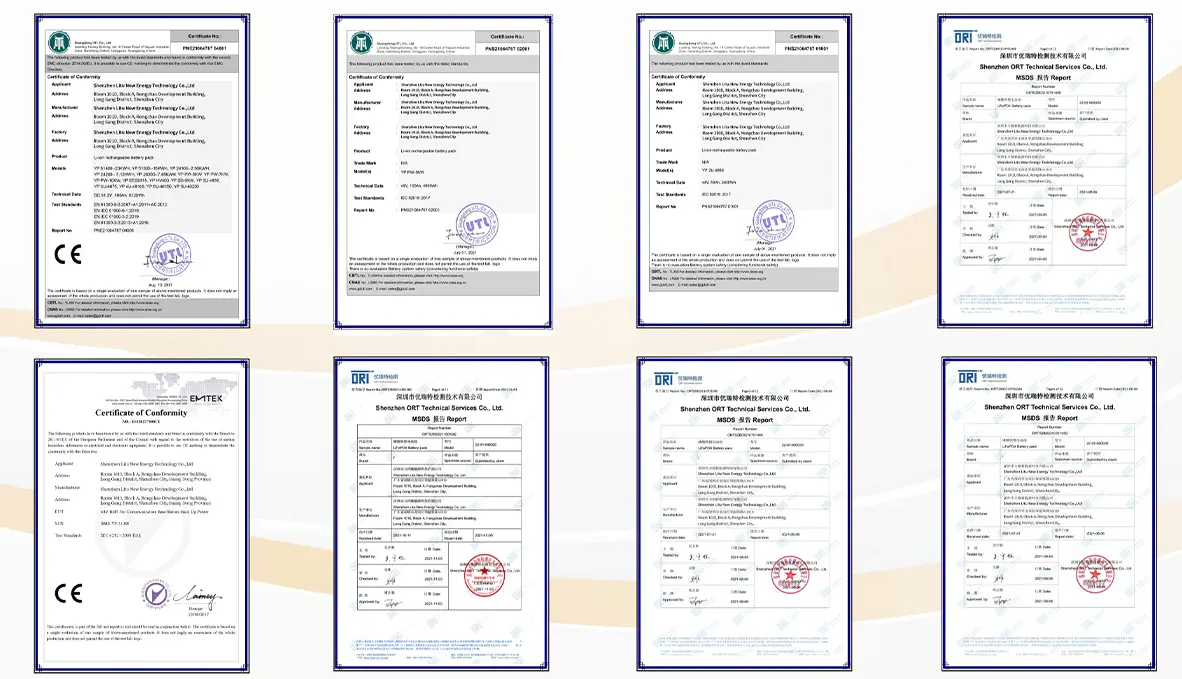
Deploying energy storage in commercial spaces requires meeting strict local compliance regulations. A reliable system must be backed by industry certifications to guarantee safety and performance:
YouthPOWER coordinates with international testing bodies to ensure every BESS cabinet complies with regional requirements, smoothing your local permitting and inspection processes.
Deciphering Capex variables, life-cycle costs, and the real ROI of Lithium systems
When searching for a UPS power supply company, understanding the pricing structure is key. Upfront price comparison alone does not tell the full story. The actual value is determined by the total cost of ownership over the lifetime of the system.
| System Category | Capacity Range (kWh) | Voltage Ranges (V) | Avg. Lifecycle (Cycles @ 80% DoD) | Estimated Direct Price Range (USD)* |
|---|---|---|---|---|
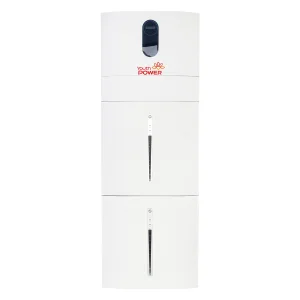
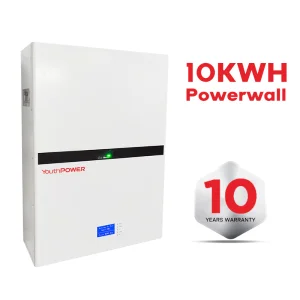
| Residential / Small Office UPS | 5 - 15 kWh | 48V - 51.2V | 6,000+ | $1,200 - $3,800 |
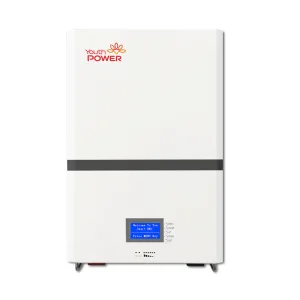
| Medium Commercial UPS / Solar Cabinet | 50 - 100 kWh | 350V - 650V | 6,000+ | $12,000 - $24,000 |
| Large Industrial BESS / Data Center Cabinet | 100 - 200+ kWh | 400V - 750V+ | 6,000+ | $22,000 - $48,000 |
*Note: Prices indicated represent estimated factory-direct export baseline pricing structures and will vary based on brand specification, customized BMS parameters, inverter compatibility requirements, and shipping rates.
While lead-acid options feature low upfront costs, their limited lifespan (3-5 years) and regular maintenance requirements drive up costs over time. In contrast, our LiFePO4 systems deliver 15+ years of maintenance-free service. Over time, lithium delivers a lower total cost per cycle, making it the most cost-effective long-term option for commercial projects.
Expandable high-voltage configurations designed for heavy commercial and residential setups
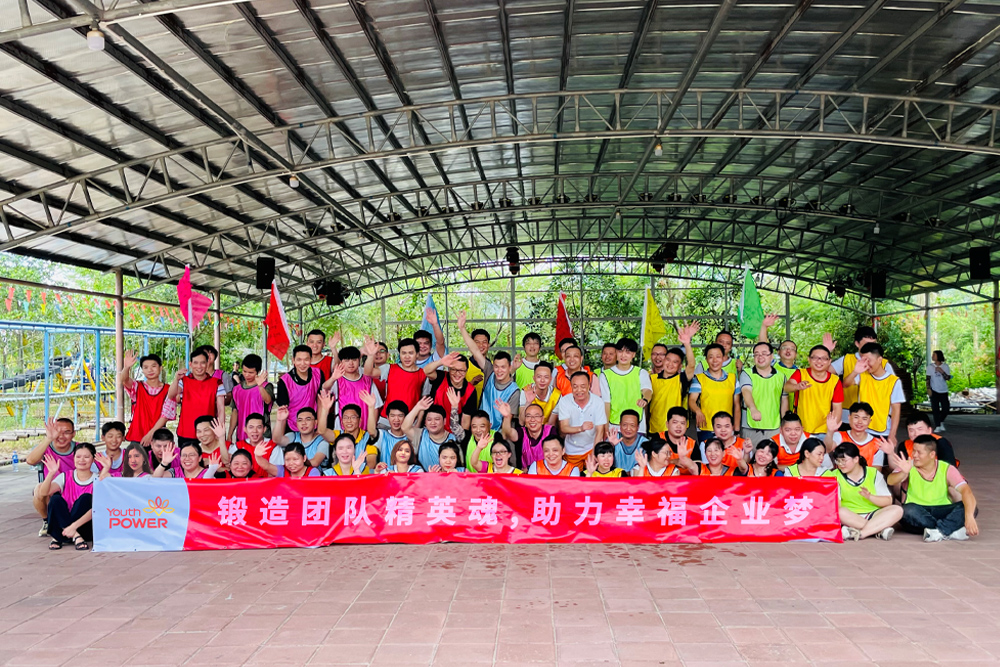
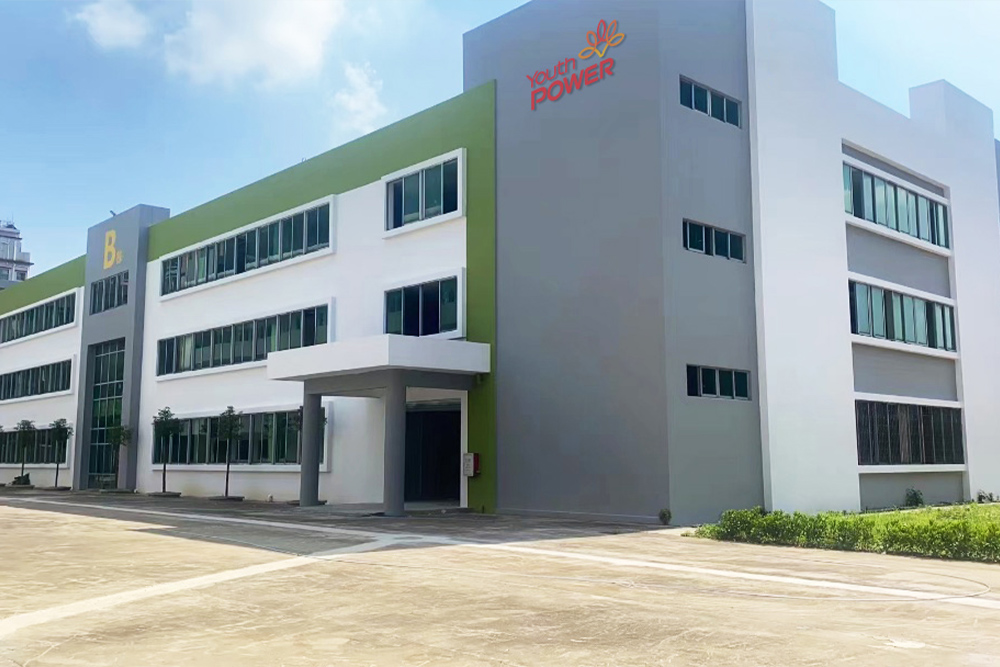
A visual representation of our manufacturing evolution and industrial capacity development
Technical answers to help guide your purchasing and integration decisions
 YouthPOWER