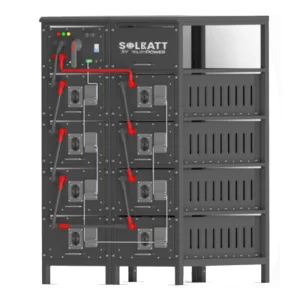
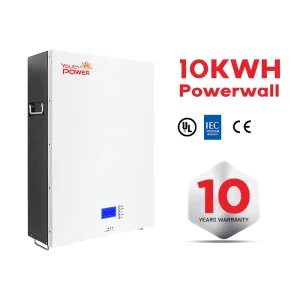
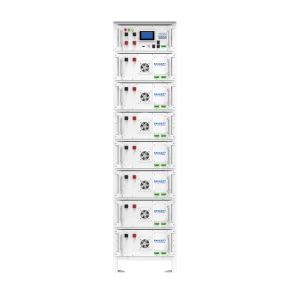
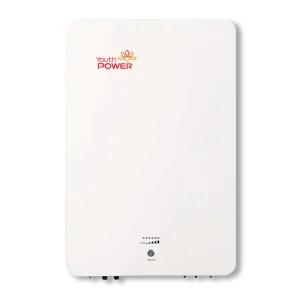
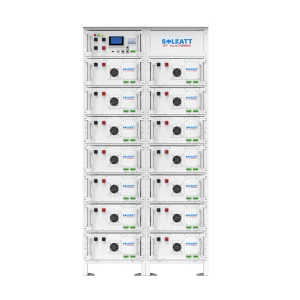
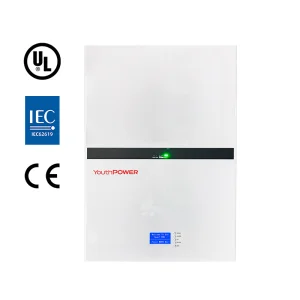
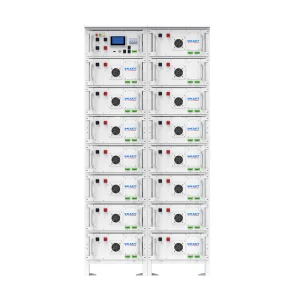
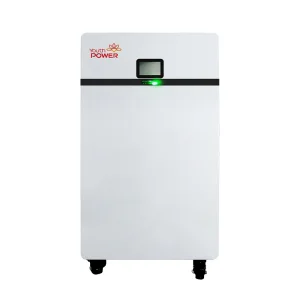
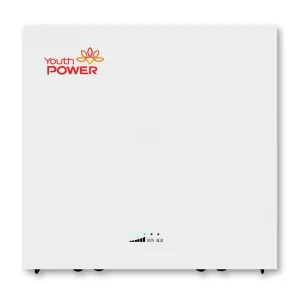
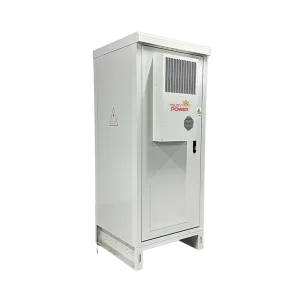
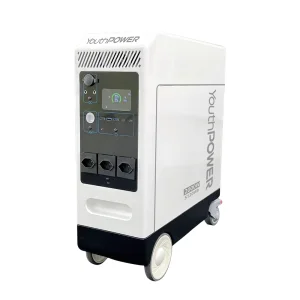
Engineered for extreme resilience, fast charge-discharge cycles, and long-term modular integration.
Year Established
Families Supplied Globally
Battery Manufacturing Experience
Wide Range Solutions
In the evolving ecosystem of modern renewable energy microgrids, sourcing from a tier-1 20kw battery factory is a top priority for B2B distributors, commercial builders, and utility project developers. Systems configured with a nominal active output or storage capacity in the 20kW range bridge the technical gap between residential solar optimization and macro-industrial energy storage systems (ESS).
Historically, residential markets relied on 5kWh to 10kWh arrays, but the integration of electric vehicles (EV), heavy heat-pump systems, and the imperative for off-grid operational resilience have escalated the baseline load requirements. Global sourcing teams focus on 20kW setups because they provide the crucial capacity needed for extended discharge cycles, rapid peak shaving, and active load profiling without the excessive physical footprint of multi-megawatt configurations.
From a technical standpoint, 20kW setups leverage advanced battery chemistry (primarily lithium iron phosphate) to ensure safety and system longevity. Choosing a certified Chinese battery factory with a proven track record is critical to secure these operational efficiencies.
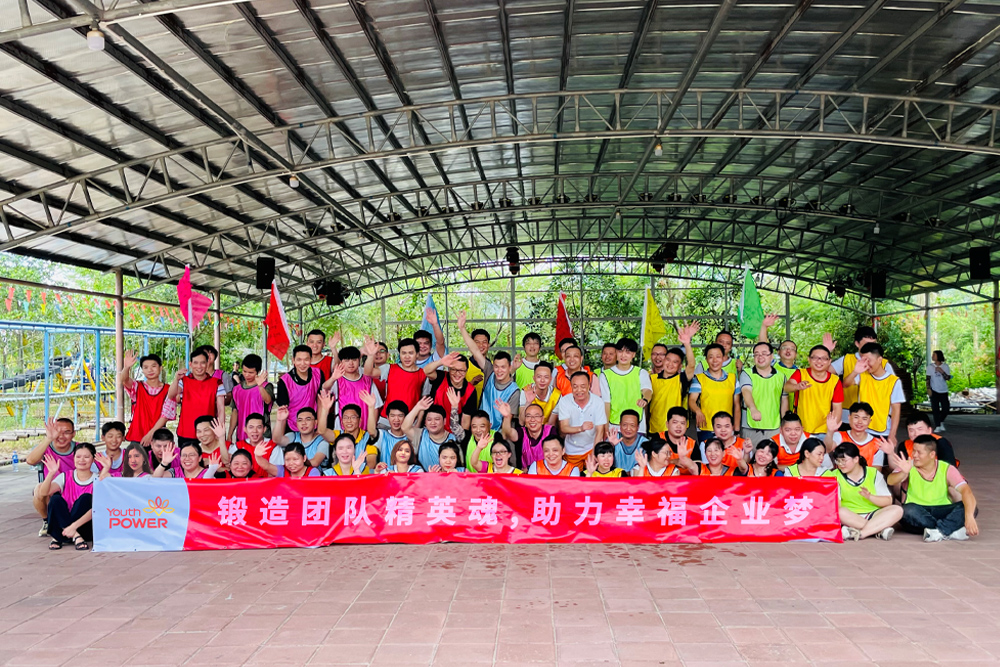
China-based energy storage hubs benefit from localized raw material refining (lithium, iron, phosphate) and cell assembly. This reduces overall lead times, prevents supply bottlenecks, and delivers competitive price-to-performance ratios for bulk commercial purchasing.
YouthPOWER and other established Chinese factories have dedicated decades to electrochemical research. This has enabled the development of advanced thermal management, high-density cell packing (Cell-to-Pack), and smart Battery Management Systems (BMS).
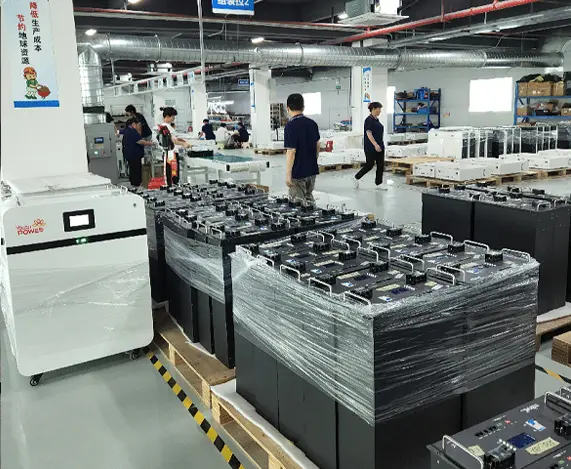
Modern production facilities run high-precision aging tests, drop checks, and vibration simulation protocols to achieve international certifications like UL 1973, CE, IEC 62619, and UN38.3, ensuring high reliability for import compliance.
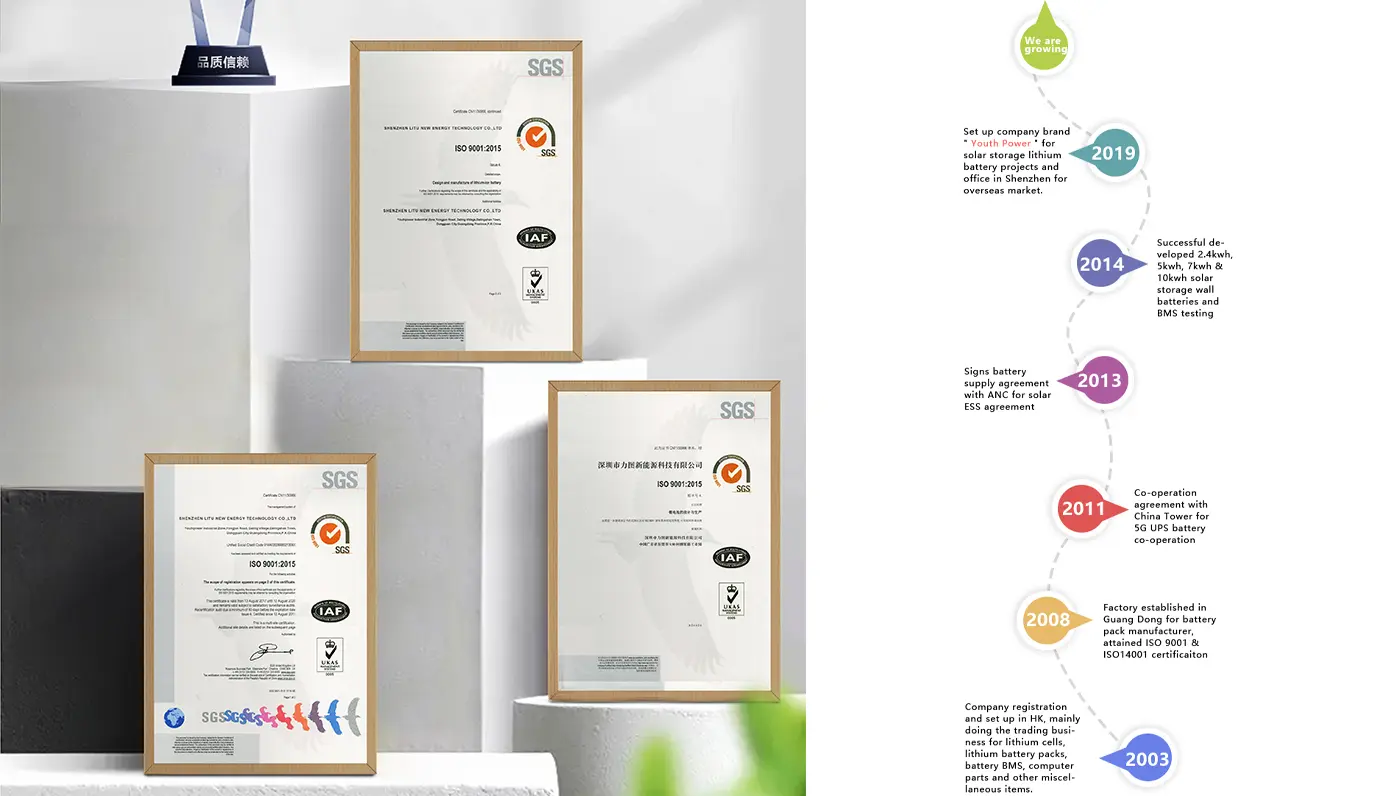
Pioneering clean-tech energy storage engineering globally since 2003.
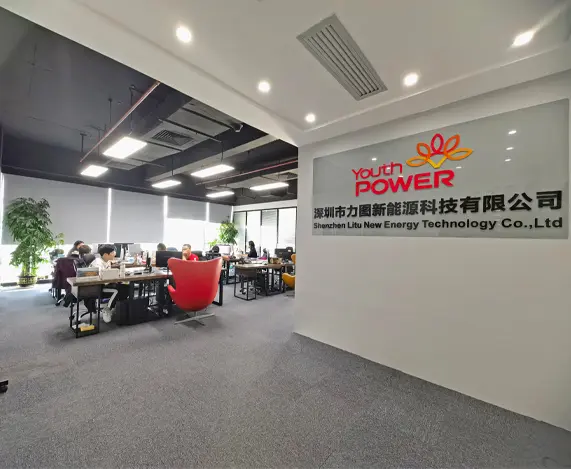
Founded in 2003, YouthPOWER has now become one of the leading suppliers of solar storage lithium batteries in the world. With a broad range of energy storage solutions, it covers a series of 24V, 48V and higher voltage lithium batteries solutions.
YouthPOWER has engaged in the battery technology and production for almost 20 years, with abundant manufacturing experience and strong new product R & D capability. Through many years of hard work and market promotion, we have created our own brand "YouthPOWER" in 2019.
With nearly 20 years’ experience in the battery industry, we have the capability to provide you with both the products you need and the most suitable products you want. We are always ready to supply the first-class products and meet the various needs of the customers.
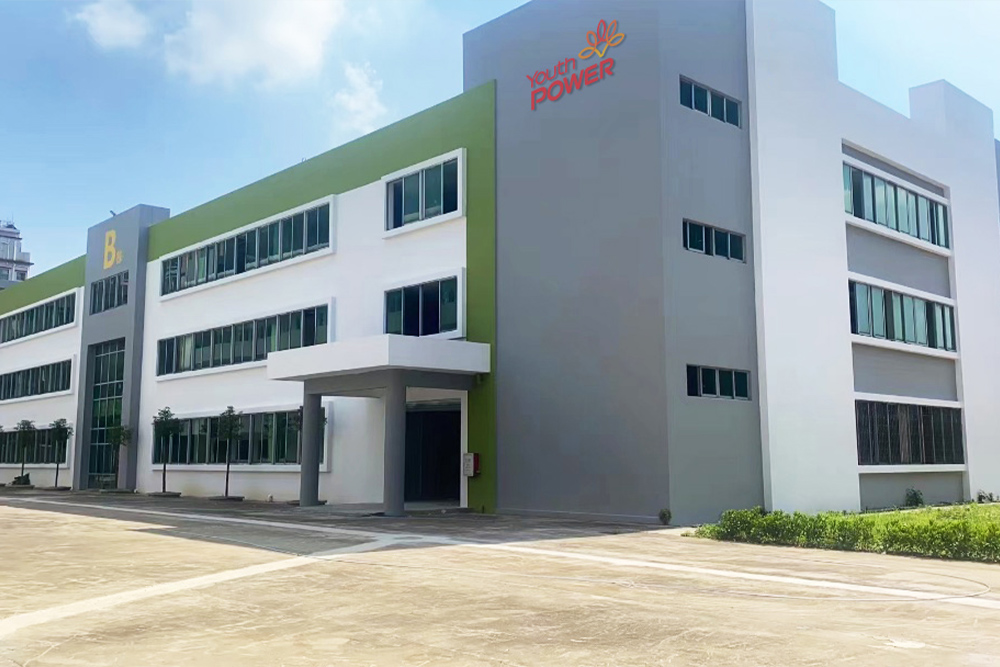
We have established good business relationships with our customers from all over the world. And we have a good cooperation with all our customers as well for many years running. Supported by our local vendors of raw materials, we can certainly offer you the best prices.
We are so proud that YouthPOWER has offered the reliable solar storage solution for over 1,000,000 families now in the world.
Through our long-term supply chain partnerships and state-of-the-art testing equipment, we ensure that every cell leaves our factory floor with optimized internal resistance and high consistency ratings, protecting your hardware investments over a lifespan exceeding 6,000 charge cycles.
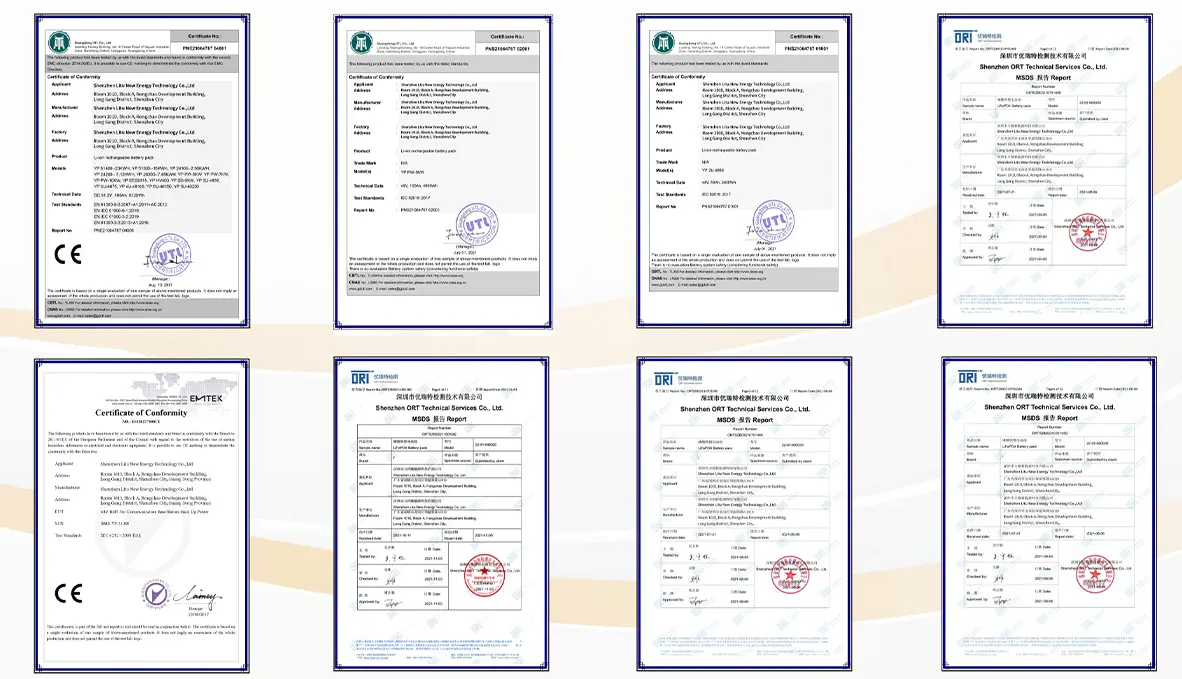
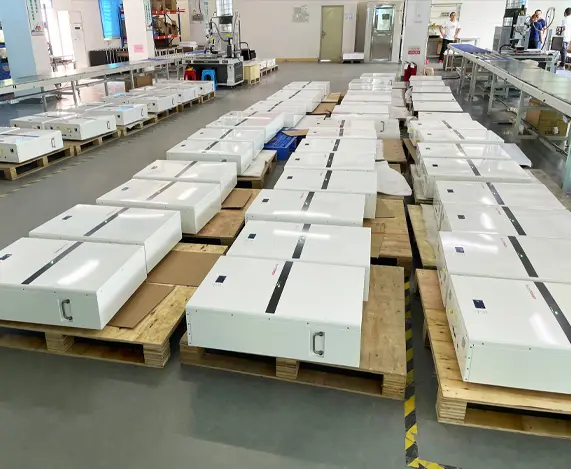
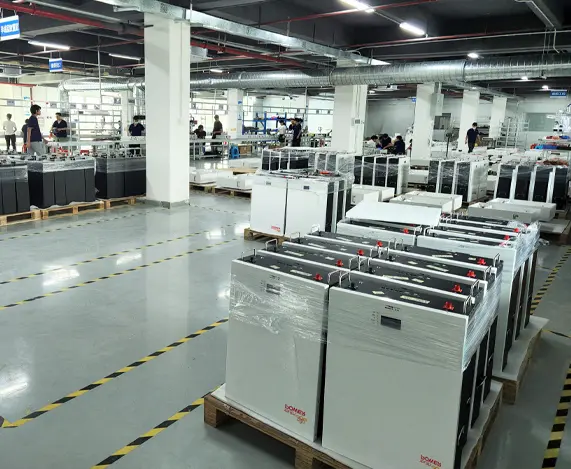
Visual highlights of our production lines, raw material quality checks, and product verification processes.
Tracking milestones from cell component manufacturing to leading global smart ESS exports.
Discover how systems engineered by 20kW factories meet high-demand off-grid and on-grid requirements.
For high-capacity homes operating multi-zone HVAC units, swimming pool pumps, and multiple EV charging ports. Sourcing a 20kW system allows seamless whole-house backup during grid outages, ensuring critical systems remain online.
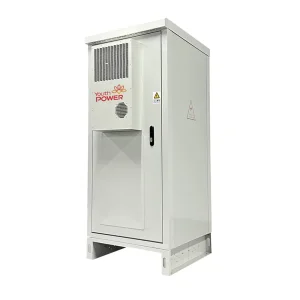
Small-to-medium enterprises (SMEs) face high demand charges during peak utility hours. A 20kW battery storage cabinet offers rapid power injection to shave consumption peaks, resulting in immediate utility bill reductions.
Remote communication towers and sensor relays require ultra-reliable power. Standard 48V/51.2V high-capacity LFP systems, paired with hybrid solar configurations, guarantee 24/7 uptime even in harsh weather conditions.
As virtual power plant (VPP) markets expand, high-voltage battery storage systems (ranging from 350V to over 700V) are becoming key assets for utility providers. YouthPOWER's engineering teams focus on maximizing round-trip efficiency (RTE) by reducing line losses that typically impact lower-voltage setups.
Operating a high-voltage system reduces the conductor thickness requirement, simplifies cabling layouts, and lowers installation costs. This architecture makes it easier to design large multi-megawatt systems, allowing scalable integration from small commercial units to utility-scale storage arrays.
Through advanced thermal monitoring and cell balancing, these high-voltage systems prevent thermal runaway risks. This high level of safety is a primary requirement for commercial engineering projects globally.
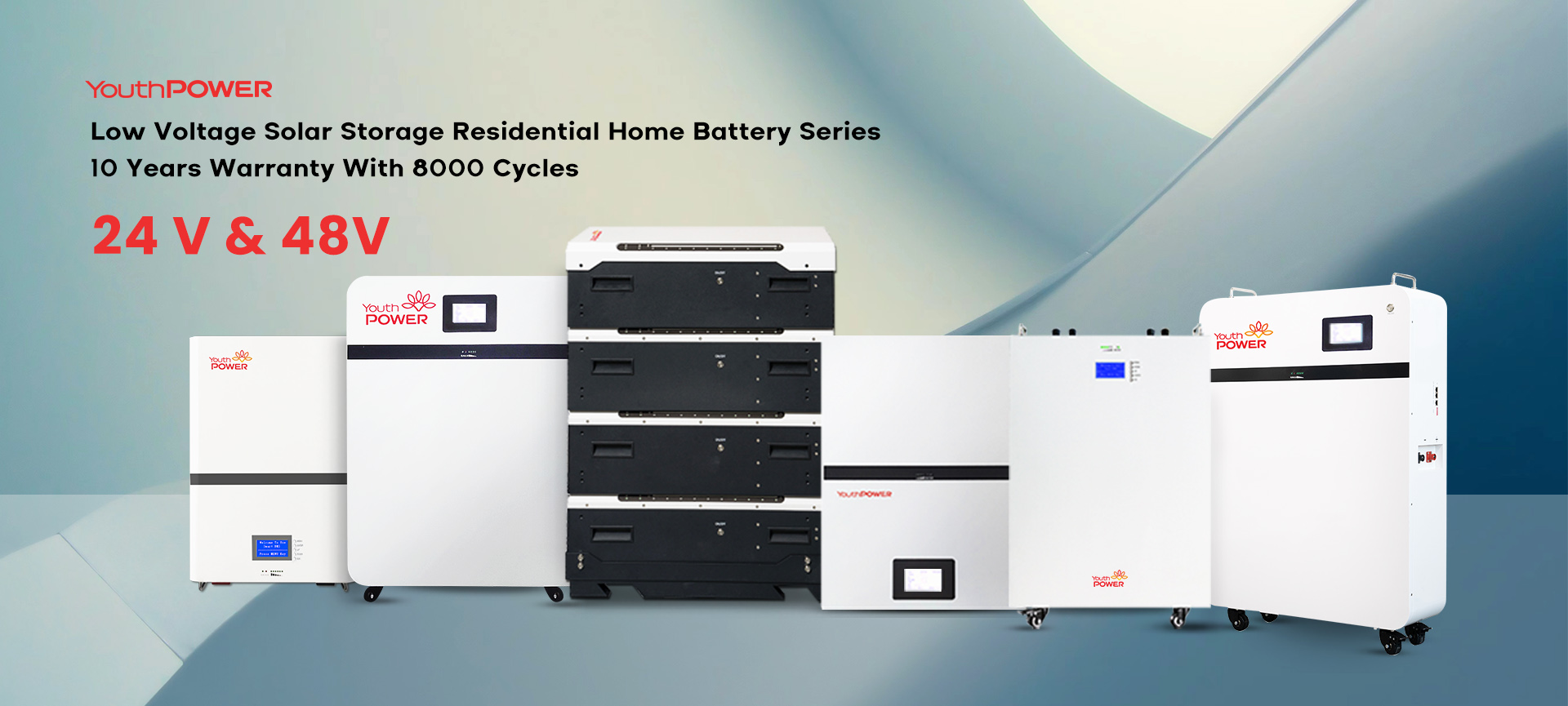
Critical criteria for B2B procurement managers to evaluate energy storage suppliers and mitigate import risks.
Verify if the factory uses fresh, A-grade LiFePO4 cells. Consistency in capacity, internal resistance, and voltage is critical to prevent early module degradation in high-capacity systems.
Ensure the built-in Battery Management System supports open communication protocols (such as CAN, RS485, and Modbus) for compatibility with leading global inverter brands (e.g., Victron, Growatt, SMA).
Importing commercial battery cabinets requires compliance with certifications like UL 1973, CE, IEC 62619, and UN38.3. Partnering with a compliant factory avoids customs clearance delays and liability issues.
Clear answers to common questions about sourcing 20kW battery storage systems from global factories.
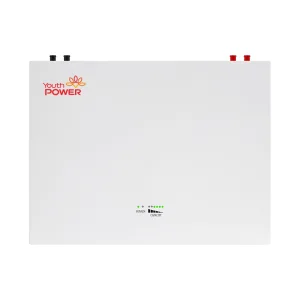
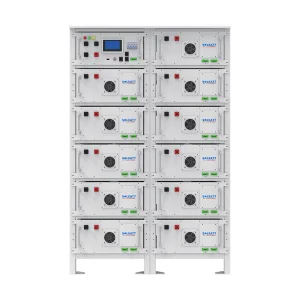
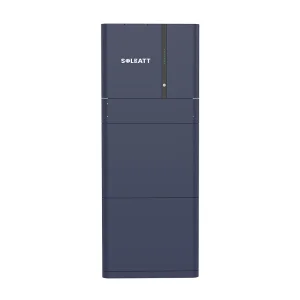
High-voltage battery racks, modular energy walls, and smart commercial energy storage cabinets.
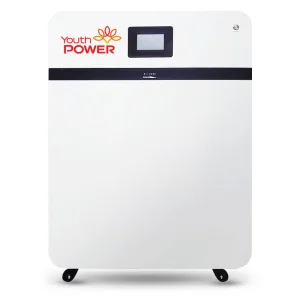
 YouthPOWER