The global demand for reliable, high-density, and cost-effective energy solutions has propelled 24V lithium-ion batteries into the spotlight. Across multiple industrial sectors—ranging from Automated Guided Vehicles (AGVs) in smart logistics and marine deep-cycle propulsion to off-grid solar energy systems and high-capacity telecom backups—the 24V configuration represents an engineering sweet spot. It provides the optimal balance between safety (remaining within Extra-Low Voltage parameters) and performance (higher efficiency and lower current draw compared to 12V architectures).
As lead-acid batteries are rapidly phased out due to their low cycle life, environmental hazards, and heavy footprint, lithium iron phosphate (LiFePO4) and lithium nickel manganese cobalt oxide (NMC) chemistries at the 24V nominal level have emerged as the standard. However, sourcing the best products at the most competitive price requires a holistic understanding of factory capabilities, raw material supply chains, and testing benchmarks. This whitepaper serves as a comprehensive procurement guide for B2B buyers looking to navigate this fast-evolving landscape.
Semantic Search Concept: When evaluating 24V lithium-ion batteries, professionals look beyond voltage and capacity. Crucial parameters include Continuous Discharge Current (C-Rating), Cycle Life at 80% Depth of Discharge (DoD), BMS (Battery Management System) topology, and cell grading (Grade A vs. Grade B). Global sourcing teams must prioritize these parameters to maximize operational efficiency and return on investment (ROI).
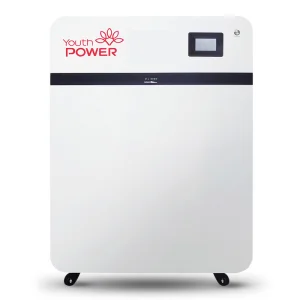
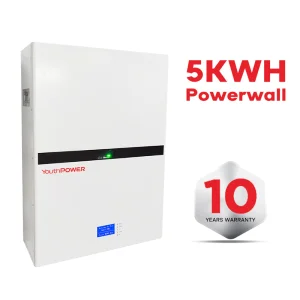
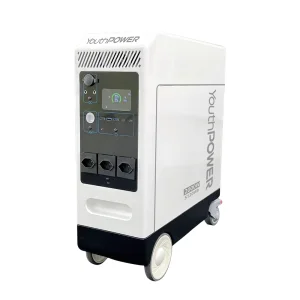
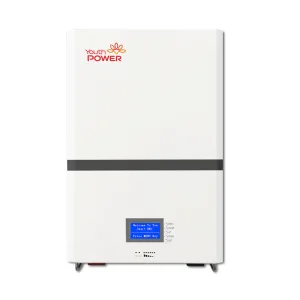
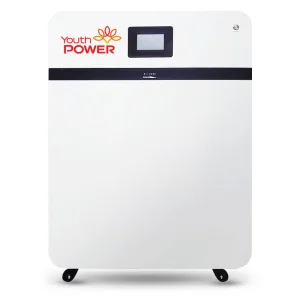
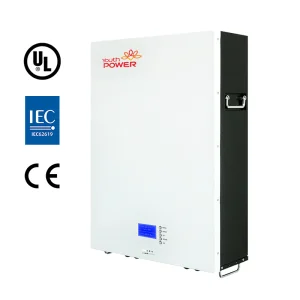
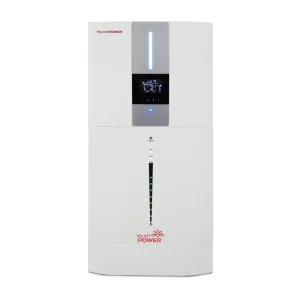
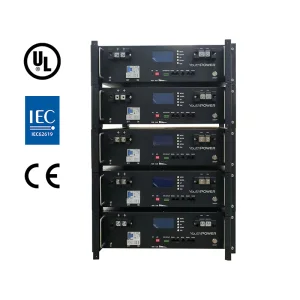
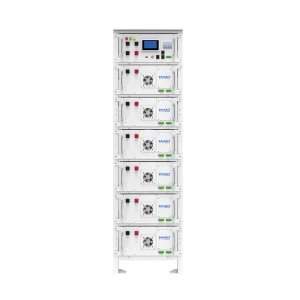
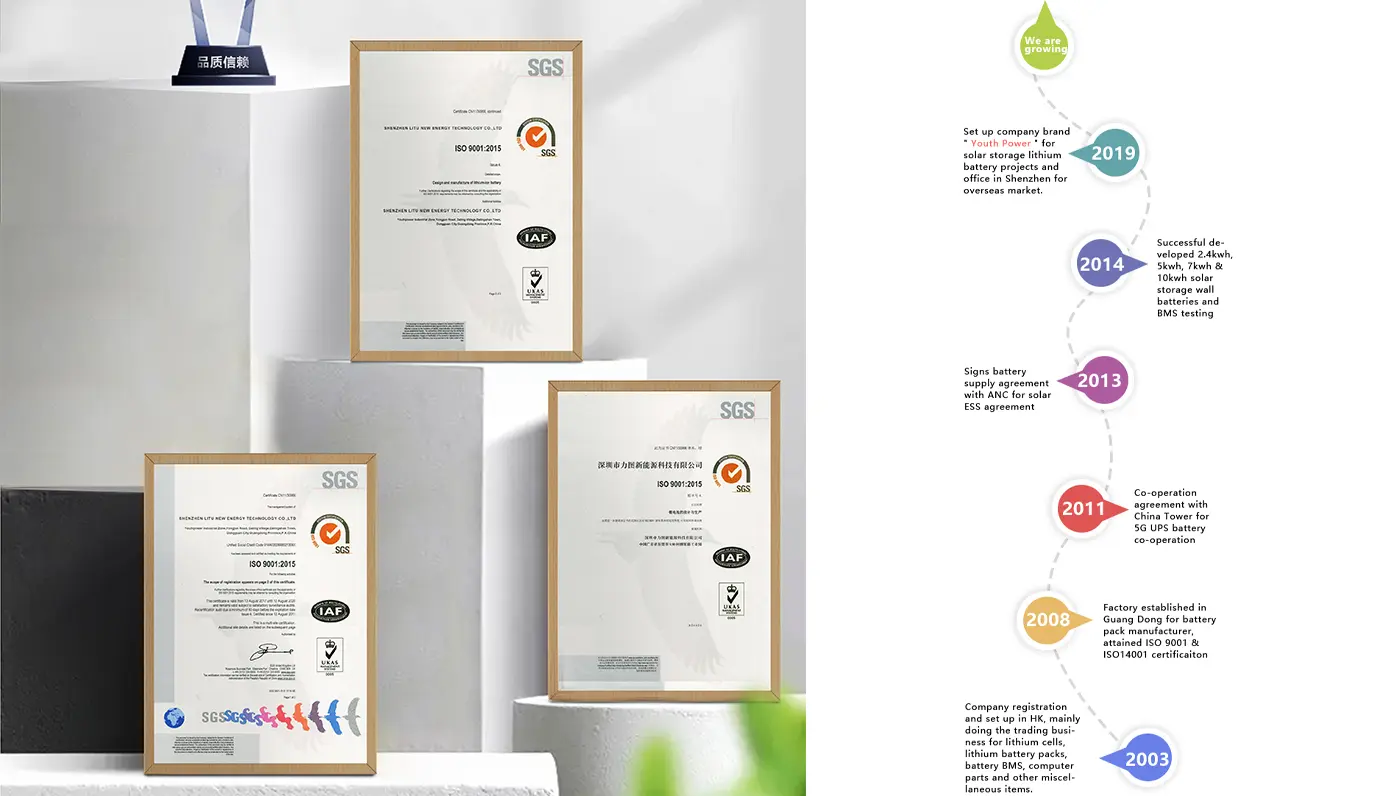
Founded in 2003, YouthPOWER has now become one of the leading suppliers of solar storage lithium batteries in the world. With a broad range of energy storage solutions, it covers a series of 24V, 48V and higher voltage lithium batteries solutions.
YouthPOWER has engaged in the battery technology and production for almost 20 years, with abundant manufacturing experience and strong new product R & D capability. Through many years of hard work and market promotion, we have created our own brand "YouthPOWER" in 2019.
With nearly 20 years’ experience in the battery industry, we have the capability to provide you with both the products you need and the most suitable products you want. We are always ready to supply the first-class products and meet the various needs of the customers.
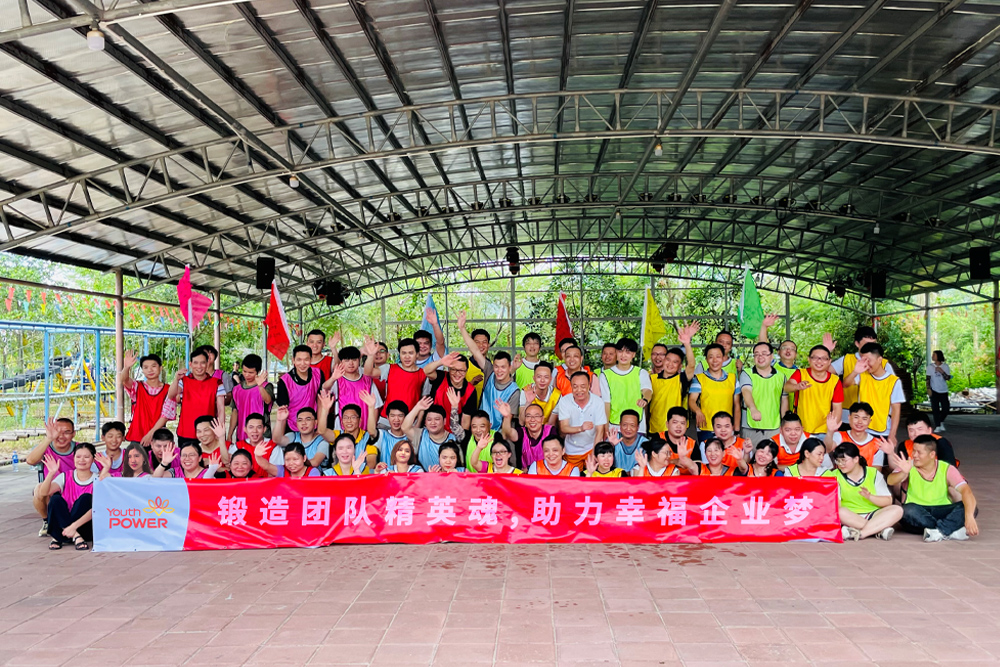
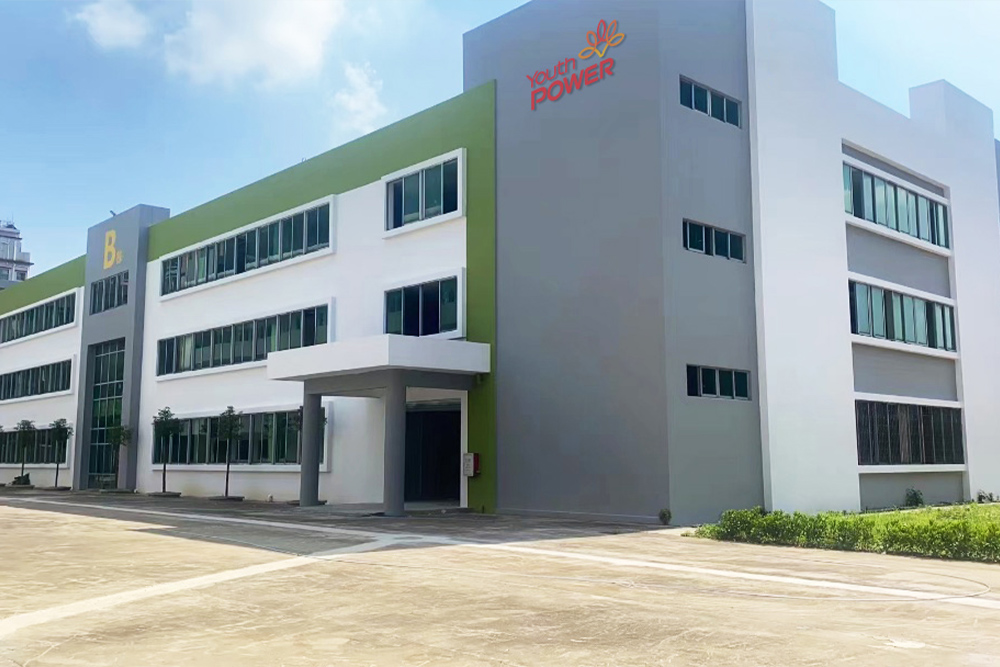
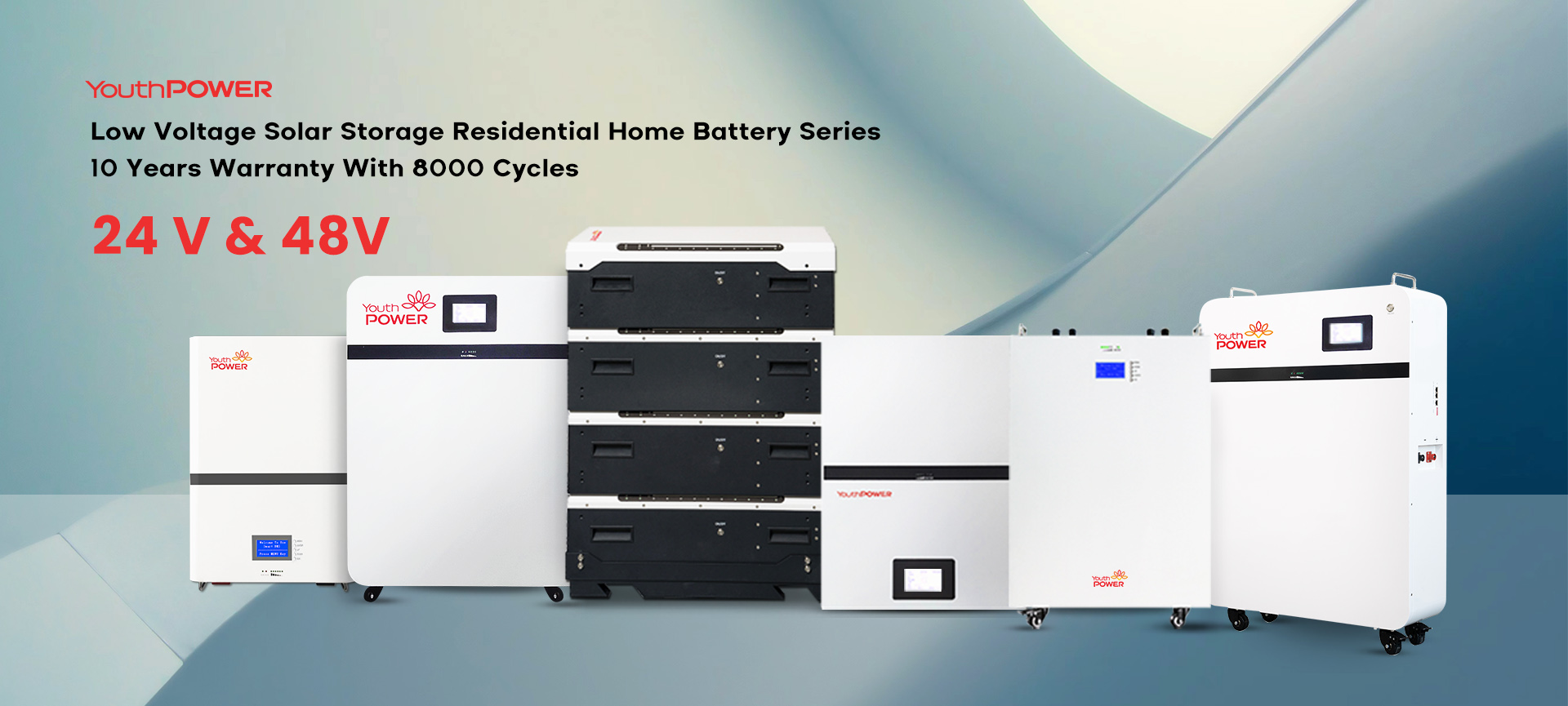
We have established good business relationships with our customers from all over the world. And we have a good cooperation with all our customers as well for many years running. Supported by our local vendors of raw materials, we can certainly offer you the best prices.
We are so proud that YouthPOWER has offered the reliable solar storage solution for over 1,000,000 families now in the world.
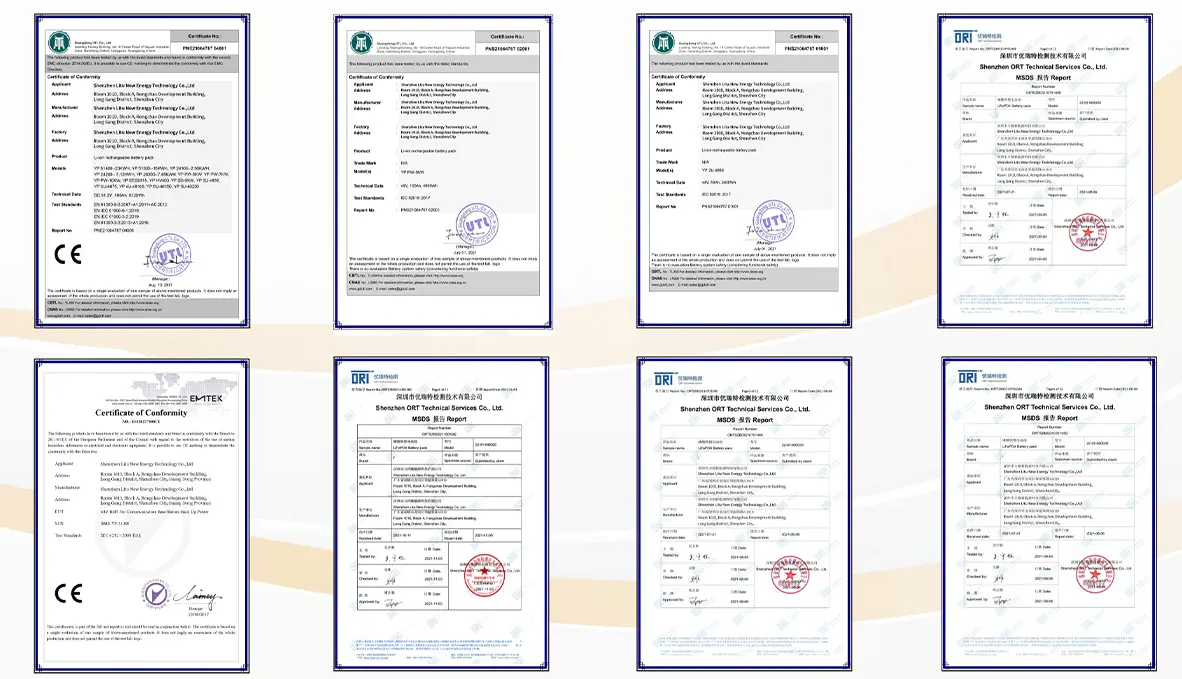
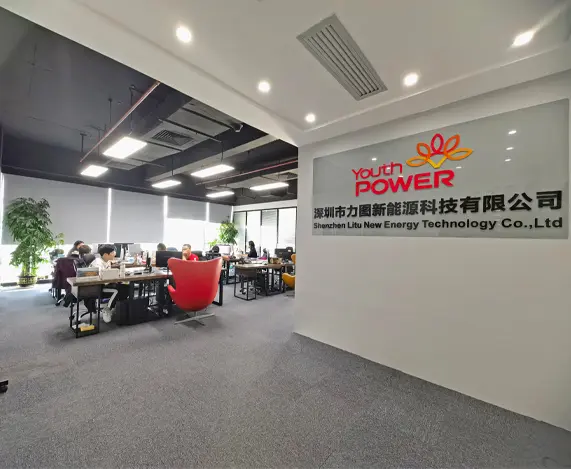
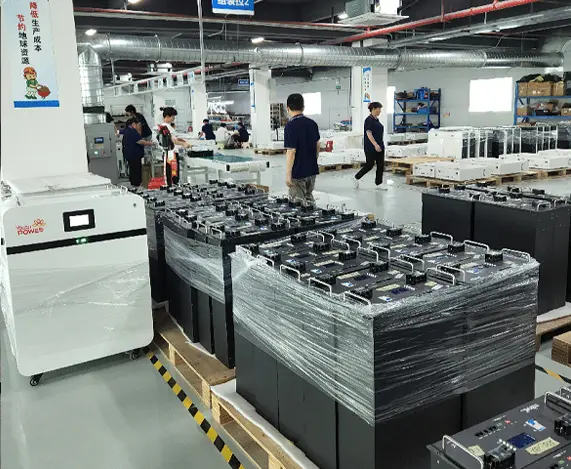
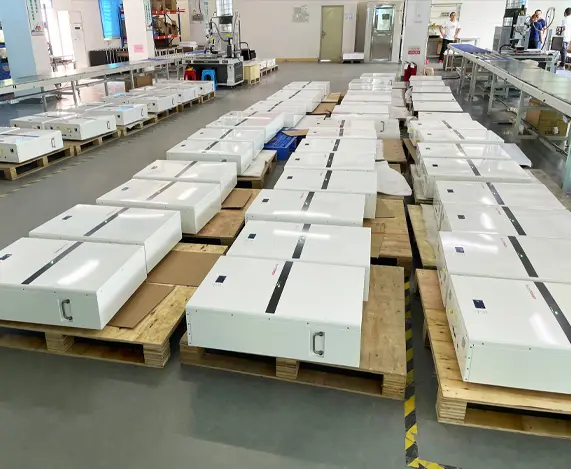
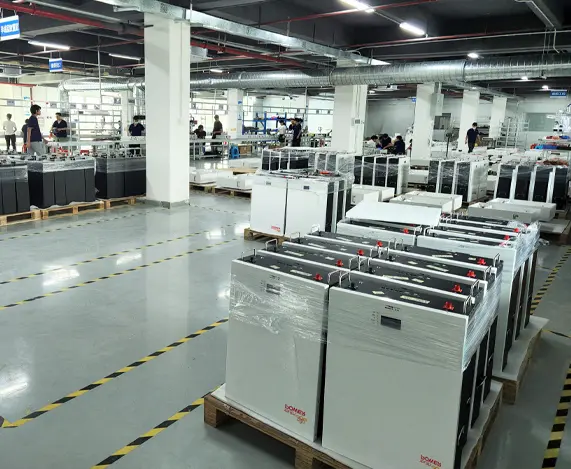
China commands over 75% of the world's lithium-ion battery manufacturing capacity, creating an unparalleled competitive landscape. Sourcing 24V lithium-ion batteries directly from top-tier Chinese factories like YouthPOWER provides procurement managers with unique structural advantages:
Direct component sourcing within industrial clusters ensures maximum price efficiency without sacrificing structural integrity.
Integrated microprocessors manage cell balance, prevent overcharging, protect against short circuits, and monitor thermal runaways.
Products are certified under rigorous standards including UN38.3, CE, IEC 62619, and UL ratings for seamless importation.
A 24V system provides the exact voltage output necessary to drive medium-load electrical motors, high-efficiency solar inverters, and clean energy backup equipment. Below are the primary application sectors where 24V lithium-ion batteries are disrupting traditional technologies:
Modern warehouses rely heavily on automated guided vehicles (AGVs) and autonomous mobile robots (AMRs) that operate 24/7. Traditional lead-acid batteries require 8 to 12 hours of charging time and separate charging rooms due to outgassing. Transitioning to 24V LiFePO4 battery packs enables rapid opportunity charging (during short breaks or idle periods). This maximizes vehicle uptime, reduces warehouse footprints, and lowers maintenance overhead since no water top-ups are required.
For remote telecommunication base stations, off-grid homes, and rural electrification projects, 24V setups offer higher efficiency than 12V configurations by reducing power losses along cabling lines. When paired with high-quality MPPT charge controllers, a 24V system ensures that solar energy harvested during peak hours is stored safely and discharged with minimal resistance, maintaining stable power to DC appliances and AC inverters.
Trolling motors, marine deep-cycle applications, and luxury RV cabins require power sources that are compact, lightweight, and resilient against constant vibrations and humidity. A 24V lithium-ion battery weighs up to 60% less than its lead-acid counterpart while delivering steady voltage throughout the entire discharge cycle. This prevents equipment sputtering and guarantees consistent performance under demanding conditions.
The energy storage sector is experiencing a massive consolidation of cell chemistry. While cobalt-based batteries remain common in consumer electronics, the stationary and industrial battery market has shifted decisively to Lithium Iron Phosphate (LFP) due to its thermal stability, safety profile, and raw material availability. In 2024, LFP costs have normalized, making bulk purchasing highly cost-effective for global EPC contractors and distributors.
Factory Cost Components: A battery's final price is comprised of cell grading (typically 65% of cost), BMS circuitry (15%), casing/thermal material (10%), and factory labor/testing overhead (10%). Direct negotiation allows enterprise buyers to specify exact components to balance price and target application longevity.
| Battery Configuration | Nominal Voltage | Capacity (Ah) | Estimated Factory Price Range (USD) | Cycle Life (80% DoD) | Optimal Applications |
|---|---|---|---|---|---|
| 24V 50Ah LiFePO4 | 25.6V | 50 Ah | $150 - $220 | > 4,000 cycles | LED Solar Streetlights, Small Marine Trolling Motors |
| 24V 100Ah LiFePO4 | 25.6V | 100 Ah | $280 - $380 | > 5,000 cycles | RV Cabins, Off-Grid Solar Backups, AGVs |
| 24V 200Ah LiFePO4 | 25.6V | 200 Ah | $550 - $700 | > 6,000 cycles | Home ESS, Telecommunication Hubs, Industrial Sweepers |
| 24V 300Ah LiFePO4 | 25.6V | 300 Ah | $800 - $1,100 | > 6,000 cycles | High-Load Automated Materials Handling, Commercial Storage |
*Note: Pricing ranges are estimates for wholesale volume quantities directly from the factory gate. Prices fluctuate based on cell brand specifications, BMS capabilities, casing customization, and current raw lithium carbonate spot markets.*
 YouthPOWER