Explore our top-tier LFP solutions engineered for commercial, industrial, and microgrid applications worldwide.
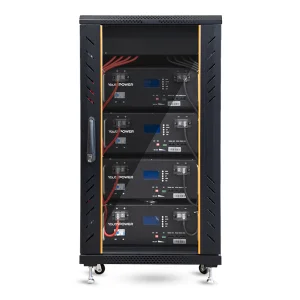
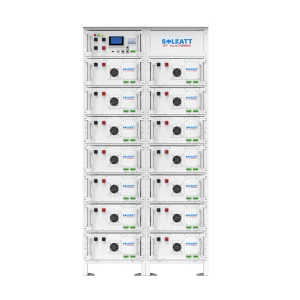
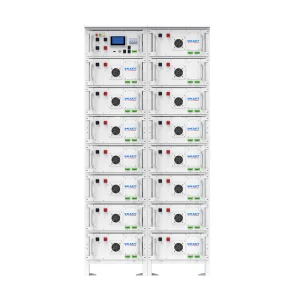
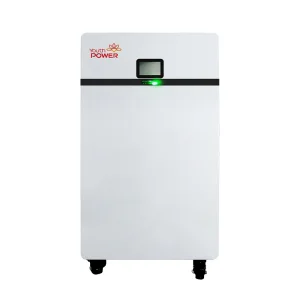
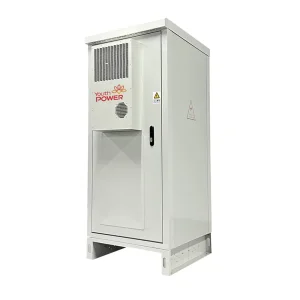
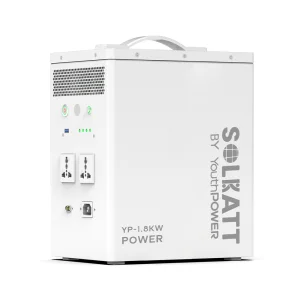
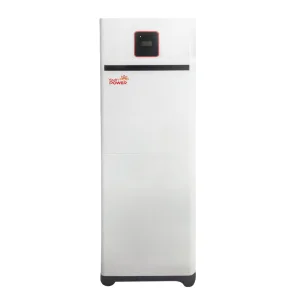
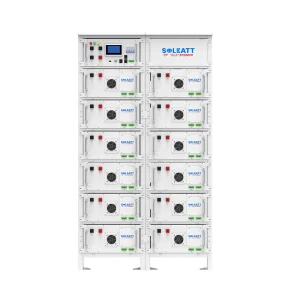
Why 5.12 kWh systems have become the global technical benchmark for safe, scalable, and cost-efficient power.
The global transition toward decentralized clean energy has propelled the 48V 100Ah Lithium Iron Phosphate (LiFePO4) battery configuration into a standard architecture for energy storage. Representing approximately 5.12 Kilowatt-hours (kWh) of nominal capacity, this system matches the technical sweet spot for residential solar setups, telecommunications backup power systems, and modular industrial applications.
Unlike high-voltage architectures, a 48V nominal voltage (typically 51.2V under standard LFP cell configurations of 16 series cells) sits comfortably below safety thresholds that mandate highly complex arc protection, minimizing human risk while maximizing power density. When evaluated by global procurement directors and systems engineers, the metric of choice extends beyond initial purchase price to focus heavily on levelized cost of storage (LCOS), cycle lifespan, and integration capabilities with modern multi-protocol hybrid inverters.
Standard Telecom & Residential Safety Standard
At 80% DOD (Depth of Discharge)
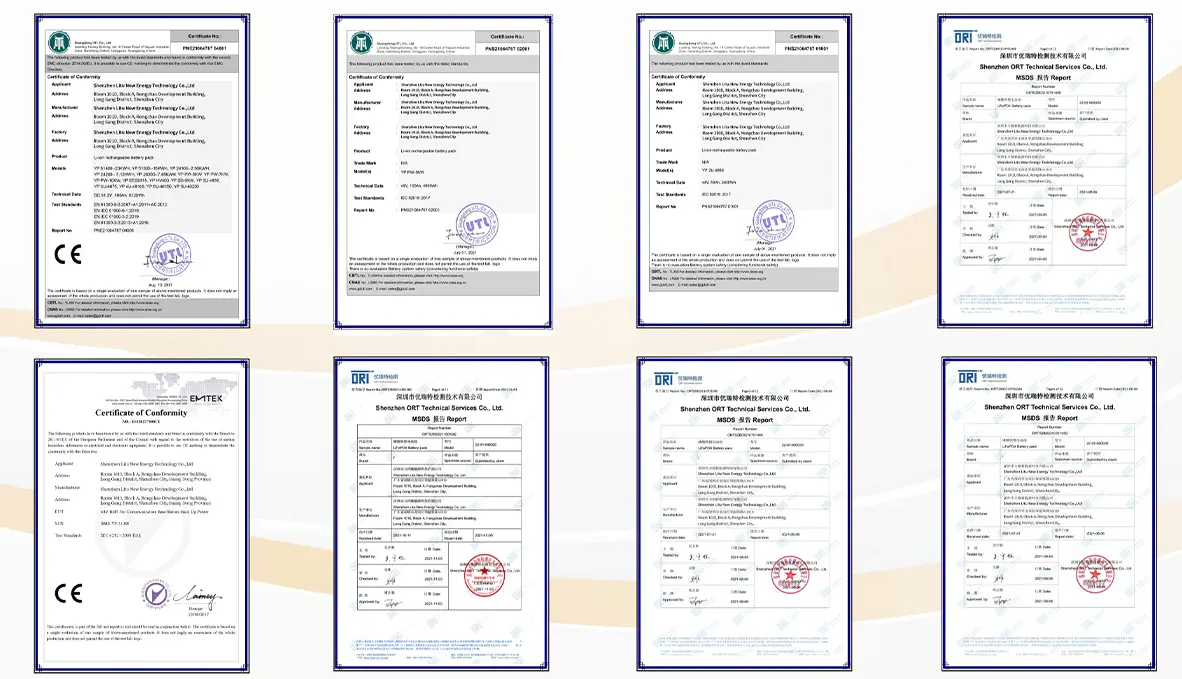
Rigorous Global Safety Compliance
Optimized Charging/Discharging Efficiency
Deciphering the manufacturing costs, raw material variations, and Tier 1 vs. Tier 2 manufacturer margins.
When selecting a 48V 100Ah battery manufacturer, comparing pricing requires an understanding of what factors constitute the FOB (Free on Board) or EXW (Ex Works) price. Prices typically range from $600 to $1,800 USD per unit, depending on quality tier, integrated battery management system (BMS) sophistication, and cell selection.
| Parameter Segment | Premium Tier 1 Manufacturers | Reliable Growth Brands (e.g., YouthPOWER) | Economy Tier 3/OEM Customizers |
|---|---|---|---|
| Typical Price (FOB USD) | $1,300 - $1,800 | $750 - $1,100 | $500 - $700 |
| Cell Grade & Chemistry | A+ Grade LFP (Automotive-Spec) | Grade A LFP (Prismatic Cells) | Grade B / Recycled LFP Cells |
| BMS & Communications | CAN/RS485 Smart Auto-balancing | Dual MCU, Multi-Inverter Protocol Matching | Basic Hardware Analog BMS |
| Target Lifecycle | 6,000+ Cycles @ 90% DOD | 6,000 Cycles @ 80% DOD | 2,000 - 3,000 Cycles @ 80% DOD |
| Global Certifications | UL1973, CE, IEC62619, UN38.3 | CE, UN38.3, IEC62619, Select UL Packs | None / Basic UN38.3 only |
A low initial price tag often masks a high LCOS. For instance, a $550 battery lasting only 2,500 cycles yields a cost of roughly $0.043 per cycle/kWh. Conversely, a $900 Grade-A battery delivering 6,000 cycles results in a cost of $0.029 per cycle/kWh—achieving over 32% lifetime savings.
How geographic vertical integration, supply chain localization, and economies of scale benefit global buyers.
China refines over 70% of the world's lithium carbonate, and maintains an overwhelming lead in precursor materials like iron phosphate. This localized proximity eliminates cross-border logistics costs and buffer delays.
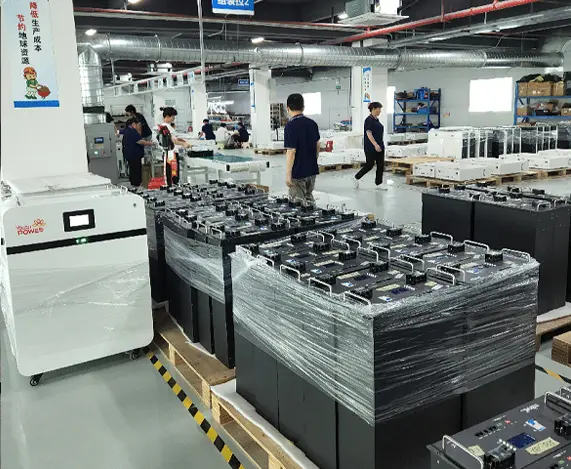
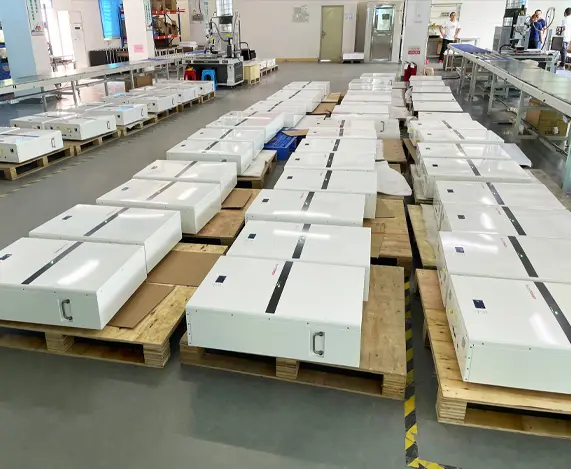
High-volume manufacturing allows advanced sorting algorithms to group prismatic cells based on internal resistance matching within ±0.05 mΩ variance. This guarantees uniform charging and prolongs string life.
Whether you require customized rack configurations, CANbus protocol adaptation for proprietary inverters, or specific marine-grade housings, Chinese clusters execute prototyping loops in a fraction of Western timelines.
Over 20 years of technical expertise, manufacturing excellence, and serving 1,000,000+ families globally.
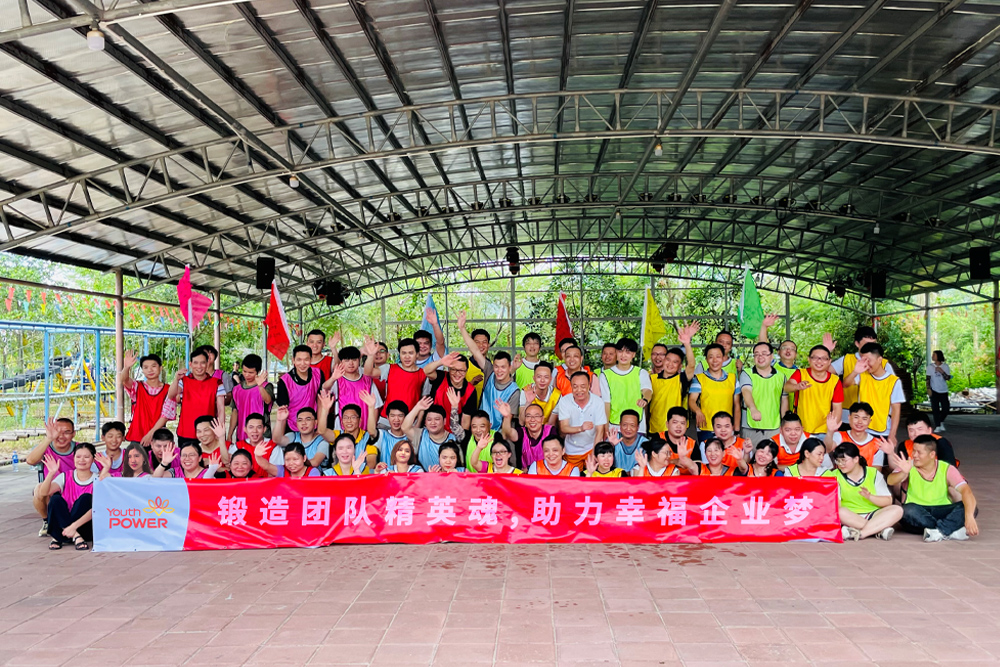
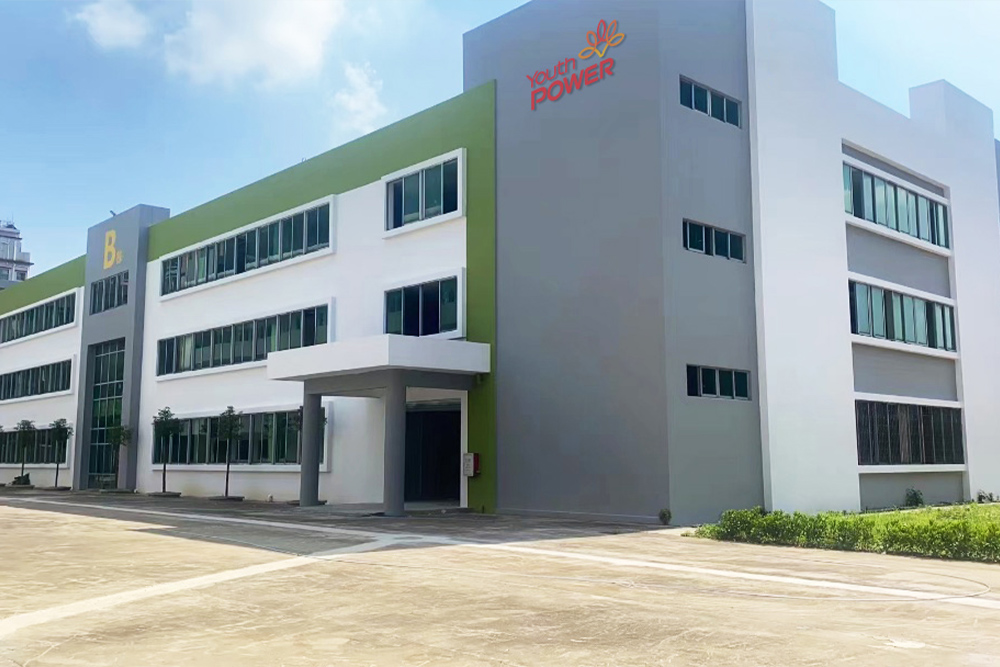
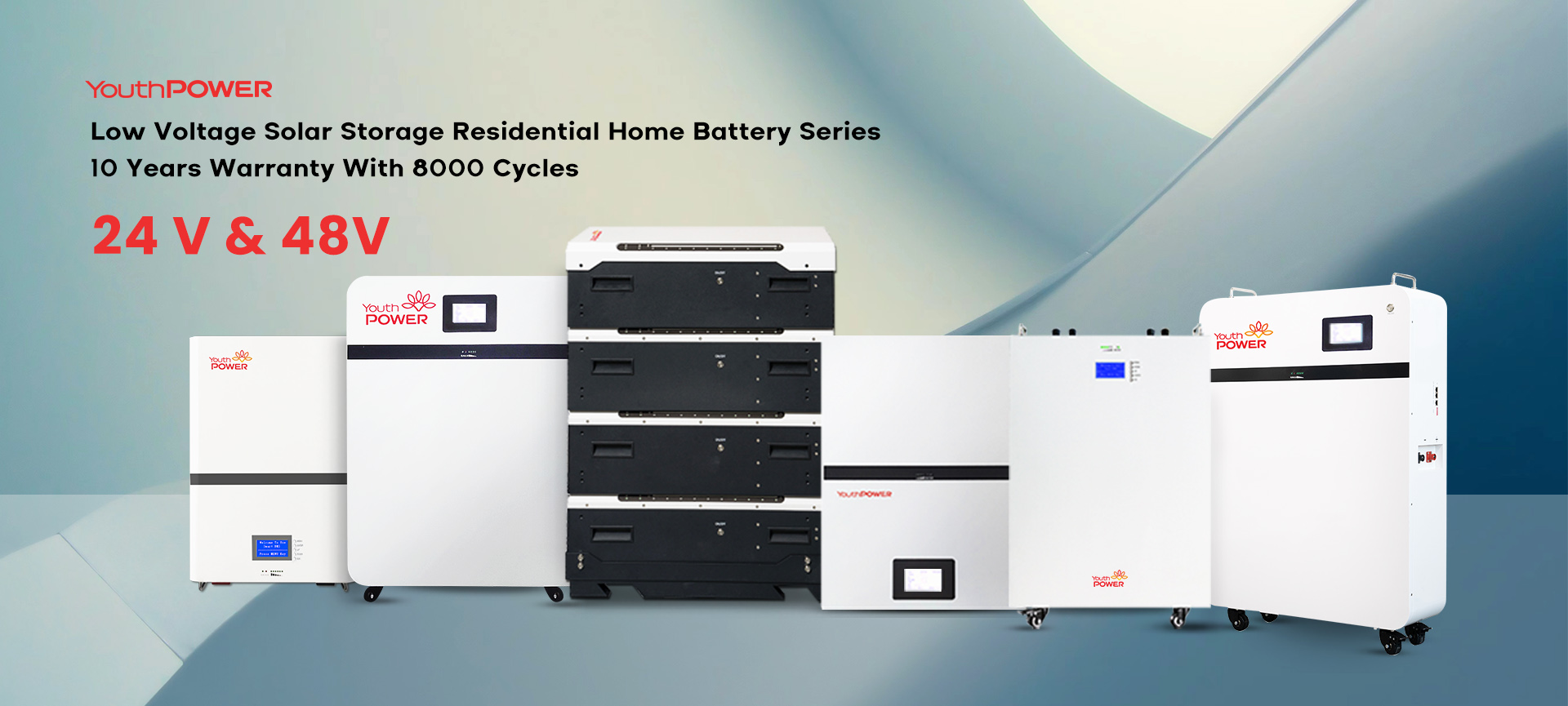
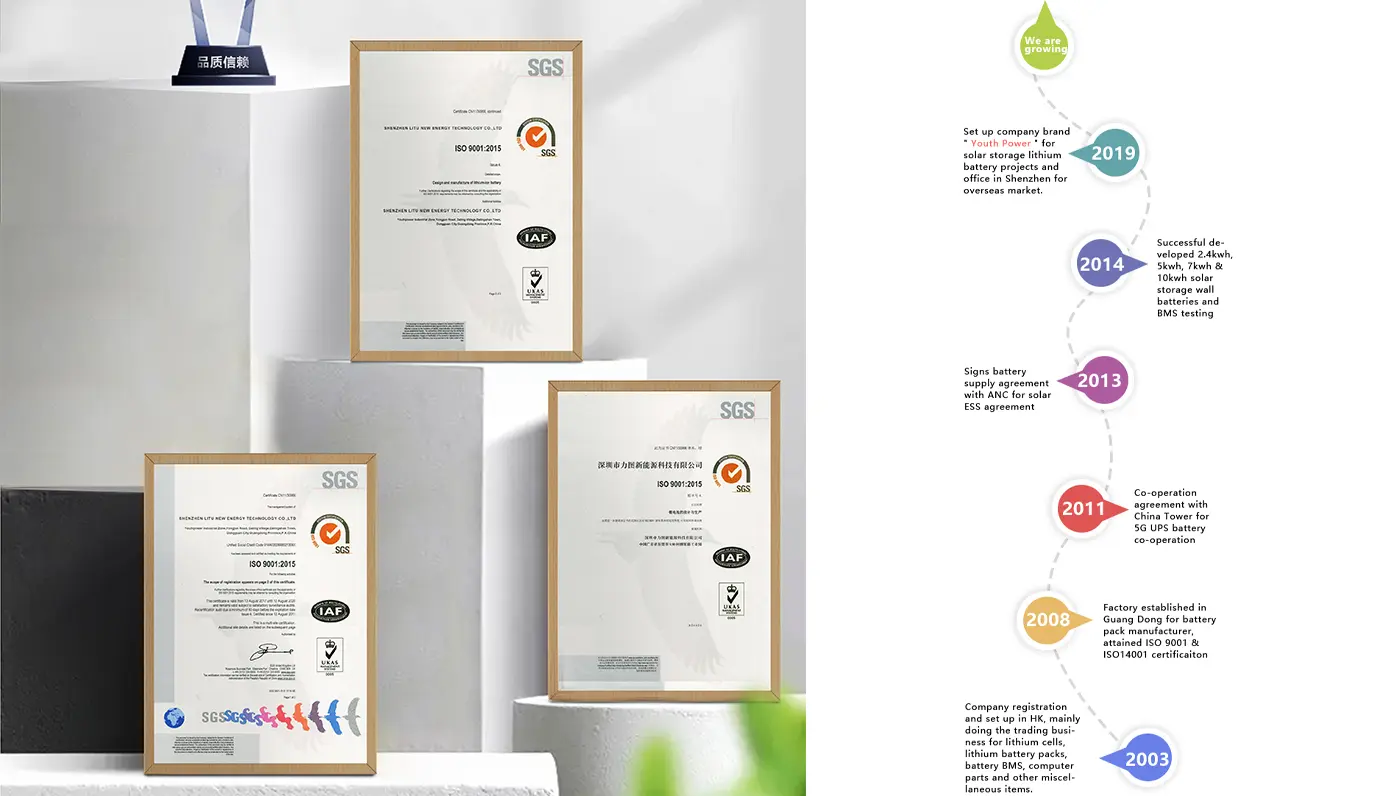
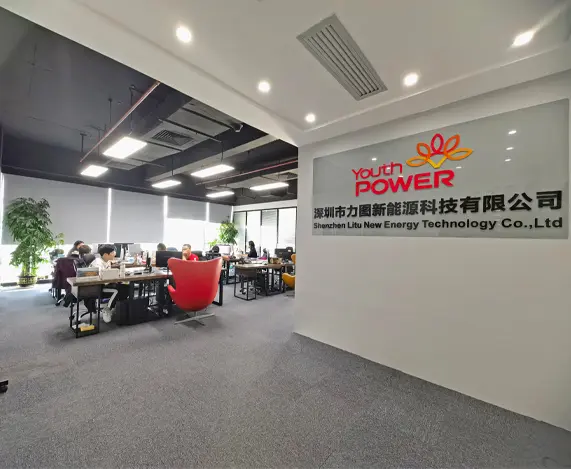
Founded in 2003, YouthPOWER has now become one of the leading suppliers of solar storage lithium batteries in the world. With a broad range of energy storage solutions, it covers a series of 24V, 48V and higher voltage lithium batteries solutions.
YouthPOWER has engaged in the battery technology and production for almost 20 years, with abundant manufacturing experience and strong new product R & D capability. Through many years of hard work and market promotion, we have created our own brand "YouthPOWER" in 2019.
With nearly 20 years’ experience in the battery industry, we have the capability to provide you with both the products you need and the most suitable products you want. We are always ready to supply the first-class products and meet the various needs of the customers.
We have established good business relationships with our customers from all over the world. And we have a good cooperation with all our customers as well for many years running. Supported by our local vendors of raw materials, we can certainly offer you the best prices.
We are so proud that YouthPOWER has offered the reliable solar storage solution for over 1,000,000 families now in the world.
Foundation of the company, focusing on initial battery pack development and custom industrial cell applications.
Transitioned manufacturing resources heavily into LFP (Lithium Iron Phosphate) cell research and development.
Formally launched the global brand "YouthPOWER" to target the international household and commercial ESS markets.
Serviced over 1,000,000 households and deployed high-voltage modular smart cabinet solutions worldwide.
Designed to withstand challenging environmental conditions while maintaining peak thermodynamic efficiency.
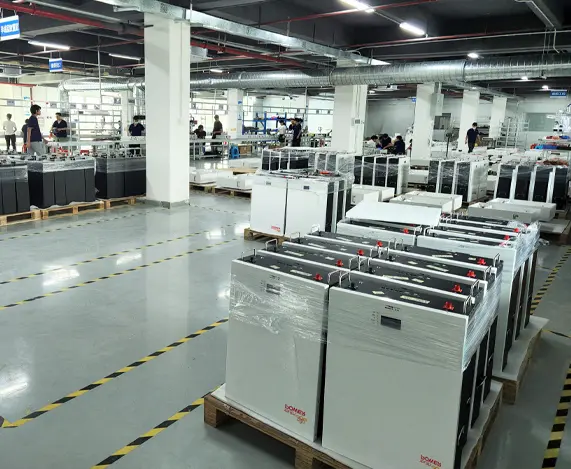
Optimized deployment methodologies for telecom towers, residential mini-grids, and peak-shaving nodes.
Deploying a 48V 100Ah system effectively requires deep consideration of environmental and electrical constraints. In decentralized applications, these batteries are often connected in parallel to achieve higher capacities (e.g., 200Ah, 300Ah, or 400Ah) without raising system voltages into hazardous ranges.
Telecom operators globally are phasing out lead-acid generators in favor of modular 48V 100Ah lithium packs. Because standard telecommunication transmission lines operate on a nominal -48V DC bus, these batteries integrate directly with existing rectifiers. The transition reduces maintenance costs, minimizes weight limits on tower rooftops, and withstands elevated operating temperatures common in tropical sub-Saharan and Southeast Asian environments.
Commercial installations in European and North American regions face significant demand fees. By grouping modular 48V LFP systems, businesses can store energy during lower-tariff hours and discharge during periods of high demand. Because LFP chemistry boasts flat discharge curve profiles, voltage stability remains intact even at higher continuous current draw limits.
Answering the most critical technical questions for engineers, project managers, and procurement buyers.
Standard 48V (typically 51.2V nominal) batteries feature a simple 16S (16 cells in series) prismatic layout. This arrangement does not exceed safe contact voltages (60V DC), eliminating the need for specialized high-voltage installation certifications. Conversely, high-voltage battery cabinets (e.g., 200V–800V) series-link hundreds of cells, calling for intricate string controllers, specialized isolation detection hardware, and advanced fire suppression structures.
Grade-A cells exhibit uniform internal resistance profiles (typically under 0.25 milliohms for 100Ah capacities). Cells with high variance or micro-cracks inside the electrode matrix (typical of Grade-B or recycled lots) experience accelerated local self-discharge rates. This leads to pack imbalance, early voltage cutoff under load, and reduced cycles from 6,000 down to less than 2,000.
Yes. Modern YouthPOWER 48V battery systems come pre-configured with multi-protocol firmware capable of negotiating CAN and RS485 communication sequences with leading inverter brands. This ensures that dynamic SOC, temperature, and current ceiling limits are reported accurately in real-time, preventing inverter faults and extending pack life.
Look for smart BMS systems that feature individual cell voltage monitoring (over-voltage and under-voltage protection), triple-point temperature probes (two for core cells, one for BMS heat sink), and active dual-fuse circuit breakers. These units trigger rapid mechanical isolation before temperatures reach LFP’s critical threshold, ensuring stable operation even under fault conditions.
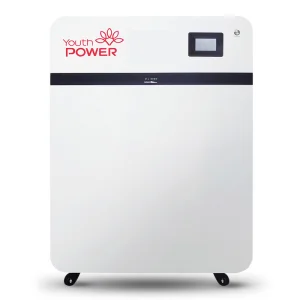
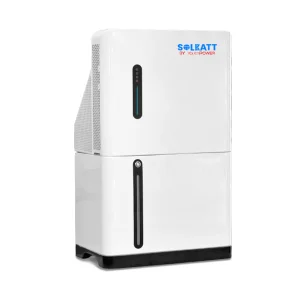
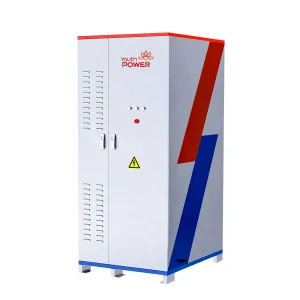
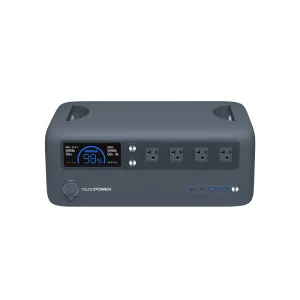
Compare our comprehensive commercial designs, balcony energy systems, and high-voltage configurations.
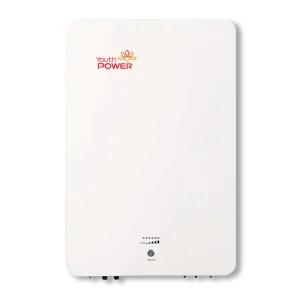
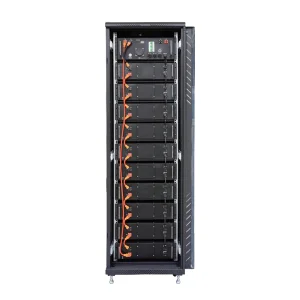
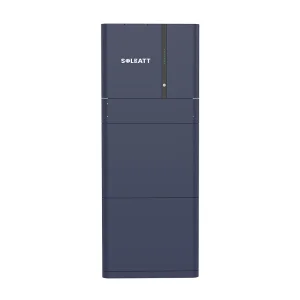
 YouthPOWER