Explore our premium selection of commercial, industrial, and high-performance residential energy storage products engineered to optimize energy resiliency and reduce levelized cost of storage (LCOS).
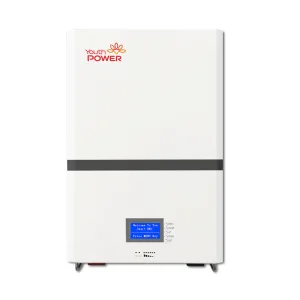
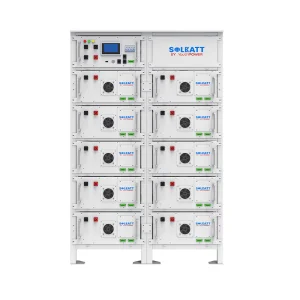
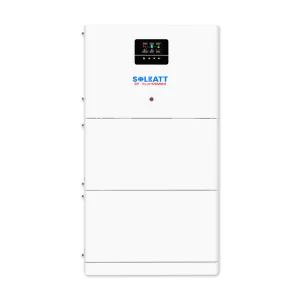
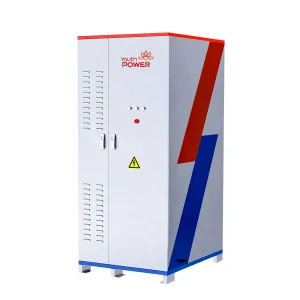
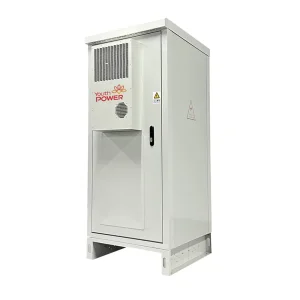
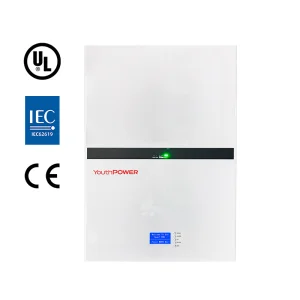
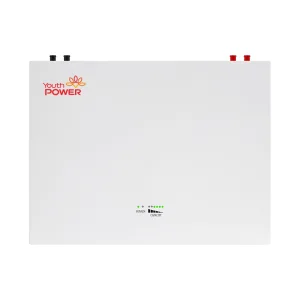
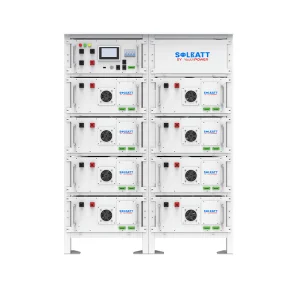
Unlocking efficiencies in the design and sourcing of 48V low-voltage and high-voltage commercial battery energy storage systems (BESS).
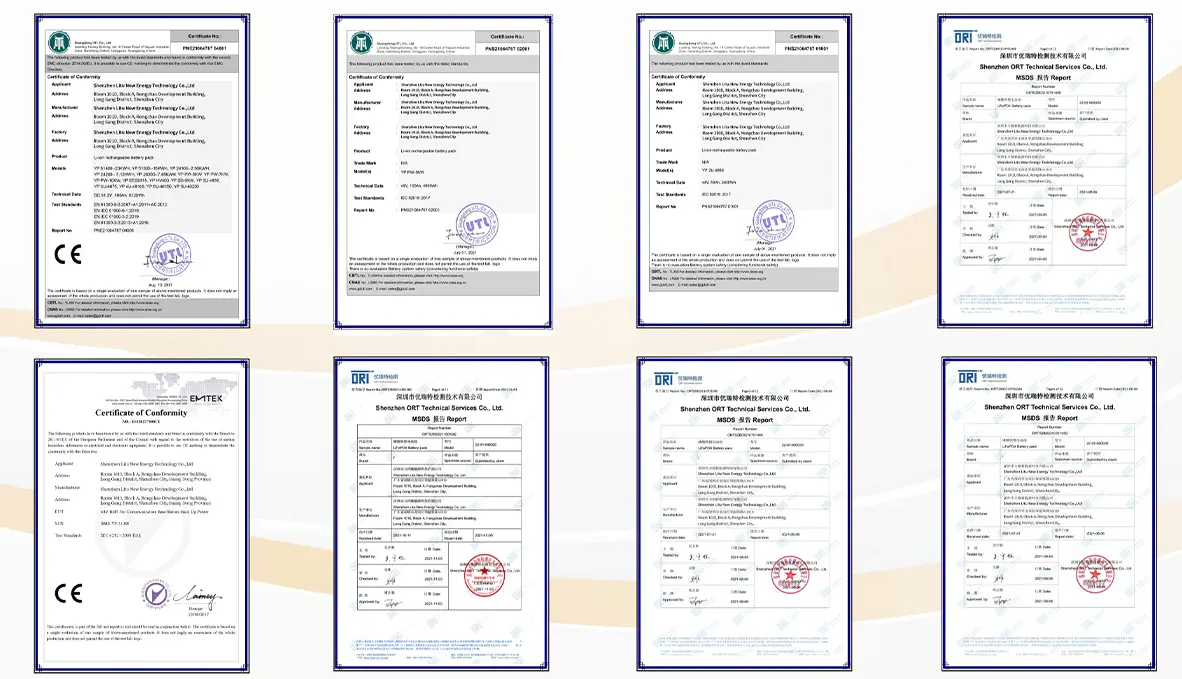
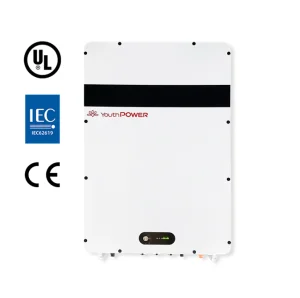
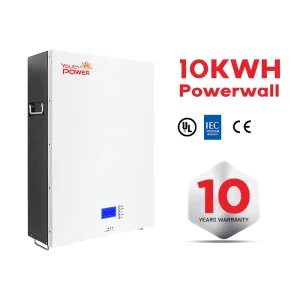
Global procurement offices necessitate strict certifications such as UL1973, CE, IEC 62619, and UN38.3. Thermal management systems and fail-safe multi-tier battery management systems (BMS) are vital parameters to counter thermal runaway risks.
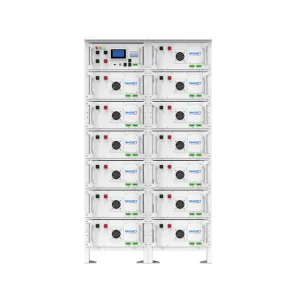
48V system topologies dominate decentralized and edge microgrid frameworks. Commercial buyers prioritize rack-mountable modularity, plug-and-play stacking architectures, and compatibility with international inverter protocols.
Levelized Cost of Storage (LCOS) is determined by high cycle stability. Premium cell vendors must supply components yielding over 6,000 cycles at 80% to 90% Depth of Discharge (DoD), supported by linear performance guarantees of 10+ years.
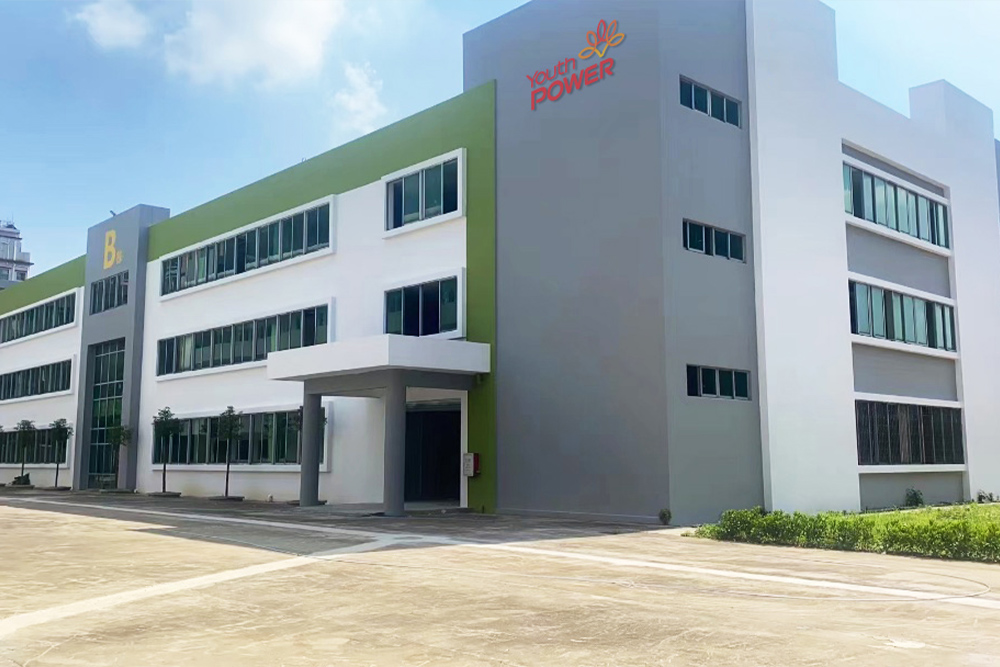
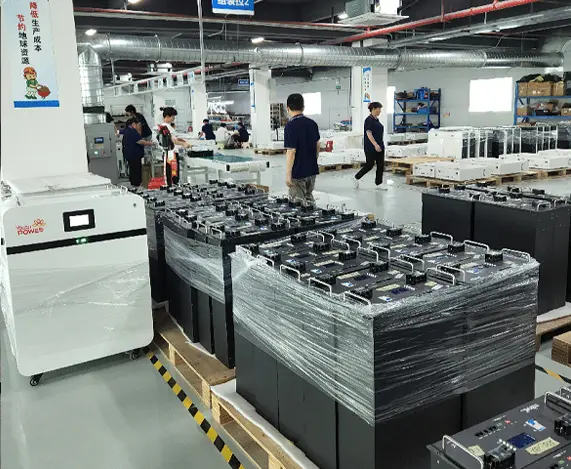
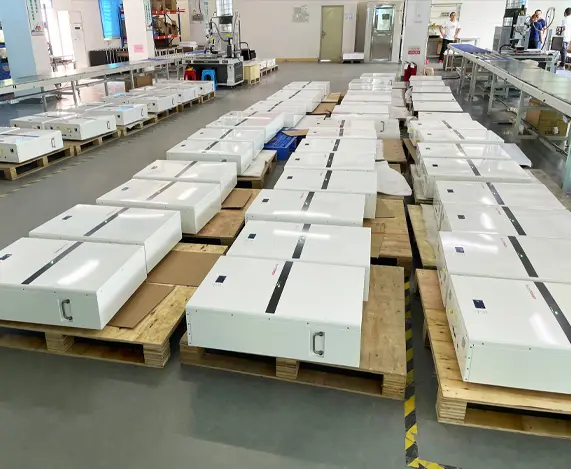
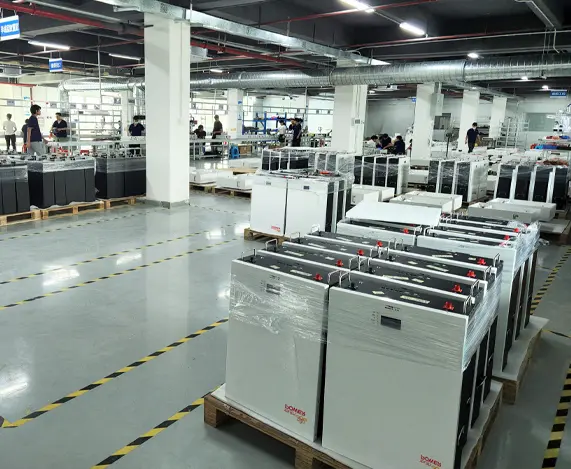
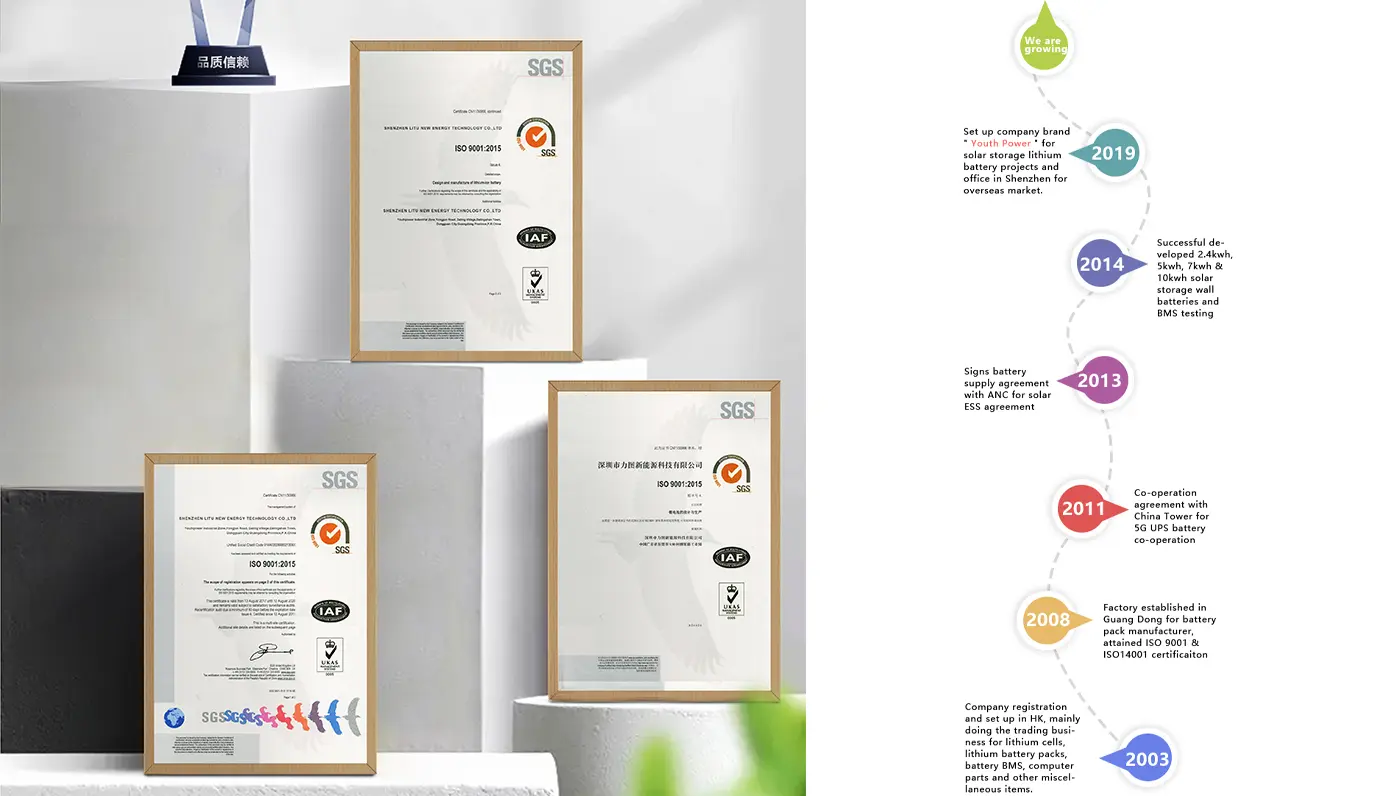
Founded in 2003, YouthPOWER has now become one of the leading suppliers of solar storage lithium batteries in the world. With a broad range of energy storage solutions, it covers a series of 24V, 48V, and higher voltage lithium batteries solutions.
YouthPOWER has engaged in battery technology and production for almost 20 years, leveraging abundant manufacturing experience and robust new product R&D capability. Through many years of hard work and market promotion, we created our own brand "YouthPOWER" in 2019.
With nearly 20 years’ experience in the battery industry, we possess the capability to provide both the products you need and the customized solutions you want. We are always ready to supply first-class products to meet the diverse needs of customers globally.

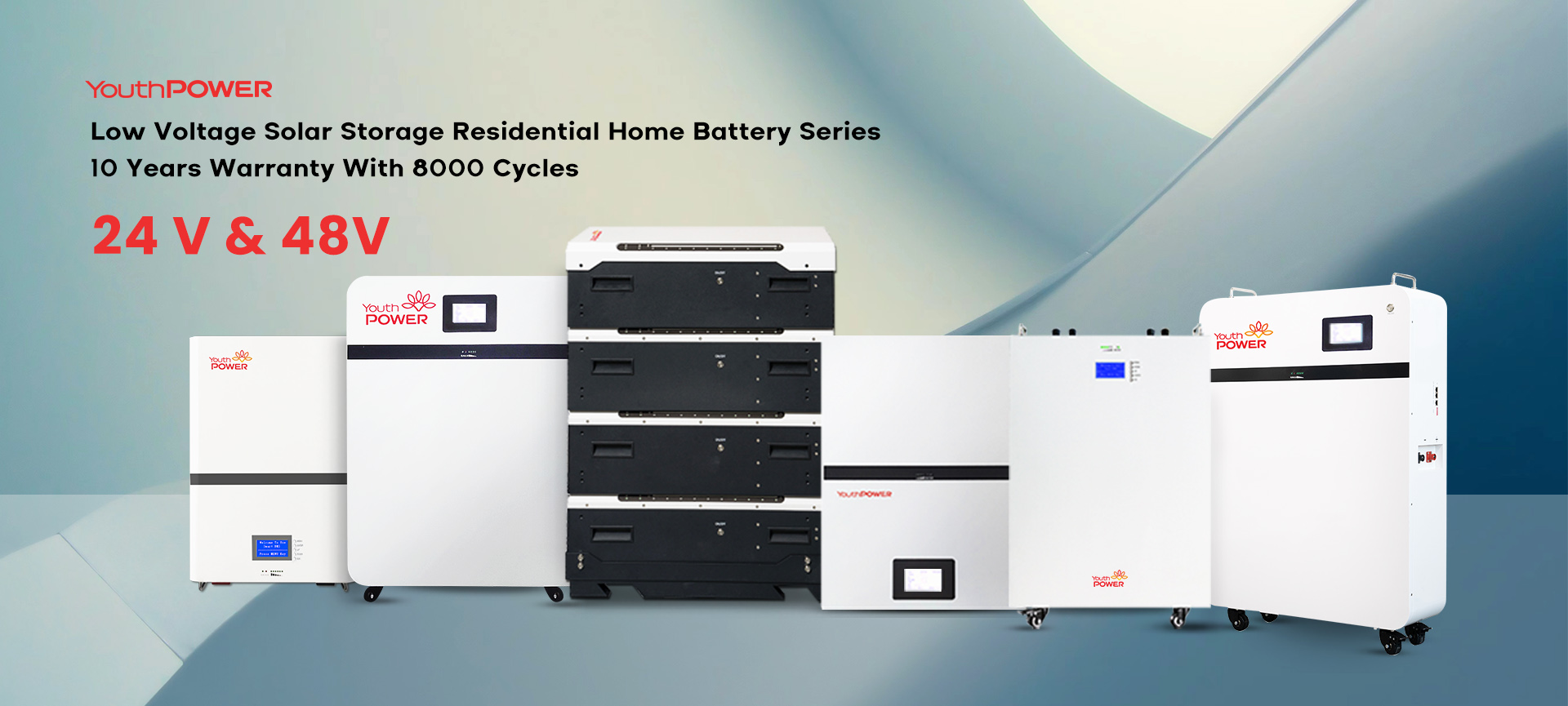
We have established good business relationships with our customers from all over the world, maintaining seamless cooperation for many consecutive years. Supported by our local vendors of high-grade raw materials, we can confidently offer the best price-to-performance ratio in the industry.
We are extremely proud that YouthPOWER has delivered reliable solar storage solutions to over 1,000,000 families worldwide, mitigating carbon footprints and enhancing energy independence.
Our vertical integration, from raw LiFePO4 cell sorting to advanced multi-layer BMS programming, ensures that every pack meets military-grade safety parameters before shipment.
Understanding the structural trade-offs between Safety Extra-Low Voltage (SELV) 48V/51.2V architectures and utility-scale High-Voltage (HV) systems.
| Performance Indicator | 48V / 51.2V Low Voltage (LV) Systems | High Voltage (HV) Systems (200V - 800V) |
|---|---|---|
| Safety Ratings | Classified under Safety Extra-Low Voltage (SELV). Risk-free touch limits during maintenance. | Requires professional installation, arc-fault protection, and specialized isolators. |
| System Efficiency | Slightly higher internal resistance losses at extreme current loads. Best for <20kW systems. | Lower line current minimizes copper loss (I²R loss), maximizing system round-trip efficiency (RTE). |
| Scalability & Stacking | Parallel scalability is virtually unlimited; simple configuration addition. | Requires series-stacking matching modules, calling for highly complex cell balancing protocols. |
| Primary Application Fields | Residential off-grid, telecom base stations, marine power, home PV backup. | Commercial & Industrial (C&I) peak shaving, micro-grids, EV charging hubs, high-capacity factories. |
The standard operating voltage of 48V battery modules is typically structured using a 15S or 16S configuration of Lithium Iron Phosphate (LiFePO4) cells, providing nominal voltages of 48.0V and 51.2V respectively. LiFePO4 is the chemistry of choice for commercial and industrial applications due to its high thermal runaway threshold (approx. 270°C), lack of toxic cobalt contents, and high structural stability under heavy cycling loads.
How modern enterprises integrate 48V battery systems and micro-grid solutions into commercial and municipal layouts.
Uninterruptible power supplies (UPS) are mandatory for telecom carriers. The 48V DC standard format directly aligns with the power inputs of legacy telecom gear, ensuring seamless grid failure ride-through without supplementary DC-to-AC conversion loss.
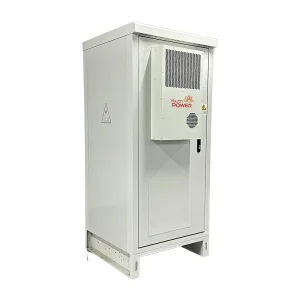
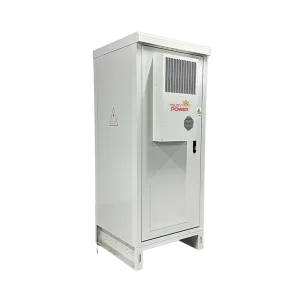
By monitoring power demand curves in real-time, commercial facilities use outdoor cabinets (e.g., 100KWH to 215KWH systems) to discharge energy during expensive peak demand tariffs and recharge during off-peak hours, dramatically dropping utility bill demand charges.
Remote agricultural farms and mining sites utilize scalable all-in-one solar energy storage systems to generate and consume locally. These rugged systems feature high ingress protection (IP65 waterproof standards) to withstand extreme dust and humidity levels.
An engineering outlook into the features driving the next generation of industrial energy storage systems.
Future BMS systems are shifting away from localized thresholds to cloud-linked neural network models. By feeding cell-level voltage curves, internal resistances, and operating temperatures to predictive analytics engines, systems can detect dendrite formation or early cell degradation weeks before a fault occurs.
While standard liquid-electrolyte LiFePO4 cells currently dominate the market, semi-solid battery architectures are nearing mass commercialization. Solid-state advancements offer higher volumetric energy densities and almost eliminate risks of leakage or cell-to-cell thermal propagation.
Environmental footprint monitoring is becoming a key purchase driver. Premier manufacturers are adopting recycled anode materials and powering production facilities using onsite solar arrays, ensuring the battery's lifecycle footprint is minimized prior to field commissioning.
Standard protocols are transitioning from basic CAN/RS485 interfaces to unified SunSpec and Modbus TCP communications. This permits seamless native integration with smart grid nodes, electric vehicle chargers (V2G/V2H), and dynamic virtual power plant (VPP) software platforms.
Securing international commercial battery deployment requires matching strict engineering criteria.
As modern BESS equipment is connected to corporate LANs for monitoring, grid operators demand compliance with international cyber security frameworks. Encrypted firmware updates and secure telemetry protocols protect local electrical infrastructure from intrusion.
Furthermore, YouthPOWER supports international project execution by matching inverter protocols including Victron Energy, SMA Solar Technology, Studer, Growatt, Deye, and Solis, ensuring simple plug-and-play installation.
Crucial answers to complex technical issues often raised by electrical contractors and grid utility specifiers.
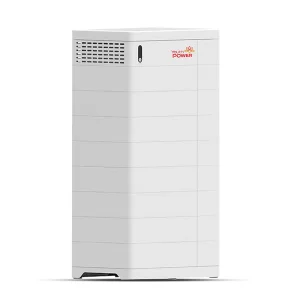
Heavy-duty options engineered for high efficiency, load shifting, microgrid operation, and backup power supply.
 YouthPOWER