Explore our premium high-voltage cabinets, residential ESS boxes, and high-capacity commercial energy storage configurations built for rigorous operational life.
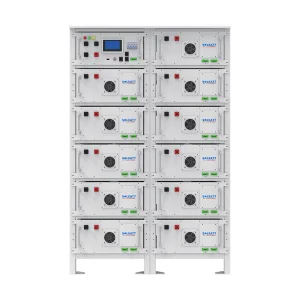
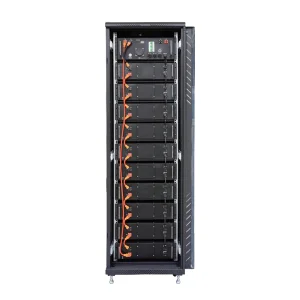
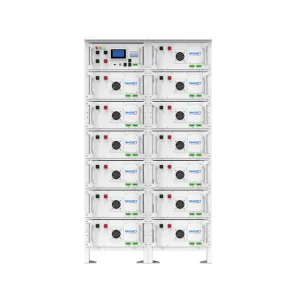
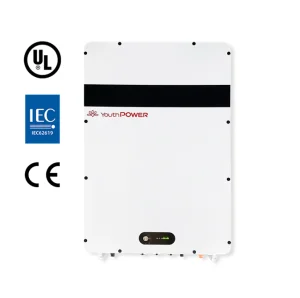
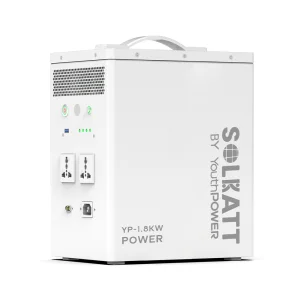
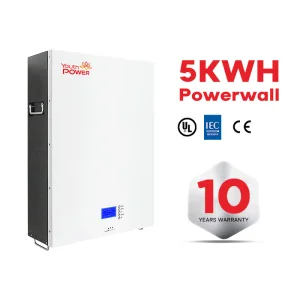
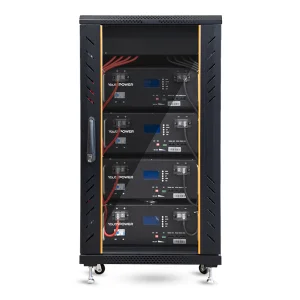
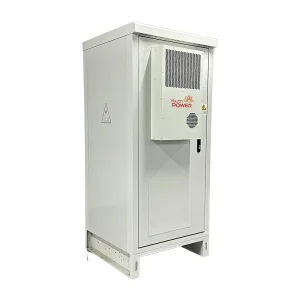
Analyzing the electrical design, chemical topology, and safety mitigation mechanics that make the 48V 200Ah battery system the absolute cornerstone of commercial and residential power infrastructure.
A 48V nominal voltage configuration (operating typically between 43.2V and 54.0V) balances system efficiency and safe installation standards. By providing 9.6 kWh of energy, it decreases line current demands by half compared to 24V topologies, allowing thinner, more cost-effective copper wiring with significantly lowered resistance loss.
Utilizing high-integrity Lithium Iron Phosphate (LiFePO4) chemistry ensures unmatched thermal and chemical stability. Our prismatic cells feature robust explosion-proof pressure relief valves and integrated thermal barriers, preventing propagation and guaranteeing zero fires or off-gassing even under extreme puncture or high thermal stress.
An intelligent 16S BMS actively controls charge balancing, prevents cell over-voltage, and monitors health parameters. Our dual-processor BMS features seamless communication protocols (RS485, CAN, Modbus) allowing real-time monitoring and compatibility with leading global inverter brands such as Victron, Growatt, and SMA.
| Electrical Parameter | Specification (16S 48V 200Ah System) | Performance / Procurement Advantage |
|---|---|---|
| Nominal Energy Capacity | 9,600 Wh (9.6 kWh) | Optimized power density for telecommunications & grid backup. |
| Nominal Voltage & Chemistry | 51.2V / LiFePO4 (LFP) | Flatter discharge curve compared to Ternary Lithium; safer structural stability. |
| Cycle Life (80% DoD) | ≥ 6,000 Cycles @ 25°C, 0.5C Charge/Discharge | Ultra-low Levelized Cost of Storage (LCOS) for long operational life. |
| Self-Discharge Rate | ≤ 2.5% per Month @ 25°C | Minimizes energy loss during extended standby storage. |
| BMS Integrated Protections | Overcurrent, Over/Under Voltage, Short-Circuit, Over/Under Temp | Prevents thermal runaways and protects high-capital assets. |
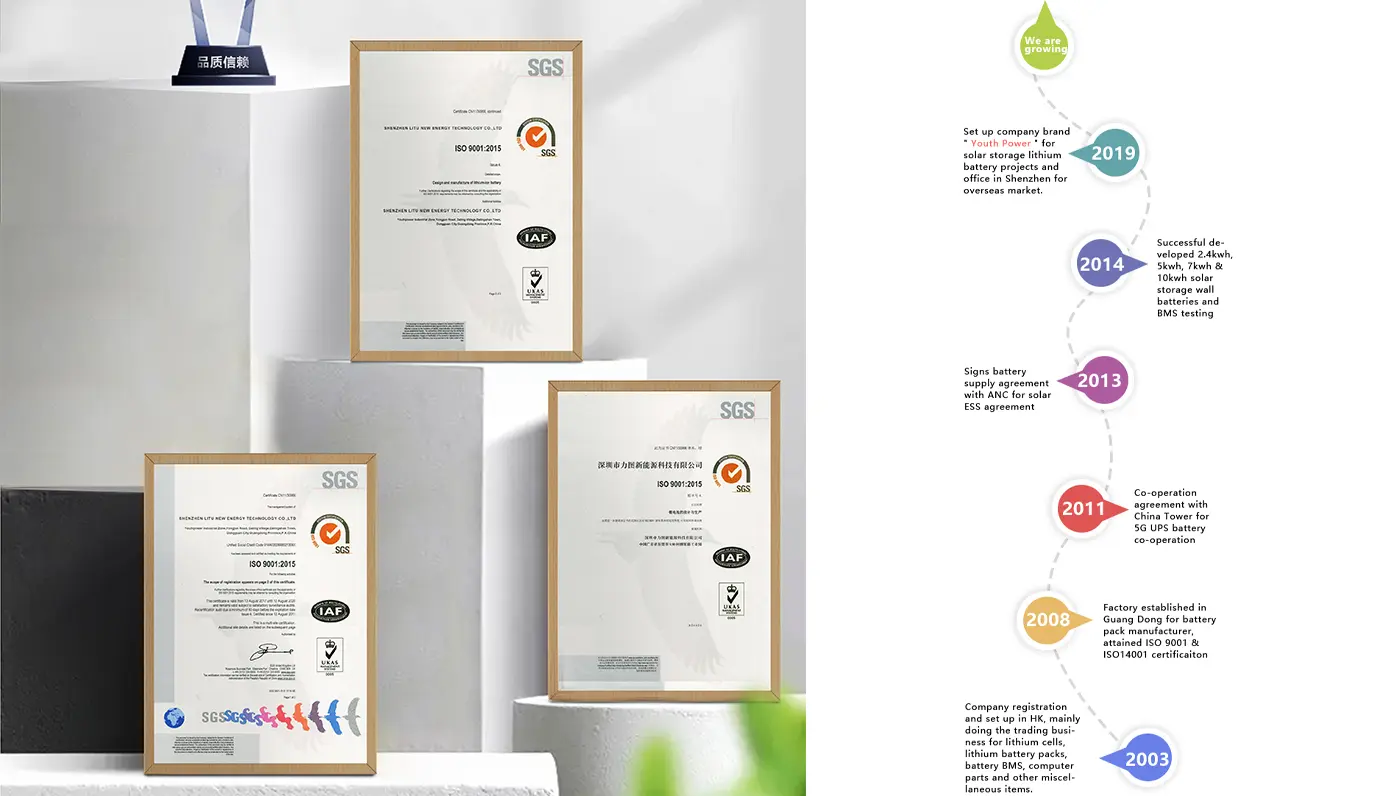
Founded in 2003, YouthPOWER has now become one of the leading suppliers of solar storage lithium batteries in the world. With a broad range of energy storage solutions, it covers a series of 24V, 48V and higher voltage lithium batteries solutions.
YouthPOWER has engaged in the battery technology and production for almost 20 years, with abundant manufacturing experience and strong new product R&D capability. Through many years of hard work and market promotion, we have created our own brand "YouthPOWER" in 2019.
With nearly 20 years’ experience in the battery industry, we have the capability to provide you with both the products you need and the most suitable products you want. We are always ready to supply the first-class products and meet the various needs of the customers.
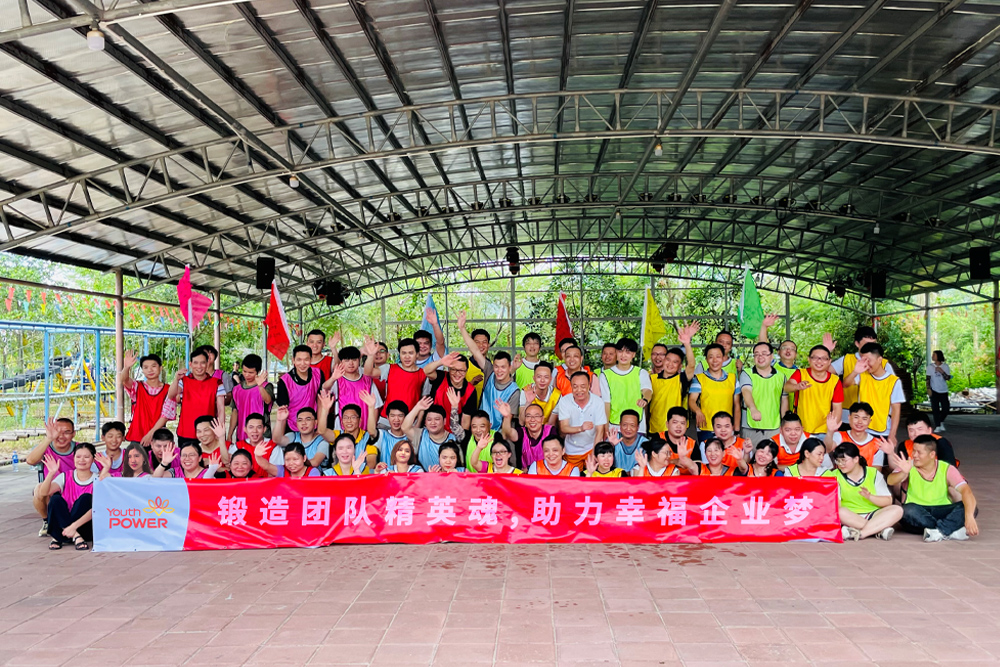
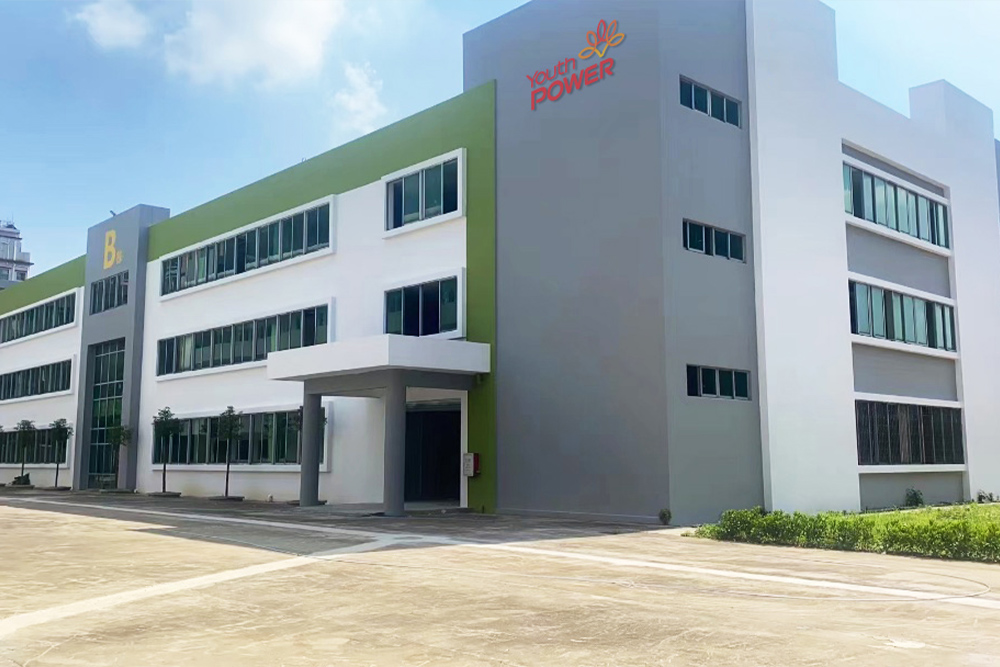
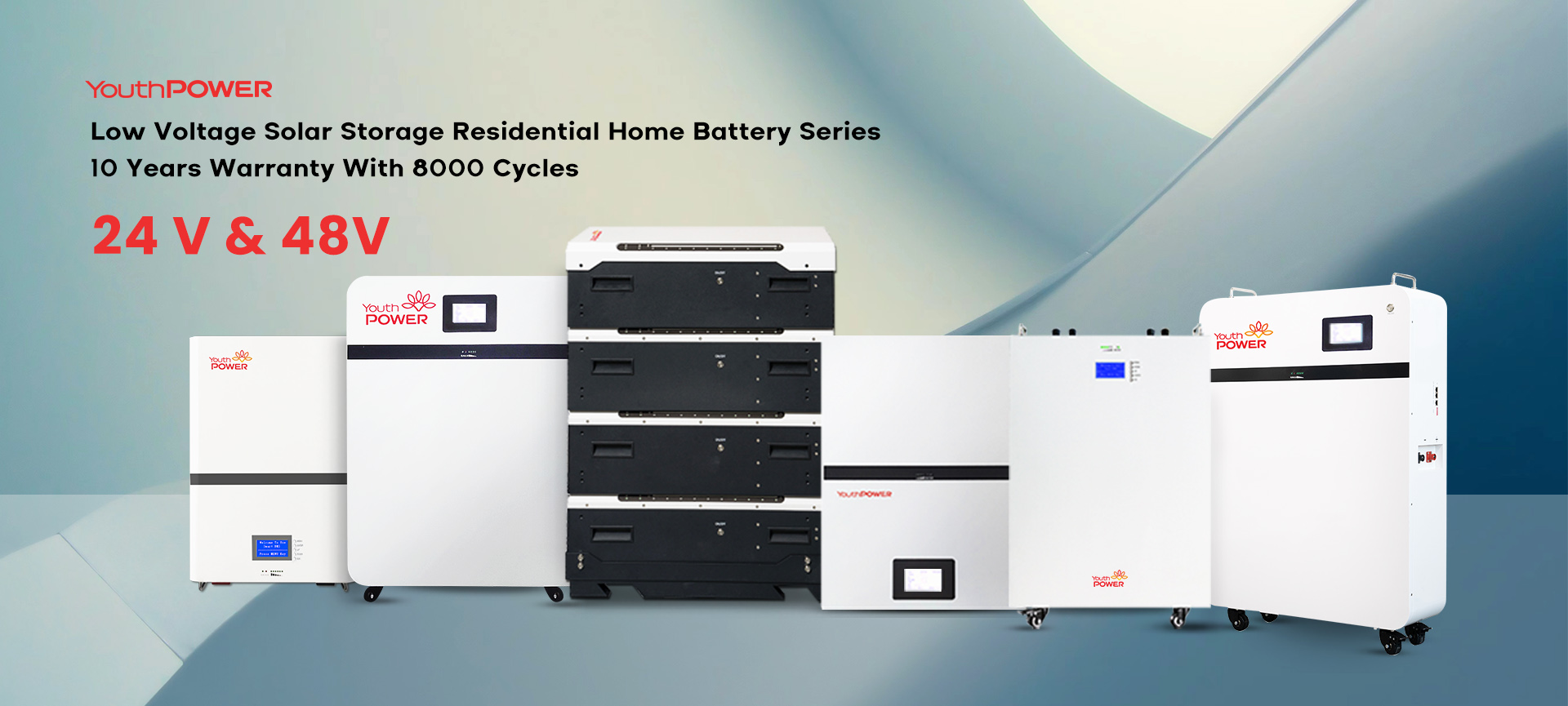
We have established good business relationships with our customers from all over the world. And we have a good cooperation with all our customers as well for many years running. Supported by our local vendors of raw materials, we can certainly offer you the best prices.
A retrospective look at our technological evolution, engineering milestones, and geographical scaling from our founding to a dominant global ESS player.
How China's raw material dominance, automated manufacturing, and economies of scale translate to extreme reliability and cost advantages for international enterprises.
By leveraging direct partnerships with key lithium miners and chemical refining factories in China, we bypass intermediary costs. This secures high-purity lithium carbonate and precursors, stabilizing production timelines and insulating B2B clients from global material price volatility.
Our automated production line integrates impedance and voltage sorting algorithms to match every cell in a 16S configuration. Heavy-duty laser welding guarantees high-integrity, vibration-resistant cell-to-cell busbar connections, essential for long-haul maritime transport and rough operations.
Each 48V 200Ah battery pack undergoes rigorous burn-in chambers, multi-cycle capacity testing, and insulation tests. Every batch is subjected to high-vibration tests, temperature cycling (-20°C to +60°C), and high-discharge stress trials to ensure total field deployment reliability.
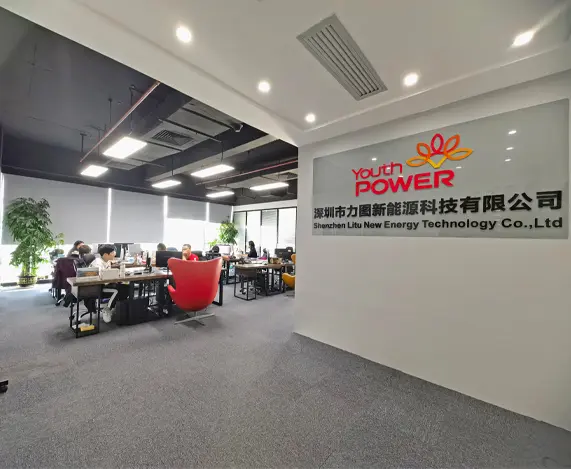
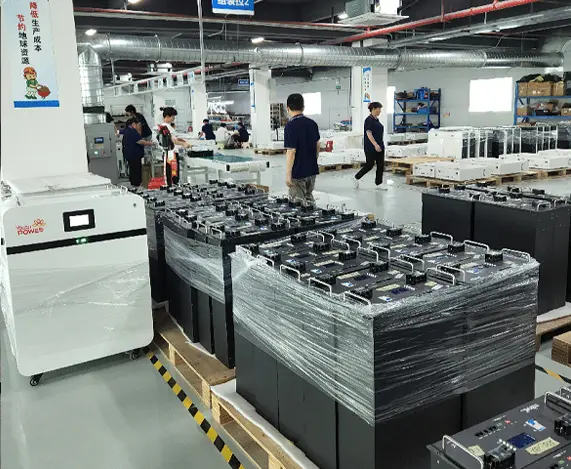
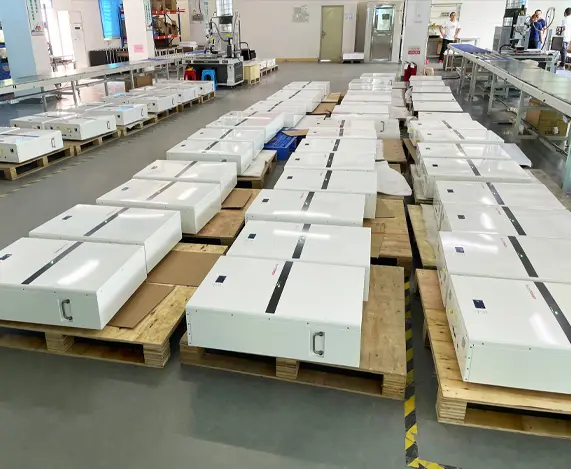
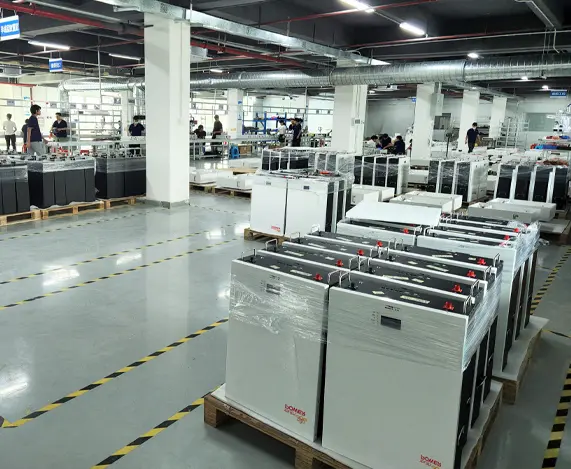
B2B energy procurement managers look past basic specs. Here is how we design our products to satisfy operational, installation, and return-on-investment parameters.
For remote off-grid telecom stations (5G LTE nodes), reliability is non-negotiable. Our 48V 200Ah modules fit standard 19-inch racks perfectly. With optimized passive thermal dissipation, they function without energy-draining air conditioning units, protecting up-time in demanding arid or tropical zones.
Deploying energy networks for remote resorts, island habitats, or agricultural operations requires clean, scalable energy density. The 48V 200Ah architecture can be wired in parallel up to 15 modules (144kWh) without external controller hubs, giving system integrators modular flexibility.
By offering an operational life of over 10-15 years, our systems guarantee a minimized Levelized Cost of Storage. A durable metal chassis, marine-grade anti-corrosive terminals, and easily upgradable firmware ensure maximum B2B asset protection and high ROI.
B2B energy deployment requires strict regional certifications and rapid fulfillment. We ensure your project conforms to safety standards while maintaining zero logistical bottlenecks.
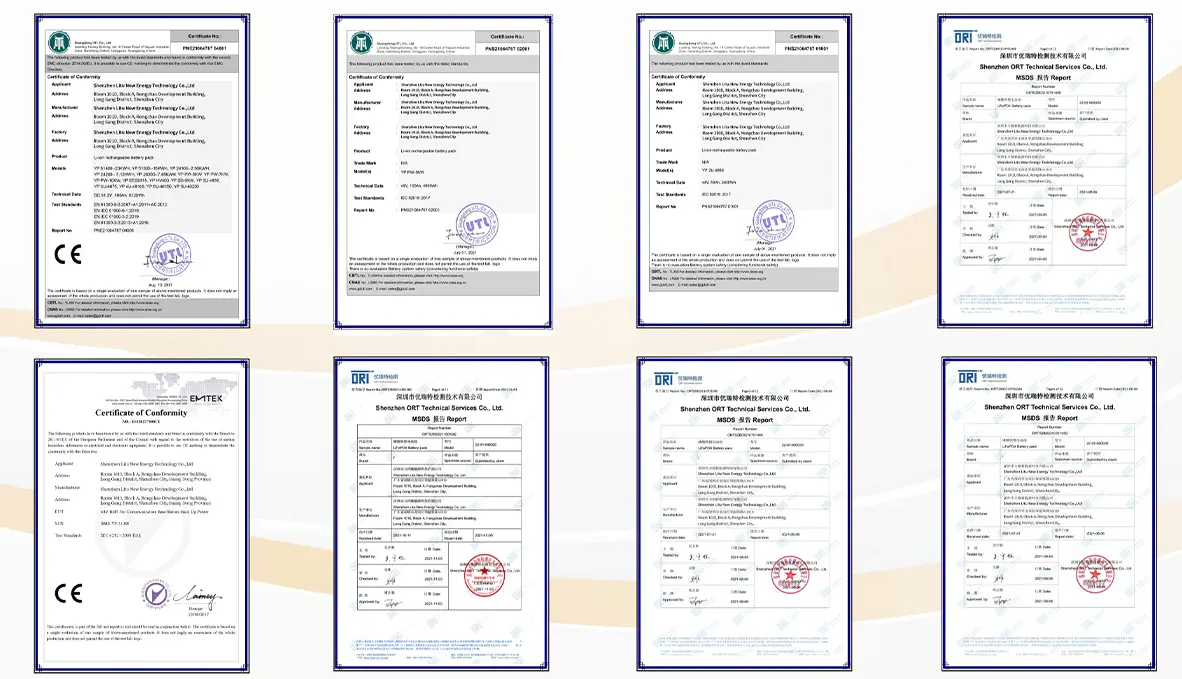
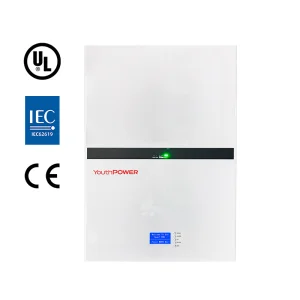
Our 48V 200Ah battery designs carry full certifications: UN38.3 (transportation safety), CE, IEC 62619, and UL1973. This assures global compliance and accelerates approvals from local electrical safety inspectors and insurance underwriters.
As Class 9 Hazardous Goods, transporting large lithium batteries requires specialized logistics. We provide certified packaging, MSDS document generation, and direct maritime logistics services to minimize clearance delays at global entry ports.
Engineering assistance doesn't stop at shipment. With diagnostic support and firmware patches, our engineers ensure integration with major PV arrays and hybrid invertor grids, keeping downtime to absolute zero.
Get answers to critical engineering, installation, and procurement questions regarding 48V 200Ah LiFePO4 battery banks.
Under standard conditions (0.5C charge/discharge rates at 25°C and an 80% Depth of Discharge), a quality LiFePO4 battery yields 6,000+ cycles before nominal capacity degrades to 80%. In daily-cycling environments, this equates to roughly 15 years of uninterrupted operation. A higher DoD (e.g., 90%) will slightly lower cycles, while shallow cycling (50% DoD) can extend the operating lifespan past 10,000 cycles.
A 16S (16 cells in series) LiFePO4 cell configuration yields a true 51.2V nominal voltage, perfectly matching standard 48V power converters, inverters, and telecom rectifiers. In contrast, a 15S configuration operates at a lower nominal 48V (dropping to 45V near discharge), which forces higher current draws to sustain the same power output, increasing resistive heating and reducing efficiency.
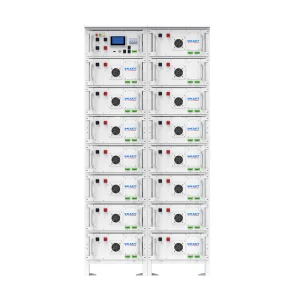
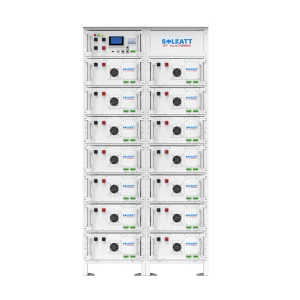
No, standard low-voltage 48V 200Ah battery modules are internally designed for parallel expansion only (scaling capacity/amperage, not system voltage). Attempting to connect these batteries in series can exceed the voltage threshold limits of the integrated BMS circuit boards. For high-voltage needs (e.g., 192V to 600V+ for industrial microgrids), we manufacture dedicated high-voltage rack systems with specialized master BMS units.
Charging standard lithium cells below 0°C (32°F) triggers dangerous lithium plating on the anodes, permanently degrading capacity and causing safety hazards. Our integrated BMS monitors real-time temperatures. If temperature levels dip below 0°C, the BMS halts charge acceptance while allowing discharge to proceed. For cold climates, we offer custom modules with internal heating elements that preheat the cells before allowing charging to begin.
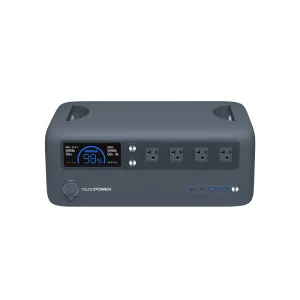
Discover our range of scalable backup batteries, high-voltage converters, outdoor storage units, and balcony micro-ESS units designed for modular configuration.
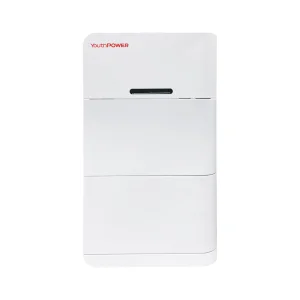
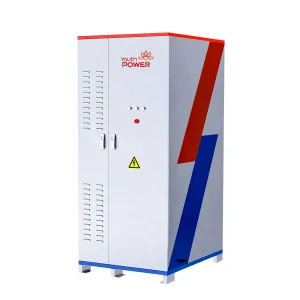
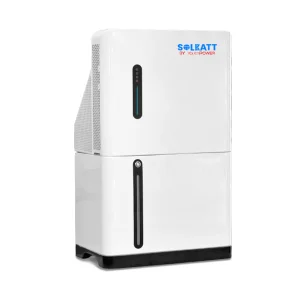
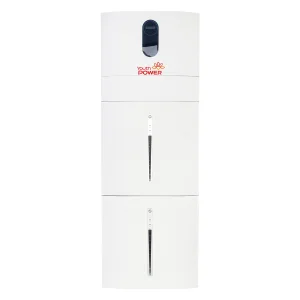
 YouthPOWER