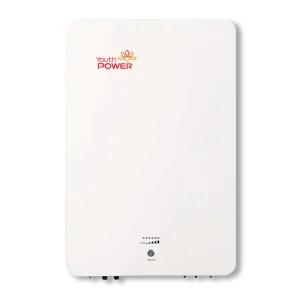
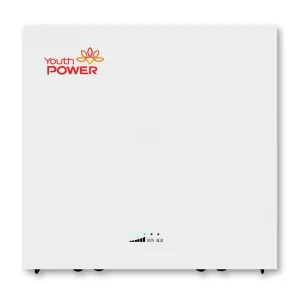
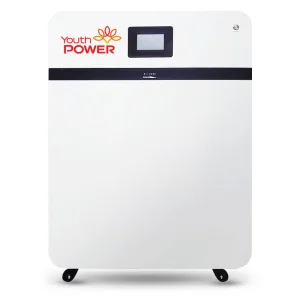
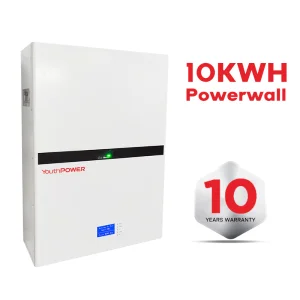
Why the 51.2V 100Ah system has become the global baseline for residential and commercial distributed storage.
In the rapidly growing energy storage landscape, the 5 kW / 5.12 kWh battery system represents a highly optimized balance between physical footprint, thermodynamic stability, and electrical performance. Formulated primarily around the nominal specification of 51.2V 100Ah (16S1P configuration), this system class avoids the efficiency losses of lower-voltage 12V/24V systems while maintaining a safer voltage than utility-scale multi-hundred volt designs.
Leading factories utilize Lithium Iron Phosphate (LiFePO4 / LFP) cell structures for residential and stationary commercial use. Unlike ternary lithium-ion chemistries (NMC/NCA), LFP offers chemical safety due to its robust olivine crystal structure. The P-O covalent bonds within LFP cathode materials resist degradation and thermal runaway up to temperatures exceeding 270°C, providing a substantial safety advantage over traditional chemistries.
From an engineering perspective, this means 5kW batteries can operate safely through thousands of deep-discharge cycles under varied thermal conditions, making them ideal for residential solar integrations and emergency backup applications.
Analyzing the engineering improvements inside the modern battery, focusing on processing, balance, and cell design.
Standard passive balancing bleeds off excess energy as heat, causing thermal gradients within the pack. Modern factories integrate active balancing architecture using micro-controllers to dynamically redistribute charge among cells. This balancing method controls voltage deviation to under 5mV, extending total battery pack lifespan by up to 15% and optimizing energy extraction during deep-discharge cycles.
Modern smart BMS components utilize advanced communications suites (CANbus, RS485, and Modbus RTU). These protocols allow plug-and-play synchronization with leading hybrid and off-grid inverter platforms including Deye, Growatt, Victron, SMA, and GoodWe. The BMS communicates cell temperatures, state of charge (SoC), and state of health (SoH) in real-time, helping protect the system from overcurrent and overvoltage issues.
Thermal consistency is a key factor in prevention of localized aging in LFP batteries. Next-generation 5kW packs incorporate thick aluminum heat sinks combined with high-grade aerogel or ceramic thermal insulation sheets between individual cells. This structure helps prevent thermal propagation and maintains cell-to-cell temperature variations under 3°C, even during high-current operations.
Looking to the future, the technology roadmap for 5kW systems involves the integration of solid-state LFP variations and sodium-ion configurations. Solid-state electrolytes promise to eliminate liquid components completely, removing risk profiles associated with thermal runaway. Concurrently, sodium-ion technology is developing as an alternative for lower-temperature operations down to -30°C, providing utility in geographical areas with cold seasonal climates.
Deploying 5kW modular building blocks in residential, commercial, industrial, and telecom environments.
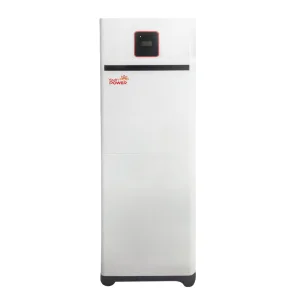
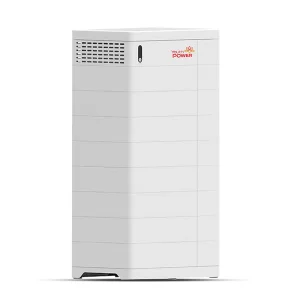
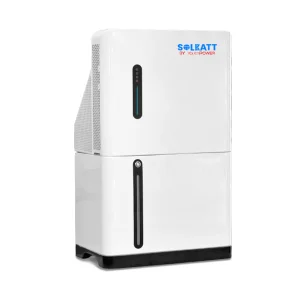
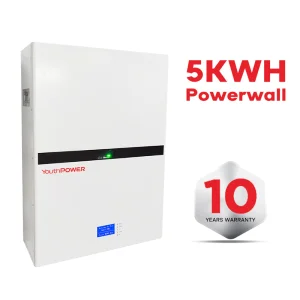
For residential markets, modular 5kW units function as scalable energy blocks. Homeowners can begin with a single 5.12kWh wall-mounted pack and expand system capacity in parallel configurations up to 76.8kWh (15 units linked via DIP switches). This scalability allows homeowners to increase capacity to match growing residential demands, such as electric vehicle (EV) charging or heat pump systems.
During high peak rate periods, the storage system discharges stored solar energy to power household appliances, reducing dependency on grid energy and helping to lower overall utility costs.
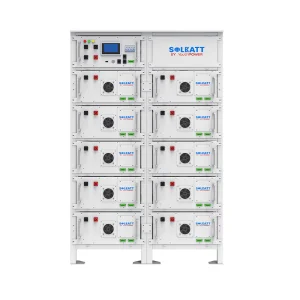
In commercial installations, modular high-voltage configurations built from standard 5kW units can help reduce peak demand charges. By monitoring building consumption in real-time, the system discharges battery power when loads rise above set thresholds, keeping demand levels low.
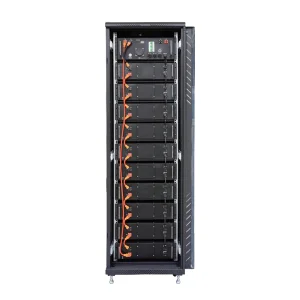
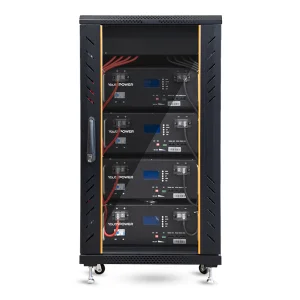
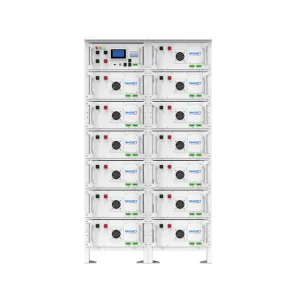
For remote telecom base transceiver stations (BTS), 5kW rack-mounted designs provide reliable off-grid power. Integrated monitoring systems track environmental conditions and cycle usage, helping telecom operators maintain uptime and manage maintenance costs at remote installations.
From raw lithium precursors to fully integrated intelligent energy storage systems.
Chinese battery manufacturers produce a significant portion of global energy storage systems. This position is supported by access to localized raw materials and high vertical integration. Chinese factories can source key materials—including lithium carbonate precursors, PVDF binders, synthetic graphite, and copper current collector foils—within a small geographical area. This dense supply network reduces transportation risks, improves production efficiency, and provides stability in pricing and scheduling.
Busbar connection reliability is critical for high-vibration and high-heat environments. Factories use multi-axis laser welding machinery with built-in cameras to inspect weld depth and verify structural integrity in real-time, reducing contact resistance and thermal risks.
Cell sorting and assembly are conducted in environments with strict particulate controls. Keeping humidity below 1% and monitoring dust count prevents microscopic metal particles from contaminating cells, reducing internal short circuits.
Assembled cell blocks undergo sorting processes to match capacity, internal resistance, and voltage. Modules are tested in temperature-controlled aging chambers for extended cycles to confirm stability before final shipment.
Requirements for international commercial buyers, solar installers, and local distribution channels.
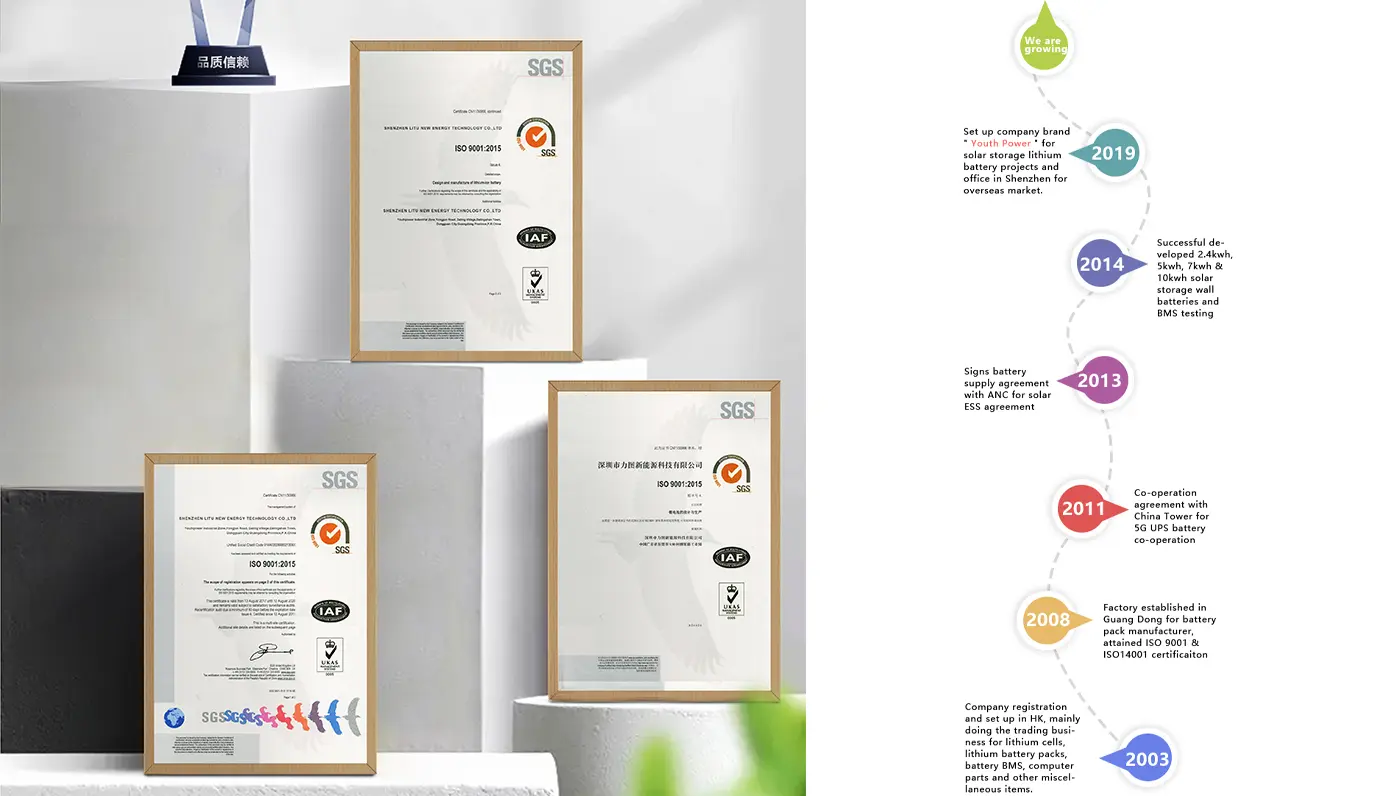
For importers in markets such as North America, Europe, and Australia, verifying compliance is essential for regional grid connections and safety approvals. Reliable factories must supply certification documentation for the specific battery configurations, including:
Procurement teams should verify cell conditions. Standard factories use A-grade cells from established manufacturers (like CATL, EVE, or BYD). Testing data from the factory, including DC internal resistance and capacity measurements, can help confirm cell consistency and verify that grade-B or recycled cells are not included in the shipment.
Integrating twenty years of research, innovation, and global collaboration in renewable energy storage.
Founded in 2003, YouthPOWER has now become one of the leading suppliers of solar storage lithium batteries in the world. With a broad range of energy storage solutions, it covers a series of 24V, 48V and higher voltage lithium batteries solutions.
YouthPOWER has engaged in the battery technology and production for almost 20 years, with abundant manufacturing experience and strong new product R & D capability. Through many years of hard work and market promotion, we have created our own brand "YouthPOWER" in 2019.
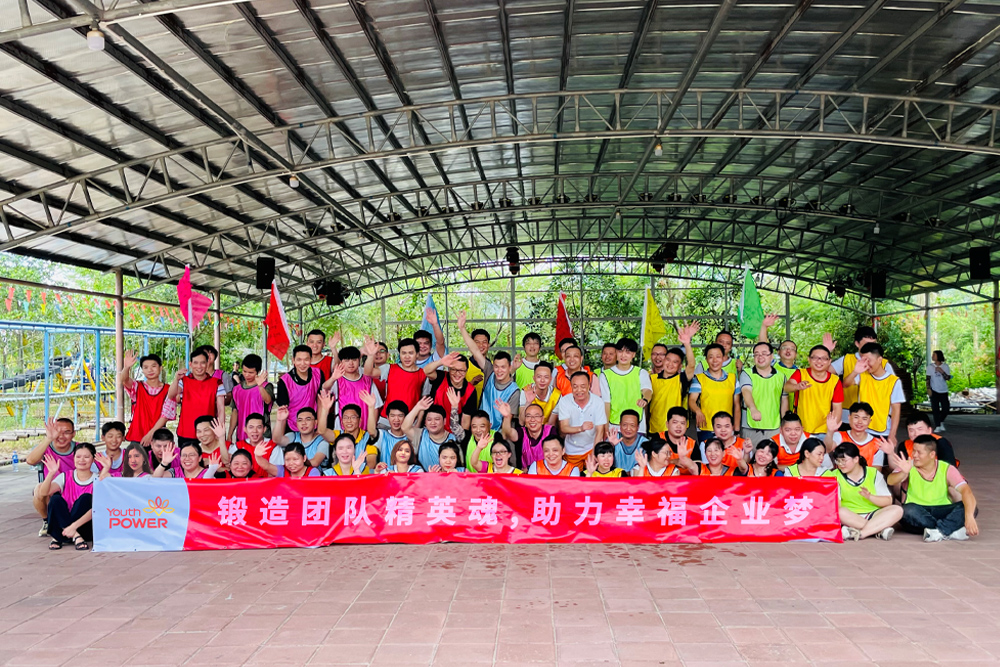
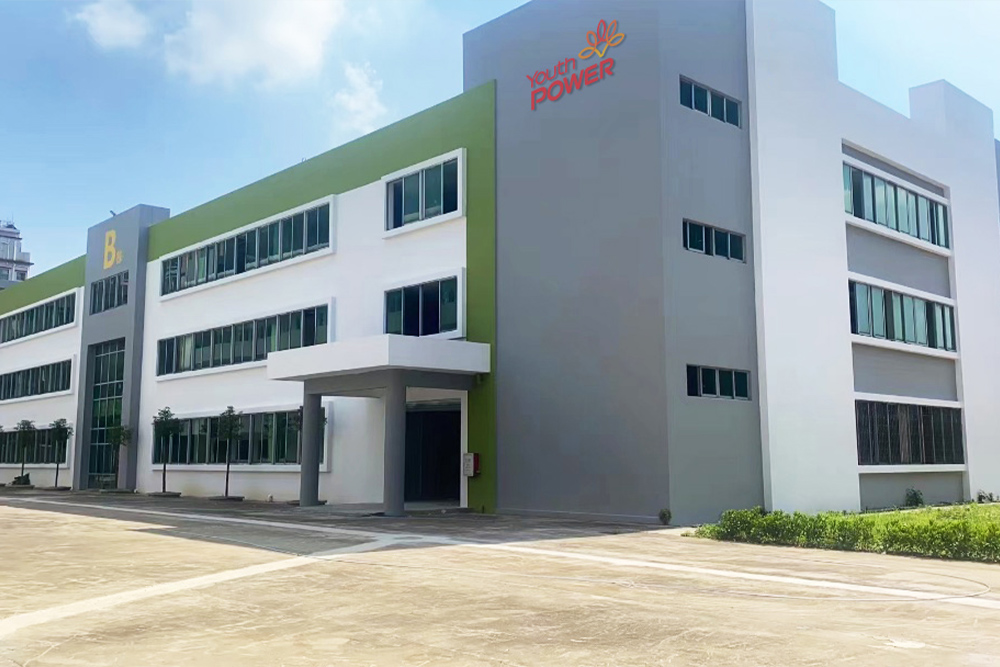
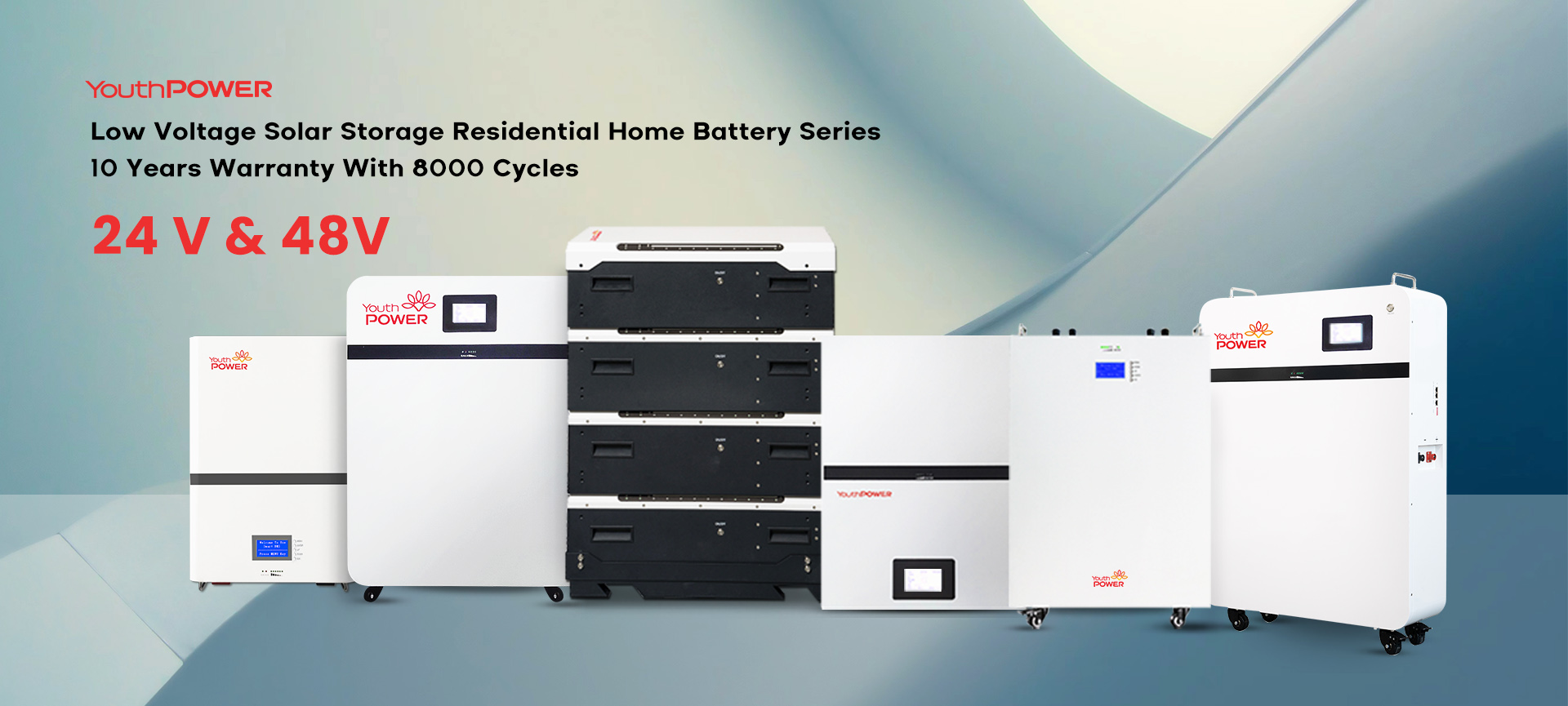
With nearly 20 years' experience in the battery industry, we have the capability to provide you with both the products you need and the most suitable products you want. We are always ready to supply the first-class products and meet the various needs of the customers.
We have established good business relationships with our customers from all over the world. And we have a good cooperation with all our customers as well for many years running. Supported by our local vendors of raw materials, we can certainly offer you the best prices.
We are so proud that YouthPOWER has offered the reliable solar storage solution for over 1,000,000 families now in the world.
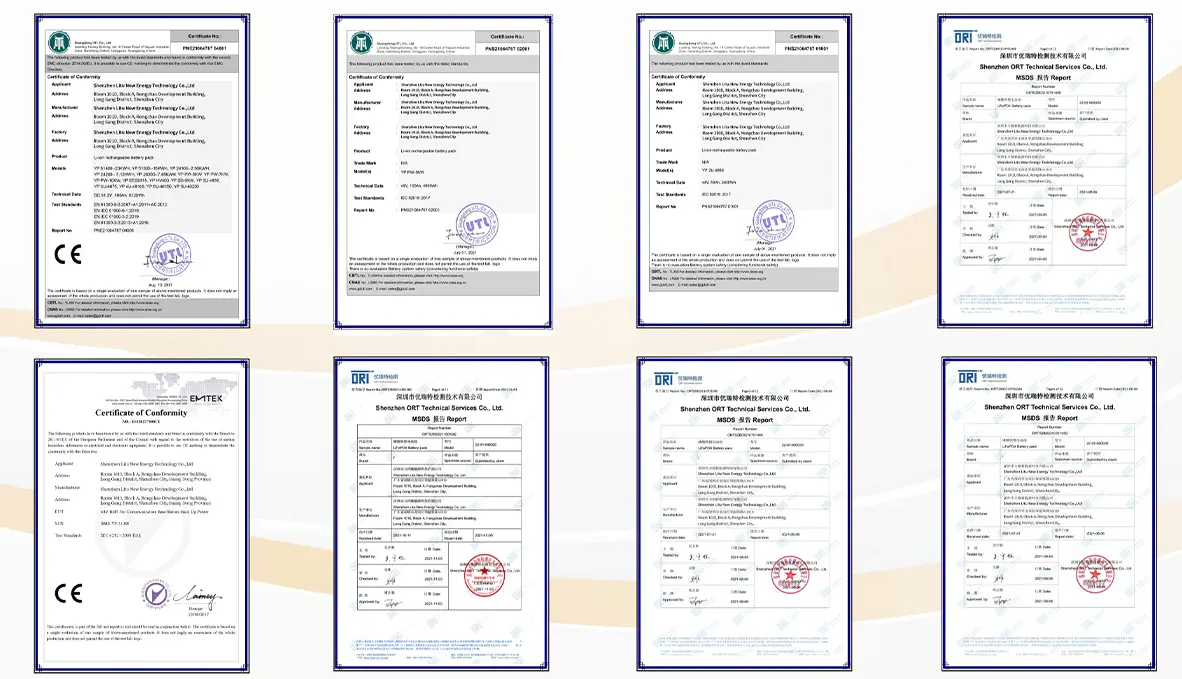
The structural and operational setup inside YouthPOWER, showing physical storage configurations, assembly yards, and high-precision machinery environments.
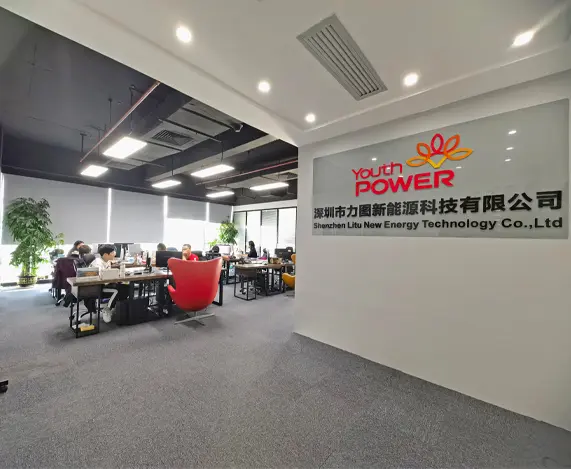
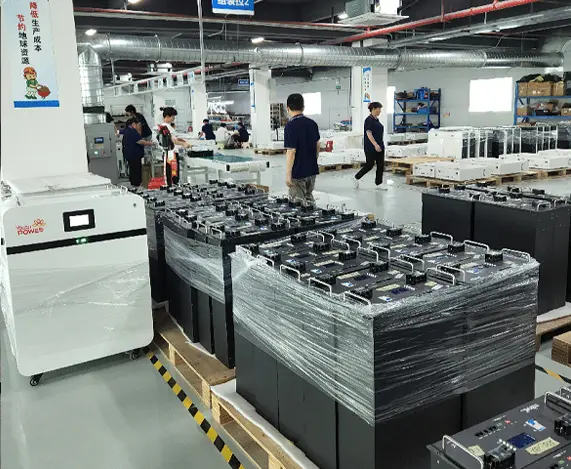
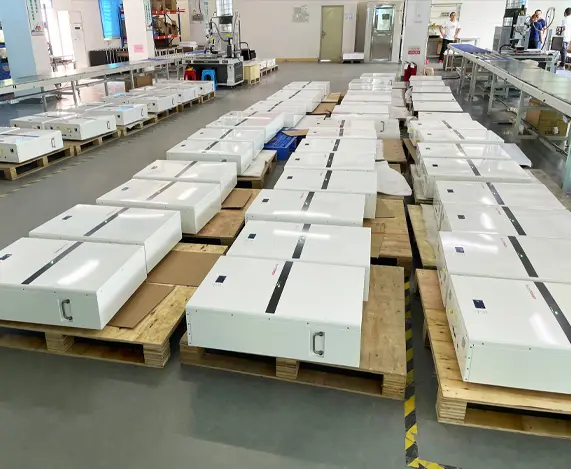
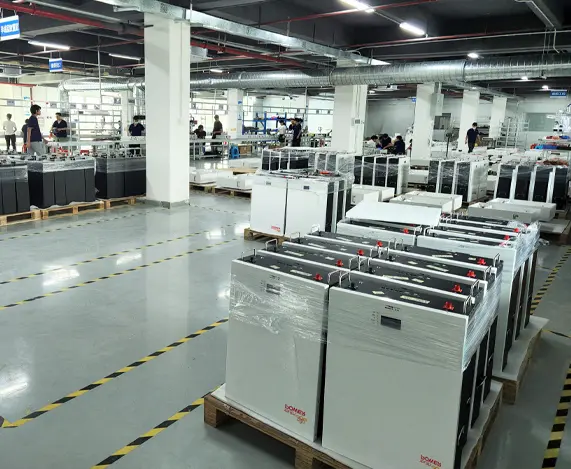
Below is the historical progression detailing how YouthPOWER developed from a local regional manufacturer in 2003 to a global solar storage exporter supplying millions of properties worldwide.
Answers to common technical, logistics, and engineering questions for lithium energy storage systems.
51.2V corresponds to a true 16S LFP cell configuration (16 cells in series × 3.2V nominal per cell). Older designs used a 15S configuration yielding 48V. The 16S (51.2V) setup matches the DC voltage window of modern hybrid inverters, allowing better system efficiency and preventing low-voltage disconnects during high load periods.
A-grade cells show consistent internal resistance profiles (typically <0.5mΩ difference between cells) and matching capacities. When vetting a factory, ask for the OCV (Open Circuit Voltage) and IR (Internal Resistance) testing reports for the specific batch, and verify that cell barcodes are intact. Barcodes containing manufacturer data confirm cell lineage and grade status.
While LiFePO4 cells are highly durable, degradation is primarily driven by operating in temperatures outside the 15°C to 35°C range, keeping the system at 100% SoC for extended periods, and charging at high C-rates in cold conditions. A robust BMS and temperature management help mitigate these risks and prolong pack life.
High-voltage systems (where modules are connected in series) reduce cable requirements and current levels on the DC side, which improves efficiency in larger commercial systems. Low-voltage parallel configurations (51.2V) are safer to handle and are generally preferred for residential installations where capacity expansion is required.
YouthPOWER integrates multi-protocol communications software into its smart BMS firmware. This architecture allows the battery to communicate with different inverter brands. Users can select the appropriate inverter protocol via integrated DIP switch arrays or the software GUI interface.
Lithium batteries are classified as Dangerous Goods Class 9 under UN3480 rules. Safe shipping requires packaging certified under UN specifications, shock isolation structures, and a state of charge kept under 30% during transport. Valid UN38.3 testing reports and MSDS logs must be presented at customs check points.
 YouthPOWER