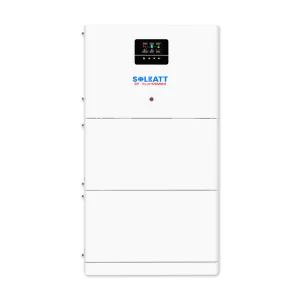
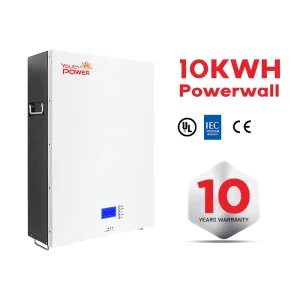
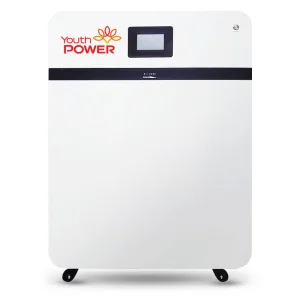
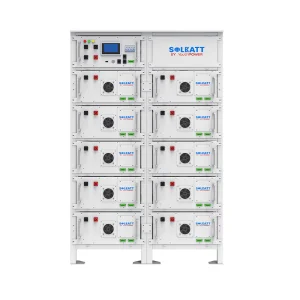
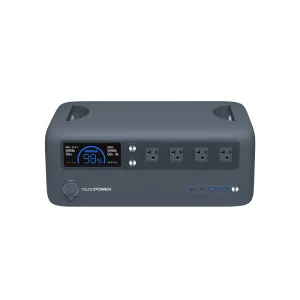
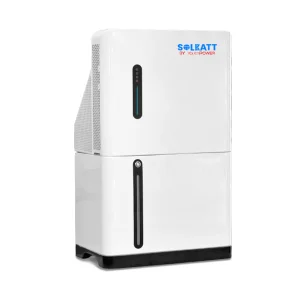
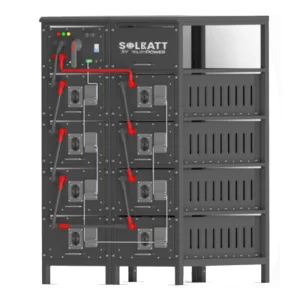
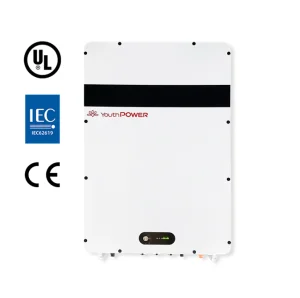
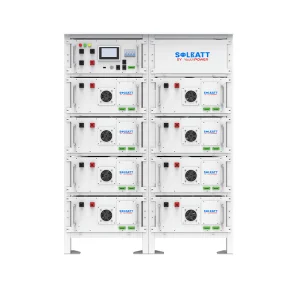
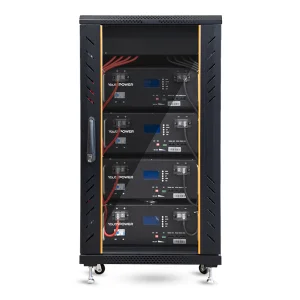
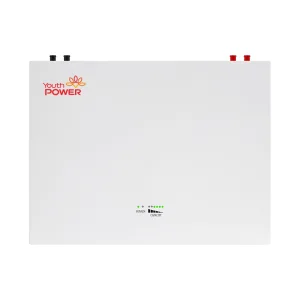
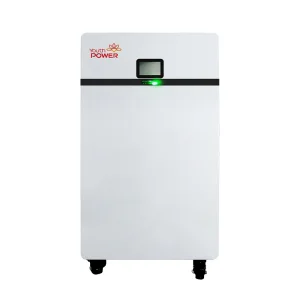
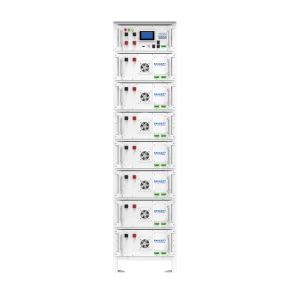
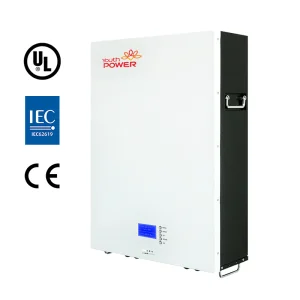
Explore our flagship lithium batteries engineered for off-grid architectures, residential ESS, and industrial configurations.
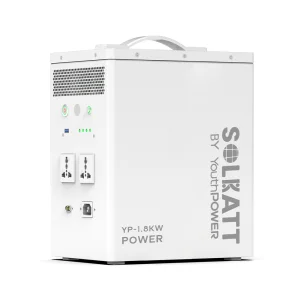
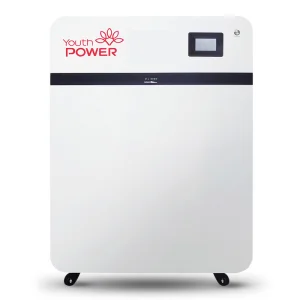
Unveiling the strategic importance, market growth vectors, and chemical specifications driving the 50Ah format factor.
Historically, large-scale utility systems favored massive 280Ah and 320Ah prismatic cells, while consumer electronics relied on small cylindrical formats (18650, 21700). The 50Ah format represents a crucial engineering equilibrium. It offers a moderate weight profile, excellent modular scalability, and superior thermal dissipation properties compared to larger blocks.
Ideal for setting up series-parallel configurations ranging from 24V, 48V, up to high-voltage 409V networks. Offers micro-grid flexibility without complex thermal balancing architectures.
Lower thermal runaway triggers compared to higher-capacity configurations. Enables tighter packing parameters within high-density rack cabinets.
Equipped with modern Battery Management Systems (BMS), these systems comfortably yield over 6,000 charge-discharge cycles at 80% Depth of Discharge (DoD).
A data-backed comparative breakdown of the two prevailing lithium chemistries utilized in global distribution networks.
| Performance Metrics | 50Ah LiFePO4 (LFP) | 50Ah NMC (Nickel Manganese Cobalt) | Industrial Winner |
|---|---|---|---|
| Nominal Voltage | 3.2V per cell (typically 12.8V / 51.2V packs) | 3.7V per cell (typically 14.8V / 48V packs) | LiFePO4 (Voltage Stability) |
| Cycle Life (80% DoD) | 4,000 - 8,000 Cycles | 1,500 - 3,000 Cycles | LiFePO4 |
| Thermal Runaway Temperature | 270°C (Extremely Safe) | 210°C (Requires Active Cooling) | LiFePO4 |
| Energy Density | 140 - 160 Wh/kg | 200 - 250 Wh/kg | NMC (Weight Constrained Systems) |
| Material Cost Index | Lower (No Cobalt/Nickel dependencies) | Higher (Volatile Raw Material Pricing) | LiFePO4 |
Why Tier-1 Chinese manufacturers dictate global benchmarks for delivery speed, cost structures, and customized OEM quality.
When assessing 50Ah battery prices, regional manufacturing infrastructure plays a dominant role. Chinese factories leverage vertically integrated supply chains. This means raw lithium extraction, cathode fabrication, electrolyte synthesis, and automated assembly plants are clustered within geographic hubs (such as Guangdong and Jiangsu).
This industrial concentration eliminates inter-continental shipping logistics for components and drastically minimizes the Bill of Materials (BOM) cost. For global enterprise clients, purchasing from Chinese manufacturing specialists unlocks:
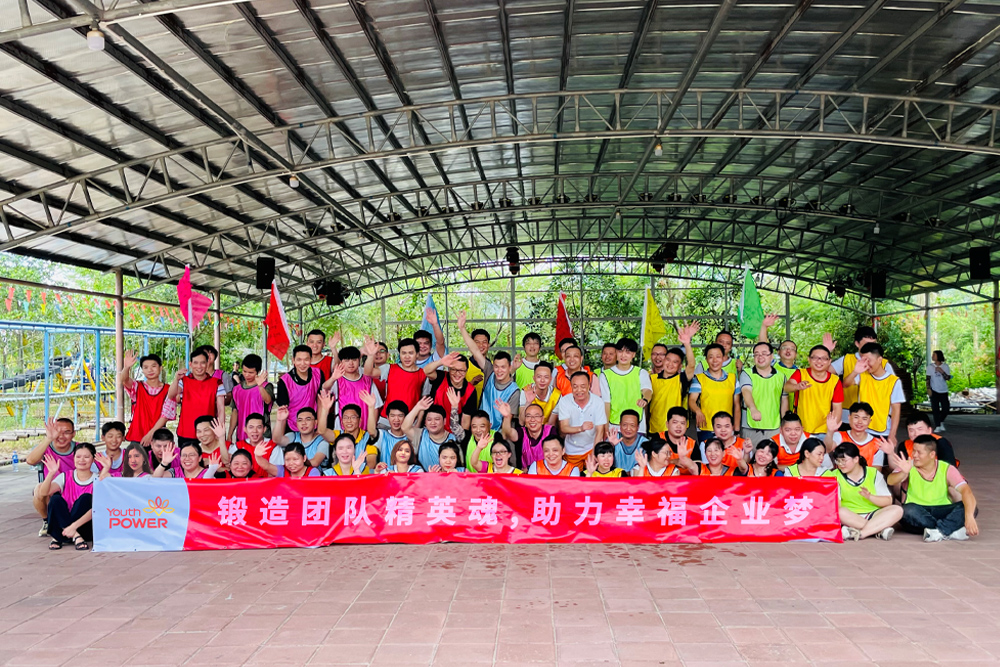
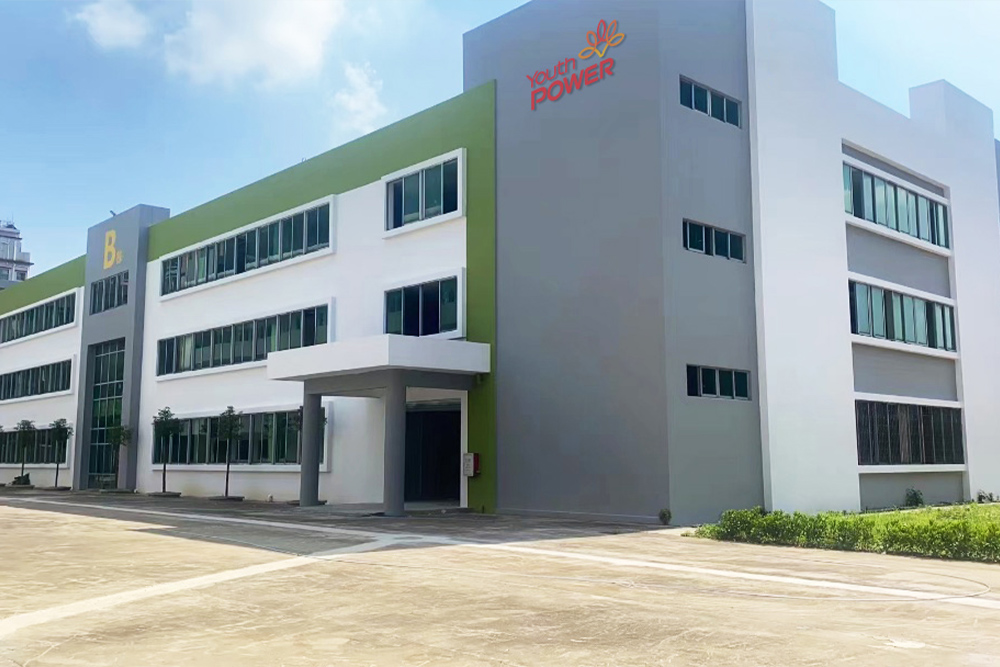
A global pioneer in energy storage systems with over two decades of technical evolution.
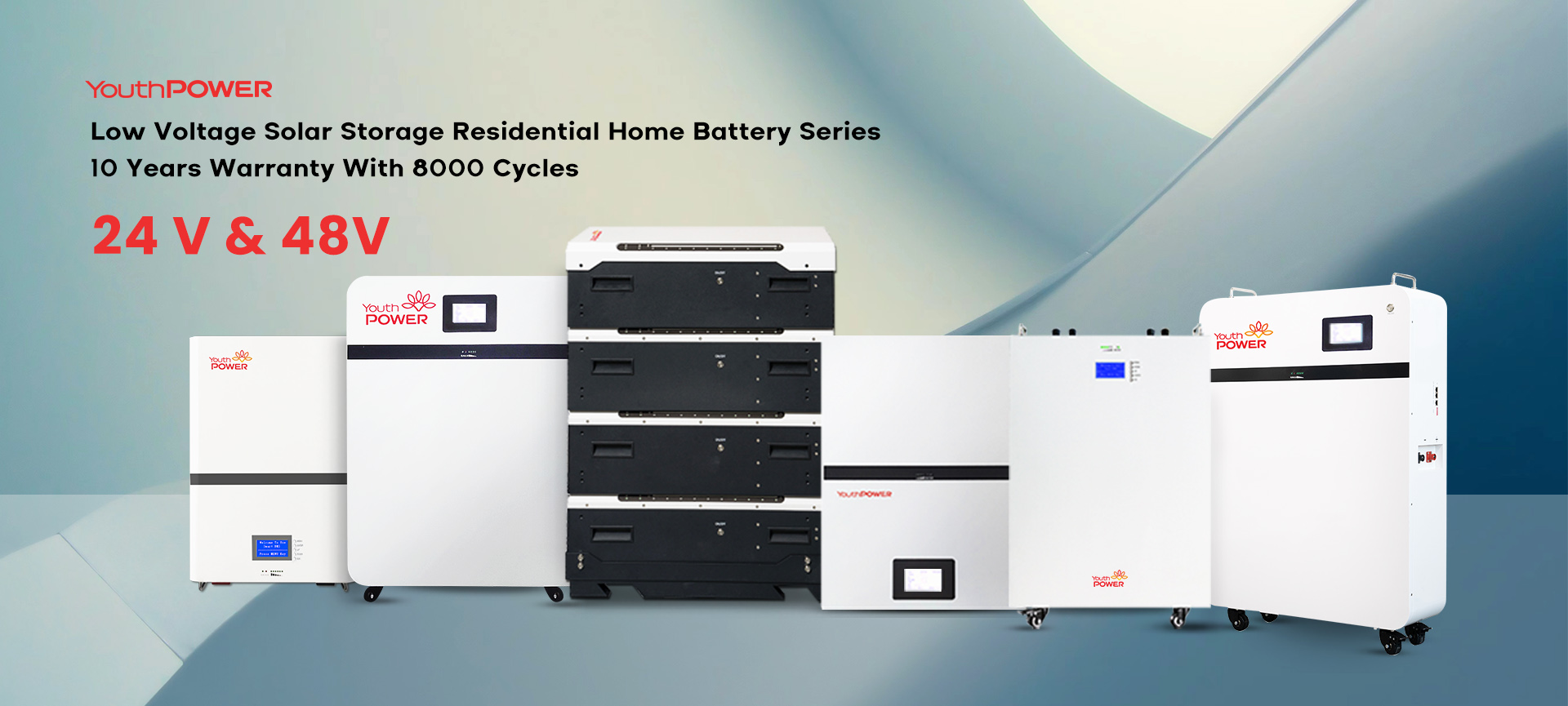
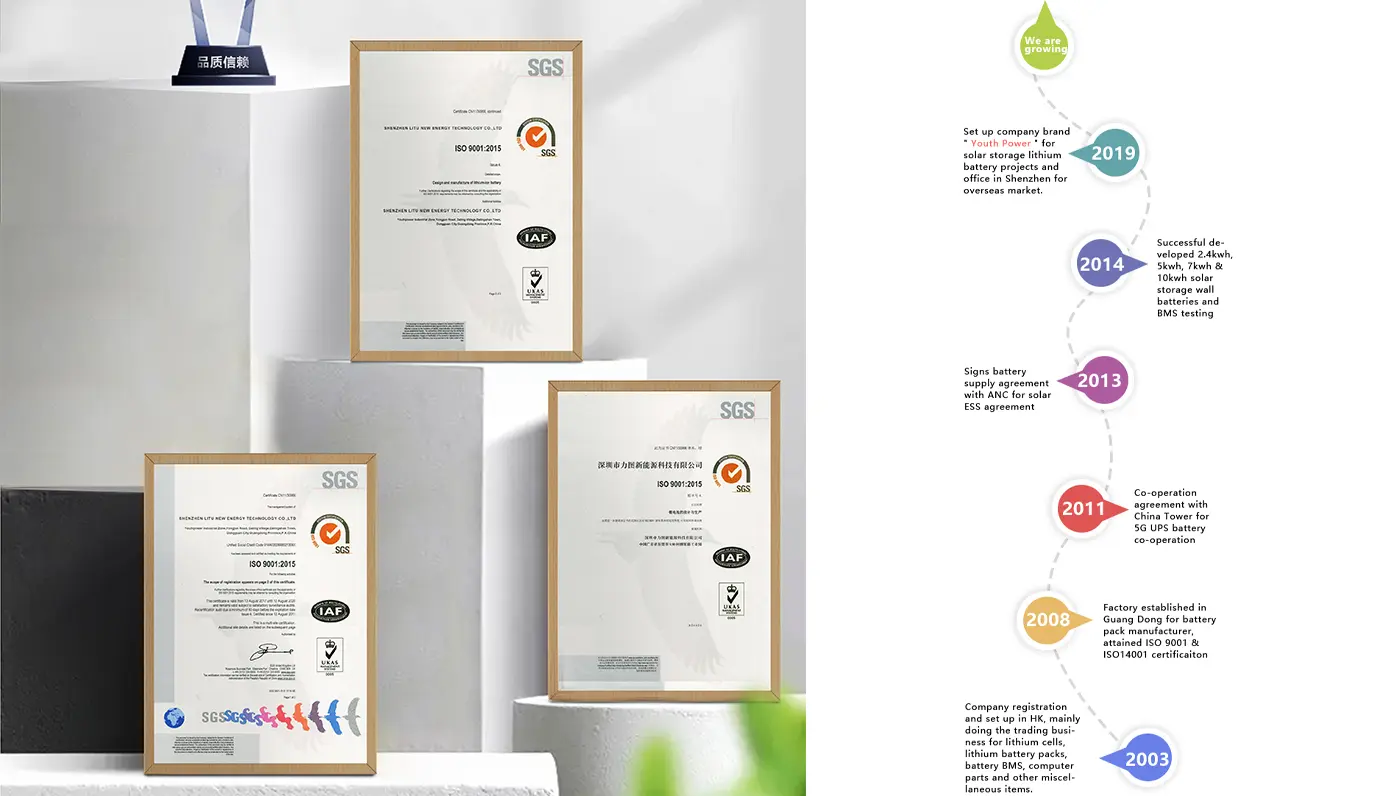
Founded in 2003, YouthPOWER has now become one of the leading suppliers of solar storage lithium batteries in the world. With a broad range of energy storage solutions, it covers a series of 24V, 48V and higher voltage lithium batteries solutions.
YouthPOWER has engaged in the battery technology and production for almost 20 years, with abundant manufacturing experience and strong new product R & D capability. Through many years of hard work and market promotion, we have created our own brand "YouthPOWER" in 2019.
With nearly 20 years’ experience in the battery industry, we have the capability to provide you with both the products you need and the most suitable products you want. We are always ready to supply the first-class products and meet the various needs of the customers.
We have established good business relationships with our customers from all over the world. And we have a good cooperation with all our customers as well for many years running. Supported by our local vendors of raw materials, we can certainly offer you the best prices.
We are so proud that YouthPOWER has offered the reliable solar storage solution for over 1,000,000 families now in the world.
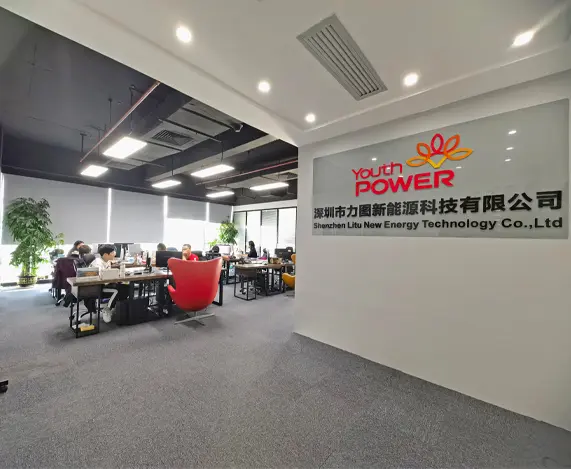
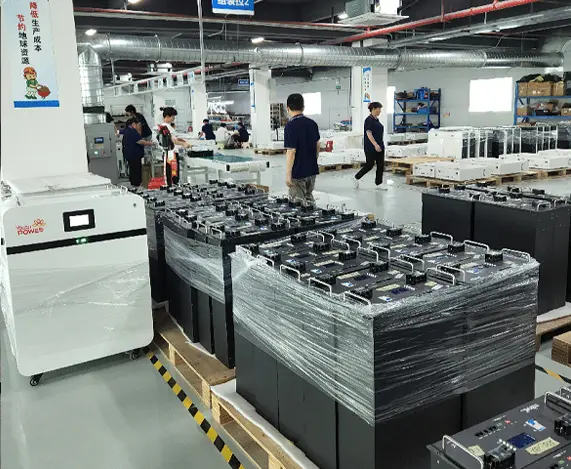
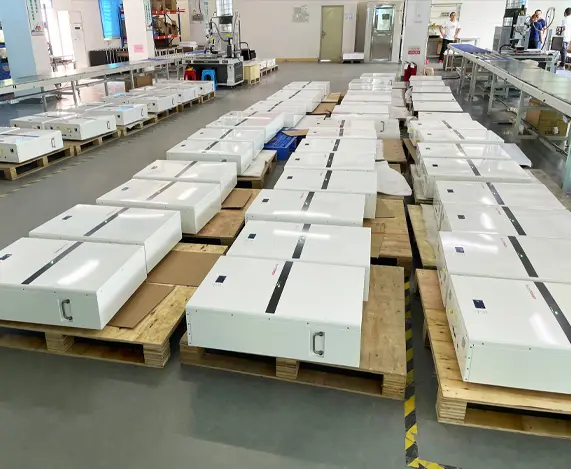
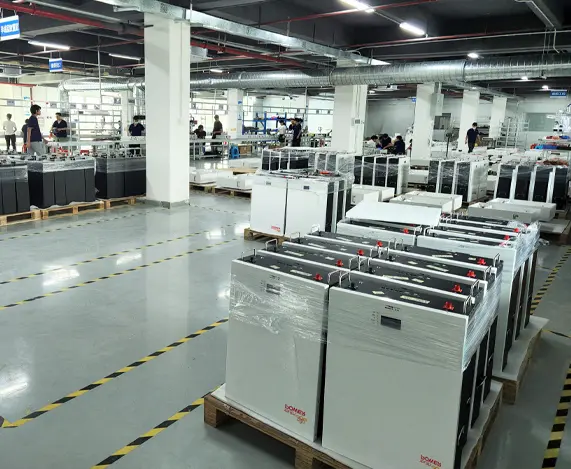
A linear visual timeline chronicling the industrial expansion, technology milestones, and global operations scaling.
Deep insight into how manufacturing overheads, material purity, and volume logistics determine your final project quote.
Grade A cells are certified for capacity, low internal resistance deviation, and linear power delivery. Grade B cells represent production anomalies and offer lower prices but exhibit 30% faster degradation rates.
Standard BMS units offer fundamental over-charge and short-circuit shielding. Advanced CAN/RS485/Bluetooth smart BMS integrations scale prices slightly but ensure compatibility with multi-inverter architectures.
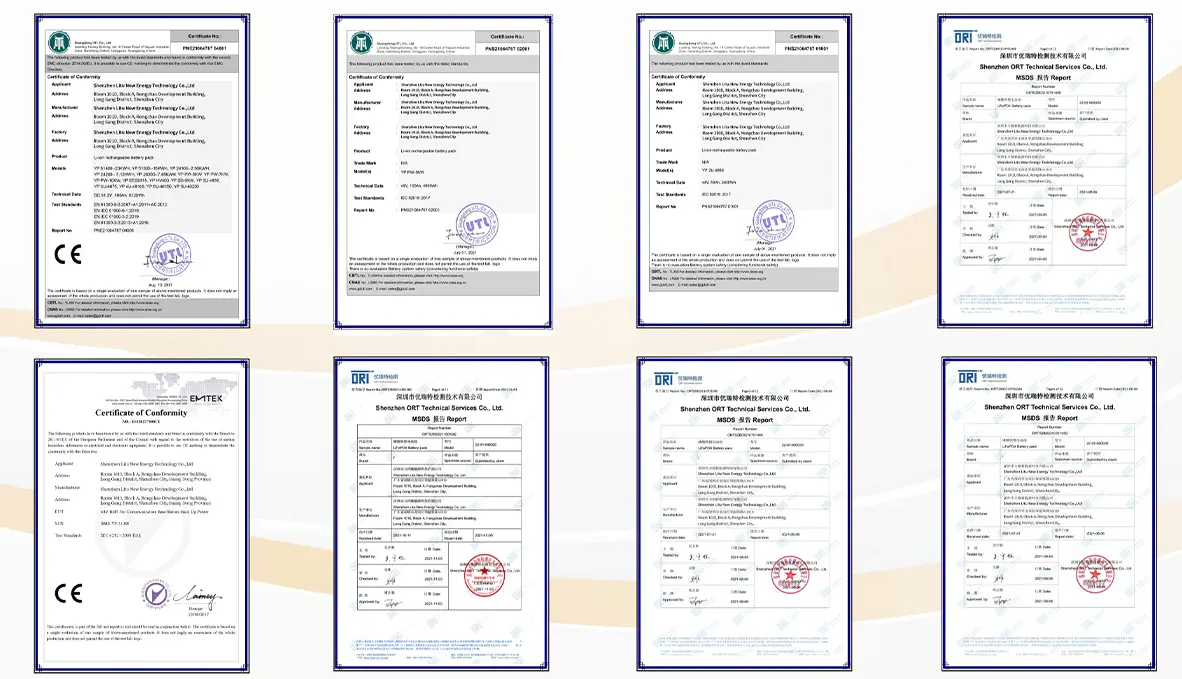
Compliance tests (UL 1973, IEC 62619, UN 38.3) represent significant upfront manufacturing costs. Verified compliance avoids customs bottlenecks and qualifies systems for regional government tax incentives.
Analyzing how specific regions deploy modular lithium setups to address local infrastructure challenges.
Utility Ancillary Systems & RV Solar: Relies on 50Ah/12.8V modules for off-grid RV integration, ensuring high current delivery for air conditioning start-ups without heavy weight footprints.
Residential Balcony Solar (ESS): Urban spaces utilize micro energy storage systems (like YouthPOWER's Balcony Solar ESS) to store grid-tied solar during peak sunshine, lowering monthly municipal power expenses.
Telecom Tower Standby & Off-Grid Microgrids: Telecom base stations deploy rack-mounted 48V/50Ah or high-voltage cabinets to counter grid instability, reducing reliance on costly diesel generators.
Answering high-intent commercial and technical queries directly from our engineering team.
Explore our high-voltage and large-scale industrial storage systems, designed to easily scale from kilowatt hours to megawatt grids.
 YouthPOWER