Explore our premium range of commercial and industrial battery systems manufactured to optimize the Levelized Cost of Storage (LCOS).
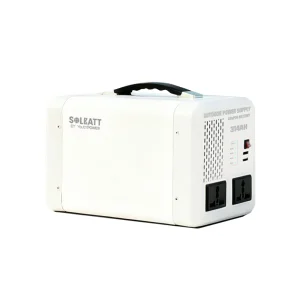
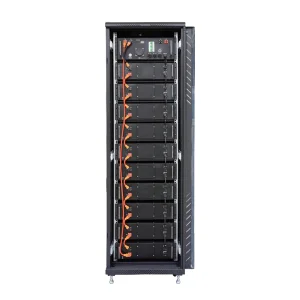
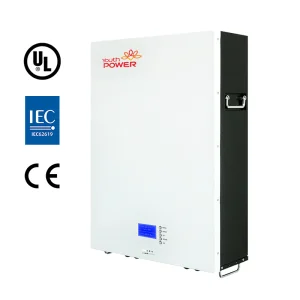
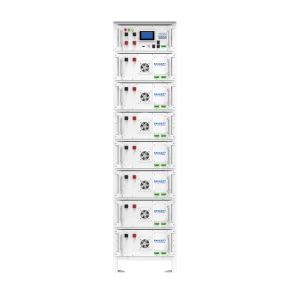
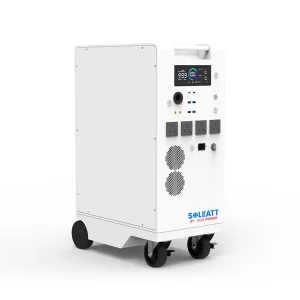
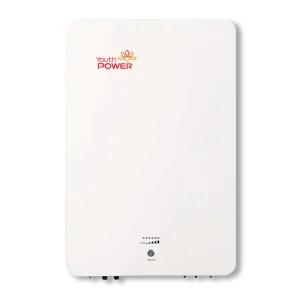
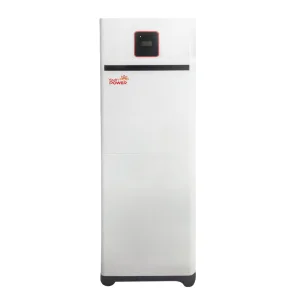
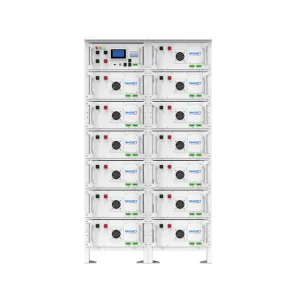
The transition toward a decarbonized power grid is heavily dependent on the scalability and financial viability of utility-scale and commercial Battery Energy Storage Systems (BESS). When evaluating the cost of battery storage per kWh, stakeholders must analyze the dynamic factors shaping global energy markets. With wind and solar power generation reaching record capacities, grid volatility has increased. Battery storage acts as the primary stabilizing element, addressing frequency regulation, load management, and voltage control.
At a macro level, the reduction in battery costs is driven by manufacturing efficiencies, supply chain integration, and technological developments in lithium iron phosphate (LFP) chemistry. Historically, NMC (Nickel Manganese Cobalt) dominated the ESS landscape. Today, LFP has emerged as the preferred chemistry for stationary applications due to its longer cycle life, superior thermal stability, and lower material costs. As production facilities scale up to meet regional targets, localized supply chains play a key role in reducing geopolitical transit risks and mitigating tariff impacts.
Many commercial buyers make the mistake of evaluating storage systems solely on initial Capital Expenditure (CapEx) per kWh. A more comprehensive financial model relies on the Levelized Cost of Storage (LCOS). LCOS calculates the total cost of energy discharged over the system's operational lifetime, accounting for upfront procurement, installation, operational costs, replacement costs, and charging power costs.
| Cost Factor | CapEx Centric View | LCOS Centric View (Recommended) | |
|---|---|---|---|
| Primary Focus | Initial system price ($/kWh) | Lifetime cost per delivered MWh ($/MWh) | Long-term energy management metrics |
| Battery Longevity | Often overlooked or simplified | Degradation rates and cycle life factored in | Ensures accurate multi-year financial projections |
| Efficiency Considerations | Nominal system capacity | Round-Trip Efficiency (RTE) loss calculated | Tracks actual input-to-output power ratios |
| Maintenance & OpEx | Not included in basic pricing | Includes HVAC cooling, BMS updates, and replacements | Mitigates unexpected maintenance expenses |
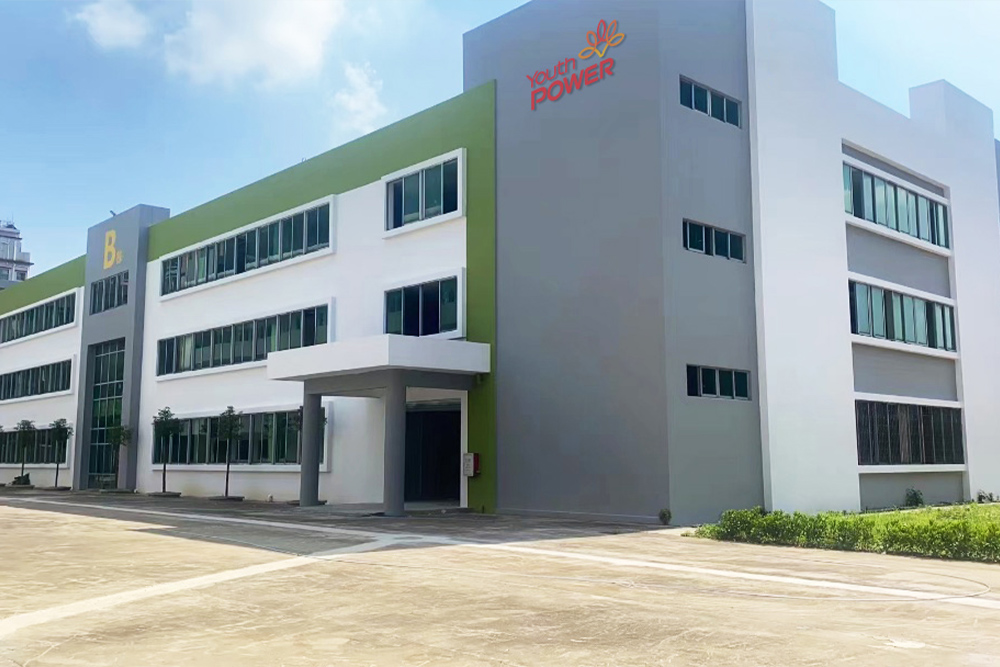
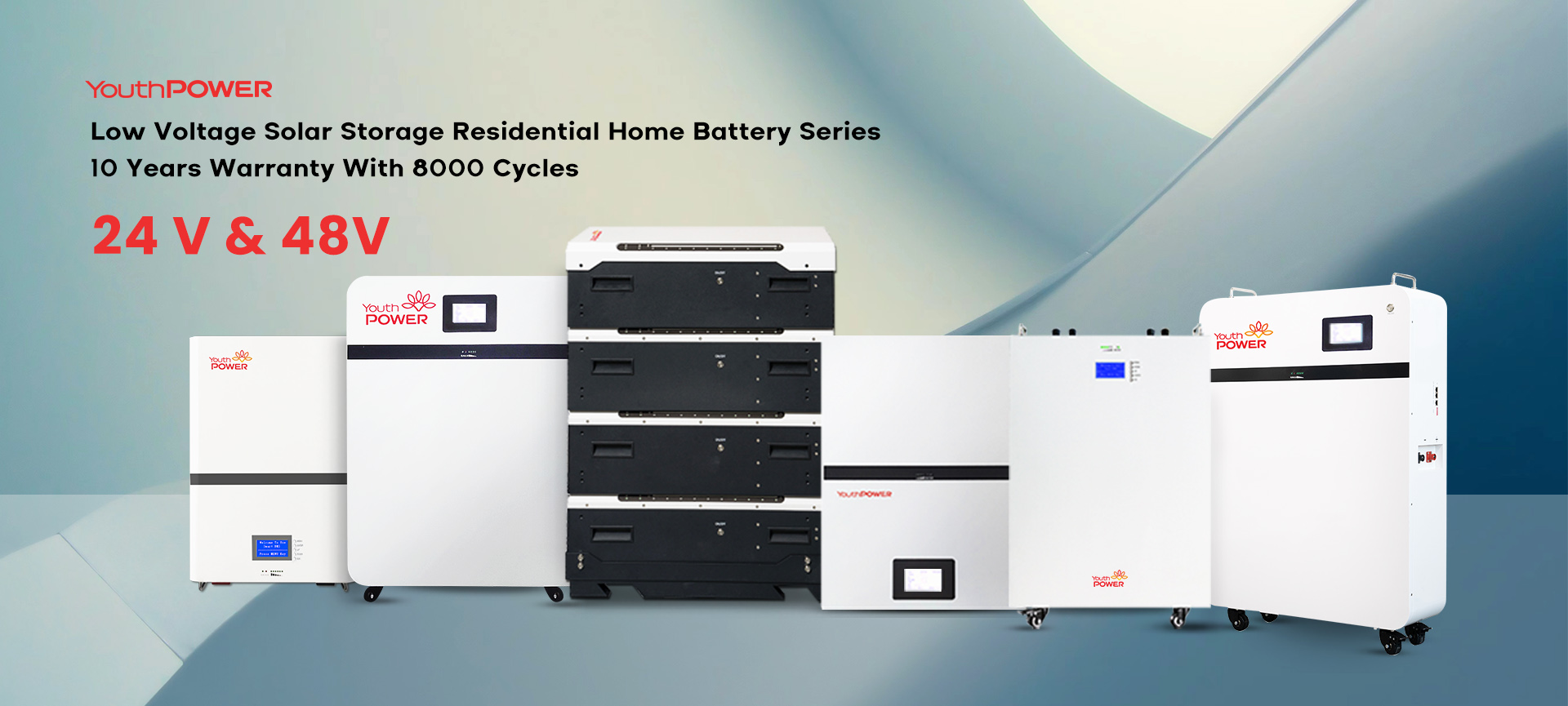
Founded in 2003, YouthPOWER has now become one of the leading suppliers of solar storage lithium batteries in the world. With a broad range of energy storage solutions, it covers a series of 24V, 48V and higher voltage lithium batteries solutions.
YouthPOWER has engaged in the battery technology and production for almost 20 years, with abundant manufacturing experience and strong new product R&D capability. Through many years of hard work and market promotion, we have created our own brand "YouthPOWER" in 2019.
With nearly 20 years’ experience in the battery industry, we have the capability to provide you with both the products you need and the most suitable products you want. We are always ready to supply the first-class products and meet the various needs of the customers.

Establishment of the production facility, focusing on early-stage electrochemical storage cells and industrial power applications.
Transition to advanced lithium-ion and LiFePO4 chemical formulations, optimizing cell cycle lifetime and thermal runaway parameters.
Launch of the global brand "YouthPOWER", integrating R&D, manufacturing, and international localized support networks.
Providing reliable solar storage solutions for over 1,000,000 families worldwide, with standard and custom commercial systems.

C&I operations face rising demand charges, grid instability, and pressure to reduce carbon footprints. The installation of a localized BESS provides a clear path to financial savings through Peak Shaving, Load Shifting, and Backup Power.
By storing energy when rates are low and discharging it during peak demand windows, companies can significantly reduce peak utility charges. In regions like California, Germany, and Australia, demand charges can constitute up to 50% of an industrial plant's monthly utility bill. A properly sized LiFePO4 battery storage system can yield payback periods of less than five years.
Reduces maximum energy demand on the grid, lowering monthly utility demand charges.
Stores low-cost grid energy off-peak and discharges it during high-tariff periods.
Ensures continuous operations during grid outages, protecting automated assembly lines.
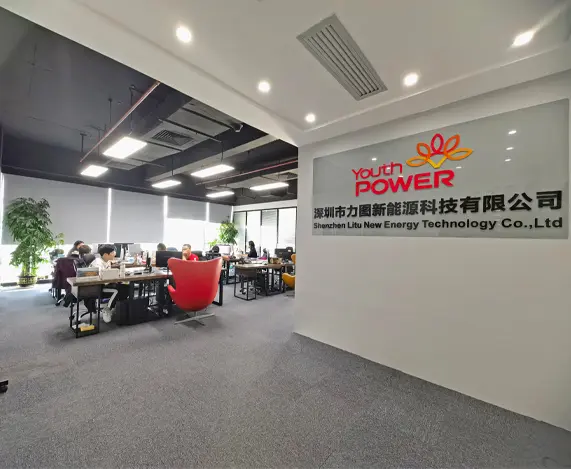
We have established good business relationships with our customers from all over the world. And we have a good cooperation with all our customers as well for many years running. Supported by our local vendors of raw materials, we can certainly offer you the best prices.
We are so proud that YouthPOWER has offered the reliable solar storage solution for over 1,000,000 families now in the world. Our engineering and technical teams are ready to support your custom projects, providing system design, local certification documentation, and commissioning guidelines.
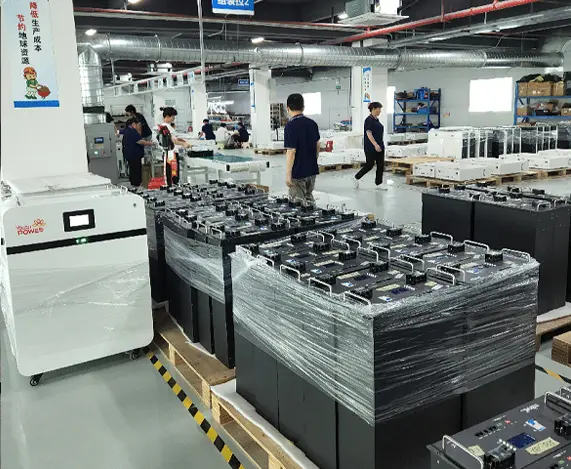
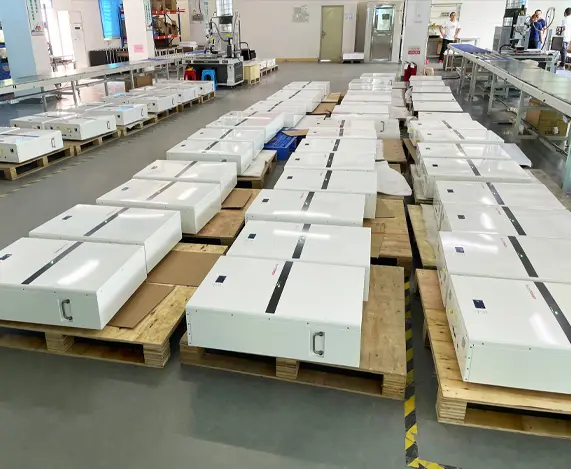
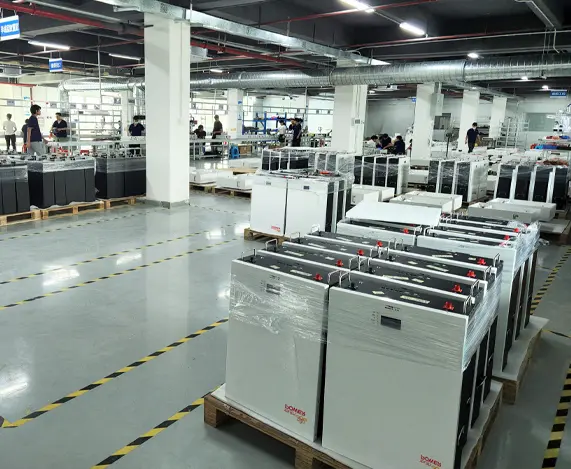
As the global demand for energy storage scales, technology requirements are shifting. YouthPOWER's technical roadmap focuses on three areas: advanced chemistry integration, smart thermal management, and comprehensive system safety certifications.
Our engineering team focuses on maximizing energy density while ensuring long cycle life. Modern LiFePO4 cells are engineered with specialized cathode coatings to mitigate degradation during high C-rate charging and discharging. Additionally, our intelligent Battery Management Systems (BMS) continuously monitor parameters like voltage, temperature, and current at the individual cell level, preventing potential issues before they arise.
Liquid cooling and active airflow cooling configurations maintain cell operating temperatures within the optimal window (+15°C to +35°C), extending system life by 20%.
Integrated PCS (Power Conversion Systems) support Modbus TCP, CAN, and RS485 protocols, enabling control by external energy management systems (EMS).
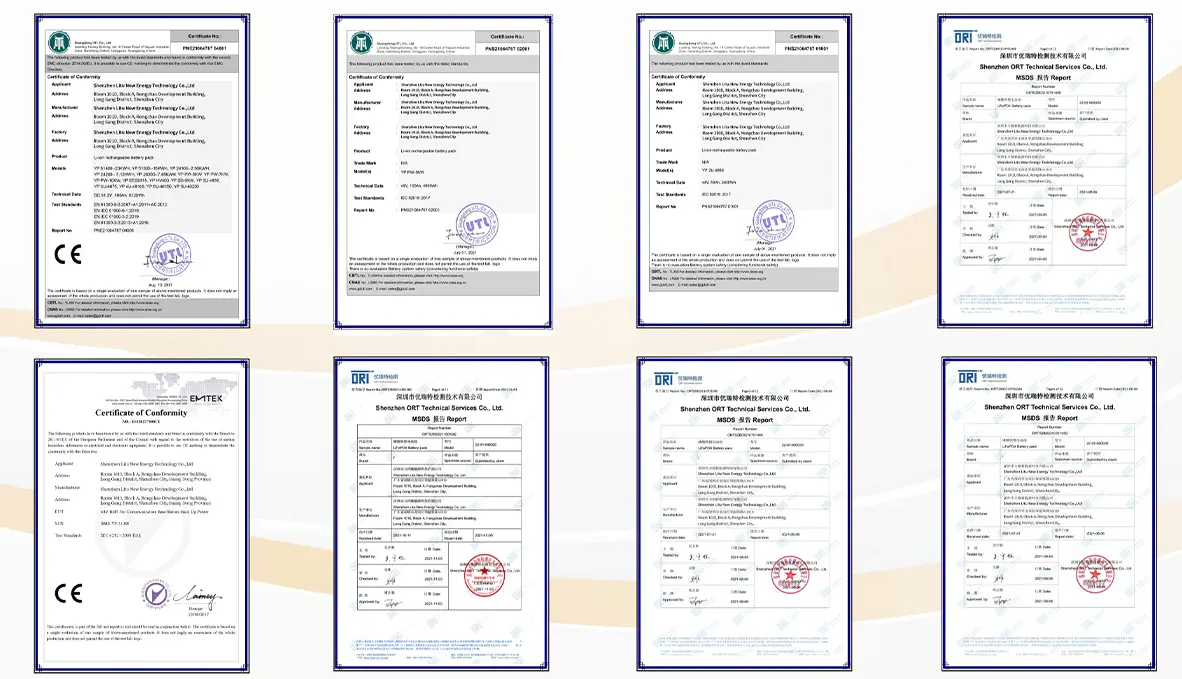
Our solutions comply with UL1973, UL9540A, CE, UN38.3, and IEC62619 standards, simplifying local grid approvals and interconnection permissions.
Answers to common questions regarding LCOS, battery storage procurement, and factory evaluation.
To calculate the lifetime cost, use the Levelized Cost of Storage (LCOS) formula: LCOS = (Initial Capital Cost + Lifetime Operations & Maintenance Costs + Charging Cost) / Total Energy Discharged over lifetime. This accounts for system degradation, battery round-trip efficiency, and local electricity tariffs, providing a more accurate metric than simple upfront CapEx.
High voltage systems (typically 400V to 800V+) reduce current levels for the same power output. This minimizes losses in the wiring (since resistive loss is proportional to current squared), allows for thinner, less expensive cabling, and increases overall conversion efficiency when pairing with commercial three-phase hybrid inverters.
While NMC (Nickel Manganese Cobalt) offers higher energy density, LiFePO4 (Lithium Iron Phosphate) offers twice the cycle life (often 6,000+ cycles compared to NMC's 3,000 cycles), superior thermal runaway safety, and does not depend on cobalt, reducing supply chain risks and environmental impact.
Extreme temperatures accelerate battery degradation and reduce usable capacity. Systems in harsh environments require heating or air-cooling systems. Liquid-cooled containers, though requiring more upfront investment, keep temperatures uniform and reduce long-term operational costs by preserving cycle life.
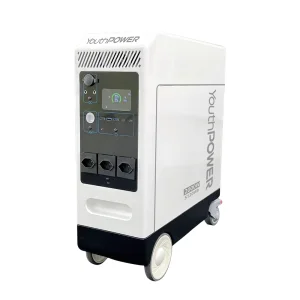
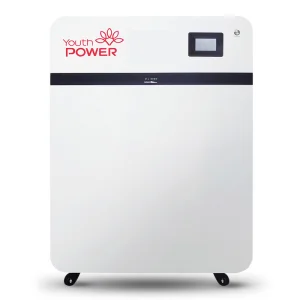
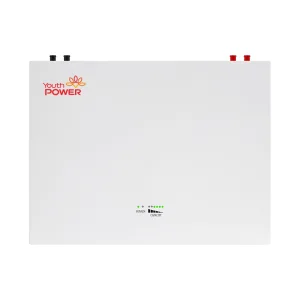
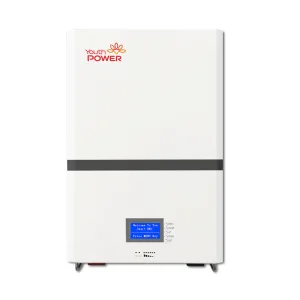
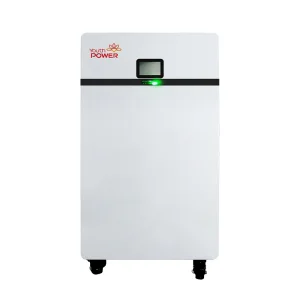
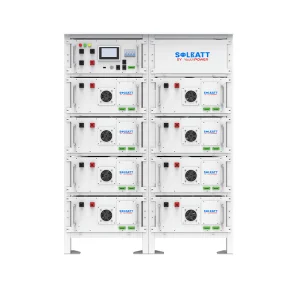
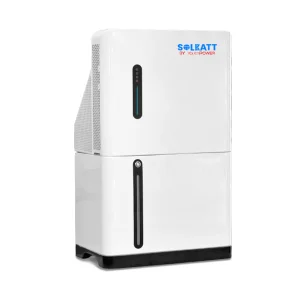
Explore our high-voltage battery modules, home powerwall systems, and smart portable power generators designed for reliable operations.
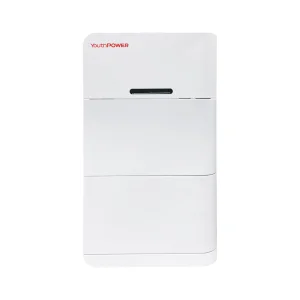
 YouthPOWER