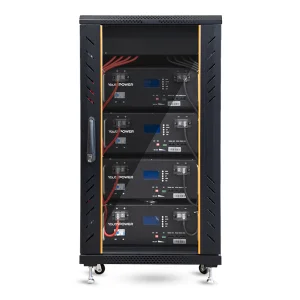
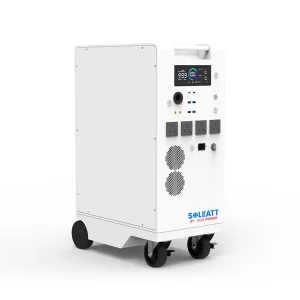
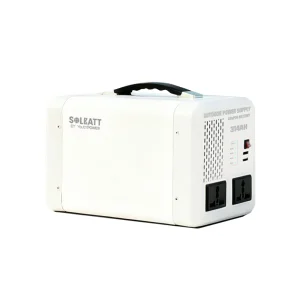
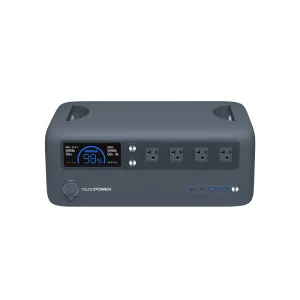
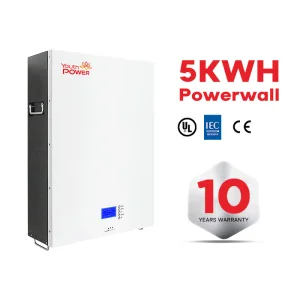
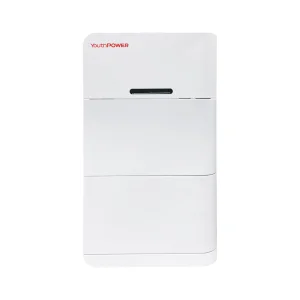
Explore our premium factory-direct home energy storage battery packs, engineered for long life cycles, safety, and seamless hybrid inverter compatibility.
The global residential energy transition has hit a critical inflection point. Driven by grid instability, skyrocketing retail electricity rates, and net-metering phase-outs (such as California's NEM 3.0 or similar policy shifts in the EU), residential energy storage systems (ESS) are no longer just auxiliary backup configurations. Modern home batteries have evolved into complex, software-driven, decentralized mini-power assets. To maximize ROI, global procurement managers, solar developers, and importers must understand the underlying factory economics, technological performance envelopes, and strategic supply chain factors that govern the market today.
SEO Insight & Technical Trend: Modern buyers are prioritizing high-voltage (HV) stacked battery configurations over traditional low-voltage (48V/51.2V) parallel configurations. HV topologies operate at lower current thresholds, reducing cable resistance heat losses, minimizing copper usage, and boosting round-trip efficiency (RTE) from 89% to above 95%.
At the center of any home battery pricing equation is the raw battery cell. The market is dominated by Lithium Iron Phosphate (LiFePO4 or LFP) chemistry. LFP is chosen over Nickel Manganese Cobalt (NMC) due to its high thermal runaway threshold (approx. 270°C vs 210°C), absence of cobalt (ethical procurement), and superior cycle lifespan. While NMC averages around 1,500 to 2,000 cycles, Grade-A LFP cells easily yield 6,000+ cycles at 80% Depth of Discharge (DoD) under nominal operating parameters.
From a manufacturing standpoint, cell balancing is critical. Factories like YouthPOWER implement strict testing for internal resistance (IR) and open-circuit voltage (OCV) differentials. Even a tiny deviation of 0.05V in cell capacity within a single 51.2V stack can lead to early capacity degradation and premature BMS-level cut-offs. Our production line uses micro-level capacity classification to keep variance under 5mV, ensuring optimal performance over a 10-to-15-year operational lifecycle.
What determines the factory-gate price of home battery storage? It is primarily driven by three cost centers: the cells (approximately 55-60% of total BOM), the Battery Management System (BMS - 15%), and structural/thermal containment (15%), with the remainder attributed to logistics, certification amortization, and testing overhead. B2B buyers must beware of artificially cheap price tags. Factory-gate pricing under $120/kWh at the system level often suggests the use of Grade-B or repurposed EV cells. While these might pass initial tests, they quickly degrade in capacity and present higher long-term warranty risks.
Purchasing directly from seasoned Chinese factories guarantees access to the deep integration benefits of the world's most mature battery ecosystem. By localizing cell fabrication, active material extraction, circuit assembly, and precision stamping in one ecosystem, specialized factories like YouthPOWER offer direct cost-per-kWh advantages without compromising on critical safety protocols.
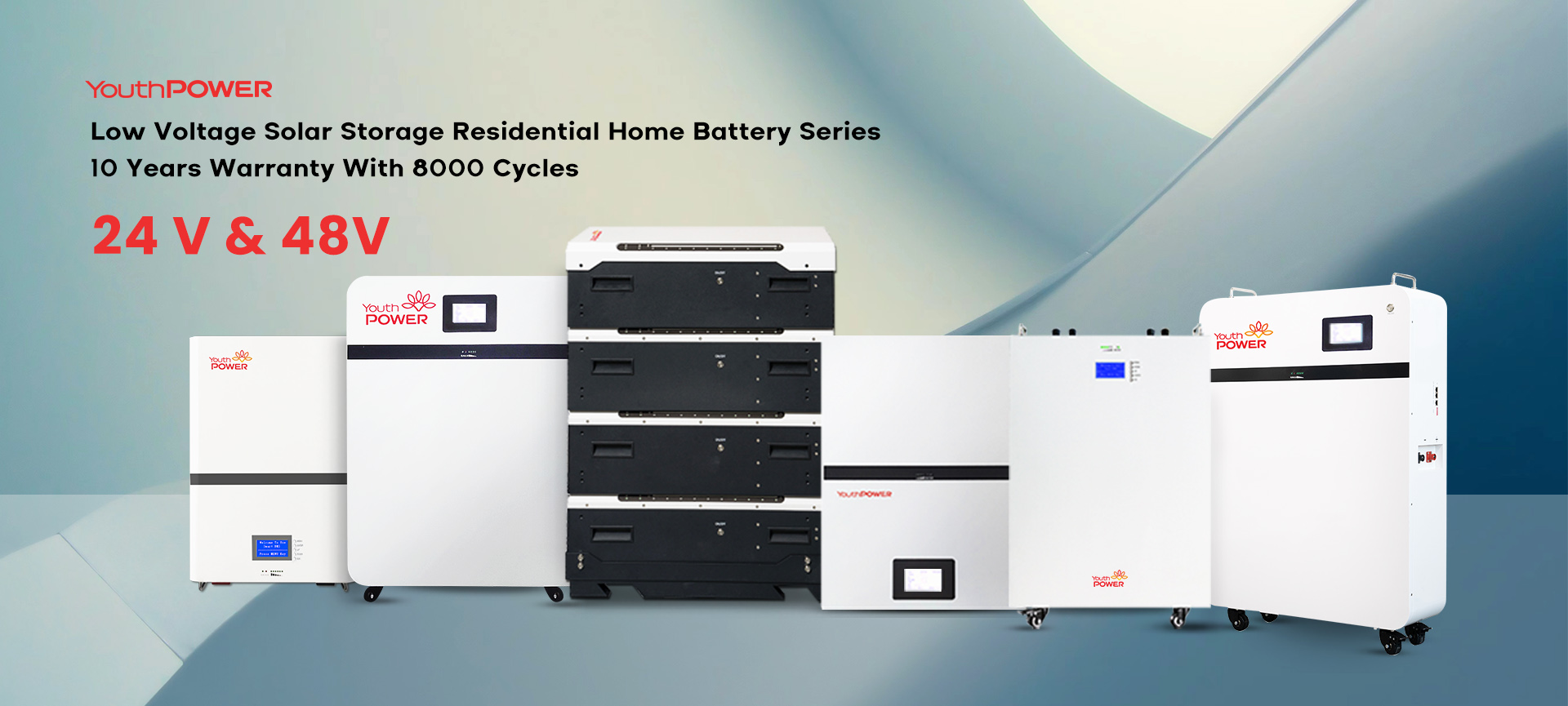
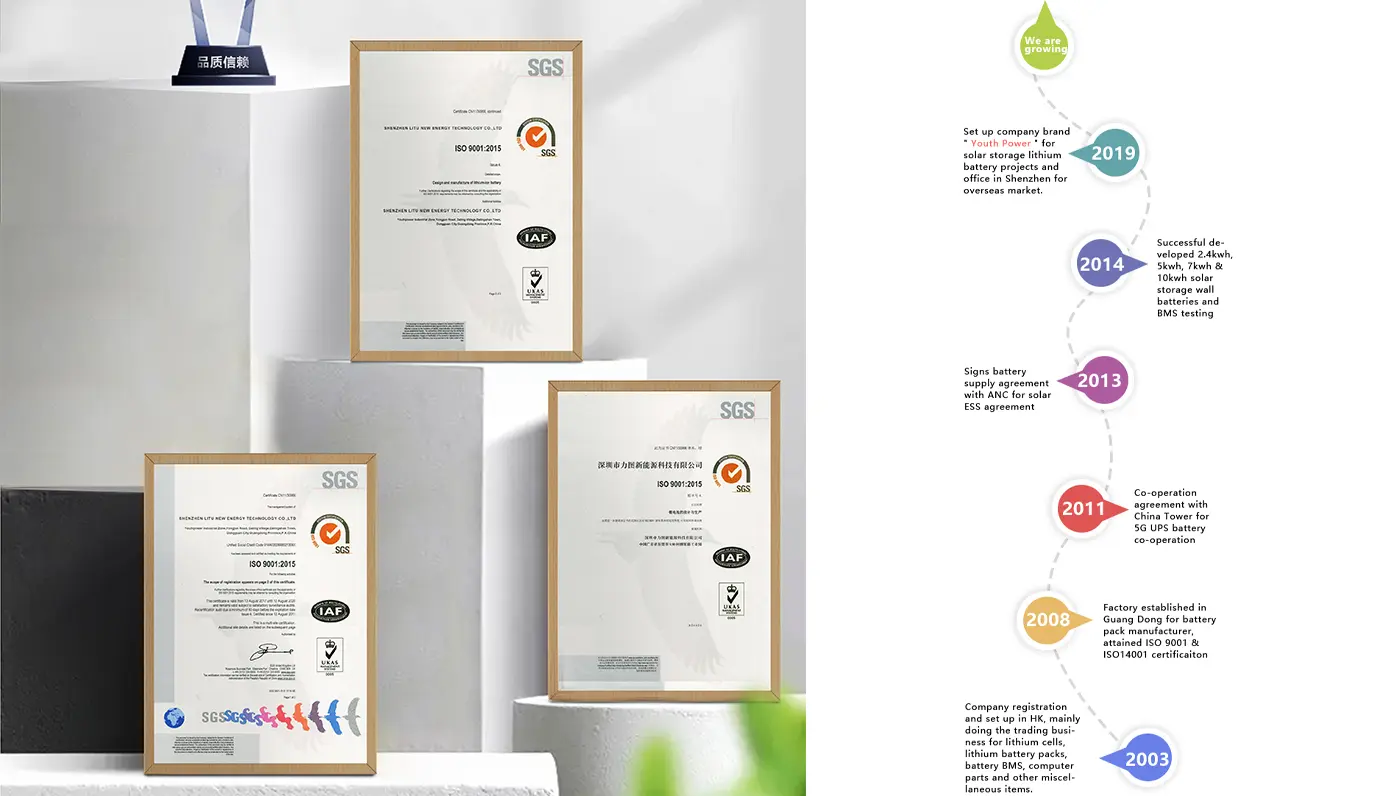
Founded in 2003, YouthPOWER has now become one of the leading suppliers of solar storage lithium batteries in the world. With a broad range of energy storage solutions, it covers a series of 24V, 48V and higher voltage lithium batteries solutions.
YouthPOWER has engaged in the battery technology and production for almost 20 years, with abundant manufacturing experience and strong new product R & D capability. Through many years of hard work and market promotion, we have created our own brand "YouthPOWER" in 2019.
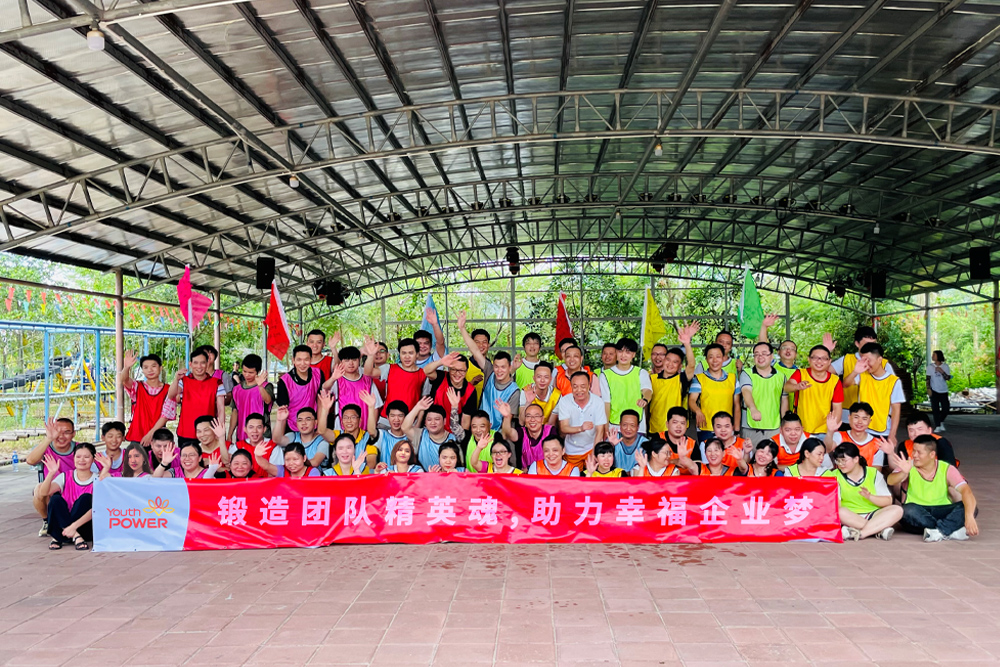
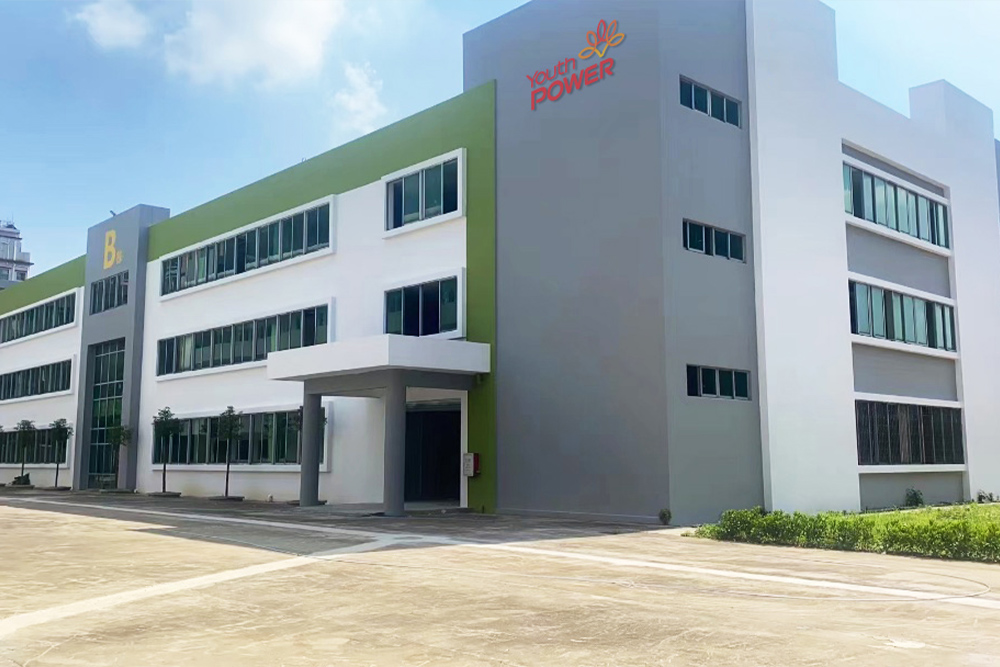
Why China remains the global benchmark for raw material processing, manufacturing efficiency, and price-to-performance optimization in residential ESS.
Over 75% of global lithium refining and cathode precursor production is centralized in China. Local factories access key raw materials without international tariff Markups, lowering production costs per watt-hour.
Chinese factories utilize automated cell assembly lines and optical laser sorting. This decreases manual installation errors, keeps cell placement accurate, and ensures stable internal resistance across large capacity arrays.
OEM/ODM configuration is a key strength. Factories offer customized BMS communication profiles (CAN/RS485/Modbus) to ensure compatibility with global inverter brands like Victron, SMA, Growatt, and Solis.
With nearly 20 years’ experience in the battery industry, we have the capability to provide you with both the products you need and the most suitable products you want. We are always ready to supply the first-class products and meet the various needs of the customers.
Supported by our local vendors of raw materials, we can certainly offer you the best prices. We are so proud that YouthPOWER has offered the reliable solar storage solution for over 1,000,000 families now in the world.
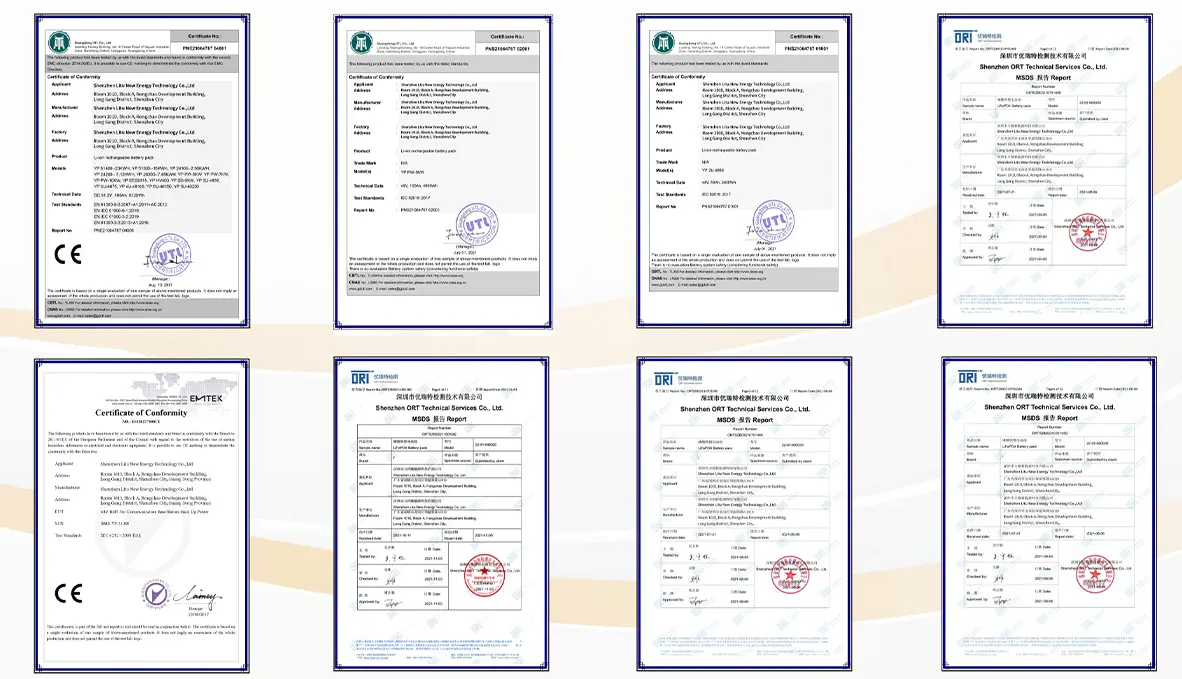
Operating in global clean energy markets requires navigating complex local grid compliance, safety certifications, and support systems. Residential energy systems must have local validation to connect to domestic microgrids. A battery without local regulatory approval can cause project installation delays or code violations during inspection.
In Europe, balcony solar systems (like Germany's *Balkonkraftwerk*) have grown rapidly. These systems plug directly into standard wall outlets. They require smaller, modular battery banks (typically 2.5kWh configurations) with integrated microinverter control loops that limit feeding excess electricity to the grid. In North America and Australia, larger-scale, off-grid, and whole-home backup configurations (10kW to 25kW, 400V high-voltage systems) dominate the market, requiring robust safety certificates like UL1973 and UL9540A to satisfy local building codes and fire safety rules.
Compliance Standard: YouthPOWER guarantees all LFP battery systems undergo rigorous safety testing. We offer products certified under CE, UN38.3, IEC62619, and UL standards to simplify import clearance and project approval for global procurement buyers.
Additionally, reliable localized technical support is key to long-term success. YouthPOWER handles this by establishing regional logistics centers and partnership hubs. This allows us to provide prompt replacements, troubleshooting support, and component replacements, giving B2B distributors and installers a secure, dependable post-sales experience.
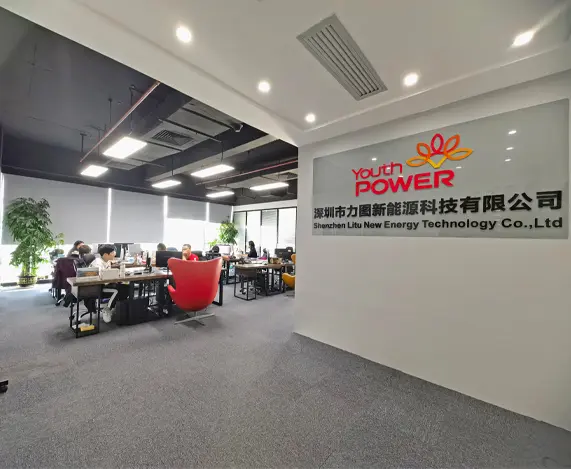
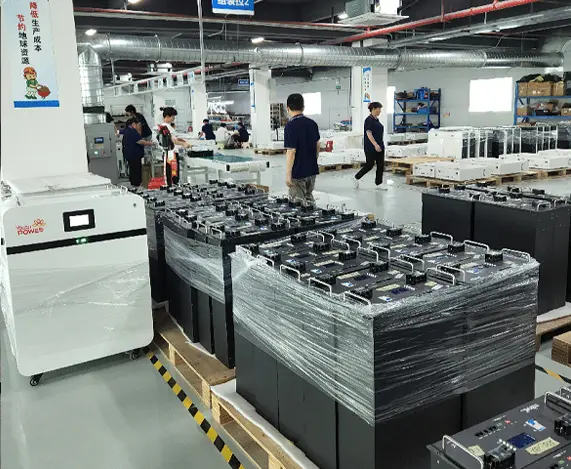
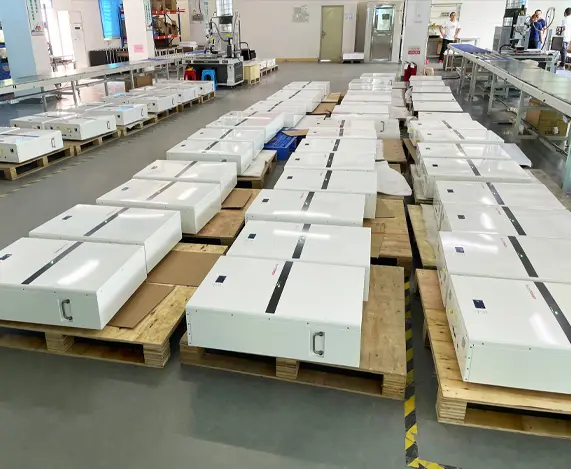
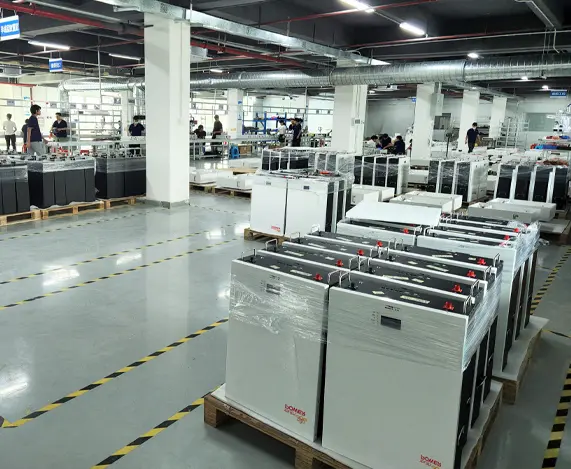
A history of battery manufacturing evolution, building reliable energy storage solutions for over two decades.
Crucial technical and procurement details to guide your sourcing decisions.
Under nominal conditions (0.5C charge/discharge cycle at 25°C, 80% Depth of Discharge), a quality Grade-A LiFePO4 pack will deliver more than 6,000 cycles before its capacity drops to 80% of its original rating. In typical home applications, this equates to 15+ years of reliable service.
Low Voltage batteries (usually 48V or 51.2V) are standard, highly compatible, and easy to install. High Voltage batteries (ranging from 150V to over 400V) offer better system efficiency, require smaller cable cross-sections, and support larger commercial loads or fast charging, though they require a compatible high-voltage hybrid inverter.
Yes. Our batteries support CAN/RS485 communications and work with most major hybrid solar inverters. We can pre-configure the BMS communication protocols at the factory to match your existing system components.
For Europe, key requirements include CE marking, compliance with IEC 62619 standards, and UN 38.3 testing for battery transport safety. For North America, batteries must meet UL 1973 standards, and complete system setups require UL 9540 or UL 9540A testing to comply with local fire safety guidelines.
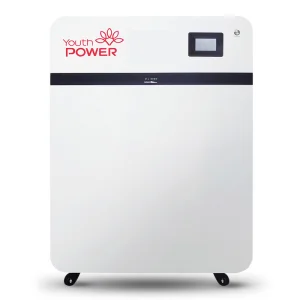
Premium high-capacity storage configurations designed for micro-grids, commercial buildings, and off-grid power stations.
 YouthPOWER