Direct sourcing catalog featuring heavy commercial batteries, modular high-voltage systems, and home storage units.
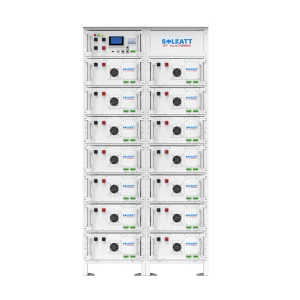
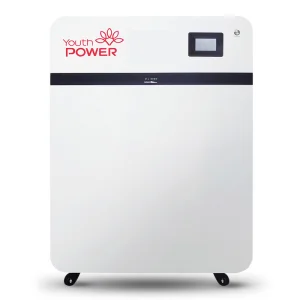
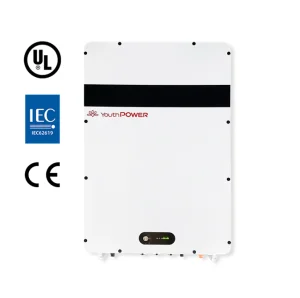
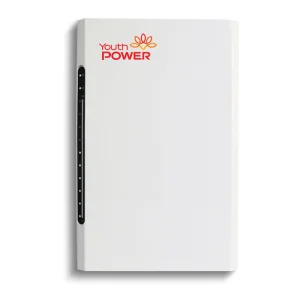
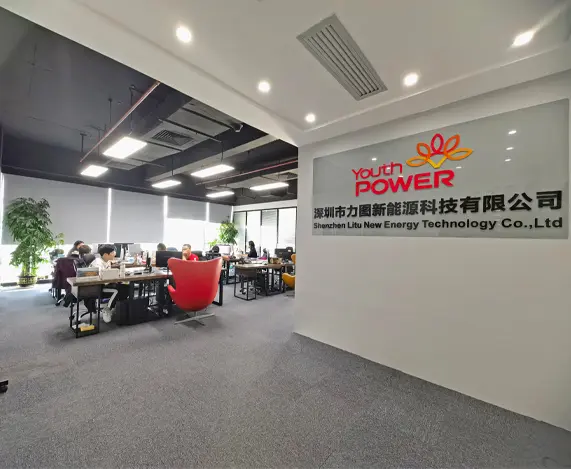
Founded in 2003, YouthPOWER has now become one of the leading suppliers of solar storage lithium batteries in the world. With a broad range of energy storage solutions, it covers a series of 24V, 48V and higher voltage lithium batteries solutions.
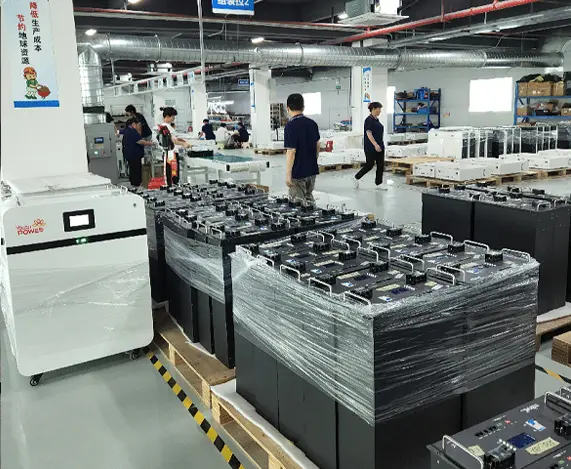
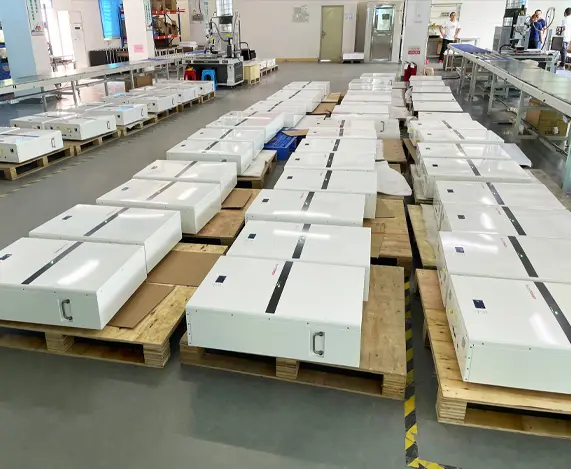
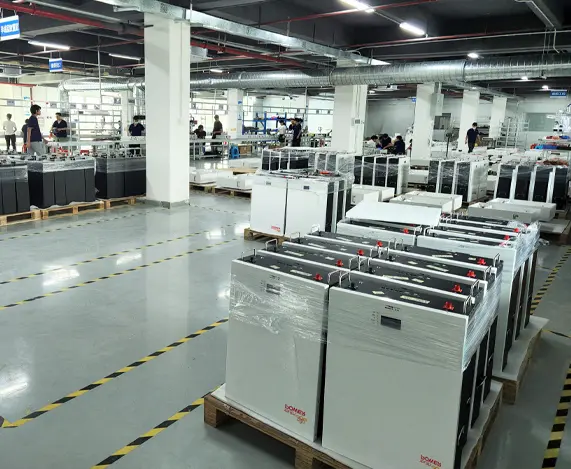
YouthPOWER has engaged in the battery technology and production for almost 20 years, with abundant manufacturing experience and strong new product R & D capability. Through many years of hard work and market promotion, we have created our own brand "YouthPOWER" in 2019.
With nearly 20 years' experience in the battery industry, we have the capability to provide you with both the products you need and the most suitable products you want. We are always ready to supply the first-class products and meet the various needs of the customers.

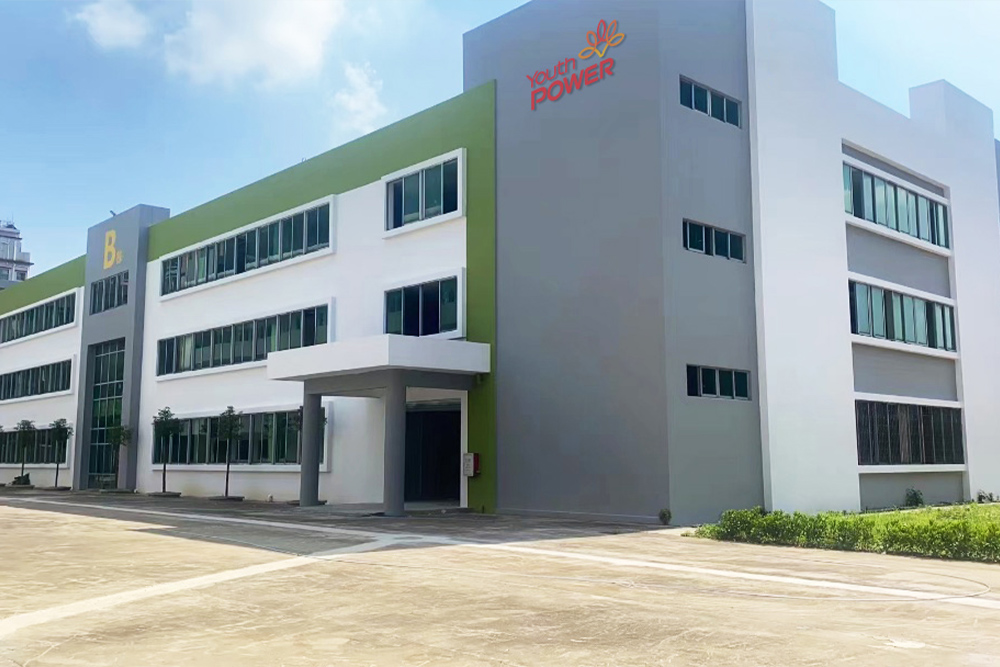
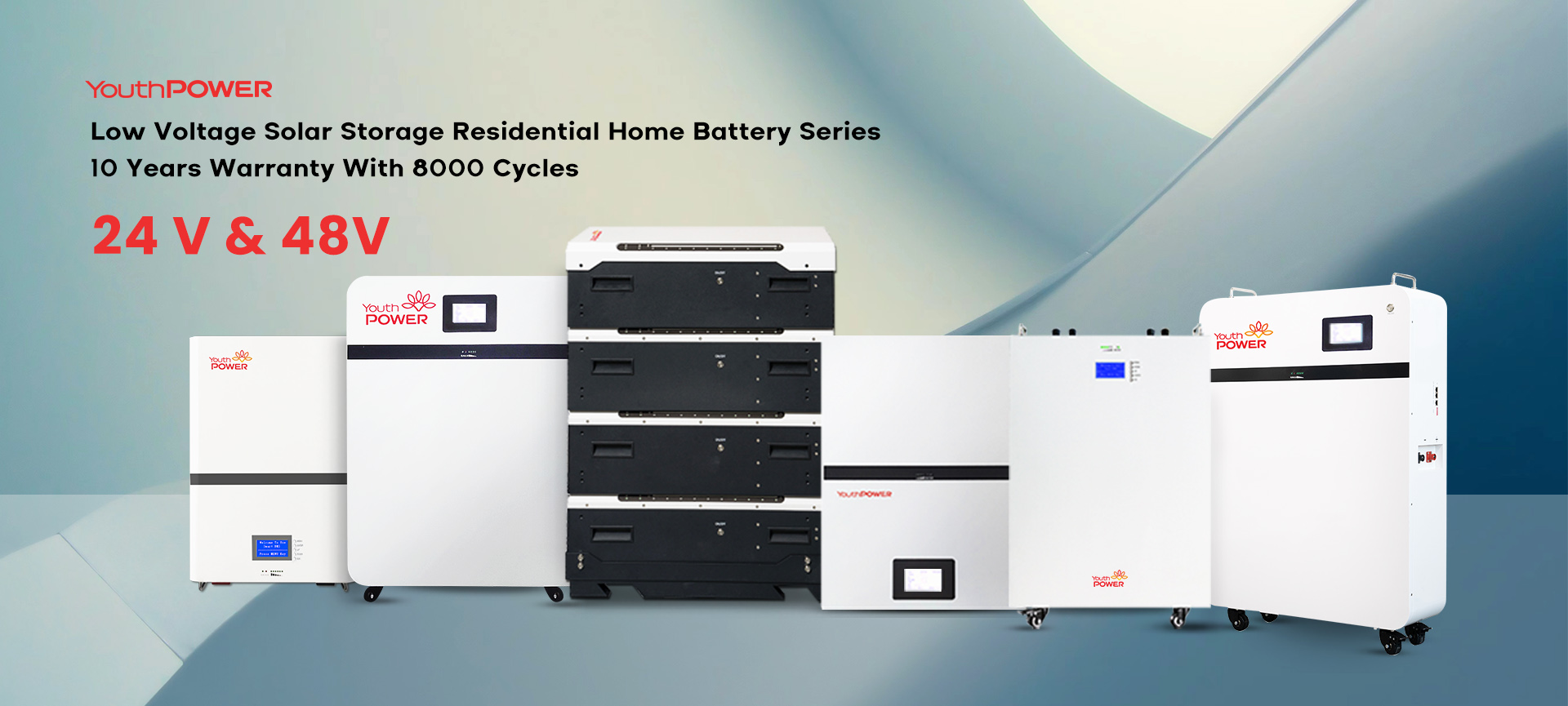
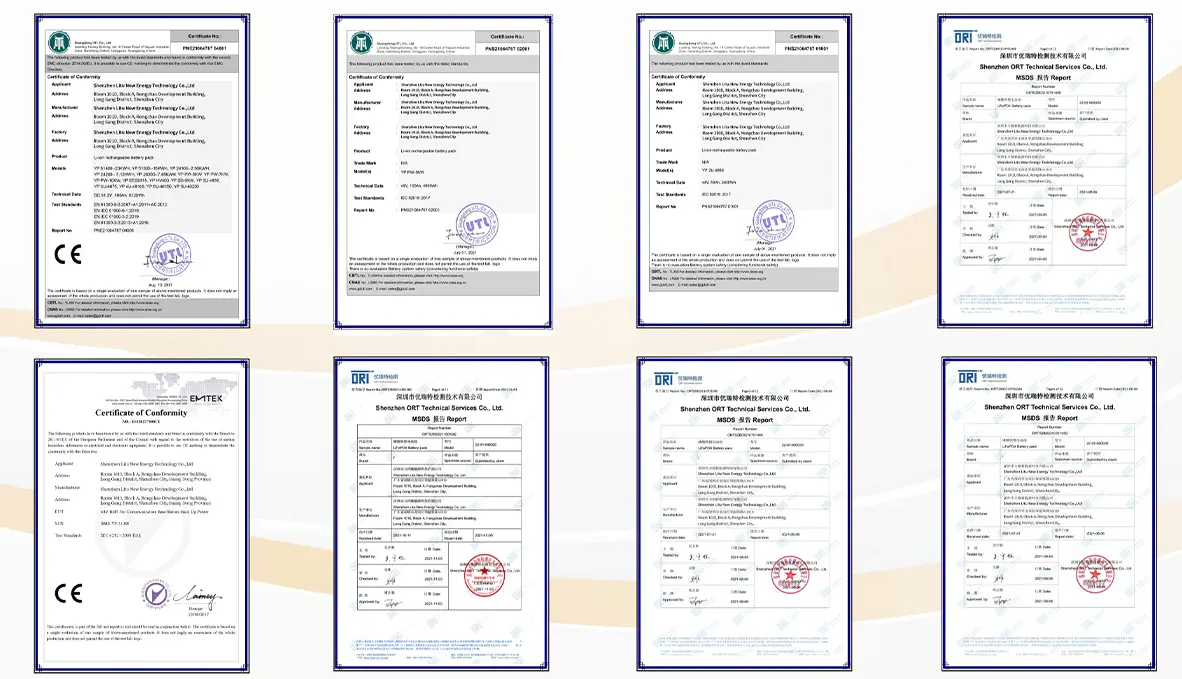
Verifiable metrics backing up our global operations, partner relations, and manufacturing stability.
Over one million residential households powered globally by YouthPOWER's off-grid and hybrid backup installations.
Continuous technical manufacturing in battery cells, structural packaging, thermal safety, and power electronics since 2003.
Every cell deployed is guaranteed brand new, grade A+ prismatic chemistry, boasting >6000 cycles at 80% Depth of Discharge.
We have established good business relationships with our customers from all over the world. And we have a good cooperation with all our customers as well for many years running. Supported by our local vendors of raw materials, we can certainly offer you the best prices. This optimization lowers the Levelized Cost of Storage (LCOS) by up to 18% compared to middle-tier traders.
How the shift to high voltage architectures, alternative chemistries, and automated storage integration is reshaping B2B procurement.
Commercial and industrial (C&I) projects are heavily migrating from traditional 48V configurations to multi-rack high-voltage systems (400V - 800V+). High voltage decreases cable current requirements, lowers copper installation costs, and dramatically decreases system transmission losses during heavy load charges and discharges.
LiFePO4 (Lithium Iron Phosphate) remains the dominant battery chemistry for stationary storage due to its exceptional thermal runaway limit (~270°C compared to NMC's ~210°C). Large scale deployments must carry UL 1973, UL 9540A, and IEC 62619 safety validations to meet municipal fire-safety code guidelines and obtain insurance coverage.
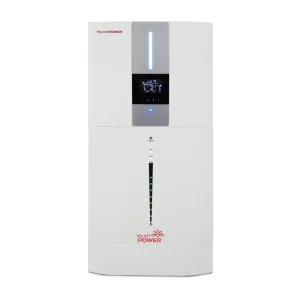
Sourcing divisions favor integrated layouts which package inverter, EMS, smart BMS, and battery modules within one single enclosure. AIO configurations lower labor costs for onsite installation by up to 40% and eliminate compatibility issues between independent inverter brands and battery communication ports.
Procuring commercial lithium batteries requires verification of technical sub-components. Professional procurement agents look past overall pricing to analyze long term operational values:
Many lower-cost manufacturers utilize retired electric vehicle cells or Grade B stocks, resulting in capacity drift and unbalanced degradation. Tier-1 factories issue factory OQC (Outgoing Quality Control) certificates certifying the capacity, internal resistance, and voltage consistency of each cell before pack assembly.
Standard passive balancing drops excess charge energy off as heat, managing only small currents (~50mA). Heavy commercial cycles require active balancing topologies (1.5A to 5A current flow) to actively shift energy from high cells to lower cells, adding 15% longer life to the overall system.
Solar farms in hot environments experience accelerated aging. Systems designed with smart liquid-cooling loops or engineered air-vent paths maintain core cells under 35°C, ensuring the system reaches its 6,000+ cycle projection at 80% Depth of Discharge.
Custom setups designed to optimize performance across residential, commercial, industrial, and microgrid sectors.
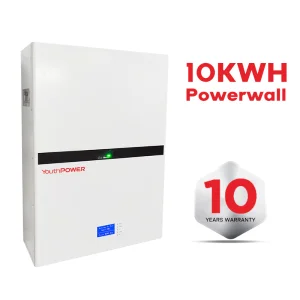
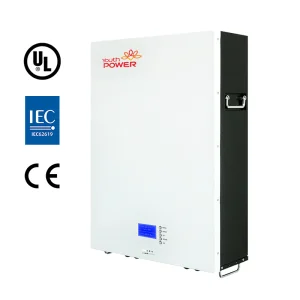
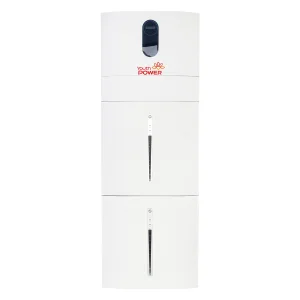
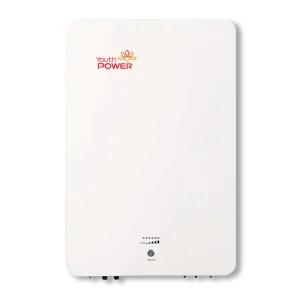
Typically features 51.2V systems (like wall-mount Powerwalls or tower stacks) ranging from 5kWh to 30kWh. Interfaced directly with hybrid solar inverters, these units store day-time solar power for night load shifting, reducing grid reliance by up to 85%.
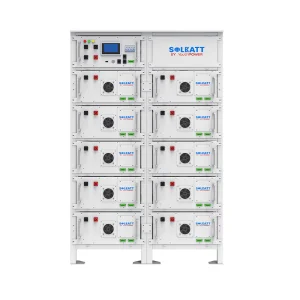
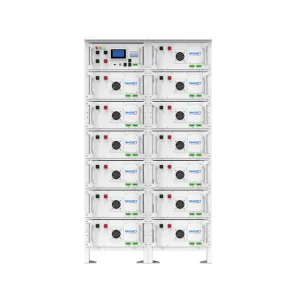
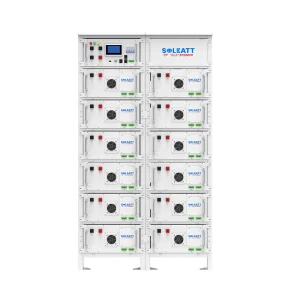
Utilizes high-voltage configurations from 100kWh to 2MWh container solutions. Integrated with an Energy Management System (EMS) to achieve peak shaving, demand response, and high-capacity back-up for factories, data warehouses, and schools.
Combines multi-megawatt battery stacks with PV and diesel generator configurations in off-grid regions. System software coordinates power supply to balance local grids, cutting fuel expenses and reducing wear on mechanical generators.
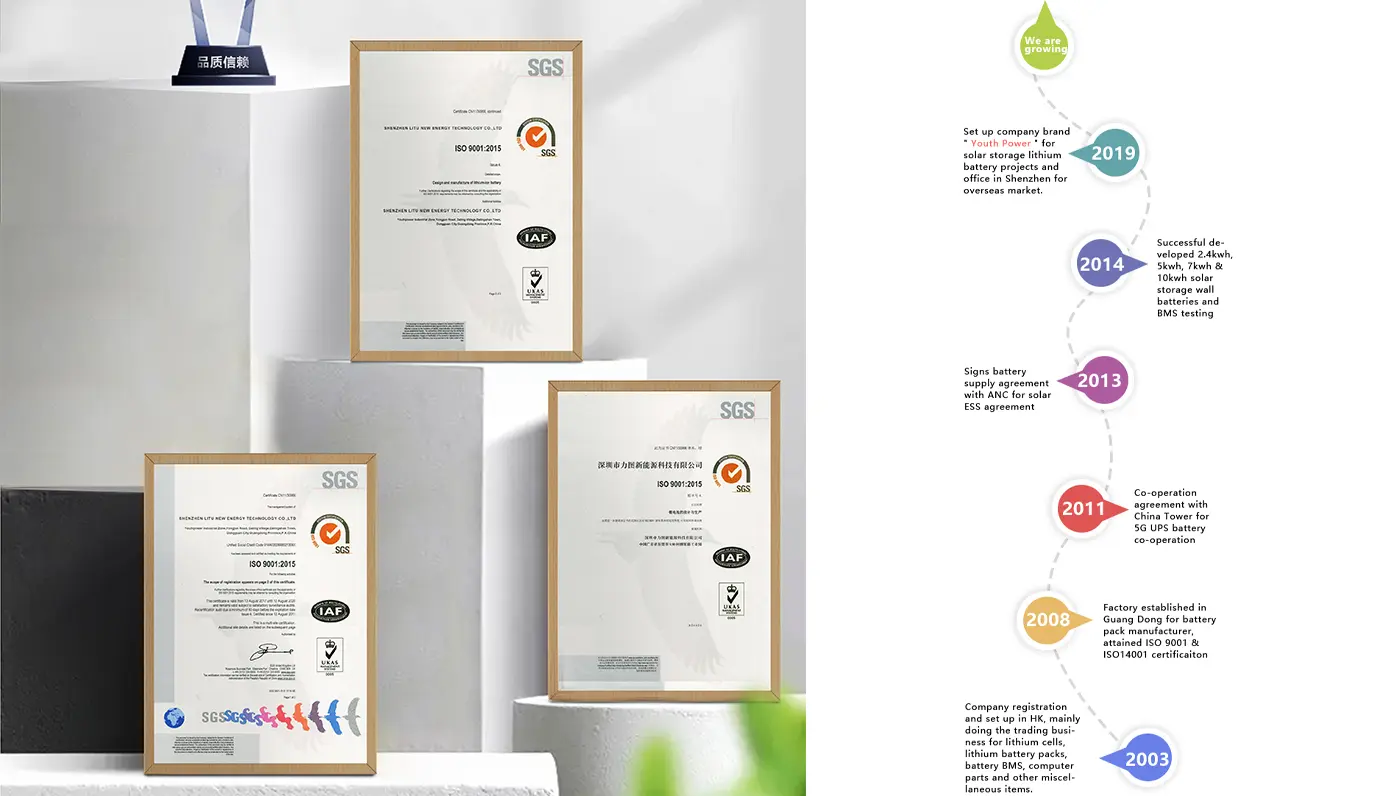
Deploying utility-scale storage calls for thorough testing and adherence to regional electricity grids. Working with a compliance-vetted manufacturer minimizes customs roadblocks and project delays.
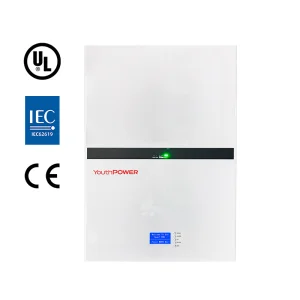
Our industrial production models carry complete certification sets: UN38.3 for transport safety, IEC 62619 for static battery systems, CE directives for the European Market, and UL standards for direct access to North American grids.
To secure your project operations, we offer digital system diagnostics and hot-swap components, backed by direct engineer support. Product configurations are designed modularly to allow simple local swaps of single components without replacing complete battery units.
A look at upcoming storage architectures, cell optimizations, and IoT integrations currently in development at our factories.
As lithium mineral costs face market swings, we are engineering Sodium-ion utility battery blocks. Sodium systems perform reliably at low temperatures down to -20°C and use abundant base minerals, offering a low-cost alternative for stationary storage.
We are migrating local microcontrollers to secure IoT Cloud BMS infrastructures. Neural-net telemetry analyzes battery charge curves in real time, predicting cell failures or temperature anomalies up to 72 hours before they occur.
Aligning with circular economy policies, our next-generation battery cabinets are designed for easy end-of-life teardowns. Materials are labeled for separation, supporting battery recovery networks in the EU and Americas.
Technical guidance and sourcing answers for solar battery procurement managers.
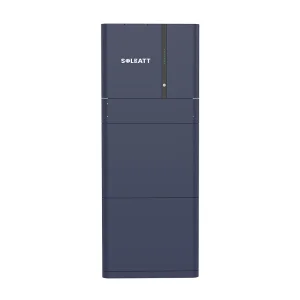
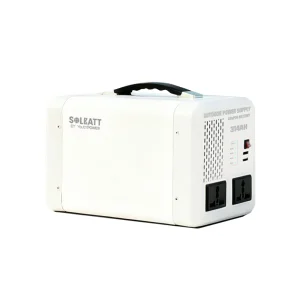
Premium integrated systems, three-phase high voltage units, and robust commercial-grade battery banks.
Leveraging deep manufacturing capabilities to support project developers, system integrators, and distributors.
Request detailed sub-assembly metrics, cell test certifications, safety verification sheets, and high-volume wholesale pricing directly from our manufacturing division.
Request Factory Consultation YouthPOWER