High-performance lithium iron phosphate engineering for diverse power demands.
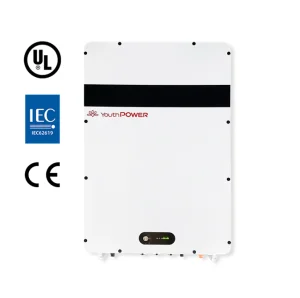
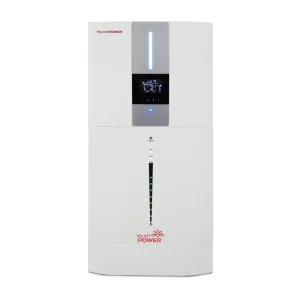
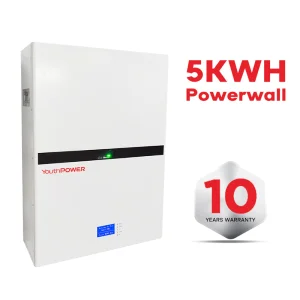
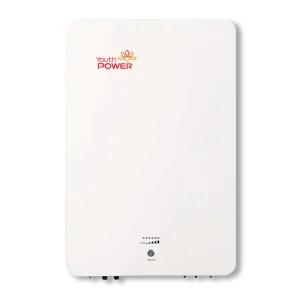
An authoritative analysis of Lithium Iron Phosphate (LiFePO4) factory structures, safety architectures, and procurement frameworks.
The global transition away from fossil fuels has triggered an exponential demand for stationary energy storage systems (ESS). Among all available secondary battery chemistries, Lithium Iron Phosphate (LiFePO4 or LFP) has emerged as the definitive standard for industrial, commercial, and residential applications. The core reasons lie within LFP’s internal molecular arrangement.
Unlike Nickel Manganese Cobalt (NMC) cells, LiFePO4 features an olivine crystal structure. This structure forms extremely strong P-O covalent bonds that resist decomposition under high-temperature stress. Thermal runaway in LFP cells occurs around 270°C to 600°C, compared to 150°C to 200°C for NMC. This difference virtually eliminates the risk of catastrophic oxygen release and combustion in professional ESS settings.
A true Tier-1 LiFePO4 battery factory must control several key manufacturing processes. It begins with active material synthesis, followed by precise slurry coating on anode and cathode foils, and automated cell assembly. Achieving 6,000+ cycles at 80% Depth of Discharge (DoD) requires strict cleanliness standards—typically Class 10,000 cleanrooms for electrode fabrication and Class 100 for cell winding or stacking.
Smart manufacturing execution systems (MES) monitor every step, tracking raw material batches, cell age, internal resistance (IR), and open-circuit voltage (OCV). Any variance points to a defect, and those cells are removed to protect the consistency of final high-voltage packs.
Ensures over 15 years of daily operation in typical residential and commercial environments.
Highest safety factor among lithium-ion options, meeting strict international UL 9540A requirements.
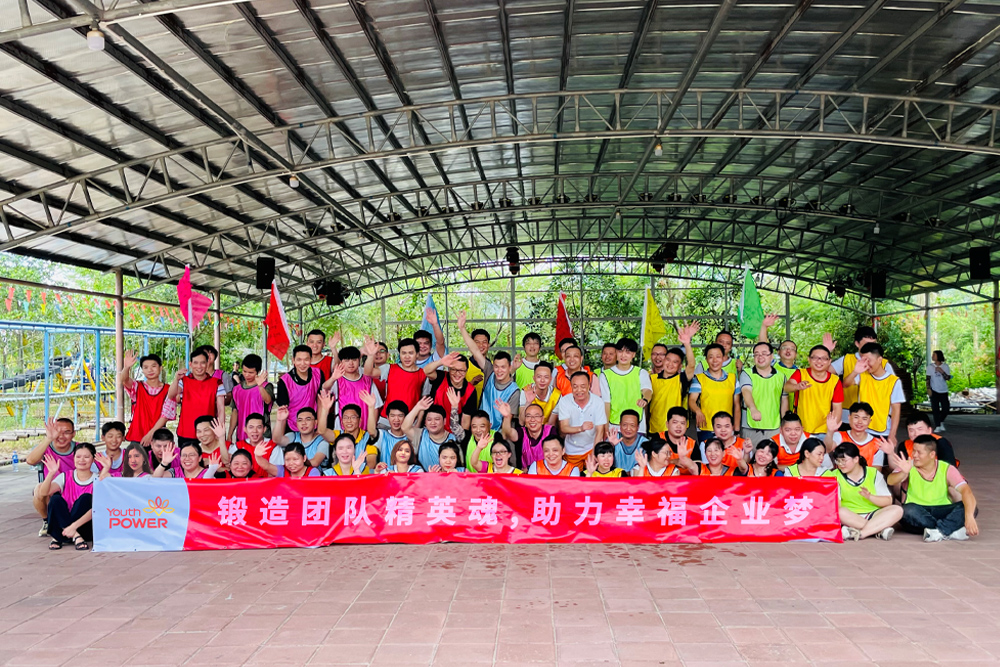
Over two decades of dedication to energy storage innovation, building reliable solutions for families worldwide.
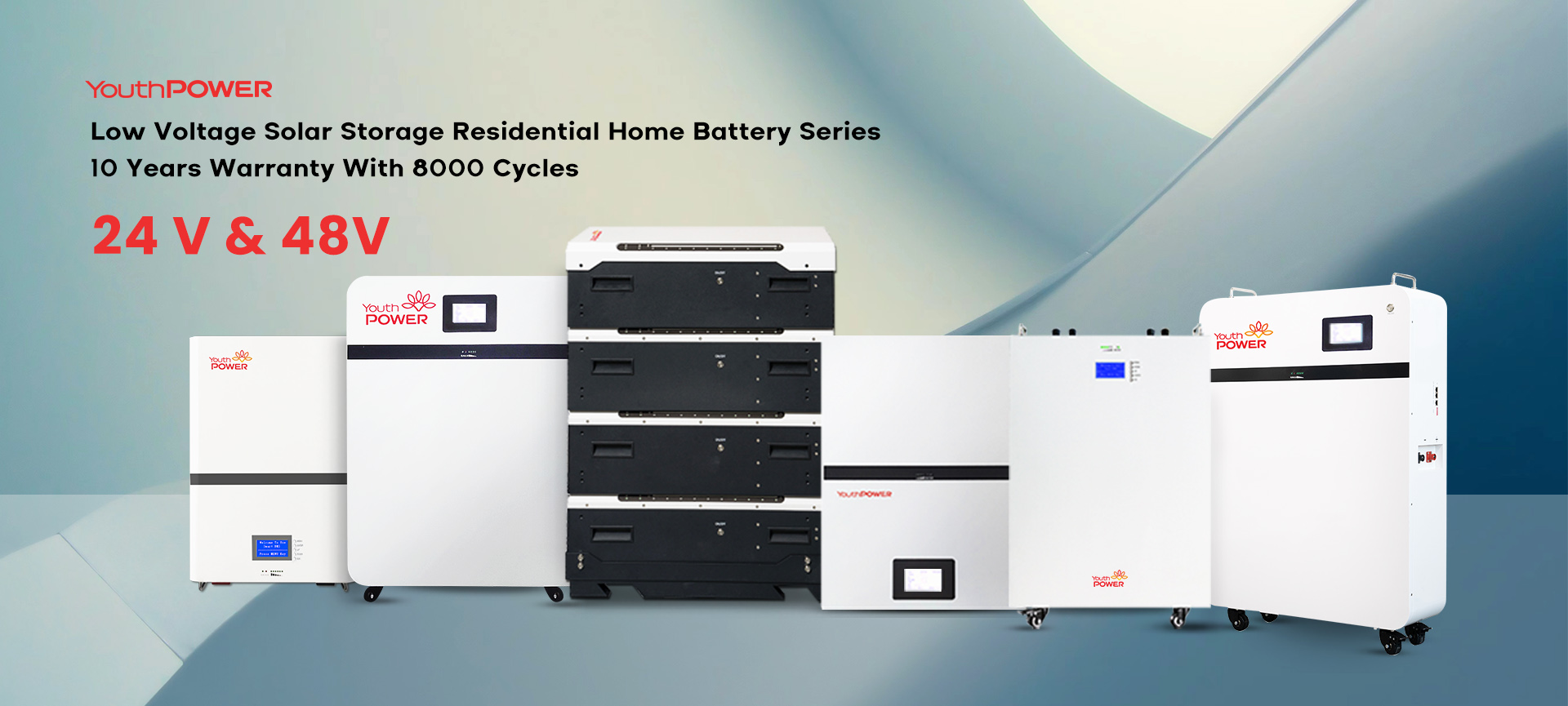
Founded in 2003, YouthPOWER has now become one of the leading suppliers of solar storage lithium batteries in the world. With a broad range of energy storage solutions, it covers a series of 24V, 48V and higher voltage lithium batteries solutions.
YouthPOWER has engaged in the battery technology and production for almost 20 years, with abundant manufacturing experience and strong new product R&D capability. Through many years of hard work and market promotion, we have created our own brand "YouthPOWER" in 2019.
With nearly 20 years’ experience in the battery industry, we have the capability to provide you with both the products you need and the most suitable products you want. We are always ready to supply the first-class products and meet the various needs of the customers.
We have established good business relationships with our customers from all over the world. And we have a good cooperation with all our customers as well for many years running. Supported by our local vendors of raw materials, we can certainly offer you the best prices.
We are so proud that YouthPOWER has offered the reliable solar storage solution for over 1,000,000 families now in the world.
Why sourcing from premier Chinese LiFePO4 manufacturers optimizes both CapEx and system reliability.
China manages over 70% of the world’s lithium chemical refining and more than 85% of anode and cathode precursor production. This direct integration avoids international shipping delays and tariff markups for raw materials, ensuring a steady production flow at our factories.
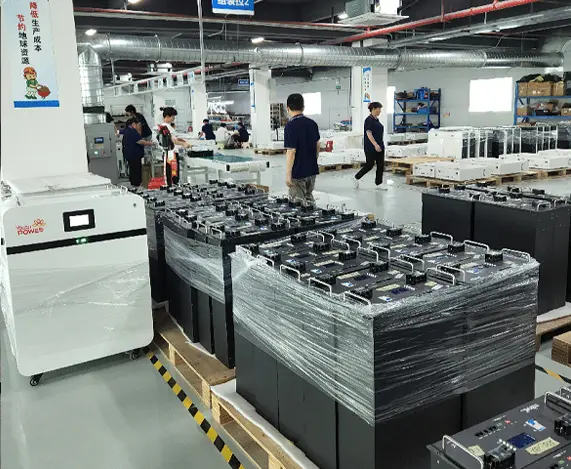
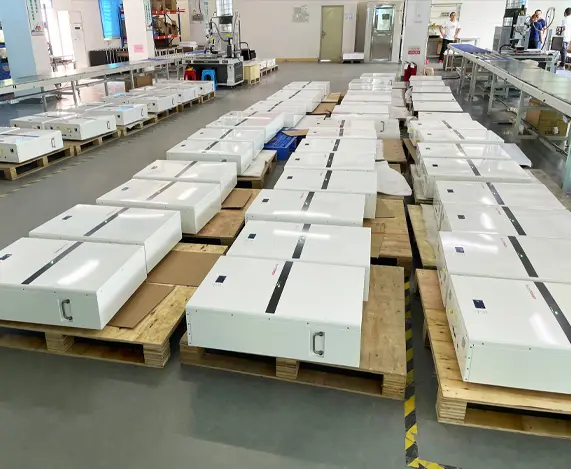
Our facilities feature fully automated production lines developed in-house. Automated winding, stacking, electrolyte filling, and vacuum sealing ensure high consistency. This scaling reduces mechanical failure rates and lowers the cost per watt-hour (Wh).
Located near South China’s shipping hubs, our factories enjoy direct access to ports. This proximity reduces transport times and simplifies shipping logistics for heavy, hazard-classified cargo (Class 9 UN3480) bound for destinations worldwide.
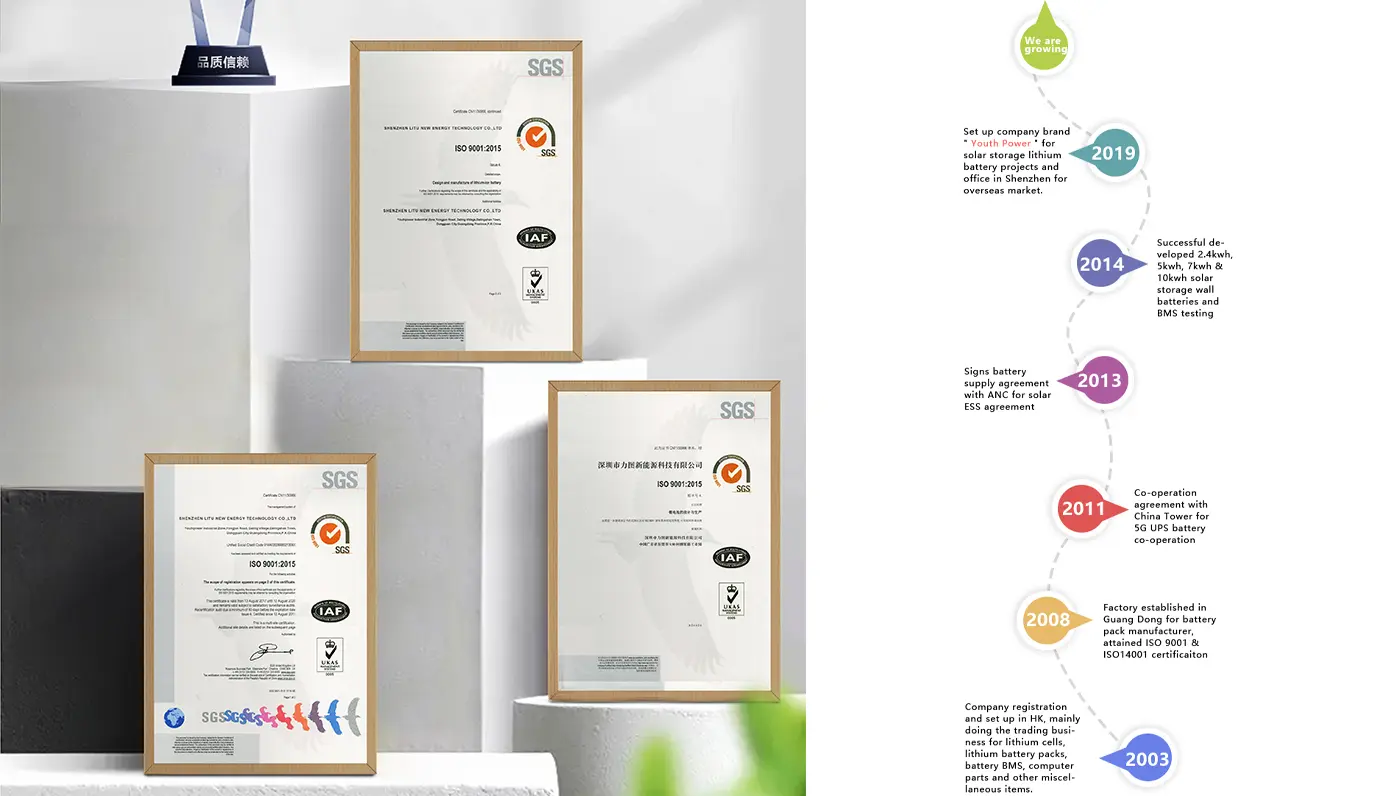
Key milestones in our 20-year journey of energy innovation, battery development, and technological growth.
Founded with a focus on early battery technologies, laying the groundwork for our manufacturing and R&D processes.
Expanded production capacity and began shifting R&D focus toward lithium iron phosphate (LiFePO4) chemistry for stationary storage.
Launched the global brand YouthPOWER, commercializing advanced home powerwalls and off-grid solutions.
Currently supplying solutions to over 1,000,000 families globally, featuring commercial high-voltage containers and custom balcony ESS setups.
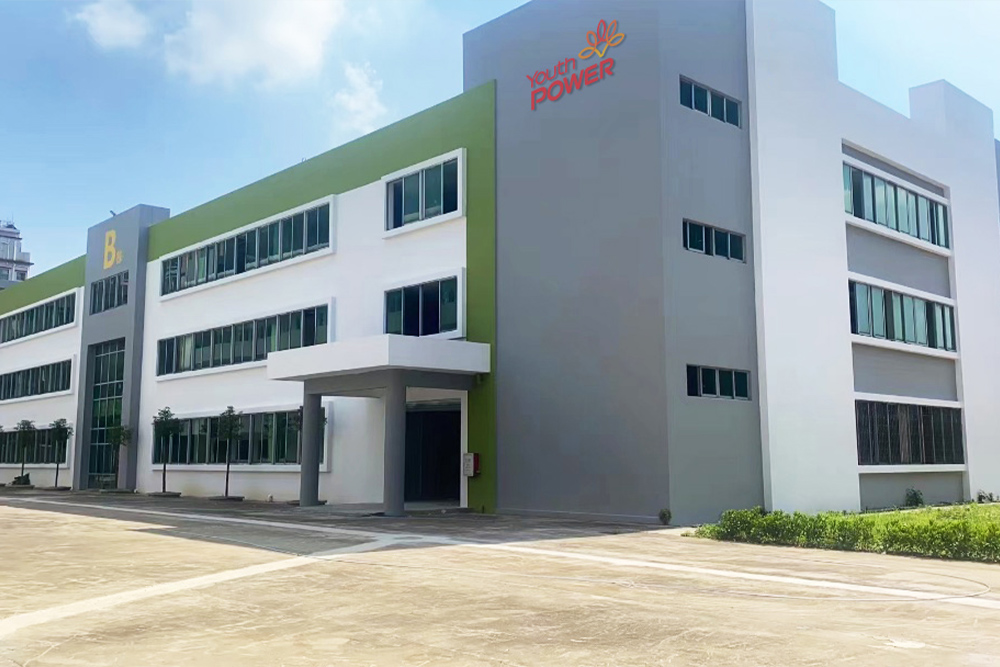
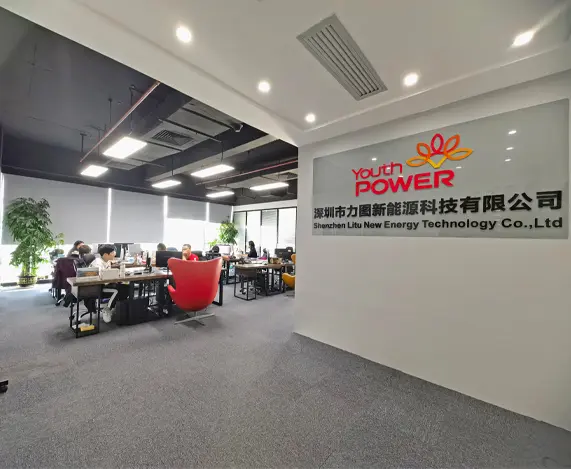
Inside YouthPOWER's modern factory: automated systems and rigorous quality control steps.
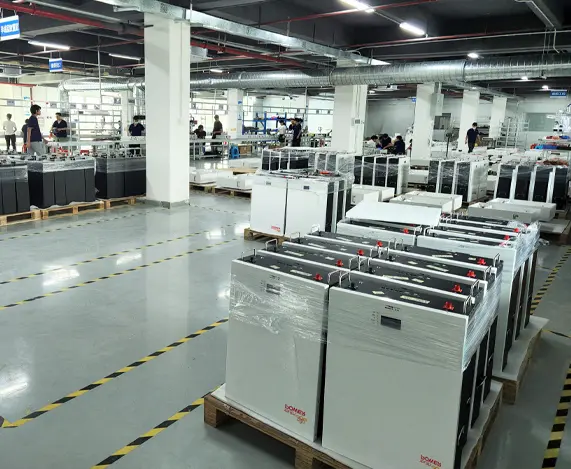
Helping developers, solar installers, and commercial buyers meet strict safety regulations and grid requirements.
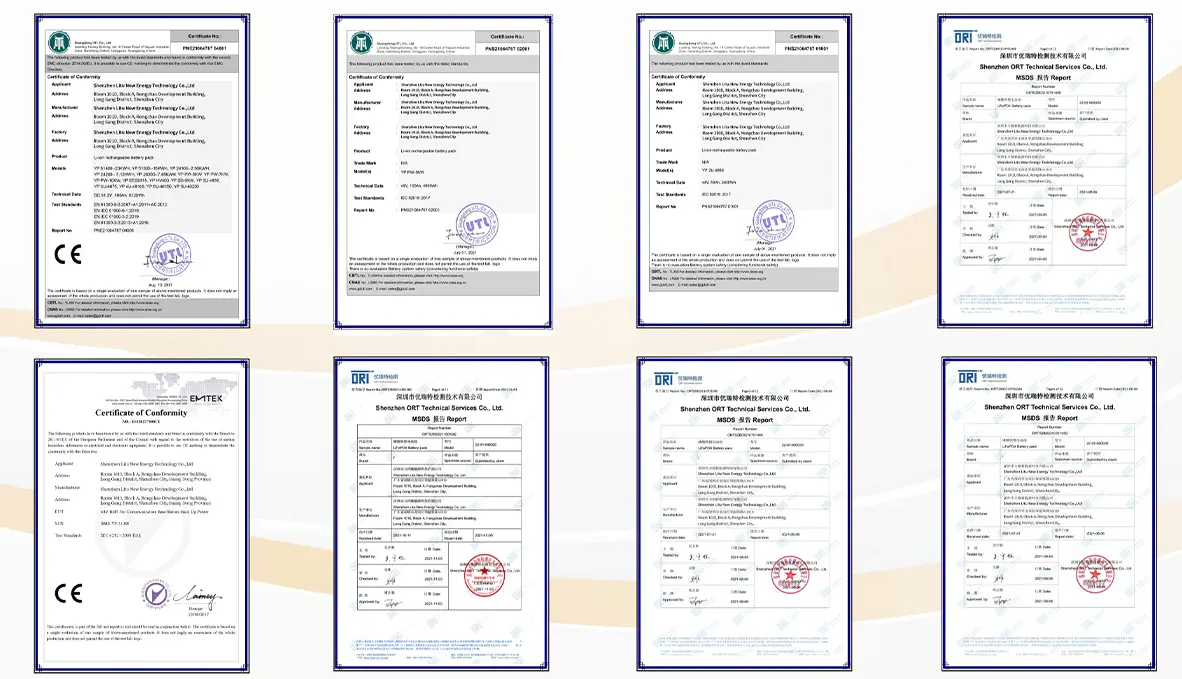
Navigating global grid and safety standards requires a structured testing approach. We certify our systems under the industry's most demanding test programs:
Before purchasing commercial energy storage systems (ESS), ensure the manufacturer provides the following documents:
The technological advancements shaping the next generation of energy storage systems.
High-voltage (HV) systems reduce current flow throughout the battery packs, minimizing heat generation and allowing for smaller cable sizes. High-voltage setups also lower conversion losses in hybrid inverters, boosting round-trip efficiency (RTE) past 95%.
Modern Battery Management Systems (BMS) upload real-time cell parameters (state-of-charge, state-of-health, temperatures) to the cloud. Machine learning models analyze these trends to predict cell faults before they cause performance issues.
By bypassing traditional module housings, Cell-to-Pack technology integrates LFP cells directly into the system chassis. This design increases volumetric energy density by 15-20% and reduces structural weight.
From small balconies to large industrial parks, custom battery configurations address diverse power needs.
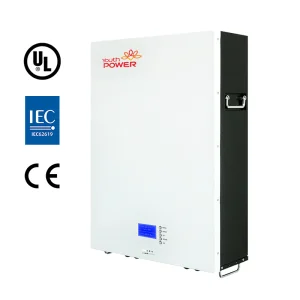
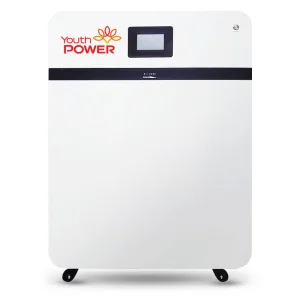
Mounted on garage walls, these low-voltage (48V/51.2V) batteries pair with rooftop solar systems. They store clean energy during the day and power the home overnight or during outages, providing security and independence from the grid.
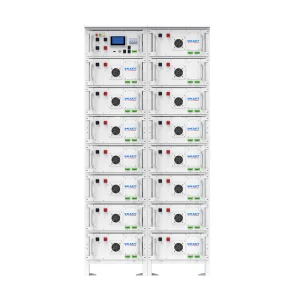
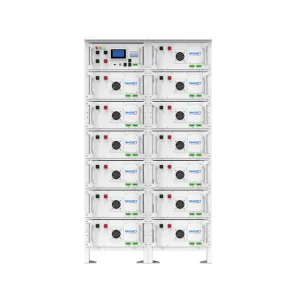
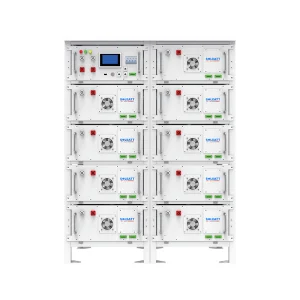
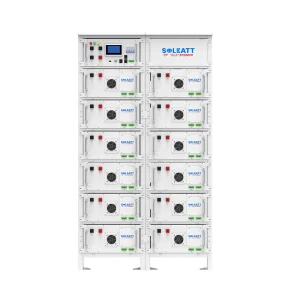
Large-scale energy storage systems monitor and offset high-power spikes, reducing expensive demand charges. They also serve as backup power sources to protect operations during unexpected blackouts.
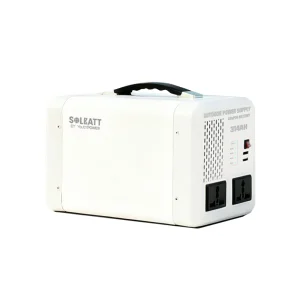
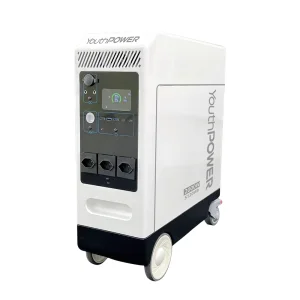
Designed for urban renters and apartment living, these compact LFP setups plug directly into wall sockets. They capture energy from small balcony panels, providing an easy and affordable way to reduce monthly electricity costs.
Answers to technical and performance questions about LiFePO4 battery storage systems.
Scalable power systems engineered for commercial projects and demanding applications.
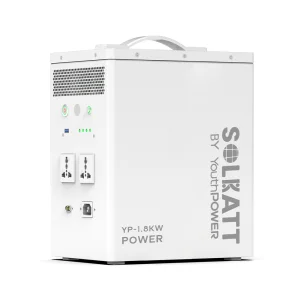
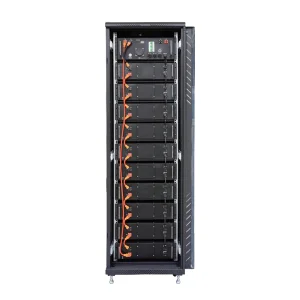
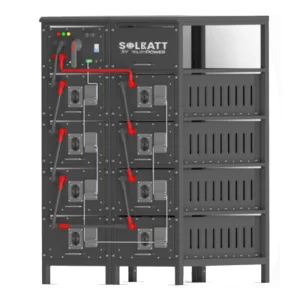
 YouthPOWER