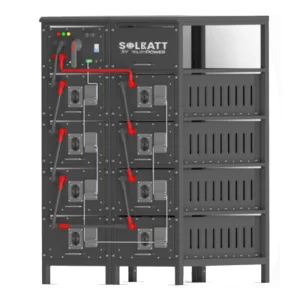
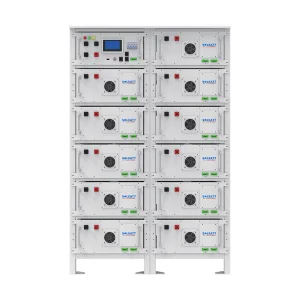
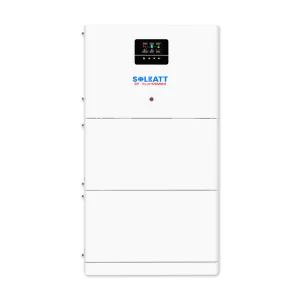
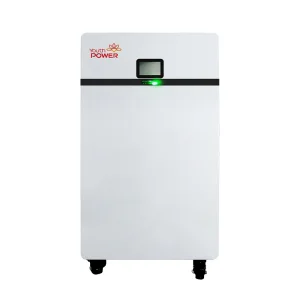
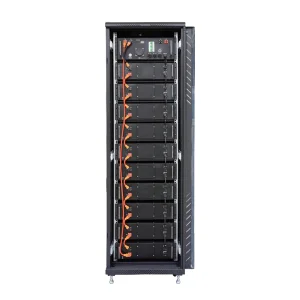
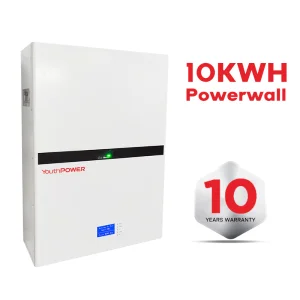
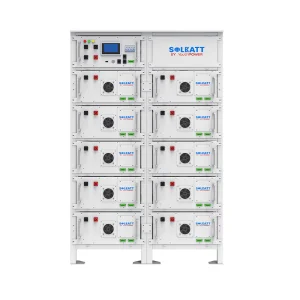
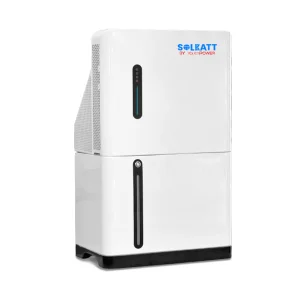
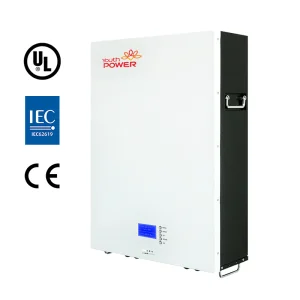
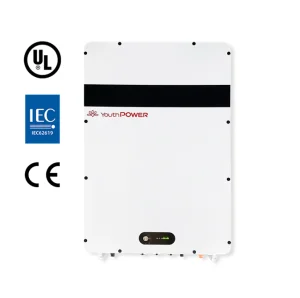
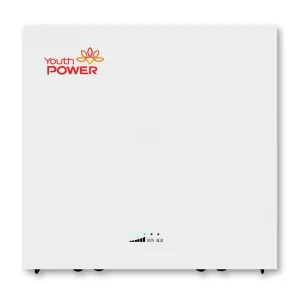
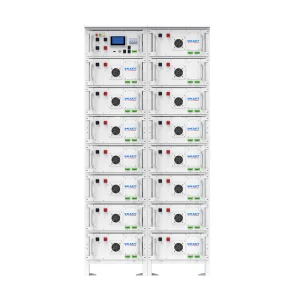
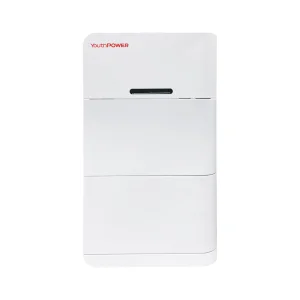
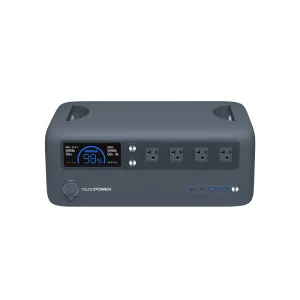
Explore our premium high-voltage and low-voltage custom lithium battery storage modules engineered for modern smart grids and hybrid installations.
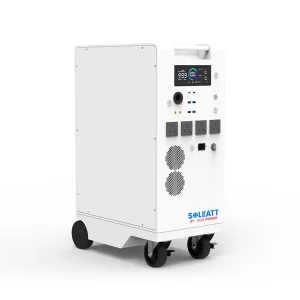
The dynamic evolution of global power grids has accelerated the demand for resilient, high-capacity decentralized energy storage solutions (ESS). Central to this energy paradigm shift is the concept of the Powerwall Plus—an integrated system pairing modular lithium iron phosphate (LiFePO4) chemistries with intelligent local energy management controllers. Unlike standard consumer-grade batteries, industrial and commercial applications require heavy-duty Powerwall equivalents that feature advanced thermal management, high round-trip efficiency (RTE), and seamless interaction with renewable energy plants.
Across Europe, North America, and the Asia-Pacific region, the demand for modular Powerwall systems has expanded beyond residential backup. Commercial entities, municipal facilities, and rural communities are installing decentralized energy arrays to offset soaring electricity tariffs and secure grid independence. By investing in scalable designs, buyers can construct distributed microgrids capable of providing both critical emergency backup and peak-shaving capabilities.
SEO Insight: The rise of grid-forming inverters and dynamic frequency response markets means modern Powerwall Plus technology must operate with high intelligence, communicating directly with local utility systems through automated telemetry protocols.
Historically, battery storage factories supplied standalone modules, leaving system integration to downstream EPC engineers. Today, the leading Powerwall Plus factories provide All-In-One (AIO) solutions that house the inverter, battery management system (BMS), thermal controllers, and fire protection modules inside a single weatherproof IP65 cabinet. This integration minimizes installation times, reduces wiring complexity, and delivers a robust product with native system protection.
China stands at the forefront of the global energy transition, producing over 75% of the world’s lithium-ion batteries. When examining the efficiencies of a premier Powerwall Plus factory in China, the structural advantages extend far beyond simple labor cost reductions:
Direct proximity to key lithium, iron phosphate, and graphite processing plants minimizes upstream logistics costs and ensures consistent chemical purity of cells.
Automated grading processes match cells according to capacity down to 5mAh and internal resistance down to 0.5mΩ, ensuring unparalleled pack longevity.
Comprehensive environmental chamber trials, high-temperature aging, vibration stress testing, and X-ray weld diagnostics guarantee reliable operation in the field.
Furthermore, Chinese manufacturers lead in the transition to LiFePO4 (Lithium Iron Phosphate) chemistry, which is inherently safer and more stable than traditional Nickel Manganese Cobalt (NMC) formulations. LiFePO4 cells are highly resistant to thermal runaway, tolerate temperatures up to 60°C without significant degradation, and offer over 6,000 charge cycles at 80% Depth of Discharge (DoD). This longevity translates to lower levelized cost of storage (LCOS) for utility-scale systems and home setups alike.
Modern B2B buyers search for Powerwall Plus configurations tailored to distinct regional regulations and structural conditions. Deployments typically align with three core application patterns:
For factory complexes, hospitals, and micro-grid utilities, voltage drop is a significant obstacle. High-voltage setups (ranging from 400V to over 700V) reduce current levels, allowing developers to utilize thinner copper cables, minimize transmission losses, and increase inverter efficiency. High-voltage systems such as the 409V 280Ah 114kWh arrays enable direct integration with commercial three-phase distribution panels.
Residential markets remain predominantly low-voltage (48V to 51.2V) due to safety regulations and simple plug-and-play installation standards. Parallel scaling allows homeowners to stack modules (e.g., 5kWh or 10kWh packs) to match their demand profiles, accommodating future EV charging or heat pump upgrades without replacing the existing central inverter.
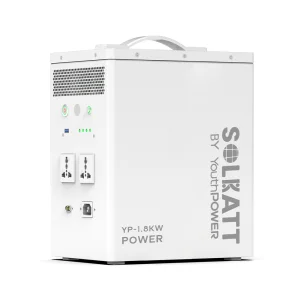
In dense urban environments throughout Europe, balcony solar systems represent the fastest-growing market. These mini-ESS units (usually 2kWh to 5kWh) capture midday solar energy and feed it back into the home grid during peak rate windows. Similarly, heavy-duty portable power generators with UPS capabilities serve construction sites, remote clinics, and outdoor exploration hubs.
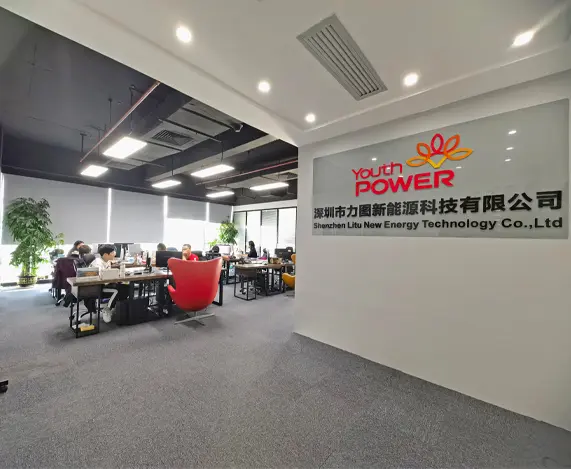
YouthPOWER's journey in battery engineering and our modern factory operations.
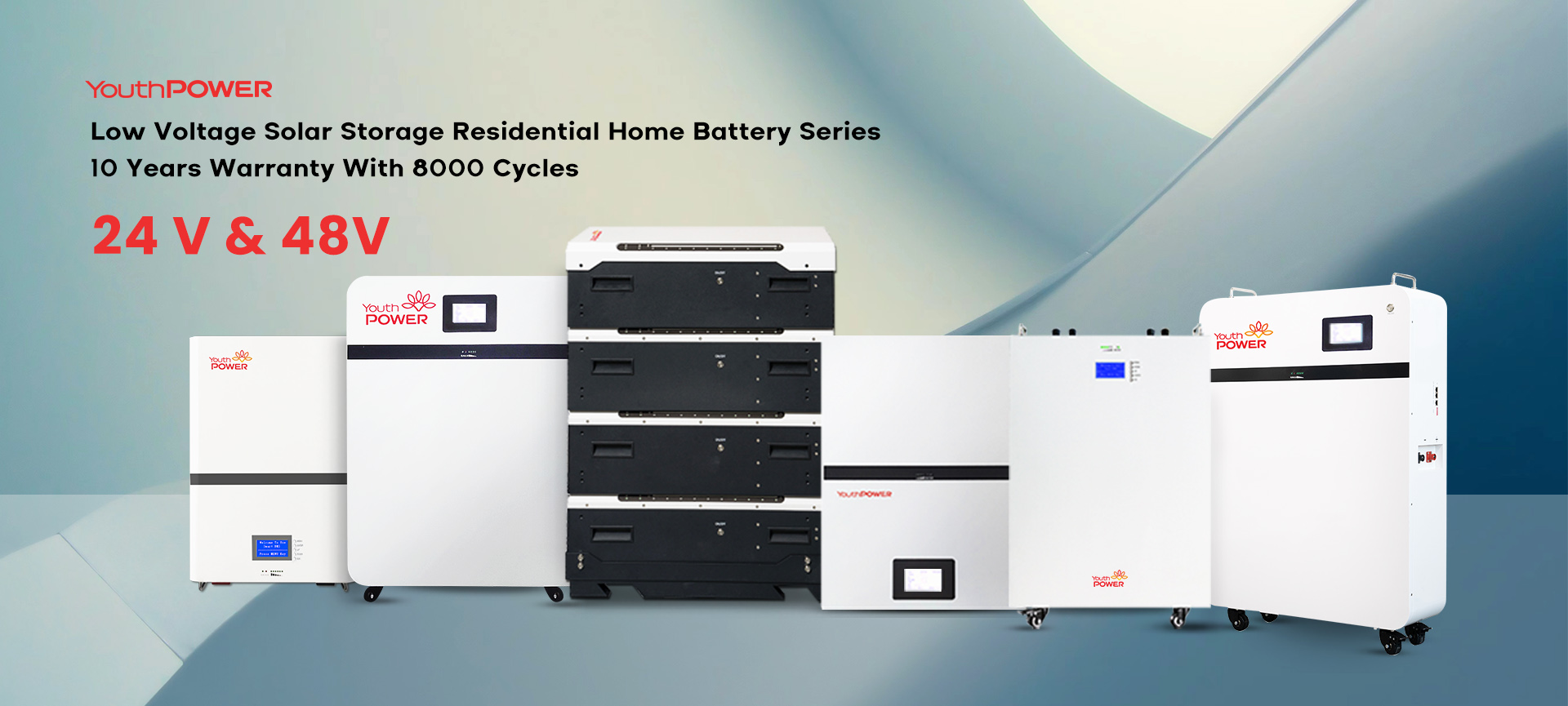
Founded in 2003, YouthPOWER has now become one of the leading suppliers of solar storage lithium batteries in the world. With a broad range of energy storage solutions, it covers a series of 24V, 48V and higher voltage lithium batteries solutions.
YouthPOWER has engaged in the battery technology and production for almost 20 years, with abundant manufacturing experience and strong new product R & D capability. Through many years of hard work and market promotion, we have created our own brand "YouthPOWER" in 2019.
With nearly 20 years’ experience in the battery industry, we have the capability to provide you with both the products you need and the most suitable products you want. We are always ready to supply the first-class products and meet the various needs of the customers.

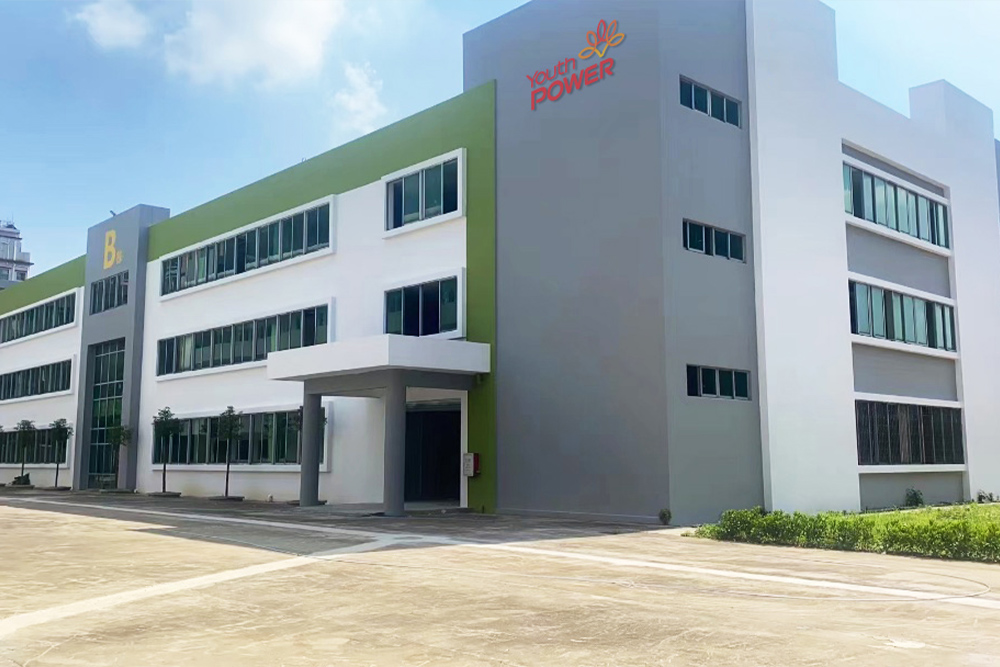
We have established good business relationships with our customers from all over the world. And we have a good cooperation with all our customers as well for many years running. Supported by our local vendors of raw materials, we can certainly offer you the best prices.
We are so proud that YouthPOWER has offered the reliable solar storage solution for over 1,000,000 families now in the world. Our engineering teams continue to innovate, ensuring that each battery pack meets strict safety codes while delivering outstanding performance values.
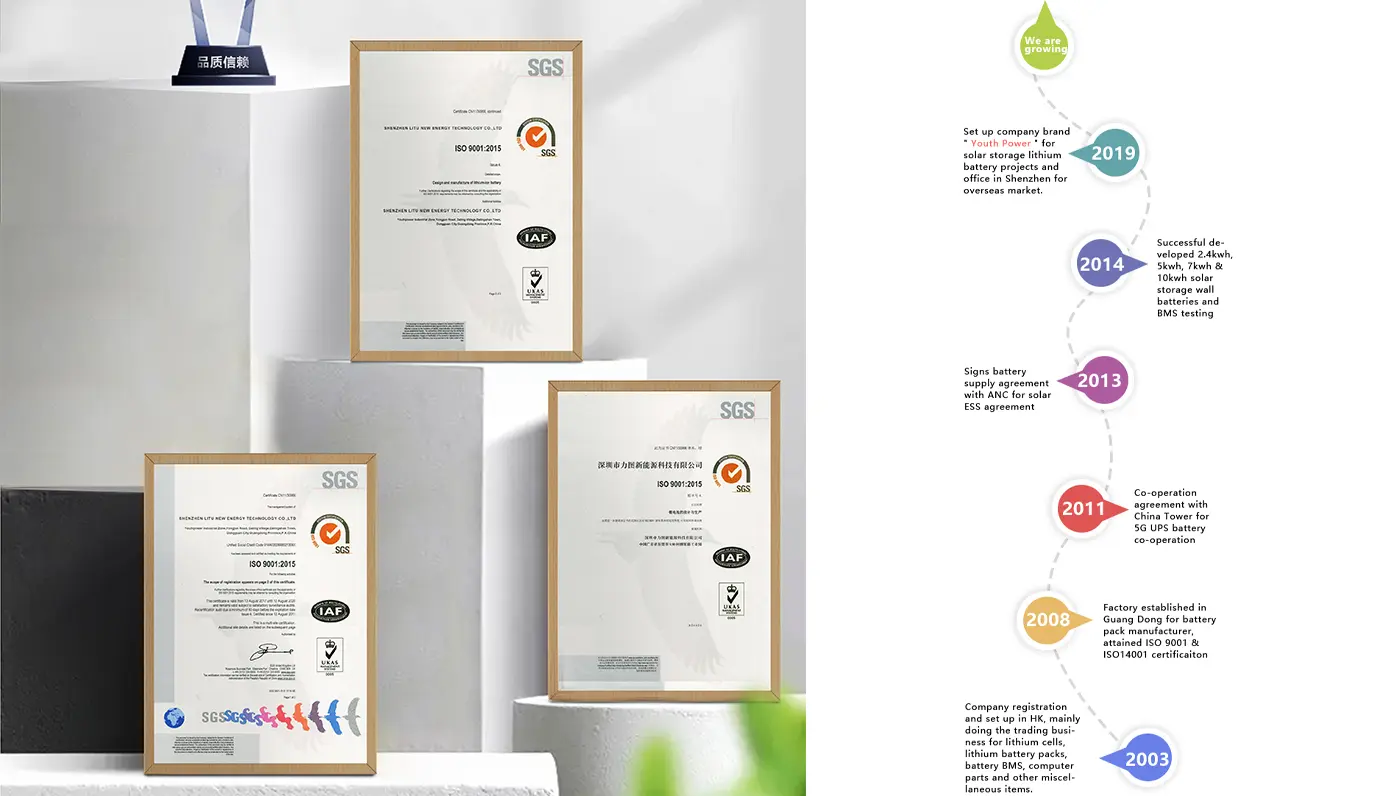
A chronological journey of YouthPOWER's technical breakthroughs and manufacturing expansion.
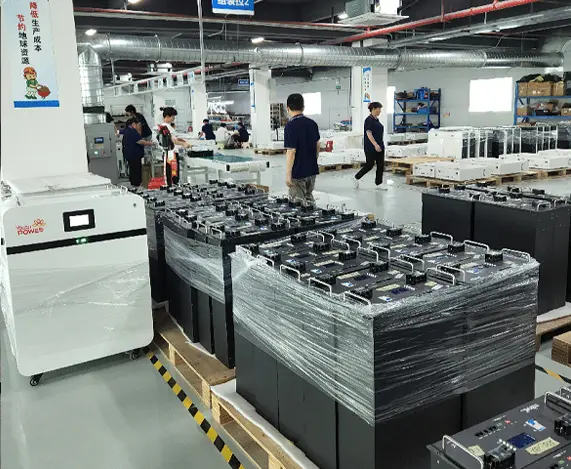
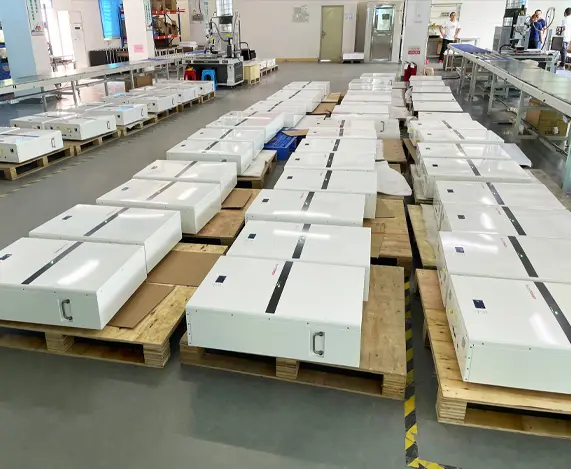
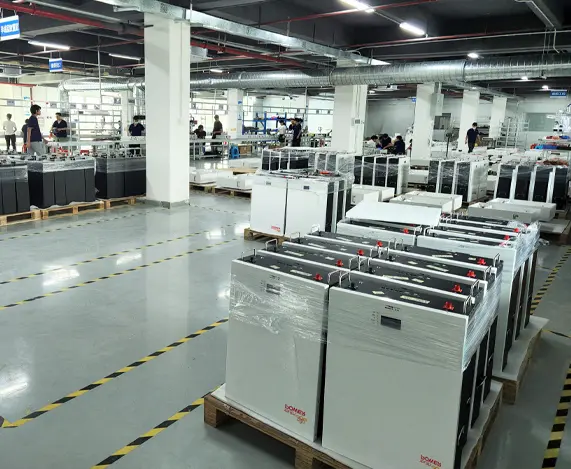
Procuring industrial energy storage systems requires meticulous consideration of electrical parameters, mechanical tolerances, and safety protocols. Below is the technical validation matrix that procurement officers should enforce:
Ensure the BMS supports RS485, CAN, and Modbus protocols. The controller must actively manage balance currents (minimum 50mA to 150mA passive or active balance) and offer safety parameters for cell overvoltage, undervoltage, and charge rate mitigation.
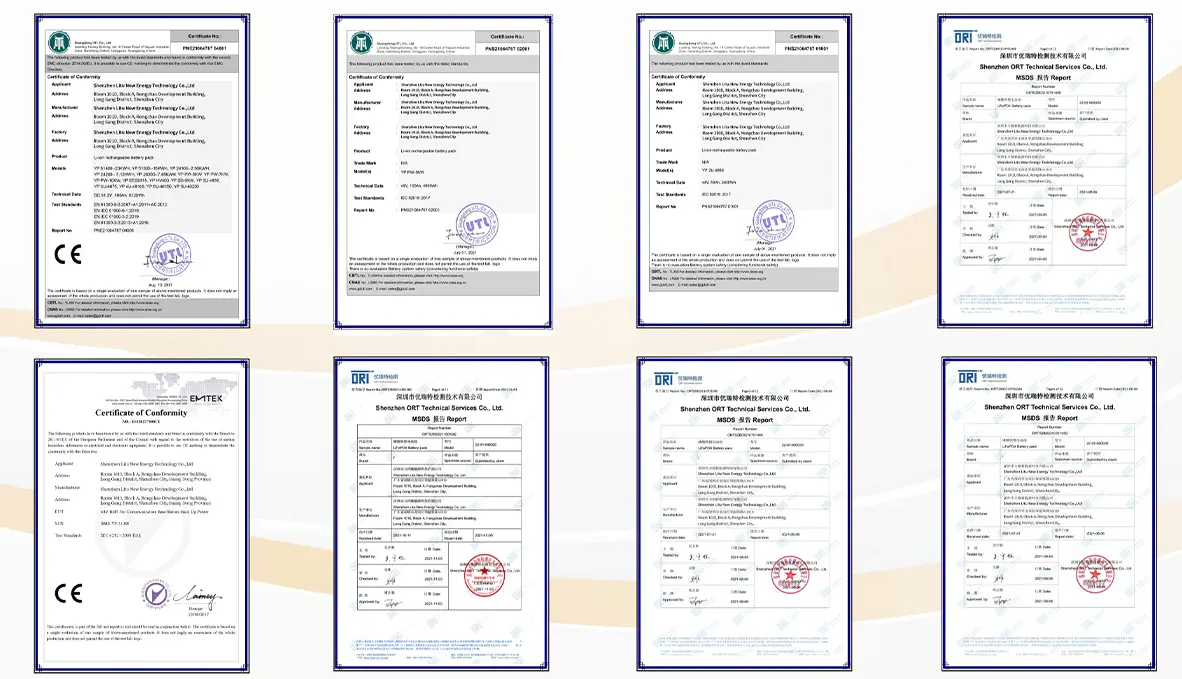
Safety compliance is non-negotiable. Request certified documentation for UN38.3 (transport safety), IEC 62619 (safety for industrial applications), CE directives, and UL 1973 / UL 9540A to guarantee compliance with regional grid codes.
Verify the design uses high-conductivity thermal pads, and passive airflow guides, or liquid-cooling channels for high C-rate applications. Consistent operating temperatures prolong the life of cell matrices by preventing localized heat concentrations.
A critical indicator of a top-tier Powerwall Plus factory is its warranty policy. A standard warranty must cover at least 5 to 10 years, ensuring the battery will maintain at least 70% of its initial capacity. Ensure the factory provides end-to-end technical support, from matching cell chemistries to commissioning systems on-site.
The energy storage sector is transitioning from simple battery backup installations to dynamic energy platforms. Over the next five years, several technology shifts will redefine Powerwall Plus design and manufacturing:
Virtual Power Plants (VPPs): As grid systems undergo modernization, residential and commercial Powerwalls are being grouped into virtual power plants. Using cloud-based AI dispatch algorithms, these systems can inject energy back into the grid during localized frequency dips, creating new revenue models for battery owners.
Solid-State & Sodium-Ion Integration: While LiFePO4 remains the benchmark for stability and cycle life, factories are starting to introduce sodium-ion batteries for colder environments. These alternative chemistries provide better low-temperature performance and relieve pressure on lithium supply chains.
Smart Home Interoperability: Home energy systems are increasingly adopting unified communication standards, such as Matter. This allows the battery, solar array, heat pumps, and EV charger to operate in sync, maximizing self-consumption and lowering grid dependence.
Critical technical insights for global B2B procurement managers and system integrators.
Explore our compact residential balcony solutions, wall-mounted batteries, and complete commercial cabinet configurations.
 YouthPOWER