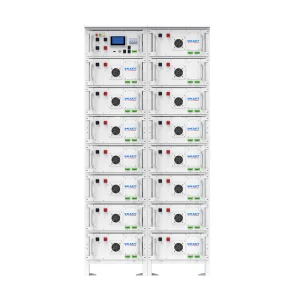
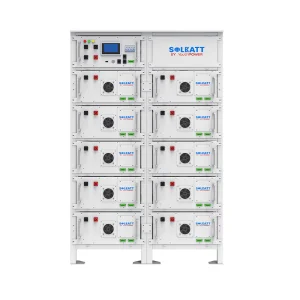
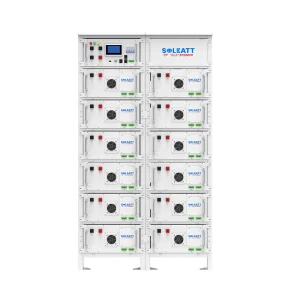
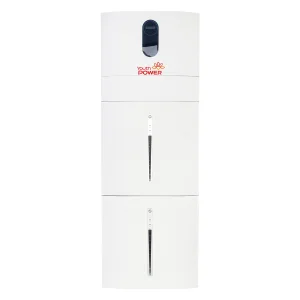
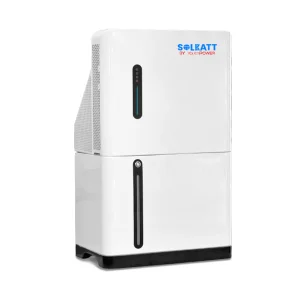
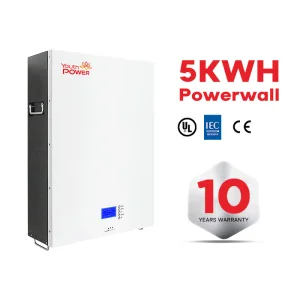
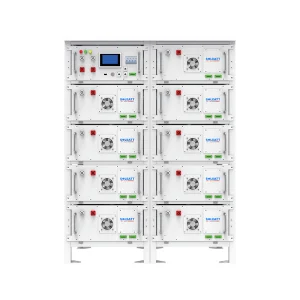
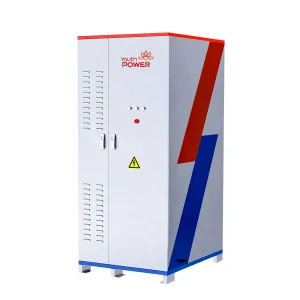
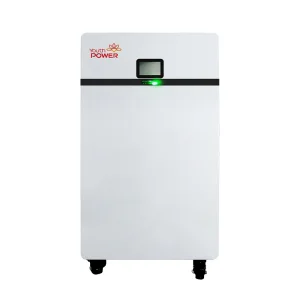
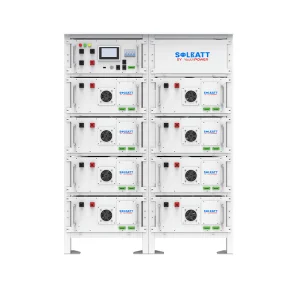
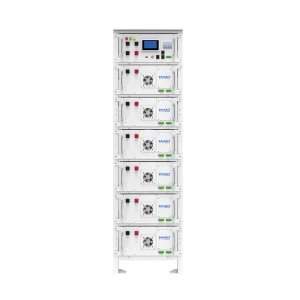
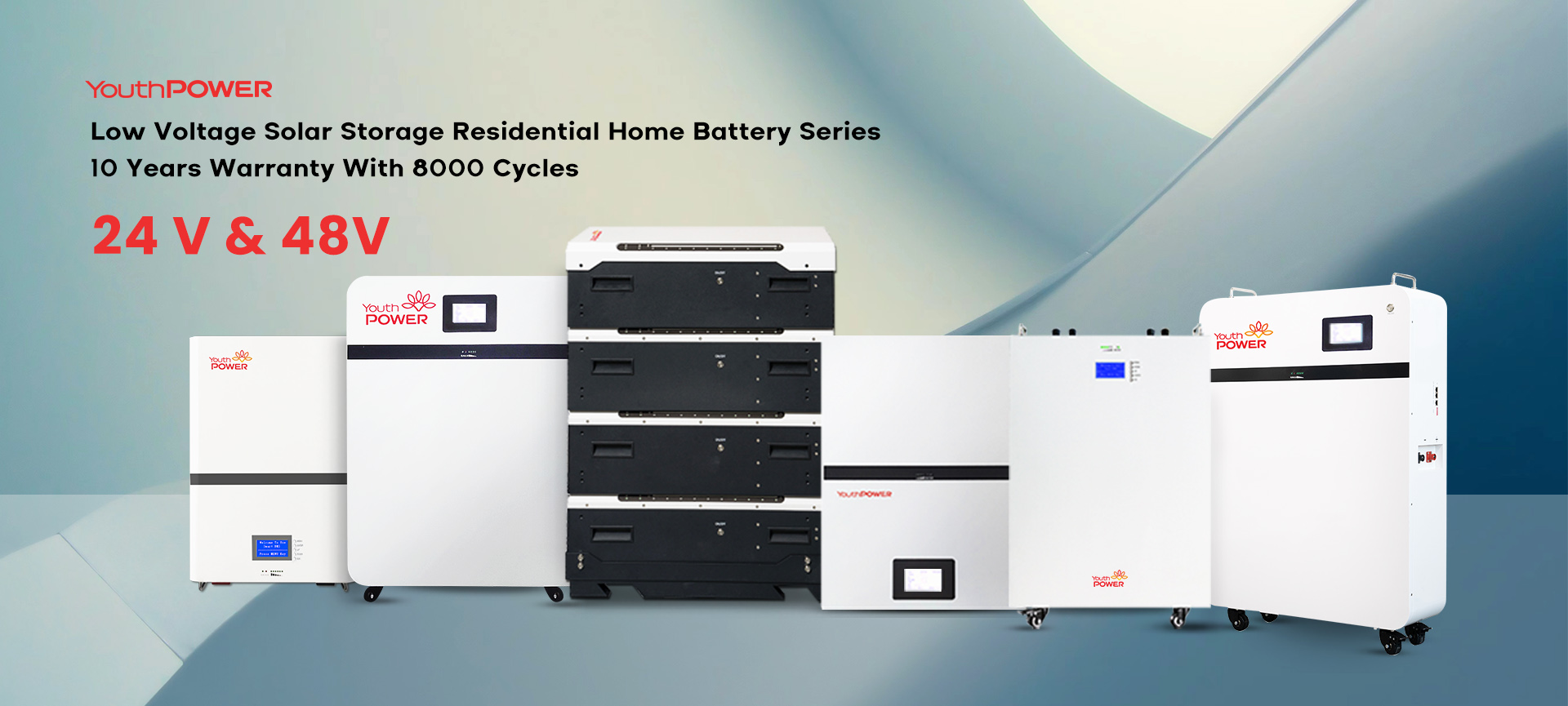
Explore our high-efficiency, long-cycle lithium iron phosphate (LiFePO4) systems optimized for residential self-consumption and microgrid systems.
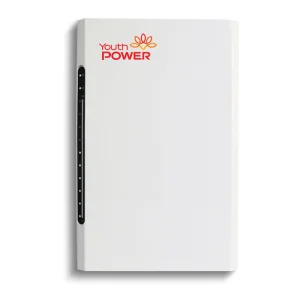
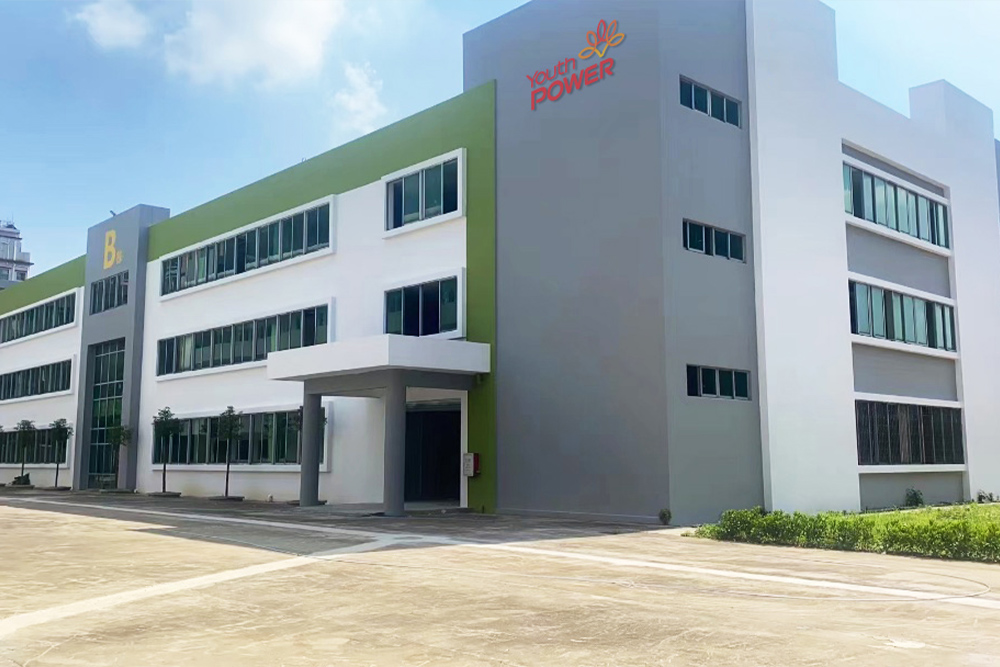
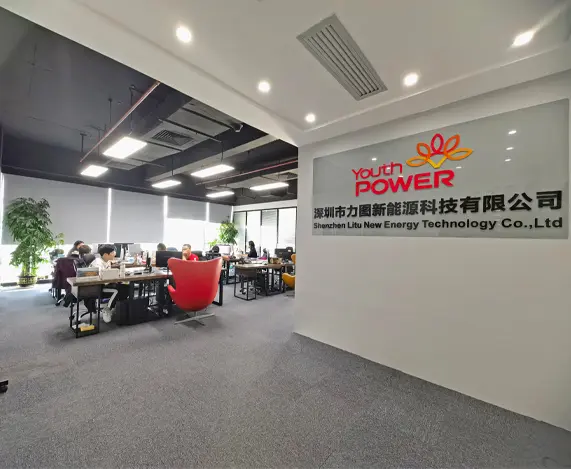
Founded in 2003, YouthPOWER has transitioned from a specialized battery developer into one of the dominant global suppliers of solar storage lithium batteries. Over the course of nearly two decades, we have anchored our business in the design, engineering, and mass production of advanced energy storage systems (ESS).
With an extensive catalog ranging from 24V, 48V low-voltage residential configurations up to multi-megawatt high-voltage commercial scale battery storage, our engineering solutions address key infrastructure demands: grid independence, peak-shaving, and black-out mitigation. We entered the clean energy storage market with a dedication to engineering excellence, culminating in the official launch of our proprietary brand "YouthPOWER" in 2019.
Backed by our strong R&D division, we control the core battery architecture—from structural layout to proprietary integration of advanced Battery Management Systems (BMS). Today, we boast a reliable footprint, powering over 1,000,000 families worldwide.
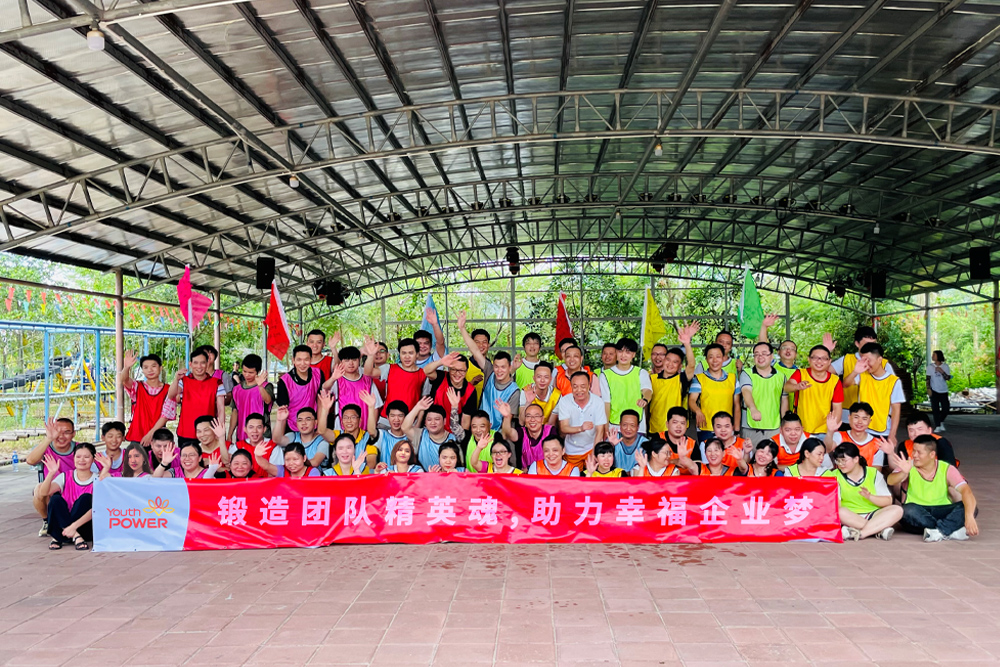
Analyzing the global transition toward behind-the-meter (BTM) storage and how corporate entities utilize solar battery assets to mitigate high demand fees.
Across North America, Europe, and the Asia-Pacific region, the commercial and industrial (C&I) sector is facing extreme utility grid stress. With demand charges representing up to 50% of monthly commercial electricity bills, companies are implementing behind-the-meter energy storage systems. Our high-voltage commercial battery line (ranging from 85kWh to 215kWh configurations) is engineered exactly to address this commercial challenge.
By coupling localized solar arrays with large-scale storage, enterprises utilize peak-shaving protocols. During peak utility rates, the local system disconnects or reduces utility draw, sourcing energy directly from the lithium battery bank. Additionally, grid operators are providing lucrative payouts for load-shedding and ancillary grid services, turning an emergency backup system into an active revenue-generating asset.
An inside look into the cell engineering, protection parameters, and safety integrations of YouthPOWER products.
We build our packs using Lithium Iron Phosphate (LFP) chemistry, widely recognized as the safest and most durable lithium-ion chemistry available.
Every modular rack features an intelligent proprietary Battery Management System monitoring cell statistics in real time.
Our structures are built for longevity, ensuring survival in harsh environmental conditions.
Battery deployment configurations vary heavily based on regional climate profile, utility tariff design, and local regulatory mandates. We optimize our system architecture to match regional criteria:
1. European Urban Centers & Balcony Integration: Space constraints in urban Germany, Italy, and France restrict typical large-scale battery arrays. Our 2.5KWH Balcony Solar Lithium Battery System is configured exactly for this micro-generation use case. Plug-and-play installation allows renters and apartment residents to offset base loads directly.
2. North American Grid Resiliency: High occurrence of extreme weather events across California, Texas, and the Northeast has resulted in grid vulnerability. Our high-voltage stackable storage units integrate seamlessly with hybrid inverters, permitting clean off-grid transitions within milliseconds during brownouts.
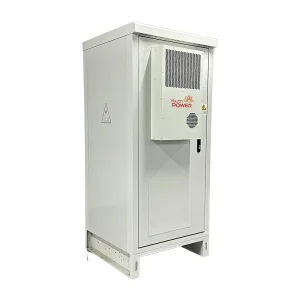
3. Off-Grid Remote Microgrids: In developing infrastructure zones, the battery operates as the primary source of voltage stability. Our 100KWH Outdoor Powerbox systems provide isolated communities, agricultural hubs, and medical clinics with a reliable power baseline when utility lines are non-existent.
How our direct vertical integration within the primary industrial ecosystem provides superior economic value without sacrificing cell quality.
The cost of energy storage is heavily driven by the upstream supply chain of lithium carbonate, cathode materials, and automated cell assembly. By utilizing our long-term supplier relationships within the industrial manufacturing hub of China, YouthPOWER delivers a significant cost advantage to international buyers. Our strategic sourcing of high-purity raw materials ensures that every battery cell utilized is of Grade-A quality, certified for long term cycling.
Our localized facility layouts decrease transit costs of heavy metal frames and specialized electronic components. By implementing automated cell sorting, laser welding, and dynamic BMS testing cycles directly on site, we minimize manual labor margins. These process improvements allow us to export premium energy storage systems at a highly competitive Levelized Cost of Storage (LCOS).
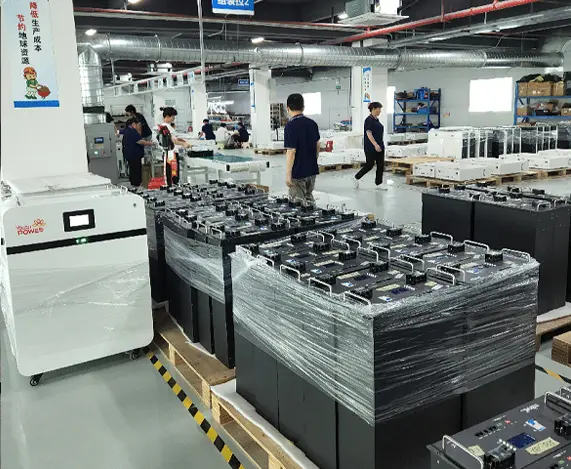
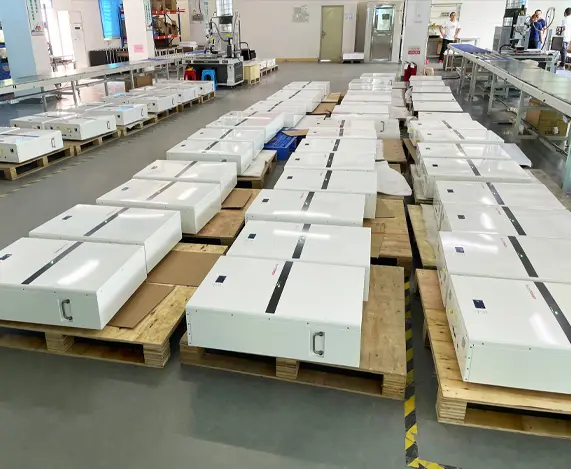
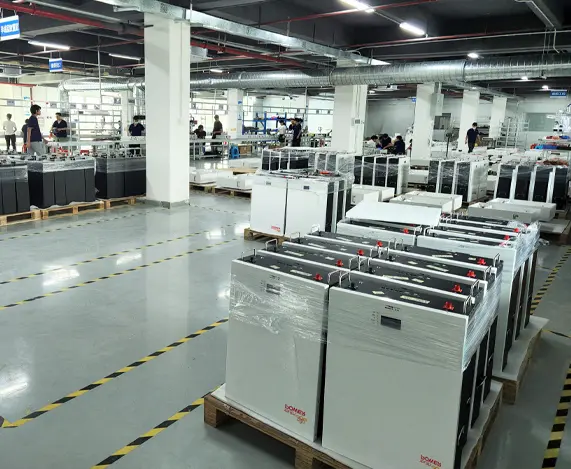
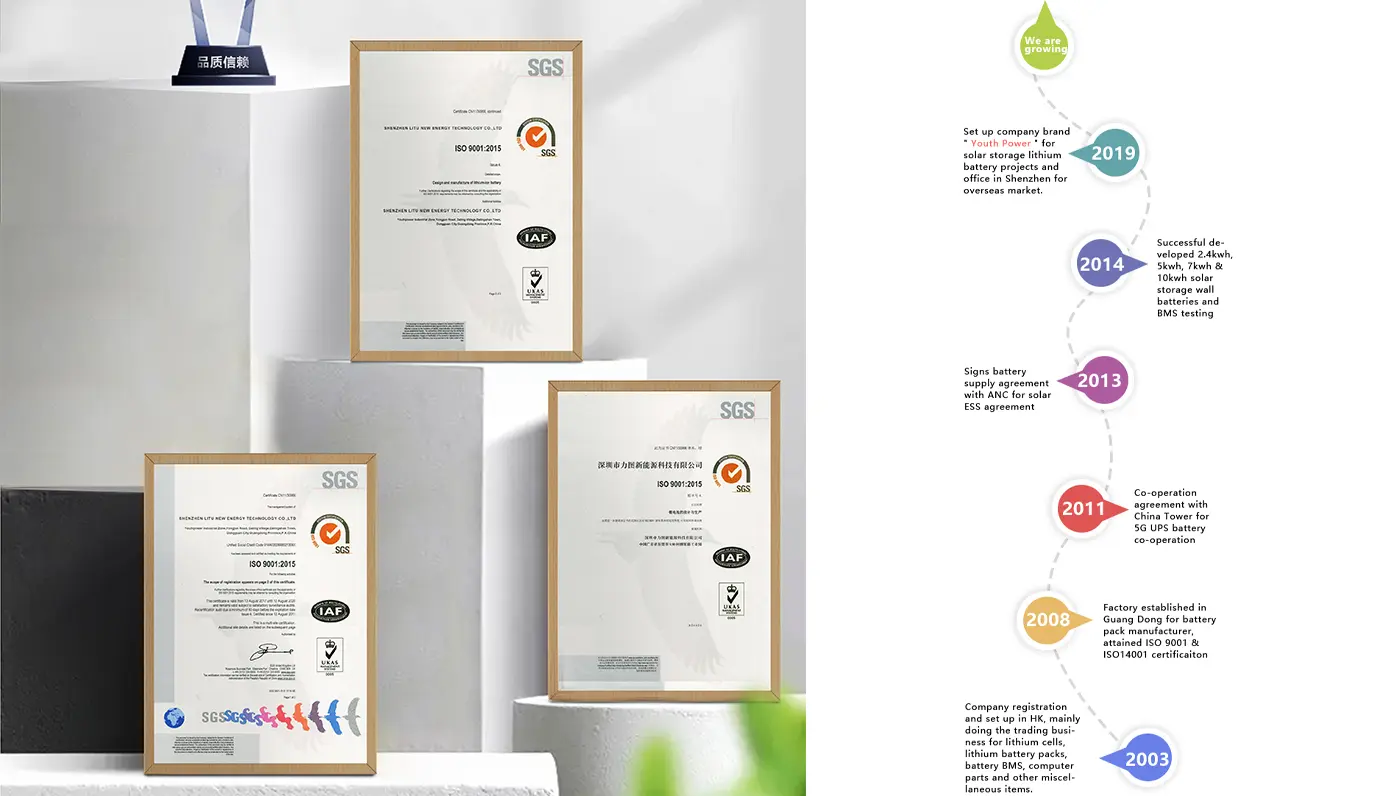
Over the last 20 years, our engineering path has evolved alongside breakthroughs in electrochemical science. As raw battery cells transitioned from standard Lead-Acid configurations to lithium-ion chemistry, our research shifted to maximizing energy density and system safety profiles.
Under development for our 2025–2030 roadmap:
Compliance, safety certifications, and supply chain logistics designed for global compliance.
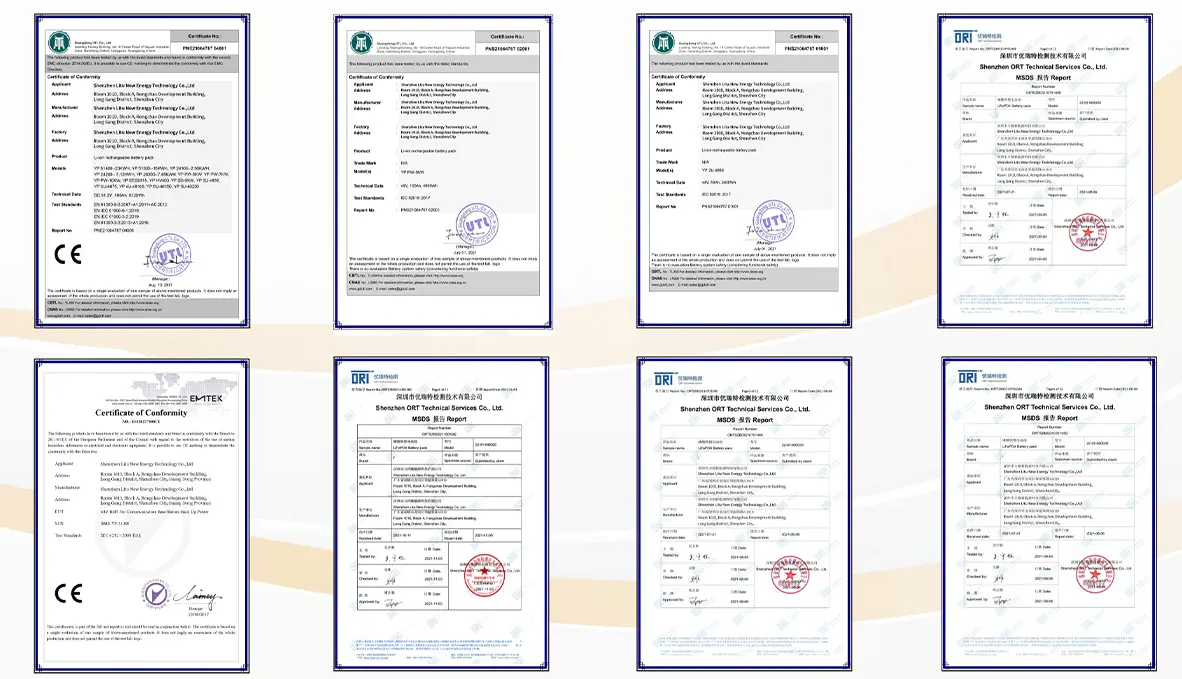
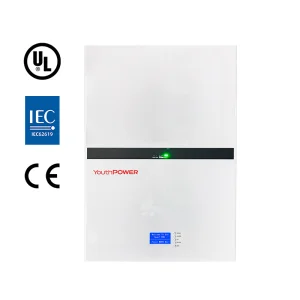
Navigating global electrical codes requires rigorous compliance validation. YouthPOWER products undergo extensive testing under accredited testing bodies. Our modules hold all essential global safety clearances: UN38.3 for battery transport safety, UL1973 / UL9540A for commercial and residential energy storage applications, CE for the European economic area, and IEC62619 standards for industrial safety profiles.
Additionally, we recognize that physical procurement is only half the battle. Our network of international distribution points offers spare parts storage, quick dispatch logistics, and responsive troubleshooting. If local installers encounter configuration queries, our global engineering center is available to provide localized configuration profiles and rapid support.
Whether you are implementing a containerized C&I system, setting up a microgrid network, or adding residential self-consumption batteries to your distributor inventory, we offer custom technical documentation, engineering drawings, and local training programs to streamline project deployment. Direct manufacturer support guarantees that project timelines remain intact, even under challenging construction constraints.
Expert answers addressing the practical, technical, and commercial aspects of solar battery systems.
The upfront price is primarily determined by cell chemistry grade, cycle rating, system voltage configuration, and auxiliary integrations. A Grade-A LFP battery pack might have a higher purchase cost than lower-grade alternatives, but its superior cycle life (over 6000 cycles) results in a much lower Levelized Cost of Storage (LCOS) over the asset's lifespan.
The BMS acts as the safety core of the battery pack. It actively monitors cell voltage, temperature, and current parameters. If a parameter exceeds safe operating levels (such as overcharging or excessive operating temperatures), the BMS disconnects the relay to protect the cells and prevent thermal runaway.
LV systems (typically 48V–51.2V) are commonly used in residential homes for simple backup systems. HV systems (ranging from 100V up to 800V+) are designed for commercial applications. High-voltage configurations reduce current load, minimize transmission losses, and integrate with large-scale industrial inverters.
Start by calculating your average daily load profile in kilowatt-hours (kWh) alongside your peak power demand (kW). For backup purposes, your storage capacity should cover essential loads during outage windows. For peak-shaving, select a battery configuration sized to buffer your highest utility consumption peaks.
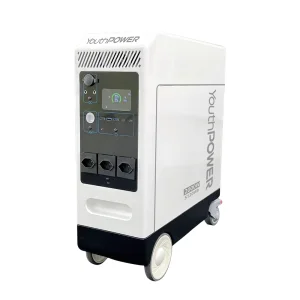
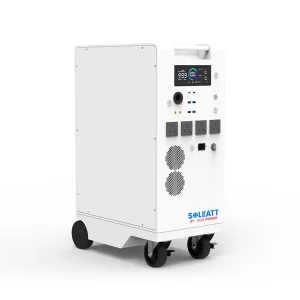
Explore our rugged commercial cabinets and high-capacity portable power stations, engineered to perform under demanding conditions.
 YouthPOWER