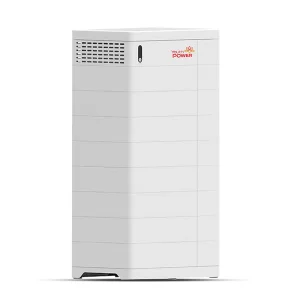
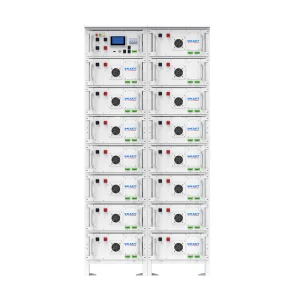
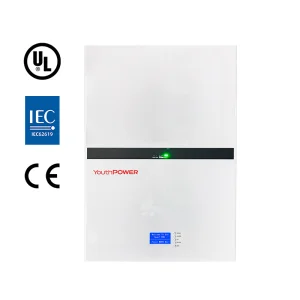
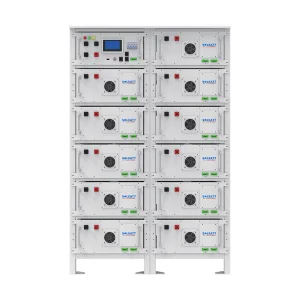
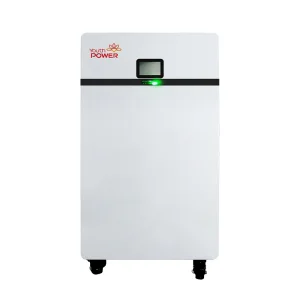
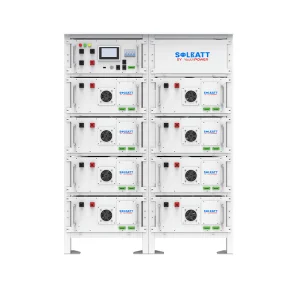
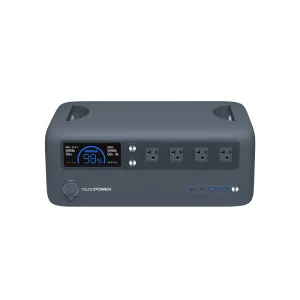
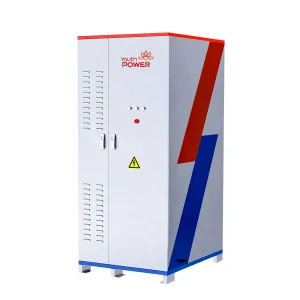
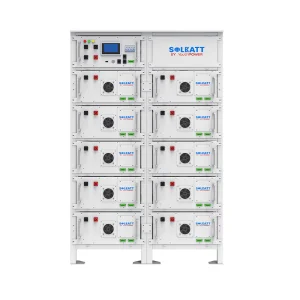
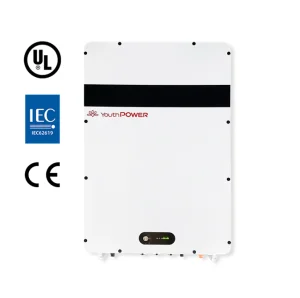
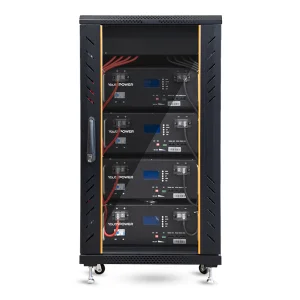
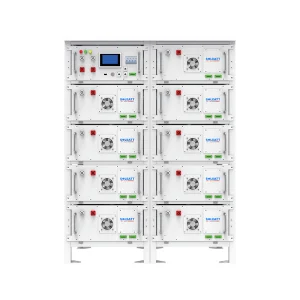
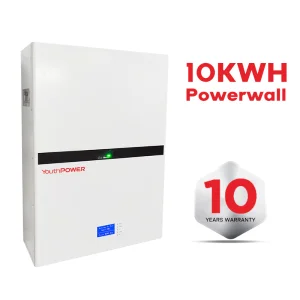
Explore our premium grade residential stackable batteries, industrial enclosures, and commercial energy storage modules.
Decoding the macroeconomic trends, regulatory forces, and technology curves driving the energy storage industry.
The global shift toward renewable energy sources has changed the way grid infrastructures and microgrids operate. As solar energy generation increases, its intermittent nature remains a key technical challenge. Solar battery markets have evolved from basic lead-acid systems to advanced Lithium Iron Phosphate (LiFePO4) chemistry. These systems offer higher energy density, longer lifecycles, and superior thermal stability.
According to current market intelligence, the demand for energy storage is driven by a combination of peak shaving requirements, utility frequency regulation, and the economic benefits of self-consumption. Modern storage systems are designed for high round-trip efficiency (RTE). In high-voltage (HV) stackable configurations, this efficiency routinely exceeds 95%, minimizing energy loss during conversion cycles.
Key Insight: The Levelized Cost of Storage (LCOS) has decreased significantly over the last decade. This drop positions B2B commercial energy storage as an economically viable solution for facility peak demand management and operational continuity.
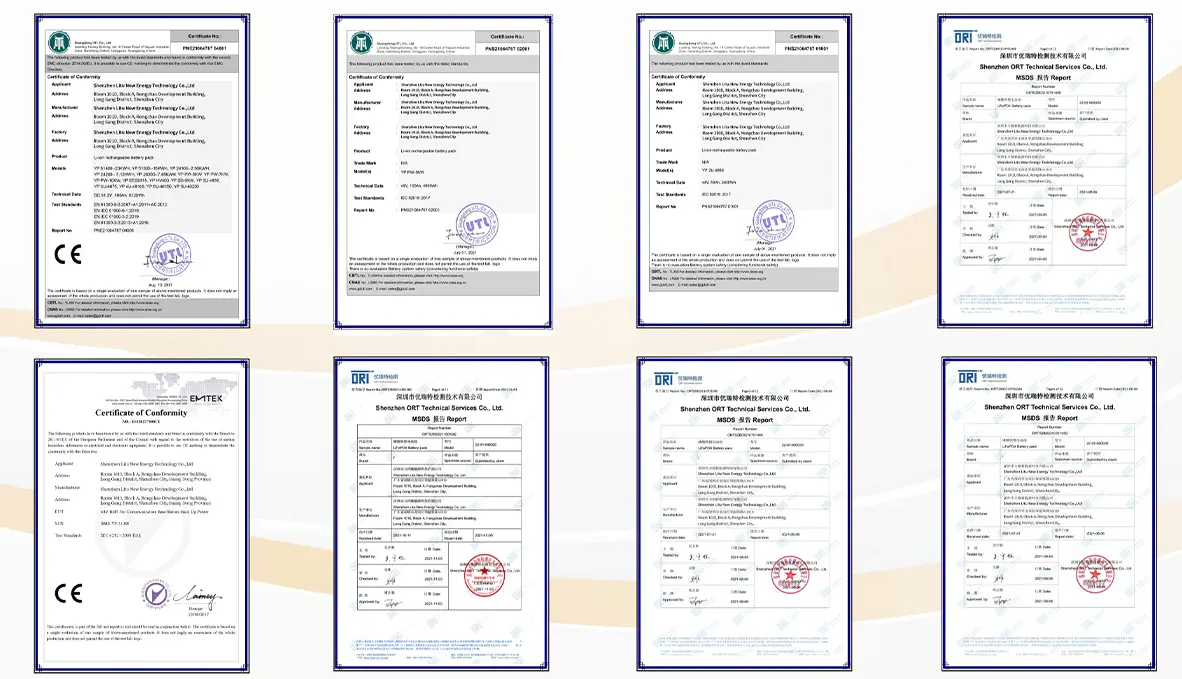
Modern commercial battery systems must adhere to strict regulatory standards to ensure safety and system longevity. Certifications like UL 1973, UL 9540A, and IEC 62619 are essential parameters for developers and EPC contractors during procurement. These guidelines evaluate safety under thermal runaway conditions, structural stability, and system integration reliability.
Selecting the right partners depends on these safety records and battery chemistry profiles. LiFePO4 chemistry is highly stable under extreme thermal stress, preventing the fire propagation risks associated with older cobalt-based lithium chemistries.
Understanding the manufacturing advantages that drive market-leading quality and cost optimization.
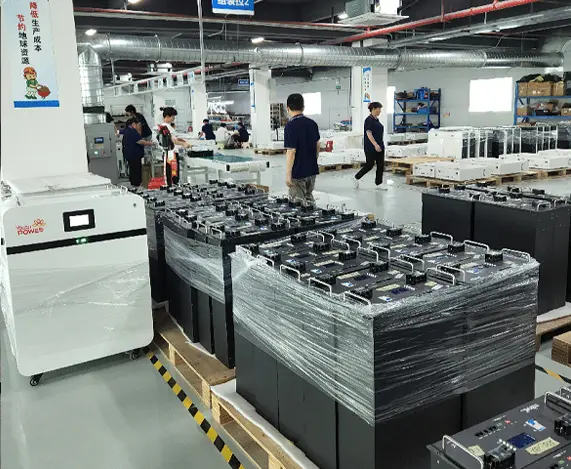
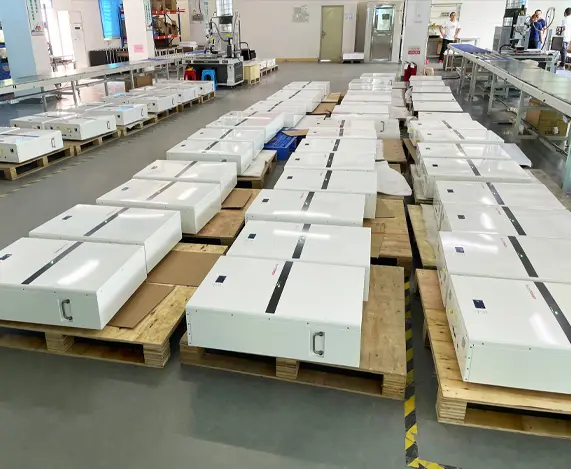
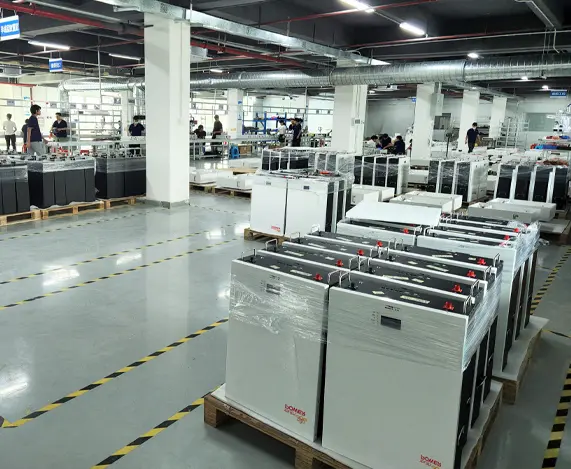
B2B energy procurement officers look for several key factors when selecting suppliers: cell grading consistency, supply chain reliability, and pricing dynamics. China's advanced manufacturing infrastructure has built a vertically integrated ecosystem that covers everything from raw lithium refining to intelligent BMS (Battery Management System) programming.
This integration directly affects pricing. Local raw material sourcing minimizes international freight volatility and component delays. By securing lithium cells from domestic, high-volume production lines, manufacturers can offer stable pricing even during global market shifts.
Under Factory 4.0 standards, modern assembly operations use automated manufacturing processes. Key systems include:
| Parameters | Standard Tier-1 Factory Specifications | China Factory 4.0 Advantages |
|---|---|---|
| Cell Selection Criteria | Generic grade A/B mixed cells | Precision matched Grade A Cells (< 0.2mΩ discrepancy) |
| Manufacturing Process | Semi-automated manual lines | Full robotic laser-weld & automated cell grouping |
| BMS Intelligence | Basic overcurrent/voltage cut-off | Active Balancing BMS with CAN/RS485/Modbus telemetry |
| Traceability | Static batch labeling | Dynamic MES tracking (Individual cell-to-module mapping) |
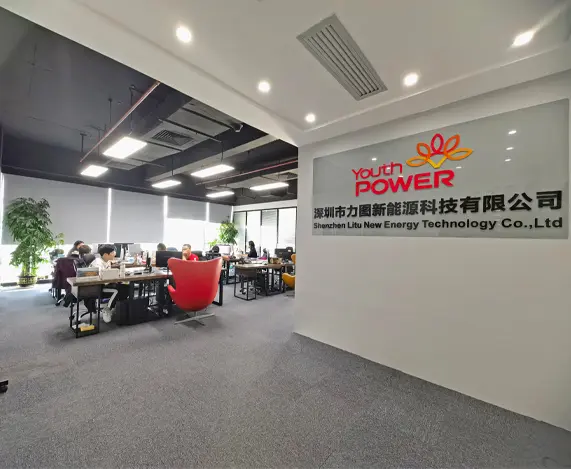
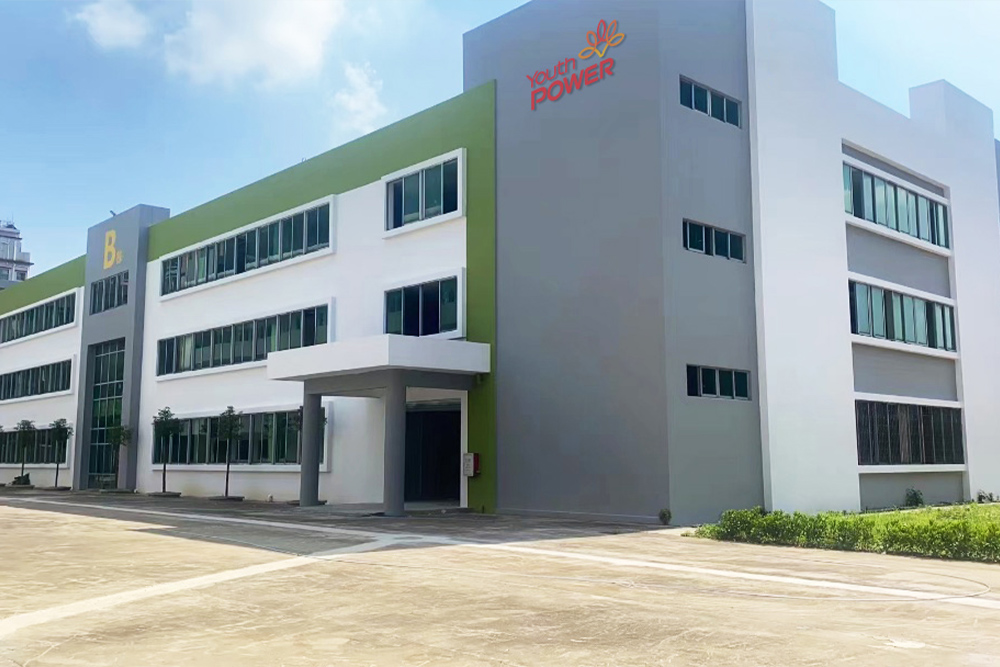
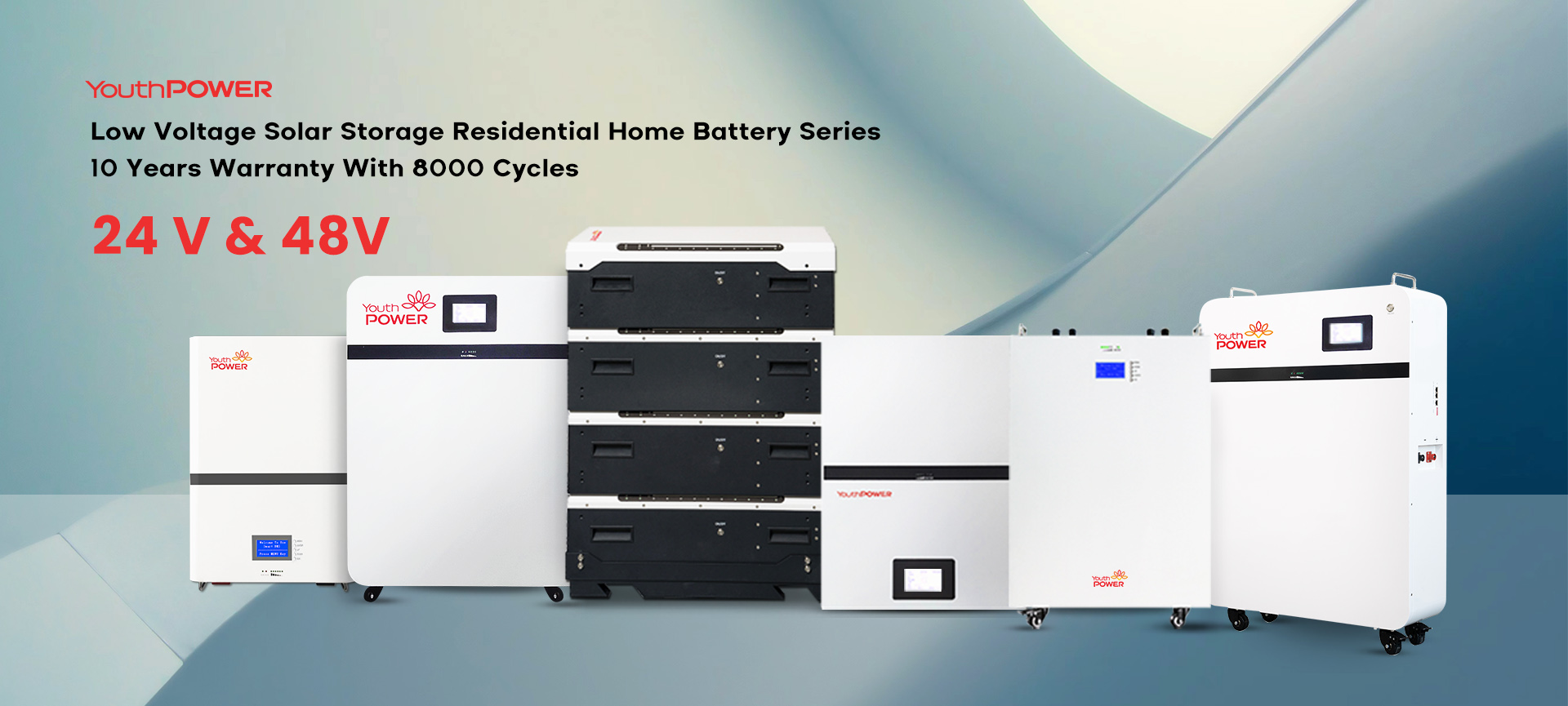
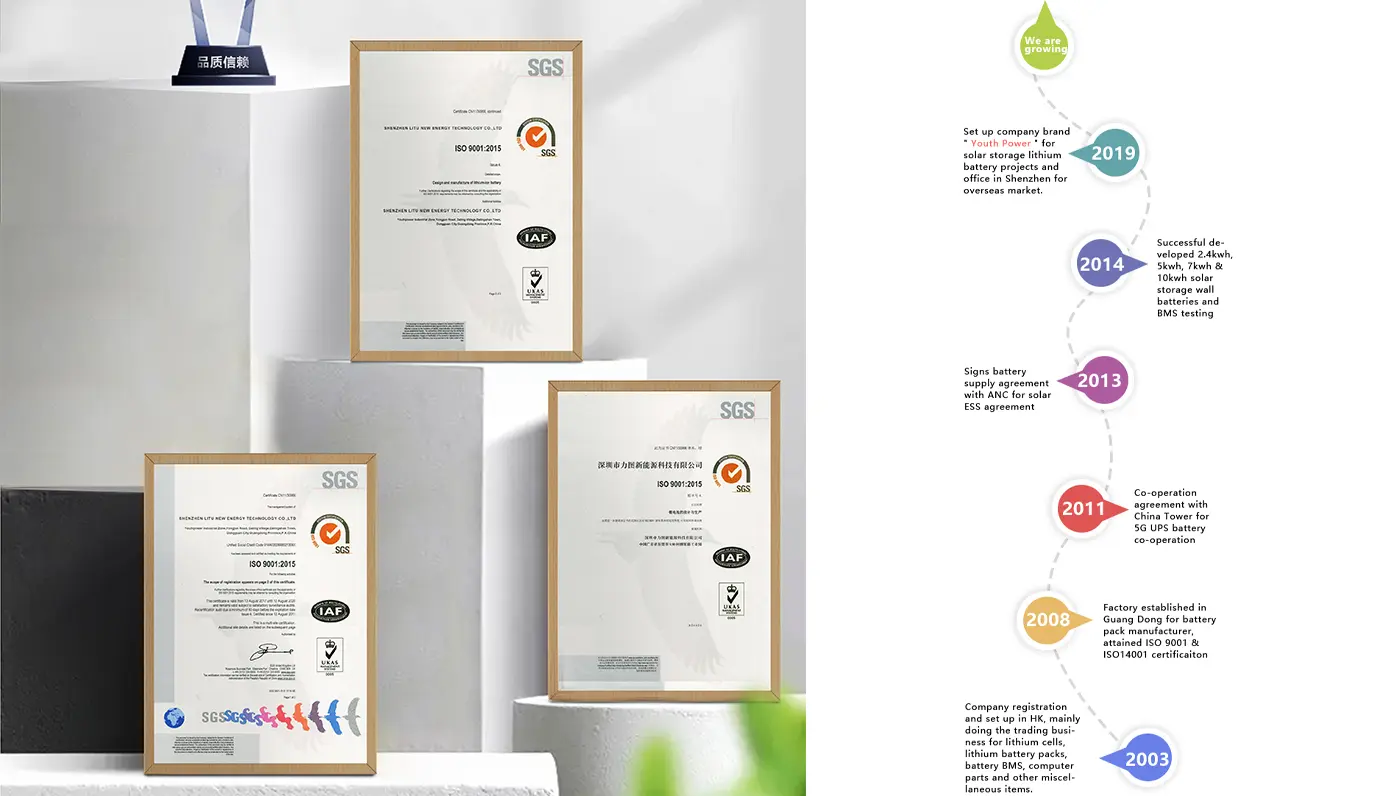
Founded in 2003, YouthPOWER has now become one of the leading suppliers of solar storage lithium batteries in the world. With a broad range of energy storage solutions, it covers a series of 24V, 48V and higher voltage lithium batteries solutions.
YouthPOWER has engaged in the battery technology and production for almost 20 years, with abundant manufacturing experience and strong new product R&D capability. Through many years of hard work and market promotion, we have created our own brand "YouthPOWER" in 2019.
With nearly 20 years' experience in the battery industry, we have the capability to provide you with both the products you need and the most suitable products you want. We are always ready to supply the first-class products and meet the various needs of the customers.
We have established good business relationships with our customers from all over the world. And we have a good cooperation with all our customers as well for many years running. Supported by our local vendors of raw materials, we can certainly offer you the best prices.
We are so proud that YouthPOWER has offered the reliable solar storage solution for over 1,000,000 families now in the world.
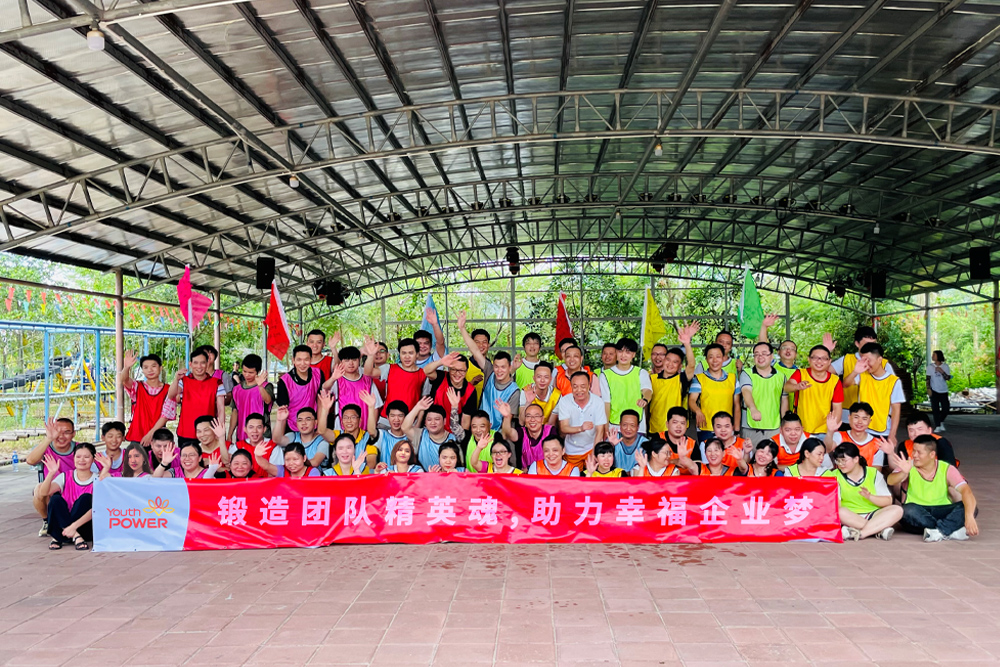
How businesses and developers deploy battery storage systems across global markets.
Direct technical answers to common B2B procurement and integration inquiries.
Low-voltage battery storage systems (typically 48V or 51.2V) are commonly used in residential and light commercial settings up to 30kWh. High-voltage battery systems (typically 200V to 800V+) are designed for commercial and industrial applications. HV setups reduce the system current, allowing for smaller, lighter cables, lower heat generation, and improved efficiency over longer distances.
Pricing is calculated on a USD per kilowatt-hour ($/kWh) basis. Larger systems (such as 100kWh to 215kWh container units) benefit from economies of scale, reducing the per-kWh cost of cell integration and enclosure structures. Customized requests, integrated liquid cooling systems, and specialized BMS protocols can affect final project pricing.
Our BMS platforms support multiple communication protocols (CANbus, RS485, Modbus). This provides out-of-the-box compatibility with Tier-1 inverter brands, including Deye, Growatt, Victron, SMA, and GoodWe, allowing for smooth integration and system commissioning.
For international logistics, batteries must pass UN38.3 testing to verify transport safety. For site installations, local codes often require certifications like CE, IEC 62619, and UL 1973. These standards guarantee the battery chemistry has undergone comprehensive electrical, mechanical, and thermal safety testing.
Lithium-ion chemistries perform best between 15°C and 35°C. Extreme cold reduces charging rates and available capacity, while excessive heat accelerates battery degradation. Outdoor systems use active thermal management, such as forced air cooling or liquid cooling loops, to keep cells within their optimal temperature range and extend system life.
ROI depends on local utility demand charges, peak-to-valley price spreads, and daily load profiles. In markets with high peak charges, companies often recover their initial system costs within 3 to 6 years through demand-charge reduction and optimized self-consumption.
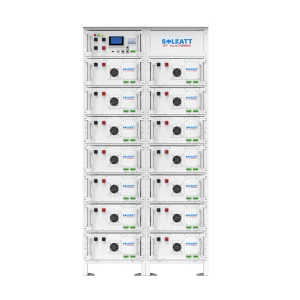
Explore our industrial range of high-capacity and cabinet-integrated lithium storage solutions.
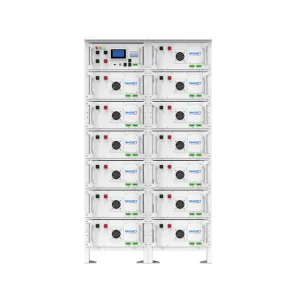
 YouthPOWER