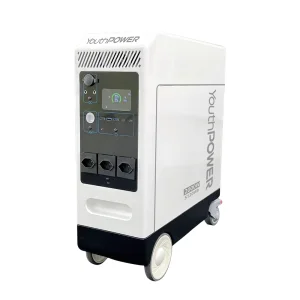
As the world transitions from centralized fossil fuel architectures to decentralized renewable energy microgrids, the role of electrochemical storage systems has evolved from a luxury fallback to a core infrastructure necessity. Solar panel batteries act as the vital bridge overcoming renewable energy intermittency, stabilizing grid frequencies, and facilitating efficient load shifting. To achieve commercial and industrial viability, modern battery systems must deliver elevated Levelized Cost of Storage (LCOS), high round-trip efficiency (typically >95% at cell level), and exceptional thermal endurance across unpredictable ambient conditions.
From a technological perspective, Lithium Iron Phosphate (LiFePO4) chemistry has emerged as the global industry benchmark for stationary storage applications. When compared to Nickel Manganese Cobalt (NMC) chemistries, LiFePO4 exhibits structural durability, structural stability under high thermal strain, and a remarkably long cycle life—often exceeding 6,000 deep discharge cycles at 80% Depth of Discharge (DOD). For global utility-scale developers and residential distributors alike, understanding the structural layout of these batteries, from active cell chemistries down to the Battery Management System (BMS) interface, is crucial for assessing long-term investment performance (ROI).
Sourcing directly from an established Chinese manufacturer like YouthPOWER provides significant advantages in quality control, technical flexibility, and cost competitiveness. The Chinese lithium battery manufacturing sector operates within a highly concentrated and optimized supply chain ecosystem. From raw material refining (such as lithium carbonate, synthetic graphite, and high-purity copper foil) to advanced electrode coating, automated cell assembly, and intelligent BMS programming, the entire production value chain is concentrated to reduce lead times and optimize costs.
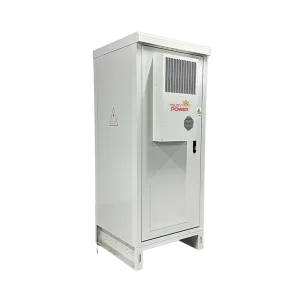
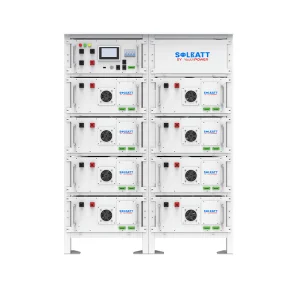
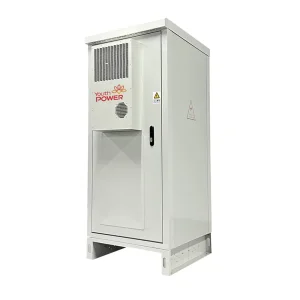
YouthPOWER leverages these geographical and industrial strengths by integrating local tier-1 raw material sourcing directly with in-house R&D. Vertical integration ensures that each battery pack—whether it is a 5KWH Wall-Mounted Powerwall for residential usage or a containerized 215KWH High-Voltage BESS Cabinet—is built to precise tolerances. Direct factory access eliminates intermediary markups, offering global clients transparent pricing structures, customizable module sizes, and direct access to engineering teams for rapid prototyping.
Direct integration with domestic material suppliers guarantees highly stable pricing even during global market shifts, assuring consistent production schedules for large enterprise rollouts.
Our engineering division designs customized BMS modules supporting diverse protocols (CANBUS, RS485, Modbus) for seamless integration with SMA, Victron, Deye, and Growatt inverters.
Each factory production line features cell-matching sorting, capacity grading, high-temperature aging chambers, and vibration tests to prevent thermal runaway and cell mismatch issues.
Founded in 2003, YouthPOWER has now become one of the leading suppliers of solar storage lithium batteries in the world. With a broad range of energy storage solutions, it covers a series of 24V, 48V and higher voltage lithium batteries solutions.
YouthPOWER has engaged in the battery technology and production for almost 20 years, with abundant manufacturing experience and strong new product R & D capability. Through many years of hard work and market promotion, we have created our own brand "YouthPOWER" in 2019.
With nearly 20 years’ experience in the battery industry, we have the capability to provide you with both the products you need and the most suitable products you want. We are always ready to supply the first-class products and meet the various needs of the customers.
We have established good business relationships with our customers from all over the world. And we have a good cooperation with all our customers as well for many years running. Supported by our local vendors of raw materials, we can certainly offer you the best prices.
We are so proud that YouthPOWER has offered the reliable solar storage solution for over 1,000,000 families now in the world.


For global energy system integrators, compliance with regional energy storage standards is paramount to ensure project eligibility, grid interconnection approvals, and safety assurance. Sourcing batteries without proper regional certifications can lead to significant customs delays, project rejections, and legal liabilities. In North America, Europe, and Australia, grid operators require rigorous safety testing protocols before permitting BESS systems to connect to the utility network.
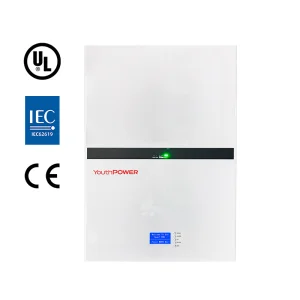
YouthPOWER manufactures its energy storage portfolio to meet international regulatory frameworks, including:
Modern storage applications vary based on regional infrastructure requirements and local economic goals. Energy storage is not a one-size-fits-all model; configurations change to match the specific needs of residential homeowners, commercial operators, and industrial sites.
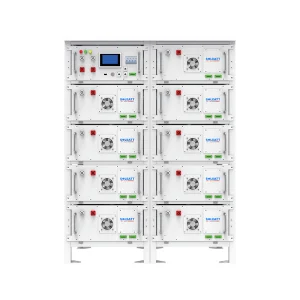
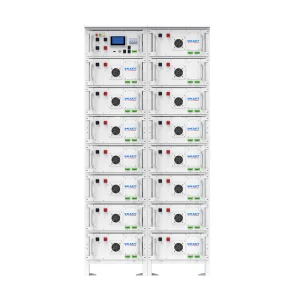
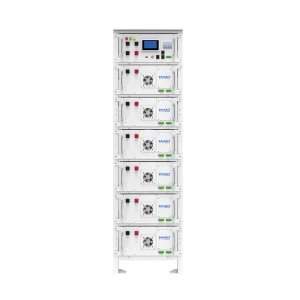
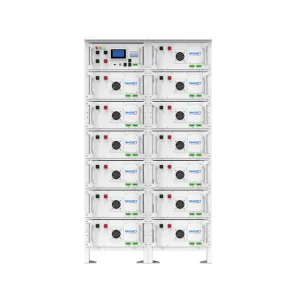
For commercial facilities facing high demand charges during peak utility windows, high-capacity systems (like the 114KWH and 215KWH cabinets) discharge stored power strategically. This lowers peak demand spikes and reduces commercial electricity expenses.
Remote agricultural processing units utilize robust hybrid solar storage systems to remain independent of weak grids. By combining high-voltage battery banks with hybrid split-phase inverters, farming operations run continuously.
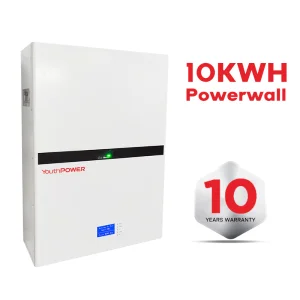
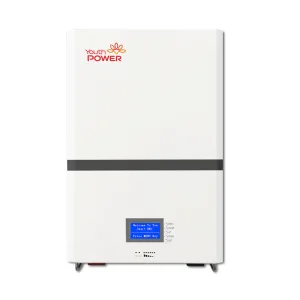
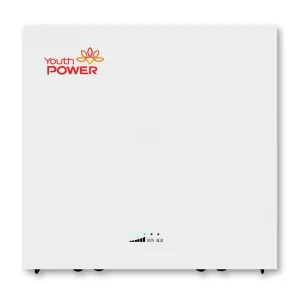
Residential homes utilize compact wall-mounted systems (such as the 5KWH or 10KWH modular Powerwalls) to store solar energy generated during the day. This stored energy is deployed at night, maximizing self-consumption rates.
The solar storage industry is undergoing rapid technological advancements. Key trends include the transition from low-voltage (48V) to high-voltage (400V–800V) architectures. High-voltage battery systems minimize conversion losses, utilize thinner cabling, and improve overall system round-trip efficiency, making them the preferred choice for modern commercial setups.
Additionally, there is a strong focus on advanced, AI-driven Battery Management Systems (BMS). Today’s smart BMS designs use predictive diagnostics and cloud monitoring to monitor health metrics, locate micro-short circuits early, and optimize cell life. In the future, solid-state battery development and sodium-ion alternatives will further expand the application range, offering safer and more cost-effective solutions for extreme environments.
 YouthPOWER