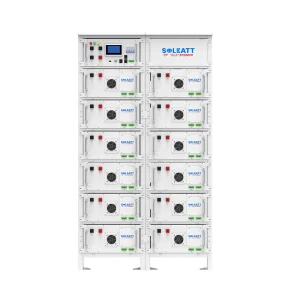
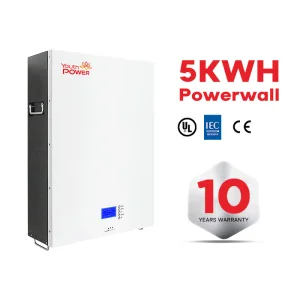
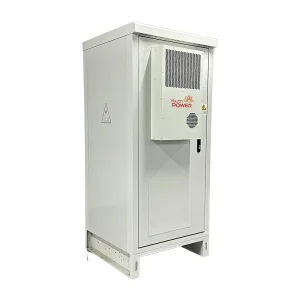
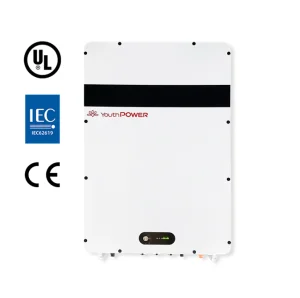
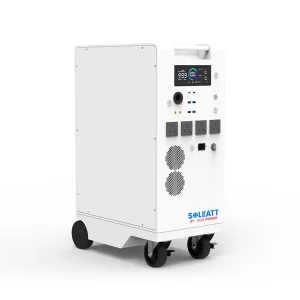
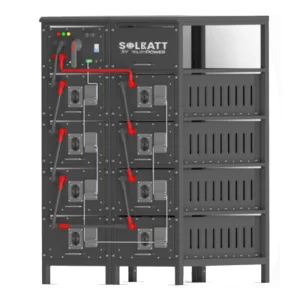
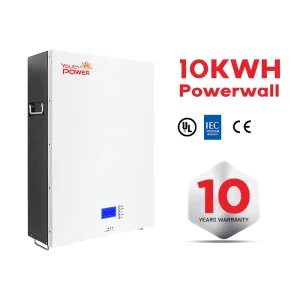
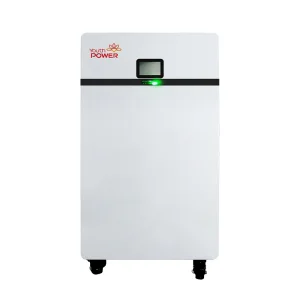
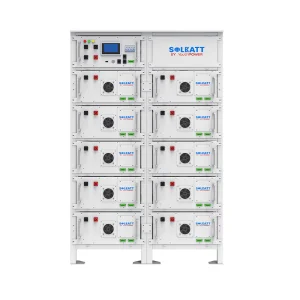
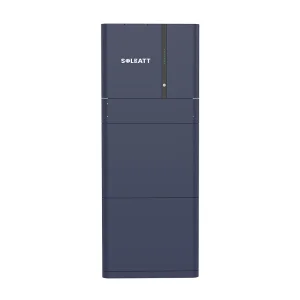
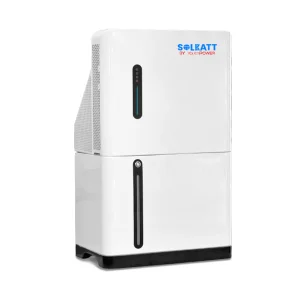
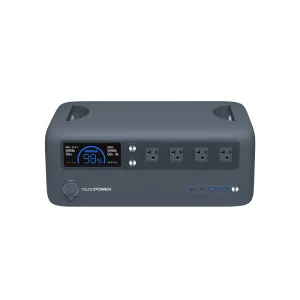
Engineered to support smart grids, backup power generation, and commercial peak shaving environments with proven multi-scenario adaptability.
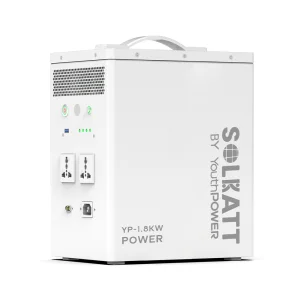
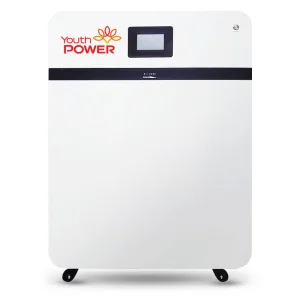
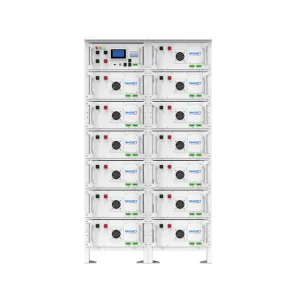
How the convergence of grid instability and localized green energy initiatives is positioning the 10.24 kWh LFP unit as the optimal benchmark for residential and micro-commercial storage.
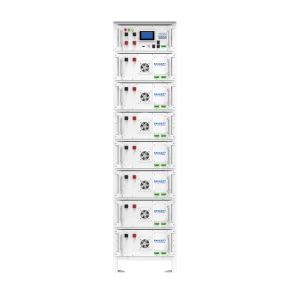
The global transition toward decentralized power grids has highlighted the crucial role of Energy Storage Systems (ESS). Among various storage configurations, the 10.24 kWh LFP (Lithium Iron Phosphate) battery pack has emerged as an industry-standard sweet spot. Offering an optimal balance between physical volume, safety limits, and backup capacity, this configuration delivers reliable peak shaving and emergency power backup capabilities for both modern smart homes and small-to-medium enterprises (SMEs).
A capacity of 10.24 kWh (typically constructed via a 51.2V 200Ah configuration) matches the daily average non-heating baseline electricity demand of a single-family home in many developed regions. For commercial entities, modular combinations of 10.24 kWh packs provide an easily scalable baseline. Working in parallel configurations, these systems can comfortably handle dynamic peak-shaving needs, preventing expensive peak-demand utility surcharges.
Lithium Iron Phosphate (LiFePO4 or LFP) remains the primary chemical structure for heavy-duty stationary energy storage. Compared to Cobalt-based ternary lithium batteries (NMC), LFP exhibits a much higher thermal runaway threshold (up to 270°C to 300°C), making it intrinsically safer. This chemical structure undergoes minimal volume fluctuation during deep charge and discharge cycles, which supports a working lifespan exceeding 6,000 cycles at 80% Depth of Discharge (DoD).
Procuring raw batteries from international channels requires navigating complex logistics and compliance regulations. Enterprise buyers must examine battery management system (BMS) integration capabilities, inverter protocol matches, dynamic thermal management setups, and local logistics approvals (such as UN38.3 transport safety documentation). Choosing the right manufacturer involves finding partners who offer end-to-end certification, technical engineering documentation, and reliable localized support networks.
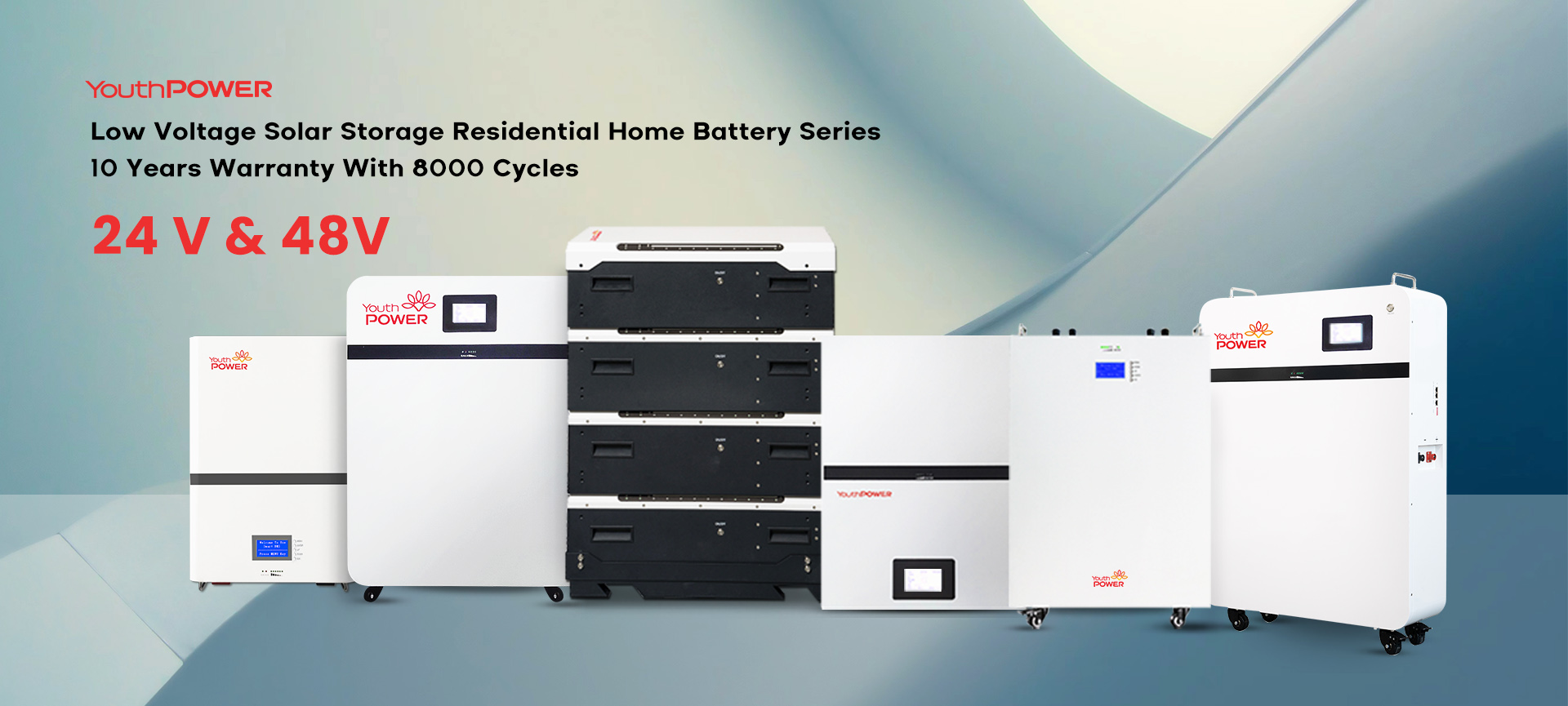
Founded in 2003, YouthPOWER has now become one of the leading suppliers of solar storage lithium batteries in the world. With a broad range of energy storage solutions, it covers a series of 24V, 48V and higher voltage lithium batteries solutions.
YouthPOWER has engaged in the battery technology and production for almost 20 years, with abundant manufacturing experience and strong new product R & D capability. Through many years of hard work and market promotion, we have created our own brand "YouthPOWER" in 2019.
With nearly 20 years’ experience in the battery industry, we have the capability to provide you with both the products you need and the most suitable products you want. We are always ready to supply the first-class products and meet the various needs of the customers.
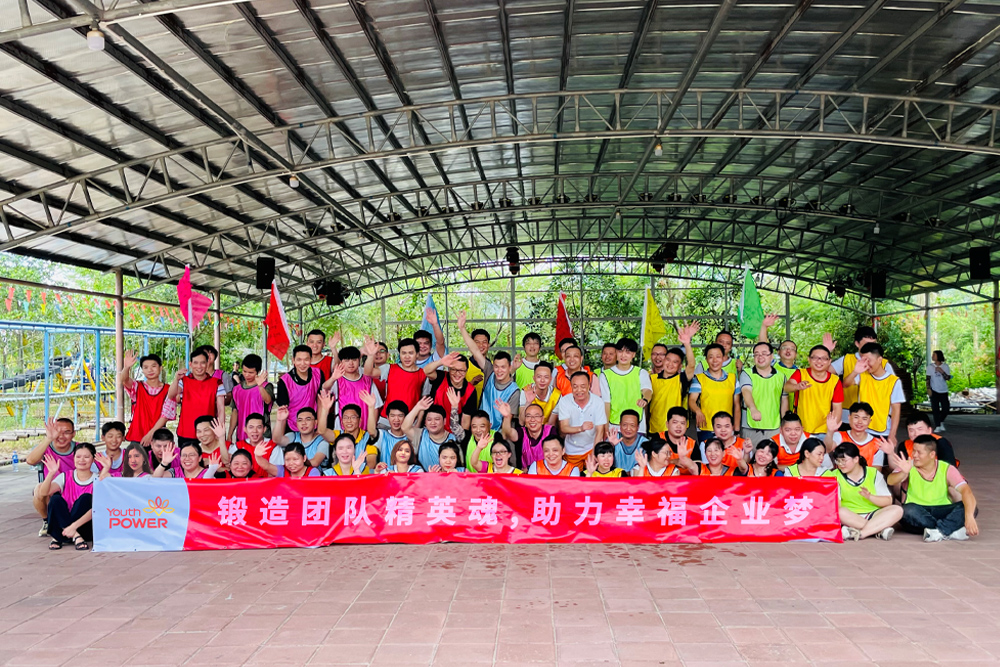
Navigating global supply chain complexities, certification compliance, and application matching for grid-tied and off-grid configurations.
Large-scale procurement managers prioritize cell sorting quality (Grade A vs. Grade B), guaranteed minimum cycling thresholds, and active vs. passive cell balancing. Ensuring long-term supply agreement stability and structured component warranties is critical to maximizing the ROI of commercial installations.
Successful integration depends on seamless protocol matching (CAN/RS485 communication interfaces) between the battery BMS and hybrid inverters. Communication mismatch can lead to premature battery shutdown, inaccurate State of Charge (SoC) calculation, and decreased operational safety.
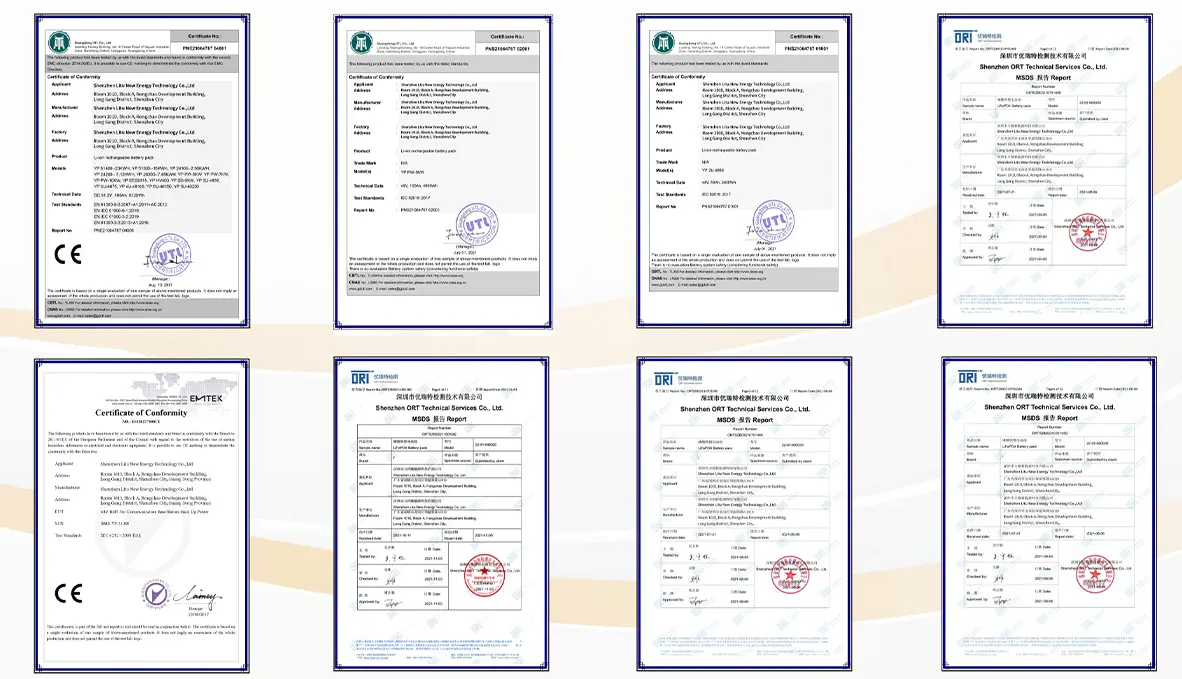
Operating globally requires meeting strict international compliance frameworks. Safe operations require conforming to standard test protocols including UL1973 (stationary batteries), IEC 62619 (safety requirements for industrial applications), and UN38.3 (transport safety standards).
We have established good business relationships with our customers from all over the world. And we have a good cooperation with all our customers as well for many years running. Supported by our local vendors of raw materials, we can certainly offer you the best prices.
We are so proud that YouthPOWER has offered the reliable solar storage solution for over 1,000,000 families now in the world. Our engineering teams continuously develop next-generation smart BMS software to ensure compatibility with over 30 leading global inverter brands.
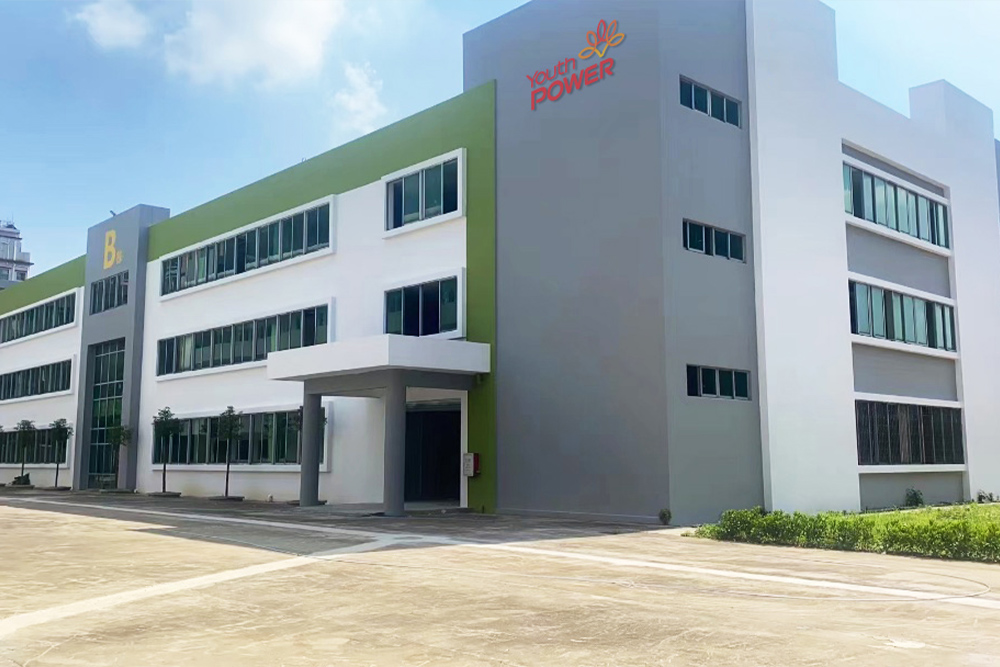
Precision assembly, automated testing processes, and intensive cycle-life simulation platforms form the backbone of YouthPOWER's production facilities.
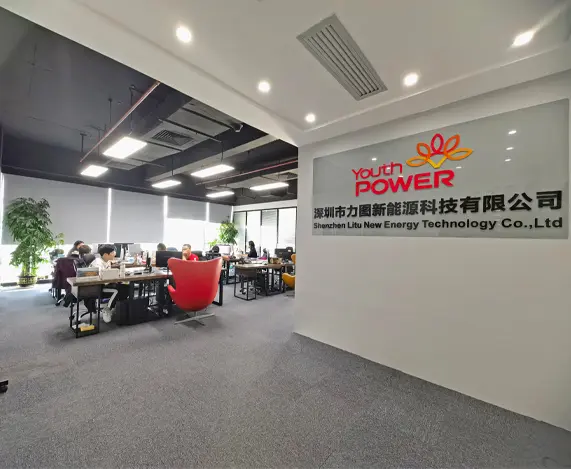
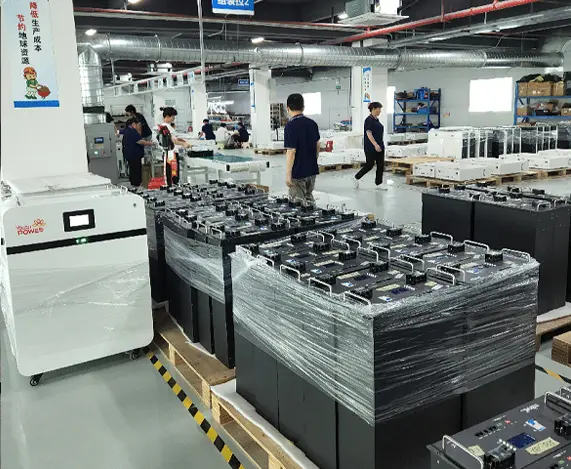
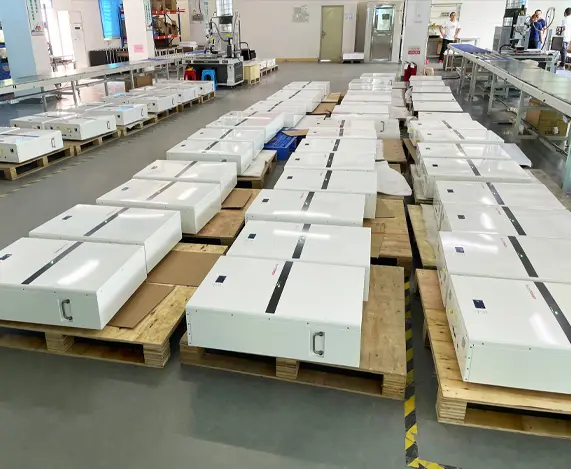
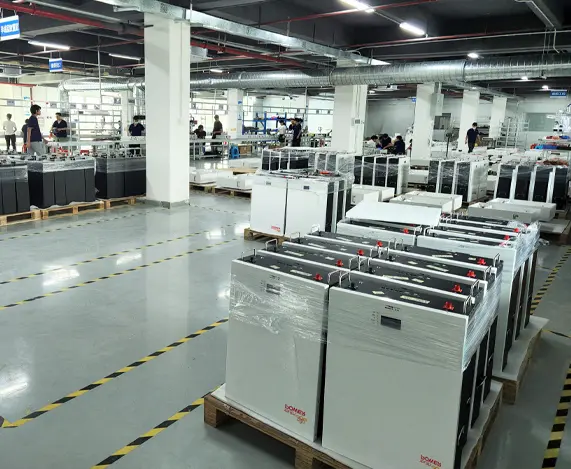
Our path in the energy sector is defined by constant engineering innovation and strict product testing. From our initial focus on specialized cell manufacturing to becoming a global energy storage system provider, YouthPOWER has remained committed to clean, accessible energy solutions.
By controlling every step of production—from design and mechanical structure testing to thermal management and advanced safety certification—we ensure our systems provide reliable performance for families and businesses around the world.
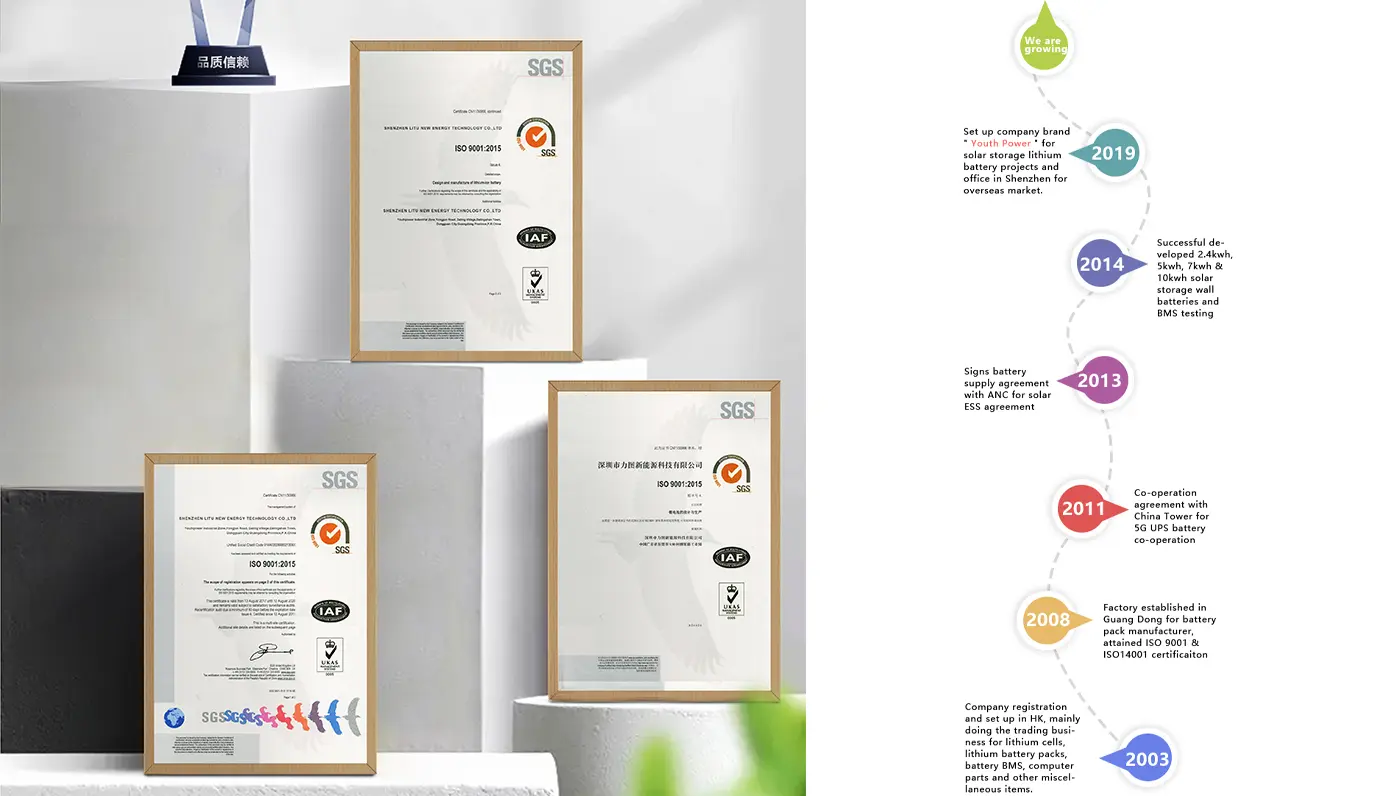
Ensuring rapid customs clearance, local safety validation, and smooth integration into regional grids.
Standard for Batteries for Use in Stationary and Motive Auxiliary Power Applications.
Demonstrates compliance with EU safety, health, and environmental protection requirements.
International safety requirements for large industrial lithium accumulators.
Ensures safety standards during transport and maritime shipping.
Our ongoing commitment to developing safer, more efficient, and smarter energy storage solutions.
We are integrating cloud-based machine learning systems to monitor cell degradation rates, dynamically balance voltage differences, and forecast thermal concerns up to 48 hours before they present physical indicators.
Moving beyond conventional low-voltage designs, our upcoming series will feature stackable high-voltage systems (up to 800V) designed to reduce system line losses and improve round-trip efficiency (RTE).
Our design process focuses on recycling and easy disassembly. This structure simplifies battery recovery, allowing raw active materials to be reclaimed and reused at the end of the system's operational life.
Technical clarifications on performance, integration protocols, installation safety, and international procurement logistics.
From compact balcony solar storage systems to utility-scale commercial setups, we provide solutions that match diverse project scopes.
 YouthPOWER